Consumers are exposed to around 4,000 to 10,000 advertisements each day. How can you make sure your ad stands out from the rest? bMedia, Puerto Rico’s local leaders in outdoor media, has successfully executed marketing campaigns all over North America. There are many reasons we stand so strongly behind effective outdoor advertising strategy.
Outdoor advertising has been a staple of marketing strategy for businesses and brands everywhere. These types of marketing campaigns continuously prove higher ROI for companies who take advantage of this marketing opportunity.
Outdoor advertising or OOH (out-of-home) advertising refers to any advertising medium that targets the consumer outside of their homes. This includes billboards, street posters, retail signage, and more. Why does outdoor advertising work?
Digital advertisements have bombarded consumers so often that most go unnoticed or are ignored. How often do you find yourself skipping over ads when you scroll social media? You can’t skip over a billboard on the highway or a poster at the subway station.
In fact, another reason why billboards are so effective is simply because they stand out and better capture the consumer’s attention.
Outdoor Advertising vs. Online Advertising
Online and digital ads have become somewhat of a nuisance, which is why we’re seeing more people download ad-blocking software. Ads you see online also collect extensive amounts of data which allows businesses to directly target individual consumers. This can trigger privacy and security concerns which may lead to distrust between the brand and the consumer.
Outdoor advertising works because it is a real-life experience. It is a physical encounter with the advertisement. Many people spend significant amounts of time outside of their homes where they have no option but to see advertisements such as billboards and posters as they move about. Additionally, because OOH ads don’t require extensive consumer data monitoring, it is generally one of the more accepted forms of advertising.
Another reason why companies opt for OOH advertising is because it is cost-effective. Outdoor advertising is typically less expensive than print or digital marketing. It is also more long-term. On the contrary, in order to run a digital commercial ad, companies often have to pay a repeated fee just so their ad is visible more than once.
Types of Outdoor Advertising
The advantages of your outdoor advertising strategy depend on which medium you use. Here are the most popular forms of outdoor advertising:
Billboards
If you’re looking to make a strong impact, creative billboard advertising should be a the top of your strategy list. Billboards, one of the original forms of advertising remains one of the most reliable marketing strategies and has stood the test of time.
According to an Arbitron National In-Car study, 71 percent of drivers “often look at the messages on roadside billboards.”
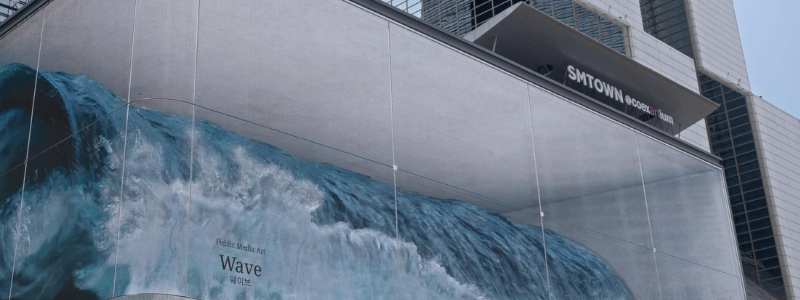
Additionally, billboards don’t just have to be static words and images anymore. Technological advancements and the digital shift have given room for billboards to be more creative in terms of design and content. We’re now seeing digital and interactive billboards that continue to turn heads on streets and highways.
Digital billboards are typically made from LED screens that allow animated advertisements to be displayed. They also have the ability to showcase more than one ad. There are also interactive billboards, which allow consumers to directly engage with the advertisement. Movement is great at grabbing the attention of consumers, stimulates the viewer, and creates a new element of creativity.
Billboards allow flexibility for marketing campaigns. The creative opportunities are endless. Billboards come in different shapes, sizes, mediums and can be put up virtually anywhere. It’s safe to say that this advertising medium shows no signs of slowing down.
Transit Advertising
This type of advertising includes posters and signage seen on buses, cabs, subways, or train and subway waiting platforms. During commutes, consumers encounter thousands of advertisements. That makes this marketing strategy very opportunistic for your business. This marketing strategy is especially great for densely populated cities and urban areas. If an ad gains more exposure, it results in higher levels of engagement.
Transit advertising continues to stay popular due to the simple fact that the need for transit is not going anywhere. Increased ride time and frequency give your ad the opportunity to connect and with the viewer, also allowing them to fully absorb the message of your ad.
Outdoor Events
Outdoor Events such as product demos, mini-concerts, and integrated free product trials are effective ways of marketing a new product or launch. Events allow the consumer to become a part of the marketing strategy and provide them with a memorable experience that they’ll most likely share on social media or with friends.
Point-of-Sale Advertising
Point of sale advertising, or POS, triggers an impulse for the buyer. This marketing strategy intends to promote and showcase a product right before the customer is about to make a purchase. If a customer is going to make a purchase anyway, they’re more open to the suggestion of adding an extra item. This form of advertising includes simple posters or branded display stands that can be placed outdoors.
Construction Advertising
Construction sites are present in both rural and urban areas and require protective barriers like scaffolding and hoardings. These protective barriers present themselves as a unique opportunity for advertising.
Examples of construction advertising include scaffold wraps and posters on temporary fences.
Successful Outdoor Advertising Strategy
Here are some tips for developing and executing a successful outdoor advertising strategy.
1. Target High-Traffic Areas
Targeting high-traffic areas gives your advertisement more exposure. A good billboard will be nothing but a wasted opportunity if it is exposed to a small audience.
2. Be Visible
Visibility nurtures familiarity which results in trust.
Many consumers travel the same route daily. If they see your outdoor advertisement repeatedly, they develop a sense of familiarity with your brand. The more familiar your brand is, the stronger the trust is between the brand and consumer.
3. Understand your consumer
Before designing your ad, you must consider the audience who will come into contact with it. Think about how you want them to respond to your advertisement. A good advertisement is memorable and motivates the consumer to take action. If you want to get the most out of your advertisement, these elements must be carefully considered.
How bMedia can help you
Outdoor advertising can be extremely beneficial and profitable for your brand. bMedia can help your business by coming up with the ultimate outdoor advertising strategy for your product.
No detail is overlooked when creating digital and traditional outdoor media and our advertising professionals can guarantee an effective outdoor advertising campaign. Together, we can maximize the effectiveness of your next marketing campaign. Contact us today.
Billboards have been around for ages. In fact, archaeologists have even found evidence of what they believe to be “ancient billboards” dating back thousands of years. Regardless of your age or where you live, billboards have likely been a part of your life for as long as you can remember. They’ve become such a common part of life that we probably don’t even think much of them when we see them. However, for advertisers, billboards can be an integral part of any campaign or advertising strategy.
Billboards aren’t still used today just because they’ve been around forever. Advertisers still use them today because they get results. The effectiveness of a billboard is measured by its return on investment (ROI), how many people see it on a regular basis based on location, how memorable it is, and how likely it is to create a conversion or a sale.
Although billboards have been around for a very long time, they have certainly changed over the years. Many companies today are choosing to use digital billboards. A great example of the power and prevalence of digital billboards in Times Square in New York City. Many, if not most, of the billboards there are now digital billboards.
Are you still wondering, “Why use billboards to advertise?” Read more to find out why this tried-and-true medium of advertising is still just as prevalent as ever!
Why use billboards to advertise?
The answer to this question should be obvious. It is, however, also very multi-faceted and probably more nuanced than you might think. Billboard advertising is great for targeting specific audiences, causing repeated exposure, capture attention from people who might not want to be advertised to, and so much more.
One of the most important things to consider when crafting a marketing strategy is your target audience. You want to make sure that you’re getting your message in front of the right people. If you have brick and mortar location or a relatively limited service area, then you don’t want to waste money on ads that target people outside your area. You also want to make sure that the people in your service area hear your message. Billboards allow you to succeed on both counts.
When you put your message on a billboard, you know where people will be when they see your message. You can look at the road the billboard is on and get a good idea of where people will be coming from and going when they see your message.
The location aspect of billboards also allows you to be strategic about your budget. Billboards in more rural areas will obviously be less expensive than those in high-traffic, urban areas. However, you’ll still be able to reach a relatively large audience for a lower cost.
Repetition drills in certain messages.
Some messages are better for billboards than others. People drive by billboards regularly, but they tend to go by them quickly unless the area is known for especially heavy traffic. Messages that are easy to digest and actionable are especially effective. A study asked people to discuss their engagement with billboards. Let’s look at their answers.
On a roadside billboard, have you ever…
Notice that simple, clear, and actionable information had the biggest impact. Billboards work on an almost subconscious level, their message sinking in as people drive past them day after day. Messages that are witty, time-sensitive, or related to immediate needs all have an especially big impact on drivers.
Billboards capture one of the few captive audiences left.
Today people are inundated with advertising from the moment they wake up until their head hits the pillow at night. But people also have more ways to avoid engaging with ads, when ads come on TV they look at their phone, and they can use programs to block ads from their phone. In this sort of environment, how do you make sure that people actually pay attention to your ads?
There is one place where people have to keep their eyes on the world around them, and that’s when they’re in their car. If you really want people to pay attention to your ad you need to catch them when they are in traffic. Strategically placed billboards with the right outdoor advertising ideas allow you to do just this.
Time the average American spends driving:
17,600 minutes per year
48 minutes per day
That’s 48 minutes a day where people are staring out the front window of their vehicle. Beyond that, it’s time when they might be thinking about your message. After drivers see your message, they will have the rest of their drive to process it. And this can happen every time they drive past your billboard!
Digital billboards have opened new avenues.
Many people underestimate the power of billboards because they have outdated perceptions in terms of their perception of billboards. Digital billboards have brought this advertising tool into the 21st century, allowing billboards to take full advantage of the latest technology.
Instead of using one permanent image, digital billboards are essentially large computer screens that can be programmed to display messages in a range of innovative ways. Things can be as simple as switching between images periodically so that multiple advertisers can cut costs by sharing a single billboard, or they can get more complex by utilizing animation and real-time updates.
People who can recall seeing a digital ad in the last month:
Place-based: 70%
Online: 43%
These figures were taken from a study based on self-reporting, but there is still a clear takeaway. When people see a message in person, they’re more likely to recall it than when they see it online. As digital advertisements become more prevalent and invasive in our everyday lives, many people have begun to not notice these ads as much. If a consumer is exposed to the same ad consistently and frequently, they may begin to experience ad fatigue. Ad fatigue is the event in which one ad appears to a consumer so many times that the CTR (click-through rate) of that ad begins to go down.
Compared to digital and online ads, billboards are clearly much more memorable and don’t contribute to ad fatigue in the same way that online ads do. People are more likely to pay attention to place-based ads and billboards because they are much more noticeable but much less invasive.
Billboard advertising stands above the rest.
Billboards occupy a unique place in the advertising landscape because of their physical presence. They aren’t ephemeral like radio, TV, and internet advertising. They stand on the side of the road, their message emblazoned across a giant canvas. There is a power in the billboard that other advertising tools just cannot recreate.
Billboard advertising isn’t a magic solution to every marketing need, but when used correctly it can do things that no other method can. If you have a clear and actionable message that you want to convey to a captive audience, then a billboard might be just the thing you need.
As we’ve said multiple times, billboard advertising can also be an incredibly cost-effective method of advertising. For not that much money, you can get way more eyes on your ad than virtually any other medium for the same amount of money. You can also customize the location, design, size, and type of your billboard to match your business’ specific budget and needs.
How bMedia Can Help
Why use billboards to advertise? bMedia is here to answer that question! The professionals at bMedia are the leading experts in outdoor and billboard advertising in Puerto Rico. Whether you have an idea for a billboard already and need help executing your campaign, or you haven’t even started, bMedia is here to help.
Advertising professionals at bMedia have extensive industry experience that will guarantee the effectiveness of your billboard advertising campaign. With the execution of their tried-and-true best practices, bMedia is your best bet in maximizing the effectiveness and ROI of your advertising campaign. Contact bMedia today!
.Advertising can be broken up into two main categories: outdoor advertising, also known as out-of-home (OOH) advertising, and in-home advertising. The two different types of advertising have drastically different media forms, such as billboards vs. commercials, and as a result, there are benefits and disadvantages to both. In this article, we’d like to introduce you to what outdoor advertising is before discussing some key advantages of outdoor advertising.
What is Outdoor Advertising?
OOH, or out-of-home advertising refers to any advertising media that targets consumers outside of their homes. This is obviously an extremely broad category and covers many different types of advertisements. Therefore, it’s much easier to break OOH advertising up into 4 key categories: billboards, street furniture, transit, and place-based OOH. Many of the advantages of outdoor advertising depend on which kind you use.
Billboard-type advertising can include:
Billboards
Posters
Wall murals
Examples of street furniture advertising include advertisements on:
Bus stops
Public benches
Payphone kiosks
Transit advertising includes advertising in or on:
Airports
Buses
Trains
Taxis
Place-based advertising includes advertisements in:
Stadiums
Movie theaters
Shopping malls
Globally, a lot of money is spent on OOH advertising every year. In 2019, more than $39 billion was spent on OOH ads. Many large worldwide companies such as Apple and McDonald’s, and even tech companies like Facebook and Google, still spend heavily on different types of OOH advertisements, even with the rise of other forms of advertising, such as ads on social media.
Each different type of OOH ad serves a specific purpose. For instance, a hotel company will probably benefit from having more advertisements in airports and taxis than on billboards. As such, although outdoor advertising is a broad umbrella, individual companies and products can inform the specifics of outdoor advertising campaigns.
Advantages of Outdoor Advertising
You may wonder why companies still decide to spend money on OOH campaigns like billboards or advertisements in subways in today’s global age. There are a few key benefits that OOH ads have compared to other forms of advertising.
1) More Noticable
One of the key advantages of outdoor advertising is that it is significantly more noticeable. Online advertising can be frustrating since so many consumers have ad-blockers in place and the ones that don’t are bombarded with so many ads, none really stand out. However, OOH ads don’t have these problems, so they’re basically “unblockable.”
In addition, it should come as no surprise that larger advertisements tend to be more noticeable. If you compare the size of a typical billboard ad vs. a Facebook ad, it’s pretty obvious which one is bigger, and therefore, is more noticeable.
2) More Accepted by Consumers
Recently, online advertising has been receiving large amounts of criticism from various regulatory parties and frustrated individuals. Online advertising is a relatively new form of advertising, and thanks to companies like Facebook & Google, is able to be extremely targeted to individual consumers. The reason why these big companies can be so effective with their advertising is due to the immense amount of data they collect on each user, something that many consumers have issues with.
On the other hand, outdoor advertising is definitely a more acceptable form of advertising to the individual consumer. For one, it has been around much longer than online ads. Consumers of all different generations have seen billboards, posters, or advertisements on the subway. Additionally, outdoor ads don’t coincide with intensive data monitoring of an individual’s online activity, something that privacy-minded consumers are extremely concerned about.
3) Helps to Benefit Other Advertising Campaigns
This benefit comes from the fact that people tend to be more perceptive of their surroundings outside of the home. Humans are made to be more alert, aware, and perceptive in both unfamiliar locations and louder, busier locations. This increased alertness means that consumers can take in your advertisements, even if they’re not consciously aware of them. This effect can boost your other advertising campaigns.
According to research from Ocean Neuroscience, consumers were 48% more likely to engage with a mobile ad when exposed to the same out-of-home advertisement first.
5) Helps with Brand Building and Recall
Outdoor advertising has shown to be very effective in building brand awareness and brand image. Since customers can’t “ignore” outdoor ads the way they can with online ads, they have very little control over what ads they see outside of the home. In addition, many consumers will travel by and frequent the same locations and the same advertisements every day, which helps to build a level of familiarity with those advertisements. Well-placed and nice-looking outdoor advertisements can make this benefit even stronger.
Therefore, working with a company that can help you intelligently design ads and properly locate them where your desired consumers will see them. In Puerto Rico, there’s no better outdoor advertising company than bMedia. bMedia will work with each individual business to design and plan outdoor advertisements, before ensuring they’ll be placed in the best possible location for your specific company.
6) Cost Effectiveness
Another key advantage of outdoor advertising, especially for companies with limited marketing budgets, is its cost-effectiveness. In this current environment, outdoor advertising is often cheaper than print or digital advertising. Additionally, outdoor advertising is more long-term than print or digital ads. Companies often have to repeat payments to carry out campaigns. Paying to have an advertisement on a billboard for a month can be a much better use of funds than repeatedly paying for a commercial campaign.
Outdoor Advertising with bMedia
Ultimately, OOH advertising can be extremely profitable for your company. In order for this to occur, you must develop a creative and memorable campaign. The benefits of working with an established, reputable advertising agency are numerous. They can help with devising content, doing market research to determine optimal advertising locations, and will help you analyze the effectiveness of your outdoor ad campaigns.
If you are advertising on the island of Puerto Rico, there is no better company to work with than bMedia. bMedia is Puerto Rico’s leader in OOH media and advertising and will work with you to ensure your advertisements are seen and remembered. They are true experts in the outdoor advertising world and employ a variety of sophisticated solutions to ensure maximum advertisement exposure and effectiveness. Contact us today!
OOH, or Out-of-Home advertising, refers to any advertising media that targets consumers outside of their homes. This is obviously an extremely broad category, and covers many different types of advertisements. Also, there are many great OOH advertising examples from around the world. Therefore, it’s much easier to break OOH advertising up into 4 key categories:
Billboard-Type Advertising
Street Furniture
Transit
Place-Based OOH
Globally, a lot of money is spent on OOH advertising every year. In 2019, more than $39 billion was spent on OOH ads. Many large worldwide companies such as Apple and McDonald’s, and even tech companies like Facebook and Google, still spend heavily on different types of OOH advertisements, even with the rise of other forms of advertising, such as ads on social media.
Benefits of OOH Advertising
You may wonder why companies still decide to spend money on OOH campaigns like billboards or advertisements in subways in today’s global age. There are a few key benefits that OOH ads have compared to other forms of advertising. Firstly, online advertising can be frustrating, since so many consumers have ad-blockers in place and the ones that don’t are bombarded with so many ads, none really stand out. However, OOH ads don’t have these problems, as they’re basically unblockable.
Additionally, people tend to be more perceptive of their surroundings outside of the home, and can take in your advertisements, even if they’re not consciously aware of it. This effect can boost your other advertising campaigns.
According to research from Ocean Neuroscience, consumers were 48% more likely to engage with a mobile ad when exposed to the same out-of-home advertisement first.
Read on for some effective OOH advertising examples.
Examples of OOH Advertising
Digital OOH Advertising
A key innovation in the OOH advertising space has been digital OOH advertising. While there are many digital billboards that could be considered effective OOH advertising examples, the best comes out of New York City. Times Square is saturated with digital billboards that play video advertisements nonstop. Digital OOH ads manage to combine the bright colors, movement, and sound of ads like TV commercials with the size and unblockability of traditional OOH ads. The result of this is a new, hybrid advertisement that blends the benefits of multiple forms of advertising.
Billboards
Billboards are one of the most common forms of OOH ads. Because of how many billboards there are worldwide, it can be difficult to make a billboard ad that stands out. You aren’t sure if drivers passing by will notice it. To solve this, effective billboard advertising should be creative and memorable.
One company that’s done a great job with its billboard advertising is Apple. In 2015, Apple launched its “Shot on iPhone” campaign. The campaign offered iPhone users the opportunity to capture images on their phones that would then be used on billboards, commercials, and other ads. Apple’s Shot on iPhone campaign displays the importance of engaging consumers and being thoughtful with image selection.
Another fantastic billboard example was a Formula toothpaste billboard in Indonesia. This remarkably creative advertisement shows a man whose teeth are so strong that he is literally ripping the billboard off of its supporting structure. This billboard is a wonderful example of using creativity to stand out.
Posters
Posters are another extremely common form of OOH advertisements. Because of their small size and widespread use, it’s extremely important to design a poster that will immediately stand out. Eye-popping colors and creative images will help ensure that your ad will be noticed.
Some tips for effective poster advertising include:
Create the poster to cater to a specific audience
Use your brand’s color scheme
Include a call to action
Pick high-quality images
Use text sparingly; include only the information that consumers really need
Airports
Airport advertisements are a subset of place-based advertising. Many companies consider airports a gold mine for ads. They are a fantastic place to either stick with traditional billboards or posters, but you can also utilize other aspects of airports, such as conveyor belts, to create incredibly unique advertisements.
One example of creative airport advertising is at the Venice Marco Polo Airport. The Casino de Venezia decided to turn a baggage collection belt into a life-sized roulette wheel. This fun, unique advertisement did a fantastic job at keeping people engaged during an otherwise mundane activity of waiting for your luggage. In addition, the Casino reported that visits increased by 60% after installing this advertisement.
Another interactive airport advertisement was installed in the Tokyo Airport in anticipation of the 2020 Summer Olympics. The Tokyo airport turned an entire airport terminal into a running track. This incredibly creative advertisement is a great example of utilizing the entire airport to promote an event.
Street Furniture
The most common use of street furniture advertising is at bus stops or on benches. Advertising on street furniture is a great way to not just engage people waiting for buses, but also gets your ad on the eye-level of everybody walking by.
Nike is no stranger to creative, thought-provoking advertisements, and its ads on street furniture are no different. Nike added its famous, simple logo — the Nike swoosh — along with the word “RUN” to a bench in New York’s Madison Square Park. They then removed the seat of the bench. This simple ad, paired with the action of taking away the seat of the bench, is eye-catching, memorable, and perfectly aligned with Nike’s vision that everybody is an athlete.
Transportation
Advertising on public transportation, such as buses or subways, is also extremely common. Many people on public transportation tend to be bored. They are looking for some form of entertainment while they travel.
Startup mattress company Casper realized this, and developed a riddle campaign in the NYC subway system that simultaneously entertained riders while advertising their product.
The riddles they put up engaged subway riders, which helped ensure that their advertisement and company would be remembered.
These are just some of the most effective OOH advertising examples, but there are plenty more!
OOH Advertising with bMedia
Ultimately, OOH advertising can be extremely profitable for your company if you are able to develop a creative and memorable campaign. If you are advertising on the island of Puerto Rico, there is no better company to work with than bMedia.
bMedia is Puerto Rico’s leader in OOH media and advertising, and will work with you to ensure your advertisements are seen and remembered. Contact us today!
Advertising is so much more than just the act of getting your product out in front of your customers’ eyes – it’s an art that balances psychology, sociology, and style. It’s not only about promoting a product or service on a surface level. Your advertising also communicates your values as a business to whoever sees it. The decisions you make with regards to your advertising speak to who you are as a company.
Endless attempts have been made to create effective outdoor advertising that stands out among the rest. These types of media are made specifically for the place and time they are produced in. But what about those advertisements that simply wow with size and spectacle? That’s right, we’re talking about the biggest and most expensive billboard ever — but which billboard, exactly, is the ‘most expensive?’ We’ll talk about a relatively new, massive Times Square billboard cost as compared to the cost of one in Dubai that will blow your mind. Read on to find out more!
Traditional Billboards vs. Digital Billboards
When deciding what kind of OOH advertising methods you will choose to spend your money on, it is important to compare different mediums. Traditional billboards and digital billboards may seem similar, but they differ greatly in terms of cost, as well as in their pros and cons.
Traditional Billboards
Billboards are probably one of the first things that comes to mind when you think of out-of-home advertising. Traditional billboards are placed virtually everywhere where people might see them and where they are allowed. Consider how many billboards you see any time you drive on a highway or busy road!
The cost of a traditional billboard will depend greatly on its location, with billboards in rural areas being far less expensive than those in urban areas. That said, it’s important to consider the type of audience you are trying to reach with your advertising when deciding on a location. Traditional billboards are cheaper compared to digital billboards and are effective in reaching a large audience using a very simple message. Because traditional billboards use static images and text, they may not be as effective as digital billboards in grabbing consumers’ attention.
Traditional billboards:
Cost less
Capture a large audience
Have a relatively low cost per impression
Digital Billboards
While traditional billboards have been around for ages, digital billboards are now becoming more popular as technology advances. Digital billboard space is now more accessible than ever. Obviously, digital billboards are going to be more expensive to advertise with than traditional, static-image billboards. Digital billboards can be astronomically expensive in urban and high-traffic areas.
There are some benefits to using digital billboards, though. You can use the space to display video ads or different versions of one ad. Also, you don’t have to pay for your ad to be showing 24/7. Oftentimes, digital billboards will display different ads from different companies throughout the day. You can work out what times you want your ad to be showing to create the most cost-effective strategy.
It’s also normally a quicker and easier process to get your ad up on a digital billboard. Plus, digital billboards timing features allow for more cost-effective targeting. The dynamic, changing nature of digital billboards can also make them more effective than traditional static billboards.
Digital billboards:
Are dynamic and may be more effective
Allow for more specific targeting
Have shorter campaign durations
The Most Expensive Billboard
When we talk about the most expensive billboard in the world, there is a little bit of confusion about whether or not the prize will be taken by North America, or by the increasingly eminent Dubai, long considered a bastion of wealth and opulence in the Middle East. Both locations are known for over-the-top, flashy advertising that is meant to grab the attention of everyone passing by. For as far as the plain facts are considered, though, the most expensive billboard is one that went up in Times Square in the late part of 2014.
This Times Square billboard, recently unveiled in the heart of one of the busiest areas of New York City, is longer than a football field. It boasts an unreal 24 million pixel display to embolden the next generation of high-definition advertising. You can see the display dwarfing the crowds below.
Times Square Billboard Cost
So, what does this expensive billboard cost the advertisers of the world to use? A whopping 625k/week. Or, in other words, roughly ~$100,000 a day. The billboard is rented in 4-week periods, meaning that companies will be dropping about $2.5 million for a 4-week advertisement. While this price is pretty much unprecedented, the area sees hundreds of thousands of people a day – people who are likely to notice the gargantuan display that illuminates the marquee above them. For many advertisers, this is a worthwhile investment to make.
While this billboard is one of the largest and definitely the most expensive, it is not the largest in the world. It’s not even the tallest! The distinction of tallest belongs to another Times Square billboard, the uber-iconic vertical one at One Times Square. Meanwhile, the largest billboard in the world is in Saudi Arabia which is the length of almost three football fields!
A Possible Competitor
This Times Square billboard cost may be the highest world with its weekly rate of $625,000, but there is one billboard that has a higher cost in terms of potential. This billboard is none other than the Skydive Dubai billboard that debuted in front of the Burj Khalifa back in 2012, in conjunction with Denver-based Go Fast Sports. Sure, it’s in a prime location… But how does it manage to risk a cost higher than $625k?
The answer lies in the peculiar and creative nature of its presentation. While the billboard is relatively standard, it debuted with a display from a Go Fast jetpack rider – no doubt due to the ties that Go Fast Sports has to the Jetpack International. Since the advertisement debuted with the jetpack rider as a key part of its presentation, it can be considered to be something of a part of the ad itself. See a demonstration in the video here.
The Times Square billboard cost pales in comparison to this spectacle.
It is estimated that for this billboard to operate at full capacity (that is to say, with a jetpack rider circling it) it would cost a completely unreal $1.3 billion a month to operate. For clarity, that’s operating 24/7, for a whole month. Even still, you might be wondering, how is it so expensive? The answer is that jet-packing is still an incredibly expensive hobby, taking an estimated $500 a second. Until we see those costs drop, this will be without a doubt the most (potentially) expensive billboard in the world.
Reflections On the Two
So here we’ve looked at the two most expensive billboards in the world. One is a massive screen in a key center of the city. Meanwhile, one is in an even more opulent location but requiring an unsustainable display to make the most of itself. They are certainly two different ways to spend, but which one is ‘better?’
Without a doubt, the Times Square billboard is the safer investment. It has a hefty cost, but a great location with a fantastic display. The things that make the Dubai billboard so expensive mostly come down to novelty. While worthy of conversation, these tactics are not a sustainable way to invest in your business. So if you see billboards out in the wild that echo these two, take the option that is the most stable! After all, there is a reason that brands like Google have already sought to place multi-month displays on a display like the one in Times Square.
That being said, it’s important to determine what kind of billboard will be most effective for your advertising strategy. If cost is no issue, or you think your ROI will be worth the higher cost, then a digital billboard in a high-traffic area might be the right choice for your business. If you want to save money and target people in less-populated areas, then a traditional static billboard in a rural area will be well worth your money. The great thing about coming up with your most cost-effective strategy is that there are so many different options to choose from.
Money Better Spent in Puerto Rico
While Times Square is certainly a great spot to advertise if you’ve got the money, advertising elsewhere is probably going to be the better investment. Take somewhere like Puerto Rico, for example. You’re obviously going to have a lower cost and still get lots of eyes on your ad. Tourism is one of Puerto Rico’s leading industries. In 2019 alone, 2.27 million international tourists traveled to Puerto Rico. Additionally, the pedestrian and vehicle traffic is high in density all across Puerto Rico, making billboards a very effective advertising method.
How bMedia Can Help
bMedia specialists in Puerto Rico can help you make the most of your investment in billboard advertising. bMedia will help you find the best location, craft the most effective message, and get more business for your brand. bMedia has extensive experience advertising in Puerto Rico and will be sure to help your business make the most of its advertising budget.
Speak with an outside advertising specialist today to create the most effective billboard strategy. For more information, contact bMedia group: experts in advertising in Puerto Rico.
They dot the landscape along America’s busiest highways. Statista.com estimates that there were over three hundred and forty-three thousand billboards in the USA in 2020. Nearly ten thousand of them were digital. This number has been increasing by ten percent a year. But how are billboards put up?
Drivers and pedestrians pay more attention consciously and unconsciously than you might think. An Arbitron study notes that over seventy percent of American drivers surveyed stated that they consciously look at billboard messages. Almost sixty percent learned of an event or restaurant by viewing billboards. Up to 15% shopped at a place they saw advertised on a billboard the same day they read the ad.
While many read billboards, most give little thought to how billboards are put up.
Choosing a Location
As with real estate, the three most important things about billboards: location, location, location. Location often determines the size or type of design. The best locations have high-density traffic—either pedestrian or vehicle. Billboards can also be found in shopping malls and neighborhoods.
In choosing where to put that billboard, you should consider things like:
Sign face alignment: Your sign must be read within three seconds and placed at a readable height. The location must have no visible interference from trees, tall buildings, bushes, or fences.
High Traffic Count: Check with the Department of Transportation or do an informal assessment of traffic in proposed billboard areas.
Audience Demographics: Who is your ideal consumer? Consider gender, education, profession, income, age, and other factors. Is the location the best place to reach them? For example: If you want to reach young adults consider a location near a college or university.
Residential or Commercial? Is your business geared to residential or business audiences? Consider whether to locate your billboard within a commercial area or one located in a residential area.
Local ad placement: If your business is reliant on local customers, place it in a spot where local foot traffic will see it.
Consider the intent: If you sell surfer sportswear, it makes sense to locate your billboard near the water. Place your sportswear billboard near major sports facilities. Whose eye are you trying to catch? Where are they likely to travel?
Busy traffic areas: Where is high traffic in your area? Look for areas that get traffic congestion during rush hour. Also, consider locating near traffic circles, city centers, and areas like pedestrian crossings where there is a natural slowing of traffic.
Keep the message simple. Drivers who pass may be going fast. You have seconds to make an impact with a single photograph or short colorful text. Use seven words or less.
Put a premium on typography. Consider which font and size will offer the quickest read.
Focus on a single idea. Billboards aren’t meant to give facts about your brand. What is the one lasting impression you want your audience to grasp?
Aim for a visually memorable billboard. Try to incorporate surprising—even shocking—visual elements.
Aim for a call to action. Entice audiences to act like Chick-fil-A’s cow signs.
Include product demonstration. Think about your product’s function and how you can illustrate it.
Make your billboard design fit your overall marketing strategy. There should be continuity in your logo, brand, and your other advertising.
Color is important. It both attracts attention and leaves a lasting visual impression. Penneco.com advises that choosing the right colors can make the difference between standing out and fading into the background. They suggest picking no more than three colors and making them vibrant. Good choices are high-intensity shades that stand out against the background.
Billboard Construction
How are billboards put up physically?
When it comes to building a billboard, size, cost, materials, and design are all important considerations. A typical billboard is twelve feet high with an upper height twenty-five feet off the ground. Billboards may be anywhere from twenty-five to forty-eight feet wide. Billboards may take the form of bulletins or poster panels. Bulletin-sized ads which we normally think of as billboards may be as large as twenty feet by sixty feet.
The cost of the bulletin board is based on size and materials. Billboard costs range anywhere from ten to twenty thousand dollars.
The most commonly used material for traditional billboards is polyvinyl chloride. Polyethylene has taken the lead in recent billboard construction because it offers an attractive recyclable option.
Some billboards use computer-aided or hand-drawn messages. Thirty-sheet poster panels measure up to twelve by twenty-five feet. These are lithographed or silk-screen-printed.
Billboards often appear for thirty days. Advertising space may be rented for only a week or two before a special event and replaced the day after the event. Billboard space may also be purchased for multi-month contracts.
Technological Influences on Billboard Design
According to business2community.com technological advances have changed billboard design. Digital out-of-home advertising now accounts for over $35 billion in revenue.
Billboard advertising is increasingly smarter. Today’s billboards may show information and react to their viewers through sensors and facial recognition software.
Modern digital ads use augmented reality and other interactive technology to increase viewer engagement.
Billboards do more than show information, Bluetooth energy beacons send information based on demographics to interact with the reader. Advertisers can tweak details to appeal to specific demographics.
Integration between billboards and mobile technology allows interaction, data sharing, and customized experiences.
Thanks to technology, advertising placement is almost limitless. Digital ads can be placed on building walls, passenger shelters, buses, taxis, trains, and inside airports.
Why Invest in Billboards?
There are many advantages to using your advertising budget to buy billboard space. Large and eye-catching, billboards target a huge, diverse market.
Even for those whose first language is not English, billboards offer important information about a product or service. The largely pictorial information has a strong visual effect.
People in America spend a significant amount of time in their cars. Billboard advertising has a captive audience. It isn’t dependent on their buying a newspaper, a magazine, or a tablet to view the product or service. Billboard advertising lets businesses reach more people faster and cheaper than any other form of marketing.
For middle and upper-class target audiences, billboards allow companies to build and strengthen their brand recognition, reputation, and product image.
Running TV and radio spot ads is very pricey. These run, at best, only a few times a day. Magazine and newspaper ads are also expensive. They cost both the business and the potential buyer and are dependent upon the customers purchasing that paper or magazine. On the other hand, the message on billboards is always working.
With other forms of advertising, potential buyers might be exposed to a brand or service just once or twice. With billboards, drivers and pedestrians have repeat exposure day after day.
A billboard’s brief message has the potential to remain in the viewer’s mind. Because it is succinct and repeated, the message is long-lasting.
How Can bMedia Group Help?
With over three hundred attention-generating locations in Puerto Rico, bMedia Group offers its valued clients a wide variety of effective billboard formats. Our skilled designers and construction staff members are masters of taking your design wants and creating effective billboards.
There is a good reason why bMedia Group has the highest consumer traffic in the area.
For more information regarding how we can increase your brand recognition contact us.
If one hasn’t experienced this situation at least once in their lives, then it is for the best that they never do. No words are even needed for the message in this billboard. It presents a problem and a solution side by side, relying on the imagery of the problem to be strong enough to make the solution look attractive.
What Did You Just Say?
The classic bait and switch. Catch someone’s attention with an alarming out of context statement, then clarify the usage. The result is most likely a hearty chuckle and some more eyes on your billboard. While it might seem that this billboard would lose its effectiveness if the viewer isn’t married, the resulting confusion would only make the statement more perplexing.
Puns Are Hanoi-ing
For those not in the know, Phuket is a popular beach resort destination found in Thailand. As far as location themed puns go, the jokes write themselves. Still, it’s refreshing to see an airline company have a sense of humor. There’s some tact to the implementation of the pun as it doesn’t come off too tasteless or brash.
Camera Shy
Beautifully elegant and creative- this is simply a non-rectangular billboard with a tarp covered over part of it. However, the message and visual effect is clear and effectively gets its point across. Most everyone can relate to being embarrassed by pimples so the humor in this billboard comes from the how relatable and human the message is.
Personal Hygiene
When advertisements interact with the surrounding world in a creative and unique way, it can catch oneself off guard. While this ad seems like a potential safety and fire hazard in the making, it catches the eye and makes creative use of something we usually ignore. It’s gross enough to create a sense of discomfort in the viewer which it then offers a solution to.
Your Dog Has A Case Of Humans
Ever heard someone say something along the likes of, “those people look like ants from up here?” Someone at Frontline ran with the concept, except with fleas instead of ants. The imagery of the obviously uncomfortable and itchy dog goes a long ways towards providing the framing required to interpret the people as fleas.
Happy Little Trees
No matter what’s troubling you, hearing Bob Ross say his signature line, “let’s paint some happy little trees” has a mysterious soothing effect. The tribute offered by this sign is sure to bring a warm smile to the face of just about anyone. Sure, there’s no joke per se, but it’s cute and playful- traits not normally found in road signs.
Calling You Out
Despite being placed in public spaces, the communication that happens between a billboard and the viewer is actually quite a personal and private one. The one-way direction of the message allows this billboard to call out passing drivers and personalize its message without actually adapting to each individual. Sure, it won’t hold true for everyone passing by, but it will be more effective for those that fit the message.
Worst Possible Spokesperson
Context is key when it comes to delivering a joke. In this case, the signs themselves are what you would expect. Instead it is their creative placement by employees that brings forth humor from the created implication.
WAIT? Look again. Confusing the viewers a little is not bad. Also, in this way, besides sending a funny message, you are getting people to pay more attention to your billboard and spend more time watching it.
Play and Improvise With the Elements You Have
It’s an old trick in billboard ads, but it doesn’t mean it’s not effective just because it’s old. People love to see things that are out of the ordinary, and this way, your message gets noticed and gets a smile on someone’s face.
BMedia: Puerto Rico’s Advertising Experts
If you’re looking for ways to promote your business within your community, bMedia takes charge. We can help you develop a creative strategy for your business.
We are Puerto Rico’s leading experts in outdoor and billboard advertising. Our professionals can help you strategize, execute and maximize the effectiveness of your promotional campaign and market research.
With COVID-19 keeping us all indoors and separated for the greater part of 2020, it was assumed that Out-of-Home Advertising (OOH) would fall short in terms of Return on Investment (ROI) for businesses everywhere. However, with vaccination programs in place, and a better understanding of safety protocols and social distancing — people are eager to return outdoors. What does that mean for OOH advertising and what trends can we expect to come from this?
What is OOH Advertising?
Out-of-home advertising refers to any type of communications medium that a consumer encounters when they are outside of their homes.
Despite the pandemic putting a screeching halt on what would’ve been a breakthrough year for out-of-home advertising, it hasn’t tampered with its longevity in being one of the most effective and popular forms of marketing.
OOH ads can communicate to the masses faster and more effectively. It also allows brands to be flexible and creative with their marketing and outreach without limits.
As the world slowly returns to “normal,” more people will be exposed to out-of-home advertisements—meaning it’s going to be a good year for OOH advertising and the businesses that take advantage of it.
Brands have the opportunity to be innovative with their approach and design when it comes to out-of-home advertising. New ideas, concepts, and advertising trends continuously emerge that engage and entertain potential customers who come across these mediums. Here are some trends we can expect from the OOH sector in 2021.
New Media Types
Today, virtually any outside space can be transformed into some sort of OOH advertisement.
We are now seeing new media types such as car wraps, murals, art installations, and digital signage emerging all around us. It’s assumed that out-of-home advertising ends with static billboards and transit posters, but that is far from the truth.
The digital shift has made out-of-home advertisements incredibly innovative.
We now see digital billboards, street furniture, light shows, and transit signage that light up metropolitan areas all around the world.
Digital-Out-of-Home advertising (DOOH), is becoming incredibly popular with some of the world’s largest companies. You can find digital ads at shopping malls, medical waiting rooms, transit hubs, and alongside major roadways and highways.
Unlike static billboards, digital signage allows for moving images and interactivity. Movement is great at grabbing the attention of passerby-ers, resulting in greater impact. Digital signage also allows for a variety of content to be displayed on the same medium, some ads are programmed to change at specific time intervals. The variety will keep viewers interested and more receptive to your ad’s message.
Geotargeting and Mobile Integration
Mobile integration paired with an out-of-home advertisement is known to bring impressive results for any business strategy. Billboards are now using geotargeting technologies that allow companies to generate data that points them to the right demographic, the right location, and the right times to display their advertisement. By targeting the right audience, there is a better chance of a conversion.
Geotargeting delivers content and advertisements to consumers based on their geographic locations. This could include geographical proximity to a mobile billboard or proximity to a store, and etc.
Analytics and data surrounding your marketing campaign ensure adequate media planning. Another benefit to geo-targeted ads is that it allows companies to track and monitor their campaign’s performance.
Interactive Brand Communication
Interactive advertising can be experienced through store displays, kiosks, and digital signage everywhere. Interactive advertising encourages consumer participation, allowing them to provide feedback and become part of your ad’s dialogue.
Because these types of out-of-home advertisements are incredibly innovative, consumers are excited to engage with the ad, increasing their conversion and ROIs. These types of advertisements are eye-catching and can become an experience in itself for the consumer.
Through the use of hashtags and interactive games, the consumer becomes involved in the ad, making the branding process more compelling and effective.
Brand Storytelling
Storytelling is a way for brands to create a human connection with their audience. An advertising campaign with a capturing narrative can impact the subconscious, ultimately creating a relationship between the brand and consumer. A consumer-brand relationship is important because you want to have dedicated consumers who’ll remain loyal to your product or service.
When storytelling with OOH ads, brands can design billboards or digital displays that tell only a part of the story, leaving consumers wanting and waiting around for the next saga of your campaign. This creates excitement and hype around your campaign, which later translates into increased ROI and brand awareness.
Increased Budget and Investment for OOH Advertising
The arrival of smartphones saw companies turn more to mobile and web advertising, thinking out-of-home advertising was a thing of the past when in fact, OOH advertising has seen steady growth since 2012.
Many companies are catching on to the reliability and growth that OOH ads can bring and are increasing their budgets for this form of advertising. Out-of-home advertising represents a large portion of advertising spending. In 2017, OOH advertisements represented $29 billion across key markets globally — some of the companies spending the most on OOH advertisements include Apple, Google, and Amazon.
Additionally, major companies such as Netflix and Alibaba are investing big in outdoor ad companies as out-of-home advertising formats are becoming increasingly valuable forms of commercial real estate.
SMART Advertising
Consumers are becoming more and more tech-savvy every day, resulting in more of us relying on our smart devices more and more. There are smartphones, smart TVs, smartwatches, and beyond. It’s no question that almost every technological device is transitioning to SMART technology, and it’s the same for billboards and other outdoor signage.
We are now seeing the integration of billboards and SMART technology, known as SMART billboards, which can further increase the visibility of your brand.
Some features of SMART billboards are:
Built-in cameras and computer databases.
Analytical tools that can pull information from databases and social media to change visuals on the billboard in real-time.
Using social media apps like Instagram, Facebook, and Twitter to provide relevant content that engages the consumer.
Providing live updates on weather and traffic.
Built-in sensors to trigger ads.
Personalized content based on consumers’ reactions and activities.
High-tech LED lights and sound systems.
Ultimately, the driving factor for steady out-of-home advertising growth is its ability to keep up with change and global digitalization. This ever-evolving advertising strategy proves this “traditional” means of advertising is here to stay. If you’re seeking to maximize your marketing strategy, it’s best to include billboards and other forms of out-of-home advertising.
At bMedia, we provide our expertise to ensure your brand gets the most out of your OOH advertisement. With proper insights and strategies, bMedia can help your advert resonate and capture the attention of your targeted audience, resulting in increased revenue and visibility for your brand.
Advertising surrounds us everywhere we go, whether it’s in our homes, cars, or even outdoors. With the advancement of technology, advertising has become even more effective, as it is easier to measure the results. We can collect data on the number of viewers, impressions, clicks, and so on. However, how do we measure outdoor advertising, such as billboards? Out-of-home advertising has survived centuries of advertising methods and is still evolving. In this article, we will explain how to measure OOH advertising and why it is worth investing in it.
What is Out-of-Home Advertising?
Out-of-home (OOH) advertising refers to any advertising that people come across while they are outside of their homes. It includes advertisements on billboards, in transit stations, on public transport, and at other outdoor locations. According to the Cambridge Dictionary, OOH advertising is a form of advertising that people see or hear while they are out and about. It is worth noting that this form of advertising is a significant contributor to the advertising industry, with approximately 29 billion dollars being spent on out-of-home advertising each year.
Types of Out-of-Home Advertising
The Out of Home Advertising Association of America (OAAA) has identified several types of outdoor advertising. This category is quite broad and encompasses numerous types of advertisements. There are many excellent examples of OOH advertising from around the world. As a result, it is easier to divide OOH advertising into four primary categories:
Billboard-Type Advertising
Street Furniture
Transit
Place-Based OOH
These advertising methods are widely used by businesses to reach out to their target audience and enhance their brand visibility.
Why Use It?
Almost everyone encounters out-of-home advertising, whether it’s during their commute, while running, or shopping for groceries. According to the OAAA, individuals spend around seventy percent of their day outside of their homes, which makes them highly susceptible to outdoor advertising during a significant portion of their day.
According to a study conducted in 1975 by the Institute of Outdoor Advertising, which was later changed to the OAAA, the name recognition of the current Miss America increased by an astounding 940 percent when it was advertised on a billboard. This demonstrates the significant impact that out-of-home advertising can have on the average consumer. Billboards currently dominate the landscape of outdoor advertising, accounting for approximately 65 percent of all examples.
Another important facet is that out-of-home advertising has the advantage of holding a captive audience, since unlike many digital ads, billboards and other outdoor ads cannot be closed.
Measuring the Effectiveness of OOH Advertising
Measuring the effectiveness of out-of-home (OOH) advertising has been a difficult task for many years, just like with other types of advertisements. Nonetheless, several techniques have been devised by companies to assess the success of outdoor advertising, demonstrating that it is a highly effective way to promote their business.
Traffic Data
Out-of-home advertising is typically placed in areas with high traffic, which guarantees a large audience for any advertisement. According to the American Driving Survey conducted by the AAA Foundation for Traffic Safety, the average American driver spends approximately fifty minutes behind the wheel each day. The survey also revealed that drivers collectively traveled over 2.6 trillion miles in 2016 and 2017, with these numbers representing an increase from previous years. This suggests that more people are driving longer distances, indicating that out-of-home advertising will only become more prevalent over time.
In 2009, the Arbitron National In-Car Study found that 98 percent of U.S. residents aged 18 or older traveled in a car over the previous month. It was also found that 71 percent of drivers looked at billboards they passed along the road. This shows that an enormous amount of eyes glance over billboards each day. Another finding was that viewers retained the information from billboards, including going to a restaurant or watching a show because of one.
Return On Investment
Another way businesses are measuring the effectiveness of billboards is by checking the Return On Investment (ROI). ROI is defined as a performance measure used to evaluate the efficiency of an investment. The research found that for every dollar spent on billboard advertising, nearly six dollars were generated in profit.
Giant companies like Amazon and McDonald’s have found that an overall increase in sales often follows advertising through billboards in a particular region. A company in Phoenix, AZ found that after campaigning using billboards, 64 percent of consumers reported learning of them through their OOH advertising, leading them to keep investing in outdoor marketing.
Unique Advertisements
Companies have also started to use specific phone numbers, QR codes, and custom landing pages to evaluate how well their advertising is working. By placing a phone number only found on the out-of-home advertisement, a business can gauge exactly how many people have found them because of that exact ad.
The same can also be done with a unique QR code and digital tracking. A custom landing page for a company website found only on an outdoor advertisement also helps a company calculate an ad’s performance. Another example of this is displaying a distinct slogan only found on an out-of-home advertisement and analyzing how often those words pop up in a company’s analytics.
Case Studies
Over the years, many case studies have been conducted to show that out-of-home advertising is a viable way to grow a business and increase sales. In 2019, the Nielsen Out of Home Advertising Study found that 33 percent of their interviewees looked up a website because of an out-of-home advertisement. It was also found that close to a quarter of the interviewees talked about an advertisement that they had seen away from home with a friend.
At bMedia, we understand that measuring the success of OOH advertising campaigns can be complex. However, we are confident in our ability to demonstrate the lasting impact of our campaigns on the marketing industry. Let us show you tangible results that speak to our expertise and enthusiasm for this field.
OOH Advertising Trends
Today, virtually any outside space can be transformed into some sort of OOH advertisement.
There are new forms of media emerging all around us, such as car wraps, murals, art installations, and digital signage. Out-of-home advertising no longer ends with static billboards and transit posters. Thanks to the digital shift, it has become incredibly innovative. Digital billboards, street furniture, light shows, and transit signage are now lighting up metropolitan areas all around the world.
Digital signage offers more flexibility than traditional static billboards. It can display moving images and interactive content, which is great for catching the attention of passerby-ers and making a greater impact. Additionally, digital signage allows for multiple ads to be displayed on the same medium, with some ads programmed to change at specific time intervals. This variety keeps viewers engaged and receptive to your ad’s message.
Geotargeting and Mobile Integration
Mobile integration paired with an out-of-home advertisement is known to bring impressive results for any business strategy. Billboards are now using geotargeting technologies that allow companies to generate data that points them to the right demographic, the right location, and the right times to display their advertisement. By targeting the right audience, there is a better chance of a conversion.
Geotargeting delivers content and advertisements to consumers based on their geographic locations. This could include geographical proximity to a mobile billboard or proximity to a store, and etc.
Analytics and data surrounding your marketing campaign ensure adequate media planning. Another benefit to geo-targeted ads is that it allows companies to track and monitor their campaign’s performance.
Interactive Brand Communication
Interactive advertising can be experienced through store displays, kiosks, and digital signage everywhere. It encourages consumer participation, allowing them to provide feedback and become part of your ad’s dialogue.
Because these types of out-of-home advertisements are incredibly innovative, consumers are excited to engage with the ad, increasing their conversion and ROIs. These types of advertisements are eye-catching and can become an experience in itself for the consumer.
Through the use of hashtags and interactive games, the consumer becomes involved in the ad, making the branding process more compelling and effective.
Brand Storytelling
Storytelling is a way for brands to create a human connection with their audience. An advertising campaign with a capturing narrative can impact the subconscious, ultimately creating a relationship between the brand and consumer. A consumer-brand relationship is important because you want to have dedicated consumers who’ll remain loyal to your product or service.
When storytelling with OOH ads, brands can design billboards or digital displays that tell only a part of the story, leaving consumers wanting and waiting around for the next saga of your campaign. This creates excitement and hype around your campaign, which later translates into increased ROI and brand awareness.
Increased Budget and Investment for OOH Advertising
The arrival of smartphones saw companies turn more to mobile and web advertising, thinking out-of-home advertising was a thing of the past when in fact, OOH advertising has seen steady growth since 2012.
Many companies are catching on to the reliability and growth that OOH ads can bring and are increasing their budgets for this form of advertising. Out-of-home advertising represents a large portion of advertising spending. In 2017, OOH advertisements represented $29 billion across key markets globally — some of the companies spending the most on OOH advertisements include Apple, Google, and Amazon.
Additionally, major companies such as Netflix and Alibaba are investing big in outdoor ad companies as out-of-home advertising formats are becoming increasingly valuable forms of commercial real estate.
SMART Advertising
Consumers are becoming more and more tech-savvy every day, resulting in more of us relying on our smart devices more and more. There are smartphones, smart TVs, smartwatches, and beyond. It’s no question that almost every technological device is transitioning to SMART technology, and it’s the same for billboards and other outdoor signage.
We are now seeing the integration of billboards and SMART technology, known as SMART billboards, which can further increase the visibility of your brand.
Some features of SMART billboards are:
Built-in cameras and computer databases.
Analytical tools that can pull information from databases and social media to change visuals on the billboard in real-time.
Using social media apps like Instagram, Facebook, and Twitter to provide relevant content that engages the consumer.
Providing live updates on weather and traffic.
Built-in sensors to trigger ads.
Personalized content based on consumers’ reactions and activities.
High-tech LED lights and sound systems.
The steady growth of out-of-home advertising is driven by its adaptability to change and global digitalization. This dynamic advertising strategy demonstrates that “traditional” advertising methods are still relevant in today’s market. If you want to maximize your marketing strategy, it’s wise to include billboards and other forms of out-of-home advertising.
OOH Advertising Examples
A key innovation in the OOH advertising space has been digital OOH advertising. While there are many digital billboards that could be considered effective OOH advertising examples, the best comes out of New York City. Times Square is saturated with digital billboards that play video advertisements nonstop. Digital OOH ads manage to combine the bright colors, movement, and sound of ads like TV commercials with the size and unblockability of traditional OOH ads. The result of this is a new, hybrid advertisement that blends the benefits of multiple forms of advertising.
Billboards
Billboards are one of the most common forms of OOH ads. Because of how many billboards there are worldwide, it can be difficult to make a billboard ad that stands out. You aren’t sure if drivers passing by will notice it. To solve this, effective billboard advertising should be creative and memorable.
One company that’s done a great job with its billboard advertising is Apple. In 2015, Apple launched its “Shot on iPhone” campaign. The campaign offered iPhone users the opportunity to capture images on their phones that would then be used on billboards, commercials, and other ads. Apple’s Shot on iPhone campaign displays the importance of engaging consumers and being thoughtful with image selection.
Another fantastic billboard example was a Formula toothpaste billboard in Indonesia. This remarkably creative advertisement shows a man whose teeth are so strong that he is literally ripping the billboard off of its supporting structure. This billboard is a wonderful example of using creativity to stand out.
Posters
Posters are another extremely common form of OOH advertisements. Because of their small size and widespread use, it’s extremely important to design a poster that will immediately stand out. Eye-popping colors and creative images will help ensure that your ad will be noticed.
Some tips for effective poster advertising include:
Create the poster to cater to a specific audience
Use your brand’s color scheme
Include a call to action
Pick high-quality images
Use text sparingly; include only the information that consumers really need
Airports
Airport advertisements are a subset of place-based advertising. Many companies consider airports a gold mine for ads. They are a fantastic place to either stick with traditional billboards or posters. You can also utilize other aspects of airports, such as conveyor belts, to create incredibly unique advertisements.
One example of creative airport advertising is at the Venice Marco Polo Airport. The Casino de Venezia decided to turn a baggage collection belt into a life-sized roulette wheel. This fun, unique advertisement did a fantastic job at keeping people engaged during an otherwise mundane activity of waiting for your luggage. In addition, the Casino reported that visits increased by 60% after installing this advertisement.
Another interactive airport advertisement was installed in the Tokyo Airport in anticipation of the 2020 Summer Olympics. The Tokyo airport turned an entire airport terminal into a running track. This incredibly creative advertisement is a great example of utilizing the entire airport to promote an event.
Street Furniture
Street furniture advertising is most commonly seen at bus stops or on benches. Advertising on street furniture can be a great way to engage those walking by. Nike is well-known for its creative and thought-provoking advertisements, and its ads on street furniture are no exception. In one example, Nike placed its iconic swoosh logo along with the word “RUN” on a bench in Madison Square Park in New York. They then removed the seat of the bench. This simple yet eye-catching ad, combined with the action of removing the seat, is memorable and perfectly aligned with Nike’s message that everyone is an athlete.
Transportation
Advertising on public transportation, such as buses or subways, is also extremely common. Many people on public transportation tend to be bored. They are looking for some form of entertainment while they travel.
Startup mattress company Casper realized this, and developed a riddle campaign in the NYC subway system that simultaneously entertained riders while advertising their product.
The riddles they put up engaged subway riders, which helped ensure that their advertisement and company would be remembered.
These are just some of the most effective OOH advertising examples, but there are plenty more!
OOH Advertising with bMedia
Looking to increase your company’s profits? Consider investing in OOH advertising. With a creative and memorable campaign, you can attract more customers and increase your bottom line. And if you’re advertising in Puerto Rico, there’s no better partner than bMedia, the island’s top OOH media and advertising company.
We’re passionate about helping your business succeed, and we’ll work closely with you to ensure your ads are effective and memorable. So why wait? Contact us today and let’s get started.
Billboard advertising effectiveness has never been in question. That’s one main reason we still see billboards even today, after being around for so long.
With the emergence of social media advertising and other digital marketing trends, some may consider that outdoor advertising is past its hay-day. But that misconception is largely unfounded.
In fact, with the rise of the digital age, billboard marketing may even be more relevant and effective today. Not to mention, the measurables and key performance indicators alike are easier than ever to track, like impressions, reach, etc.
With ever-developing effects, such as digital screens, 3-D figures, or different structures, the concept of the billboard and why it works remains the same. Companies should instead consider the billboard as a key (if not main) method of advertising and a staple across all industries.
Any way you look at it, billboard advertising works, and its effectiveness has proven itself for decades. Here are some of the top reasons for billboards advertising effectiveness:
The World is On the Move
Over time, countries all over the world have become more mobile. People spend less time at home. Whether enjoying a road trip or travel, commuting to work, or simply seeking a new experience, the citizens of the globe are on the move. There’s always somewhere to go. Are you in their path?
All that time in our cars adds up, and advertisements placed roadside where travelers and commuters can see them are sure to be noticed.
Drivers are a Captive Audience
Drivers’ eyes are on the road, but their eyes can also fall upon the large, visually appealing billboards by the roadside.
It has always been true that drivers are a captive audience and it is becoming even more true with harsh legislation banning texting and driving, as well as driving while distracted tickets rolling out every year.
While drivers can turn down the radio or subscribe to a completely ad-free channel, they jeopardize their very safety by taking their eyes off the road. With very little else to safely distract them, chances are they will spend a few moments peering at that billboard.
And, unlike other advertising mediums, outdoor ads cannot be turned off, hidden, or thrown away.
Billboards Inspire New Ideas
An effective billboard for a restaurant, attraction, or even a unique shop can generate instant sales for travelers who are looking to explore a new area. Some billboards for certain products can be seen actually right outside the storefront!
With a growing culture of exploring off-the-beaten-path and seeking unique experiences, a well-placed billboard that provides directions to an unusual spot can generate instant sales.
This makes a billboard a surprisingly cost-effective method of advertising, as well. Although the original billboard itself can be pretty costly to design and erect, if placed effectively, it will more than make back its cost in sales.
Advancements in billboard technology have also added a new dimension to billboard advertising effectiveness, with the ability to display multiple ads throughout the day.
Brand Repetition & Exposure
High brand awareness lies in repetition and exposure. While a tried-and-true marketing strategy, may help your brand awareness efforts, doing so is not only expensive but also increasingly difficult to get noticed (unless you dish out some major cash on ad platforms).
Billboard advertising is the only marketing media where the advertiser has full control of the ad space. The ad has constant exposure – no other media allows your message to be displayed 24 hours a day, 7 days a week. It’s is a powerful marketing tool.
If what audiences see in your billboard makes them laugh, inspires them, reminds them of a positive memory or any other avenue of emotional connection…you’ve probably secured a loyal customer.
Let’s face it– today’s consumers are constantly barraged with advertisements in print (maybe not as much these days), online, over the radio (again, starting to see less of this too), commercials on television, and even on social media. And because you probably typed in something like, “Billboard advertising effectiveness” into Google, you’ll probably get some more ads (not from us) delivered to you with that message.
With a constant stream of sellers courting each consumer, a very particular method of selection based on an emotional connection has emerged. Think about it: if an advertisement can charm you or make you laugh in the few seconds it takes to view it, don’t you think more positively about that company?
The same concept applies to billboards and works in Out Of Home (OOH) advertising better than many other advertising avenues. You have a captive audience guaranteed to glance over your billboard for at least a few seconds, think about it while they drive, remember the visual, and engage in their mind.
Impact & Creativity
Billboard marketing is big, bold, colorful, and creative.
With all the technological advancements and swirls of advertisers globally, companies are encouraged to top one another in creativity and thinking outside the box. Consumers have come to expect this and celebrate it.
For example, Chick-Fil-A is just another fast-food sandwich stop, isn’t it? Wrong.
Chick-Fil-A is a globally recognized brand for a myriad of reasons, including their top-notch customer service, good works, and their famous billboards.
The second you glimpse a familiar black and white billboard in the distance with hand-painted splashes of red, you know what you’re looking at. That’s even before you see the 3D cows posed in a variety of amusing positions, or the humble red Chick-Fil-A logo. The cows “vandalizing” the billboard has become an expected and creative part of their advertising strategy, and to look at their earnings, we think its’ working. You know exactly what their message is and the creative aspect of cows delivering that message is the difference – “Eat More Chikin.”
So if you are looking to stand out from the crowd, reach people faster and more effectively, consider billboard marketing in your arsenal and budget.
If you’re interested in outdoor advertisement opportunities in the Puerto Rico area, there are plenty of options and areas from which to choose. Contact bMedia to learn more.





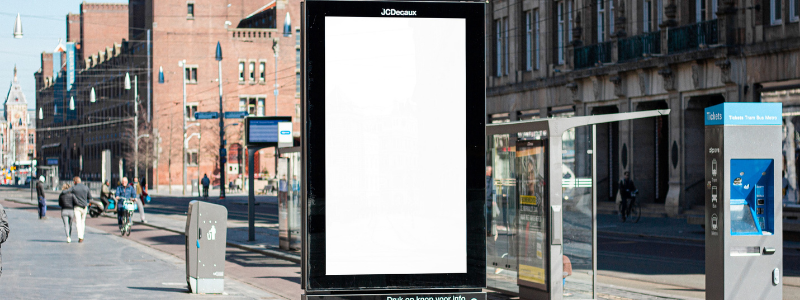
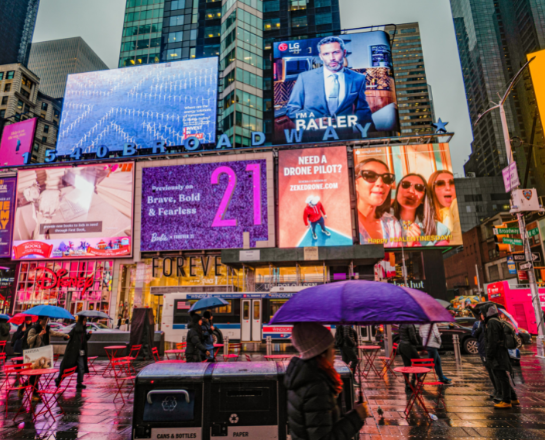
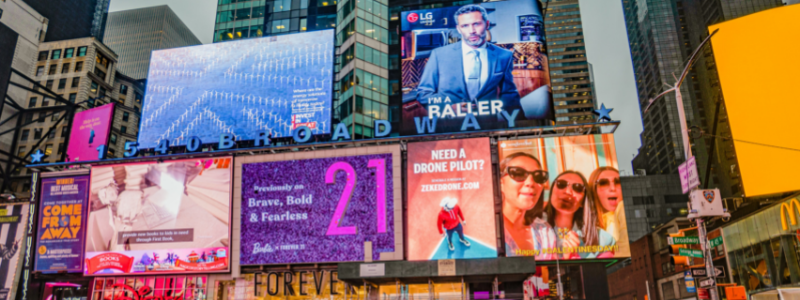
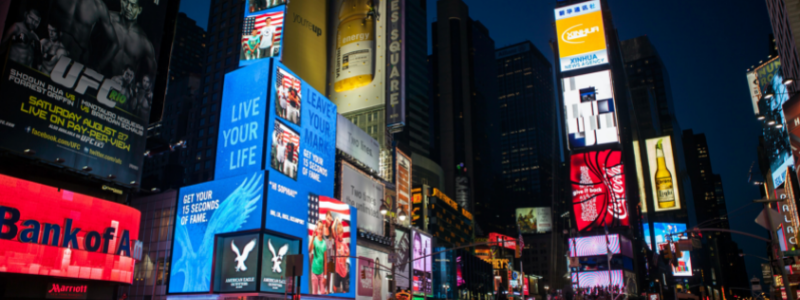
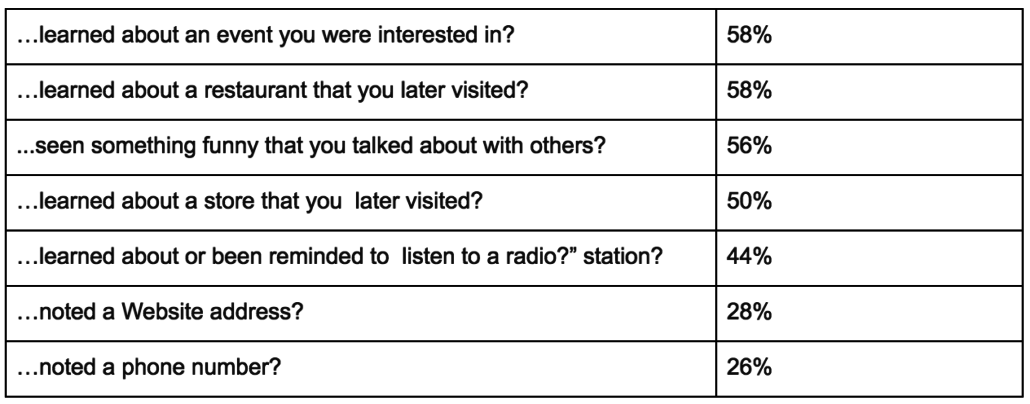


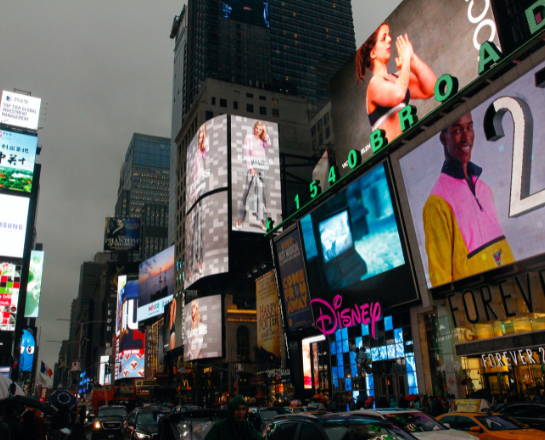
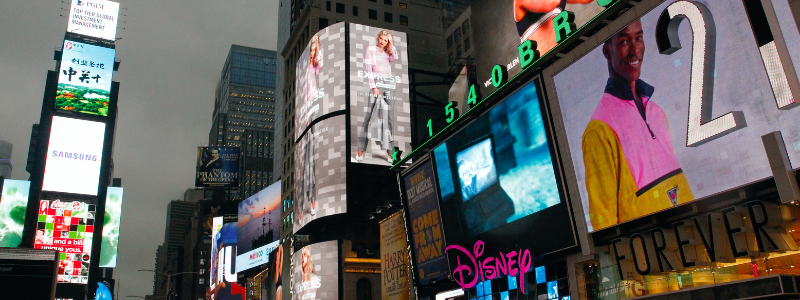

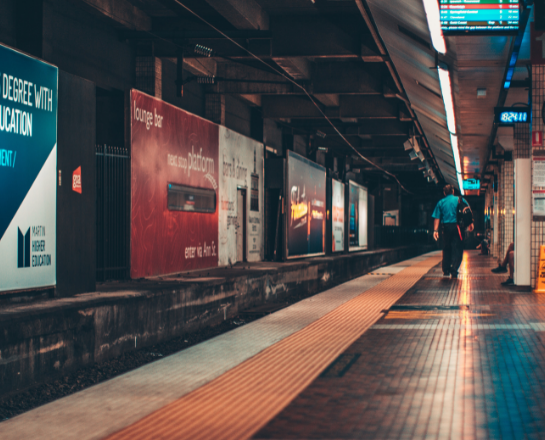

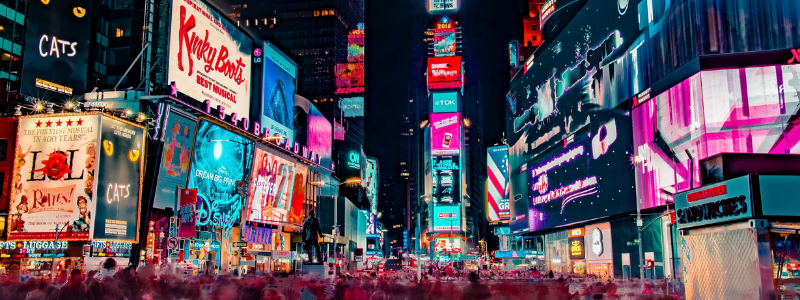

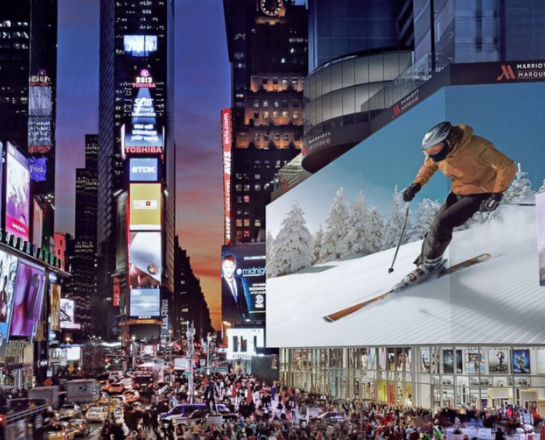
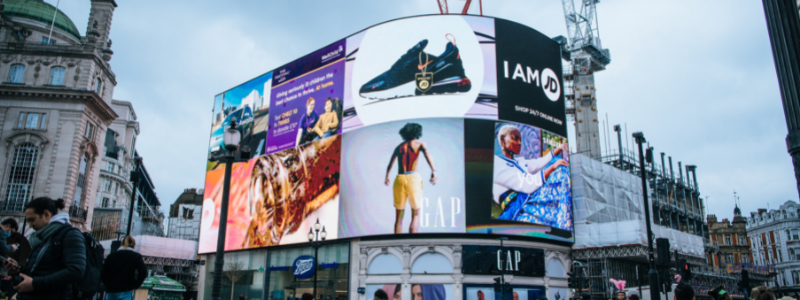
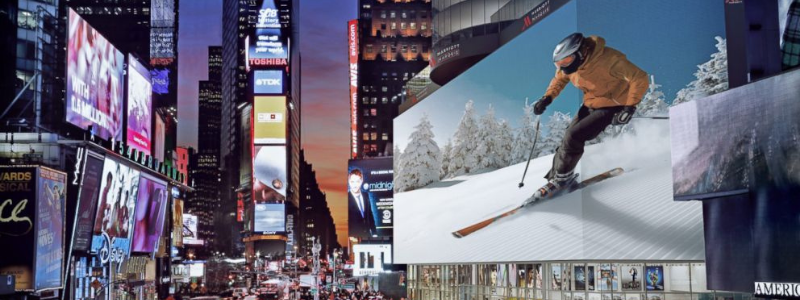

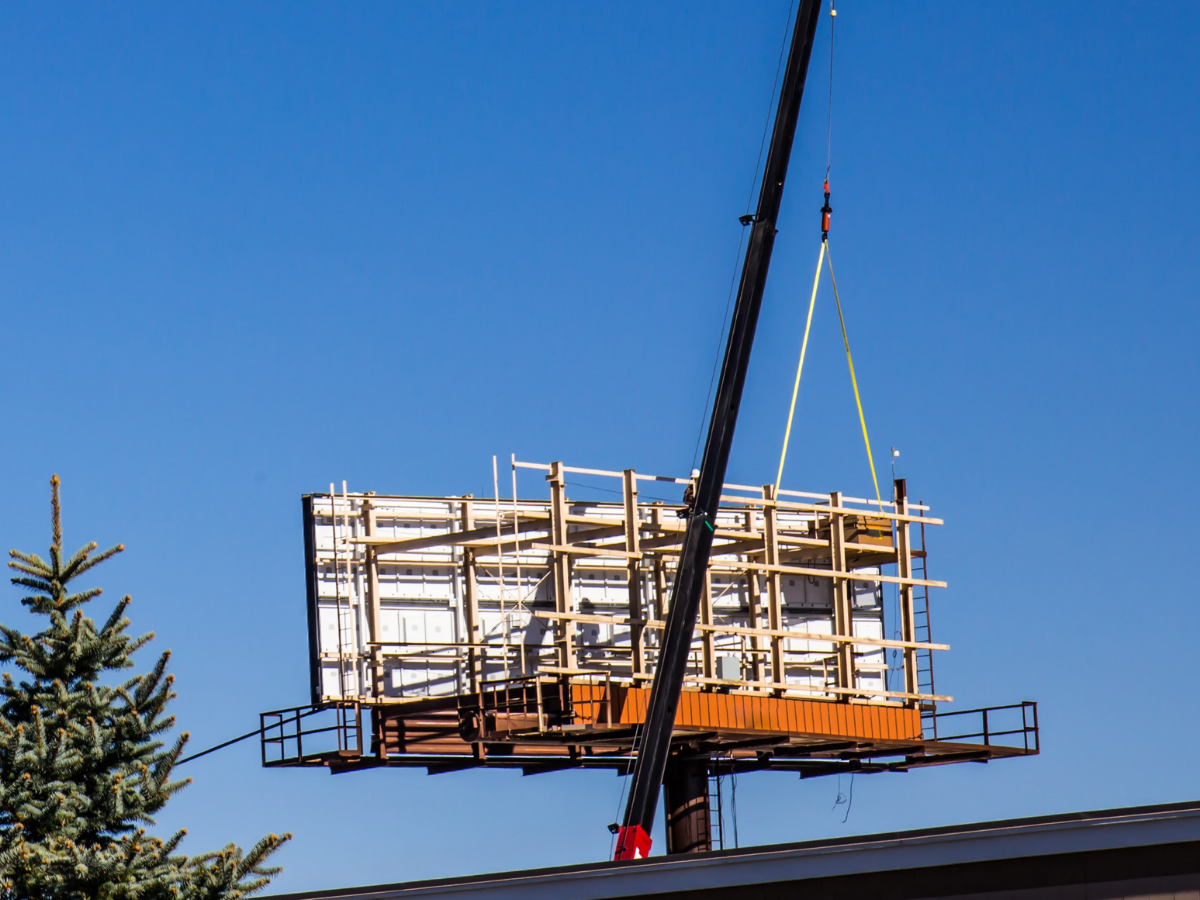
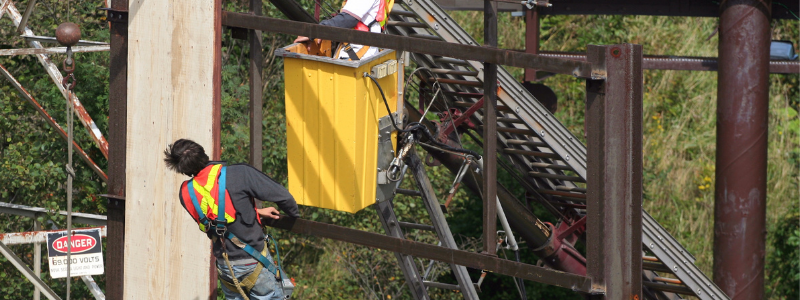
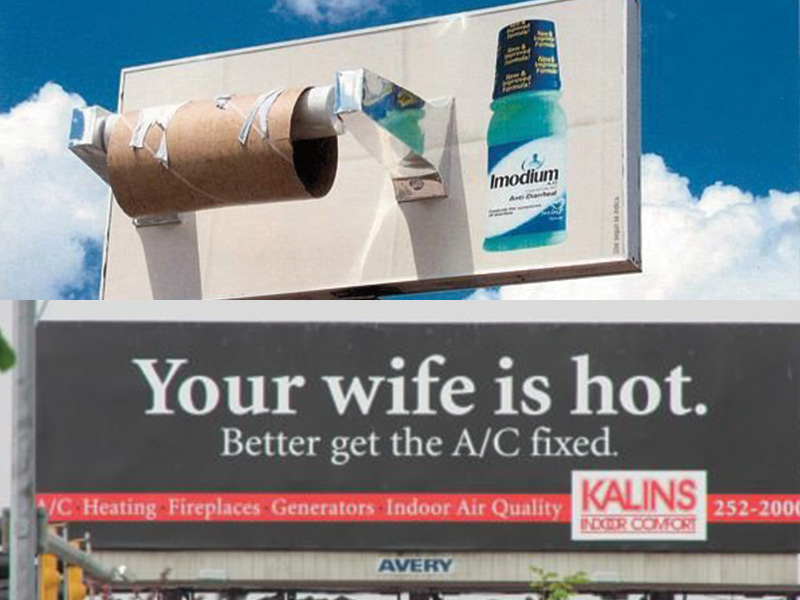
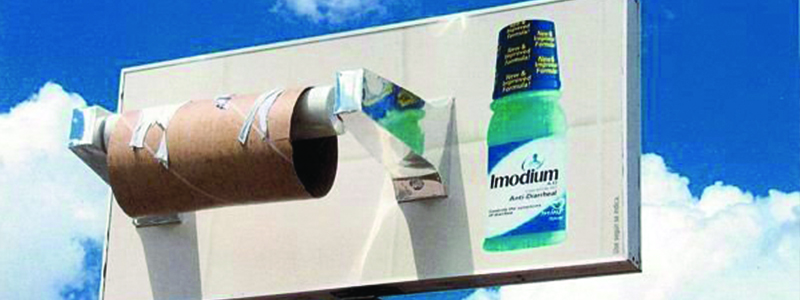
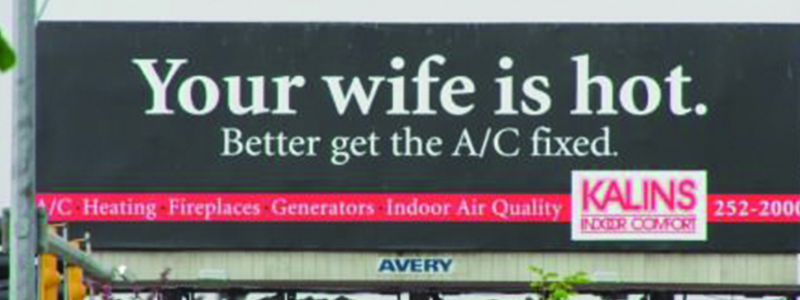
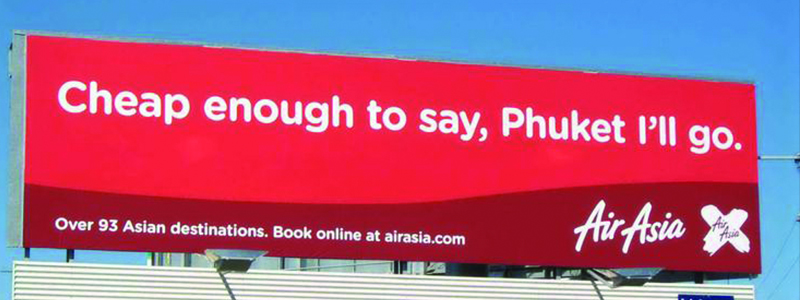

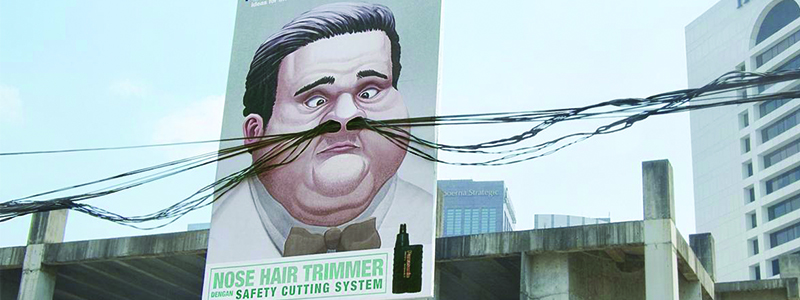
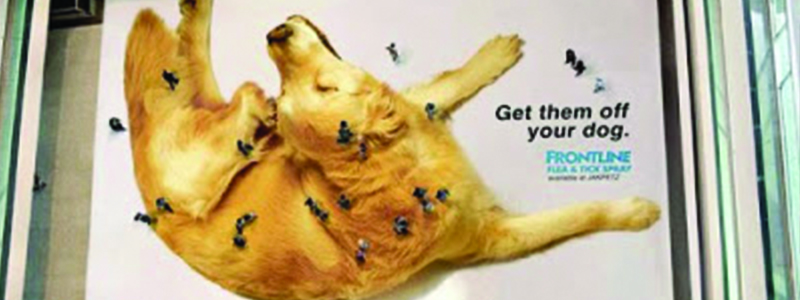

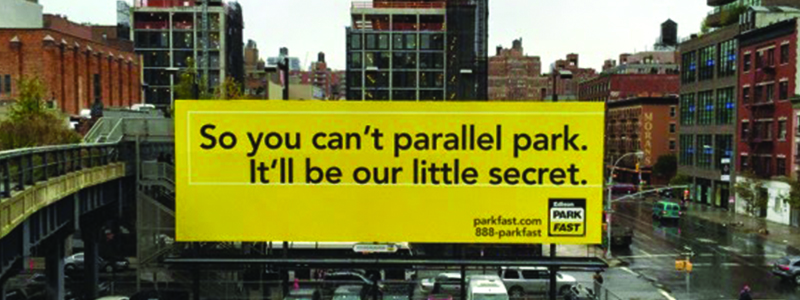
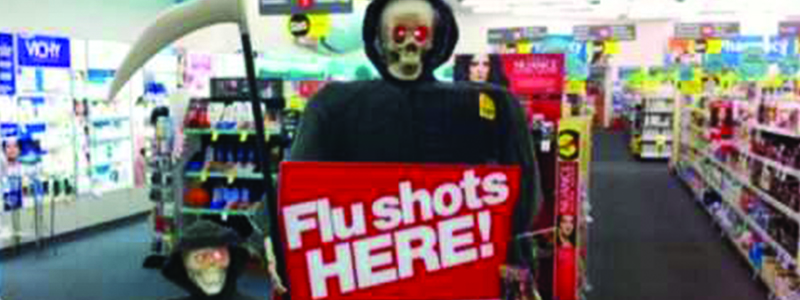
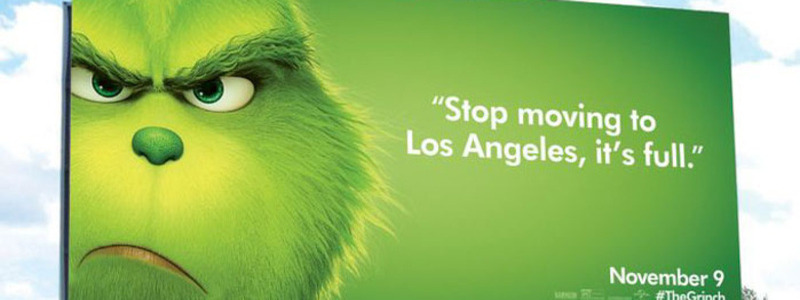
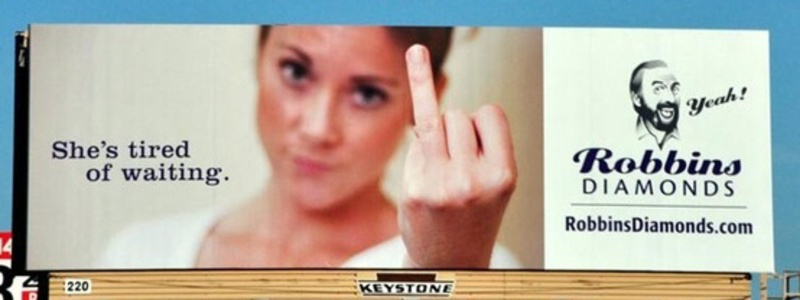
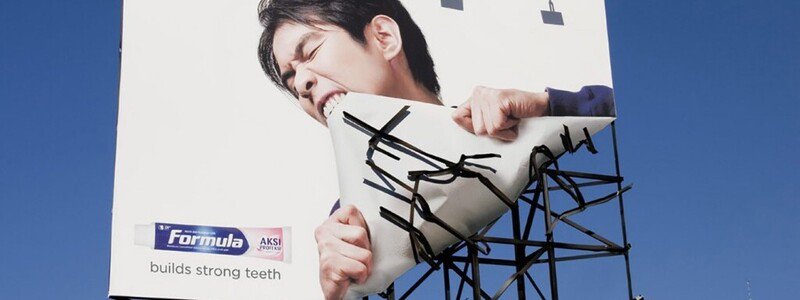
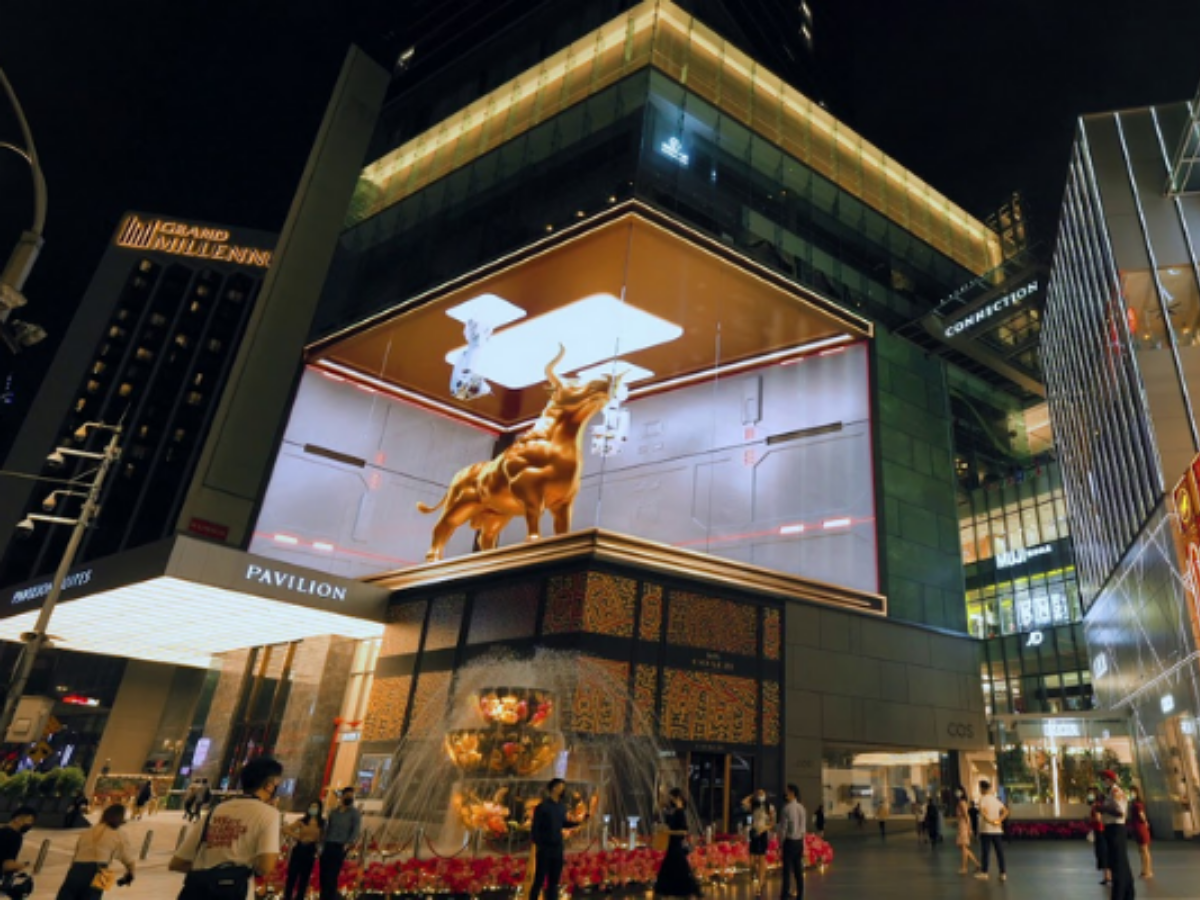
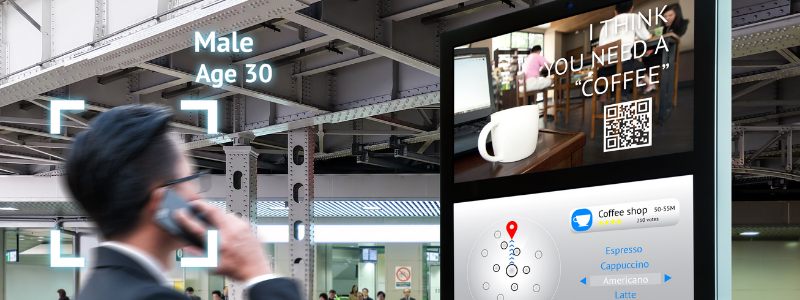 erienced through store displays, kiosks, and digital signage everywhere. Interactive advertising encourages consumer participation, allowing them to provide feedback and become part of your ad’s dialogue.