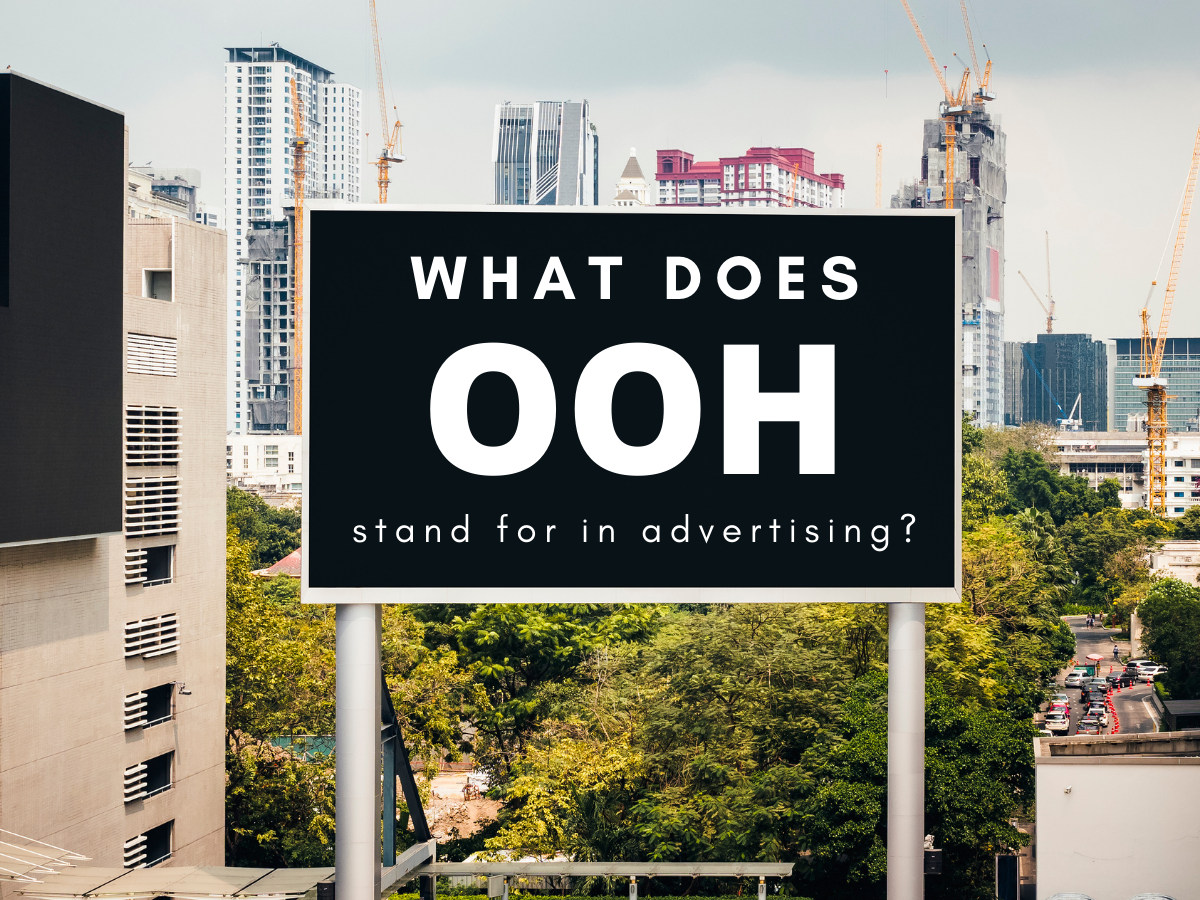
Out of Home Advertising

In an era characterized by digital marketing dominance, “Out of Home Advertising” emerges as a formidable strategy, making a lasting impression in the physical world.

This comprehensive guide explores the dynamic realm of Out of out-of-home advertising, transcending the boundaries of screens and devices to reach consumers where they live, work, and play. From towering billboards that capture attention on busy highways to eye-catching transit ads that navigate urban landscapes, this article delves into the various facets of this impactful medium.

Join us on a journey that uncovers the power, versatility, and creative potential of out-of-home advertising in today’s marketing landscape.

What Does OOH Stand For in Advertising?

As the name suggests, OOH stands for out-of-home [advertising]. It is a marketing strategy to reach a target audience when they are not in their homes.

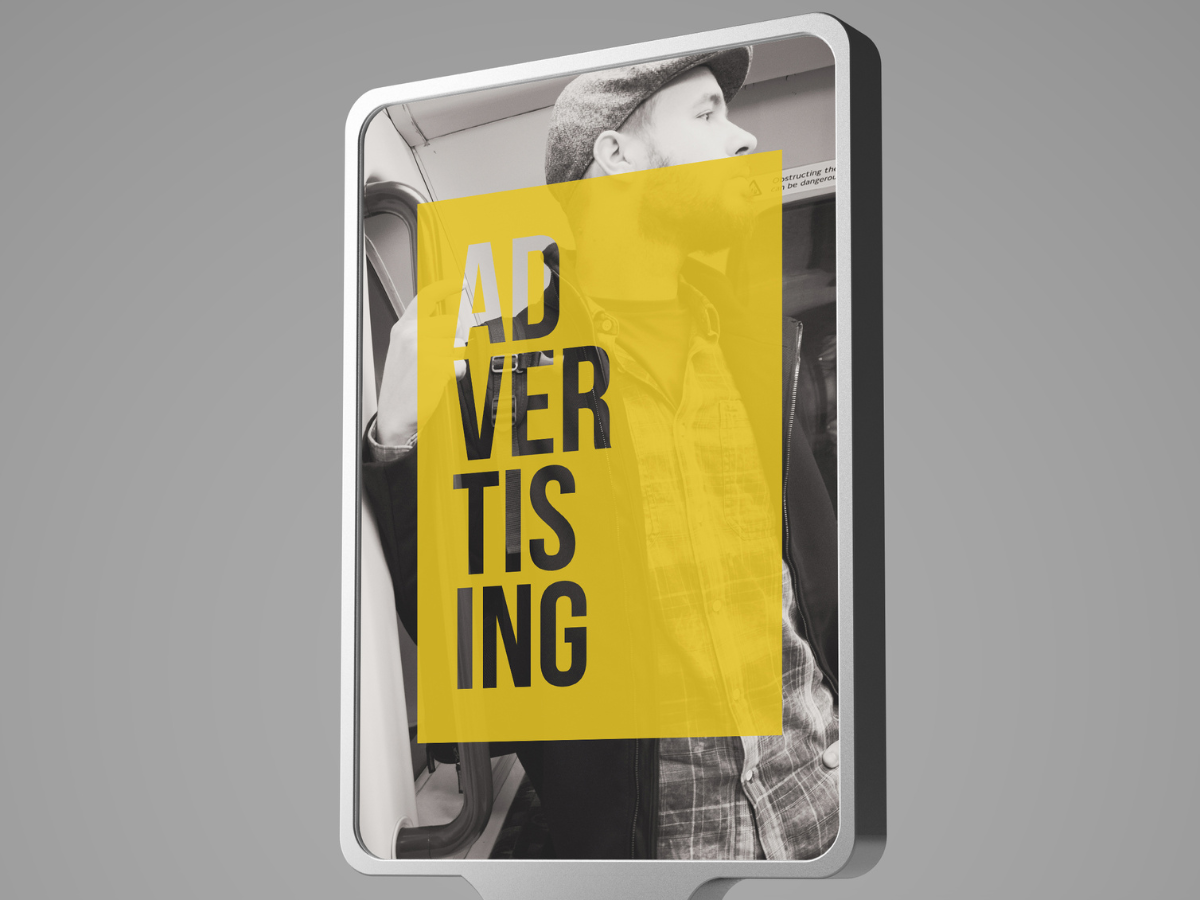
ooh advertising

OOH Advertising Examples

Mary Lister writing for Wordstream describes several modern examples.

  • Digital and traditional billboards and posters
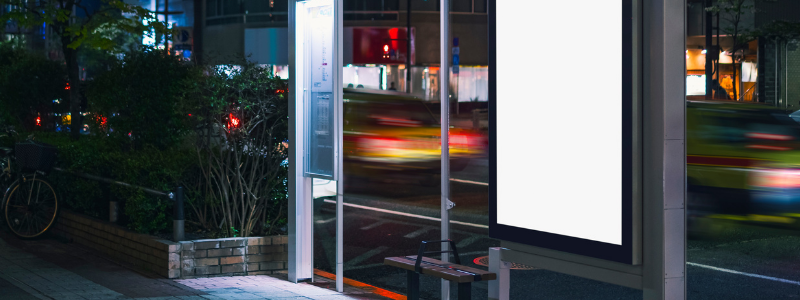
  • Public furniture including bus stop shelter walls, kiosks, benches, poles
  • Public transit vehicles like bus walls, taxi wraps, subway, and train cars
  • Point-of-sale ads including sandwich boards, taxi cab windows, business front windows, building walls, gas pumps, and trash cans
  • Stand-alone advertisements like those on balloons and other inflatables, floats, and airplane banners

A Brief History of OOH Advertising

The Out of Home Advertising Association points out that OOH advertising dates back thousands of years. The first out-of-home advertising occurred when Egyptians used towering stone obelisks as a platform for informing the public of treaties and laws.

In the 1400s, Johannes Gutenberg’s invention of the printing press gave rise to handbills. By 1796, these advertisements had added eye-catching illustrations. Handbills led to bill posters. These larger advertisements were erected on structures where they could be read by passing vehicle and foot traffic.

The 1830s are believed by many to have launched roadside advertising. Merchants hand-painted signs and affixed advertising to building fronts and fences. These told walkers and drivers that their business was ahead. They often highlighted their wares.

In 1835, Jared Bell began printing large posters. These fifty-square-foot ads told of the arrival of the circus.

1850 brought advertising on street railways. However, the advent of industrialization in the late 1800s and early 1900s saw the formation of the Association of Bill Posters in North America. Later called the Outdoor Advertising Association of America, this organization aimed to promote a greater understanding of out-of-home media. This led to the standardization of billboards. There followed a boom on mass-produced billboard campaigns by such big businesses as Coca-Cola, Palmolive, and Kellogg’s.

The mid-twenties saw the first outdoor advertising company listed on the stock exchange. In the 1940’s the OBIE awards debuted. Coca-Cola’s “Yes Girl” billboard won.

As billboards grew in numbers, legislation arose curbing where they could be erected, how large they could be, and what they could advertise. In 1999, tobacco companies agreed not to advertise on OOH structures.

From billboards, OOH companies diversified into street furniture, cinema, and digital screens.

Today, some of the world’s largest companies lead the way in OOH advertising. This includes Facebook, Google, Amazon, Netflix, Apple, McDonald’s, Amazon, HBO, and Coca-Cola.
what does ooh stand for

The Evolution of Out of Home Advertising

Out of Home Advertising has a rich and storied history, dating back to ancient civilizations. Over the centuries, it has evolved and adapted to the changing needs of advertisers and the dynamic landscapes of cities and towns.

Historical Roots

The origins of Out of Home Advertising can be traced to ancient Egypt, where merchants used painted advertisements on walls to promote their goods and services. This practice gradually spread to other cultures, such as the Roman Empire, where announcements were carved into stone tablets.

Print and Poster Era

With the advent of the printing press in the 15th century, the possibilities for advertising expanded. Posters and handbills adorned city streets, theaters, and public squares, offering glimpses into the consumer culture of the time.

Billboards and Outdoor Displays

The late 19th and early 20th centuries saw the rise of billboards and large-scale outdoor displays. These eye-catching structures became synonymous with Out of Home Advertising, capturing the attention of travelers on railways and highways.

Digital Revolution

In recent decades, the industry has undergone a profound transformation with the introduction of digital technology. Digital Out of Home Advertising (DOOH) has ushered in a new era, featuring dynamic, interactive, and highly targeted campaigns.

Integration with Data and Technology

Today, Out of Home Advertising is seamlessly integrated with data analytics, allowing advertisers to deliver personalized messages to specific demographics. Real-time tracking and optimization have become essential tools in the OOH advertising toolbox.

Place-Based OOH Advertising

With real estate and OOH advertising, location is crucial. Place-based OOH media involves specifically locating advertising where a niche market will see it.

Here are some examples:

  • Wall ads, posters, furniture ads, and kiosks at airports, bus, and train stations
  • Display racks, bulletin boards, posters, and wall billboards at universities, colleges, and school campuses
  • Billboards near restaurants, health clubs, gyms, arenas, movie theaters, and nightclubs.
  • In-store ads on store shelves, shopping carts, checkout stands, and storefronts
  • Shopping mall kiosks, wall displays, store doors,
  • Display panels  on truck stops, trucks, interstate travel stops
  • Special events promotions
  • Interactive, specialized media

Getting Started

If you have decided OOH advertising is an effective marketing tool for your company, first decide who you want to reach. Next, choose an effective location. Where will your niche market see your ads?

Select the message/idea/product you wish to showcase.

What is the best format for your message?

The most effective messages are sharable. Consider bold colors, creative digitals, slogans that will get shared on social media increasing target audience engagement.

Look at the OOH advertising of your competitors. What spaces are they using? What format have they selected? Check out their social media. What content is getting the highest reaction? What do their potential buyers like? Have they integrated adverting modes? An analysis of your competition, you can get good information for your OOH strategies.

Think about your message. Is it clear? Is it creative? Is it engaging?

Out-of-home advertising must have a simple message that can be absorbed by passing motorists or pedestrians in a few seconds. Keep the text limited to a few compelling, easy-to-read words. Consider the power of an image. Your core message has a lot more chance of being shared if it is creative and brief. Your best return on investment comes with it being talked about across media channels.

ooh stands for out of home advertising

Why Consider OOH Advertising?

Studies have shown that 70% of drivers and walkers notice what is being marketed on out-of-home advertising. Thirty percent say they’ve purchased products or services they’ve seen advertised on out-of-home ads the very same day they were exposed to them.

Where TV and radio ads are seen or heard once, pedestrians and drivers see out-of-home ads repeatedly on their way to and from work.

Studies show that out-of-home ads are the best return on investment of any marketing program.

Unlike radio, TV, newspaper, or magazine ads, you can’t skip OOH ads. They are in your face and get noticed. Nielsen surveys found that nearly 50% of adults who searched online for a product had first seen it in an OOH ad.

Thanks to technological improvements, the versatility of out-of-home advertising will continue to grow. With the rise in digital ads, new capabilities and increased effectiveness of OOH ads have resulted. Digital OOH media has brought brighter colors, animation, and convenience in ad production. Multiple images and ads geared to specific demographics have proven that OOH ads will continue to be profitable marketing tools.

Notable Examples of Out-of-Home Advertising

Apple’s “Shot on an iPhone” billboard invites customers to send in photos shot on their iPhones. Outstanding ones were turned into billboards.

Clarin’s interactive campaign at Hong Kong International Airport lured viewers to enter their emails or scan a QR code on the screen with the offer of codes for discounts and free samples.

CVS Beauty Mark’s social media campaign encouraged users to upload their selfies to the hashtag #BeautyUnaltered. Every ten seconds, a different unaltered selfie celebrated real beauty on a Times Square digital billboard.

Acadia SUV, GMC used facial analytics to create engaging digital signage. Cameras in the digital display detected audience demographics including age and gender. Based on these data, one of thirty possible video ads was shown to the viewer. Passersby stopped to interact with the kiosk out-of-home ad that harnessed digital out-of-home power to personalize content for maximum audience engagement.

McDonald’s weather-sensitive ads are another example of digital out-of-home advertising. The campaign featured McDonald’s frozen drinks. When the temperature rose to a level that made a cold drink appealing, the campaign played a cold drink. When the temperature became hotter, the ad automatically switched to a frozen drink.

Lasik explored whether elevator riders who wear glasses can be identified. Then, their OOH ad delivered a creative ad targeting those who were candidates for laser eye surgery. The ad’s message changed based on the type of eyewear the rider was wearing. The ads delivered eleven million targeted messages to riders who wore glasses, personalizing the message for age and gender.

Google’s “Make the Most of Summer” used responsive, data-driven digital OOH. The advertising focused on summer experiences in the area where it was placed. The ad engaged viewers through the presentation of dynamic, full-motion sites.

To showcase its new 5G technology, AT&T encouraged viewers of their interactive ad to “Pose with the Pros”. Dallas Cowboys fans could select up to five of their favorite Cowboys to pose with them at a kiosk in concourses at the AT&T Stadium. Their virtual group picture could be emailed to themselves, and/or shared on social media.

So, what does OOH stand for in advertising? Well, it’s more than just your reaction to captivating and compelling billboards – it’s the abbreviation for what you’re looking at, outside.

How Can bMedia Group Help?

Our media service boasts over three hundred out-of-home advertisements in Puerto Rico. We provide our valued customers with a wide variety of effective OOH formats.

Our skilled designers, fabricators, and construction staff members know how to take your design needs and turn them into effective billboards, posters, and other out-of-home advertising. We are proud to have the highest consumer traffic on the island.

For more information regarding how we can increase your brand recognition contact us.

Out-of-the-Box Marketing Ideas

When it comes to marketing, most people think that you need an army of promoters, designers, and developers to launch a successful marketing campaign. But that’s not true.

All marketing is, is about creating a strategy, identifying your target audience and then executing it in a way that resonates with them, and that is no different than with out-of-home advertising such as billboards.

It can be a difficult process to get right but one of the best things about it is the opportunity for creativity and innovation along the way.

So, if you’re looking for some inspiration on how to do just that, we can help! We have put together this list of our favorite out-of-the-box marketing ideas that will help you stand out from the crowd and win customers over before they even know what hit them.

marketing ideas

What is An Out-of-Box Marketing Strategy?

Out of the box marketing comes down to one thing – data-driven marketing with emerging strategies.

For instance, if you choose to buy a placement on a billboard, using data technologies that measure traffic and the prospective reach is one thing, but merging that with custom URLs, hashtags, or QR codes creates an ecosystem that propels brand awareness and experience.

Below are ten out of the box marketing ideas that can help benefit you and your business.

Offer a Trade

If you have a product that has value and your customers don’t want it, they’ll probably be willing to trade something else instead. This is a great way to get rid of products that are too expensive to distribute or not selling well.

There are many ways you can offer trades:

  • Trade-in credit: Offer customers the option of trading in their old product for store credit toward future purchases. This can be especially useful when selling electronics or other expensive items that require replacement parts or repairs regularly.
  • Gift card swap: You could give out gift cards at the checkout counter when someone makes a purchase, but then offer them the option of also receiving an extra gift card for every item they trade in as well! This could double or triple your return on investment (ROI) from these discounted sales because people will actually buy another item with their first credit rather than just leaving empty handed—which happens more often than not when companies only offer one type of payment option during checkout processes like this one does.

digital marketing ideas

Use Digital Signage

Digital signage is the use of digital technology to promote products, services, events and brand messages on large displays in public locations – such as stadiums, shopping malls and terminals.

Digital signage serves a number of purposes including:

  • Promoting your business
  • Providing information to customers on where they can find what they’re looking for or what is happening in the area

Create a Scavenger Hunt

This is a great way to get your team or clients involved and increase brand awareness/loyalty.

Create a list of items, then take pictures or video of them in your office and store it online or across social media so your participants can see them.

On the day that you launch your scavenger hunt, send out an email with instructions for how to participate (you can also post on social media if you have room for more exposure). The instructions should include what image(s) are needed from each location, how participants will know when they’ve found the item(s) needed and other details like this one: “The first person who finds [an item] at [location] wins!”.

Make sure the prizes are worth winning! It’s always good to give away something that has value because it shows appreciation towards those who took time out of their busy days in order to participate. The prize doesn’t have to be big though; it just needs something special about it so people feel good about themselves after receiving one as opposed to feeling like they’re just some dumb loser who couldn’t find anything cool enough.

Use the Mail

  • Use the mail to send coupons, information about your business or products, and thank you cards.
  • Send holiday cards to customers, friends, and family that have expressed interest in your business.
  • Send birthday cards for every employee, including yourself! It’s important for employees to feel connected to the company beyond just working together on projects.

Go Mobile With Mobile Coupons or QR Codes

Using billboards or fuel pump advertising allows the use of QR codes.

QR codes saw a resurgence during the 2020 COVID lockdowns, and the momentum has not stopped.

QR codes can offer mobile coupons that are a great way to reach your audience and get them into your store. They can also be used in many ways. For example, you could offer free shipping on a certain day or time period, or coupons for discounts on items in your store. Mobile coupons are also helpful for getting people to try new things, like offering free samples at checkout counters.

Create a Viral Marketing Campaign

When you think of your content, don’t limit yourself to what’s on the paper in front of you.

Think about how you can add value to that content. For example, in a recent film “Smile”, the marketing team sent paid actors to baseball games to ‘Smile’ for the duration. The goal was to raise awareness but also to creatively expand the audience in a viral marketing effort.

Viral marketing combines out of home marketing with digital marketing and PR to produce word of mouth awareness.

Host an Event at Your Place of Business

Hosting an event at your business is a great way to get your brand in front of your customers. For example, if you’re a barber shop or salon, you can host an event where people come in for discounted haircuts. This is also a great way to build brand loyalty and engage with customers on a deeper level.

You don’t have to hold the event at your place of business either! You could host it off site and encourage people from all over town or even around the world to attend. This gives them something fun and entertaining while also bringing more traffic into your store or office space.

Give Away Swag

Gifting swag is a great way to get your name out there. The trick is to give away something that’s relevant to your business, useful for the customer, and not too expensive. A good example of this is offering an in-store coupon when people bring their pets in for grooming.

You should also try gifting things that will get people talking about your brand and put you at the forefront of their minds — like branded water bottles or reusable totes!

Go ‘Live’ on Social Media Platforms

Live video is a great way to connect with your audience. It’s a great way to show off your products, new or old. You can use live video to promote a new product or service, share information about your company, and even answer questions from people who are interested in what you have to offer.

Get Local Businesses Involved in a Larger Campaign

  • Think about how you can work with other businesses in your area.
  • Get them involved in a larger campaign, and ask them to promote your business for free.
  • Offer them a free service in return for their support.
  • Offer them a discount on one of your services or products if they agree to help promote it through their own channels (e.g., website, social media).
  • Give away free gifts to people who attend events at another business’s location (e.g., restaurant) as part of an event of yours that’s happening nearby—this could be tickets or gift certificates that they can use on their next visit!

marketing strategy session

Think Outside the Box for Creative Marketing Ideas

The best way to get creative marketing ideas is to think outside the box. If you are getting stuck on a project and need some inspiration, here are some ways to help you come up with unique ideas for your business:

  • Get on the internet! There are so many websites out there that provide excellent resources when it comes to searching for creative marketing ideas. There are also plenty of blogs and articles written by successful entrepreneurs who have used these techniques before.
  • Use what works! If an idea worked well in the past, there’s no reason why it won’t work again! Don’t be afraid of trying something again if enough time has passed since its initial success; after all, nothing beats experience when it comes down to figuring out how effective certain techniques can be at generating interest among potential customers.
  • Survey your audience! Go right to the source and ask what they want to see more of from your business or brand.

bMedia and Out-of-the-Box Marketing Ideas

Out of the box marketing ideas come in many shapes and sizes. While viral marketing worked for the team promoting a film, it’s best to consider your options, keep an open mind, and find a partner that can help you achieve your KPIs.

As a local leading media promotion company, our goal is to provide advertising avenues that make your message get through to your target market in order to solidify your brand image and / or increase your sales through impact, quality, innovation, and distinct services. We’re

Contact bMedia and learn more about our services and how we can help promote your business.

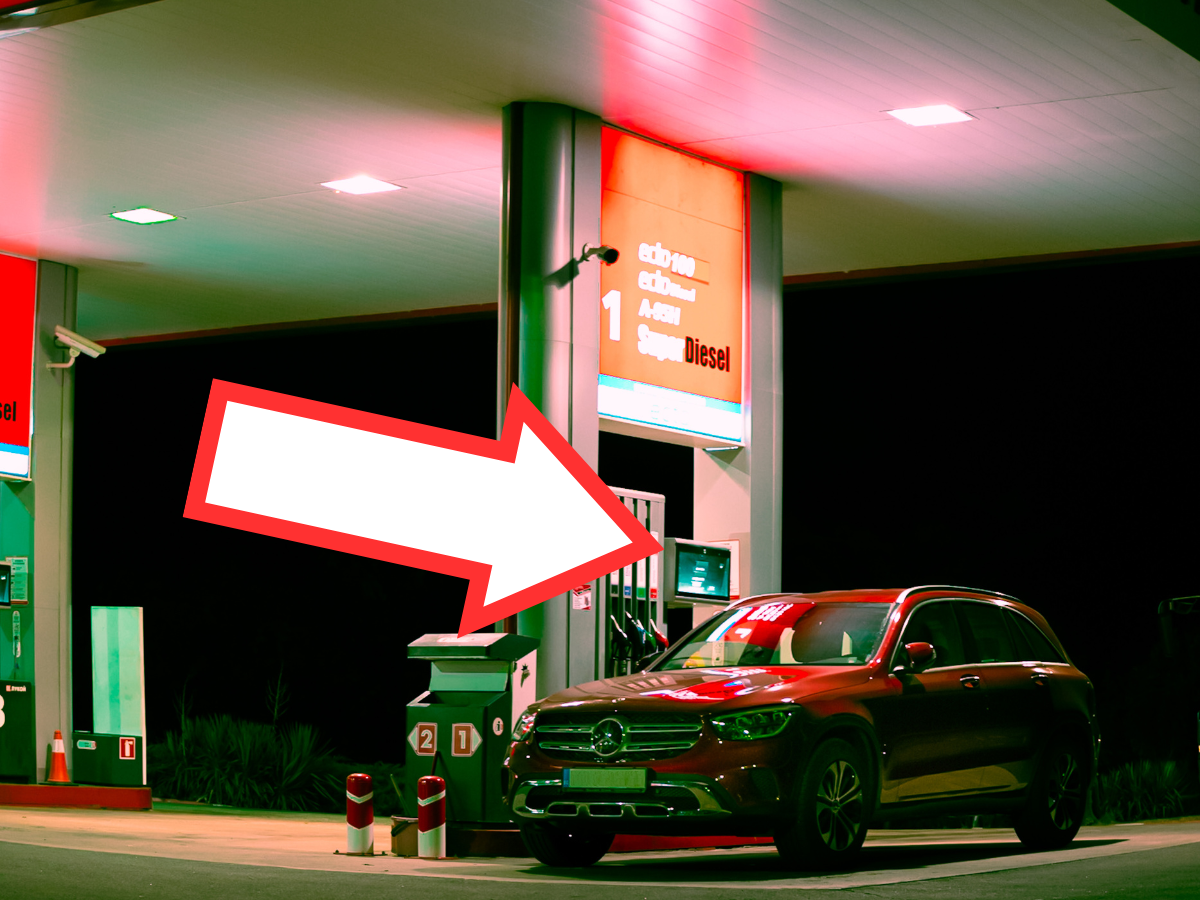
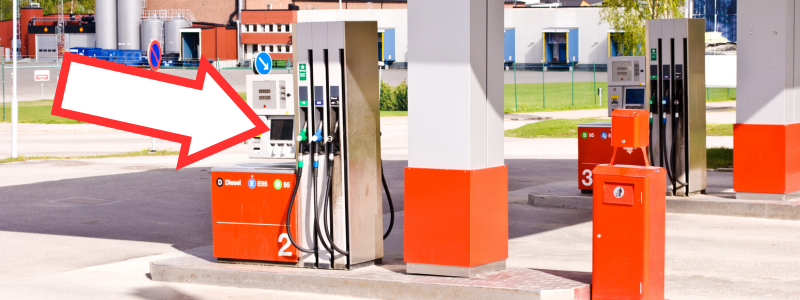
Gas Station Advertising

Outdoor advertising has been a game-changer for businesses seeking to increase brand visibility, and gas station advertising has emerged as one of the most impactful strategies in this domain. As Puerto Rico’s leading outdoor media solutions provider, bMedia Group is thrilled to guide you through the nuances of gas station advertising and how it can fuel your brand’s growth.

gas station advertising

What Is Gas Station Advertising?

Gas station advertising refers to promotional displays placed in and around gas stations. From pump toppers to digital screens, the advertising opportunities at gas stations are plenty and present a unique way to reach a captive audience. Here’s why it’s effective:

  • High Traffic: Gas stations see a steady flow of visitors daily, offering a large, diverse audience.
  • Captive Audience: While fueling, customers have undivided attention toward pump displays or digital screens.
  • Localized Advertising: Gas stations are great for targeting specific neighborhoods or communities.

Gas Station Advertising Ideas

Successful gas station advertising requires a little creativity.

Here are some ideas to get you started:

Pump Toppers

These are ads placed on top of gas pumps. They’re at eye level, making them hard to ignore. You can use them to advertise your product, a discount, or a local event.

Digital Screens

Many gas stations have digital screens at the pump that play ads. This offers an opportunity to engage customers with dynamic, vibrant content.

Canopy Advertising

Advertising on gas station canopies gives you a larger-than-life platform for your brand. They’re visible from a distance and hard to miss.

Gas Nozzle Advertising

Placing ads on gas nozzles puts your message literally in the hands of the customer. These ads can grab attention and provoke curiosity.

display advertising in suburbs

Gas Station Advertising vs. Other Types of Advertising

Like all advertising forms, gas station advertising has its unique benefits.

Here’s how it compares to other types:

  • Digital Advertising: Unlike online ads that can be skipped or blocked, gas station ads can’t be ignored, giving you a captive audience.
  • Print Media: Newspaper or magazine ads can get lost among other ads. In contrast, gas station ads are standalone, increasing visibility.
  • TV/Radio: While these mediums have a broad reach, they can’t offer the local targeting that gas station advertising can.

Gas Station Advertising vs. Billboard Advertising

While both billboard and gas station advertising are forms of outdoor advertising, they serve different purposes:

  • Visibility: Billboards typically provide wider visibility due to their size and height. However, gas station ads offer closer, more personal engagement.
  • Audience: Billboards are great for reaching a broad audience, while gas station advertising allows more targeted, localized marketing.
  • Cost: The cost of billboard advertising can be higher, depending on location and size. Gas station advertising often offers more flexible, cost-effective options.

Advertising With bMedia

Gas station advertising offers an innovative way to boost brand awareness and reach customers in a localized, engaging manner. From pump toppers to canopy ads, the opportunities are plenty, each offering unique advantages. If you’re considering billboard advertising or any other type of outdoor advertising, the experts at bMedia Group are here to guide you through crafting a successful campaign in Puerto Rico.

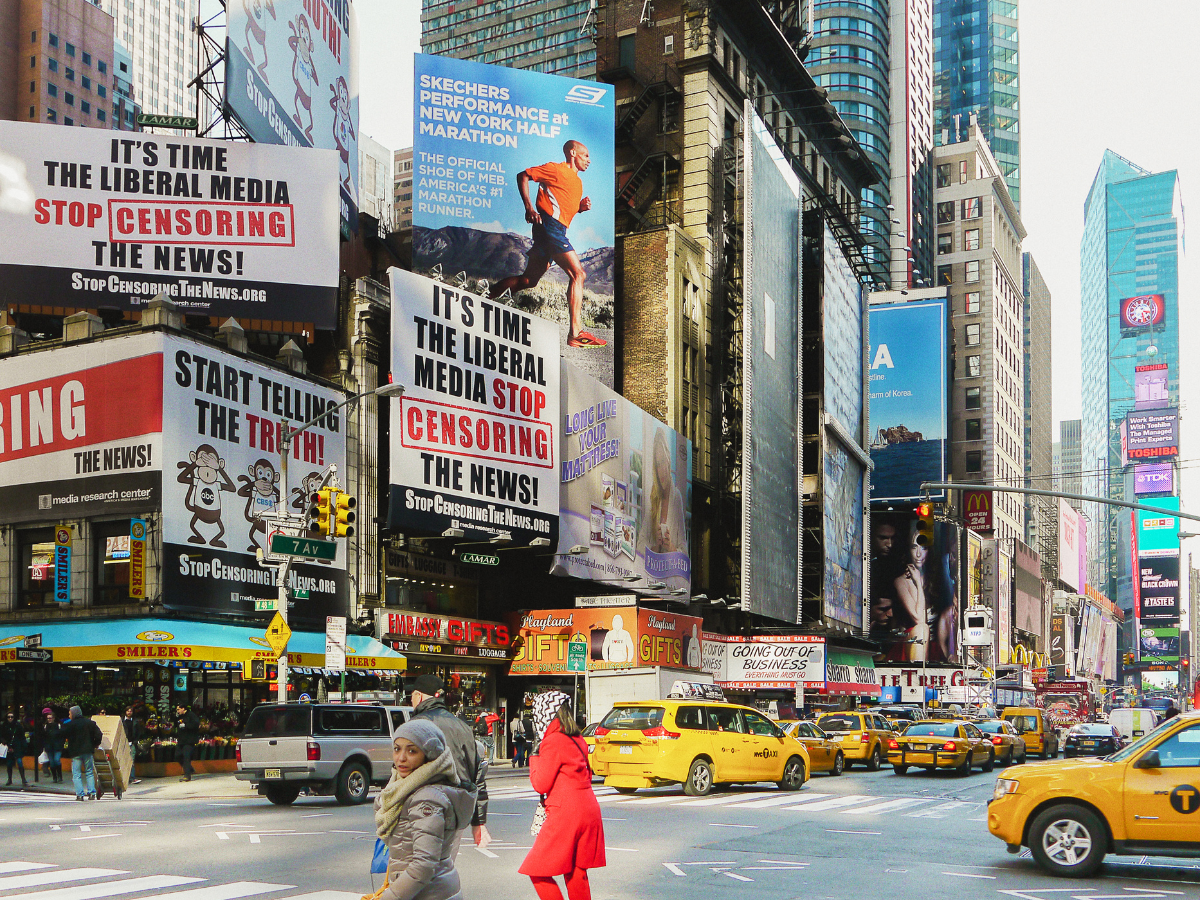
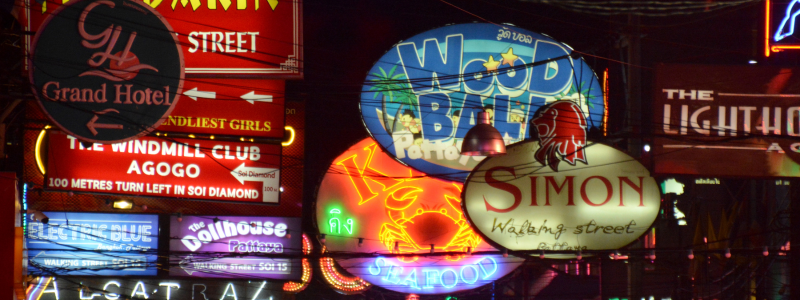
Street Advertising

Today’s world of technology has made avoiding advertisements very easy. With DVRS and personal music devices, the old ways of reaching an audience through advertisements are changing. When marketing in the current media climate, you’ve got to present your advertisements in creative, out-of-the-box ways.

The good news: street advertising is a great way to reach your audience and has a great success story.

Did you know that at least 68% of consumers make purchasing decisions while in a car?

Street advertising will help you capitalize on reaching your ever-moving customer base.

Let’s dive into this and what it can do for your business.

crowded streets and street advertising

What is Street Advertising?

Street advertising refers to the practice of using outdoor advertising methods such as billboards, posters, stickers, and murals to promote products, services, or events.

This type of advertising takes many forms; from large-scale billboards to posters and stickers.

These kinds of ads are typically placed in high-traffic areas: intersections, busy streets, and public transportation areas. They can also target specific demographics.

Believe it or not, street advertising has been around for centuries.

Examples of street advertising can even be dated back to ancient Rome and the middle ages.

These messages were carved into stone and plastered on walls to promote events and public announcements. Signs were painted on the fronts of buildings to indicate the type of business being conducted inside.

In recent years, street advertising has experienced a resurgence.

Many businesses are looking for ways to reach their customers in an incredibly jumbled and cluttered media landscape.

Modern street advertising takes many forms, from traditional billboards and posters to more innovative approaches like guerrilla marketing, which relies on unconventional and often eye-catching tactics to grab people’s attention.

Advantages of Street Advertising

There are a lot of reasons why you should consider using street advertising or outdoor advertising.

One of the main advantages is that it has the potential to reach a large and diverse audience.

Street advertising can be strategically placed in high-traffic areas, such as busy streets or public transportation hubs, where it can be seen by a large number of people. This makes it an effective way to raise awareness about a brand, product, or service.

Another advantage of street advertising is its flexibility. It can be created in a variety of formats and sizes, from billboards to posters to street art, allowing for creativity and customization.

Cost-Effectiveness

Street advertising can be a cost-effective way to reach potential customers, especially compared to other forms of advertising such as television or radio ads.

Wide in Reach

Street advertising can reach a large number of people, especially in high-traffic areas. This allows businesses to promote their products or services to a wider audience.

Targets Your Audience

Street advertising can be targeted to specific neighborhoods or demographics, allowing businesses to reach the right audience with their message.

Shows Business Creativity

Street advertising offers advertisers a great deal of creative freedom, allowing them to use eye-catching graphics and slogans to capture people’s attention.

Brand Amplification

Street advertising can help build brand awareness and recognition, as people see the same message repeatedly over time.

street advertising thailand

Examples of Street Advertising

These are just a few examples of some of the successful campaigns over the past couple of decades.

Each of these campaigns used a combination of bold visuals, catchy slogans, and clever marketing strategies to capture people’s attention and build brand awareness.

  • Apple’s iPod Silhouette Ads:
    • The silhouette ads were featured against brightly colored backgrounds. These were successful in the early 2000s. The ads helped to boost sales of the popular music player and helped to establish the iPod as a cultural icon.
  • Nike’s “Just Do It” Campaign:
    • The campaign launched in 1988, is one of the most successful advertising campaigns of all time. The campaign featured bold, simple slogans and striking images of athletes in action, and helped to establish Nike as a leading brand in the athletic footwear market.
  • McDonald’s Billboards:
    • McDonald’s has had lots of success over the years with its billboard ads. These billboards have featured iconic imagery such as the Golden Arches and slogans like, “I’m Lovin’ It.” These ads have helped to establish McDonald’s as one of the most recognizable brands in the world.
  • Coca-Cola’s “Share a Coke” Campaign:
    • This Coca-Cola campaign was launched in 2011. It featured cans/bottles of Coke with people’s names printed on them. The campaign was a huge hit on social media, with people sharing photos of their personalized Coke bottles and cans.
  • Red Bull’s “Gives You Wings” Campaign:
    • Red Bull’s campaign launched in 1997 and featured extreme sports and other high-energy activities. This helped to establish Red Bull as a leading brand in the energy drink market.

Innovations in Street Advertising

These are just a few examples of the many innovations. As technology continues to evolve, we can expect to see even more exciting and creative approaches to outdoor advertising in the years to come.

  1. Digital Billboards: Digital billboards are becoming increasingly popular, allowing advertisers to display multiple ads on the same billboard and to update the content quickly and easily.
  2. Augmented Reality (AR): AR technology allows advertisers to create smart billboards – interactive and immersive experiences for consumers. For example, an ad might use AR to superimpose a virtual image over a real-world location, creating a unique and memorable experience for viewers.
  3. Guerilla Marketing: Guerilla marketing is a type of street advertising that uses unconventional and often unexpected tactics to grab people’s attention. Examples might include using chalk art on the sidewalk or placing a statue in a public space.
  4. 3-D Printing: 3-D printing technology is allowing advertisers to create unique and innovative billboards and installations that would have been impossible in the past. For example, a billboard might feature a 3D sculpture or structure that extends out from the surface of the billboard.

Street Advertising Cost vs. Other Advertising Methods

Like everything, the cost-effectiveness of street advertising will depend on different factors including the location, format, and duration of the campaign.

  • Allows Targeted Advertising: Street advertising can be targeted to specific neighborhoods or demographics, allowing businesses to reach the right audience with their message. This can help to ensure that advertising dollars are being spent effectively.
  • Lower Cost Per Impression: Street advertising can often be more cost-effective than other forms of advertising when you consider the cost per impression (the number of people who see the ad). For example, a billboard might cost a few thousand dollars per month, but it can generate hundreds of thousands of impressions during that time.
  • Has Flexibility: Street advertising can be adapted to different sizes and formats, allowing businesses to choose the most effective approach for their needs. For example, a business might start with a small-scale street art campaign and then scale up to a larger billboard campaign as the business grows.
  • Has Longevity: Street advertising can often have a longer lifespan than other forms of advertising, such as television or radio ads, which have a limited shelf life. Street ads can remain in place for months or even years, generating ongoing exposure for the business.
  • Has Buzz: Street advertising can also generate social media buzz and word-of-mouth marketing, amplifying the impact of the campaign and increasing the return on investment.

Ways of Creating An Effective Street Advertising Campaign

So you’re looking to create a street advertising campaign? Here are some things to consider. Remember, bMedia can always help with the creative process. Check out these best practices.

Define Your Business Objectives

What do you and your business want out of the campaign? Do you want to raise awareness of your brand, promote a new product, or drive sales? Knowing your objectives will help you to create a campaign that is focused and effective.

Know Your Audience

Understand your target audience and what motivates them exactly. What are their needs, interests, or desires? By using this information, you can craft a message that will really resonate with them.

Show Some Creativity

It’s all about standing out from the crowd, so be creative with your message and design. Use bold, eye-catching visuals and messages that are memorable and engaging.

Use the Right Medium

Choose the right medium for your message.

Different types of street advertising are better suited for different objectives and target audiences. Consider using a combination of mediums to maximize your impact.

Be Strategic with Placement

Placement is key here.

Choose locations that will generate high foot traffic and exposure to your target audience. You can also consider partnering with other businesses or organizations to leverage their customer base and increase exposure.

Measure The Results

Track key metrics such as foot traffic, social media engagement, and sales to determine the impact of your campaign and make adjustments as needed.

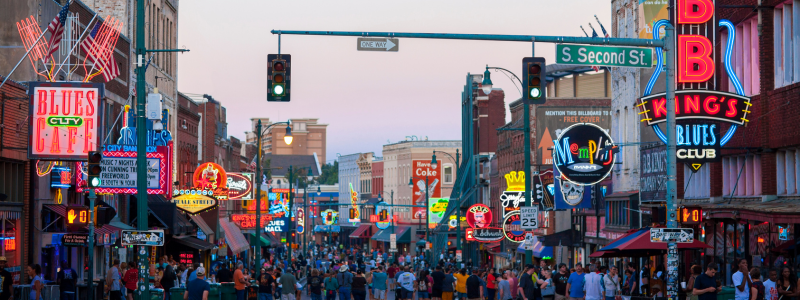
street advertising memphis

The Future of Street Advertising and Its Potential

The potential for street advertising is enormous. With the right approach, advertisers can create campaigns that are engaging, effective, and targeted. As technology continues to evolve, the possibilities for street advertising are limitless.

The future of street advertising is likely to be shaped by technological advancements and changing consumer behavior. Here are some potential trends to watch for:

  • Greater Use of Augmented Reality: Augmented reality (AR) is likely to play an increasingly important role in street advertising. AR technology can create immersive and interactive experiences for consumers, enhancing the impact of the campaign.
  • Increased Use of AI: As AI continues to evolve, street advertising campaigns will become more targeted and personalized. Advertisers will be able to use real-time data to optimize their campaigns and reach the right audience at the right time.
  • More Sustainable and Eco-Friendly Ads: As sustainability becomes a bigger concern, campaigns will become more eco-friendly. Advertisers will look for ways to minimize waste and reduce the environmental impact of their campaigns.
  • Integration with Smart Cities: As cities become smarter and more connected, street advertising will be integrated into the urban infrastructure. Advertisers will be able to leverage data from smart devices and sensors to deliver more targeted and effective campaigns.

How bMedia Can Help You In Your Street Advertising Endeavors

As a leading media business in Puerto Rico, bMedia has a mission to provide you with the best services for your street advertisements. We want to set your brand image in stone and ultimately, increase your business’s sales.

bMedia Group will provide you with innovation and quality as our strategists work hand-in-hand with you and your business through measurable and effective business solutions.

Best Way to Advertise

Marketing teams are under immense pressure to reach an ever-expanding online audience. The challenge seems impossible, but understanding the best ways to advertise and maximize your reach can make all the difference in achieving success with your campaigns. 

With the right approach, you can create an impactful campaign without spending a fortune. Whether leveraging influencers or utilizing social media ads, there are many great advertising and marketing solutions out there – but how do you know which one fits best for your business?

graphic about advertising

6 Best Ways to Advertise 

We’ve identified some of the best ways to advertise and boost visibility for your product or service. Each strategy is designed to help increase visibility, exposure, qualified leads, and conversions. Discover our top strategies for ensuring your advertisements hit their mark.

1. Leverage the Network Effect of Social Media

Social media platforms can be one of the best ways to advertise your services or products. Platforms such as Facebook, Instagram, Twitter, and LinkedIn offer a vast array of options for targeting specific demographics— which is invaluable for local businesses looking to increase sales and build brand awareness. Your marketing team stands to gain a great deal from investing some time in developing an effective digital marketing strategy on these social platforms. This component of the strategy can help you reach your target market by leveraging its network effects and algorithms. This accessible method of advertising can make a significant return on your marketing dollars and grow your customer base.

2. Optimize Search Engine Marketing

Search engine marketing can be an incredibly effective advertising method for small businesses. 

With the advantage of paid search advertisements, such as those offered through Google Ads, you can get your websites in front of potential customers fast. You’re not merely blindly advertising by using keywords and carefully selecting target audiences. Instead, you can reach customers where and when it’s most relevant to them. 

Moreover, a well-activated SEO campaign ensures that even organic results land your business higher up on the results pages, significantly expanding your website’s traffic. This relatively affordable form of marketing provides unparalleled opportunities for any size business to increase website visibility and draw more traffic to its value proposition.

3. Embrace Influencer Marketing

Partnering with influencers in your niche is a great way to increase the visibility of your business and gain exposure to an audience that is ready to engage. 

Influencer marketing is highly compelling thanks to the trust influencers have built with their followers, so you can be sure that when they share your message, the engagement rate will be high. This strategy helps introduce your business to new audiences who may not have otherwise been aware of you, making it essential for driving growth and generating leads. Moreover, working with influencers can provide a massive boost to brand awareness that can’t easily be achieved through traditional marketing tactics.

billboard advertisements

4. Scale Your Content Marketing Efforts

Content marketing is essential for any successful business today— especially when it comes to raising brand awareness. 

By creating and sharing valuable and informative content, such as blog posts, infographics, and videos, your business can gain visibility and attract potential customers to your solution. Engaging content promotes brand awareness while providing helpful information that many of your readers may not already know. It’s critical to make sure this content is tailored to your target audience to maximize its effectiveness. Besides helping build relationships with potential clients, creating valuable content also leads to increased viewership, improved SEO rankings, and more sales opportunities – thus driving traffic from marketing leads into your sales pipeline.

5. Boost Your Marketing Strategy With Billboards

Traditional advertising methods, such as print ads, billboards, and local events, are sometimes overlooked when it comes to marketing for small businesses— especially in today’s overwhelmingly digital age. 

However, these methods can still be quite effective in reaching a targeted audience. Traditional advertising is an excellent component of a comprehensive and well-rounded marketing plan when combined with digital strategies. By adopting both conventional and digital approaches to their marketing efforts, small businesses have the potential to maximize the visibility of their brand while staying efficient with their budget.

Outdoor media, such as billboard advertisements, can enhance your reach significantly and captivate your target audience visually. 

A Nielsen study shows that 55% of people were highly engaged with a digital billboard ad’s message– showing its value in connecting audiences with brands. The billboard strategy can effectively reach more extensive and geographically diverse audiences, giving your business greater control over where you put your advertising dollar. Billboard advertising also has a longer lifespan than other forms of advertising and works by creating repetition, providing potential customers time to view and become familiar with the brand over time. 

Personally, we know that billboard advertising is the best way to advertise (and always has been), but we’re a bit biased.

6. Develop Email Marketing Sequences Built for Conversion

Email marketing is an invaluable tool for small businesses to build and maintain customer relationships. 

Regularly cultivating an email list with newsletters, promotions, and other pertinent content can create long-term loyalty with prospects and potential clients. Moreover, it’s essential to automate and measure the success of your email campaigns. Using analytics, you can determine who opened your emails and access key performance indicators such as clickthrough rates or subscription numbers. With these results in hand, you have data-driven insights that can help you optimize your time and money-saving strategy for your email marketing efforts.

bmedia billboard advertising

Advertising With bMedia

Adopting a savvy advertising strategy can be the difference between success and failure in Puerto Rico’s competitive market

By focusing on some of these best ways to advertise and increase your reach— from leveraging the network effect of social media to scaling content marketing efforts— you can ensure greater success for your marketing strategy. 

It’s also worth considering tactics such as billboards and email sequences to help boost your overall efforts. 

Given each of these strategies has its own benefits, it can take some trial and error before you find the right combination for your business needs. But it’s worth investing time and money to explore your various advertising options. With enough marketing knowledge and understanding under your belt, you can put yourself well ahead of competitors using creative advertising strategies that yield substantial results for growing your marketing reach.

bMedia can help give you that advantage

Contact Us today.

Types of Advertising Media

What types of advertising media are available to business owners with a message or brand to share with the world?

That is a question almost every company must ask if they want to gain market share, social proof, client testimonials, or other positive outcomes. Why are these essential to success? Once business operators understand the various types of advertising media and how each format can drive clients to their company, they will be able to spur growth in ways they had only once dreamed of.

types of media

6 Types of Advertising Media for Every Business

Selecting the types of advertising media is an art and a science. Most companies benefit from a combination of two or more means of spreading the word about their services or products.

That thought can seem overwhelming; however, the expert team at bMedia can help guide you through the process. We can ensure that you are spending every penny in a way that will maximize your return.

Here are six types of advertising media to consider and the pros and cons of each:

#1 – Video advertising (television and digital)

Modern-era video advertising comes in two primary formats: traditional television via cable, satellite, or over-the-air broadcast or digital. Digital includes YouTube and other online video providers. You generally reach people inside their homes.

Television is compelling for many people who find themselves wrapped up in the plots of dramatic and comedy series or the battle on a sports field as they cheer for their favorite teams. During the paid commercial breaks, television advertising reaches a captive audience waiting to continue their favorite programming.

Most homes today have at least one television – many have two or more! Some households keep their televisions on for several hours per day.

However, the number of hours traditional television viewers watch is on the decline due to increased subscriptions to streaming services and internet media like YouTube.

Unlike your national television channels, YouTube enjoys a global audience – meaning that you can sell your service or product worldwide. Their audience is engaged and includes over 2.6 billion monthly users.

What does this mean for companies interested in these types of advertising media?

It could suggest the need to balance the pros and cons of traditional versus digital offerings.

For example, a local eatery would not benefit from a global audience. Conversely, a retailer who can ship worldwide must remember that not all households in Puerto Rico have internet access if they hope to capture local audiences.

#2 – Mass print media publications

Mass print media publications are printed materials, specifically:

  • Newspapers
  • Printed magazines
  • Catalogs
  • Professional journals
  • Mass mailings, such as postcards, flyers, circulars

People are visual creatures, and a beautiful print ad can be a powerful statement.

Furthermore, print media publications can target the particular demographics who might be the most interested in your offerings. Local newspapers can help you reach people within a single city or region, while magazines and journals leave an impression on people who share interests or careers. They also have a longer shelf life than digital offerings, with people saving them to refer back to or re-read later.

Mailed-out printed materials are excellent for promoting your brand, targeting leads within a specific geographic area, and creating local visibility.

However, some print media, especially newspapers, are currently experiencing declines in readership. Although many news organizations are remaking themselves to compete digitally, they have been slow to meet this demand and face steep online competition.

What does this mean to those interested in these types of advertising media?

Similar to the conversion from television to internet viewing, a balanced approach, or careful consideration of the goals of your campaign, is necessary when investing in the different types of print advertising media.

#3 – Digital publications

Digital publications are the next incarnation of print media. As homes in Puerto Rico gain internet access, this trend continues to gain steam. Many of your favorite traditional print magazines and journals now offer the digital format for subscribers to carry on their phones or tablets. This method is very convenient for many people.

However, the impressions made on digital media are fleeting; images disappear as users scroll quickly and hop from one platform or website to the next.

What does this mean to brands interested in these types of advertising media?

A blend of digital publications and other media is usually the best option.

social media advertising

#4 – Social media

Almost everyone who has internet access enjoys engaging on social media. It offers an excellent means of reconnecting with family and friends and sharing updates about life.

As one of the fastest-growing types of advertising media, it offers many benefits: affordability, the ability to target prospects based on interests, location, age, or other categories, and rolling out a promotion or making changes to an existing offer with a few swipes and clicks.

However, its affordability means that it is a highly competitive environment, so advertisers must invest in creating the best, most compelling content to captivate users and hold their interest.

What does that mean for businesses interested in these types of advertising?

For your social media marketing to be successful, you must differentiate yourself from the pack – no easy task. It is worth a try, but you should probably also invest in other media. (Don’t worry, bMedia professionals can help you with this!)

#5 – Audio advertising (radio, digital subscriptions, and podcasts)

Audio advertising includes over-the-airwave radio, digital radio channel subscribers, and, most recently, podcasts. Audio formats are accessible to almost everyone – even those who might not have a television or internet. Also, hearing an advertising message several times creates a lasting impression.

However, audio audiences often engage in more than one task at a time. They might be in a car, at the gym, or in their office with a primary focus on other tasks. To make an impression, you need a musical, lyrical, catchy jingle or strong voice to compel listeners to remember your message.

What does that mean for people interested in these types of advertising media?

You have the opportunity to reach people who might not have internet or television; however, you must carefully balance this option with other media.

#6 – Out-of-home advertising

Out-of-home refers to several types of advertising media that reach people as they travel from place to place. They can include banners, blimps, stationary billboards, digital billboards, lawn signs, bumper stickers, videos on fuel pumps, or even skywriting.

These media formats can be affordable and reach a mass and diverse audience. They can be beautiful, visually appealing, and make an excellent and memorable impression.

However, they are less targeted – you cannot segment who will view the message. Therefore, creating an emotional connection that will compel a consumer response is more challenging. That does not mean it is ineffective. For instance, a billboard for a surf shop a block from the beach will catch the eye of thousands of people in the neighborhood.

What does that mean for those interested in these types of advertising media?

If you want to reach large numbers of people, carefully plan the kind of out-of-home advertising – what it will look like and where you will place it – with the bMedia team.

billboard advertising

The Types of Advertising Media You Choose Take Careful Planning

Before you invest your dollars in any advertising media in Puerto Rico, connect with bMedia.

Our strategists can guide you in outdoor advertising and help you craft the most effective advertising campaigns to exceed your wildest dreams.

Creative Strategy in Advertising

In today’s fast-paced marketing world, creativity isn’t optional; it’s essential. With consumers exposed to thousands of ads every day on radio, TV, social media, and outdoor platforms, capturing their attention requires more than a catchy slogan. It demands a well-crafted creative strategy.

At bMedia Group, we specialize in creating bold, memorable advertising campaigns that break through the noise, particularly in outdoor and out-of-home (OOH) media. Let’s explore how a strategic and creative approach to advertising can elevate your brand and why it’s a must-have for long-term marketing success.

creative advertising strategy

What Is a Creative Advertising Strategy?

A creative strategy is a structured plan that guides how your business communicates with its audience through marketing. It aligns your branding, goals, audience insights, tone of voice, and messaging into a cohesive roadmap for content and campaign execution.

At its core, a creative advertising strategy helps businesses:

  • Define their target audience and key messages
  • Determine which advertising channels are most effective
  • Set measurable goals and KPIs
  • Create compelling visual and verbal brand elements
  • Develop memorable campaigns that connect emotionally

Identifying Your Target Audience: The First Step in Creative Strategy

No matter how clever your message is, it won’t succeed if it’s aimed at the wrong audience.

Your creative strategy begins with audience targeting. This involves identifying the people most likely to connect with your product or service, understanding their behaviors and needs, and designing messages that resonate with them. Utilize tools such as market research surveys, competitor analysis, and customer data to develop accurate buyer personas.

Once you’ve honed in on your ideal audience, your advertising message becomes sharper, more relevant, and far more cost-effective.

Aligning Your Brand Voice and Message

A successful campaign isn’t just eye-catching; it reflects your brand’s voice, values, and tone.

Ask yourself:

  • What does my brand sound like?
  • How do I want customers to feel when they engage with my ad?
  • What core message do I want them to take away?

Whether you’re aiming for a bold and edgy campaign or one that’s heartwarming and emotional, your messaging should stay consistent across platforms. Keep in mind that effective advertising focuses on benefits over features – emphasize how you improve the customer’s life, not just what you sell.

Powerful Call-to-Actions That Convert

Once your audience is hooked, it’s time to drive action. This is where your call-to-action (CTA) comes in.

The CTA is the bridge between interest and conversion. Strong CTAs use direct, benefit-driven language to push users toward a desired goal.

Examples of high-performing CTAs include:

  • “Get a Free Quote Today”
  • “Find Your Nearest Location”
  • “Book Your Adventure Now”
  • “Don’t Miss Out – Subscribe Now!”

In outdoor advertising, CTAs must be instant and straightforward; viewers only have a few seconds. Clear, concise language is key.

Setting Marketing Objectives and Tracking Performance

Every great creative campaign starts with specific, measurable objectives. These help ensure that your efforts aren’t just innovative but also practical.

Ask yourself:

  • What does success look like for this campaign?
  • Are we aiming for brand awareness, lead generation, or direct sales?
  • Which performance metrics will we track?

Popular advertising KPIs include:

  • Click-through rate (CTR)
  • Impressions and reach
  • Return on ad spend (ROAS)
  • Conversions
  • Customer acquisition cost (CAC)

These metrics let you test, learn, and optimize your creative strategy over time.

creative marketing strategy

Why Brand Style, Voice, and Tone Matter in Advertising

Your brand identity is more than just a logo. It’s the total experience you create for your audience, and it plays a massive role in whether your ads succeed.

Key elements of brand identity include:

  • Logo and visual style
  • Typography and color palette
  • Taglines and slogans
  • Emotional tone and language choices

Think of McDonald’s. Their visual elements (red and yellow), slogan (“I’m lovin’ it”), and even jingle are deeply etched into public memory. That’s the power of consistent branding across all marketing channels.

Collaboration and Timeline: Building a Campaign That Stays on Track

Great creative campaigns are rarely built in isolation. Stakeholders across marketing, sales, design, and leadership must be aligned on goals, messaging, and timelines to ensure effective collaboration.

Create a shared calendar or project tracker with key milestones like:

  • Concept development
  • Design approvals
  • Ad placements
  • Campaign launch
  • Performance reporting

Having clear checkpoints helps teams stay organized, communicate effectively, and keep the campaign moving forward on schedule.

Why Creative Strategy in Marketing Matters More Than Ever

With competition rising and attention spans shrinking a thoughtful and creative strategy is no longer optional. It allows your business to:

  • Cut through the noise with a unique message
  • Build long-term brand equity
  • Deliver consistent experiences across channels
  • Adapt to evolving audience behaviors and trends
  • Maximize advertising ROI

In short, a creative strategy serves as the blueprint for memorable advertising.

what-is-a-creative-strategy-in-advertising

Types of Creative Advertising Strategies That Work

Creative strategy isn’t one-size-fits-all. Here are a few approaches we’ve seen work wonders:

Be Responsive and Accessible

Modern consumers expect fast answers and real-time interaction. Keep lines of communication open across all channels, including social media, email, chat, and phone.

Make It Memorable

Use slogans, jingles, or unique visuals that stick. Consistency across your messaging will increase brand recall and loyalty.

Use Out-of-Home (OOH) Advertising Wisely

Billboards are not just old-school; they’re high-impact and high-visibility. Whether static or digital, they offer exposure 24/7 and are trusted by consumers more than online pop-ups or banner ads.

Leverage Digital Billboards

Today’s digital out-of-home (DOOH) technology allows brands to run dynamic, data-driven campaigns on bright screens across cities and highways. You can even change messaging by time of day, weather, or audience demographics.

Use Out-of-Home (OOH) Advertising Wisely

Billboards are not just old-school; they’re high-impact and high-visibility. Whether static or digital, they offer exposure 24/7 and are trusted by consumers more than online pop-ups or banner ads.

Leverage Digital Billboards

Today’s digital out-of-home (DOOH) technology allows brands to run dynamic, data-driven campaigns on bright screens across cities and highways. You can even change messaging by time of day, weather, or audience demographics.

Why OOH Advertising Still Delivers Results

Even in the digital age, outdoor advertising remains one of the most effective tools in a marketer’s toolkit.

Here’s why:

  • It’s always on: 24/7 exposure
  • OOH builds trust: Perceived as more reliable than digital ads
  • It enhances recall: Visuals are more memorable than text
  • Complements digital: Supports multi-channel strategies

From static billboards to transit ads and digital screens, OOH campaigns boost brand awareness in ways other formats can’t.

how to create a creative strategy

Partner With bMedia: Your Experts in Puerto Rico Advertising

At bMedia, we help businesses across Puerto Rico develop creative and effective advertising strategies that work. Whether you’re launching a new product, rebranding, or just trying to stand out from your competition, we bring experience, insights, and innovation to every campaign.

With:

  • Over 500 billboard and DOOH locations in Puerto Rico’s most high-traffic areas
  • Expert marketing and strategy consulting
  • Full campaign development support

We’ll help you take your brand to new heights.

Ready to Build Your Creative Advertising Strategy?

If you’re ready to stand out in a crowded marketplace, it starts with an innovative, imaginative, creative strategy. Whether you’re a small business, established brand, or marketing agency, bMedia Group is here to help bring your vision to life.

Let’s make something unforgettable.

Contact us today and get started on your next big campaign.

Go To Market Strategy for Startups

We don’t mean to intimidate you (and maybe you were already aware), but there’s something you need to know: Studies show that 90% of all startups fail within five years of formation — not a very reassuring statistic, right? But what’s the story behind this damning figure?

It all comes down to obscurity. Simply put, nobody knows about your business or what products/services you offer. In an ideal world, you could pour endless amounts of cash into a marketing push that announces your presence to the world with gusto, but, as we’re sure we’re both painfully aware, this is no ideal world.

Not only are advertising budgets rather meager for startups, you’re up against other businesses with established product-market-fit, which is daunting, to say the least… but there is a way to cut through the competition and get your voice heard – an effective go-to-market strategy for startups.

marketing strategy for startups

What Exactly Is A Go-To-Market Strategy, And Why Is It Important For Startups?

A go-to-market strategy for startups is precisely what it sounds like – an advertising game-plan that breaks an unknown product or service into a target market; it’s your key to the locked door of commerce!

Your go-to-market strategy is a blueprint that illustrates how you will reach the people you want to reach with the message you want them to hear. It’s considered a separate entity to standard marketing stratagems, as they imply an established market position, whereas GTM is a way of reaching an initial audience from nothing.

It’s the foundation on which all your future marketing campaigns will be based, and a strong foundation inspires confidence, not just within your target audience, but among your investors, too. Creating a GTM strategy is the ultimate way to position your business for success moving forward. Other GTM benefits include…

  • Weeding out potential risks
  • Generating profit quickly
  • Developing your business and product/service
  • Attaining you a competitive edge over other startups

Creating a Go-To-Market Strategy For Your Startup

The three pillars you’ll need to know for a go-to-market strategy for startups are the What, Who, and How

  • What are you trying to sell?
  • Who needs what you’re trying to sell?
  • How are you going to introduce your offering to those who need it?

If you can answer these questions, you’ll have laid the foundation for a successful entrance into your particular niche of the market, so let’s consider how this can be done.

Step 1. Know Your Audience

You may well have come up with the concept of your product or service through finding gaps or weaknesses in the market yourself, and that’s great; it means whatever you come up with has some form of real-world appeal, but now you have to find others like yourself and figure out what makes them tick.

Hone in on your target audience, and try to map out their behaviors and general way of thinking. Forget about trying to sell something to the world; focus on this very finite group of people and figure out exactly what they’re looking for.

Modern consumers expect businesses to know all about their wants and needs, but we’re not mind readers, so instead, we can build up a customer persona by… This applies to all types of businesses. It doesn’t matter if you are a digital service providing with a nationwide audience, like providing legal wills online, or a brick and mortar business creating tangible products to specific locations, like a vodka distillery, knowing your audience is crucial.

Scheduling Interviews with Potential Users

Interviewing people takes time, but you won’t find more rich, accurate, and enlightening results via any other means, so it pays to talk to prospective customers face-to-face.

Far more fluid and personal than standardized surveys, interviews give you a real insight into the lives of people who your product/service could help, which is a great way to gather data you can use at a later date to refine your offering.

Be wary of time constraints and ask effective questions, such as…

  1. What are their preferred channels of communication (e.g. email, Facebook, Instagram, TikTok, billboards, etc)?
  2. What are they disappointed by or lacking?
  3. In their eyes, what makes a product or business effective and valuable?

survey your audience

Questionnaires

Interviews are fantastic sources of information, but they’re almost too focused. Although you’re narrowing your research to drum up a customer persona, you still need to venture further afield to ascertain splits in that persona in terms of age, profession, location, etc, and questionnaires are a great way to do so.

The wider net you cast will give you more of an insight into what pain points are simply individual woes and which are felt universally, ripe for capitalization.

However, do bear in mind that you’ll need to provide some form of incentive to encourage people to complete your questionnaire, and try to keep it short and sweet, too — we’re all busy people.

Purchase Pre-Existing Data

There are countless other companies that have had to study their target audience before you founded your startup, and you can use this to your advantage.

Paying for research carried out by similar companies gives you effort-free results. Now, they’re not going to be quite as accurate as the results you’ll get from your own studies, but they can certainly help to create a more substantive customer persona in a short amount of time.

Due to its immediacy, this method is often employed first as a sort of scattershot data drive. It gives you a rough estimate of things like target consumer age, location, profession, income, pain points, and purchase triggers.

Step 2. Know Your Competitor

If you’re going to offer something new, you need to know what your competitor is already bringing to the table. If an established entity has beaten you to the punch, your chances of gaining traction with a GTM strategy are slim-to-none. Find ways around it.

Step 3. Coming Up With a Value Proposition

In a nutshell, a value proposition is a snappy headline followed by 2–3 sentences that divulge why your product/service:

  • Is relevant to the user
  • Solves the user’s problem
  • Is unique and cannot be found elsewhere

For example, let’s say you’ve invented an automatic garlic clove peeler. Your value proposition should establish that garlic is one of the most common ingredients in cuisine around the globe (relevance), it makes the tough job of peeling cloves effortless (problem solved), and it’s a patented design (unique).

It’s important not to get caught up in mentioning features alone. To entice customers, you need to tell them in no uncertain words how it will make their life easier or more enjoyable.

Step 4. Establish The Best Lines Of Communication For Reaching Your Target Audience

With your target audience in sight, it’s time to find out how to reach them. People of different age groups and professions communicate and are exposed to things in unique ways.

For example, younger people will consume a lot of adverts on social media platforms like TikTok and Instagram, while older generations may only use Facebook or perhaps even just email.

Another example is that people working from home will engage with mostly digital adverts, but for those who commute to an office, billboard advertising will be highly effective.

Don’t feel you have to settle for just one mode of communication per faction of your target audience. Research has shown that omnichannel approaches to customer communication have a much higher retention rate than single-channel approaches.

go to market strategy

Step 5. Zeroing In On Marketing Tactics

People don’t just use different channels of communication, they also have preferences in regard to how they’re engaged with.

For instance, certain demographics may respond well to the personal/celebrity touch of paid partnerships, while others will be distrustful of this tactic as the pecuniary aspect of the agreement makes the brand representative seem disingenuous and the product seem weak.

Step 6. Don’t Stop Testing

Even if you think you’ve got everything figured out, you need to keep on testing your theories by measuring advertising effectiveness. Test different styles of ad copy, test the efficacy of different images, test different marketing tactics… test everything!

Marketing is a trial and error process, so the more mistakes you get out of your system early on by putting plans through their paces, the fewer you’ll be paying for later with a poor campaign.

Step 7. Budget Planning

Once your research has provided all the answers you need to shape your GTM strategy, it’s time to map out what your budget may look like and how it will be split across different marketing tactics.

Step 8. Implementation

At this stage, you’ve done most of the heavy lifting, and now it’s time to use what you’ve learned to implement your marketing strategy!

bMedia and Developing a Go-To-Market Strategy

As mentioned earlier, omnichannel marketing tactics in GTM strategies are far more effective than single-channel plans, which is why you should seriously consider incorporating a robust OOH line of communication with your target audience as part of your strategy, either as the primary or supporting mode of contact.

Granted, digital marketing has great reach potential, but as a fatally saturated facet of the advertising industry, it tends to inspire a lot of fatigue in the viewer. Billboards and OOH adverts, on the other hand, still grab attention, cinching valuable real estate in the consciousness of the viewer.

But providing the physical space for your ads is just the tip of the bMedia Group’s iceberg. Our dedicated team of marketing experts can help you build a custom, go-to-market strategy for startups from the ground up, ensuring you and your business can generate customers, and start changing people’s lives with your product/service.

Contact us today, and we’ll talk you through how we measure the efficacy of OOH advertising with state-of-the-art analytics to optimize the potential of your campaigns and stimulate rapid business growth.

Your startup may be small, but with bMedia in your corner, you’ll cast a much larger shadow, giving you the confidence and market position to hold your own against giants of any given industry, giants that, with our help, you will soon tower over.

Types of Humor in Advertising

In this digital world, we’re reaching the point where companies are expected to provide more than just a great service or product. Of course, this is where you should start, but more and more, companies are noticing the benefits of being authentic and creating a true bond with their audience. Being able to make your customers feel an emotion when engaging with your products or advertisements can allow your business to stand out. 

Humor can be a very effective advertising tool for taking your product, brand, or service to the next level.

Humor is a great way to trigger emotions in your audience, and triggering emotion will take your brand much further than using the basic, plain, cut and dry advertising techniques that so many companies rely on.

funny billboard advertising

Types of Humor in Advertising

There are many different types of humor in advertising that can be effective. These include:

  • Surprises
  • Personification
  • Exaggeration
  • Puns
  • Comparison

Read more about each method below!

Surprises

One of the best types of humor in advertising is using surprises. Can you remember a time that someone did something completely unexpected? As we know from the real world, surprise triggers a comic response. The initial reaction of shock and surprise quickly gets replaced by a feeling of “wow, that was hilarious”. In advertising, using surprise can be a little trickier, since it definitely needs to be done tastefully. We recommend that if you’re going to implement surprise into advertising, it’s a good idea to workshop your ideas with a team to ultimately create a funny yet appropriate advertisement. 

Advertising messages can use surprises in a bunch of different ways, across many different mediums. For example, you could choose a bold headline or billboard that shocks people, even just for a split second. You could send emails with big, animated surprises, or create videos with dialogue that can startle viewers. Of course, just like with any other advertisement, you need to be able to incorporate your product or service in there. However, surprises can help generate attention, as it is random, ridiculous, and if done right, will leave an impression. 

Personification

Personification is one of the most used, and best, types of humor in advertising. It’s one of the most classic tricks in the book, but there’s a reason for that. The use of personification in advertising is truly endless. Think of the Geico gecko or Tony the frosted flakes tiger. These well-known brand mascots help bring an additional sense of humor, and therefore memorability, to advertisements, cereal boxes, and entire brands. 

Personification helps messages be more entertaining and memorable. Of course, personification doesn’t always make sense to use, but when done properly, people will both understand and appreciate the humor. We’re naturally drawn to people that make us laugh, and there’s no reason to think that this doesn’t apply to brands and advertisements as well. One of the great things about advertising is that it is a great platform for making unrealistic possibilities come to life.

types of humor in advertising

Exaggeration

Exaggeration, or blowing things way out of proportion, is another one of the best types of humor in advertising. It is often used to really emphasize a point or attribute, or to simply poke fun at a real-life issue or common scenario. A word of caution- exaggeration definitely helps make you emphasize a point, it doesn’t necessarily make people much more receptive to that point you’re trying to make. Exaggeration, however, is one of the best tools you can use to make your ad more unique, expressive, and memorable- nine times out of ten, these attributes are a big plus.

This type of humor blows things way out of proportion, to a level that makes people appreciate just how unbelievably extra it is. It can be used to really hammer out a point or to make fun of a common scenario or real-life issue. While it makes people understand that you’re trying to make a point, it doesn’t necessarily make them more receptive to the point you’re making. But, It does help your message be more unique and expressive, which is almost always a plus.

Puns

Puns are a really double-edged sword, so it’s definitely important to tread lightly with these. They’re the easiest types of humor to go wrong, but a cleverly delivered pun can be an effective way of advertising. A lot of people and companies avoid puns altogether, mainly because it’s pretty easy to underdeliver if there isn’t much of a bang. 

It doesn’t make sense to use a full pun in a full joke format, but a pun could be used in a shorter phrase on a billboard. It’s definitely a great way to make people chuckle, and the ah-ha moment associated with understanding a pun can help drive brand recall. It definitely takes a lot of time, workshopping, and exterior feedback to make sure your pun is clever enough and a good fit for your target audience.

Comparison

Lastly, one of the final types of humor you commonly see in advertising is comparison. Comparison is pretty straightforward: it puts two or more things beside each other to create a contrast. Many big brands use this before, like fast food companies showing their delicious, juicy burger versus the old, drab, crusty version of the competitors. Many of these comparisons also include exaggeration, which additionally helps appeal to our sense of humor. When it comes down to it, product A isn’t necessarily this much better than product B, but weaving a sense of humor into the comparison can help persuade a customer better. Customers could appreciate the boldness and humor of your message.

how to make a funny billboard

bMedia: Puerto Rico’s Leaders in Outdoor Advertising

Humor is a great method to employ on many different advertising mediums, billboards included. A humorous billboard can be eye-catching, memorable, and provide your company with a great return on that advertisement. 

If you’re advertising in Puerto Rico, there’s no better billboard company than bMedia. At bMedia, we have decades of experience designing eye-catching and high-performing billboards in Puerto Rico. We use high-level advanced analytics to create and subsequently monitor your business’s ideal billboard advertising campaign, and we have hundreds of advertising locations to choose from.

bMedia are Puerto Rico’s leaders in OOH media and advertising. We will work with you to ensure your advertisements are seen and remembered. Contact us today!

OOH Advertising Examples

OOH, or Out-of-Home advertising, refers to any advertising media that targets consumers outside of their homes. This is obviously an extremely broad category, and covers many different types of advertisements. Also, there are many great OOH advertising examples from around the world. Therefore, it’s much easier to break OOH advertising up into 4 key categories:

  • Billboard-Type Advertising
  • Street Furniture
  • Transit
  • Place-Based OOH

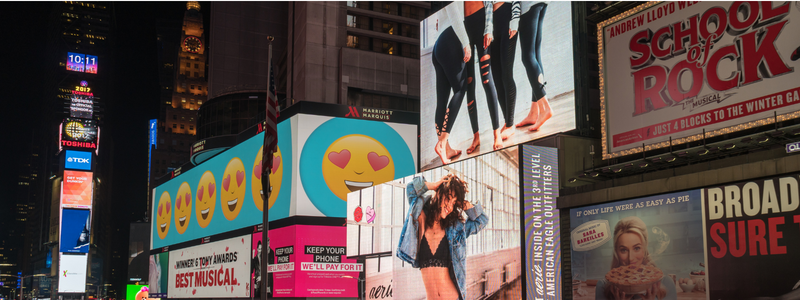
ooh advertising examples

Globally, a lot of money is spent on OOH advertising every year. In 2019, more than $39 billion was spent on OOH ads. Many large worldwide companies such as Apple and McDonald’s, and even tech companies like Facebook and Google, still spend heavily on different types of OOH advertisements, even with the rise of other forms of advertising, such as ads on social media. 

Benefits of OOH Advertising 

You may wonder why companies still decide to spend money on OOH campaigns like billboards or advertisements in subways in today’s global age. There are a few key benefits that OOH ads have compared to other forms of advertising. Firstly, online advertising can be frustrating, since so many consumers have ad-blockers in place and the ones that don’t are bombarded with so many ads, none really stand out. However, OOH ads don’t have these problems, as they’re basically unblockable.

Additionally, people tend to be more perceptive of their surroundings outside of the home, and can take in your advertisements, even if they’re not consciously aware of it. This effect can boost your other advertising campaigns.

According to research from Ocean Neuroscience, consumers were 48% more likely to engage with a mobile ad when exposed to the same out-of-home advertisement first.

Read on for some effective OOH advertising examples.

Examples of OOH Advertising

Digital OOH Advertising

A key innovation in the OOH advertising space has been digital OOH advertising. While there are many digital billboards that could be considered effective OOH advertising examples, the best comes out of New York City. Times Square is saturated with digital billboards that play video advertisements nonstop. Digital OOH ads manage to combine the bright colors, movement, and sound of ads like TV commercials with the size and unblockability of traditional OOH ads. The result of this is a new, hybrid advertisement that blends the benefits of multiple forms of advertising.

ooh advertising billboards

Billboards

Billboards are one of the most common forms of OOH ads. Because of how many billboards there are worldwide, it can be difficult to make a billboard ad that stands out. You aren’t sure if drivers passing by will notice it. To solve this, effective billboard advertising should be creative and memorable. 

One company that’s done a great job with its billboard advertising is Apple. In 2015, Apple launched its “Shot on iPhone” campaign. The campaign offered iPhone users the opportunity to capture images on their phones that would then be used on billboards, commercials, and other ads. Apple’s Shot on iPhone campaign displays the importance of engaging consumers and being thoughtful with image selection.

Another fantastic billboard example was a Formula toothpaste billboard in Indonesia. This remarkably creative advertisement shows a man whose teeth are so strong that he is literally ripping the billboard off of its supporting structure. This billboard is a wonderful example of using creativity to stand out. 

Posters

Posters are another extremely common form of OOH advertisements. Because of their small size and widespread use, it’s extremely important to design a poster that will immediately stand out. Eye-popping colors and creative images will help ensure that your ad will be noticed.

Some tips for effective poster advertising include:

  • Create the poster to cater to a specific audience
  • Use your brand’s color scheme
  • Include a call to action
  • Pick high-quality images
  • Use text sparingly; include only the information that consumers really need

Airports

Airport advertisements are a subset of place-based advertising. Many companies consider airports a gold mine for ads. They are a fantastic place to either stick with traditional billboards or posters, but you can also utilize other aspects of airports, such as conveyor belts, to create incredibly unique advertisements. 

One example of creative airport advertising is at the Venice Marco Polo Airport. The Casino de Venezia decided to turn a baggage collection belt into a life-sized roulette wheel. This fun, unique advertisement did a fantastic job at keeping people engaged during an otherwise mundane activity of waiting for your luggage. In addition, the Casino reported that visits increased by 60% after installing this advertisement. 

Another interactive airport advertisement was installed in the Tokyo Airport in anticipation of the 2020 Summer Olympics. The Tokyo airport turned an entire airport terminal into a running track. This incredibly creative advertisement is a great example of utilizing the entire airport to promote an event.

best examples of ooh advertising

Street Furniture 

The most common use of street furniture advertising is at bus stops or on benches. Advertising on street furniture is a great way to not just engage people waiting for buses, but also gets your ad on the eye-level of everybody walking by. 

Nike is no stranger to creative, thought-provoking advertisements, and its ads on street furniture are no different. Nike added its famous, simple logo — the Nike swoosh — along with the word “RUN” to a bench in New York’s Madison Square Park. They then removed the seat of the bench. This simple ad, paired with the action of taking away the seat of the bench, is eye-catching, memorable, and perfectly aligned with Nike’s vision that everybody is an athlete.

Transportation 

Advertising on public transportation, such as buses or subways, is also extremely common. Many people on public transportation tend to be bored. They are looking for some form of entertainment while they travel.

Startup mattress company Casper realized this, and developed a riddle campaign in the NYC subway system that simultaneously entertained riders while advertising their product.

The riddles they put up engaged subway riders, which helped ensure that their advertisement and company would be remembered.

These are just some of the most effective OOH advertising examples, but there are plenty more!

OOH Advertising with bMedia

Ultimately, OOH advertising can be extremely profitable for your company if you are able to develop a creative and memorable campaign. If you are advertising on the island of Puerto Rico, there is no better company to work with than bMedia.

bMedia is Puerto Rico’s leader in OOH media and advertising, and will work with you to ensure your advertisements are seen and remembered. Contact us today!