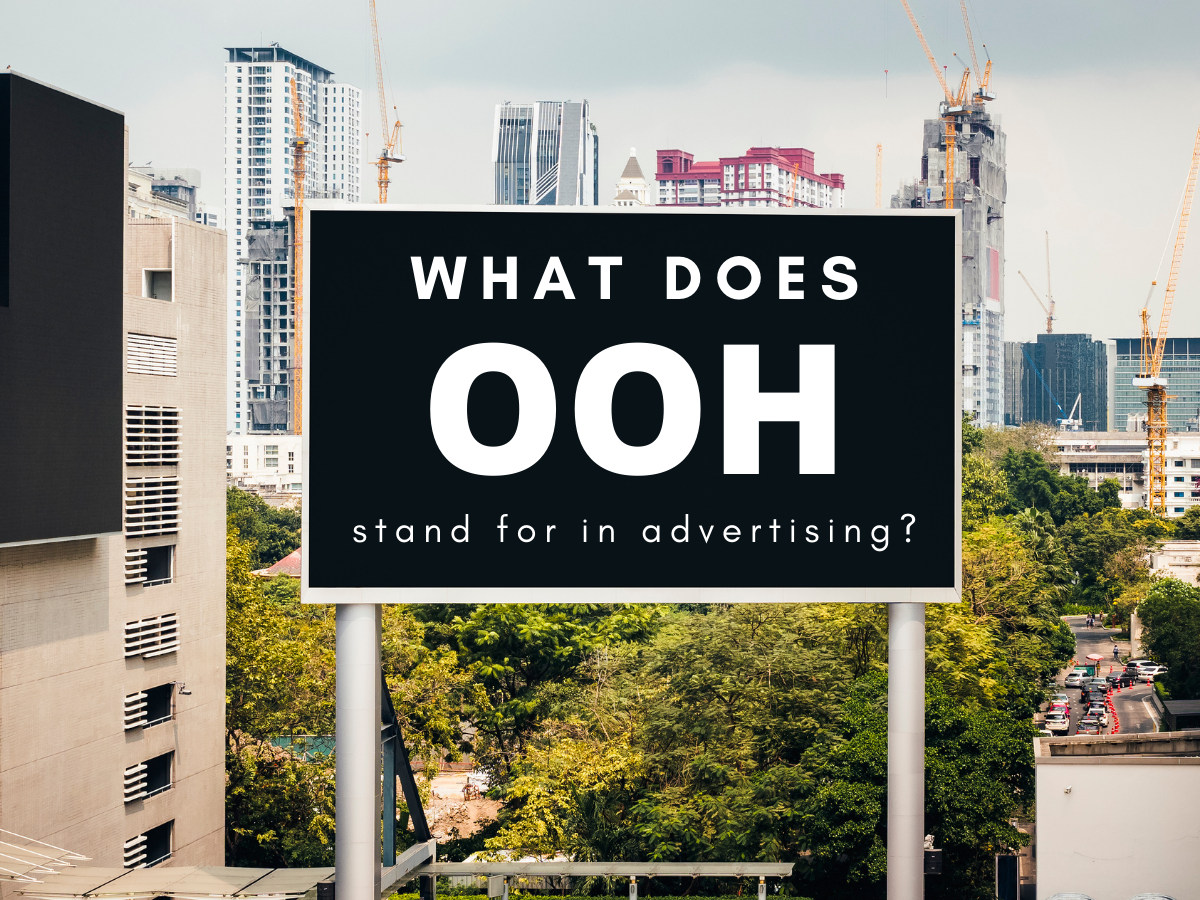
If you are comparing media channels and want hard numbers before you commit a budget, billboard statistics still make a strong case for outdoor media. The medium keeps growing, consumers keep noticing it, and the right placements can support reach, frequency, and brand recall in a way that fits real-world movement.
In Puerto Rico, that matters even more because campaign performance depends on where people drive, shop, commute, and spend time across San Juan, Carolina, Bayamón, Caguas, Ponce, and the rest of the island. bMedia Group builds campaigns around those planning realities with a technology-forward network of 500+ locations and the ability to reach 90% of the population in minutes.
What The Latest Billboard Statistics Actually Tell You
The strongest takeaway from current billboard statistics is not simply that outdoor advertising is visible. It is that the channel continues to grow while helping brands stay present where decisions are made.
The Out of Home Advertising Association of America reported that U.S. out-of-home revenue reached $9.1 billion in 2024, the first time the medium passed the $9 billion mark. In early 2025, the industry also posted its highest recorded first-quarter revenue at $1.98 billion, extending a long streak of growth.
That matters because advertisers do not keep investing in a channel year after year unless it continues to deliver value. For marketers, those results point to a practical truth. Billboards are not a legacy format hanging on out of habit. They remain part of serious media plans because they can build broad awareness, support local targeting, and hold attention in real environments where screens, apps, and content feeds are competing for every second.

Billboard Statistics On Visibility And Consumer Noticeability
One of the most useful billboard statistics for planners is simple. People notice outdoor media.
In an OAAA and Morning Consult study released in 2023, 88% of adults said they had seen an out-of-home ad in the past 30 days, and 69% said they had seen a billboard in that same period.
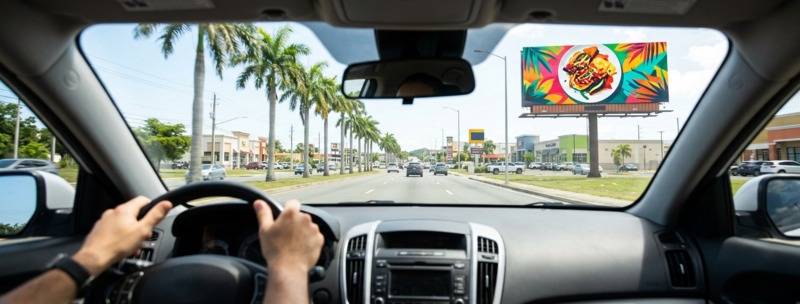
That is important because reach only matters if the format is actually being noticed. Billboard visibility is tied to movement patterns, dwell time, lane approach, line of sight, and repetition. In plain terms, a billboard works best when it is placed where people naturally pass through often enough to remember the message.
For Puerto Rico advertisers, that means campaign planning should start with audience movement, not with a random map pin. High traffic corridors, retail zones, commuting routes, and dense urban approaches matter more than generic “good locations.” Puerto Rico transportation documents show that the island’s National Highway System carries most of the people and freight despite representing a minority of total road miles, which is exactly why corridor planning matters so much for outdoor media.
Outdoor Advertising Is Built For Real-World Action
Awareness is useful, but action is what most advertisers care about. Current research gives outdoor media a strong story here, too.
According to OAAA and Morning Consult, nearly 80% of consumers engaged with an out-of-home ad in the previous 60 days. That engagement included actions such as searching for a business, visiting a website, making a purchase, scanning a QR code, talking about the ad, or visiting a location.
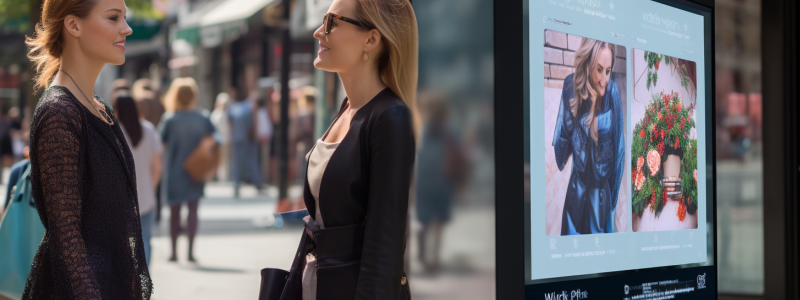
A separate OAAA release focused on retail found that 68% of U.S. adults notice OOH ads while en route to retailers, and the same share notice them close to or right outside a store.
This is where billboard statistics become more than trivia. They help explain why outdoor media often performs well for businesses that need people to remember a brand on the way to a shopping district, a medical appointment, an event venue, a gas station, or a restaurant cluster.
For Puerto Rico campaigns, that can influence format choice:
- Static billboards are useful when you want a steady frequency with one simple message.
- Digital billboards are useful when timing, multiple messages, or creative rotation matter.
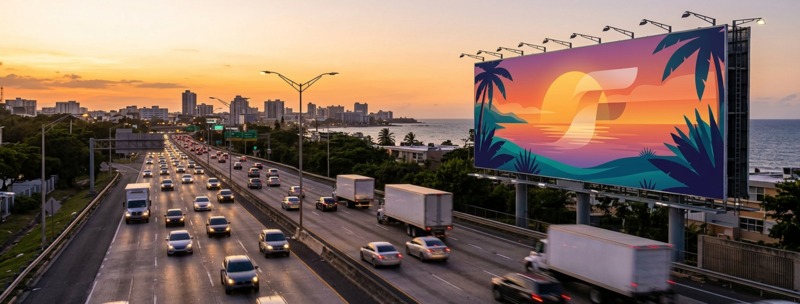
- Spectacular billboards are useful when brand presence and landmark visibility are the goal.
- Place-based formats like gas station ads, restroom ads, and medical office ads are useful when you want a more focused environment tied to a specific audience behavior.
Digital Billboard Growth Supports More Flexible Campaigns
If your campaign needs updates, scheduling flexibility, or multiple messages, digital matters.
OAAA reported that digital out-of-home accounted for 34% of total U.S. OOH ad spend in 2024 and grew faster than the broader channel.
That growth makes sense. Digital billboard campaigns allow brands to rotate creative, daypart messaging, align copy with promotions, and respond faster when timing matters. You are not locked into one static execution for the full run.
For example, a Puerto Rico campaign might use one creative set during morning commute windows, another during afternoon retail traffic, and another during weekend event periods. That does not guarantee results on its own, but it does give you more control over relevance.
Quick Details
- Best for: promotions, launches, countdowns, multiple audience segments
- Helpful when: creative changes are likely, timing matters, or you want more than one message
- Watch for: too much copy, weak contrast, or trying to say five things in eight seconds
bMedia’s digital network positioning reflects that flexibility, emphasizing dynamic content, easier changes, and broader island-wide planning options.
Billboard Statistics Mean More When You Apply Them To Puerto Rico
Many advertisers rely on national data and stop there. That is only half the job.
Good outdoor planning in Puerto Rico depends on translating broad billboard statistics into local decisions:
- Which regions matter most for your audience
- Whether your message needs island-wide reach or regional concentration
- Whether the goal is awareness, traffic, or repeated exposure
- Whether the campaign should lean on digital, static, or a mix
- How creative needs to change by format, distance, and environment
This is where bMedia’s local scale matters. The company positions its network around 500+ high-impact locations, broad format coverage, and the ability to reach 90% of the population in minutes.
That scale helps with planning because the question is rarely “Should I advertise outdoors?” The real question is “How do I distribute the budget across the island so the campaign matches my audience and objective?”
A campaign focused on San Juan metro visibility may look very different from a campaign that needs frequency across north, south, and west Puerto Rico. A retail push tied to Bayamón and Carolina movement patterns will not be planned the same way as a tourism or lifestyle brand seeking landmark visibility along high-profile routes.
What Billboard Statistics Say About Creative Discipline
Outdoor media works best when the message is built for the environment. That may sound obvious, but it is where many campaigns lose value.
Geopath defines key measurement ideas such as audience delivery, reach, and frequency as ways to understand how many people notice an ad and how often they are exposed to it.
But exposure is not the same as comprehension. People need to understand the message quickly.
For billboard creative, the basics still matter:
- Keep the message short
- Use strong contrast
- Choose fonts that stay legible at a distance
- Lead with one idea, not a paragraph
- Use location or seasonality only when it adds clarity
- Make sure branding is visible without overpowering the message
If you are advertising in Puerto Rico during high travel periods, event seasons, or retail-heavy moments, timing can strengthen relevance. But seasonal messaging only helps when it is paired with the right placements and a readable design. Technology can help schedule and monitor campaigns, but creativity still has to do its job on the screen or panel.
How To Use Billboard Statistics In A Real Media Plan
Data is useful when it helps you decide what to do next. For most advertisers, the right planning framework is straightforward.
1. Start With The Audience
Who are you trying to reach, and where do they actually move?
2. Match The Geography To The Goal
Island-wide reach, metro concentration, or regional support each call for different placement strategies.
3. Pick The Right Format
Use digital when timing and flexibility matter. Utilize static when message consistency and repeated exposure matter. Use spectaculars when visibility and presence matter.
4. Define Success Clearly
Think in terms of reach, CPM, visibility, frequency, traffic lift signals, and campaign fit. Do not expect one billboard to do every job.
5. Build Creative For Distance
If the ad cannot be understood quickly, better placement alone will not save it.
What You Need To Provide
- Campaign objective
- Target audience
- Preferred regions in Puerto Rico
- Run dates or timing windows
- Creative assets or headline direction
- Budget range
- Format preference, if you already have one
Why Billboard Statistics Still Support OOH In 2026
The case for outdoor media is not built on nostalgia. It is built on continued spend, continued visibility, and continued consumer action.
The industry is growing. Consumers notice the medium. Digital formats are expanding. And strong local planning can turn those broad trends into campaigns that fit real markets.
That is why billboard statistics still matter. They give you evidence that the format belongs in the conversation, but they also remind you that the best campaigns are not built from averages alone. They are built from smart placement, simple creativity, realistic measurement, and a clear understanding of how people move through the market.
In Puerto Rico, that means planning with local routes, local regions, and local behavior in mind. It also means working with a network built for scale, flexibility, and measurable value. bMedia’s approach to outdoor media in Puerto Rico, billboard placement, and digital advertising formats is grounded in exactly that kind of planning.