What Is Outdoor Advertising? Outdoor Media And OOH Explained

If you have ever looked up and noticed a billboard, an ad at a bus stop, or a message on a screen in a busy plaza, you have seen outdoor advertising in action. What is outdoor advertising in plain terms? It is advertising designed to reach people when they are out in the world, not sitting at home.

You will also hear it called outdoor media or OOH, which stands for out of home. These terms are often used interchangeably. In this guide, you will learn what is outdoor advertising, what formats matter most, how to pick the right placements, and how to think about measurement so you can plan with confidence.

bMedia Group helps brands plan and run outdoor campaigns across Puerto Rico with a technology-forward approach, 500+ locations, and the ability to reach 90% of the population in minutes.

What Is Outdoor Advertising And Why It Works

What is outdoor advertising really doing for your business? It puts your message in front of people during real life moments: commuting, shopping, meeting friends, traveling, and running errands.

Outdoor works best when you need:

  • Broad awareness fast
  • Repetition that builds familiarity
  • Strong local presence by region
  • A message that is easy to understand in a few seconds

Outdoor media is not about cramming information. It is about being clear, visible, and present where your customers already are.

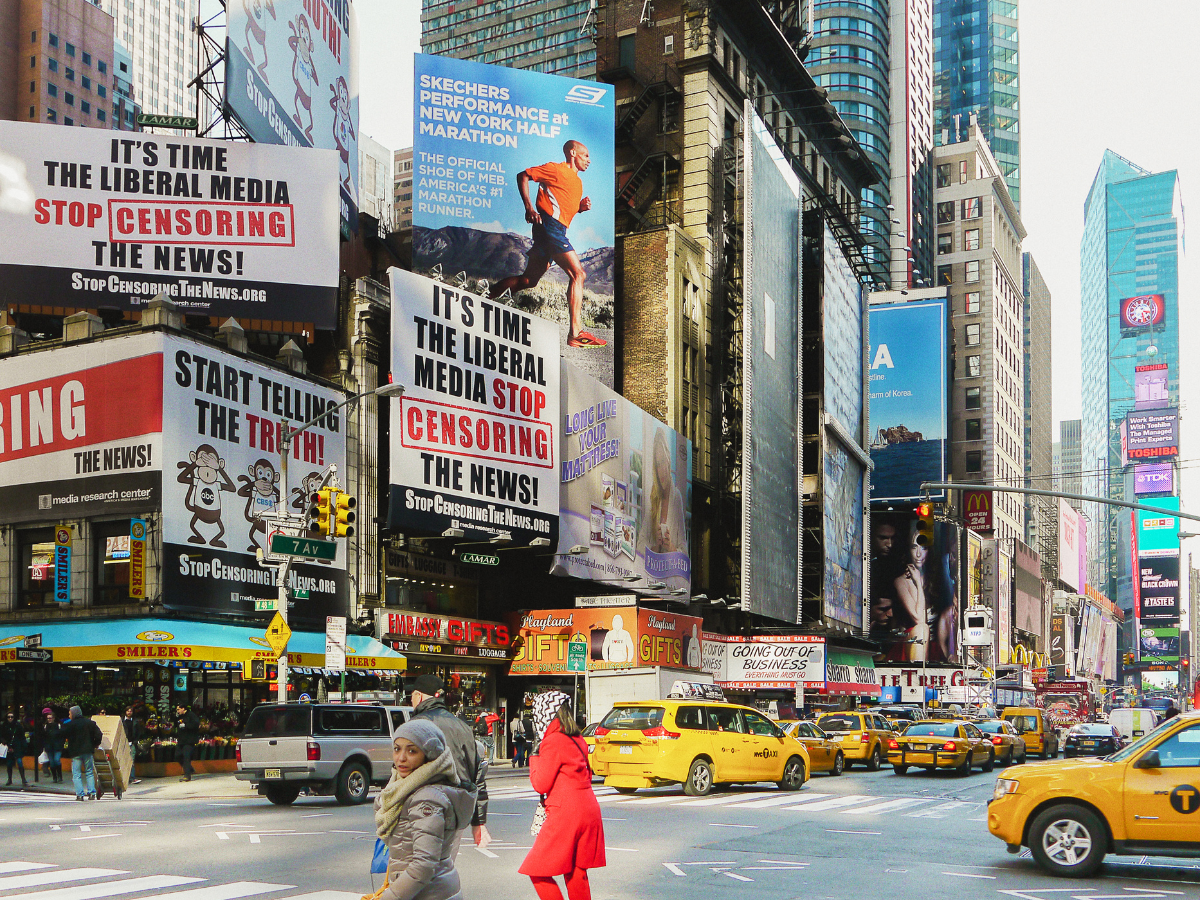
outdoor media

Outdoor Advertising Formats You See Every Day

Outdoor media is a big category. Here are common formats, plus how they typically fit into a plan.

Billboards

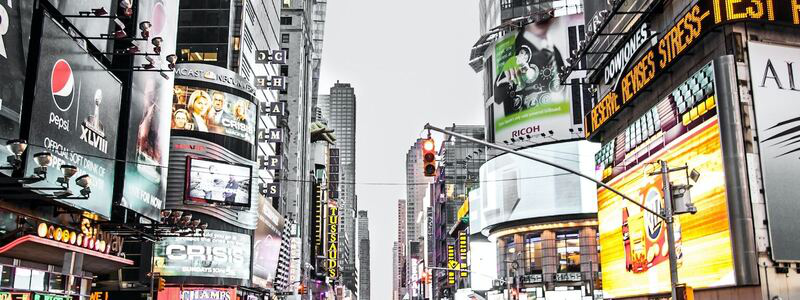
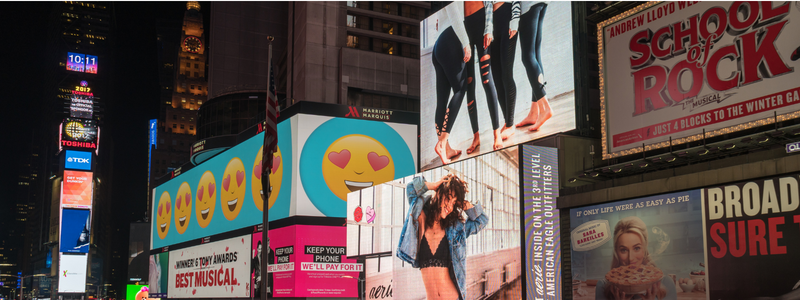
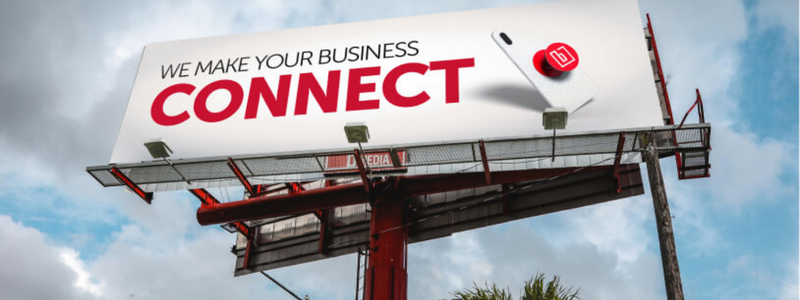
Billboards are large placements along highways and major roads. They are ideal when you want high reach and steady visibility.

Digital Billboards (DOOH)

DOOH means digital out of home. These are screens that can rotate multiple ads. They are useful when you want flexibility, quicker creative swaps, or day-part messaging.

Posters And Street-Level Placements

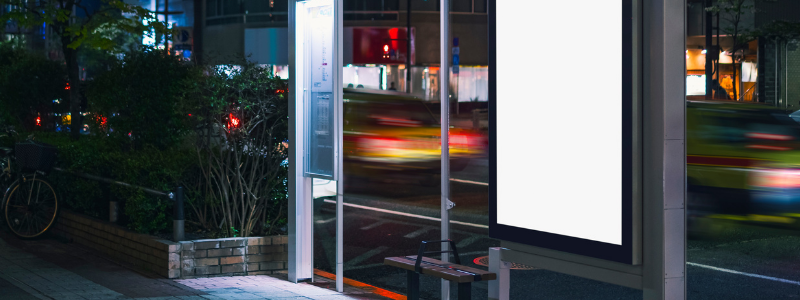
Posters and street furniture (bus shelters, benches, kiosks) sit closer to eye level. They can be excellent for neighborhood targeting and pedestrian-heavy areas.

Transit Advertising

Transit placements include buses and areas around transit hubs. They work well when your audience moves through the same routes every week.

Place-Based Media

This includes formats like:

  • Restroom ads
  • Gas station ads
  • Medical office ads
    These can be effective when you want to reach people in specific settings where they have more time to read.

Outdoor Advertising In Puerto Rico

Outdoor planning improves a lot when you stop thinking “island wide” as one big idea and start thinking in zones.

A practical way to approach it is:

  • Metro reach: San Juan, Bayamón, Carolina, Caguas
  • South and west coverage: Ponce, Mayagüez
  • North corridor: Arecibo and surrounding routes

With bMedia Group’s scale across 500+ locations and a planning approach built around reach and performance, you can match placements to real movement patterns, not guesses.

Quick Decision Guide: Pick Your Format By Goal

If your goal is speed and flexibility

  • Choose DOOH
    Best for promotions, multiple messages, seasonal swaps, and fast creative updates.

If your goal is always-on presence

  • Choose static billboards
    Best for brand recognition, consistent visibility, and simple, memorable messaging.

If your goal is impact

  • Choose spectacular placements
    Best for major brand moments, launches, and high-attention environments where size and placement do the heavy lifting.

Simple Comparison: Digital vs Static vs Spectacular

  • Digital (DOOH): flexible, can rotate messages, great for timing and testing
  • Static: steady, simple, consistent, ideal for long runs
  • Spectacular: premium visibility, high impact, best for big statements

What Drives Cost In Outdoor Advertising

Outdoor pricing is not one flat number. It usually depends on:

  • Location: traffic volume and visibility
  • Format: digital vs static vs premium placements
  • Duration: how long your campaign runs
  • Share of time (digital): how often your ad appears on a loop
  • Production needs: printing, file specs, creative revisions

Quick Details Block: Budget Inputs You Should Know

  • Regions you want to cover
  • Formats you want to use
  • Timeline and start date window
  • Whether you need one message or multiple versions
  • Your primary outcome: reach, traffic, brand lift, or launches

If you bring those inputs to the table, planning becomes faster and more accurate.

How Outdoor Advertising Is Measured

You do not need to be a media buyer to understand measurement. Here are the key terms, in plain language:

  • Impressions: estimated views of your ad
  • Reach: how many different people you may reach
  • Frequency: how often those people may see the ad
  • CPM: cost per thousand impressions, a common way to compare efficiency across channels

Outdoor planning works best when you set expectations clearly:

  • Outdoor is strong at awareness and recall
  • It supports other channels by keeping your brand top of mind
  • It performs better when the message is simple and the placement matches your audience

bMedia Group’s approach stays focused on measurable outcomes, CPM efficiency, targeting by region, and realistic performance reporting without promising exact results.
outdoor advertising

Creative Rules That Make Outdoor Work

Outdoor ads are seen quickly. Your design has to do its job fast.

bMedia Creative Checklist

  • Keep it to one clear message
  • Use large fonts that can be read at distance
  • Strong contrast between text and background
  • One main visual, not a collage
  • Brand name or logo visible, but not cramped
  • If you include a call to action, keep it short
    Think “Visit,” “Call,” or a simple URL. Avoid long sentences.

Quick Details Block: What You Need To Provide

  • Your logo and brand colors
  • One headline or offer
  • One main image (high quality)
  • Any required disclaimer text, if applicable
  • Preferred landing page or phone number

If your ad needs people to remember a phone number, consider pairing it with formats where people have more time, like place-based media. For highway billboards, keep actions simple.

Timeline: How To Plan Without Stress

Outdoor campaigns go smoothly when you give yourself enough time for creativity and approvals.

Planning Timeline (Typical)

  • Week 1: choose region, format, and schedule
  • Week 2: finalize creative and specs
  • Week 3: production and confirmations
  • Launch: monitor, report, and adjust if using DOOH rotations

If you are planning around seasonal demand, aim to start earlier for high-competition periods like holidays, major travel windows, or back-to-school. You do not need exact dates to plan well. You just need a clear window and a clear message.

Common Mistakes To Avoid

These are the issues that most often reduce results:

  • Trying to say too much in one ad
  • Picking locations without matching the audience
  • Running too short to build frequency
  • Using designs that look good on a laptop but fail at distance
  • Skipping measurement expectations until after launch

Outdoor advertising is simple when you treat it like a planning problem, not a guessing game.

Bringing It All Together With bMedia Group

Now you can answer the core question, what is outdoor advertising and how it fits into real business goals. Outdoor media works when your plan is clear: audience, region, format, timeline, creative constraints, and measurement.

bMedia Group brings island-wide scale, 500+ locations, and technology-driven planning to help you run campaigns that are practical, trackable, and built for real visibility across Puerto Rico. If you want to turn outdoor advertising into a repeatable growth channel, start with a format mix that matches your goal, then build creative that can be understood in seconds.

Out of Home Advertising

In an era characterized by digital marketing dominance, “Out of Home Advertising” emerges as a formidable strategy, making a lasting impression in the physical world.

This comprehensive guide explores the dynamic realm of Out of out-of-home advertising, transcending the boundaries of screens and devices to reach consumers where they live, work, and play. From towering billboards that capture attention on busy highways to eye-catching transit ads that navigate urban landscapes, this article delves into the various facets of this impactful medium.

Join us on a journey that uncovers the power, versatility, and creative potential of out-of-home advertising in today’s marketing landscape.

What Does OOH Stand For in Advertising?

As the name suggests, OOH stands for out-of-home [advertising]. It is a marketing strategy to reach a target audience when they are not in their homes.

ooh advertising

OOH Advertising Examples

Mary Lister writing for Wordstream describes several modern examples.

  • Digital and traditional billboards and posters
  • Public furniture including bus stop shelter walls, kiosks, benches, poles
  • Public transit vehicles like bus walls, taxi wraps, subway, and train cars
  • Point-of-sale ads including sandwich boards, taxi cab windows, business front windows, building walls, gas pumps, and trash cans
  • Stand-alone advertisements like those on balloons and other inflatables, floats, and airplane banners

A Brief History of OOH Advertising

The Out of Home Advertising Association points out that OOH advertising dates back thousands of years. The first out-of-home advertising occurred when Egyptians used towering stone obelisks as a platform for informing the public of treaties and laws.

In the 1400s, Johannes Gutenberg’s invention of the printing press gave rise to handbills. By 1796, these advertisements had added eye-catching illustrations. Handbills led to bill posters. These larger advertisements were erected on structures where they could be read by passing vehicle and foot traffic.

The 1830s are believed by many to have launched roadside advertising. Merchants hand-painted signs and affixed advertising to building fronts and fences. These told walkers and drivers that their business was ahead. They often highlighted their wares.

In 1835, Jared Bell began printing large posters. These fifty-square-foot ads told of the arrival of the circus.

1850 brought advertising on street railways. However, the advent of industrialization in the late 1800s and early 1900s saw the formation of the Association of Bill Posters in North America. Later called the Outdoor Advertising Association of America, this organization aimed to promote a greater understanding of out-of-home media. This led to the standardization of billboards. There followed a boom on mass-produced billboard campaigns by such big businesses as Coca-Cola, Palmolive, and Kellogg’s.

The mid-twenties saw the first outdoor advertising company listed on the stock exchange. In the 1940’s the OBIE awards debuted. Coca-Cola’s “Yes Girl” billboard won.

As billboards grew in numbers, legislation arose curbing where they could be erected, how large they could be, and what they could advertise. In 1999, tobacco companies agreed not to advertise on OOH structures.

From billboards, OOH companies diversified into street furniture, cinema, and digital screens.

Today, some of the world’s largest companies lead the way in OOH advertising. This includes Facebook, Google, Amazon, Netflix, Apple, McDonald’s, Amazon, HBO, and Coca-Cola.

what does ooh stand for

The Evolution of Out of Home Advertising

Out of Home Advertising has a rich and storied history, dating back to ancient civilizations. Over the centuries, it has evolved and adapted to the changing needs of advertisers and the dynamic landscapes of cities and towns.

Historical Roots

The origins of Out of Home Advertising can be traced to ancient Egypt, where merchants used painted advertisements on walls to promote their goods and services. This practice gradually spread to other cultures, such as the Roman Empire, where announcements were carved into stone tablets.

Print and Poster Era

With the advent of the printing press in the 15th century, the possibilities for advertising expanded. Posters and handbills adorned city streets, theaters, and public squares, offering glimpses into the consumer culture of the time.

Billboards and Outdoor Displays

The late 19th and early 20th centuries saw the rise of billboards and large-scale outdoor displays. These eye-catching structures became synonymous with Out of Home Advertising, capturing the attention of travelers on railways and highways.

Digital Revolution

In recent decades, the industry has undergone a profound transformation with the introduction of digital technology. Digital Out of Home Advertising (DOOH) has ushered in a new era, featuring dynamic, interactive, and highly targeted campaigns.

Integration with Data and Technology

Today, Out of Home Advertising is seamlessly integrated with data analytics, allowing advertisers to deliver personalized messages to specific demographics. Real-time tracking and optimization have become essential tools in the OOH advertising toolbox.

Place-Based OOH Advertising

With real estate and OOH advertising, location is crucial. Place-based OOH media involves specifically locating advertising where a niche market will see it.

Here are some examples:

  • Wall ads, posters, furniture ads, and kiosks at airports, bus, and train stations
  • Display racks, bulletin boards, posters, and wall billboards at universities, colleges, and school campuses
  • Billboards near restaurants, health clubs, gyms, arenas, movie theaters, and nightclubs.
  • In-store ads on store shelves, shopping carts, checkout stands, and storefronts
  • Shopping mall kiosks, wall displays, store doors,
  • Display panels  on truck stops, trucks, interstate travel stops
  • Special events promotions
  • Interactive, specialized media

Getting Started

If you have decided OOH advertising is an effective marketing tool for your company, first decide who you want to reach. Next, choose an effective location. Where will your niche market see your ads?

Select the message/idea/product you wish to showcase.

What is the best format for your message?

The most effective messages are sharable. Consider bold colors, creative digitals, slogans that will get shared on social media increasing target audience engagement.

Look at the OOH advertising of your competitors. What spaces are they using? What format have they selected? Check out their social media. What content is getting the highest reaction? What do their potential buyers like? Have they integrated adverting modes? An analysis of your competition, you can get good information for your OOH strategies.

Think about your message. Is it clear? Is it creative? Is it engaging?

Out-of-home advertising must have a simple message that can be absorbed by passing motorists or pedestrians in a few seconds. Keep the text limited to a few compelling, easy-to-read words. Consider the power of an image. Your core message has a lot more chance of being shared if it is creative and brief. Your best return on investment comes with it being talked about across media channels.

ooh stands for out of home advertising

Why Consider OOH Advertising?

Studies have shown that 70% of drivers and walkers notice what is being marketed on out-of-home advertising. Thirty percent say they’ve purchased products or services they’ve seen advertised on out-of-home ads the very same day they were exposed to them.

Where TV and radio ads are seen or heard once, pedestrians and drivers see out-of-home ads repeatedly on their way to and from work.

Studies show that out-of-home ads are the best return on investment of any marketing program.

Unlike radio, TV, newspaper, or magazine ads, you can’t skip OOH ads. They are in your face and get noticed. Nielsen surveys found that nearly 50% of adults who searched online for a product had first seen it in an OOH ad.

Thanks to technological improvements, the versatility of out-of-home advertising will continue to grow. With the rise in digital ads, new capabilities and increased effectiveness of OOH ads have resulted. Digital OOH media has brought brighter colors, animation, and convenience in ad production. Multiple images and ads geared to specific demographics have proven that OOH ads will continue to be profitable marketing tools.

Notable Examples of Out-of-Home Advertising

Apple’s “Shot on an iPhone” billboard invites customers to send in photos shot on their iPhones. Outstanding ones were turned into billboards.

Clarin’s interactive campaign at Hong Kong International Airport lured viewers to enter their emails or scan a QR code on the screen with the offer of codes for discounts and free samples.

CVS Beauty Mark’s social media campaign encouraged users to upload their selfies to the hashtag #BeautyUnaltered. Every ten seconds, a different unaltered selfie celebrated real beauty on a Times Square digital billboard.

Acadia SUV, GMC used facial analytics to create engaging digital signage. Cameras in the digital display detected audience demographics including age and gender. Based on these data, one of thirty possible video ads was shown to the viewer. Passersby stopped to interact with the kiosk out-of-home ad that harnessed digital out-of-home power to personalize content for maximum audience engagement.

McDonald’s weather-sensitive ads are another example of digital out-of-home advertising. The campaign featured McDonald’s frozen drinks. When the temperature rose to a level that made a cold drink appealing, the campaign played a cold drink. When the temperature became hotter, the ad automatically switched to a frozen drink.

Lasik explored whether elevator riders who wear glasses can be identified. Then, their OOH ad delivered a creative ad targeting those who were candidates for laser eye surgery. The ad’s message changed based on the type of eyewear the rider was wearing. The ads delivered eleven million targeted messages to riders who wore glasses, personalizing the message for age and gender.

Google’s “Make the Most of Summer” used responsive, data-driven digital OOH. The advertising focused on summer experiences in the area where it was placed. The ad engaged viewers through the presentation of dynamic, full-motion sites.

To showcase its new 5G technology, AT&T encouraged viewers of their interactive ad to “Pose with the Pros”. Dallas Cowboys fans could select up to five of their favorite Cowboys to pose with them at a kiosk in concourses at the AT&T Stadium. Their virtual group picture could be emailed to themselves, and/or shared on social media.

So, what does OOH stand for in advertising? Well, it’s more than just your reaction to captivating and compelling billboards – it’s the abbreviation for what you’re looking at, outside.

How Can bMedia Group Help?

Our media service boasts over three hundred out-of-home advertisements in Puerto Rico. We provide our valued customers with a wide variety of effective OOH formats.

Our skilled designers, fabricators, and construction staff members know how to take your design needs and turn them into effective billboards, posters, and other out-of-home advertising. We are proud to have the highest consumer traffic on the island.

For more information regarding how we can increase your brand recognition contact us.

Out-of-the-Box Marketing Ideas

When it comes to marketing, most people think that you need an army of promoters, designers, and developers to launch a successful marketing campaign. But that’s not true.

All marketing is, is about creating a strategy, identifying your target audience and then executing it in a way that resonates with them, and that is no different than with out-of-home advertising such as billboards.

It can be a difficult process to get right but one of the best things about it is the opportunity for creativity and innovation along the way.

So, if you’re looking for some inspiration on how to do just that, we can help! We have put together this list of our favorite out-of-the-box marketing ideas that will help you stand out from the crowd and win customers over before they even know what hit them.

marketing ideas

What is An Out-of-Box Marketing Strategy?

Out of the box marketing comes down to one thing – data-driven marketing with emerging strategies.

For instance, if you choose to buy a placement on a billboard, using data technologies that measure traffic and the prospective reach is one thing, but merging that with custom URLs, hashtags, or QR codes creates an ecosystem that propels brand awareness and experience.

Below are ten out of the box marketing ideas that can help benefit you and your business.

Offer a Trade

If you have a product that has value and your customers don’t want it, they’ll probably be willing to trade something else instead. This is a great way to get rid of products that are too expensive to distribute or not selling well.

There are many ways you can offer trades:

  • Trade-in credit: Offer customers the option of trading in their old product for store credit toward future purchases. This can be especially useful when selling electronics or other expensive items that require replacement parts or repairs regularly.
  • Gift card swap: You could give out gift cards at the checkout counter when someone makes a purchase, but then offer them the option of also receiving an extra gift card for every item they trade in as well! This could double or triple your return on investment (ROI) from these discounted sales because people will actually buy another item with their first credit rather than just leaving empty handed—which happens more often than not when companies only offer one type of payment option during checkout processes like this one does.

digital marketing ideas

Use Digital Signage

Digital signage is the use of digital technology to promote products, services, events and brand messages on large displays in public locations – such as stadiums, shopping malls and terminals.

Digital signage serves a number of purposes including:

  • Promoting your business
  • Providing information to customers on where they can find what they’re looking for or what is happening in the area

Create a Scavenger Hunt

This is a great way to get your team or clients involved and increase brand awareness/loyalty.

Create a list of items, then take pictures or video of them in your office and store it online or across social media so your participants can see them.

On the day that you launch your scavenger hunt, send out an email with instructions for how to participate (you can also post on social media if you have room for more exposure). The instructions should include what image(s) are needed from each location, how participants will know when they’ve found the item(s) needed and other details like this one: “The first person who finds [an item] at [location] wins!”.

Make sure the prizes are worth winning! It’s always good to give away something that has value because it shows appreciation towards those who took time out of their busy days in order to participate. The prize doesn’t have to be big though; it just needs something special about it so people feel good about themselves after receiving one as opposed to feeling like they’re just some dumb loser who couldn’t find anything cool enough.

Use the Mail

  • Use the mail to send coupons, information about your business or products, and thank you cards.
  • Send holiday cards to customers, friends, and family that have expressed interest in your business.
  • Send birthday cards for every employee, including yourself! It’s important for employees to feel connected to the company beyond just working together on projects.

Go Mobile With Mobile Coupons or QR Codes

Using billboards or fuel pump advertising allows the use of QR codes.

QR codes saw a resurgence during the 2020 COVID lockdowns, and the momentum has not stopped.

QR codes can offer mobile coupons that are a great way to reach your audience and get them into your store. They can also be used in many ways. For example, you could offer free shipping on a certain day or time period, or coupons for discounts on items in your store. Mobile coupons are also helpful for getting people to try new things, like offering free samples at checkout counters.

Create a Viral Marketing Campaign

When you think of your content, don’t limit yourself to what’s on the paper in front of you.

Think about how you can add value to that content. For example, in a recent film “Smile”, the marketing team sent paid actors to baseball games to ‘Smile’ for the duration. The goal was to raise awareness but also to creatively expand the audience in a viral marketing effort.

Viral marketing combines out of home marketing with digital marketing and PR to produce word of mouth awareness.

Host an Event at Your Place of Business

Hosting an event at your business is a great way to get your brand in front of your customers. For example, if you’re a barber shop or salon, you can host an event where people come in for discounted haircuts. This is also a great way to build brand loyalty and engage with customers on a deeper level.

You don’t have to hold the event at your place of business either! You could host it off site and encourage people from all over town or even around the world to attend. This gives them something fun and entertaining while also bringing more traffic into your store or office space.

Give Away Swag

Gifting swag is a great way to get your name out there. The trick is to give away something that’s relevant to your business, useful for the customer, and not too expensive. A good example of this is offering an in-store coupon when people bring their pets in for grooming.

You should also try gifting things that will get people talking about your brand and put you at the forefront of their minds — like branded water bottles or reusable totes!

Go ‘Live’ on Social Media Platforms

Live video is a great way to connect with your audience. It’s a great way to show off your products, new or old. You can use live video to promote a new product or service, share information about your company, and even answer questions from people who are interested in what you have to offer.

Get Local Businesses Involved in a Larger Campaign

  • Think about how you can work with other businesses in your area.
  • Get them involved in a larger campaign, and ask them to promote your business for free.
  • Offer them a free service in return for their support.
  • Offer them a discount on one of your services or products if they agree to help promote it through their own channels (e.g., website, social media).
  • Give away free gifts to people who attend events at another business’s location (e.g., restaurant) as part of an event of yours that’s happening nearby—this could be tickets or gift certificates that they can use on their next visit!

marketing strategy session

Think Outside the Box for Creative Marketing Ideas

The best way to get creative marketing ideas is to think outside the box. If you are getting stuck on a project and need some inspiration, here are some ways to help you come up with unique ideas for your business:

  • Get on the internet! There are so many websites out there that provide excellent resources when it comes to searching for creative marketing ideas. There are also plenty of blogs and articles written by successful entrepreneurs who have used these techniques before.
  • Use what works! If an idea worked well in the past, there’s no reason why it won’t work again! Don’t be afraid of trying something again if enough time has passed since its initial success; after all, nothing beats experience when it comes down to figuring out how effective certain techniques can be at generating interest among potential customers.
  • Survey your audience! Go right to the source and ask what they want to see more of from your business or brand.

bMedia and Out-of-the-Box Marketing Ideas

Out of the box marketing ideas come in many shapes and sizes. While viral marketing worked for the team promoting a film, it’s best to consider your options, keep an open mind, and find a partner that can help you achieve your KPIs.

As a local leading media promotion company, our goal is to provide advertising avenues that make your message get through to your target market in order to solidify your brand image and / or increase your sales through impact, quality, innovation, and distinct services. We’re

Contact bMedia and learn more about our services and how we can help promote your business.

Does Billboard Advertising Work?

In the fast-paced marketing world, businesses constantly seek innovative ways to capture their target audience’s attention. While online advertising continues to dominate the landscape, traditional forms of advertising, such as billboard advertising, have stood the test of time.

Does Billboard Advertising Work?

Billboard Advertising: Definition and History

Billboard advertising refers to displaying promotional messages and visuals on large, strategically placed boards typically located alongside busy roads and highways. These towering displays serve as a captivating means of communication, capturing the attention of passing motorists and pedestrians alike.

The history of billboards traces back to the early 19th century when Jared Bell pioneered what is considered the first traditional billboard poster in the United States. These large signs were initially used to promote shows and events, capturing the attention of a vast audience. Over time, laws were enacted in the 1860s, allowing businesses to purchase outdoor space for billboards, which led to increased advertising opportunities. As the popularity of automobiles grew in the early 1900s, billboards became a prominent marketing medium, especially with the development of the Interstate Highway System in the 1950s.

Today, billboards have evolved with technological advancements, including digital displays.

So, does billboard advertising work? Let’s delve deeper into its effectiveness and explore the benefits of this dynamic marketing strategy.

Advantages of OOH advertisements

Out-of-home (OOH) advertising (or street advertising) encompasses various forms, including billboards, posters, and digital displays. These captivating outdoor mediums allow businesses to engage with their target audience in memorable ways.

  • Wide Reach and High Visibility

Billboards offer unparalleled visibility due to their large size and strategic placement. With millions of people commuting daily, billboard ads can reach a vast audience, effectively generating brand awareness and driving consumer engagement.

  • Continuous Exposure

Unlike other forms of advertising that can be easily ignored or skipped, billboards provide continuous exposure. Commuters often encounter the same billboards during their daily routines, reinforcing the brand message and ensuring a lasting impact.

  • Targeted Advertising

Static or digital billboards can be strategically placed in specific locations and may address targeted demographic if needed.

  • Cost-Effectiveness

Billboard advertising offers a cost-effective means of reaching a wide audience. Compared to other forms of media, such as television or radio, billboards provide a longer exposure time at a fraction of the cost, making them an attractive option for businesses with limited marketing budgets.

Billboard Advertising: Definition and History

Creating a Successful Campaign

To create a successful billboard campaign, several best practices should be followed.

First and foremost, understanding the target audience is crucial. By identifying their demographics, interests, and behaviors, advertisers can tailor their messages and visuals to resonate with the intended viewers.

Additionally, simplicity and clarity are key. Static billboards have limited space, so it’s important to deliver a concise and impactful message that can be easily comprehended within a few seconds. Bold and legible fonts, the right colors and attention-grabbing visuals will help ensure the message stands out.
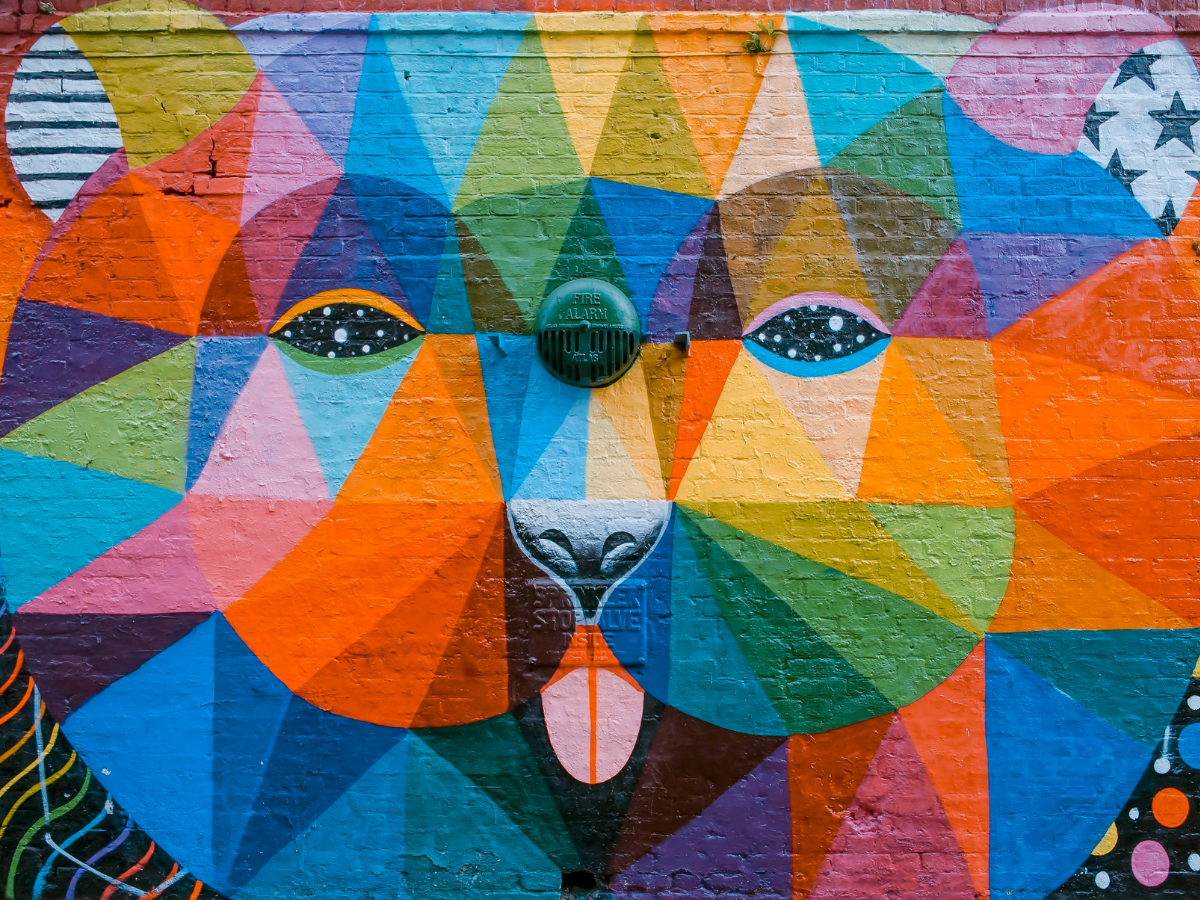
Strategic billboard placement is another essential factor. Identifying high-traffic areas, such as busy intersections or highways, will maximize the exposure of the billboard. Additionally, considering the viewing angle and distance is vital for motorists or pedestrians to ensure readability.

Moreover, incorporating a call-to-action is crucial to drive consumer behavior. Whether it’s visiting a website or physical store or making a purchase, a clear and compelling call-to-action will guide viewers on the next steps to engage with the brand.

Finally, tracking and analyzing the campaign’s performance is essential. Utilizing technologies like geolocation data, footfall tracking, and audience measurement tools can provide valuable insights into the effectiveness and ROI of the campaign. By continuously evaluating and optimizing the campaign based on these insights, advertisers can maximize the impact of their advertising efforts.

Billboard advertising continues to evolve as a powerful marketing strategy, delivering engaging brand experiences to a wide audience.

Have a look at the following examples of successful billboards campaigns:

  1. Airbnb’s Impact Campaign: Airbnb wanted to showcase its positive impact on hosts and travelers in New York City. They strategically placed ads on digital billboards near City Hall, targeting locals and government officials who proposed strict regulations for house rentals. The creative featured stories of responsible hosts, highlighting the positive effects of Airbnb.
    The campaign reached over 1 million New Yorkers, positively influencing the conversation around housing regulations.
  2. Apple’s “Shot on iPhone” Campaign: Apple launched a global campaign to promote the camera capabilities of the iPhone 6. They asked iPhone users to submit their best photos with the hashtag #ShotoniPhone. Apple then selected photos from around the world to display on billboards and media outlets. The goal was to generate buzz and get people talking about the new iPhone 6.
    The campaign successfully showcased the quality of the iPhone’s camera and engaged users worldwide.
  3. Spotify’s Irreverent Billboard Campaign: Spotify used billboards and online ads to create highly targeted and localized advertisements. The campaign featured witty and relatable messages that resonated with Spotify’s audience. The goal was to show that Spotify understands its users and offers a platform where they can be themselves.
    The campaign contributed to Spotify’s growth, increasing paying subscribers.

These examples highlight the effectiveness of creative and well-executed billboard campaigns in capturing attention, conveying brand messages, and achieving specific marketing objectives.

Innovations in OOH Advertising

OOH advertising, specifically billboards, has undergone significant innovations, leveraging new technologies to enhance impact and effectiveness. One notable innovation is the introduction of digital billboards. These dynamic displays allow for the rotation of multiple advertisements, providing advertisers with more flexibility and creativity in their campaigns. Digital billboards can deliver eye-catching visuals, vibrant colors, and motion graphics to captivate viewers’ attention. With the ability to change messages quickly and remotely, digital billboards offer a level of versatility that traditional static billboards cannot match.

Another exciting development is the integration of augmented reality (AR). AR ads blend the physical world with digital overlays, creating an interactive and immersive experience for viewers. People can use mobile devices or specialized apps to engage with billboards in real time, accessing additional information, interactive games, or even virtual try-on experiences. This integration of AR technology elevates the engagement level and encourages a deeper connection between the brand and the audience.

Is OOH Worth It? Billboard Advertising ROI

With digital technologies and innovative billboard designs, billboard advertising has become more impactful. The question remains: does billboard advertising work? The statistics suggest a resounding yes.

According to Statista, in 2022, OOH spending in the United States reached approximately 8.6 billion dollars, with billboard ads accounting for over 70% of the total. This staggering investment demonstrates the effectiveness of billboard advertising in capturing audience attention.

Data published by Statista in 2021 revealed that the entertainment and leisure industry expenditure on OOH advertising in Puerto Rico grew by 85% that year.

Is OOH Worth It? Billboard Advertising ROI

Billboards vs. other advertising methods

When it comes to cost-effectiveness, billboard advertising stands out as an advantageous option compared to other advertising methods.

Television Commercials

  1. Expensive, with costs ranging from $15,000 to $100,000 for a 30-second spot.
  2. Offer broad exposure but can strain budgets.

Radio Advertising

  1. Radio advertising is mainly local or regional, which can limit the audience.
  2. Cost varies depending on the time of day, the ad’s duration, and the radio station’s popularity.
  3. In New York, a rough estimate for a 30-second ad is $1,400; in Illinois $360; and in Las Vegas, it can be as low as $100.

Print Advertising

  1. Can be costly, with full-page ads in local magazines ranging from $900 to $1200.
  2. Provides targeted reach but incurs recurring fees.

Billboard Advertising

  1. Budget-friendly alternative.
  2. Prices start from around $60 per day for static billboards.
  3. Enables continuous exposure to a larger audience without recurring fees.
  4. Provides cost-effective widespread visibility.

Digital Out-of-Home (DOOH) Advertising

  1. A rising trend in billboard advertising.
  2. Expected to account for over one-third of total expenditure on out-of-home media by 2023.
  3. Offers dynamic features like videos, interactive ads, and 3-D technology.
  4. Prices start from $500 or $700 per day for digital billboards.

In summary, billboard advertising emerges as a cost-effective option compared to television and print advertising. It offers continuous exposure, a wider reach, and the flexibility of static or digital formats. The advent of digital out-of-home advertising further enhances its cost-effectiveness, providing engaging and dynamic features that captivate audiences.

Is there potential in OOH advertising for the future?

As technology advances and consumer behavior evolves, the advertising landscape constantly changes.

Street advertising and static billboards remain powerful and effective mediums for reaching a wide audience.

These traditional forms of advertising provide a physical presence and can capture the attention of passersby. Strategic placement in high-traffic areas ensures maximum visibility and exposure.

Digital billboards have revolutionized the out-of-home advertising space by offering dynamic and interactive content. With the ability to display multiple ads in rotation, digital billboards provide advertisers with flexibility and the opportunity to deliver targeted messages. Furthermore, integrating technologies like augmented reality (AR) and data-driven targeting can enhance the effectiveness of billboard campaigns, creating engaging and personalized experiences for consumers.

The potential for growth in the advertising industry lies in blending traditional and digital approaches. By combining the strengths of both static and digital billboards, advertisers can create impactful campaigns.

Overall, the future of billboard and street advertising is promising. As long as advertisers embrace innovation, adapt to changing consumer behaviors, and leverage the power of technology, billboards will continue to be a vital component of the advertising mix.

Static or Digital? bMedia Group has it all!

In Puerto Rico, bMedia Group stands at the forefront of the out-of-home advertising segment. With a strong presence in the market, our expert team can guide you through a diverse range of OOH advertising solutions, including an extensive network of static and digital billboards, plus posters at prime spots like gas stations and restaurants.

We help businesses to get the exposure they need and get noticed. Our goal is to make your brand shine on billboards!

Gas Station Advertising

Outdoor advertising has been a game-changer for businesses seeking to increase brand visibility, and gas station advertising has emerged as one of the most impactful strategies in this domain. As Puerto Rico’s leading outdoor media solutions provider, bMedia Group is thrilled to guide you through the nuances of gas station advertising and how it can fuel your brand’s growth.

gas station advertising

What Is Gas Station Advertising?

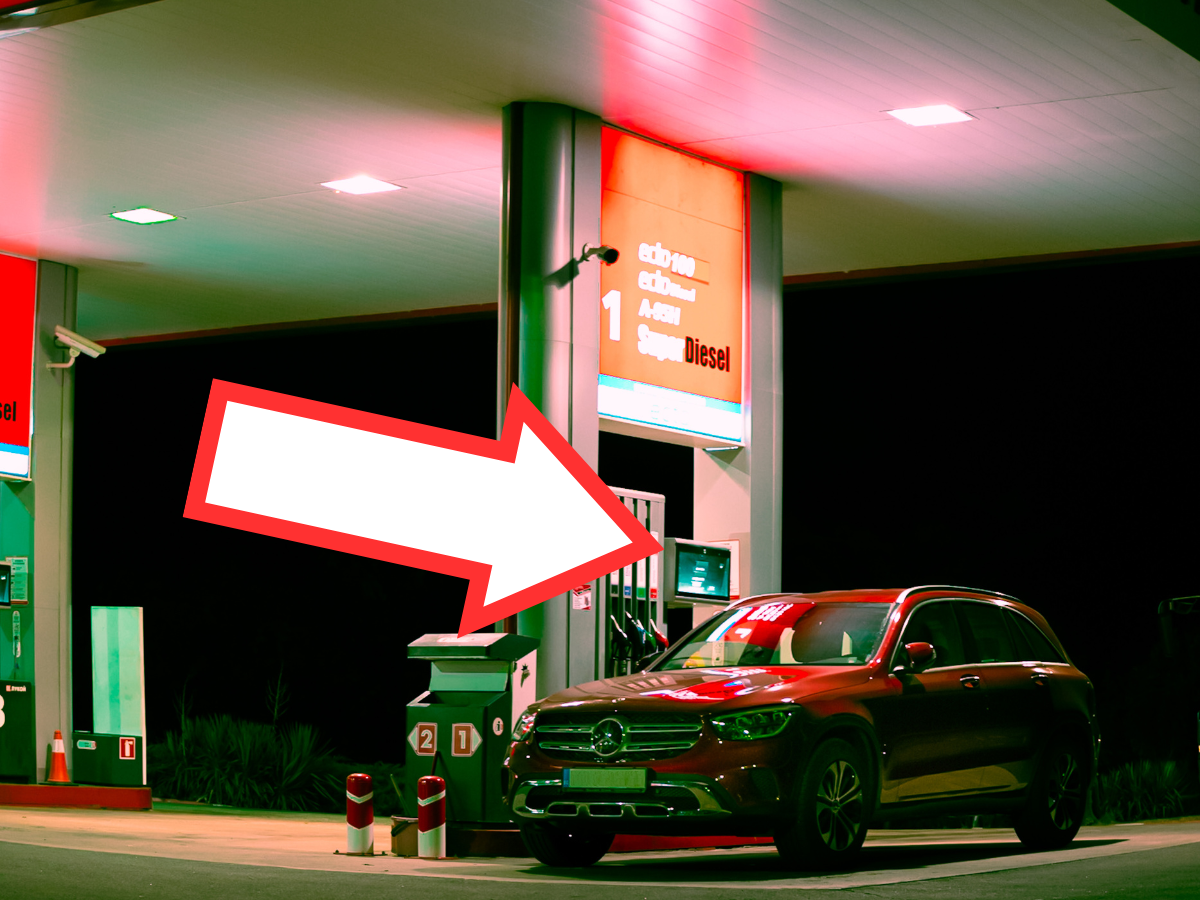
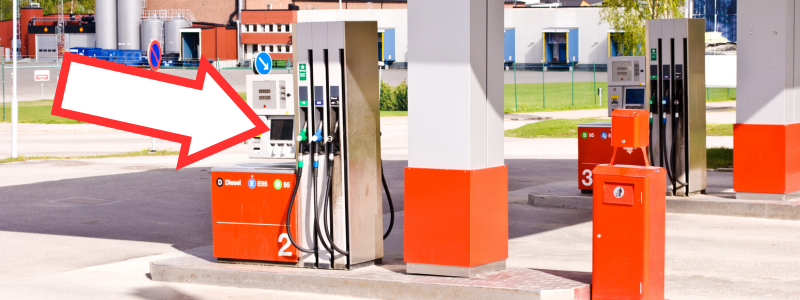
Gas station advertising refers to promotional displays placed in and around gas stations. From pump toppers to digital screens, the advertising opportunities at gas stations are plenty and present a unique way to reach a captive audience. Here’s why it’s effective:

  • High Traffic: Gas stations see a steady flow of visitors daily, offering a large, diverse audience.
  • Captive Audience: While fueling, customers have undivided attention toward pump displays or digital screens.
  • Localized Advertising: Gas stations are great for targeting specific neighborhoods or communities.

Gas Station Advertising Ideas

Successful gas station advertising requires a little creativity.

Here are some ideas to get you started:

Pump Toppers

These are ads placed on top of gas pumps. They’re at eye level, making them hard to ignore. You can use them to advertise your product, a discount, or a local event.

Digital Screens

Many gas stations have digital screens at the pump that play ads. This offers an opportunity to engage customers with dynamic, vibrant content.

Canopy Advertising

Advertising on gas station canopies gives you a larger-than-life platform for your brand. They’re visible from a distance and hard to miss.

Gas Nozzle Advertising

Placing ads on gas nozzles puts your message literally in the hands of the customer. These ads can grab attention and provoke curiosity.

display advertising in suburbs

Gas Station Advertising vs. Other Types of Advertising

Like all advertising forms, gas station advertising has its unique benefits.

Here’s how it compares to other types:

  • Digital Advertising: Unlike online ads that can be skipped or blocked, gas station ads can’t be ignored, giving you a captive audience.
  • Print Media: Newspaper or magazine ads can get lost among other ads. In contrast, gas station ads are standalone, increasing visibility.
  • TV/Radio: While these mediums have a broad reach, they can’t offer the local targeting that gas station advertising can.

Gas Station Advertising vs. Billboard Advertising

While both billboard and gas station advertising are forms of outdoor advertising, they serve different purposes:

  • Visibility: Billboards typically provide wider visibility due to their size and height. However, gas station ads offer closer, more personal engagement.
  • Audience: Billboards are great for reaching a broad audience, while gas station advertising allows more targeted, localized marketing.
  • Cost: The cost of billboard advertising can be higher, depending on location and size. Gas station advertising often offers more flexible, cost-effective options.

Advertising With bMedia

Gas station advertising offers an innovative way to boost brand awareness and reach customers in a localized, engaging manner. From pump toppers to canopy ads, the opportunities are plenty, each offering unique advantages. If you’re considering billboard advertising or any other type of outdoor advertising, the experts at bMedia Group are here to guide you through crafting a successful campaign in Puerto Rico.

Street Advertising

Today’s world of technology has made avoiding advertisements very easy. With DVRS and personal music devices, the old ways of reaching an audience through advertisements are changing. When marketing in the current media climate, you’ve got to present your advertisements in creative, out-of-the-box ways.

The good news: street advertising is a great way to reach your audience and has a great success story.

Did you know that at least 68% of consumers make purchasing decisions while in a car?

Street advertising will help you capitalize on reaching your ever-moving customer base.

Let’s dive into this and what it can do for your business.

crowded streets and street advertising

What is Street Advertising?

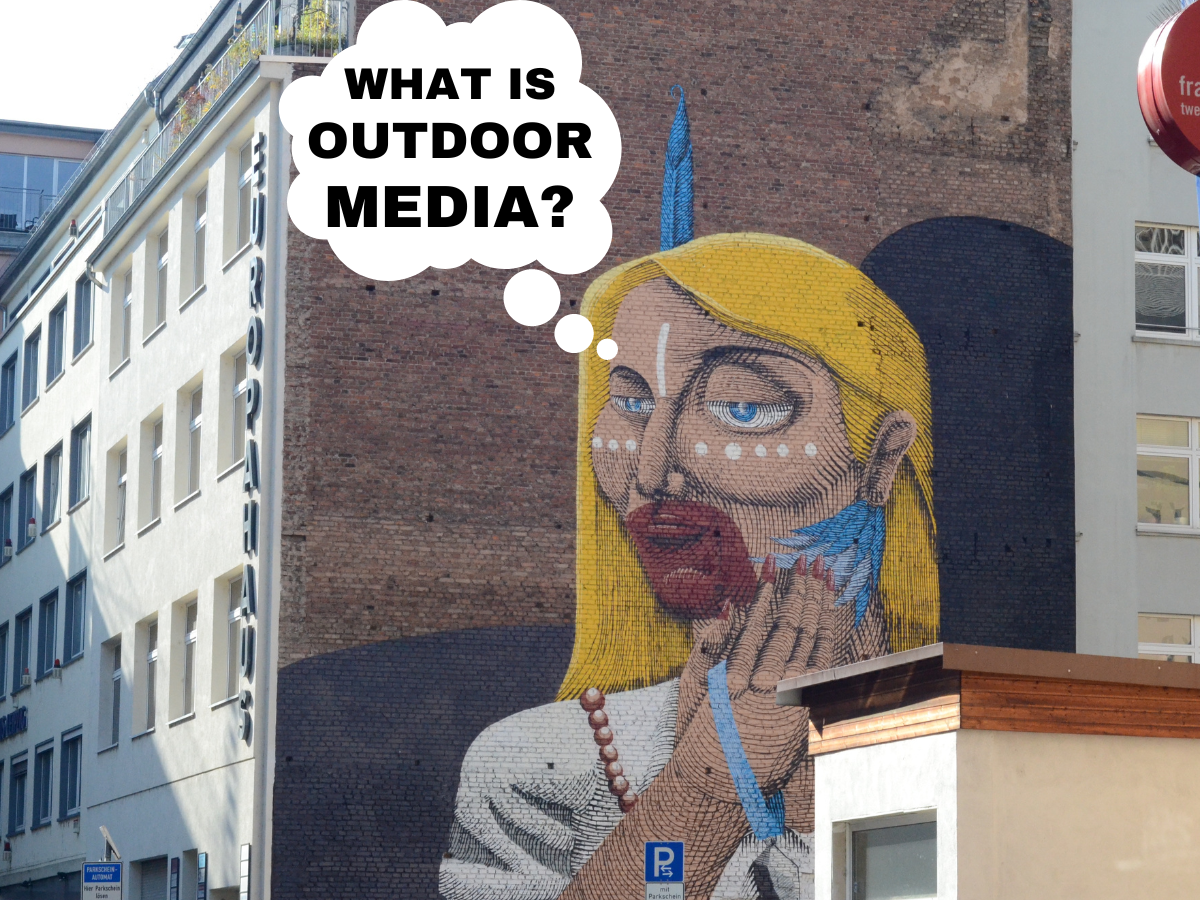
Street advertising refers to the practice of using outdoor advertising methods such as billboards, posters, stickers, and murals to promote products, services, or events.

This type of advertising takes many forms; from large-scale billboards to posters and stickers.

These kinds of ads are typically placed in high-traffic areas: intersections, busy streets, and public transportation areas. They can also target specific demographics.

Believe it or not, street advertising has been around for centuries.

Examples of street advertising can even be dated back to ancient Rome and the middle ages.

These messages were carved into stone and plastered on walls to promote events and public announcements. Signs were painted on the fronts of buildings to indicate the type of business being conducted inside.

In recent years, street advertising has experienced a resurgence.

Many businesses are looking for ways to reach their customers in an incredibly jumbled and cluttered media landscape.

Modern street advertising takes many forms, from traditional billboards and posters to more innovative approaches like guerrilla marketing, which relies on unconventional and often eye-catching tactics to grab people’s attention.

Advantages of Street Advertising

There are a lot of reasons why you should consider using street advertising or outdoor advertising.

One of the main advantages is that it has the potential to reach a large and diverse audience.

Street advertising can be strategically placed in high-traffic areas, such as busy streets or public transportation hubs, where it can be seen by a large number of people. This makes it an effective way to raise awareness about a brand, product, or service.

Another advantage of street advertising is its flexibility. It can be created in a variety of formats and sizes, from billboards to posters to street art, allowing for creativity and customization.

Cost-Effectiveness

Street advertising can be a cost-effective way to reach potential customers, especially compared to other forms of advertising such as television or radio ads.

Wide in Reach

Street advertising can reach a large number of people, especially in high-traffic areas. This allows businesses to promote their products or services to a wider audience.

Targets Your Audience

Street advertising can be targeted to specific neighborhoods or demographics, allowing businesses to reach the right audience with their message.

Shows Business Creativity

Street advertising offers advertisers a great deal of creative freedom, allowing them to use eye-catching graphics and slogans to capture people’s attention.

Brand Amplification

Street advertising can help build brand awareness and recognition, as people see the same message repeatedly over time.

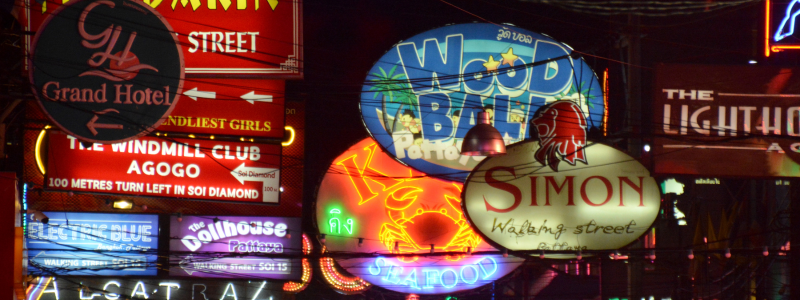
street advertising thailand

Examples of Street Advertising

These are just a few examples of some of the successful campaigns over the past couple of decades.

Each of these campaigns used a combination of bold visuals, catchy slogans, and clever marketing strategies to capture people’s attention and build brand awareness.

  • Apple’s iPod Silhouette Ads:
    • The silhouette ads were featured against brightly colored backgrounds. These were successful in the early 2000s. The ads helped to boost sales of the popular music player and helped to establish the iPod as a cultural icon.
  • Nike’s “Just Do It” Campaign:
    • The campaign launched in 1988, is one of the most successful advertising campaigns of all time. The campaign featured bold, simple slogans and striking images of athletes in action, and helped to establish Nike as a leading brand in the athletic footwear market.
  • McDonald’s Billboards:
    • McDonald’s has had lots of success over the years with its billboard ads. These billboards have featured iconic imagery such as the Golden Arches and slogans like, “I’m Lovin’ It.” These ads have helped to establish McDonald’s as one of the most recognizable brands in the world.
  • Coca-Cola’s “Share a Coke” Campaign:
    • This Coca-Cola campaign was launched in 2011. It featured cans/bottles of Coke with people’s names printed on them. The campaign was a huge hit on social media, with people sharing photos of their personalized Coke bottles and cans.
  • Red Bull’s “Gives You Wings” Campaign:
    • Red Bull’s campaign launched in 1997 and featured extreme sports and other high-energy activities. This helped to establish Red Bull as a leading brand in the energy drink market.

Innovations in Street Advertising

These are just a few examples of the many innovations. As technology continues to evolve, we can expect to see even more exciting and creative approaches to outdoor advertising in the years to come.

  1. Digital Billboards: Digital billboards are becoming increasingly popular, allowing advertisers to display multiple ads on the same billboard and to update the content quickly and easily.
  2. Augmented Reality (AR): AR technology allows advertisers to create smart billboards – interactive and immersive experiences for consumers. For example, an ad might use AR to superimpose a virtual image over a real-world location, creating a unique and memorable experience for viewers.
  3. Guerilla Marketing: Guerilla marketing is a type of street advertising that uses unconventional and often unexpected tactics to grab people’s attention. Examples might include using chalk art on the sidewalk or placing a statue in a public space.
  4. 3-D Printing: 3-D printing technology is allowing advertisers to create unique and innovative billboards and installations that would have been impossible in the past. For example, a billboard might feature a 3D sculpture or structure that extends out from the surface of the billboard.

Street Advertising Cost vs. Other Advertising Methods

Like everything, the cost-effectiveness of street advertising will depend on different factors including the location, format, and duration of the campaign.

  • Allows Targeted Advertising: Street advertising can be targeted to specific neighborhoods or demographics, allowing businesses to reach the right audience with their message. This can help to ensure that advertising dollars are being spent effectively.
  • Lower Cost Per Impression: Street advertising can often be more cost-effective than other forms of advertising when you consider the cost per impression (the number of people who see the ad). For example, a billboard might cost a few thousand dollars per month, but it can generate hundreds of thousands of impressions during that time.
  • Has Flexibility: Street advertising can be adapted to different sizes and formats, allowing businesses to choose the most effective approach for their needs. For example, a business might start with a small-scale street art campaign and then scale up to a larger billboard campaign as the business grows.
  • Has Longevity: Street advertising can often have a longer lifespan than other forms of advertising, such as television or radio ads, which have a limited shelf life. Street ads can remain in place for months or even years, generating ongoing exposure for the business.
  • Has Buzz: Street advertising can also generate social media buzz and word-of-mouth marketing, amplifying the impact of the campaign and increasing the return on investment.

Ways of Creating An Effective Street Advertising Campaign

So you’re looking to create a street advertising campaign? Here are some things to consider. Remember, bMedia can always help with the creative process. Check out these best practices.

Define Your Business Objectives

What do you and your business want out of the campaign? Do you want to raise awareness of your brand, promote a new product, or drive sales? Knowing your objectives will help you to create a campaign that is focused and effective.

Know Your Audience

Understand your target audience and what motivates them exactly. What are their needs, interests, or desires? By using this information, you can craft a message that will really resonate with them.

Show Some Creativity

It’s all about standing out from the crowd, so be creative with your message and design. Use bold, eye-catching visuals and messages that are memorable and engaging.

Use the Right Medium

Choose the right medium for your message.

Different types of street advertising are better suited for different objectives and target audiences. Consider using a combination of mediums to maximize your impact.

Be Strategic with Placement

Placement is key here.

Choose locations that will generate high foot traffic and exposure to your target audience. You can also consider partnering with other businesses or organizations to leverage their customer base and increase exposure.

Measure The Results

Track key metrics such as foot traffic, social media engagement, and sales to determine the impact of your campaign and make adjustments as needed.

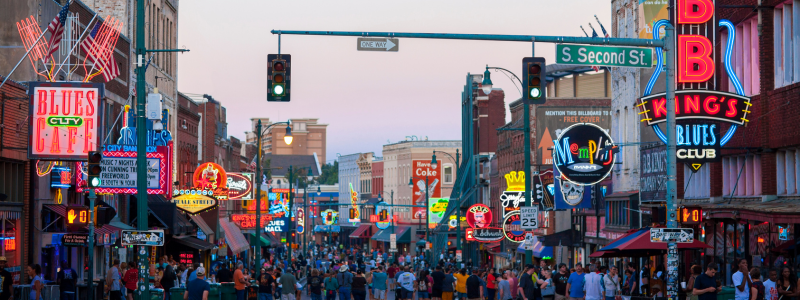
street advertising memphis

The Future of Street Advertising and Its Potential

The potential for street advertising is enormous. With the right approach, advertisers can create campaigns that are engaging, effective, and targeted. As technology continues to evolve, the possibilities for street advertising are limitless.

The future of street advertising is likely to be shaped by technological advancements and changing consumer behavior. Here are some potential trends to watch for:

  • Greater Use of Augmented Reality: Augmented reality (AR) is likely to play an increasingly important role in street advertising. AR technology can create immersive and interactive experiences for consumers, enhancing the impact of the campaign.
  • Increased Use of AI: As AI continues to evolve, street advertising campaigns will become more targeted and personalized. Advertisers will be able to use real-time data to optimize their campaigns and reach the right audience at the right time.
  • More Sustainable and Eco-Friendly Ads: As sustainability becomes a bigger concern, campaigns will become more eco-friendly. Advertisers will look for ways to minimize waste and reduce the environmental impact of their campaigns.
  • Integration with Smart Cities: As cities become smarter and more connected, street advertising will be integrated into the urban infrastructure. Advertisers will be able to leverage data from smart devices and sensors to deliver more targeted and effective campaigns.

How bMedia Can Help You In Your Street Advertising Endeavors

As a leading media business in Puerto Rico, bMedia has a mission to provide you with the best services for your street advertisements. We want to set your brand image in stone and ultimately, increase your business’s sales.

bMedia Group will provide you with innovation and quality as our strategists work hand-in-hand with you and your business through measurable and effective business solutions.

Best Way to Advertise

Marketing teams are under immense pressure to reach an ever-expanding online audience. The challenge seems impossible, but understanding the best ways to advertise and maximize your reach can make all the difference in achieving success with your campaigns. 

With the right approach, you can create an impactful campaign without spending a fortune. Whether leveraging influencers or utilizing social media ads, there are many great advertising and marketing solutions out there – but how do you know which one fits best for your business?

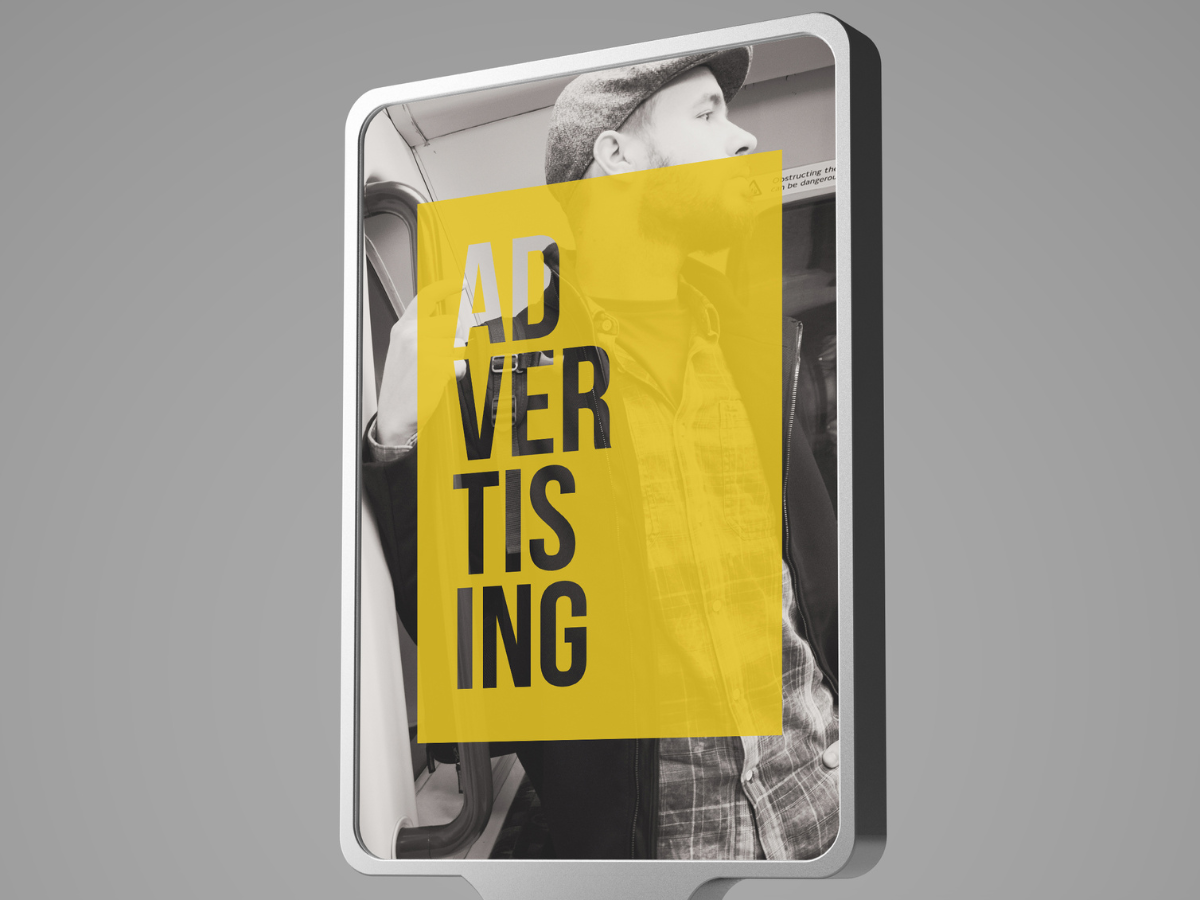
graphic about advertising

6 Best Ways to Advertise 

We’ve identified some of the best ways to advertise and boost visibility for your product or service. Each strategy is designed to help increase visibility, exposure, qualified leads, and conversions. Discover our top strategies for ensuring your advertisements hit their mark.

1. Leverage the Network Effect of Social Media

Social media platforms can be one of the best ways to advertise your services or products. Platforms such as Facebook, Instagram, Twitter, and LinkedIn offer a vast array of options for targeting specific demographics— which is invaluable for local businesses looking to increase sales and build brand awareness. Your marketing team stands to gain a great deal from investing some time in developing an effective digital marketing strategy on these social platforms. This component of the strategy can help you reach your target market by leveraging its network effects and algorithms. This accessible method of advertising can make a significant return on your marketing dollars and grow your customer base.

2. Optimize Search Engine Marketing

Search engine marketing can be an incredibly effective advertising method for small businesses. 

With the advantage of paid search advertisements, such as those offered through Google Ads, you can get your websites in front of potential customers fast. You’re not merely blindly advertising by using keywords and carefully selecting target audiences. Instead, you can reach customers where and when it’s most relevant to them. 

Moreover, a well-activated SEO campaign ensures that even organic results land your business higher up on the results pages, significantly expanding your website’s traffic. This relatively affordable form of marketing provides unparalleled opportunities for any size business to increase website visibility and draw more traffic to its value proposition.

3. Embrace Influencer Marketing

Partnering with influencers in your niche is a great way to increase the visibility of your business and gain exposure to an audience that is ready to engage. 

Influencer marketing is highly compelling thanks to the trust influencers have built with their followers, so you can be sure that when they share your message, the engagement rate will be high. This strategy helps introduce your business to new audiences who may not have otherwise been aware of you, making it essential for driving growth and generating leads. Moreover, working with influencers can provide a massive boost to brand awareness that can’t easily be achieved through traditional marketing tactics.

billboard advertisements

4. Scale Your Content Marketing Efforts

Content marketing is essential for any successful business today— especially when it comes to raising brand awareness. 

By creating and sharing valuable and informative content, such as blog posts, infographics, and videos, your business can gain visibility and attract potential customers to your solution. Engaging content promotes brand awareness while providing helpful information that many of your readers may not already know. It’s critical to make sure this content is tailored to your target audience to maximize its effectiveness. Besides helping build relationships with potential clients, creating valuable content also leads to increased viewership, improved SEO rankings, and more sales opportunities – thus driving traffic from marketing leads into your sales pipeline.

5. Boost Your Marketing Strategy With Billboards

Traditional advertising methods, such as print ads, billboards, and local events, are sometimes overlooked when it comes to marketing for small businesses— especially in today’s overwhelmingly digital age. 

However, these methods can still be quite effective in reaching a targeted audience. Traditional advertising is an excellent component of a comprehensive and well-rounded marketing plan when combined with digital strategies. By adopting both conventional and digital approaches to their marketing efforts, small businesses have the potential to maximize the visibility of their brand while staying efficient with their budget.

Outdoor media, such as billboard advertisements, can enhance your reach significantly and captivate your target audience visually. 

A Nielsen study shows that 55% of people were highly engaged with a digital billboard ad’s message– showing its value in connecting audiences with brands. The billboard strategy can effectively reach more extensive and geographically diverse audiences, giving your business greater control over where you put your advertising dollar. Billboard advertising also has a longer lifespan than other forms of advertising and works by creating repetition, providing potential customers time to view and become familiar with the brand over time. 

Personally, we know that billboard advertising is the best way to advertise (and always has been), but we’re a bit biased.

6. Develop Email Marketing Sequences Built for Conversion

Email marketing is an invaluable tool for small businesses to build and maintain customer relationships. 

Regularly cultivating an email list with newsletters, promotions, and other pertinent content can create long-term loyalty with prospects and potential clients. Moreover, it’s essential to automate and measure the success of your email campaigns. Using analytics, you can determine who opened your emails and access key performance indicators such as clickthrough rates or subscription numbers. With these results in hand, you have data-driven insights that can help you optimize your time and money-saving strategy for your email marketing efforts.

bmedia billboard advertising

Advertising With bMedia

Adopting a savvy advertising strategy can be the difference between success and failure in Puerto Rico’s competitive market

By focusing on some of these best ways to advertise and increase your reach— from leveraging the network effect of social media to scaling content marketing efforts— you can ensure greater success for your marketing strategy. 

It’s also worth considering tactics such as billboards and email sequences to help boost your overall efforts. 

Given each of these strategies has its own benefits, it can take some trial and error before you find the right combination for your business needs. But it’s worth investing time and money to explore your various advertising options. With enough marketing knowledge and understanding under your belt, you can put yourself well ahead of competitors using creative advertising strategies that yield substantial results for growing your marketing reach.

bMedia can help give you that advantage

Contact Us today.

Types of Advertising Media

What types of advertising media are available to business owners with a message or brand to share with the world?

That is a question almost every company must ask if they want to gain market share, social proof, client testimonials, or other positive outcomes. Why are these essential to success? Once business operators understand the various types of advertising media and how each format can drive clients to their company, they will be able to spur growth in ways they had only once dreamed of.

types of media

6 Types of Advertising Media for Every Business

Selecting the types of advertising media is an art and a science. Most companies benefit from a combination of two or more means of spreading the word about their services or products.

That thought can seem overwhelming; however, the expert team at bMedia can help guide you through the process. We can ensure that you are spending every penny in a way that will maximize your return.

Here are six types of advertising media to consider and the pros and cons of each:

#1 – Video advertising (television and digital)

Modern-era video advertising comes in two primary formats: traditional television via cable, satellite, or over-the-air broadcast or digital. Digital includes YouTube and other online video providers. You generally reach people inside their homes.

Television is compelling for many people who find themselves wrapped up in the plots of dramatic and comedy series or the battle on a sports field as they cheer for their favorite teams. During the paid commercial breaks, television advertising reaches a captive audience waiting to continue their favorite programming.

Most homes today have at least one television – many have two or more! Some households keep their televisions on for several hours per day.

However, the number of hours traditional television viewers watch is on the decline due to increased subscriptions to streaming services and internet media like YouTube.

Unlike your national television channels, YouTube enjoys a global audience – meaning that you can sell your service or product worldwide. Their audience is engaged and includes over 2.6 billion monthly users.

What does this mean for companies interested in these types of advertising media?

It could suggest the need to balance the pros and cons of traditional versus digital offerings.

For example, a local eatery would not benefit from a global audience. Conversely, a retailer who can ship worldwide must remember that not all households in Puerto Rico have internet access if they hope to capture local audiences.

#2 – Mass print media publications

Mass print media publications are printed materials, specifically:

  • Newspapers
  • Printed magazines
  • Catalogs
  • Professional journals
  • Mass mailings, such as postcards, flyers, circulars

People are visual creatures, and a beautiful print ad can be a powerful statement.

Furthermore, print media publications can target the particular demographics who might be the most interested in your offerings. Local newspapers can help you reach people within a single city or region, while magazines and journals leave an impression on people who share interests or careers. They also have a longer shelf life than digital offerings, with people saving them to refer back to or re-read later.

Mailed-out printed materials are excellent for promoting your brand, targeting leads within a specific geographic area, and creating local visibility.

However, some print media, especially newspapers, are currently experiencing declines in readership. Although many news organizations are remaking themselves to compete digitally, they have been slow to meet this demand and face steep online competition.

What does this mean to those interested in these types of advertising media?

Similar to the conversion from television to internet viewing, a balanced approach, or careful consideration of the goals of your campaign, is necessary when investing in the different types of print advertising media.

#3 – Digital publications

Digital publications are the next incarnation of print media. As homes in Puerto Rico gain internet access, this trend continues to gain steam. Many of your favorite traditional print magazines and journals now offer the digital format for subscribers to carry on their phones or tablets. This method is very convenient for many people.

However, the impressions made on digital media are fleeting; images disappear as users scroll quickly and hop from one platform or website to the next.

What does this mean to brands interested in these types of advertising media?

A blend of digital publications and other media is usually the best option.

social media advertising

#4 – Social media

Almost everyone who has internet access enjoys engaging on social media. It offers an excellent means of reconnecting with family and friends and sharing updates about life.

As one of the fastest-growing types of advertising media, it offers many benefits: affordability, the ability to target prospects based on interests, location, age, or other categories, and rolling out a promotion or making changes to an existing offer with a few swipes and clicks.

However, its affordability means that it is a highly competitive environment, so advertisers must invest in creating the best, most compelling content to captivate users and hold their interest.

What does that mean for businesses interested in these types of advertising?

For your social media marketing to be successful, you must differentiate yourself from the pack – no easy task. It is worth a try, but you should probably also invest in other media. (Don’t worry, bMedia professionals can help you with this!)

#5 – Audio advertising (radio, digital subscriptions, and podcasts)

Audio advertising includes over-the-airwave radio, digital radio channel subscribers, and, most recently, podcasts. Audio formats are accessible to almost everyone – even those who might not have a television or internet. Also, hearing an advertising message several times creates a lasting impression.

However, audio audiences often engage in more than one task at a time. They might be in a car, at the gym, or in their office with a primary focus on other tasks. To make an impression, you need a musical, lyrical, catchy jingle or strong voice to compel listeners to remember your message.

What does that mean for people interested in these types of advertising media?

You have the opportunity to reach people who might not have internet or television; however, you must carefully balance this option with other media.

#6 – Out-of-home advertising

Out-of-home refers to several types of advertising media that reach people as they travel from place to place. They can include banners, blimps, stationary billboards, digital billboards, lawn signs, bumper stickers, videos on fuel pumps, or even skywriting.

These media formats can be affordable and reach a mass and diverse audience. They can be beautiful, visually appealing, and make an excellent and memorable impression.

However, they are less targeted – you cannot segment who will view the message. Therefore, creating an emotional connection that will compel a consumer response is more challenging. That does not mean it is ineffective. For instance, a billboard for a surf shop a block from the beach will catch the eye of thousands of people in the neighborhood.

What does that mean for those interested in these types of advertising media?

If you want to reach large numbers of people, carefully plan the kind of out-of-home advertising – what it will look like and where you will place it – with the bMedia team.

billboard advertising

The Types of Advertising Media You Choose Take Careful Planning

Before you invest your dollars in any advertising media in Puerto Rico, connect with bMedia.

Our strategists can guide you in outdoor advertising and help you craft the most effective advertising campaigns to exceed your wildest dreams.

Analyze Marketing Data

As a business owner, you are always looking for new ways to reach your target market and get your product or service in front of them. Outdoor advertising, such as billboards, is one effective way to do that. In building your billboard strategy, you want to ensure that your marketing dollars are well-spent. After all, there’s no point in shelling out big bucks for a billboard campaign if it isn’t going to result in more customers or sales.

But how do you know if your billboard campaign is actually reaching people and driving sales? The answer lies in being able to analyze your marketing data.

digital marketing analytics

Why Marketing Data Analysis is Essential

Data analysis is important for any marketing campaign, but it is especially important for channels like billboards where you are trying to reach a large number of people in a specific geographic area.

As you analyze your marketing data, you can see which sites your billboard campaign is reaching the most people and whether or not those people are taking action (such as visiting your website or making a purchase).

Moreover, you can adjust your marketing strategy by understanding what works and what doesn’t.

What to Consider When Launching Marketing Campaigns

There are a few things you need to keep in mind when analyzing marketing data, particularly from outdoor/digital outdoor billboard campaigns.

First, you need to determine your marketing goals.

What are you trying to achieve with your billboard campaign?

Are you looking to enhance brand recognition?

Drive traffic to your website or brick-and-mortar store?

Once you know your objectives, you can begin to gather data that will help you determine whether or not your campaign is successful.

After understanding your aspirations, it’s important to define your target audience.

Who do you want to make an impression with on your billboard campaign?

Once you know who your target audience is, you can begin to gather data that will help you determine whether or not they’re seeing your billboards and, more importantly, whether or not they’re taking action as a result of seeing them.

marketing data

How to Evaluate the Success of Your Marketing Campaigns

When most people think of billboards, they think of huge signs advertising products or services along highways.

However, billboards can be placed in various locations, including near high-traffic areas, public transit stops, or even in front of businesses.

No matter where you place your billboards, you want to ensure that they effectively drive sales and generate customer leads by measuring a few key indicators of success (KPIs – Key Performance Indicators).

Sales Revenue

One of the most important metrics to track when evaluating the success of your billboard campaign is sales revenue.

To evaluate this metric, you can compare your total sales during the period when your billboard was active to your total sales from the same period the previous year.

If you see an increase in sales after launching your billboard campaign, that’s a good sign that your investment is paying off.

If you don’t see an increase, however, that doesn’t necessarily mean that your campaign was a failure; there could be other factors at play, such as changes in the overall economy or seasonality. Nonetheless, tracking sales revenue is a relatively straightforward way to get a rough idea of whether or not your billboard campaign has the desired effect.

ROI With Advertising Spend

Of course, no matter how well a marketing campaign performs in terms of metrics like social media engagement or web traffic, it won’t be worth it if it doesn’t generate a positive Return On Investment (ROI).

To calculate ROI for a billboard campaign (or any other advertising spend), divide the revenue generated by the billboard campaign by its total cost. The higher the ROI for a given advertising spend, the more successful the campaign is considered to be.

Incremental Website Traffic

In addition to looking at social media engagement and CPC, another metric you can use to evaluate the success of a digital billboard campaign is traffic—specifically, web traffic.

To track this metric, you can look at how many visitors came to your website from clicking on one of your ads during the period when they were active. If you see an incremental increase in web traffic (usually through “Direct” traffic in Google Analytics) after launching a digital billboard campaign, that’s a promising sign people are interested in what you’re offering and are taking action by visiting your website — an early step in their customer journey.

Social Media Engagement and Impressions

Another metric you can use to evaluate the success of your billboard campaign is social media engagement.

One way to track this metric is to look at the number of mentions or shares your brand received on social media when your billboard was active. You can also look at the “sentiment” of these mentions and see if they were generally positive or negative. If you see an uptick in social media activity and content impressions after launching your billboard campaign, that’s a good sign that people are thinking and talking about your brand.

Customer Retention

Last but not least, don’t forget to evaluate customer retention rates following your billboard marketing campaign.

If you acquired new customers through your billboard or outdoor marketing efforts, are they sticking around? Or did they make a one-time purchase and never come back? Customer retention rates can give you valuable insights into your campaign’s overall success and sales strategy.

google marketing analytics

How bMedia Can Help Analyze Marketing Analytics

Billboards are a notable way to reach potential customers. However, designing a successful billboard campaign can be difficult.

bMedia can help you with your billboard marketing strategy by providing best-in-class analytics and expert advice from our team of marketing strategists. We analyze marketing and advertising data and develop a strategy according to those insights.

There are a few key ways in which we can help propel your marketing strategy forward, including:

Expanded Reach

Our billboards provide 24/7 exposure, reaching over 90% of the Puerto Rican population.

That means that no matter what time of day or night, your billboard will be seen by the vast majority of people on the island.

State-of-the-Art Technology

Our team also uses cutting-edge vehicle analytics to gather data on cars passing by billboards. This data is then used to calculate your CPM (cost per thousand impressions) and ROI (return on investment). In other words, you’ll know exactly how effective your billboard campaign is in real time.

Access to Expert Professionals

We also give you access to working hand in hand with marketing strategists to help seamlessly craft your billboard strategy. Not only will you have access to insightful analytics, but you’ll also have a team of experts working behind the scenes to make sure that your campaigns are as successful as possible.

Why You Should Invest in the Right Marketing Data for Your Billboards

Being able to analyze marketing data is important for business owners who want to ensure their marketing campaigns are influential.

For outdoor advertising campaigns like billboards, data analysis can help you understand which areas are being reached and whether or not those people are taking action.

There are a few different ways to collect and analyze data, but one of the most important things to remember is to plan what you want to do with the data before you start collecting it. Otherwise, making sense of all the information you gather will be an uphill battle. By taking the time to understand your objectives, target audience, and budget, you can ensure that your billboard marketing campaign is successful and that you’re reaching the right people with your messaging.

Our team at bMedia can help you streamline your marketing billboard analytics without the headache. Contact us today to learn more about our services and how we can help you with your billboard marketing goals!

Creative Outdoor Advertising

Creative outdoor advertising is something almost everyone is subjected to seeing on a daily basis. There’s advertising on billboards, bus stop benches, etc. – it’s hard to miss. There’s a reason so many companies choose out-of-home advertising – it works. It’s been reported that about 29 billion dollars are spent on outdoor advertising each year.

Everyone has seen an outdoor advertisement, whether they recognize it or not. Think about some particular ones that stuck with you. Is it the McDonald’s billboards with the slogan, “I’m lovin’ it” on them? Or maybe the local law firm ad you’ve caught on the back of a bus?

Whatever the product or service is, the content of the advertisement becomes more memorable when you use creative ideas to grab the consumers’ attention. That’s why we feel it’s important to discuss creative outdoor advertising ideas.

Everything you present in an outdoor advertisement, from font to background to color, all affect the consumers’ reaction to your ad. Make the most out of your creative outdoor advertising campaign by using innovative ideas to maximize consumer engagement.

Creative Outdoor Advertising

Different Types of Creative Outdoors Advertising

One of the main objectives of Outdoor advertising is to promote your product in specific geographic areas. Types of outdoor advertising include:

  • Billboard
  • Lamp Post
  • Bridge
  • Guerilla Advertising
  • Point of Sale
  • Transit
  • Retail
  • Stunt Advertising

Creativity in designing and developing an outdoor advertising campaign is essential to create an impression on the public.

The more attention and identification people feel with your advertising, the more effect it will have on them, bringing you closer to achieving your campaign objectives.

How to Be Creative With Outdoor Advertising

So you’ve recently purchased some time to showcase your product on a billboard. There are millions of ways to go about advertising your product/service, but you want to get through to the largest audience possible.

A multitude of things need to be taken into consideration when deciding what exactly to put on your billboard, including:

  • Font
  • Background
  • Content
  • Color

By considering all these factors, you can create the optimal billboard to engage the consumer.

Here are some of our top tips for you to keep in mind when creating your campaign.

How to Be Creative With Outdoor Advertising

Using the Right Font

Font, or typography, is the style, appearance, or arrangement of typeset matter. There are key factors examined when studying typography, some being:

  • Size
  • Spacing
  • Construction of individual letters

There have been numerous studies on people’s reactions to the font. Some, like Comic Sans, are often completely ignored by consumers. Others, like Baskerville or Georgia, are known to be more aesthetically pleasing to people, and therefore lead to a more positive reaction. The consensus is that Baskerville, Times New Roman, or Georgia are some of the best fonts to use in an advertisement. The reason these are used heavily is that they are easy to read and pleasing to the eye.  But that doesn’t mean your ad has to use these fonts.

Grabbing the consumers’ attention is the driving idea behind a billboard. Consider using other, more bodacious fonts that capture the consumer’s eye. Be mindful of the readability and overall pleasantness of your font, but don’t be afraid to switch it up. Perfecting your font can help convey a powerful message. 

Picking a Background

As stated above, you ultimately want your billboard to be noticed. Several words on a white background can work, but they won’t be as noticeable or memorable as other advertisements.

Contemplate using things like a picture of your product or staff to form a bond with the consumer. If advertising for a restaurant, display a picture of the food. When advertising for a hospital, consider using a picture of the staff.

 You could also try using an aesthetically pleasing image that relates to your product. Consumers will then associate that pleasantness with your company. Examples could be:

  • An image of an open road for a motorcycle manufacturer.
  • A picture of a snow-capped mountaintop for a ski resort.

The background of your billboard should be able to capture the audience’s attention while also maintaining a friendly look. Make it too visceral, and people will look away; make it too boring, and people will never look in the first place. Consumers are more likely to notice a billboard with a captivating image.

Choosing the Right Color

Color plays an enormous part in advertising. Some colors are associated with harshness; others are soothing. Picking the right color for your font and background is instrumental in coordinating a successful ad campaign.

Colors can convey emotion without people realizing it. The science of color, or color psychology, is the study of how color affects the human brain. Marketing companies across the globe use color psychology to create the most effective advertisements.

It’s been reported that 93 percent of consumers center their attention on visual appearance when considering buying a product. The same goes for creative outdoor advertisements. Making a billboard visually appealing leads to higher consumer engagement.

Each color imparts a different emotional response from people.

  • Red: Elicits strong emotions and reactions. Associated with love, but also with danger.
  • Orange: Energetic and lively color. Good for bringing attention to an advertisement.
  • Yellow: Evokes feelings of happiness and energy.
  • Green: Associated with health and nature. Can have a calming, honest effect on an ad.
  • Blue: Promotes seriousness and trustworthiness.
  • Purple: The color of royalty. Consumers often associate with luxury and elegance.

Notice how almost all McDonald’s billboards use the color red. Yes, it is one of the company colors, but red captures eyes better than other colors.

Curating the Content

Using the techniques above to perfect color, font, and the background will help you to get and keep your audience’s attention. But if the content underneath isn’t up to par, people will forget it.  In order to craft the right message, you have to consider what your product or service is. If you have a serious message you want to get out, don’t use jokes. Adversely, if your product is not too serious, think about keeping it light-hearted and playful.

Many companies use jokes or puns to convey a feeling of friendliness with the consumer. This can lead to brand loyalty. Other companies will try to tug at the heartstrings and elicit an emotional connection. Ads like these can often increase response from consumers. 

The amount of content needs to be treated with the same veracity as the quality. A billboard should be a quick read. Too long and you run the risk of consumers simply not having the time to read it. Keep your message to about seven words or lower, and don’t use lengthy, hard-to-read terms.