Types of Digital Advertising: What To Use, When To Use It, And How To Plan It In Puerto Rico

When you search for types of digital advertising, you are usually trying to make a real decision: where to spend, what to run first, and how to measure impact without guessing.

This guide keeps it practical. You will learn the most common types of digital advertising, what each one is best for, and how to build a mix that fits Puerto Rico’s market, timeline, and creative constraints. You will also see why Digital Out of Home (DOOH) belongs on the list, not as an afterthought.

bMedia supports island-wide outdoor media in Puerto Rico with a technology-forward approach, including data and analytics, and a network positioned as able to reach 90% of the population in minutes with 500+ high-impact locations across formats. 

Quick Details For Choosing The Right Mix

Use this sequence to avoid building a plan that looks complete but misses the goal.

  • Goal first: awareness, store traffic, leads, or retention
  • Audience next: who you need, where they are, when they move
  • Format fit: message length, creative flexibility, and context
  • Timeline: production, approvals, launch, and optimization cadence
  • Measurement: decide what you will report before you launch

If you want a deeper look at OOH measurement language and expectations, bMedia’s guide on how to measure OOH advertising is a useful reference.

Types of digital advertising

What “Digital Advertising” Means Today

Many people think digital only means ads on phones and laptops. In modern planning, it includes any ad delivered through digital systems, including digital screens in the physical world.

The IAB defines DOOH as digital media used for marketing outside the home using digital screens in public and commercial spaces that deliver dynamic content and ads. 

That is why DOOH is part of the conversation when you compare types of digital advertising, especially in Puerto Rico where movement patterns and high-traffic corridors can drive reach and frequency quickly.

The Most Important Types Of Digital Advertising And What They Do Best

1) Paid Search Ads (Search Engine Marketing)

Paid search puts your message in front of people actively looking for a product or service. Search Engine Land describes SEM as combining SEO and PPC strategies to drive traffic and visibility through search queries. 

Best for

  • High-intent lead generation
  • Capturing demand that already exists

What to measure

  • Clicks, cost per click, conversion rate, cost per lead

2) Paid Social Ads

Social ads are strong when you want interest-based targeting, fast creative testing, and scalable reach.

Best for

  • Awareness and consideration
  • Retargeting engaged users
  • Promotions and launches

What to measure

  • Reach, frequency, video views, cost per result

3) Display Ads

Display ads run across websites and apps. They are often used for broad awareness and retargeting coverage.

Best for

  • Top-of-funnel visibility
  • Supporting larger launches

What to measure

  • Impressions, CPM, click-through rate, assisted conversions

4) Retargeting (Remarketing)

Retargeting follows up with people who already visited your site or engaged with your brand. It works best as a system, not as a standalone strategy.

Best for

  • Bringing back undecided buyers
  • Reinforcing a time-sensitive message

What to measure

  • Frequency, cost per acquisition, incremental lift where available

5) Video And Streaming Ads

Video works when you need attention, recall, and clearer explanation. This includes online video placements and streaming environments.

Best for

  • Brand building at scale
  • Product education and story

What to measure

  • Completed views, cost per view, reach, lift signals where available

6) Native Ads (Sponsored Content Style)

Native ads match the surrounding editorial experience while staying labeled as sponsored. They can support longer-form education.

Best for

  • Consideration-stage audiences
  • Complex offers that need context

What to measure

  • Time on page, scroll depth, assisted conversions

7) Audio Ads (Streaming And Podcasts)

Audio reaches people while commuting, working, and multitasking. It is often used to build frequency and recall.

Best for

  • Repetition and recall
  • Local promotions when you want consistent exposure

What to measure

  • Reach and frequency, completion rate when reported

8) Email Sponsorships And Newsletter Ads

Newsletter placements can be efficient for curated audiences. They are simple and easy to track.

Best for

  • Niche audiences and local communities
  • Events and limited-time offers

What to measure

  • Clicks, conversion rate, cost per acquisition

9) DOOH (Digital Out Of Home)

DOOH includes digital billboards and other digital screens outside the home. It is designed for high-visibility reach in real-world environments, with creative flexibility and measurable delivery.

Best for

  • Rapid awareness in high-traffic areas
  • Building frequency and trust across a region
  • Campaigns that benefit from contextual placement

What to measure

  • Impressions, reach estimates, frequency, CPM-style efficiency

bMedia positions its island-wide network as able to reach 90% of the population in minutes, supported by 500+ high-impact locations and multiple formats across Puerto Rico. 

If you want to understand how bMedia thinks about placement strategy, see the importance of billboard placement.

bus-stop-advertisementPlanning Rules That Make These Types Of Digital Advertising Work Better

This is where most “list” articles fall short. The channel matters, but planning decisions decide performance.

Choose Formats Based On Your Goal

Awareness

  • DOOH, video, display, social reach campaigns

Leads and bookings

  • Paid search, retargeting, high-intent social, landing page alignment

Store traffic

  • DOOH plus geo-aware social and mobile support

Match Message Length To The Format

  • Short, bold message works best for DOOH and quick-scroll social
  • Longer explanation works best for video and native

bMedia emphasizes outdoor creative best practices such as readability, contrast, and legibility at distance. Keep the copy short and the layout clean so the message lands fast.

Build A Simple Timeline

  • Creative development and approvals
  • Launch window
  • Optimization cadence
  • Reporting schedule

Puerto Rico campaigns often involve movement across metro corridors and regional routes. If you are planning around areas like San Juan, Bayamón, Carolina, Caguas, Ponce, or Mayagüez, it helps to think in terms of where your audience is most consistently exposed, not only where you want them to buy.

Measurement Basics You Should Use In Any Digital Plan

If you want reporting that builds confidence, use shared definitions that translate across channels.

CPM (Cost Per Thousand Impressions)

CPM is the price advertisers pay for 1,000 impressions and is used both as a pricing model and as an efficiency metric. 

Reach Vs Frequency

  • Reach: how many unique people saw your ad
  • Frequency: how often they saw it

For bMedia’s perspective on how these metrics differ in outdoor advertising, see impressions vs reach and reach vs frequency. 

Programmatic DOOH (If You Need Flexibility)

If your plan needs faster adjustments and data-driven delivery controls, programmatic DOOH can be part of the buying approach. bMedia’s overview of programmatic DOOH explains the concept in plain language. 

How bMedia Fits In A Modern Mix

A strong plan rarely uses only one channel. The best approach is usually a mix of demand capture and reach.

Here are three simple examples that map to common business goals:

Example 1: New Location Launch

  • DOOH for fast island visibility and repeated exposure
  • Paid social for audience targeting and creative testing
  • Retargeting to re-engage site visitors

Example 2: Local Service Business

  • Paid search to capture high-intent demand
  • Retargeting to reduce drop-off
  • DOOH to build trust and reinforce your presence in the service area

Example 3: Seasonal Promotion

  • DOOH with creative versions that match the season and location context
  • Social for distribution and retargeting
  • Email sponsorships for local bursts if the audience fit is right

This is the practical reason why types of digital advertising matters. You are not choosing a list. You are building a system that supports measurable outcomes.

what-does-ooh-stand-for

FAQ: Types Of Digital Advertising

How many types of digital advertising are there?

There is no single official list, but most planning frameworks include search, social, display, video, retargeting, and DOOH. Add native, audio, and newsletter sponsorships when they match your audience and timeline.

Is DOOH part of digital advertising?

Yes. The IAB’s definition describes DOOH as digital media used for marketing outside the home delivered through digital screens in public and commercial spaces. 

What is the best mix for Puerto Rico?

The best mix depends on your goal and audience. Many Puerto Rico campaigns combine DOOH for reach and frequency with paid search and retargeting for demand capture, especially when you need both visibility and measurable response.

Final Takeaway

If your goal is to rank for types of digital advertising, you need to cover the full landscape. If your goal is to plan smarter in Puerto Rico, you also need real-world context: where your audience moves, how fast you need to reach, what creative can be read quickly, and what metrics you will report.

bMedia’s outdoor media network is positioned for island-wide reach, technology-forward planning, and measurable outcomes across Puerto Rico. 

Gas Station Advertising

Outdoor advertising has been a game-changer for businesses seeking to increase brand visibility, and gas station advertising has emerged as one of the most impactful strategies in this domain. As Puerto Rico’s leading outdoor media solutions provider, bMedia Group is thrilled to guide you through the nuances of gas station advertising and how it can fuel your brand’s growth.

gas station advertising

What Is Gas Station Advertising?

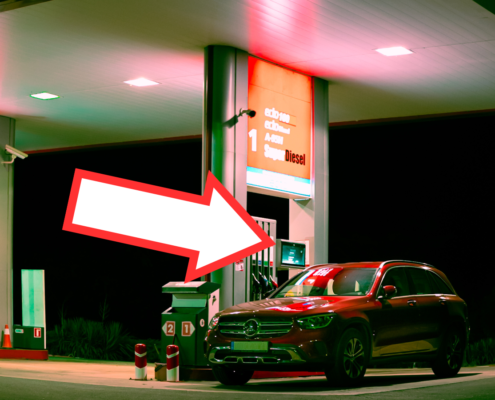
Gas station advertising refers to promotional displays placed in and around gas stations. From pump toppers to digital screens, the advertising opportunities at gas stations are plenty and present a unique way to reach a captive audience. Here’s why it’s effective:

  • High Traffic: Gas stations see a steady flow of visitors daily, offering a large, diverse audience.
  • Captive Audience: While fueling, customers have undivided attention toward pump displays or digital screens.
  • Localized Advertising: Gas stations are great for targeting specific neighborhoods or communities.

Gas Station Advertising Ideas

Successful gas station advertising requires a little creativity.

Here are some ideas to get you started:

Pump Toppers

These are ads placed on top of gas pumps. They’re at eye level, making them hard to ignore. You can use them to advertise your product, a discount, or a local event.

Digital Screens

Many gas stations have digital screens at the pump that play ads. This offers an opportunity to engage customers with dynamic, vibrant content.

Canopy Advertising

Advertising on gas station canopies gives you a larger-than-life platform for your brand. They’re visible from a distance and hard to miss.

Gas Nozzle Advertising

Placing ads on gas nozzles puts your message literally in the hands of the customer. These ads can grab attention and provoke curiosity.

display advertising in suburbs

Gas Station Advertising vs. Other Types of Advertising

Like all advertising forms, gas station advertising has its unique benefits.

Here’s how it compares to other types:

  • Digital Advertising: Unlike online ads that can be skipped or blocked, gas station ads can’t be ignored, giving you a captive audience.
  • Print Media: Newspaper or magazine ads can get lost among other ads. In contrast, gas station ads are standalone, increasing visibility.
  • TV/Radio: While these mediums have a broad reach, they can’t offer the local targeting that gas station advertising can.

Gas Station Advertising vs. Billboard Advertising

While both billboard and gas station advertising are forms of outdoor advertising, they serve different purposes:

  • Visibility: Billboards typically provide wider visibility due to their size and height. However, gas station ads offer closer, more personal engagement.
  • Audience: Billboards are great for reaching a broad audience, while gas station advertising allows more targeted, localized marketing.
  • Cost: The cost of billboard advertising can be higher, depending on location and size. Gas station advertising often offers more flexible, cost-effective options.

Advertising With bMedia

Gas station advertising offers an innovative way to boost brand awareness and reach customers in a localized, engaging manner. From pump toppers to canopy ads, the opportunities are plenty, each offering unique advantages. If you’re considering billboard advertising or any other type of outdoor advertising, the experts at bMedia Group are here to guide you through crafting a successful campaign in Puerto Rico.

Types of Advertising Media

What types of advertising media are available to business owners with a message or brand to share with the world?

That is a question almost every company must ask if they want to gain market share, social proof, client testimonials, or other positive outcomes. Why are these essential to success? Once business operators understand the various types of advertising media and how each format can drive clients to their company, they will be able to spur growth in ways they had only once dreamed of.

types of media

6 Types of Advertising Media for Every Business

Selecting the types of advertising media is an art and a science. Most companies benefit from a combination of two or more means of spreading the word about their services or products.

That thought can seem overwhelming; however, the expert team at bMedia can help guide you through the process. We can ensure that you are spending every penny in a way that will maximize your return.

Here are six types of advertising media to consider and the pros and cons of each:

#1 – Video advertising (television and digital)

Modern-era video advertising comes in two primary formats: traditional television via cable, satellite, or over-the-air broadcast or digital. Digital includes YouTube and other online video providers. You generally reach people inside their homes.

Television is compelling for many people who find themselves wrapped up in the plots of dramatic and comedy series or the battle on a sports field as they cheer for their favorite teams. During the paid commercial breaks, television advertising reaches a captive audience waiting to continue their favorite programming.

Most homes today have at least one television – many have two or more! Some households keep their televisions on for several hours per day.

However, the number of hours traditional television viewers watch is on the decline due to increased subscriptions to streaming services and internet media like YouTube.

Unlike your national television channels, YouTube enjoys a global audience – meaning that you can sell your service or product worldwide. Their audience is engaged and includes over 2.6 billion monthly users.

What does this mean for companies interested in these types of advertising media?

It could suggest the need to balance the pros and cons of traditional versus digital offerings.

For example, a local eatery would not benefit from a global audience. Conversely, a retailer who can ship worldwide must remember that not all households in Puerto Rico have internet access if they hope to capture local audiences.

#2 – Mass print media publications

Mass print media publications are printed materials, specifically:

  • Newspapers
  • Printed magazines
  • Catalogs
  • Professional journals
  • Mass mailings, such as postcards, flyers, circulars

People are visual creatures, and a beautiful print ad can be a powerful statement.

Furthermore, print media publications can target the particular demographics who might be the most interested in your offerings. Local newspapers can help you reach people within a single city or region, while magazines and journals leave an impression on people who share interests or careers. They also have a longer shelf life than digital offerings, with people saving them to refer back to or re-read later.

Mailed-out printed materials are excellent for promoting your brand, targeting leads within a specific geographic area, and creating local visibility.

However, some print media, especially newspapers, are currently experiencing declines in readership. Although many news organizations are remaking themselves to compete digitally, they have been slow to meet this demand and face steep online competition.

What does this mean to those interested in these types of advertising media?

Similar to the conversion from television to internet viewing, a balanced approach, or careful consideration of the goals of your campaign, is necessary when investing in the different types of print advertising media.

#3 – Digital publications

Digital publications are the next incarnation of print media. As homes in Puerto Rico gain internet access, this trend continues to gain steam. Many of your favorite traditional print magazines and journals now offer the digital format for subscribers to carry on their phones or tablets. This method is very convenient for many people.

However, the impressions made on digital media are fleeting; images disappear as users scroll quickly and hop from one platform or website to the next.

What does this mean to brands interested in these types of advertising media?

A blend of digital publications and other media is usually the best option.

social media advertising

#4 – Social media

Almost everyone who has internet access enjoys engaging on social media. It offers an excellent means of reconnecting with family and friends and sharing updates about life.

As one of the fastest-growing types of advertising media, it offers many benefits: affordability, the ability to target prospects based on interests, location, age, or other categories, and rolling out a promotion or making changes to an existing offer with a few swipes and clicks.

However, its affordability means that it is a highly competitive environment, so advertisers must invest in creating the best, most compelling content to captivate users and hold their interest.

What does that mean for businesses interested in these types of advertising?

For your social media marketing to be successful, you must differentiate yourself from the pack – no easy task. It is worth a try, but you should probably also invest in other media. (Don’t worry, bMedia professionals can help you with this!)

#5 – Audio advertising (radio, digital subscriptions, and podcasts)

Audio advertising includes over-the-airwave radio, digital radio channel subscribers, and, most recently, podcasts. Audio formats are accessible to almost everyone – even those who might not have a television or internet. Also, hearing an advertising message several times creates a lasting impression.

However, audio audiences often engage in more than one task at a time. They might be in a car, at the gym, or in their office with a primary focus on other tasks. To make an impression, you need a musical, lyrical, catchy jingle or strong voice to compel listeners to remember your message.

What does that mean for people interested in these types of advertising media?

You have the opportunity to reach people who might not have internet or television; however, you must carefully balance this option with other media.

#6 – Out-of-home advertising

Out-of-home refers to several types of advertising media that reach people as they travel from place to place. They can include banners, blimps, stationary billboards, digital billboards, lawn signs, bumper stickers, videos on fuel pumps, or even skywriting.

These media formats can be affordable and reach a mass and diverse audience. They can be beautiful, visually appealing, and make an excellent and memorable impression.

However, they are less targeted – you cannot segment who will view the message. Therefore, creating an emotional connection that will compel a consumer response is more challenging. That does not mean it is ineffective. For instance, a billboard for a surf shop a block from the beach will catch the eye of thousands of people in the neighborhood.

What does that mean for those interested in these types of advertising media?

If you want to reach large numbers of people, carefully plan the kind of out-of-home advertising – what it will look like and where you will place it – with the bMedia team.

billboard advertising

The Types of Advertising Media You Choose Take Careful Planning

Before you invest your dollars in any advertising media in Puerto Rico, connect with bMedia.

Our strategists can guide you in outdoor advertising and help you craft the most effective advertising campaigns to exceed your wildest dreams.

What is the Best Type of Advertising?

Advertising indefinitely surrounds us everywhere – it’s on our mobile phones, the radio, park benches, the television, and beyond. Companies now have endless channels to reach target consumers, the next step is determining which type of advertising is best for your business. So, what is the best type of advertising?

To properly determine which advertising route your brand should go with, businesses need to decide where they’ll be able to reach a large number of their target audience, what the costs are for each platform, and how to reach consumers at every sales level. 

Advertising in the digital age is an innovative and creative way for companies to reach large audiences. However, ‘traditional’ advertising mediums, such as billboards also prove to be effective in increasing sales and brand awareness.

types of advertising

Out-of-Home Advertising (OOH)

Billboards have been around since the birth of advertising. This well-established form of advertising works 24/7 and its effectiveness remains unquestioned. Although some might consider this traditional form of advertising as ‘old school’, billboard advertising continues to creatively thrive amidst the global digital shift.

Billboard advertising is doing particularly well in keeping up with technological advancements and rapid urbanization. Billboards now showcase digital signage and 3-D images – doing a better job at capturing the consumer’s attention in high traffic areas. Because billboards are located in busier areas, they gather the highest number of reactions which result in a proven high return on investment (ROI) for businesses.

There are also endless billboard opportunities for brands and businesses. The USA alone has between 425,000 and 450,000 billboards spread throughout the country. Businesses can choose to place a billboard in a specific location that better serves their niche market and gives them access to a large percentage of their target audience.

Additionally, billboards and other types of OOH advertising can cost-effectively result in higher brand recognition and exposure. The broad reach, sheer visibility, and creative impact of OOH advertising can provide results in large-scale growth for companies.

Other types of OOH advertising Include:

  • Transit Advertising
  • Street Furniture
  • Interactive Signage
  • Posters
  • Stunt Advertising

social media advertising

Social Media Advertising

Social media advertising is an obvious route for any brand or business. Social media is being used by everyone, and constantly. Social media marketing strategies use major social platforms such as Instagram, Twitter, Facebook, LinkedIn, Youtube, Snapchat, and even Tik Tok to connect your brand with an audience. This can help build your brand, increase sales and boost website traffic. 

Another benefit of social media advertising is that it’s a cost-effective way to build brand recognition. However, this type of advertising doesn’t just end at running an ad online. It involves consistently and strategically publishing compelling content, engaging with followers, and analyzing trends.

paid search advertising

Pay-Per-Click Advertising

Pay-per-click or PPC advertising is a type of online advertising structure where advertisers pay each time users click on one of their online ads. This advertising model allows for the businesses running ads to be charged only when someone clicks on their link or ad.

A common type of PPC is the paid search ad. These are the ads that appear when people use online search engines like Google to help them make purchases. For ads to appear on the Search Engine Results Page or SERP, they are subjected to an automated process used by Google and other major search engines called Ad Auction. This software helps determine if an advertisement is relevant and trustworthy to the user’s search.

Other types of PPC include display advertising through banner ads and remarketing.

mobile advertising

Mobile Advertising

A well-placed mobile advertisement will give a business a reach up to half the world’s population at any given time. People always have their phones on hand which is why mobile advertising has become a billion-dollar industry. This advertising route can reach people in real-time and creates data that can be instantly tracked, giving your company insights and metrics to specific advertising campaigns.

Although mobile advertising is innovative and efficient, it can interrupt the consumer’s mobile experience, resulting in some frustration. According to a report by HubSpot, 70% of people who use cellphones dislike receiving mobile advertising.

Companies considering mobile advertising campaigns must analyze their target demographic, their specific wants and needs, and determine if carrier costs are worth the investment. 

Print Advertising

Similar to billboard advertising, one might assume print advertising isn’t as effective as other digital advertising routes.

However, this is simply false.

The print and publishing industry is continuing to thrive amidst the global digital transformation.

Print advertisements are known to leverage credibility through the ‘halo effect’. Brands that strategically place ads in respected publications are viewed as trustworthy because the reader already has a trust associated with the publication itself.

If your brand is seen as reliable, it can quickly generate leads and increase revenue for your business. 

Broadcast Advertising

Television ads are the most prevalent advertising platforms in America. Despite switching to subscription services such as Netflix, fifty-nine percent of American adults still turn to cable broadcast channels for their primary TV consumption.

This advertising medium continues to win audiences across the globe, there’s a reason why we still love and look forward to Superbowl commercials every year. Concise and memorable commercials leave a lasting impression on the consumer’s mind. A good commercial can result in an emotional response from the viewer — whether it’s shock, laughter, or sadness, the emotional factor can help your message sink in more effectively.

Despite its effectiveness in capturing an audience, TV advertising can be costly as they are the most expensive to produce. From creating content to airing the commercial, the costs can quickly add up.

Time is also a factor to consider when choosing broadcast advertising as production may result in longer hours.

print advertising

Direct Mail Advertising

Direct mail gets noticed, opened, and read. It is also more tangible and personal, which can be beneficial for your marketing strategy. Through direct mail advertising, companies can also target and personalize their marketing message to increase their effectiveness. A recipient is more likely to open mail personally addressed to them.

Direct mail results in better response rates, increased visibility, and creative opportunities. It is also a familiar form of advertising for consumers and can build trust for less tech-savvy recipients.

Knowing the pros and cons of each advertising platform will result in the best and most cost-effective decision for your business. bMedia Group is here to support you in choosing the most suitable form of advertising for your company. Together, we can increase brand growth and reach unlimited success.

Don’t hesitate to contact bMedia Group for more information on the right type of advertising for your business.