Traditional Billboards vs Digital Billboards

Traditional Billboards vs. Digital Billboards is an article that looks at two effective forms of advertising. While conventional billboards have been around for decades, digital billboards are a relatively new addition to advertising. This article aims to compare the two and help businesses determine which option is best for their needs. Both advertising forms have advantages and disadvantages, and companies need to weigh these factors before making a decision.

Traditional billboards are often seen as more affordable. Still, digital billboards offer greater flexibility and the ability to target specific audiences. On the other hand, traditional billboards provide more stability and reliability, while digital billboards can be subject to technical issues. This article will provide an in-depth look at Traditional Billboards vs. Digital Billboards and help businesses make informed decisions. Want to get your message noticed? Look no further than Out-of-Home advertising.

Out-of-home advertising is a powerful way to reach consumers on the go. Whether traditional or digital, billboards are powerful means of reaching potential customers.

With over 350,000 billboards across the US market, this tried and tested form of marketing dates back to ancient civilizations carving their messages into stones.

Choosing which route to take can be difficult for small business owners.

Both options have their unique benefits that could work wonders for your specific situation

Are you thinking of boosting your media strategy with the addition of billboards? We’ll help break down the differences between traditional and digital billboards.

Looking at some strengths and weaknesses between the billboards, we will help you determine which strategy will lead your business to greater success.

Traditional Billboards vs Digital Billboards

What Are Traditional Billboards?

From the days of stagecoaches to modern road trips, billboards are a common sight across America’s roadsides.

These billboards are known for their broad reach and semi-permanent placement on highways and intersections. When you rent or purchase an outdoor sign, your ad will usually stay up for a while.

Billboards have been a tried-and-true way of promoting products to millions across the country for decades. Traditional billboards are always persistent in their mission to deliver distinctive messages that stay etched into public memory at every turn.

What Are Digital Billboards?

Blazingly bright and stunning, digital technology is revolutionizing the billboard experience.

These electronic billboards can be found along highways and landmarks in cities like Las Vegas, Times Square, or Tokyo.

Digital billboards are an ideal way for brands to engage with potential customers. Easily managed with their digital network connections, they have the ability to rotate advertisements on a schedule.

They are used within indoor locations such as kiosks, airports, mall walkways, or arenas.

Using LEDs and computerized controllers, these digital ads give businesses an eye-catching way to promote their products.

The Billboard Best For Your Business

Items To Consider:

Location Of Your Billboard

  • For a successful billboard campaign, ads should be placed in high-traffic areas to maximize reach.

  • Digital billboards are ideal for campaigns aiming to build brand awareness among a mass market due to their placement around towns and cities with the highest levels of footfall.
  • When targeting specific impressions, traditional billboards in specific locations may be more effective.

The Reach To Your Audience

  • Billboard advertising is a cost-effective way for SMEs to increase brand awareness in their local area.
  • Digital billboards are eye-catching, but can be shared with up to five other brands at any given time.
  • Traditional billboards offer exclusive exposure and maximum visibility within the targeted location.

Cost Of Maintaining Your Billboard

  • Traditional billboards can range from $250-$550/month in rural areas to $1,500 – $4,000/month in small to mid-size cities.
  • Digital billboard prices start at around $3000/month and can go up to as much as $10,000/month in major metropolitan areas.
  • Traditional billboards are more cost effective over a longer period of time but have limits when it comes to testing ads since changes cannot be made easily.
  • On the other hand digital billboard ads allow for quick and easy changes which might bring an acceptable ROI if chosen correctly.

The Billboard Best For Your Business

Are Traditional Billboards For You?

The Pros:

  • Companies can benefit from the exclusive use of ad space, allowing for 24/7 exposure and long-term brand recognition.
  • Billboards are typically located in high-traffic areas with a 14×48 foot format designed to attract attention through extensions, cutouts and vibrant colors.
  • Compared to traditional media such as radio, magazines or direct mail, billboards have higher prospective impressions (3X radio; 6X magazines; 10X direct mail).
  • Older travelers are more likely to pay attention due to their familiarity with billboard ads which allows for word-of-mouth marketing over weeks or months.

The Cons:

  • Businesses must consider production fees when updating or changing ads on traditional billboards, as the materials can peel, fade, weather and get dirty over time.
  •  There is a wait time associated with changing messages or ads due to limited space and unusual dimensions which limit information and call to action.
  • Businesses should also be aware of potential accidents or vandalism that could occur if not properly maintained.

Are Digital Billboards Best For You?

Are Digital Billboards Best For You?

The Pros:

  • Digital billboards offer a cost-effective way to reach out to potential customers with eye-catching visuals such as moving effects, vivid colors and videos.
  • With short display periods for reducing ad fatigue, customized schedules can target different audiences throughout the day or week.
  • Digital billboards are ideal for short-term promotions or ads and can be triggered by weather conditions, news alerts or traffic patterns.
  • Some digital boards even push social media posts while offering traditional outdoor advertising flexibility with greater impact due to LED display technology providing crystal clear images in prime locations that are easy to rotate messages on.
  • This format ensures that the observer will not have the chance to turn away from the advertisement.
  • Digital billboards are also unlikely to get damaged if they are placed at higher points.

The Cons:

  • Digital billboards are generally more expensive than traditional ones, with daily costs ranging from $25 -$70 for the latter and several thousand dollars monthly for the latest digital technology.
  • Most ads remain visible for only eight to ten seconds, and exposure time is shared among other advertisers in a 64-second loop.
  • High demand may limit or delay availability of ad space on digital billboards.

Traditional Billboards vs. Digital Billboards – bMedia

When it comes to outdoor advertising, you have some things to consider. Do digital billboards with their targeted reach and flexibility fit the bill? Or can a traditional billboard get your message across within budget constraints?

Important factors will most likely guide your decision toward traditional or digital billboards. However, you don’t have to take this journey alone.

As a leading, trusted media company in the area, we at bMedia strive to be number one in  delivering advertising that connects with your audience and helps you stand out. Our hallmark is ensuring maximum impact through quality excellence, fresh ideas, and superior services.

Are Billboards Worth It?

Billboards are a popular form of outdoor advertising. They offer a large and visible platform for businesses to promote their products or services to a wide audience. They are also relatively inexpensive compared to other forms of advertising, such as television or radio commercials. Whether or not billboards are worth the investment will depend on the specific goals and circumstances of the business or organization.

ROI on billboards

Are Billboards Still Worth It?

The cost to rent a billboard varies widely based on its location.

However, the benefits of billboards and the number of potential customers they expose you to nearly always make the cost worth it.

Investing in billboard advertising is a cost-effective way to promote your brand or products with a strong return on your investment.

How Billboards Are An Effective Form of Advertising

Despite the popularity of digital marketing, billboard advertising still holds value in brand awareness and spreading vital information to your target audience, especially audiences who do not have reliable internet access. Puerto Rico has approximately one million drivers on the road each day. In high-trafficked areas, billboards are a proven advertising option.

Billboards Really Work!

The billboard market continues to thrive into the 21st century. The fact is billboards work when reaching a target audience. Regarding elevated impressions, and boosted audience engagement, billboards stand tall among other advertising campaign methods, from other out-of-home (OOH) strategies to in-home strategies.

billboard next to highway and buildings

Advantages of Billboards vs Other Forms of Advertising

Billboards will help your company build a brand image.

Imagine, a stationary billboard at one location that will be noticed by everyone passing by. This will strengthen your product presence in the market as you reach numerous target groups simultaneously.

The size of the billboard makes it impossible not to notice it.

Although your audience may have minimal time to take note of your ad, there will be a high frequency of customers being repeatedly exposed to it.

This results in the ad automatically registering in their photographic memory so they will remember it.

These reasons are why billboard advertising delivers a great return on investment (ROI).

Quick Reference of Advantages to Choose Billboard Advertising

Here again are some of the major benefits to billboard advertising:

  • Huge and eye-catching
  • Targets a large and diverse market
  • Easily registered information
  • Increased frequency of consumer exposure
  • Effective medium of awareness advertising
  • Targets middle and upper classes
  • Photographic information (strong visual effect)
  • Builds company reputation and product image
  • A quick rise in sales
  • Guaranteed audience
  • Customers find you

How to Plan Your Billboard Strategy

At bMedia, we are the local leaders in everything related to outdoor media and billboards in Puerto Rico, with over 500 billboards all over the island.

We specialize in strategic campaigns to grow your brand with real-time information from any of our properties, thanks to Vehicle Analytics. This technology allows for gathering information on all the vehicles passing by.

How Long Do Billboards Stay Up?

It is a good rule to plan your billboard display for at least four weeks.

Businesses looking to run a branding campaign to establish consumer awareness and brand recognition will likely leave their billboard advertisements up for six to twelve months.

how much are billboards worth

Proven Outdoor Advertising Options

There are a few options to consider when you’re thinking about outdoor advertising.

Here are some recommendations from bMedia:

Spectaculars: Stand out in the best locations with the biggest displays in the Caribbean

Digitals: Deliver eye-catching, dynamically changing content – great for multiple campaigns at no additional cost

Statics: Choose from over 500 prime Puerto Rico locations to display your large ad 24/7

Medical Media: Capture the specific audience of medical patients as they visit one of our many offices

Zoom Media: Deliver an impactful message to a targeted audience during bathroom breaks

Fuel Ads: Gas up your engagement at our partnering gas stations and have drivers connect with your business at the pump while they fuel their vehicles

Types of Advertising Media

What types of advertising media are available to business owners with a message or brand to share with the world?

That is a question almost every company must ask if they want to gain market share, social proof, client testimonials, or other positive outcomes. Why are these essential to success? Once business operators understand the various types of advertising media and how each format can drive clients to their company, they will be able to spur growth in ways they had only once dreamed of.

types of media

6 Types of Advertising Media for Every Business

Selecting the types of advertising media is an art and a science. Most companies benefit from a combination of two or more means of spreading the word about their services or products.

That thought can seem overwhelming; however, the expert team at bMedia can help guide you through the process. We can ensure that you are spending every penny in a way that will maximize your return.

Here are six types of advertising media to consider and the pros and cons of each:

#1 – Video advertising (television and digital)

Modern-era video advertising comes in two primary formats: traditional television via cable, satellite, or over-the-air broadcast or digital. Digital includes YouTube and other online video providers. You generally reach people inside their homes.

Television is compelling for many people who find themselves wrapped up in the plots of dramatic and comedy series or the battle on a sports field as they cheer for their favorite teams. During the paid commercial breaks, television advertising reaches a captive audience waiting to continue their favorite programming.

Most homes today have at least one television – many have two or more! Some households keep their televisions on for several hours per day.

However, the number of hours traditional television viewers watch is on the decline due to increased subscriptions to streaming services and internet media like YouTube.

Unlike your national television channels, YouTube enjoys a global audience – meaning that you can sell your service or product worldwide. Their audience is engaged and includes over 2.6 billion monthly users.

What does this mean for companies interested in these types of advertising media?

It could suggest the need to balance the pros and cons of traditional versus digital offerings.

For example, a local eatery would not benefit from a global audience. Conversely, a retailer who can ship worldwide must remember that not all households in Puerto Rico have internet access if they hope to capture local audiences.

#2 – Mass print media publications

Mass print media publications are printed materials, specifically:

  • Newspapers
  • Printed magazines
  • Catalogs
  • Professional journals
  • Mass mailings, such as postcards, flyers, circulars

People are visual creatures, and a beautiful print ad can be a powerful statement.

Furthermore, print media publications can target the particular demographics who might be the most interested in your offerings. Local newspapers can help you reach people within a single city or region, while magazines and journals leave an impression on people who share interests or careers. They also have a longer shelf life than digital offerings, with people saving them to refer back to or re-read later.

Mailed-out printed materials are excellent for promoting your brand, targeting leads within a specific geographic area, and creating local visibility.

However, some print media, especially newspapers, are currently experiencing declines in readership. Although many news organizations are remaking themselves to compete digitally, they have been slow to meet this demand and face steep online competition.

What does this mean to those interested in these types of advertising media?

Similar to the conversion from television to internet viewing, a balanced approach, or careful consideration of the goals of your campaign, is necessary when investing in the different types of print advertising media.

#3 – Digital publications

Digital publications are the next incarnation of print media. As homes in Puerto Rico gain internet access, this trend continues to gain steam. Many of your favorite traditional print magazines and journals now offer the digital format for subscribers to carry on their phones or tablets. This method is very convenient for many people.

However, the impressions made on digital media are fleeting; images disappear as users scroll quickly and hop from one platform or website to the next.

What does this mean to brands interested in these types of advertising media?

A blend of digital publications and other media is usually the best option.

social media advertising

#4 – Social media

Almost everyone who has internet access enjoys engaging on social media. It offers an excellent means of reconnecting with family and friends and sharing updates about life.

As one of the fastest-growing types of advertising media, it offers many benefits: affordability, the ability to target prospects based on interests, location, age, or other categories, and rolling out a promotion or making changes to an existing offer with a few swipes and clicks.

However, its affordability means that it is a highly competitive environment, so advertisers must invest in creating the best, most compelling content to captivate users and hold their interest.

What does that mean for businesses interested in these types of advertising?

For your social media marketing to be successful, you must differentiate yourself from the pack – no easy task. It is worth a try, but you should probably also invest in other media. (Don’t worry, bMedia professionals can help you with this!)

#5 – Audio advertising (radio, digital subscriptions, and podcasts)

Audio advertising includes over-the-airwave radio, digital radio channel subscribers, and, most recently, podcasts. Audio formats are accessible to almost everyone – even those who might not have a television or internet. Also, hearing an advertising message several times creates a lasting impression.

However, audio audiences often engage in more than one task at a time. They might be in a car, at the gym, or in their office with a primary focus on other tasks. To make an impression, you need a musical, lyrical, catchy jingle or strong voice to compel listeners to remember your message.

What does that mean for people interested in these types of advertising media?

You have the opportunity to reach people who might not have internet or television; however, you must carefully balance this option with other media.

#6 – Out-of-home advertising

Out-of-home refers to several types of advertising media that reach people as they travel from place to place. They can include banners, blimps, stationary billboards, digital billboards, lawn signs, bumper stickers, videos on fuel pumps, or even skywriting.

These media formats can be affordable and reach a mass and diverse audience. They can be beautiful, visually appealing, and make an excellent and memorable impression.

However, they are less targeted – you cannot segment who will view the message. Therefore, creating an emotional connection that will compel a consumer response is more challenging. That does not mean it is ineffective. For instance, a billboard for a surf shop a block from the beach will catch the eye of thousands of people in the neighborhood.

What does that mean for those interested in these types of advertising media?

If you want to reach large numbers of people, carefully plan the kind of out-of-home advertising – what it will look like and where you will place it – with the bMedia team.

billboard advertising

The Types of Advertising Media You Choose Take Careful Planning

Before you invest your dollars in any advertising media in Puerto Rico, connect with bMedia.

Our strategists can guide you in outdoor advertising and help you craft the most effective advertising campaigns to exceed your wildest dreams.

6 Statistics on Billboard Advertising

Billboards are a form of outdoor advertising that have been around for more than 100 years. Thus, we have plenty of statistics on billboard advertising we would like to share.

The primary purpose of a billboard is to promote a product or service by displaying an image or message large enough to be seen from the road, on a vehicle, among various other ad inventories.

Although billboards are no longer limited to paper posters, they are often still referred to as “billboards”, and can be found in many places where drivers might stop or slow down, including gas stations and rest areas along highways and roadsides throughout cities or rural areas.

billboard statistics

Statistics on Billboard Advertising

The first point to consider is that billboards are the most common form of outdoor advertising. They can be seen from a distance, and they can be located in areas where people who aren’t driving will encounter them. Even if you don’t drive by them, you may walk or bike past one on your way to work or school. Here are some other statistics on billboard advertising worth considering.

#1: 71% of people surveyed about billboard advertising stated they had viewed at least one while driving.

Billboard advertising is so successful because they are seen by millions of people every day. This makes them one of the most cost-effective methods of reaching large audiences quickly and easily across a wide or local geographic area.

According to a 2009 study of US adults 18 or older, ninety-eight percent have either driven or ridden in a vehicle in the past month. The same study found that 71% of travelers look at messages on roadside billboards. Even more impressive, more than 37% of traveler’s look at an outdoor ad each or most of the time they pass one, according to the study.

#2: Billboards make up less than 3% of all North American advertising spend

Statista records that of the $297 billion USD spent in North America in 2021, a mere $7 billion are due to billboards.

Billboards have been considered an effective way to advertise for more than 100 years, and unlike other forms of advertising, their effectiveness has not diminished over time, even if the advertising industry is moving towards digital experiences.

#3: Advertisers in the North America saw a 12% dip in ad spend in 2020, but hit back with 16% growth in 2021

Like many industries, the COVID-19 pandemic affected businesses, persons, lives, and loved ones – including in Billboard advertising. In 2020, the industry contracted 12% when compared to the previous year. However, 2021 saw a jump in demand of 16%, exceeding pre-pandemic levels.

For reference, during the same period (2020-2021), digital advertising spend across North America increased by 19%.

billboard advertising statistics

#4: Billboard advertising works for multiple interests, intents, and buyers

89% of those surveyed consider billboards to be an effective form of advertising. Billboards are used by companies, politicians and even small businesses in order to promote their products and services.

According to Forbes, billboards ability to serve a variety of messaging in highly localized ways encourages the following:

  • 58% of billboard viewers learned about an event they were interested in attending.
  • 58% of billboard viewers learned about a food establishment they would later visit.
  • 56 % of billboard viewers actively engaged in conversation about something funny they saw on a billboard
  • 33% of billboard viewers were reminded to watch a favored TV program.
  • Roughly 30% of billboard viewers took note of a phone number or web site address on a billboard.

#5: 13% of survey respondents state that they are most likely to remember billboard ads when they are driving along an interstate highway

One of the greatest challenges facing billboard advertising is finding a way to maximize exposure while keeping costs down. In order to do this, it’s important to understand the best places to put your billboards and how they’ll be most effective in each location.

In the US, Interstate highways are some of the busiest roadways in existence; according to data from the US Department of Transportation, about 200 million Americans drive along interstates every day.

Given the pure volume of traffic along North American interstate highways, billboards can reach millions of individuals – some multiple times a day

#6: Buying decisions are made everywhere – especially when travel or commuting is involved

A US National In-Car Study in 2009 found that billboards command attention and increase a desire to make a purchase.

  • 72% of billboard viewers frequently or sometimes shop when going home
  • 68% of billboard viewers frequently or sometimes make shopping decisions in the car
  • 38% of billboard viewers make the decision to stop at the store while on their way home
  • 24% of billboard viewers say they were encouraged to go to a particular store that day
  • 32% of billboard viewers, instead of going that day, visited the retailer within the week

One of the best things about billboards is that they are highly visible and in a public place where people are likely to be traveling. This means that you can reach consumers who are out and about, moving from one place to another.

Billboards also have a long track record of being an effective form of advertising. They have been in use for more than 100 years, which means that there’s plenty of data on their effectiveness over time. This makes them far less risky than other forms of advertising because you know exactly what you’re getting into when you choose this type of marketing strategy as part of your overall campaign strategy.

If you’re looking for an effective way to advertise your products or services, then billboards might be just what you need!

billboard data

bMedia and Billboard Advertising

While some may argue that billboards are an outdated form of advertising, it’s important to remember how influential they can be. While there are many forms of media available today, billboards are still one of the most effective ways to reach a large audience and make an impact on their purchasing decisions.

As a local leading media company, our goal is to provide advertising vehicles that make your message get through to your target market in order to solidify your brand image and/or increase your sales through impact, quality, innovation, and distinct services. We have specific statistics on billboard advertising within the Puerto Rican market that will prove just how cost effective billboard advertising can be.

Contact us today to learn more.

Importance of Marketing Analytics

When it comes to marketing and advertising, everything boils down to the data. Marketing analytics transform raw data into business intelligence that helps companies maximize their marketing initiatives return on investment (ROI).

If businesses want to boost financial return on their marketing, analytics will help them know where to make adjustments to optimize business performance. With data pulled from marketing analytics, companies will have insight into their marketing efforts. This makes it much easier for businesses to identify successes or gaps in their strategy. The importance of marketing analytics should not be overlooked, as they can show just how effective your campaigns can be – and, ultimately, how

importance of marketing analytics

What Are Marketing Analytics?

Marketing analytics provide companies with insights from consumer data through methods and technologies such as math, predictive modeling, machine learning and more. Marketing analytics collects accurate and timely consumer data, which is then analyzed to identify market trends and patterns. With this information, companies can better strategize how to achieve business goals.

With measurable consumer data or relevant key performance indicators (KPIs), businesses can monitor current and past performance, making it easier to identify gaps or successes in their marketing strategies.

Companies can evaluate their marketing efforts across multiple channels through established business metrics such as impression, reach, and frequency. Here are the primary metrics used in marketing analytics:

  • Impressions: Impressions refer to the number of views your advertisement receives, regardless of their engagement (or lack of) with the ad. Impressions represent how many people are seeing your ad within a particular channel. Impressions also help marketing teams gauge the performance of each advertising channel and make changes accordingly.
  • Reach: Reach is the estimated number of potential customers exposed to your advertisement within a given period. Measuring reach will provide insight into how to use your resources more effectively. Knowing how many people you might reach through specific channels will help you decide which channels deserve more funding.
  • Frequency: Frequency in marketing is defined as the number of times a person is exposed to your ad or the number of times your ad is displayed on a specific channel within a particular time frame. Higher frequency increases the likelihood of a consumer engaging with the ad or having multiple interactions. A general rule of thumb is that ads must be seen between five to twenty times to be as effective as possible.

discussing the importance of marketing analytics

Why Are Marketing Analytics Important?

Marketing analytics and consumer data give companies a greater understanding of their targeted consumers’ thoughts and behaviors.

Consistently monitoring analytics helps companies make data-driven decisions that allow them to optimize campaign results and adjust according to their customer’s needs and market demand in general.

Understanding target customers will help businesses know how to serve them better.

Are Marketing Analytics and Advertising Worth the Investment?

Advertising is not just a way of promoting your product, service or brand. Good marketing will help your business stay competitive in its industry and generate leads. A good advertising campaign can attract customers, inform them about your product or service and help you build trust with consumers. Therefore, it’s worth investing in.

High-quality and creative ads with proper placement will bring a considerable ROI in the long run through successful branding and delivery of your marketing messages. Additionally, having a marketing analytics strategy will ensure you have the data you need to maximize the return on your ad campaign.

Expand Your Reach With Out-Of-Home Advertising

If you’re looking to reach a large population in a short time, consider a billboard campaign or out-of-home (OOH) advertising. Billboards come in various formats, including spectaculars, digitals and statics. Other forms of out-of-home advertisements include street furniture, transit and place-based OOH.

Outdoor ads like billboards are more noticeable than modern digital ads. Consumers are bombarded with ads on social media and the internet, making it difficult for ads to stand out and hold a place in the consumer’s memory, also known as brand recall, especially if they pass by it repeatedly.

Billboards aren’t large, blown-up posters anymore. We’re now seeing digital billboards line streets and highways, giving marketers and advertisers more creative room in how to brand themselves. Digital billboards also utilize the latest technology to deliver your message at the time most beneficial to your business.

OOH ads, such as billboards, are also more cost-effective. Since OOH ads are more long-term than digital ads, you can avoid repeated payments to carry out your campaign. For example, if you decide to go with a commercial campaign, you would have to invest for those commercials to run repeatedly.

importance of marketing

bMedia: Puerto Rico’s Outdoor Advertising Experts

If you want to grow your business in Puerto Rico, let bMedia help you get your name out there. With over 500 high-impact locations of billboard real estate, we guarantee thousands will see your ad!

Our expert team continuously gathers the marketing analytics you need to make data-driven business decisions. Thanks to Vehicle Analytics, the team at bMedia can collect information on all the vehicles that pass by our billboard. With all this data at our fingertips, we can quantify campaign impact and grow your brand accordingly.

With intelligently designed OOH ads with unbeatable locations, bMedia is Puerto Rico’s leader in OOH media and advertising.

Contact us today!

Brand Amplification

The post-COVID landscape is fraught with competition between brands. Businesses with compelling messaging and impactful marketing can identify with their audience and stand head and shoulders above their competition – so long as they know which strengths and goals to amplify, of course. Brand amplification lets you attract more customers and bring together your existing ones, and it’s the key to building long-lasting brand loyalty and customer relationships.

Brand amplification done right makes lasting first impressions on your customers and keeps people thinking about your brand long after you make that great first impression.

Sounds great, right? We think so, too.

To that end, let’s cover what brand amplification is, why it’s so important, how to amplify your brand with billboards, and how to measure your brand amplification.

amplification

Brand Amplification: What It Means and Why You Need It

Let’s face it: these days, people who engage with a brand are looking for more than just industry-leading services and products. They’re looking for brands that share similar values and promote those values genuinely.

Why? Because it’s easier for a prospective customer to connect with (and trust) an organization that lives out its values authentically. Brand amplification communicates the heart of your brand by highlighting its values, stories, and core message.

Think about what makes your brand stand out from its competitors, what makes it unique, and why what it does is meaningful. These insights are the stepping stones to successfully amplifying your brand. The more insights you have into the core of your brand, the easier you can convey authentic, compelling stories to your audience.

By now you may be wondering, “Do I really need brand amplification to be competitive?” If you want to build an experience that’s consistent across your customer touch-points, then the answer is a resounding “Yes!”

A well-thought-out, articulated strategy for your brand benefits more than just your audience. The most effective brand strategies give your staff members and third-party agencies a brand hierarchy that lets them establish consistency across customer touch-points. From the typeface on your website’s landing page to the logo you use on all your products, articulated brand strategies impact all your key assets.

Above all, though, brand amplification defines the type of business you want to build. It identifies the type of people you want to employ, the values you stand behind, and, of course, the values you adamantly oppose.

Now that you know a little bit more about brand amplification and why it’s so important to have, it’s time to dig into the nitty-gritty of actually amplifying your brand: let’s dive into some ways you can amplify your brand using billboards.

brand amplification billboard

How to Amplify Your Brand with Billboards

In today’s hyperconnected world, it’s true that ads on social media tend to dominate the marketing landscape. The popularity that social media ads enjoy may lead some to believe that billboards are no longer a viable form of marketing – this couldn’t be farther from the truth!

Whereas social media ads are often complex and sometimes vague and ambiguous, billboards are reliably straightforward and simple. There are plenty of ways to build a billboard campaign that’s effective and impactful, but we’ve picked a few tips that you simply can’t go without when using billboards for brand amplification.

1. Keep things simple

When designing a billboard, it can be tempting to cram as much info as possible onto your billboard. After all, you’ve got a lot to say about your brand, right? As great as it is to be passionate about your messages and values, though, too much content on one billboard can make it tough to distill your brand down into a single image.

Rather than include as much content as possible, it’s best for your billboard to concisely convey what your brand can do for its customers. What do you have that your target audience may be searching for? Is there info you think may intrigue someone to find out more about what you offer? These are the questions to keep in mind when building out your first billboards – just remember to keep everything as simple as possible.

2. Use geography to your advantage

When it comes to getting your billboards in front of more interested eyes, geography is your best friend. You’ll want to determine your target audience’s most common locations and habits so that you can get more eyes on it quickly.

If your target audience is mostly in a smaller geographical area, you may also want to consider using locally relevant billboards to get impactful results. Thinking of running a billboard campaign to target an audience in San Juan, for example? Try weaving in something unique to the city that may not resonate as well with the rest of Puerto Rico.

3. Use digital billboards for more dynamic marketing

As much as we love the simplicity and reliability that traditional billboards offer, there’s something to be said about the flexibility that digital billboards provide. Digital billboards let your marketers make things more dynamic since they can run different designs during different times of the day. Want to display one design during the early morning and another after the sun sets? Digital billboards have you covered.

Digital boards are particularly handy if you’re still tinkering with brand logos and product images. You can take a couple of risks using different designs without having to double down on a single board design that’s tied to your marketing budget.

billboard brand amplification

Measuring Your Brand Amplification

Don’t forget that once you’ve taken the above tips to heart, you’ll want to start measuring how successful your brand amplification is. We recommend that you keep an eye on spikes and dips in your website traffic, the number of shares and comments you get on your social channels, and increases in customer phone calls. You can use tools like Google Analytics to monitor the bounce rates on your website’s pages and Facebook to monitor your audience engagement and tie that engagement to recent posts you’ve shared.

Successful brand amplification doesn’t happen overnight; realistically, you can expect to spend at least a couple of months settling into a rhythm and locking down a brand voice you like. Once you find your groove, however, we guarantee that you’ll begin building trust and recognition among your target audience!

Analyze Marketing Data

As a business owner, you are always looking for new ways to reach your target market and get your product or service in front of them. Outdoor advertising, such as billboards, is one effective way to do that. In building your billboard strategy, you want to ensure that your marketing dollars are well-spent. After all, there’s no point in shelling out big bucks for a billboard campaign if it isn’t going to result in more customers or sales.

But how do you know if your billboard campaign is actually reaching people and driving sales? The answer lies in being able to analyze your marketing data.

digital marketing analytics

Why Marketing Data Analysis is Essential

Data analysis is important for any marketing campaign, but it is especially important for channels like billboards where you are trying to reach a large number of people in a specific geographic area.

As you analyze your marketing data, you can see which sites your billboard campaign is reaching the most people and whether or not those people are taking action (such as visiting your website or making a purchase).

Moreover, you can adjust your marketing strategy by understanding what works and what doesn’t.

What to Consider When Launching Marketing Campaigns

There are a few things you need to keep in mind when analyzing marketing data, particularly from outdoor/digital outdoor billboard campaigns.

First, you need to determine your marketing goals.

What are you trying to achieve with your billboard campaign?

Are you looking to enhance brand recognition?

Drive traffic to your website or brick-and-mortar store?

Once you know your objectives, you can begin to gather data that will help you determine whether or not your campaign is successful.

After understanding your aspirations, it’s important to define your target audience.

Who do you want to make an impression with on your billboard campaign?

Once you know who your target audience is, you can begin to gather data that will help you determine whether or not they’re seeing your billboards and, more importantly, whether or not they’re taking action as a result of seeing them.

marketing data

How to Evaluate the Success of Your Marketing Campaigns

When most people think of billboards, they think of huge signs advertising products or services along highways.

However, billboards can be placed in various locations, including near high-traffic areas, public transit stops, or even in front of businesses.

No matter where you place your billboards, you want to ensure that they effectively drive sales and generate customer leads by measuring a few key indicators of success (KPIs – Key Performance Indicators).

Sales Revenue

One of the most important metrics to track when evaluating the success of your billboard campaign is sales revenue.

To evaluate this metric, you can compare your total sales during the period when your billboard was active to your total sales from the same period the previous year.

If you see an increase in sales after launching your billboard campaign, that’s a good sign that your investment is paying off.

If you don’t see an increase, however, that doesn’t necessarily mean that your campaign was a failure; there could be other factors at play, such as changes in the overall economy or seasonality. Nonetheless, tracking sales revenue is a relatively straightforward way to get a rough idea of whether or not your billboard campaign has the desired effect.

ROI With Advertising Spend

Of course, no matter how well a marketing campaign performs in terms of metrics like social media engagement or web traffic, it won’t be worth it if it doesn’t generate a positive Return On Investment (ROI).

To calculate ROI for a billboard campaign (or any other advertising spend), divide the revenue generated by the billboard campaign by its total cost. The higher the ROI for a given advertising spend, the more successful the campaign is considered to be.

Incremental Website Traffic

In addition to looking at social media engagement and CPC, another metric you can use to evaluate the success of a digital billboard campaign is traffic—specifically, web traffic.

To track this metric, you can look at how many visitors came to your website from clicking on one of your ads during the period when they were active. If you see an incremental increase in web traffic (usually through “Direct” traffic in Google Analytics) after launching a digital billboard campaign, that’s a promising sign people are interested in what you’re offering and are taking action by visiting your website — an early step in their customer journey.

Social Media Engagement and Impressions

Another metric you can use to evaluate the success of your billboard campaign is social media engagement.

One way to track this metric is to look at the number of mentions or shares your brand received on social media when your billboard was active. You can also look at the “sentiment” of these mentions and see if they were generally positive or negative. If you see an uptick in social media activity and content impressions after launching your billboard campaign, that’s a good sign that people are thinking and talking about your brand.

Customer Retention

Last but not least, don’t forget to evaluate customer retention rates following your billboard marketing campaign.

If you acquired new customers through your billboard or outdoor marketing efforts, are they sticking around? Or did they make a one-time purchase and never come back? Customer retention rates can give you valuable insights into your campaign’s overall success and sales strategy.

google marketing analytics

How bMedia Can Help Analyze Marketing Analytics

Billboards are a notable way to reach potential customers. However, designing a successful billboard campaign can be difficult.

bMedia can help you with your billboard marketing strategy by providing best-in-class analytics and expert advice from our team of marketing strategists. We analyze marketing and advertising data and develop a strategy according to those insights.

There are a few key ways in which we can help propel your marketing strategy forward, including:

Expanded Reach

Our billboards provide 24/7 exposure, reaching over 90% of the Puerto Rican population.

That means that no matter what time of day or night, your billboard will be seen by the vast majority of people on the island.

State-of-the-Art Technology

Our team also uses cutting-edge vehicle analytics to gather data on cars passing by billboards. This data is then used to calculate your CPM (cost per thousand impressions) and ROI (return on investment). In other words, you’ll know exactly how effective your billboard campaign is in real time.

Access to Expert Professionals

We also give you access to working hand in hand with marketing strategists to help seamlessly craft your billboard strategy. Not only will you have access to insightful analytics, but you’ll also have a team of experts working behind the scenes to make sure that your campaigns are as successful as possible.

Why You Should Invest in the Right Marketing Data for Your Billboards

Being able to analyze marketing data is important for business owners who want to ensure their marketing campaigns are influential.

For outdoor advertising campaigns like billboards, data analysis can help you understand which areas are being reached and whether or not those people are taking action.

There are a few different ways to collect and analyze data, but one of the most important things to remember is to plan what you want to do with the data before you start collecting it. Otherwise, making sense of all the information you gather will be an uphill battle. By taking the time to understand your objectives, target audience, and budget, you can ensure that your billboard marketing campaign is successful and that you’re reaching the right people with your messaging.

Our team at bMedia can help you streamline your marketing billboard analytics without the headache. Contact us today to learn more about our services and how we can help you with your billboard marketing goals!

Creative Outdoor Advertising

Creative outdoor advertising is something almost everyone is subjected to seeing on a daily basis. There’s advertising on billboards, bus stop benches, etc. – it’s hard to miss. There’s a reason so many companies choose out-of-home advertising – it works. It’s been reported that about 29 billion dollars are spent on outdoor advertising each year.

Everyone has seen an outdoor advertisement, whether they recognize it or not. Think about some particular ones that stuck with you. Is it the McDonald’s billboards with the slogan, “I’m lovin’ it” on them? Or maybe the local law firm ad you’ve caught on the back of a bus?

Whatever the product or service is, the content of the advertisement becomes more memorable when you use creative ideas to grab the consumers’ attention. That’s why we feel it’s important to discuss creative outdoor advertising ideas.

Everything you present in an outdoor advertisement, from font to background to color, all affect the consumers’ reaction to your ad. Make the most out of your creative outdoor advertising campaign by using innovative ideas to maximize consumer engagement.

Creative Outdoor Advertising

Different Types of Creative Outdoors Advertising

One of the main objectives of Outdoor advertising is to promote your product in specific geographic areas. Types of outdoor advertising include:

  • Billboard
  • Lamp Post
  • Bridge
  • Guerilla Advertising
  • Point of Sale
  • Transit
  • Retail
  • Stunt Advertising

Creativity in designing and developing an outdoor advertising campaign is essential to create an impression on the public.

The more attention and identification people feel with your advertising, the more effect it will have on them, bringing you closer to achieving your campaign objectives.

How to Be Creative With Outdoor Advertising

So you’ve recently purchased some time to showcase your product on a billboard. There are millions of ways to go about advertising your product/service, but you want to get through to the largest audience possible.

A multitude of things need to be taken into consideration when deciding what exactly to put on your billboard, including:

  • Font
  • Background
  • Content
  • Color

By considering all these factors, you can create the optimal billboard to engage the consumer.

Here are some of our top tips for you to keep in mind when creating your campaign.

How to Be Creative With Outdoor Advertising

Using the Right Font

Font, or typography, is the style, appearance, or arrangement of typeset matter. There are key factors examined when studying typography, some being:

  • Size
  • Spacing
  • Construction of individual letters

There have been numerous studies on people’s reactions to the font. Some, like Comic Sans, are often completely ignored by consumers. Others, like Baskerville or Georgia, are known to be more aesthetically pleasing to people, and therefore lead to a more positive reaction. The consensus is that Baskerville, Times New Roman, or Georgia are some of the best fonts to use in an advertisement. The reason these are used heavily is that they are easy to read and pleasing to the eye.  But that doesn’t mean your ad has to use these fonts.

Grabbing the consumers’ attention is the driving idea behind a billboard. Consider using other, more bodacious fonts that capture the consumer’s eye. Be mindful of the readability and overall pleasantness of your font, but don’t be afraid to switch it up. Perfecting your font can help convey a powerful message. 

Picking a Background

As stated above, you ultimately want your billboard to be noticed. Several words on a white background can work, but they won’t be as noticeable or memorable as other advertisements.

Contemplate using things like a picture of your product or staff to form a bond with the consumer. If advertising for a restaurant, display a picture of the food. When advertising for a hospital, consider using a picture of the staff.

 You could also try using an aesthetically pleasing image that relates to your product. Consumers will then associate that pleasantness with your company. Examples could be:

  • An image of an open road for a motorcycle manufacturer.
  • A picture of a snow-capped mountaintop for a ski resort.

The background of your billboard should be able to capture the audience’s attention while also maintaining a friendly look. Make it too visceral, and people will look away; make it too boring, and people will never look in the first place. Consumers are more likely to notice a billboard with a captivating image.

Choosing the Right Color

Color plays an enormous part in advertising. Some colors are associated with harshness; others are soothing. Picking the right color for your font and background is instrumental in coordinating a successful ad campaign.

Colors can convey emotion without people realizing it. The science of color, or color psychology, is the study of how color affects the human brain. Marketing companies across the globe use color psychology to create the most effective advertisements.

It’s been reported that 93 percent of consumers center their attention on visual appearance when considering buying a product. The same goes for creative outdoor advertisements. Making a billboard visually appealing leads to higher consumer engagement.

Each color imparts a different emotional response from people.

  • Red: Elicits strong emotions and reactions. Associated with love, but also with danger.
  • Orange: Energetic and lively color. Good for bringing attention to an advertisement.
  • Yellow: Evokes feelings of happiness and energy.
  • Green: Associated with health and nature. Can have a calming, honest effect on an ad.
  • Blue: Promotes seriousness and trustworthiness.
  • Purple: The color of royalty. Consumers often associate with luxury and elegance.

Notice how almost all McDonald’s billboards use the color red. Yes, it is one of the company colors, but red captures eyes better than other colors.

Curating the Content

Using the techniques above to perfect color, font, and the background will help you to get and keep your audience’s attention. But if the content underneath isn’t up to par, people will forget it.  In order to craft the right message, you have to consider what your product or service is. If you have a serious message you want to get out, don’t use jokes. Adversely, if your product is not too serious, think about keeping it light-hearted and playful.

Many companies use jokes or puns to convey a feeling of friendliness with the consumer. This can lead to brand loyalty. Other companies will try to tug at the heartstrings and elicit an emotional connection. Ads like these can often increase response from consumers. 

The amount of content needs to be treated with the same veracity as the quality. A billboard should be a quick read. Too long and you run the risk of consumers simply not having the time to read it. Keep your message to about seven words or lower, and don’t use lengthy, hard-to-read terms.


Media Selection Process

Out-of-home advertising, also known as OOH, has stood the test of time as a reliable and powerful advertising medium. However, even the most beautifully designed billboard or poster won’t sell your product or service if it is not carefully thought out. Advertisements need to be carefully thought out and planned out. The media selection process of a billboard or other OOH advertising contributes to the success of an advertising campaign.

Media Selection Process

Goals and Objectives In the Process of Media Selection 

The initial step in the process of media selection is to consider what you wish to achieve from your outdoor advertisement. What is the primary goal? Is it to increase sales? Is it to establish a brand presence? Or is it to promote a particular event? Setting these goals at the beginning of your project will map out the necessary efforts to achieve these specific objectives.

Media Planning and Strategy Audience and Demographics

Many factors go into media selection, but many focus on your audience’s characteristics. One of the first steps in media planning and strategy is identifying the target audience, which will help you focus your marketing efforts and budget on groups most likely to become customers.

Your advertising campaign can only generate business leads well if it’s effectively exposed to the target audience. Even an outstanding billboard will fail to meet your goals if you target the wrong audience or are in the wrong location. Media choice is determined by the number of viewers and other target audience demographics such as income, gender, family size, and education level. If product demand is higher within a particular demographic, you can research design and communication trends that cater to that audience, which you can later incorporate into your advertisement.

Media Planning and Strategy

Competition and Product Demand

Market research into your brand’s competitors is crucial to media planning. You don’t want your ad to be drowned out by competing ads. You also don’t want to take the same approaches your competitors take. Ultimately, you want to stand out and be memorable.

Placing your advertisement in areas where product demand is high can increase your market share in the area. On the other hand, strategically placing advertisements in areas with lower product demand can boost brand presence in a new geographical market.

Market research will give your team valuable insights into product demand according to the location and demographics mentioned previously.

Media Planning and Advertising Budget

For your business to generate a profit, you must invest in a media planning and advertising budget. Having a budget will help you better understand advertising requirements and their costs, helping you monitor expenses and ensure advertisement activity is within budget. Setting a budget will depend on existing market share and competition, product life cycle, and frequency of the advertisement. Billboards in high foot-and-vehicle traffic areas can be more costly, but they can also generate a more significant ROI than choosing an affordable billboard with less viewership. An inaccurate budget can increase overall costs if the target of the original budget can’t be met, so it’s essential to consider the budget carefully.

Media Type, Location, and Season

Once a budget is set, the next step of the media selection process is determining what type of billboard and which location is the best for your advertisement. Marketing teams should ask themselves:

  • Which billboards are most appropriate for their marketing goals?
  • How can your message be communicated in the most effective way possible?
  • Do you want to make your ad digital, or is the old-fashion static billboard the best route?

It’s crucial to leverage key locations that match your target demographic. If you are a company selling luxury goods, you’ll want to advertise in areas that will allow you to get the correct information to the right people.

Companies can also leverage the season they choose to advertise. If you’re promoting a new children’s toy, an optimal time to advertise would be during the holidays. If you’re advertising your new pool cleaning service, you might want to advertise during the summer. Being mindful of different consumer holidays and seasons with increased product demand can help ensure your ad gets delivered to your consumer at the right time.

Effective billboard designs

Effective billboard designs

The design and message of your billboard will capture the viewer’s attention. There’s no one-size-fits-all design technique for a billboard. However, bright colors and sharp contrasts make for an attention-grabbing billboard. Proper font usage and readability will also play a role in increasing reach. The key is to keep it simple. A rule of thumb is to use fewer than seven words and more irregular than three visual elements. You want your billboard to be easy to understand and digestible.

Grabbing the consumer’s attention is half the work. The next is to get them to take action. How can you design your billboard in a way that will want people to act on your message? Thoughtfully planning the different design elements of your billboard will allow

bMedia – Puerto Rico’s Advertising Experts

bMedia are Puerto Rico’s advertising experts. If you want to grow your business on the island, we’re here to help make that happen. Let our team of experts guide you through the media planning process from beginning to end. bMedia has a wide selection of outdoor media, like billboards, to choose from. On our website, you can click on each billboard type and learn more about the specific advertising format. 

Our seasoned team can work with you to plan and execute your next extensive advertising campaign. We have the reach, analytics, and knowledge to help you get your message out to the public in the most effective way possible.

Increase Brand Awareness

According to Forbes, most people are exposed to between 4,000 and 10,000 ads per day; there is a challenge for companies to cut through all the noise and make an impact on advertising. Today’s business environment is overrun by competition; you need to differentiate yourself from everyone else. Your product needs to stand out, and increase brand awareness is one of the best ways to do it. This is one of the most powerful advertising mediums for instant recognition and trust among your customers.

Companies can harness the power behind brand advertising platforms such as Out of Home Advertising – OOH to build brand recognition and awareness and expand the market.

Increase Brand Awareness

What is OOH Advertising?

As the name suggests, Out of Home advertising or OOH is an advertising mode found outside the consumer’s home. Companies like bMedia group are leveraging this platform to give businesses a fighting chance.

OOH is inclusive of everything; benches, bus shelters, and billboards. If you can see an ad outside your home, and it’s not on your mobile phone, you are most likely looking at some form of OOH.

Because people spend a lot of time outdoors, the growth of digital advertising has made it hard to get your message heard quickly. OOH provides a solution that combines both digital advancements and traditional advertising, a powerful tool for marketers and advertisers.

Out of Home Advertising Incredible Statistics

Here are some incredible statistics about billboards you probably did not know:

  • In 2018, advertising through OOH was the only traditional tool that showed growth. More than $8 billion was used in OOH ads, growing quarterly.
  • Over 80% of billboard viewers look at the message, and almost half look at the images.
  • Three-quarters of people have noticed the ads on digital billboards, subway, static billboards, newspaper stands, and taxi cabs.
  • Over 69% of all billboard viewers have made purchasing decisions due to OOH ads.

In this regard, it goes to show that incorporating OOH ads in your marketing for brands plan can do the following:

Build and Maintain Your Brand Awareness 

OOH provides the perfect opportunity to instant increase brand awareness, popularity, and elevate its credibility. These strong carryover effects ensure that your awareness strengthens over time.

The larger-than-life images, strong branding awareness, and excellent visibility causes your company to stand out in this cluttered digital space. This is not a competition with other forms of media but a way to cut through the plethora of adverts.

Digital billboards will go a long way in promoting your brand and ensuring your name is on the lips of your potential clientele.

Reach a Massive Audience

OOH provides the most continuous brand popularity and presence of all advertising modes. It informs, stimulates, and entertains one’s senses 24 hours a day. In addition, the ad reach is a much larger audience that includes people who are not constantly on social media.

It also reaches an audience that’s hard to find and engage with, such as people who are cost-prohibitive and light TV viewers. With the many different types of media becoming increasingly fragmented, advertisers need to expand, and OOH targets a very broad demographic.

Sustain Awareness

OOH can maintain your brand’s awareness over time. Therefore, it is more significant and sustainable than other advertising mediums such as television. This is because its continuous presence reaches an audience that other media outlets cannot reach.
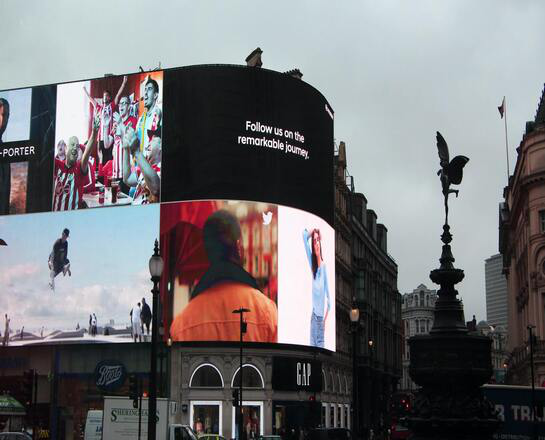
The high frequency is also a fundamental strength of OOH. The repeated exposure will ensure that your brand is forever remembered by those who view it.

Out of Home Advertising Incredible Statistics

How Do You Measure The Effectiveness of OOH?

Puerto Ricans are greatly deluged with visual stimulation, and it is estimated that, on average, they can actively view as many billboards as possible. So, naturally, this registers strongly in their minds.

However, for a billboard to be effective and truly stand out from the competition, it must have a captive audience, such as people on a bike, walking, running, or driving. This ensures they cannot ignore the billboard.

Measuring the effectiveness of a billboard is important for every campaign. Therefore, the billboard company, such as bMedia group should provide you with specific data and statistics as pertains to:

The Location

OOH is a unique way of advertising that’s not dynamic. With the internet, ads can change within a short time span. Still, billboards change less often and sometimes offer the most effective ad strategy.

Measuring their effectiveness starts with evaluating the location of their placement. The points to consider include the following:

  • The number of vehicles or people that are passing by the billboard daily.
  • The number of people and cars that see the billboard per day.
  • The number of vehicles or people that interacted with the billboard per day.

How To Measure The Traffic Effectiveness of a Billboard

To measure its effectiveness, it is essential to know the exact amount of traffic surrounding the billboard’s location.

The first thing is to try and find the perfect and most ideal location with a lot of traffic. However, you should know that such areas are usually higher priced than areas with lower traffic. Still, with the amount of business your company will likely receive, this is more than worth it.

Measurement of the traffic is done through many different methods, including using government data, road traffic counts, manually logging in the daily data, and road traffic counts.

The numbers will help determine the ideal location for placing your billboard.

How To Measure The Traffic Effectiveness of a Billboard

Analytics

Suppose you have a slogan, catchphrase, or brand name unique to your business. In that case, you can use Google Analytics data to scrape methods that can be used to analyze how often those specific words and phrases are typed into search engines.

This is similar to executing keyword search for SEO and helps you understand how you can measure the billboard’s effectiveness. The more search hits your brand name has, the higher the number of people viewing your billboard and taking action.

Hashtags

Hashtags have been used widely to provide enough opportunities to get customers on board for a specific message. In addition, you can utilize hashtags to better evaluate the effectiveness of your billboard ad. The number of people responding and commenting on the hashtag is a great measurement.

Sales Analytics

There is a direct relationship between the number of sales and outdoor ads. The higher the sales figure you receive after placing a billboard ad, the more effective the billboard. Essentially the billboard should bring in more customers, which increases sales. If this does not happen, then it is not effective.

Are You Looking To Advertise Through OOH in Puerto Rico?

At bMedia Group, we are the local leaders in everything related to outdoor media in Puerto Rico. As a local company, we provide advertisement vehicles that will make your message get through to your target audience and help increase brand awareness.

Contact our sales team today for an in-depth analysis of this winning advertising model!