How to Increase Brand Awareness?

In the dynamic realm of business, one of the foremost challenges companies face is expanding their brand’s reach and recognition. “How to Increase Brand Awareness?” is a question that continuously reverberates in boardrooms and marketing departments alike.

In this enlightening article, we will delve into the art and science of enhancing brand visibility. By uncovering effective strategies, innovative techniques, and case studies of successful brand awareness campaigns, we aim to equip you with the knowledge and tools needed to chart a course toward a more prominent and influential brand presence.

Whether you’re a fledgling startup or a seasoned enterprise, this guide will be your compass to navigate the journey of brand elevation.

importance of brand awareness

What is Brand Awareness?

Brand Awareness is dependent on the consumer’s ability to recollect and recognize a brand and associate it with a particular product or service. It is a term used to describe how aware people are of your brand and what it has to offer.

There are three levels of brand awareness:

  1. Recognition of your name
  2. Familiarity with your products/services
  3. Understanding of your brand characteristics (logo, messaging, etc.)

Understanding Brand Awareness

In the ever-evolving landscape of marketing and business, a firm grasp of brand awareness is paramount. But before diving into strategies and techniques, it’s crucial to comprehend the concept itself. So, what is brand awareness, and why is it a pivotal factor in your brand’s success?

Defining Brand Awareness:

At its core, brand awareness refers to the degree to which your target audience recognizes and remembers your brand. It’s not just about having a logo or a catchy slogan; it’s about becoming a familiar presence in the minds of consumers. When people can easily identify your brand and associate it with certain qualities or products, you’ve achieved a high level of brand awareness.

The Significance of Brand Awareness:

Brand awareness isn’t merely a vanity metric; it holds immense significance for businesses. It serves as the foundation upon which brand loyalty, customer trust, and long-term success are built. When consumers are familiar with your brand, they are more likely to choose your products or services over competitors, even if they’re presented with other options.

Psychology of Consumer Recognition:

Understanding the psychology behind brand recognition is crucial. Humans are naturally drawn to the familiar and tend to trust what they know. A strong brand presence can create a sense of comfort and reliability, making consumers more inclined to engage with your brand and make purchase decisions.

Importance of Brand Awareness

Brand awareness familiarizes the public with a product and differentiates it from competing brands. Businesses that maintain high levels of brand awareness are likely to generate more revenue because consumers are more likely to buy familiar brand names compared to unknown ones. 59% of customers prefer to buy from brands they already know about.

Brand awareness leads to trust, meaning the more recognition our brand has, the more successful your brand or business will be. It is the foundation of acquiring a customer audience and helping them understand and become comfortable with your products and services — increasing your brand equity.

Ways to Build Brand Awareness

Developing a strategic brand awareness campaign will help familiarize consumers with your brand and product offering. The main goal is to increase knowledge within the target audience but a good campaign will also communicate attributes that differentiate you from your competitors.

Here are some ways to increase brand awareness:

Give your brand a voice

Give your brand a personality and use it to identify with your target audience. Having a distinct tone and voice will help your advertisements stick in the mind of consumers. Be mindful of the words you use. A great example is a slogan, which can help make you easily recognizable or a smart combination of colors that are both memorable and eye-catching.

Take advantage of outdoor advertising

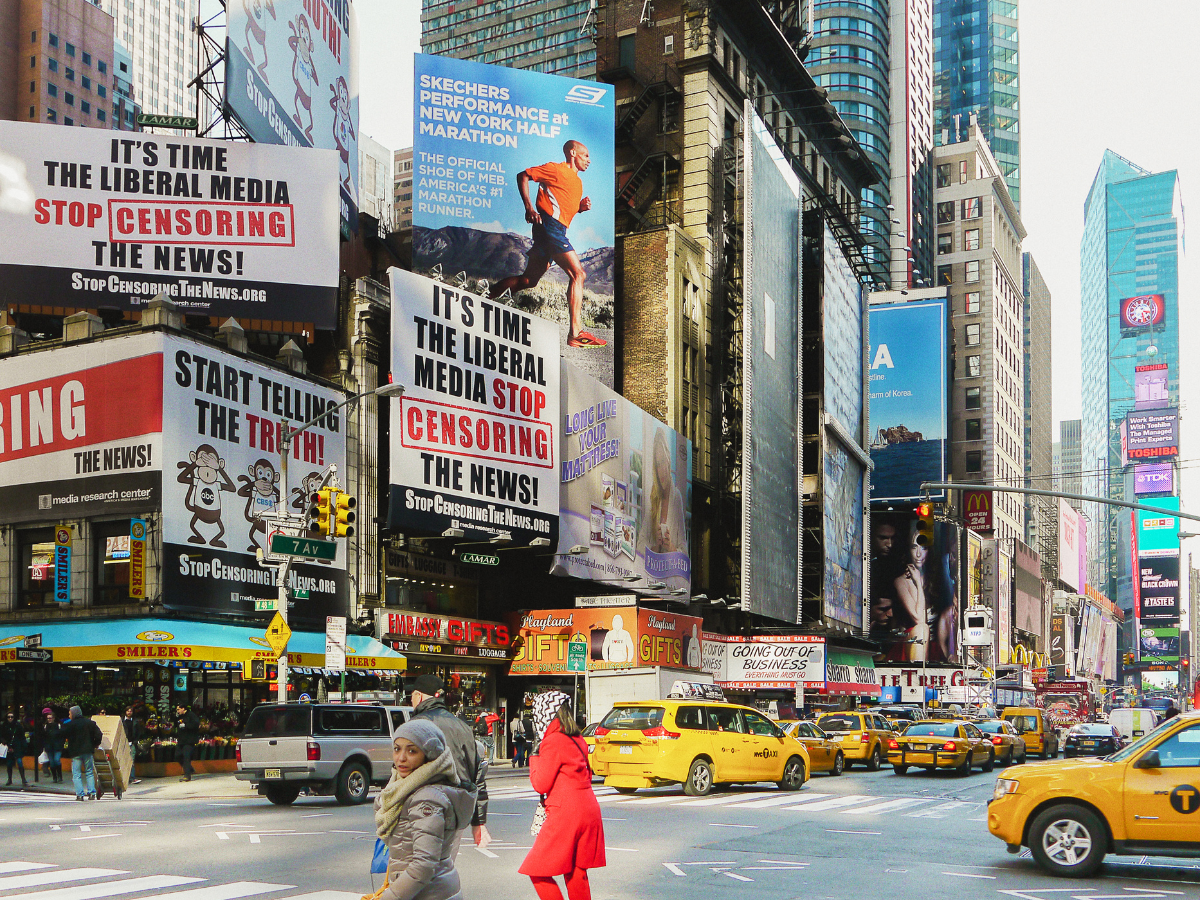
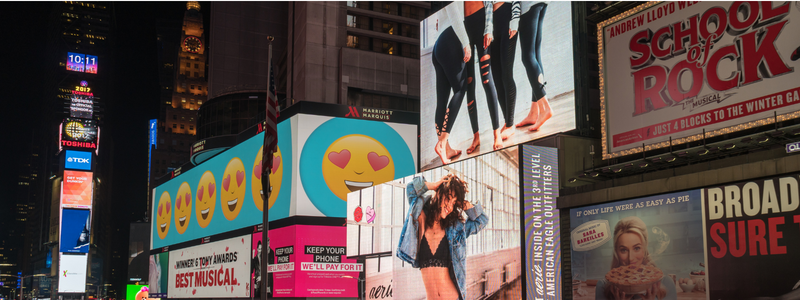
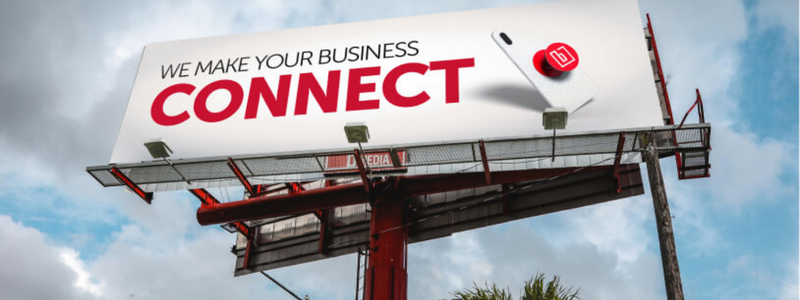
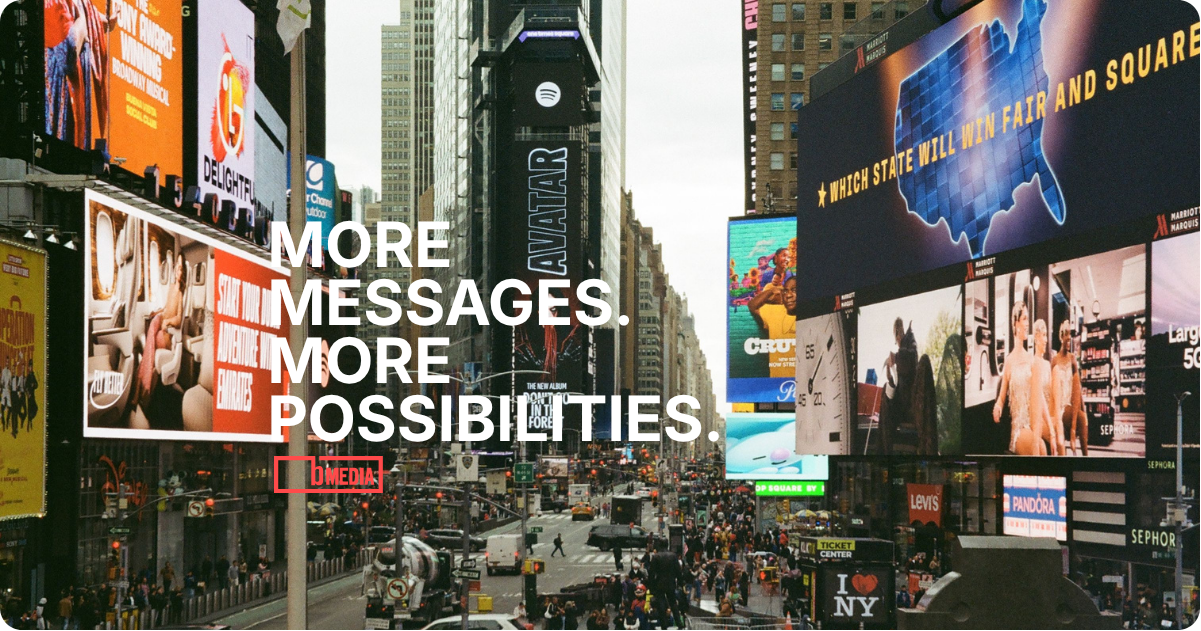
Out-of-home advertising, or OOH, is a great way to put your brand out there. Billboards are a traditional method of advertising, but there’s a reason they’ve been around for so long. They work! Billboards placed strategically in high-traffic areas will expose your brand to thousands of people each day. Unlike commercials or digital ads, they’re there 24 hours a day, exposing your brand to anyone who passes by.

There are many ways to use billboards to increase brand awareness. If enough people see your branding on billboards, the more they will be able to recognize and identify elements of your brand identity such as logo and color scheme. This is also known as brand recognition.

Billboards aren’t just giant static images anymore. We now see innovative billboard features such as QR codes that direct to landing pages. Additionally, smart and captivating messaging can garner social media hype, while smart billboards use both augmented reality (AR) and artificial intelligence (AI) to change and optimize the consumer experience. There’s no doubt you can maximize brand awareness by using billboards.

measuring brand awareness

Common Grammar Mistakes in Advertising

One key aspect of building brand awareness is ensuring that your advertising efforts are professional and error-free. This includes avoiding common grammar mistakes that can undermine your credibility and the effectiveness of your ads. Here are some of the most frequent grammar errors found in advertising and tips to avoid them:

Misplaced Apostrophes

One of the most common mistakes is the misuse of apostrophes. Apostrophes are used to indicate possession or contractions, but they are often incorrectly used to form plurals or omitted when needed.

Example of Incorrect Usage:

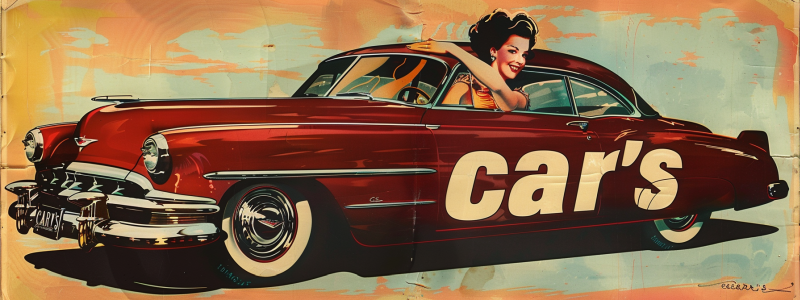
  • “Get your car’s washed here.”

Correct Usage:

  • “Get your cars washed here.”

Tip: Always double-check if the apostrophe is used to show possession (the dog’s bone) or a contraction (it’s = it is). Avoid using apostrophes to form plurals.

Common-Grammar-Mistakes-in-Advertising

Incorrect Subject-Verb Agreement

Ensuring that your subjects and verbs agree in number is fundamental to clear communication. Mistakes in subject-verb agreement can make your advertisements look unprofessional.

Example of Incorrect Usage:

  • “The team of experts are ready to help.”

Correct Usage:

  • “The team of experts is ready to help.”

Tip: Identify the true subject of the sentence and make sure the verb agrees in number (singular or plural) with it.

Spelling Errors

Spelling mistakes are perhaps the most obvious and easily avoided errors in advertising. Even a single misspelled word can significantly impact the reader’s perception of your brand.

Example of Incorrect Usage:

  • “Professional advise available.”

Correct Usage:

  • “Professional advice available.”

Tip: Use spell-check tools and have multiple people review your advertisements before they are published.

How-to-avoid-grammar-mistakes-in-advertising

Avoiding common grammar mistakes is crucial for maintaining your brand’s credibility and increasing brand awareness. By paying attention to detail and ensuring your advertisements are error-free, you can present a professional image that resonates with your audience and reinforces your brand’s message.

Ways to Measure Brand Awareness

Brand Tracking helps businesses measure awareness growth and performance against competitors. It is the ongoing measurement of how well your brand is doing.

Combining different reach/frequency data will help you better visualize how well your awareness campaign is performing, helping you make the best and most informed decision for your business.

Surveys

This basic but useful form of measurement will provide you with the metrics needed to determine the trajectory of your campaign. A survey can be conducted through email, website, or telephone. Ask existing customers how they came to know about your brand to understand how people are hearing about you. You can also gain insight into how much people can recall your brand by randomly selecting survey participants and asking them if they are familiar with your brand.

Measure Website Traffic

Website traffic provides insightful data on brand awareness. Tools like Google Analytics can track how many people visited your website. To dive deeper into the detail, the application also allows you to view where your visits are coming from. With Google Analytics, you’ll be able to track whether your visitors are coming through organic search, direct visits (the number of people who type your URL into their address bar), social media, or through referral (links from other sites that direct visitors to your site). Keeping an eye on these trends will help you monitor changes in your brand awareness campaign.

Check Organic Social Growth

2.32 million Puerto Ricans use social media each day. A great way to measure your awareness is to monitor your social media following. How many new and organic followers did you get after the launch of your campaign? Are your posts gaining more likes and shares? Look into what people are saying about your brand online. What are consumers saying about your brand or product? Social media users tend to be more unsolicited, which means they are likely to be more honest compared to other data recording methods such as surveys.

measuring advertising success

Increase Brand Awareness with bMedia Group

bMedia Group is Puerto Rico’s leading marketing agency. We can help you take advantage of marketing opportunities to help further expose your brand.

Outdoor advertising is our specialty. Through our work, we aim to highlight what you offer while providing a memorable experience for the consumer. We currently have a real estate of over 500 high-exposure billboards on the island. We are confident in our ability to get your brand the recognition it needs for optimum growth and success.

Contact us today, our professionals will help you strategize, execute, and maximize your brand awareness on the island.

Out of Home Advertising

In an era characterized by digital marketing dominance, “Out of Home Advertising” emerges as a formidable strategy, making a lasting impression in the physical world.

This comprehensive guide explores the dynamic realm of Out of out-of-home advertising, transcending the boundaries of screens and devices to reach consumers where they live, work, and play. From towering billboards that capture attention on busy highways to eye-catching transit ads that navigate urban landscapes, this article delves into the various facets of this impactful medium.

Join us on a journey that uncovers the power, versatility, and creative potential of out-of-home advertising in today’s marketing landscape.

What Does OOH Stand For in Advertising?

As the name suggests, OOH stands for out-of-home [advertising]. It is a marketing strategy to reach a target audience when they are not in their homes.

ooh advertising

OOH Advertising Examples

Mary Lister writing for Wordstream describes several modern examples.

  • Digital and traditional billboards and posters
  • Public furniture including bus stop shelter walls, kiosks, benches, poles
  • Public transit vehicles like bus walls, taxi wraps, subway, and train cars
  • Point-of-sale ads including sandwich boards, taxi cab windows, business front windows, building walls, gas pumps, and trash cans
  • Stand-alone advertisements like those on balloons and other inflatables, floats, and airplane banners

A Brief History of OOH Advertising

The Out of Home Advertising Association points out that OOH advertising dates back thousands of years. The first out-of-home advertising occurred when Egyptians used towering stone obelisks as a platform for informing the public of treaties and laws.

In the 1400s, Johannes Gutenberg’s invention of the printing press gave rise to handbills. By 1796, these advertisements had added eye-catching illustrations. Handbills led to bill posters. These larger advertisements were erected on structures where they could be read by passing vehicle and foot traffic.

The 1830s are believed by many to have launched roadside advertising. Merchants hand-painted signs and affixed advertising to building fronts and fences. These told walkers and drivers that their business was ahead. They often highlighted their wares.

In 1835, Jared Bell began printing large posters. These fifty-square-foot ads told of the arrival of the circus.

1850 brought advertising on street railways. However, the advent of industrialization in the late 1800s and early 1900s saw the formation of the Association of Bill Posters in North America. Later called the Outdoor Advertising Association of America, this organization aimed to promote a greater understanding of out-of-home media. This led to the standardization of billboards. There followed a boom on mass-produced billboard campaigns by such big businesses as Coca-Cola, Palmolive, and Kellogg’s.

The mid-twenties saw the first outdoor advertising company listed on the stock exchange. In the 1940’s the OBIE awards debuted. Coca-Cola’s “Yes Girl” billboard won.

As billboards grew in numbers, legislation arose curbing where they could be erected, how large they could be, and what they could advertise. In 1999, tobacco companies agreed not to advertise on OOH structures.

From billboards, OOH companies diversified into street furniture, cinema, and digital screens.

Today, some of the world’s largest companies lead the way in OOH advertising. This includes Facebook, Google, Amazon, Netflix, Apple, McDonald’s, Amazon, HBO, and Coca-Cola.

what does ooh stand for

The Evolution of Out of Home Advertising

Out of Home Advertising has a rich and storied history, dating back to ancient civilizations. Over the centuries, it has evolved and adapted to the changing needs of advertisers and the dynamic landscapes of cities and towns.

Historical Roots

The origins of Out of Home Advertising can be traced to ancient Egypt, where merchants used painted advertisements on walls to promote their goods and services. This practice gradually spread to other cultures, such as the Roman Empire, where announcements were carved into stone tablets.

Print and Poster Era

With the advent of the printing press in the 15th century, the possibilities for advertising expanded. Posters and handbills adorned city streets, theaters, and public squares, offering glimpses into the consumer culture of the time.

Billboards and Outdoor Displays

The late 19th and early 20th centuries saw the rise of billboards and large-scale outdoor displays. These eye-catching structures became synonymous with Out of Home Advertising, capturing the attention of travelers on railways and highways.

Digital Revolution

In recent decades, the industry has undergone a profound transformation with the introduction of digital technology. Digital Out of Home Advertising (DOOH) has ushered in a new era, featuring dynamic, interactive, and highly targeted campaigns.

Integration with Data and Technology

Today, Out of Home Advertising is seamlessly integrated with data analytics, allowing advertisers to deliver personalized messages to specific demographics. Real-time tracking and optimization have become essential tools in the OOH advertising toolbox.

Place-Based OOH Advertising

With real estate and OOH advertising, location is crucial. Place-based OOH media involves specifically locating advertising where a niche market will see it.

Here are some examples:

  • Wall ads, posters, furniture ads, and kiosks at airports, bus, and train stations
  • Display racks, bulletin boards, posters, and wall billboards at universities, colleges, and school campuses
  • Billboards near restaurants, health clubs, gyms, arenas, movie theaters, and nightclubs.
  • In-store ads on store shelves, shopping carts, checkout stands, and storefronts
  • Shopping mall kiosks, wall displays, store doors,
  • Display panels  on truck stops, trucks, interstate travel stops
  • Special events promotions
  • Interactive, specialized media

Getting Started

If you have decided OOH advertising is an effective marketing tool for your company, first decide who you want to reach. Next, choose an effective location. Where will your niche market see your ads?

Select the message/idea/product you wish to showcase.

What is the best format for your message?

The most effective messages are sharable. Consider bold colors, creative digitals, slogans that will get shared on social media increasing target audience engagement.

Look at the OOH advertising of your competitors. What spaces are they using? What format have they selected? Check out their social media. What content is getting the highest reaction? What do their potential buyers like? Have they integrated adverting modes? An analysis of your competition, you can get good information for your OOH strategies.

Think about your message. Is it clear? Is it creative? Is it engaging?

Out-of-home advertising must have a simple message that can be absorbed by passing motorists or pedestrians in a few seconds. Keep the text limited to a few compelling, easy-to-read words. Consider the power of an image. Your core message has a lot more chance of being shared if it is creative and brief. Your best return on investment comes with it being talked about across media channels.

ooh stands for out of home advertising

Why Consider OOH Advertising?

Studies have shown that 70% of drivers and walkers notice what is being marketed on out-of-home advertising. Thirty percent say they’ve purchased products or services they’ve seen advertised on out-of-home ads the very same day they were exposed to them.

Where TV and radio ads are seen or heard once, pedestrians and drivers see out-of-home ads repeatedly on their way to and from work.

Studies show that out-of-home ads are the best return on investment of any marketing program.

Unlike radio, TV, newspaper, or magazine ads, you can’t skip OOH ads. They are in your face and get noticed. Nielsen surveys found that nearly 50% of adults who searched online for a product had first seen it in an OOH ad.

Thanks to technological improvements, the versatility of out-of-home advertising will continue to grow. With the rise in digital ads, new capabilities and increased effectiveness of OOH ads have resulted. Digital OOH media has brought brighter colors, animation, and convenience in ad production. Multiple images and ads geared to specific demographics have proven that OOH ads will continue to be profitable marketing tools.

Notable Examples of Out-of-Home Advertising

Apple’s “Shot on an iPhone” billboard invites customers to send in photos shot on their iPhones. Outstanding ones were turned into billboards.

Clarin’s interactive campaign at Hong Kong International Airport lured viewers to enter their emails or scan a QR code on the screen with the offer of codes for discounts and free samples.

CVS Beauty Mark’s social media campaign encouraged users to upload their selfies to the hashtag #BeautyUnaltered. Every ten seconds, a different unaltered selfie celebrated real beauty on a Times Square digital billboard.

Acadia SUV, GMC used facial analytics to create engaging digital signage. Cameras in the digital display detected audience demographics including age and gender. Based on these data, one of thirty possible video ads was shown to the viewer. Passersby stopped to interact with the kiosk out-of-home ad that harnessed digital out-of-home power to personalize content for maximum audience engagement.

McDonald’s weather-sensitive ads are another example of digital out-of-home advertising. The campaign featured McDonald’s frozen drinks. When the temperature rose to a level that made a cold drink appealing, the campaign played a cold drink. When the temperature became hotter, the ad automatically switched to a frozen drink.

Lasik explored whether elevator riders who wear glasses can be identified. Then, their OOH ad delivered a creative ad targeting those who were candidates for laser eye surgery. The ad’s message changed based on the type of eyewear the rider was wearing. The ads delivered eleven million targeted messages to riders who wore glasses, personalizing the message for age and gender.

Google’s “Make the Most of Summer” used responsive, data-driven digital OOH. The advertising focused on summer experiences in the area where it was placed. The ad engaged viewers through the presentation of dynamic, full-motion sites.

To showcase its new 5G technology, AT&T encouraged viewers of their interactive ad to “Pose with the Pros”. Dallas Cowboys fans could select up to five of their favorite Cowboys to pose with them at a kiosk in concourses at the AT&T Stadium. Their virtual group picture could be emailed to themselves, and/or shared on social media.

So, what does OOH stand for in advertising? Well, it’s more than just your reaction to captivating and compelling billboards – it’s the abbreviation for what you’re looking at, outside.

How Can bMedia Group Help?

Our media service boasts over three hundred out-of-home advertisements in Puerto Rico. We provide our valued customers with a wide variety of effective OOH formats.

Our skilled designers, fabricators, and construction staff members know how to take your design needs and turn them into effective billboards, posters, and other out-of-home advertising. We are proud to have the highest consumer traffic on the island.

For more information regarding how we can increase your brand recognition contact us.

Effective Advertising Strategies

For over a century, billboards have remained a popular and effective advertising medium, capturing the attention of countless passersby with their large-scale and prominently displayed ads. Despite the rise of digital advertising, billboards have not only survived but also evolved. These days, billboards are equipped with digital technology and innovative designs that make them even more impactful and relevant than before.

Effective Advertising Strategies rely on understanding the potential of the medium and leveraging it to its fullest. For business owners, billboard advertising presents an unparalleled opportunity to showcase their brand message to a broad audience, ensuring that it stays in their memory. While digital ads come and go, billboards are a physical presence that commands attention and leaves a lasting impression.

Billboard advertising is not just about size; it’s also about strategy. To make the most of billboard advertising, businesses must convey their message effectively, resonate with their target audience, and drive action. Understanding the nuances of billboard advertising is crucial for business owners who want to make a mark in the market. In this regard, we’ll delve deeper and explore how billboards can be a game-changer for businesses, especially in dynamic markets like Puerto Rico.

Effective-Advertising-Strategies

Most Effective Advertising Strategies

In the realm of business, understanding your audience is paramount. The foundation of any effective advertising strategy is built upon the principle of targeting. By honing in on a specific demographic, businesses can tailor their message to resonate more deeply with potential customers. A well-targeted advertisement speaks directly to the viewer’s needs, desires, and aspirations, making it far more impactful than a generic message.

According to an article on Spiceworks, social media profiles offer a significant opportunity for target marketing. Brands can pinpoint customers based on various factors, including their interests, behavior, and demographics. This targeted approach ensures that the advertising message reaches the most relevant audience, increasing the likelihood of engagement and conversion.

However, it’s not just about reaching the right people; it’s about conveying the right message. The essence of effective advertising strategies lies in crafting a message that not only captures attention but also drives action. Whether it’s evoking an emotion, solving a problem, or fulfilling a need, the advertisement should offer tangible value to the viewer.

Moreover, in the ever-evolving landscape of advertising, it’s crucial for businesses to stay updated with the latest trends and technologies. From leveraging data analytics to employing innovative design principles, the strategies that worked a decade ago might not be as effective today. Thus, continuous learning and adaptation are key to ensuring that your advertising efforts yield the desired results.

Benefits of Billboard Advertising in Puerto Rico

Puerto Rico, with its dense population and unique market dynamics, presents a golden opportunity for advertisers. The island, spanning just over 100 miles in length, is home to over 3.5 million people. This concentration results in a significant traffic scenario, especially considering there are over 3 million registered vehicles on the island. While traffic might be a commuter’s nightmare, it’s a dream come true for advertisers. The reason? Billboards.

The severe traffic situation in Puerto Rico offers a plethora of opportunities for advertisers aiming to capture the attention of motorists. In an era where digital advertising is rapidly evolving, traditional forms like billboards remain steadfast. As long as people continue to drive, billboard marketing and other outdoor media will remain an influential platform for advertising.

The main point in such a scenario is to capitalize on the captive audience. Motorists, often looking for distractions during traffic snarls, are more likely to engage with and remember billboard advertisements. This captive audience, combined with the strategic placement of billboards, ensures that the advertising message is not just seen but also makes a lasting impression.

Furthermore, billboard advertising in Puerto Rico offers an inherent demographic control. The majority of the viewers are likely commuters heading to their workplaces, implying they have the financial means to own a vehicle. This ensures that the advertisement reaches an audience that falls within a specific economic demographic, making the message more targeted and effective.

most-effective-advertising-methods

Designing Impactful Billboards

The art of billboard design is a delicate balance between creativity and clarity. While it’s essential to have an eye-catching design, the primary objective remains to convey a message effectively. Given that commuters typically have only 5-10 seconds to read a billboard as they pass by, the design must be concise, clear, and compelling.

The key to effective billboard design is brevity. The human capacity to ingest and remember a message in a fast-paced environment like traffic is limited to about seven words. Overloading a billboard with too much content can dilute the message and reduce its impact. Therefore, brands must be judicious in their choice of words and visuals.

The critical aspect in billboard design lies in understanding the medium’s constraints and strengths. Here are some principles to consider:

  • Simplicity is Key: A clutter-free design with a clear focal point ensures that the message stands out. Avoid the temptation to include too many elements.
  • Bold and Legible Fonts: Choose fonts that are easy to read from a distance. Avoid script or decorative fonts that might be challenging to decipher at high speeds.
  • High-Contrast Colors: Colors play a crucial role in visibility. Opt for colors that contrast well, ensuring that the text stands out against the background.
  • Relevant Imagery: Use images that resonate with the message and the target audience. The imagery should support and enhance the message, not overshadow it.
  • Call to Action: While not always necessary, a clear call to action can guide the viewer on the next steps, whether it’s visiting a website, making a call, or attending an event.

Strategy Marketing: Measuring Effectiveness

In the realm of billboard advertising, understanding the impact of your campaign is paramount. After all, how do you determine if your investment is yielding the desired results? Measuring the effectiveness of billboards is not as straightforward as digital ads where clicks and impressions are easily tracked. However, with the right strategies, one can gauge the success of their billboard campaigns.

According to a detailed article on bMedia Group, there are several methods to measure billboard effectiveness:

  1. Traffic Analysis: It’s essential to understand the traffic surrounding the location of a billboard. Factors such as the number of people or vehicles that pass by daily can provide insights into the potential visibility of your advertisement.
  2. Analytics: If your billboard promotes a unique slogan, catchphrase, or brand name, you can use analytics data scraping methods to analyze how often those terms are searched online. An uptick in searches can indicate increased visibility and interest due to the billboard.
  3. Hashtags: Modern advertising often incorporates hashtags. If your billboard includes a specific hashtag, monitoring its usage on social media platforms can provide insights into the ad’s reach and engagement.
  4. Sales Analytics: A direct correlation often exists between sales and outdoor ads. Monitoring sales or profit benchmarks can help determine if a new billboard ad is driving more customers to your business.
  5. Audience Impact: The daily commute is a significant idle time for many individuals. Billboards strategically placed in high-traffic areas can garner a captive audience, leading to higher brand recognition and recall.

The Role of Local Culture and Context in Billboard Advertising

In the vast world of advertising, understanding the local culture and context is paramount. Effective advertising strategies are not just about reaching a wide audience but resonating with them on a personal and cultural level. Here’s why:

  • Cultural Sensitivity: Every region has its unique cultural nuances, traditions, and values. Respecting and incorporating these into your billboard messages ensures that your ads are not only seen but also felt by the local audience.
  • Localization vs. Globalization: Global campaigns have their merits, but there’s a distinct advantage in tailoring billboard content to local tastes and preferences. It creates a sense of belonging and trust among the local audience.
  • Use of Local Icons and Symbols: Featuring familiar local landmarks, celebrities, or cultural symbols can make billboards more relatable. It’s a subtle nod to the community, indicating that you understand and value their culture.
  • Language and Dialects: Using the local language or specific dialects can significantly enhance the relatability of a billboard. Especially in regions with linguistic diversity, this can make a world of difference.
  • Seasonal and Event-Based Billboards: Leveraging local festivals, holidays, or events can make billboard advertising timely and relevant. For instance, a billboard highlighting a product during a local festival can attract more attention and sales.

most-effective-advertising-strategies

Summary of Effective Advertising Strategies

In the dynamic world of advertising, understanding and implementing effective strategies is crucial. Here’s a concise summary of the key takeaways:

  • Audience Understanding: Delve deep into demographics and behaviors to craft messages that resonate with the target audience.
  • Personalization: Tailor ads to align with individual preferences, ensuring higher engagement and conversion rates.
  • Leveraging Technology: Use advanced tools and platforms to optimize ad delivery, ensuring timely and relevant reach.
  • Multi-Channel Approach: Integrate both online and offline strategies for a synergistic effect, maximizing reach and engagement.
  • Creativity is King: Ads that stand out with their narrative and visual appeal foster better brand recall and engagement.
  • Billboard Advertising: Despite the digital surge, traditional mediums like billboards remain effective. Insights from other articles also highlight the resurgence and effectiveness of billboard advertising.

In essence, the success of advertising lies in a blend of data-driven insights, creativity, and strategic deployment across various channels.

Types of Outdoor Advertising

Advertising has been around for centuries but has taken many different shapes and forms. Today, there are many different types of advertising available for businesses, including types of outdoor advertising.

types of outdoor advertising

What is Outdoor Advertising?

Business Encyclopedia defines outdoor advertising as advertising that reaches potential buyers when they are outside their homes. Outdoor advertising is sometimes referred to as out-of-home advertising.

How Prevalent is Outdoor Advertising?

Many successful companies have discovered that outdoor advertising is their most effective means of getting their brand known and generating traffic to their businesses. For example, Cracker Barrel spends almost half of its advertising dollars on outdoor advertising (you’ve probably seen one or two while exiting the freeway).

Why Invest in Outdoor Advertising?

The Outdoor Advertising Association of America shows studies that potential American consumers spend seventy percent of their time outside their homes. Thus, it makes sense to present advertising in this environment.

A Nielson study featured in Entrepreneur discovered that outdoor advertising is the most effective non-digital method of generating traffic to online sales.

Outdoor advertising has the greatest return on investment in any form of advertising. On average, each dollar invested in outdoor advertising sees an almost triple return on investment. This is more than TV and magazine ads combined.

outdoor advertising types

Types of Outdoor Advertising

When we think of out-of-home advertising, three that immediately come to mind are billboards, transit advertising, and street furniture. However, technological advances and creative advertising artists have invented several others.

  • Billboard Advertising

Billboards are the most common form of outdoor advertising. They come in various sizes. They range from static to digital, or mobile. Thanks to new technology, some of the newer ones use augmented reality. Some are interactive.

Billboards’ effectiveness in name recognition and buyer enticement is high. One disadvantage of billboards is that viewers who are walking or driving by them see them for only a few seconds. Thus, the message must be one potential buyer can grasp in that short time. Billboards provide no avenue for longer advertising copy.

With billboards—like real estate—their effectiveness depends on location. Billboards must be placed where traffic patterns and sightlines allow them to be seen by large numbers of passersby.

  • Transit or Vehicle Advertising

This type of out-of-home advertising includes signs and images on the interior and/or exterior walls of buses, railway cars, taxis, subway cars, and transit shelters.

The advantage is that these surfaces have a captive audience. However, people using public transit are often anxious about missing connections and reaching their destination on time. They are not in the best frame of mind to read advertising copy.

  • Street Furniture

Street furniture has the advantage of being relatively inexpensive. It is placed at eye level for foot traffic and can be very eye-catching. Because the traffic is mostly pedestrians and bikers, more advertising copy can appear on street furniture than on billboards or transit advertising.

Street furniture advertising may be static or digital. There are many opportunities including park benches, bus shelters, bike shares, urban panels, and metro lights.

Street furniture advertising can target the residents of specific neighborhoods, providing unique media opportunities to showcase local vendors.

  • Construction Advertising

Sides of buildings, fences, doors, windows present opportunities for advertisers similar to those offered by street furniture. Advertisers can target both pedestrians and drivers with their local and regional messages. Technology has increased the sophistication of these static and digital signboards.

  • Mobile Advertising

Millions of Americans now take handheld devices and smartphones wherever they go.

Mobile advertising includes advertising on mobile phones and other mobile devices. Mobile advertising can take place as text ads via SMS, or banner advertisements that appear embedded in a mobile web site.

Mobile advertising also makes use of social media like Facebook, Twitter, and Instagram to send brand recognition and special events messages to targeted audiences.

  • Augmented Reality

Augmented reality advertising creates an interactive experience of a real-world environment through computer-generated sensory stimulation. Augmented reality may be used to enhance several forms of outdoor advertising including billboards.

  • Static Advertising

Static advertising includes images or banners that target or retarget specific audiences. Because they are stationary or permanent, static advertising is easily maintained. They need to be assembled only once. So, they are relatively inexpensive in both time and labor. The effectiveness of static ads is easily monitored.

  • Interactive Advertising

Interactive advertising utilizes online or offline interactive media. Its aim is to communicate with consumers. Interactive ads promote products, advance brand recognition, inform would-be buyers about goods and services, or provide public announcements about special events.

  • Point of Sale Advertising

According to the Cambridge Business English Dictionary, point of sale advertising is also known as point of purchase advertising. It includes any advertising of goods or services at the location where they are sold. This would include ads outside storefronts, restaurants, fast food specials, store window displays, and chalkboard signs.

The advantage is that these advertisements of products, sales, or special events entice pedestrians into the establishment.

  • Retail Advertising

Retail advertising or retail marketing includes retailer store advertising both online and offline. The goal is to increase awareness and interest in products or services. Retail advertising is successful if it generates sales from a target audience. Through retail advertising, storeowners attempt to influence their audience into malls, shopping centers, stores.

  • User-Generated Advertising

With increasing technology, there is a rapidly growing trend toward user-generated content. This media content is generated by customers. It is disseminated in various social media forms including Facebook, Twitter, and YouTube.

Marketers interface with customers to encourage them to share the business, its services, and their positive experiences with the products. They may be enticed to provide reviews by offering discounts, opportunities to try new products, loyalty points, or other incentives.

types of advertising

How to Get Started

Outdoor advertising revenue has been steadily growing since 2009. In 2019, revenue from outdoor advertising amounted to over eight and a half-billion dollars in the United States.

If you have decided to pursue outdoor advertising campaigns, there are several things you need to consider.

  • What types of out-of-home advertising will bring your products and services the best return on investment?
  • What advertising copy or campaign will stand out from your competition?
  • Given your objectives, what are prime locations for your outdoor ads?
  • Having analyzed the competition, what is the best use of your advertising budget?

For information on these important questions, talk to experienced, proven outdoor advertising specialists like bMedia.

Using our expertise, you can create simple, powerful outdoor advertisements for your company.

How to Reach New Customers

In today’s fiercely competitive business landscape, reaching new customers is crucial for sustained growth and success. The ability to expand your client base not only opens up new opportunities but also strengthens your brand presence. To accomplish this, businesses need to employ effective advertising methods that capture the attention of potential customers and engage them with their offerings. One such method that has stood the test of time is billboard advertising. In this article, we’ll delve into techniques to reach new customers and explore the significance of billboard advertising in boosting business prospects.

How to Reach New Customers

Popular Advertising Methods

Before we dive into the world of billboard advertising, let’s briefly explore some popular advertising methods that have been widely used by businesses to connect with new customers:

  • Television Commercials: Television ads offer wide exposure to a broad audience, making them an effective medium for reaching new customers. They allow businesses to showcase their products or services with engaging visuals and persuasive storytelling.
  • Social Media Marketing: With the rise of social media platforms, businesses have tapped into this digital realm to engage with potential customers. Social media marketing enables targeted advertising, fostering direct interaction and the potential for viral reach.
  • Print Advertising: This method involves placing advertisements in printed materials such as newspapers, magazines, and brochures to reach new customers. Print advertising allows businesses to target specific audiences and provides a tangible medium for conveying their message.

Billboard Advertising: What Is It?

Billboard advertising involves strategically placing large, eye-catching displays in high-traffic areas to capture the attention of passersby. These towering structures serve as powerful visual cues that communicate a brand’s message effectively. Billboard advertising works on the principle that repeated exposure to a message increases brand awareness and prompts potential customers to take action.

According to Statista, the number of digital billboards across the US in 2022 increased by approximately 14%.

Techniques in Billboard Advertising

Billboard advertising uses specific techniques to draw attention, spark curiosity, and imprint the brand in potential customers’ minds.

Subliminal Messages

Billboard advertisements often subtly utilize subliminal messaging techniques to influence the viewer’s subconscious. Subtle cues, such as color choices or clever wordplay, are strategically incorporated to create a lasting impact and reinforce brand recognition.

Hidden Imagery

Some billboard ads employ hidden imagery that requires a closer inspection to unveil an additional layer of meaning. This technique intrigues viewers and creates a sense of discovery, leading to increased engagement with the advertisement.

Billboards’ prominent placement in high-traffic areas and captivating design and messaging techniques can boost brand exposure, drive engagement, and grow sales.

In the following sections, we will explore the benefits of billboard advertising for businesses in Puerto Rico, providing insights on how it can help them sell their services or products to a broader customer base.

In the second quarter of 2022, advertisers invested more than 1.9 billion dollars in billboard advertisements.

Billboard Advertising: What Is It?

Billboard advertising cost-effectiveness

When comparing the cost-effectiveness of billboard advertising to other methods, it becomes evident that billboards offer a compelling advantage. While pricing varies depending on factors such as location, size, and type of billboard, they generally present a more cost-effective option. Let’s examine this in relation to other advertising methods.

Television advertising can be significantly expensive, with varying costs based on viewership. A 30-second spot on TV can range from $15,000 to a staggering $100,000. Billboard advertising provides a more budget-friendly alternative. With prices ranging from $60 per day for static billboards to $500 or $700 per day for digital billboards, businesses can achieve widespread visibility at a fraction of the cost.

Print advertising, although offering targeted reach, can also be costly. A standard full-page ad in a local magazine typically costs between $900 and $1200. In comparison, billboards provide an opportunity for continuous exposure, reaching a larger audience without incurring recurring fees.

These costs are a rough estimate; don’t hesitate to contact us for a tailored quote.

Billboard advertising’s cost-effectiveness lies in its long-lasting impact. Once installed, billboards remain visible around the clock, generating impressions daily without incurring additional costs. This continuous visibility, coupled with their larger-than-life presence and strategic locations, ensures that businesses achieve maximum brand exposure while optimizing their advertising budget.

Billboards are considered a more cost-effective option than television and print advertising. It is an attractive choice for businesses seeking to reach new customers and maximize their ROI.

Capturing attention in a matter of seconds

By creating visually impactful, emotionally engaging, and strategically placed billboards, you can make a memorable impression that drives interest and brand recognition and ultimately boost your business. Incorporating the following best practices into your campaign can significantly enhance its effectiveness in reaching new customers.

Keep the Design Simple and Impactful

To maximize the impact of your billboard, simplicity is key. With limited time for viewers to process the message, keeping the design clean and concise is crucial. Stick to no more than seven words and avoid cluttering the billboard with multiple elements. Instead, focus on a central idea or concept that can be conveyed through powerful imagery and minimal text. Let the visuals speak for themselves, engaging viewers and piquing their interest.

For example, Apple’s “Think Different” campaign featured billboards with a simple yet powerful design. The iconic billboards displayed black-and-white portraits of influential people, such as Albert Einstein and Mahatma Gandhi, accompanied by the phrase “Think Different” and the Apple logo. This minimalist design conveyed a strong message about innovation and the brand’s philosophy.

Optimize Visibility with Proper Colors, Contrast, and Font Size

Colors and fonts play a vital role in enhancing the visibility of your billboard. Choose colors that stand out and create contrast against the background to ensure easy readability. Bold fonts are recommended, as they make your message more legible from a distance. Additionally, consider the placement of your billboard and the viewing conditions during different seasons to make informed decisions about color choices that will be effective year-round.

Tell a Story Using Emotional Language

Billboards have the unique advantage of being able to convey a message quickly and evoke emotions. Instead of relying solely on text, use imagery and visual storytelling to take viewers on a journey. Remember, drivers often have limited time to read, so focus on showing the essence of your idea or campaign rather than describing it in detail. Consider incorporating emotional marketing tactics to tap into psychological triggers that create intrigue, loyalty, or even a sense of community around your brand.

For example, Coca-Cola’s “Share a Coke” campaign used emotional marketing to establish a sense of camaraderie and excitement. The billboards featured personalized messages such as “Share a Coke with Friends” or “Share a Coke with Family,” accompanied by images of people smiling and enjoying their favorite beverage together. By tapping into the emotional connection people have with relationships and shared experiences, Coca-Cola created a sense of community and encouraged consumers to share their Coca-Cola with loved ones.

Choose the Right Location and Timing

Strategic placement is crucial for billboard advertising success. Identify high-traffic areas where your target audience is likely to pass by frequently. Whether it’s busy city streets, highways, or specific neighborhoods, select locations that align with your target market. Additionally, consider the seasonality and timing of your campaign. Tailor your message to be relevant during specific times of the year or align it with events and holidays that resonate with your audience.

Billboards toward the future - From static to digital

Billboards toward the future: From static to digital

The future of billboard advertising holds immense potential for reaching new customers in innovative ways. As technology advances, billboards have evolved beyond static displays into dynamic, interactive platforms. Digital billboards with vibrant visuals, high-resolution displays, and real-time content updates have become common in recent years. These digital advancements offer exciting opportunities for advertisers to engage and captivate audiences.

The convergence of billboards with other emerging technologies, such as augmented reality (AR) and artificial intelligence (AI), opens up new avenues for creativity and interactivity. Imagine billboards that come to life through AR, allowing customers to interact with virtual elements or receive customized offers. AI-powered billboards can analyze customer behaviors and preferences, dynamically adjusting content to deliver more personalized and engaging experiences.

As technology continues to evolve, the future of billboard advertising is poised to offer enhanced targeting capabilities, interactive experiences, and seamless integration with other marketing channels. With these advancements, billboard advertising will continue to be a powerful medium for attracting new customers.

Maximize Your Brand’s Impact With BMedia’s Billboard Advertising Solutions

In a world filled with digital distractions, outdoor advertisements provide a refreshing and impactful way to cut through the noise and connect with consumers on a tangible and memorable level. By embracing the power of outdoor advertising, you can leverage strategic placements, creative designs, and high-traffic locations to ensure your brand stands out from the competition. Contact bMedia today and let us help you unleash the full potential of billboard advertising for your brand. Together, we’ll create captivating campaigns that leave a lasting impression and drive success for your business.

When it comes to outdoor advertising, bMedia is the name you can trust!

The Purpose Of Billboards

Billboards have been a staple of the advertising industry for decades and for good reason. They offer unique advantages and stand tall as an iconic form of advertising. We will explore the purpose of billboards and how they can effectively boost your brand’s visibility and reach.

There are many reasons why billboards are worth considering for your marketing campaigns. Remember, billboards are not just advertising; they are powerful canvases that allow your brand to connect with people in a meaningful and unforgettable way.

By harnessing the power of billboards, you can effectively raise brand awareness, engage with your target audience, and drive successful marketing campaigns.

corner billboard

Why Choose Billboards?

You may be wondering “Why should I choose billboard advertising?” Billboard marketing offers numerous benefits that can significantly impact your brand’s visibility, reach, and overall marketing success. This type of marketing provides an excellent opportunity to reach a wide audience, make a lasting visual impact, and reinforce your brand’s presence in a non-intrusive manner.

  1. Put Your Ads In Front Of Eyes: Billboards are impossible to miss. Placed in high-traffic areas, they capture the attention of both pedestrians and drivers, making a lasting impression on your target audience.
  2. Broad Reach: Our extensive network of billboards ensures that your message reaches a wide audience across Puerto Rico. From bustling city centers to scenic highways, our billboards are strategically located to maximize exposure.
  3. Constant Presence: Unlike other forms of advertising that come and go, billboards are always there. Rain or shine, day or night, they work around the clock to showcase your brand and message.
  4. Creativity Unleashed: With billboards, you can unleash your creativity. From stunning visuals to catchy slogans, you can craft a captivating message that sticks in the minds of passersby.

Billboard Advertising: The Big Impact

The purpose of billboards is to amplify your brand. Billboards offer a platform to showcase your brand’s personality, engage your audience, and leave a lasting impression. Here’s why billboard advertising is a game-changer for businesses in Puerto Rico.

  • Unparalleled Visibility: In a world of constant digital noise, billboards provide a refreshing break. They offer a physical presence that cannot be blocked, skipped, or ignored. Your message stands tall, capturing attention and creating brand awareness.
  • Targeted Advertising: With our wide selection of billboard formats, you can target specific locations and demographics. Whether you want to reach urban commuters, vacationers along the coast, or locals in residential areas, we have the perfect billboard for your needs.
  • Digital Billboard Advertising: Our digital billboards take advertising to the next level. With vibrant displays, dynamic content, and eye-catching animations, you can showcase your brand in a captivating way that demands attention.
  • Billboard Advertising Effectiveness: Studies have shown that billboards consistently generate brand awareness and drive action. According to the Outdoor Advertising Association of America, 71% of people often look at billboards, and 26% have noted a phone number or website address from an outdoor ad.

Unleash Your Advertising Potential with bMedia

At bMedia, we go beyond traditional billboards. Our spectaculars, strategically placed in landmark locations, create unforgettable brand experiences. We also offer unique advertising opportunities, including medical office advertisements, restroom advertisements, and gas station advertisements.

Medical Office Advertisements

  • Reach a captive audience: Target patients and visitors in medical offices, clinics, and hospitals.
  • Enhance brand reputation: Position your brand alongside trusted healthcare providers.
  • Drive targeted leads: Connect with potential customers in a contextually relevant environment.

Restroom Advertisements

  • Engage a captive audience: Advertise to a highly engaged audience in a relaxed and attentive state.
  • Maximize ad exposure: With limited distractions, your message will be front and center.
  • Amplify brand visibility: Create a memorable experience that resonates with restroom visitors.

Gas Station Advertisements

  • Capture a captive audience: Connect with drivers during their fueling stops.
  • Boost local visibility: Target consumers in specific geographic areas.
  • Drive immediate action: Encourage impulse purchases and promote special offers.

why billboards

The bMedia Advantage: Your Partner in Outdoor Advertising

In the vibrant world of outdoor advertising, bMedia is your trusted partner.

We understand the unique challenges and opportunities that Puerto Rico presents, and we are committed to helping your brand make a significant impact. With over 500 billboard locations strategically positioned across the island, we offer unparalleled reach and exposure. We offer multiple high-impact advertising options from dynamic digital billboards to spectaculars in iconic locations, we provide a range of formats that make a lasting impact.

Whether you’re aiming for a specific demographic or geographic area, our diverse options allow you to tailor your message to the right audience, and our team of experienced professionals will guide you through the entire process, from campaign planning to execution, ensuring maximum effectiveness. With billboards as your canvas, you can let your creativity shine. We’ll help you craft eye-catching visuals and compelling messages that resonate with your target audience.

Measuring Success: Tracking the Impact of Your Billboard Campaigns

At bMedia, we believe in the power of data-driven decision-making. That’s why we offer comprehensive tracking and reporting services to measure the success of your billboard campaigns. By analyzing key performance indicators such as impressions, reach, and engagement, we provide valuable insights that help you refine your strategies and optimize your advertising efforts.

Our advanced analytics tools enable you to understand the effectiveness of your campaigns, identify trends, and make informed decisions for future marketing initiatives. With bMedia, you’ll have the data you need to evaluate the ROI of your billboard advertising and drive continuous improvement.

Ready to Make Waves in Puerto Rico?

If you’re ready to make a splash in Puerto Rico’s advertising landscape, bMedia is here to help.

Our extensive network of billboards, spectaculars, and specialized advertising avenues will ensure that your brand gets noticed. Reach out to us today and let’s embark on an exciting journey together. Don’t miss the chance to elevate your brand with our dynamic billboards and innovative advertising solutions. Let us take your outdoor advertising campaigns to new heights and watch your brand shine in the hearts and minds of the Puerto Rican audience.

Contact us today and let’s create magic together!

Street Advertising

Today’s world of technology has made avoiding advertisements very easy. With DVRS and personal music devices, the old ways of reaching an audience through advertisements are changing. When marketing in the current media climate, you’ve got to present your advertisements in creative, out-of-the-box ways.

The good news: street advertising is a great way to reach your audience and has a great success story.

Did you know that at least 68% of consumers make purchasing decisions while in a car?

Street advertising will help you capitalize on reaching your ever-moving customer base.

Let’s dive into this and what it can do for your business.

crowded streets and street advertising

What is Street Advertising?

Street advertising refers to the practice of using outdoor advertising methods such as billboards, posters, stickers, and murals to promote products, services, or events.

This type of advertising takes many forms; from large-scale billboards to posters and stickers.

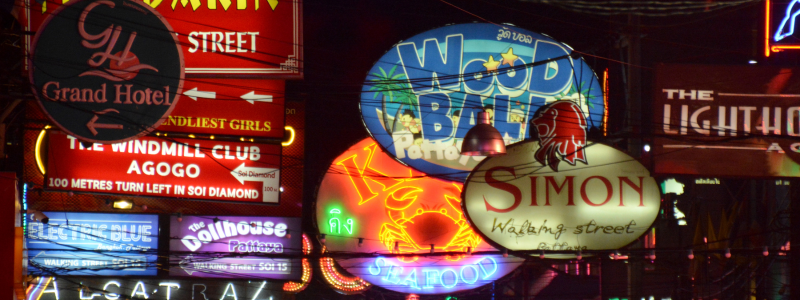
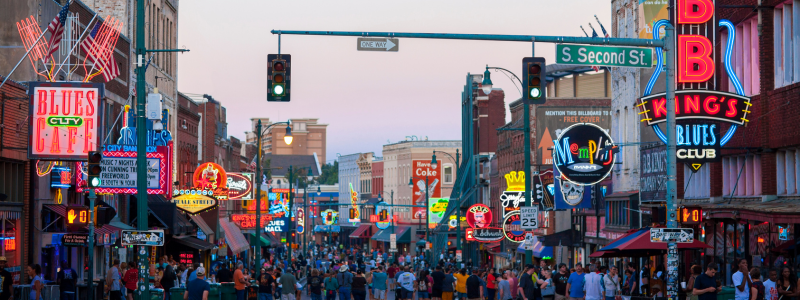
These kinds of ads are typically placed in high-traffic areas: intersections, busy streets, and public transportation areas. They can also target specific demographics.

Believe it or not, street advertising has been around for centuries.

Examples of street advertising can even be dated back to ancient Rome and the middle ages.

These messages were carved into stone and plastered on walls to promote events and public announcements. Signs were painted on the fronts of buildings to indicate the type of business being conducted inside.

In recent years, street advertising has experienced a resurgence.

Many businesses are looking for ways to reach their customers in an incredibly jumbled and cluttered media landscape.

Modern street advertising takes many forms, from traditional billboards and posters to more innovative approaches like guerrilla marketing, which relies on unconventional and often eye-catching tactics to grab people’s attention.

Advantages of Street Advertising

There are a lot of reasons why you should consider using street advertising or outdoor advertising.

One of the main advantages is that it has the potential to reach a large and diverse audience.

Street advertising can be strategically placed in high-traffic areas, such as busy streets or public transportation hubs, where it can be seen by a large number of people. This makes it an effective way to raise awareness about a brand, product, or service.

Another advantage of street advertising is its flexibility. It can be created in a variety of formats and sizes, from billboards to posters to street art, allowing for creativity and customization.

Cost-Effectiveness

Street advertising can be a cost-effective way to reach potential customers, especially compared to other forms of advertising such as television or radio ads.

Wide in Reach

Street advertising can reach a large number of people, especially in high-traffic areas. This allows businesses to promote their products or services to a wider audience.

Targets Your Audience

Street advertising can be targeted to specific neighborhoods or demographics, allowing businesses to reach the right audience with their message.

Shows Business Creativity

Street advertising offers advertisers a great deal of creative freedom, allowing them to use eye-catching graphics and slogans to capture people’s attention.

Brand Amplification

Street advertising can help build brand awareness and recognition, as people see the same message repeatedly over time.

street advertising thailand

Examples of Street Advertising

These are just a few examples of some of the successful campaigns over the past couple of decades.

Each of these campaigns used a combination of bold visuals, catchy slogans, and clever marketing strategies to capture people’s attention and build brand awareness.

  • Apple’s iPod Silhouette Ads:
    • The silhouette ads were featured against brightly colored backgrounds. These were successful in the early 2000s. The ads helped to boost sales of the popular music player and helped to establish the iPod as a cultural icon.
  • Nike’s “Just Do It” Campaign:
    • The campaign launched in 1988, is one of the most successful advertising campaigns of all time. The campaign featured bold, simple slogans and striking images of athletes in action, and helped to establish Nike as a leading brand in the athletic footwear market.
  • McDonald’s Billboards:
    • McDonald’s has had lots of success over the years with its billboard ads. These billboards have featured iconic imagery such as the Golden Arches and slogans like, “I’m Lovin’ It.” These ads have helped to establish McDonald’s as one of the most recognizable brands in the world.
  • Coca-Cola’s “Share a Coke” Campaign:
    • This Coca-Cola campaign was launched in 2011. It featured cans/bottles of Coke with people’s names printed on them. The campaign was a huge hit on social media, with people sharing photos of their personalized Coke bottles and cans.
  • Red Bull’s “Gives You Wings” Campaign:
    • Red Bull’s campaign launched in 1997 and featured extreme sports and other high-energy activities. This helped to establish Red Bull as a leading brand in the energy drink market.

Innovations in Street Advertising

These are just a few examples of the many innovations. As technology continues to evolve, we can expect to see even more exciting and creative approaches to outdoor advertising in the years to come.

  1. Digital Billboards: Digital billboards are becoming increasingly popular, allowing advertisers to display multiple ads on the same billboard and to update the content quickly and easily.
  2. Augmented Reality (AR): AR technology allows advertisers to create smart billboards – interactive and immersive experiences for consumers. For example, an ad might use AR to superimpose a virtual image over a real-world location, creating a unique and memorable experience for viewers.
  3. Guerilla Marketing: Guerilla marketing is a type of street advertising that uses unconventional and often unexpected tactics to grab people’s attention. Examples might include using chalk art on the sidewalk or placing a statue in a public space.
  4. 3-D Printing: 3-D printing technology is allowing advertisers to create unique and innovative billboards and installations that would have been impossible in the past. For example, a billboard might feature a 3D sculpture or structure that extends out from the surface of the billboard.

Street Advertising Cost vs. Other Advertising Methods

Like everything, the cost-effectiveness of street advertising will depend on different factors including the location, format, and duration of the campaign.

  • Allows Targeted Advertising: Street advertising can be targeted to specific neighborhoods or demographics, allowing businesses to reach the right audience with their message. This can help to ensure that advertising dollars are being spent effectively.
  • Lower Cost Per Impression: Street advertising can often be more cost-effective than other forms of advertising when you consider the cost per impression (the number of people who see the ad). For example, a billboard might cost a few thousand dollars per month, but it can generate hundreds of thousands of impressions during that time.
  • Has Flexibility: Street advertising can be adapted to different sizes and formats, allowing businesses to choose the most effective approach for their needs. For example, a business might start with a small-scale street art campaign and then scale up to a larger billboard campaign as the business grows.
  • Has Longevity: Street advertising can often have a longer lifespan than other forms of advertising, such as television or radio ads, which have a limited shelf life. Street ads can remain in place for months or even years, generating ongoing exposure for the business.
  • Has Buzz: Street advertising can also generate social media buzz and word-of-mouth marketing, amplifying the impact of the campaign and increasing the return on investment.

Ways of Creating An Effective Street Advertising Campaign

So you’re looking to create a street advertising campaign? Here are some things to consider. Remember, bMedia can always help with the creative process. Check out these best practices.

Define Your Business Objectives

What do you and your business want out of the campaign? Do you want to raise awareness of your brand, promote a new product, or drive sales? Knowing your objectives will help you to create a campaign that is focused and effective.

Know Your Audience

Understand your target audience and what motivates them exactly. What are their needs, interests, or desires? By using this information, you can craft a message that will really resonate with them.

Show Some Creativity

It’s all about standing out from the crowd, so be creative with your message and design. Use bold, eye-catching visuals and messages that are memorable and engaging.

Use the Right Medium

Choose the right medium for your message.

Different types of street advertising are better suited for different objectives and target audiences. Consider using a combination of mediums to maximize your impact.

Be Strategic with Placement

Placement is key here.

Choose locations that will generate high foot traffic and exposure to your target audience. You can also consider partnering with other businesses or organizations to leverage their customer base and increase exposure.

Measure The Results

Track key metrics such as foot traffic, social media engagement, and sales to determine the impact of your campaign and make adjustments as needed.

street advertising memphis

The Future of Street Advertising and Its Potential

The potential for street advertising is enormous. With the right approach, advertisers can create campaigns that are engaging, effective, and targeted. As technology continues to evolve, the possibilities for street advertising are limitless.

The future of street advertising is likely to be shaped by technological advancements and changing consumer behavior. Here are some potential trends to watch for:

  • Greater Use of Augmented Reality: Augmented reality (AR) is likely to play an increasingly important role in street advertising. AR technology can create immersive and interactive experiences for consumers, enhancing the impact of the campaign.
  • Increased Use of AI: As AI continues to evolve, street advertising campaigns will become more targeted and personalized. Advertisers will be able to use real-time data to optimize their campaigns and reach the right audience at the right time.
  • More Sustainable and Eco-Friendly Ads: As sustainability becomes a bigger concern, campaigns will become more eco-friendly. Advertisers will look for ways to minimize waste and reduce the environmental impact of their campaigns.
  • Integration with Smart Cities: As cities become smarter and more connected, street advertising will be integrated into the urban infrastructure. Advertisers will be able to leverage data from smart devices and sensors to deliver more targeted and effective campaigns.

How bMedia Can Help You In Your Street Advertising Endeavors

As a leading media business in Puerto Rico, bMedia has a mission to provide you with the best services for your street advertisements. We want to set your brand image in stone and ultimately, increase your business’s sales.

bMedia Group will provide you with innovation and quality as our strategists work hand-in-hand with you and your business through measurable and effective business solutions.

Best Way to Advertise

Marketing teams are under immense pressure to reach an ever-expanding online audience. The challenge seems impossible, but understanding the best ways to advertise and maximize your reach can make all the difference in achieving success with your campaigns. 

With the right approach, you can create an impactful campaign without spending a fortune. Whether leveraging influencers or utilizing social media ads, there are many great advertising and marketing solutions out there – but how do you know which one fits best for your business?

graphic about advertising

6 Best Ways to Advertise 

We’ve identified some of the best ways to advertise and boost visibility for your product or service. Each strategy is designed to help increase visibility, exposure, qualified leads, and conversions. Discover our top strategies for ensuring your advertisements hit their mark.

1. Leverage the Network Effect of Social Media

Social media platforms can be one of the best ways to advertise your services or products. Platforms such as Facebook, Instagram, Twitter, and LinkedIn offer a vast array of options for targeting specific demographics— which is invaluable for local businesses looking to increase sales and build brand awareness. Your marketing team stands to gain a great deal from investing some time in developing an effective digital marketing strategy on these social platforms. This component of the strategy can help you reach your target market by leveraging its network effects and algorithms. This accessible method of advertising can make a significant return on your marketing dollars and grow your customer base.

2. Optimize Search Engine Marketing

Search engine marketing can be an incredibly effective advertising method for small businesses. 

With the advantage of paid search advertisements, such as those offered through Google Ads, you can get your websites in front of potential customers fast. You’re not merely blindly advertising by using keywords and carefully selecting target audiences. Instead, you can reach customers where and when it’s most relevant to them. 

Moreover, a well-activated SEO campaign ensures that even organic results land your business higher up on the results pages, significantly expanding your website’s traffic. This relatively affordable form of marketing provides unparalleled opportunities for any size business to increase website visibility and draw more traffic to its value proposition.

3. Embrace Influencer Marketing

Partnering with influencers in your niche is a great way to increase the visibility of your business and gain exposure to an audience that is ready to engage. 

Influencer marketing is highly compelling thanks to the trust influencers have built with their followers, so you can be sure that when they share your message, the engagement rate will be high. This strategy helps introduce your business to new audiences who may not have otherwise been aware of you, making it essential for driving growth and generating leads. Moreover, working with influencers can provide a massive boost to brand awareness that can’t easily be achieved through traditional marketing tactics.

billboard advertisements

4. Scale Your Content Marketing Efforts

Content marketing is essential for any successful business today— especially when it comes to raising brand awareness. 

By creating and sharing valuable and informative content, such as blog posts, infographics, and videos, your business can gain visibility and attract potential customers to your solution. Engaging content promotes brand awareness while providing helpful information that many of your readers may not already know. It’s critical to make sure this content is tailored to your target audience to maximize its effectiveness. Besides helping build relationships with potential clients, creating valuable content also leads to increased viewership, improved SEO rankings, and more sales opportunities – thus driving traffic from marketing leads into your sales pipeline.

5. Boost Your Marketing Strategy With Billboards

Traditional advertising methods, such as print ads, billboards, and local events, are sometimes overlooked when it comes to marketing for small businesses— especially in today’s overwhelmingly digital age. 

However, these methods can still be quite effective in reaching a targeted audience. Traditional advertising is an excellent component of a comprehensive and well-rounded marketing plan when combined with digital strategies. By adopting both conventional and digital approaches to their marketing efforts, small businesses have the potential to maximize the visibility of their brand while staying efficient with their budget.

Outdoor media, such as billboard advertisements, can enhance your reach significantly and captivate your target audience visually. 

A Nielsen study shows that 55% of people were highly engaged with a digital billboard ad’s message– showing its value in connecting audiences with brands. The billboard strategy can effectively reach more extensive and geographically diverse audiences, giving your business greater control over where you put your advertising dollar. Billboard advertising also has a longer lifespan than other forms of advertising and works by creating repetition, providing potential customers time to view and become familiar with the brand over time. 

Personally, we know that billboard advertising is the best way to advertise (and always has been), but we’re a bit biased.

6. Develop Email Marketing Sequences Built for Conversion

Email marketing is an invaluable tool for small businesses to build and maintain customer relationships. 

Regularly cultivating an email list with newsletters, promotions, and other pertinent content can create long-term loyalty with prospects and potential clients. Moreover, it’s essential to automate and measure the success of your email campaigns. Using analytics, you can determine who opened your emails and access key performance indicators such as clickthrough rates or subscription numbers. With these results in hand, you have data-driven insights that can help you optimize your time and money-saving strategy for your email marketing efforts.

bmedia billboard advertising

Advertising With bMedia

Adopting a savvy advertising strategy can be the difference between success and failure in Puerto Rico’s competitive market

By focusing on some of these best ways to advertise and increase your reach— from leveraging the network effect of social media to scaling content marketing efforts— you can ensure greater success for your marketing strategy. 

It’s also worth considering tactics such as billboards and email sequences to help boost your overall efforts. 

Given each of these strategies has its own benefits, it can take some trial and error before you find the right combination for your business needs. But it’s worth investing time and money to explore your various advertising options. With enough marketing knowledge and understanding under your belt, you can put yourself well ahead of competitors using creative advertising strategies that yield substantial results for growing your marketing reach.

bMedia can help give you that advantage

Contact Us today.

Types of Advertising Media

What types of advertising media are available to business owners with a message or brand to share with the world?

That is a question almost every company must ask if they want to gain market share, social proof, client testimonials, or other positive outcomes. Why are these essential to success? Once business operators understand the various types of advertising media and how each format can drive clients to their company, they will be able to spur growth in ways they had only once dreamed of.

types of media

6 Types of Advertising Media for Every Business

Selecting the types of advertising media is an art and a science. Most companies benefit from a combination of two or more means of spreading the word about their services or products.

That thought can seem overwhelming; however, the expert team at bMedia can help guide you through the process. We can ensure that you are spending every penny in a way that will maximize your return.

Here are six types of advertising media to consider and the pros and cons of each:

#1 – Video advertising (television and digital)

Modern-era video advertising comes in two primary formats: traditional television via cable, satellite, or over-the-air broadcast or digital. Digital includes YouTube and other online video providers. You generally reach people inside their homes.

Television is compelling for many people who find themselves wrapped up in the plots of dramatic and comedy series or the battle on a sports field as they cheer for their favorite teams. During the paid commercial breaks, television advertising reaches a captive audience waiting to continue their favorite programming.

Most homes today have at least one television – many have two or more! Some households keep their televisions on for several hours per day.

However, the number of hours traditional television viewers watch is on the decline due to increased subscriptions to streaming services and internet media like YouTube.

Unlike your national television channels, YouTube enjoys a global audience – meaning that you can sell your service or product worldwide. Their audience is engaged and includes over 2.6 billion monthly users.

What does this mean for companies interested in these types of advertising media?

It could suggest the need to balance the pros and cons of traditional versus digital offerings.

For example, a local eatery would not benefit from a global audience. Conversely, a retailer who can ship worldwide must remember that not all households in Puerto Rico have internet access if they hope to capture local audiences.

#2 – Mass print media publications

Mass print media publications are printed materials, specifically:

  • Newspapers
  • Printed magazines
  • Catalogs
  • Professional journals
  • Mass mailings, such as postcards, flyers, circulars

People are visual creatures, and a beautiful print ad can be a powerful statement.

Furthermore, print media publications can target the particular demographics who might be the most interested in your offerings. Local newspapers can help you reach people within a single city or region, while magazines and journals leave an impression on people who share interests or careers. They also have a longer shelf life than digital offerings, with people saving them to refer back to or re-read later.

Mailed-out printed materials are excellent for promoting your brand, targeting leads within a specific geographic area, and creating local visibility.

However, some print media, especially newspapers, are currently experiencing declines in readership. Although many news organizations are remaking themselves to compete digitally, they have been slow to meet this demand and face steep online competition.

What does this mean to those interested in these types of advertising media?

Similar to the conversion from television to internet viewing, a balanced approach, or careful consideration of the goals of your campaign, is necessary when investing in the different types of print advertising media.

#3 – Digital publications

Digital publications are the next incarnation of print media. As homes in Puerto Rico gain internet access, this trend continues to gain steam. Many of your favorite traditional print magazines and journals now offer the digital format for subscribers to carry on their phones or tablets. This method is very convenient for many people.

However, the impressions made on digital media are fleeting; images disappear as users scroll quickly and hop from one platform or website to the next.

What does this mean to brands interested in these types of advertising media?

A blend of digital publications and other media is usually the best option.

social media advertising

#4 – Social media

Almost everyone who has internet access enjoys engaging on social media. It offers an excellent means of reconnecting with family and friends and sharing updates about life.

As one of the fastest-growing types of advertising media, it offers many benefits: affordability, the ability to target prospects based on interests, location, age, or other categories, and rolling out a promotion or making changes to an existing offer with a few swipes and clicks.

However, its affordability means that it is a highly competitive environment, so advertisers must invest in creating the best, most compelling content to captivate users and hold their interest.

What does that mean for businesses interested in these types of advertising?

For your social media marketing to be successful, you must differentiate yourself from the pack – no easy task. It is worth a try, but you should probably also invest in other media. (Don’t worry, bMedia professionals can help you with this!)

#5 – Audio advertising (radio, digital subscriptions, and podcasts)

Audio advertising includes over-the-airwave radio, digital radio channel subscribers, and, most recently, podcasts. Audio formats are accessible to almost everyone – even those who might not have a television or internet. Also, hearing an advertising message several times creates a lasting impression.

However, audio audiences often engage in more than one task at a time. They might be in a car, at the gym, or in their office with a primary focus on other tasks. To make an impression, you need a musical, lyrical, catchy jingle or strong voice to compel listeners to remember your message.

What does that mean for people interested in these types of advertising media?

You have the opportunity to reach people who might not have internet or television; however, you must carefully balance this option with other media.

#6 – Out-of-home advertising

Out-of-home refers to several types of advertising media that reach people as they travel from place to place. They can include banners, blimps, stationary billboards, digital billboards, lawn signs, bumper stickers, videos on fuel pumps, or even skywriting.

These media formats can be affordable and reach a mass and diverse audience. They can be beautiful, visually appealing, and make an excellent and memorable impression.

However, they are less targeted – you cannot segment who will view the message. Therefore, creating an emotional connection that will compel a consumer response is more challenging. That does not mean it is ineffective. For instance, a billboard for a surf shop a block from the beach will catch the eye of thousands of people in the neighborhood.

What does that mean for those interested in these types of advertising media?

If you want to reach large numbers of people, carefully plan the kind of out-of-home advertising – what it will look like and where you will place it – with the bMedia team.

billboard advertising

The Types of Advertising Media You Choose Take Careful Planning

Before you invest your dollars in any advertising media in Puerto Rico, connect with bMedia.

Our strategists can guide you in outdoor advertising and help you craft the most effective advertising campaigns to exceed your wildest dreams.

Creative Outdoor Advertising

Creative outdoor advertising is something almost everyone is subjected to seeing on a daily basis. There’s advertising on billboards, bus stop benches, etc. – it’s hard to miss. There’s a reason so many companies choose out-of-home advertising – it works. It’s been reported that about 29 billion dollars are spent on outdoor advertising each year.

Everyone has seen an outdoor advertisement, whether they recognize it or not. Think about some particular ones that stuck with you. Is it the McDonald’s billboards with the slogan, “I’m lovin’ it” on them? Or maybe the local law firm ad you’ve caught on the back of a bus?

Whatever the product or service is, the content of the advertisement becomes more memorable when you use creative ideas to grab the consumers’ attention. That’s why we feel it’s important to discuss creative outdoor advertising ideas.

Everything you present in an outdoor advertisement, from font to background to color, all affect the consumers’ reaction to your ad. Make the most out of your creative outdoor advertising campaign by using innovative ideas to maximize consumer engagement.

Creative Outdoor Advertising

Different Types of Creative Outdoors Advertising

One of the main objectives of Outdoor advertising is to promote your product in specific geographic areas. Types of outdoor advertising include:

  • Billboard
  • Lamp Post
  • Bridge
  • Guerilla Advertising
  • Point of Sale
  • Transit
  • Retail
  • Stunt Advertising

Creativity in designing and developing an outdoor advertising campaign is essential to create an impression on the public.

The more attention and identification people feel with your advertising, the more effect it will have on them, bringing you closer to achieving your campaign objectives.

How to Be Creative With Outdoor Advertising

So you’ve recently purchased some time to showcase your product on a billboard. There are millions of ways to go about advertising your product/service, but you want to get through to the largest audience possible.

A multitude of things need to be taken into consideration when deciding what exactly to put on your billboard, including:

  • Font
  • Background
  • Content
  • Color

By considering all these factors, you can create the optimal billboard to engage the consumer.

Here are some of our top tips for you to keep in mind when creating your campaign.

How to Be Creative With Outdoor Advertising

Using the Right Font

Font, or typography, is the style, appearance, or arrangement of typeset matter. There are key factors examined when studying typography, some being:

  • Size
  • Spacing
  • Construction of individual letters

There have been numerous studies on people’s reactions to the font. Some, like Comic Sans, are often completely ignored by consumers. Others, like Baskerville or Georgia, are known to be more aesthetically pleasing to people, and therefore lead to a more positive reaction. The consensus is that Baskerville, Times New Roman, or Georgia are some of the best fonts to use in an advertisement. The reason these are used heavily is that they are easy to read and pleasing to the eye.  But that doesn’t mean your ad has to use these fonts.

Grabbing the consumers’ attention is the driving idea behind a billboard. Consider using other, more bodacious fonts that capture the consumer’s eye. Be mindful of the readability and overall pleasantness of your font, but don’t be afraid to switch it up. Perfecting your font can help convey a powerful message. 

Picking a Background

As stated above, you ultimately want your billboard to be noticed. Several words on a white background can work, but they won’t be as noticeable or memorable as other advertisements.

Contemplate using things like a picture of your product or staff to form a bond with the consumer. If advertising for a restaurant, display a picture of the food. When advertising for a hospital, consider using a picture of the staff.

 You could also try using an aesthetically pleasing image that relates to your product. Consumers will then associate that pleasantness with your company. Examples could be:

  • An image of an open road for a motorcycle manufacturer.
  • A picture of a snow-capped mountaintop for a ski resort.

The background of your billboard should be able to capture the audience’s attention while also maintaining a friendly look. Make it too visceral, and people will look away; make it too boring, and people will never look in the first place. Consumers are more likely to notice a billboard with a captivating image.

Choosing the Right Color

Color plays an enormous part in advertising. Some colors are associated with harshness; others are soothing. Picking the right color for your font and background is instrumental in coordinating a successful ad campaign.

Colors can convey emotion without people realizing it. The science of color, or color psychology, is the study of how color affects the human brain. Marketing companies across the globe use color psychology to create the most effective advertisements.

It’s been reported that 93 percent of consumers center their attention on visual appearance when considering buying a product. The same goes for creative outdoor advertisements. Making a billboard visually appealing leads to higher consumer engagement.

Each color imparts a different emotional response from people.

  • Red: Elicits strong emotions and reactions. Associated with love, but also with danger.
  • Orange: Energetic and lively color. Good for bringing attention to an advertisement.
  • Yellow: Evokes feelings of happiness and energy.
  • Green: Associated with health and nature. Can have a calming, honest effect on an ad.
  • Blue: Promotes seriousness and trustworthiness.
  • Purple: The color of royalty. Consumers often associate with luxury and elegance.

Notice how almost all McDonald’s billboards use the color red. Yes, it is one of the company colors, but red captures eyes better than other colors.

Curating the Content

Using the techniques above to perfect color, font, and the background will help you to get and keep your audience’s attention. But if the content underneath isn’t up to par, people will forget it.  In order to craft the right message, you have to consider what your product or service is. If you have a serious message you want to get out, don’t use jokes. Adversely, if your product is not too serious, think about keeping it light-hearted and playful.

Many companies use jokes or puns to convey a feeling of friendliness with the consumer. This can lead to brand loyalty. Other companies will try to tug at the heartstrings and elicit an emotional connection. Ads like these can often increase response from consumers. 

The amount of content needs to be treated with the same veracity as the quality. A billboard should be a quick read. Too long and you run the risk of consumers simply not having the time to read it. Keep your message to about seven words or lower, and don’t use lengthy, hard-to-read terms.