In the world of advertising, there’s an old saying that stands the test of time: “Out of sight, out of mind.” This principle drives the importance of staying visible to your potential customers, and what better way to do so than through a strategic billboard marketing campaign? As a leading provider of outdoor media solutions in Puerto Rico, bMedia Group presents this comprehensive guide to help you create an effective billboard marketing strategy.
Understanding Billboard Advertising
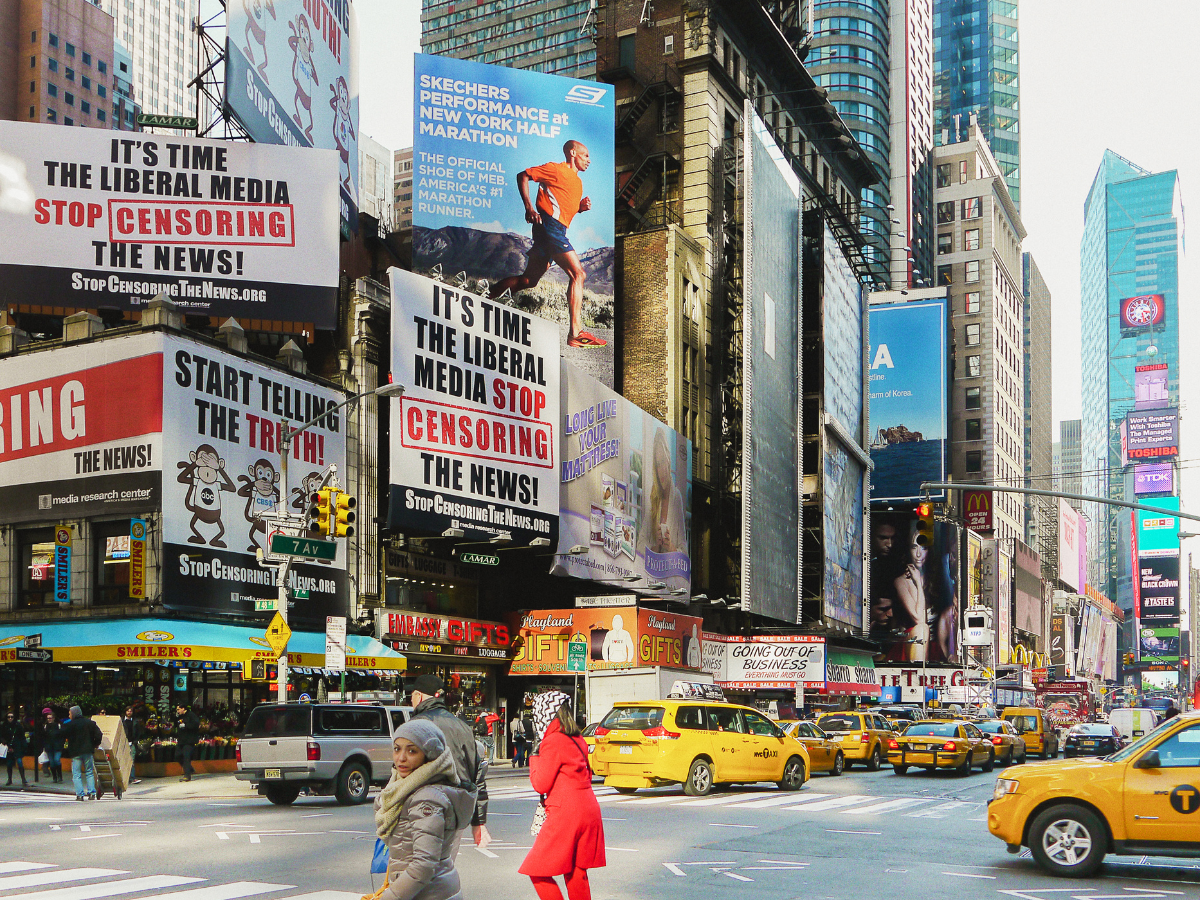
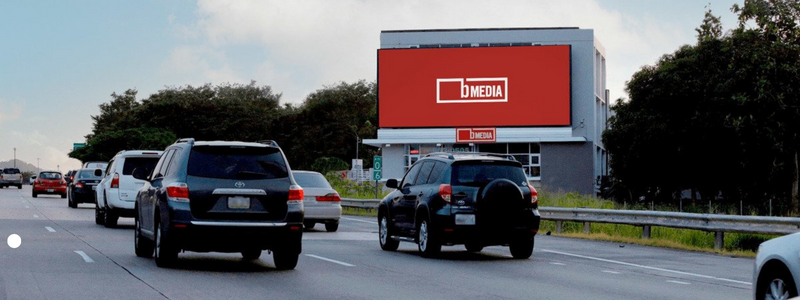
Billboard advertising is a form of outdoor advertising that provides large-scale promotions usually along highways, busy streets, and other prominent locations. This visibility makes them an excellent way to get your brand noticed.
Cost-Effective: When calculated per impression, billboards can be more cost-effective than other forms of advertising.
Brand Awareness: They’re ideal for boosting brand visibility and building brand identity.
Crafting Your Billboard Marketing Strategy
Crafting an effective billboard marketing strategy involves careful planning, creativity, and understanding of your target audience.
Here are some key steps to follow:
Define Your Goals
First, define what you want to achieve with your billboard advertising. Your goal could be increasing brand awareness, promoting a new product or service, or reaching a new audience segment.
Identify Your Audience
Understanding who your target audience is will dictate where you should place your billboards for maximum visibility. Consider demographics like age, occupation, income level, and interests.
Design Your Message
Less is more when it comes to billboard design. The average viewing time is about 5-10 seconds, so keep your message short, compelling, and easy to understand. Need some inspiration with your overall design? Here are some best practices.
Choose Your Locations
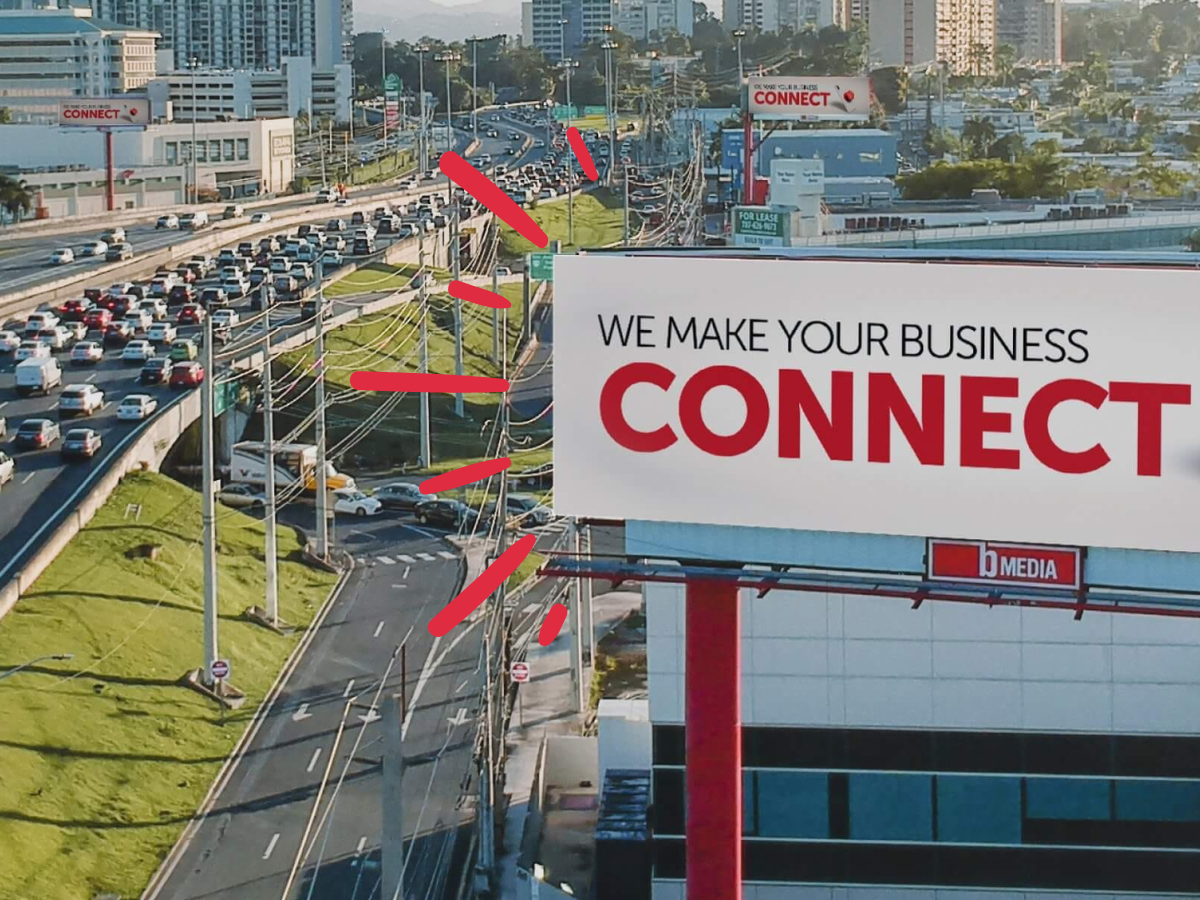
Location is critical in billboard advertising. Pick high-traffic areas where your target audience frequently passes by. For maximum exposure in Puerto Rico, bMedia Group offers a wide range of prime locations.
Set a Budget
The cost of billboard advertising can vary based on the size, location, and duration of the ad. Define your budget in advance and consult with your outdoor media provider to find options that suit your financial plan.
Integrating Billboard Advertising Into Your Marketing Strategy
Billboard advertising should not stand alone but rather be integrated into your overall marketing strategy.
Here’s how you can achieve that:
Consistency is Key: Your billboards should reflect the same message and branding as your other marketing channels.
Drive Online Engagement: Use your billboard to drive traffic to your website or social media platforms. This could be through a call-to-action, a scannable QR code, or mentioning a hashtag.
Track Your Performance: Utilize tracking methods, like unique URLs or promotional codes, to measure the success of your billboard campaigns.
Billboard Advertising with bMedia
In today’s fast-paced digital world, the value of physical advertising channels like billboards can be overlooked. However, a well-executed billboard marketing strategy can deliver significant value to businesses. Whether you’re a local business in Puerto Rico or a multinational corporation, bMedia Group offers the experience and coverage to help your brand make a lasting impression.
Billboards have been a staple of the advertising industry for decades and for good reason. They offer unique advantages and stand tall as an iconic form of advertising. We will explore the purpose of billboards and how they can effectively boost your brand’s visibility and reach.
There are many reasons why billboards are worth considering for your marketing campaigns. Remember, billboards are not just advertising; they are powerful canvases that allow your brand to connect with people in a meaningful and unforgettable way.
You may be wondering “Why should I choose billboard advertising?” Billboard marketing offers numerous benefits that can significantly impact your brand’s visibility, reach, and overall marketing success. This type of marketing provides an excellent opportunity to reach a wide audience, make a lasting visual impact, and reinforce your brand’s presence in a non-intrusive manner.
Put Your Ads In Front Of Eyes: Billboards are impossible to miss. Placed in high-traffic areas, they capture the attention of both pedestrians and drivers, making a lasting impression on your target audience.
Broad Reach: Our extensive network of billboards ensures that your message reaches a wide audience across Puerto Rico. From bustling city centers to scenic highways, our billboards are strategically located to maximize exposure.
Constant Presence: Unlike other forms of advertising that come and go, billboards are always there. Rain or shine, day or night, they work around the clock to showcase your brand and message.
Creativity Unleashed: With billboards, you can unleash your creativity. From stunning visuals to catchy slogans, you can craft a captivating message that sticks in the minds of passersby.
Unparalleled Visibility: In a world of constant digital noise, billboards provide a refreshing break. They offer a physical presence that cannot be blocked, skipped, or ignored. Your message stands tall, capturing attention and creating brand awareness.
Targeted Advertising: With our wide selection of billboard formats, you can target specific locations and demographics. Whether you want to reach urban commuters, vacationers along the coast, or locals in residential areas, we have the perfect billboard for your needs.
Digital Billboard Advertising: Our digital billboards take advertising to the next level. With vibrant displays, dynamic content, and eye-catching animations, you can showcase your brand in a captivating way that demands attention.
Billboard Advertising Effectiveness: Studies have shown that billboards consistently generate brand awareness and drive action. According to the Outdoor Advertising Association of America, 71% of people often look at billboards, and 26% have noted a phone number or website address from an outdoor ad.
Unleash Your Advertising Potential with bMedia
At bMedia, we go beyond traditional billboards. Our spectaculars, strategically placed in landmark locations, create unforgettable brand experiences. We also offer unique advertising opportunities, including medical office advertisements, restroom advertisements, and gas station advertisements.
Medical Office Advertisements
Reach a captive audience: Target patients and visitors in medical offices, clinics, and hospitals.
Enhance brand reputation: Position your brand alongside trusted healthcare providers.
Drive targeted leads: Connect with potential customers in a contextually relevant environment.
Restroom Advertisements
Engage a captive audience: Advertise to a highly engaged audience in a relaxed and attentive state.
Maximize ad exposure: With limited distractions, your message will be front and center.
Amplify brand visibility: Create a memorable experience that resonates with restroom visitors.
Gas Station Advertisements
Capture a captive audience: Connect with drivers during their fueling stops.
Boost local visibility: Target consumers in specific geographic areas.
Drive immediate action: Encourage impulse purchases and promote special offers.
The bMedia Advantage: Your Partner in Outdoor Advertising
In the vibrant world of outdoor advertising, bMedia is your trusted partner.
We understand the unique challenges and opportunities that Puerto Rico presents, and we are committed to helping your brand make a significant impact. With over 500 billboard locations strategically positioned across the island, we offer unparalleled reach and exposure. We offer multiple high-impact advertising options from dynamic digital billboards to spectaculars in iconic locations, we provide a range of formats that make a lasting impact.
Whether you’re aiming for a specific demographic or geographic area, our diverse options allow you to tailor your message to the right audience, and our team of experienced professionals will guide you through the entire process, from campaign planning to execution, ensuring maximum effectiveness. With billboards as your canvas, you can let your creativity shine. We’ll help you craft eye-catching visuals and compelling messages that resonate with your target audience.
Measuring Success: Tracking the Impact of Your Billboard Campaigns
At bMedia, we believe in the power of data-driven decision-making. That’s why we offer comprehensive tracking and reporting services to measure the success of your billboard campaigns. By analyzing key performance indicators such as impressions, reach, and engagement, we provide valuable insights that help you refine your strategies and optimize your advertising efforts.
Our advanced analytics tools enable you to understand the effectiveness of your campaigns, identify trends, and make informed decisions for future marketing initiatives. With bMedia, you’ll have the data you need to evaluate the ROI of your billboard advertising and drive continuous improvement.
Ready to Make Waves in Puerto Rico?
If you’re ready to make a splash in Puerto Rico’s advertising landscape, bMedia is here to help.
Our extensive network of billboards, spectaculars, and specialized advertising avenues will ensure that your brand gets noticed. Reach out to us today and let’s embark on an exciting journey together. Don’t miss the chance to elevate your brand with our dynamic billboards and innovative advertising solutions. Let us take your outdoor advertising campaigns to new heights and watch your brand shine in the hearts and minds of the Puerto Rican audience.
Billboard advertising has long been a staple of marketing campaigns across a variety of industries. From promoting products to increasing brand awareness, billboards have proven to be an effective way to reach a broad audience. However, while many people believe that billboard advertising only works on a conscious level, there is a growing body of evidence that suggests that subconscious advertising is just as effective, if not more so.
In this blog post, we will explore the different techniques used in subconscious advertising in billboard marketing, the reasons why it is so effective, and the impact it has on consumers.
What is Subconscious Advertising?
Subconscious advertising is a marketing technique that relies on appealing to the subconscious mind of the consumer.
This type of advertising targets the parts of the brain that are responsible for decision-making, emotion, and memory. By using visual cues and other stimuli, subconscious advertising can influence a person’s behavior and decision-making without them even realizing it.
One of the key ways that subconscious advertising works is through the use of cognitive priming.
Priming is a psychological concept that refers to the process of influencing a person’s behavior by exposing them to certain stimuli.
In the case of subconscious advertising, the stimuli are often visual cues, such as colors, symbols, or images. These stimuli can trigger certain associations or emotions in the subconscious mind of the consumer, which can then influence their behavior.
For example, a billboard advertising a luxury car might use images of a sleek, shiny car and a well-dressed model standing next to it.
The use of these visual cues can trigger associations with wealth, success, and status in the subconscious mind of the viewer, which can then influence their desire to purchase the car.
Another way that subconscious advertising works is through emotional appeals.
Emotions play a powerful role in decision-making, and advertisers often use emotional appeals to trigger certain feelings or associations in the minds of consumers.
For example, a billboard advertising a soft drink might use bright, vibrant colors and images of happy, carefree people enjoying the drink.
The use of these visual cues can trigger positive emotions like happiness and joy in the subconscious mind of the viewer, which can then influence their desire to purchase the product.
Examples of Subconscious Advertising
There are many examples of successful subconscious advertising campaigns in billboard marketing. One such campaign was the “Think Different” campaign by Apple in the late 1990s. The campaign featured black-and-white images of famous historical figures like Albert Einstein and Mahatma Gandhi, along with the tagline “Think Different.”
The campaign was designed to associate Apple with innovation and creativity, and the use of historical figures helped to establish a sense of authority and credibility.
Another successful subconscious advertising campaign was the “Share a Coke” campaign by Coca-Cola in 2011. The campaign featured personalized Coca-Cola bottles with the names of various individuals printed on them. The campaign was designed to encourage people to share the drink with others and to associate Coca-Cola with positive emotions like friendship and connection.
Subconscious Advertising in Billboard Marketing
There are several techniques used in subconscious advertising in billboard marketing. These techniques are effective in grabbing a viewer’s attention and creating a subconscious association with the product or service being advertised.
Colors
One of the most common techniques is the use of color psychology. Colors have a powerful effect on the subconscious mind, and advertisers often use specific colors to evoke certain emotions or associations in the minds of consumers.
For example, the color red is often used in advertising to create a sense of urgency or excitement. This is why many fast-food chains use red in their branding and advertising. Blue, on the other hand, is often associated with calmness and trust, which is why many financial institutions use blue in their branding and advertising.
Repetition
Another common technique used in subconscious advertising is repetition.
Repetition can help to reinforce certain associations or messages in the minds of consumers.
For example, a billboard advertising a new product might feature the same product image or slogan repeatedly, which can help to build brand recognition and familiarity over time.
Symbolism
Symbolism is another powerful tool used in subconscious advertising.
Symbols can trigger associations or emotions in the subconscious mind of the consumer, even if they are not consciously aware of it.
For example, the Nike swoosh symbol is widely recognized as a symbol of athleticism and determination, and the symbol alone can evoke these emotions in the minds of viewers.
Association
Subconscious association in advertising refers to the practice of creating a positive association between a product or service and certain emotions, values, or experiences that the advertiser believes will resonate with the target audience.
By doing so, the advertiser aims to create a subtle, subconscious connection between the product or service and the desired emotions or experiences in the viewer’s mind, even if the viewer is not consciously aware of it.
Impact of Subconscious Advertising on Consumers
While subconscious advertising can be an effective tool for marketers, it also raises ethical concerns.
Many people argue that consumers should be able to make informed decisions based on rational thinking and not be manipulated by subconscious cues or emotions.
However, it is also important to acknowledge the impact that subconscious advertising can have on consumer behavior and decision-making. Studies have shown that subconscious advertising can influence everything from product preferences to political beliefs.
Consumers can protect themselves from the influence of subconscious advertising by becoming more aware of the techniques used in advertising and by being mindful of their own emotional responses. By paying attention to the visual cues and messaging in advertising, consumers can make more informed decisions about the products they buy and the brands they support.
Subconscious advertising in billboard marketing can be a powerful tool to can influence consumers in ways they may not even realize. By understanding the techniques used in subconscious advertising and the impact it can have on consumers, individuals can make more informed decisions about the products they buy and the marketing they are exposed to.
As consumers, it is important to be aware of the tactics used in advertising and to be mindful of our own emotional responses in order to make rational and informed decisions.
bMedia: The Experts in Advertising
bMedia Group is a renowned advertising company that has established itself as a leader in the advertising industry. We offer a wide range of advertising solutions to our clients, ranging from traditional to digital advertising.
One of the key reasons why bMedia is considered a leader in advertising is our expertise in creating highly-targeted and effective advertising campaigns. The company has a deep understanding of consumer behavior and uses this knowledge to create advertising campaigns that resonate with the target audience. This approach has led to the creation of highly successful campaigns for a range of clients across different industries.
In addition to our expertise in creating effective advertising campaigns, bMedia also has a strong focus on innovation. We are constantly exploring new technologies and advertising platforms to ensure that our clients stay ahead of the curve. This approach has led to the development of innovative advertising solutions, such as augmented reality advertising and programmatic advertising.
When it comes to ways to advertise, bMedia Group offers a wide range of options to our clients. Some of the traditional advertising options include billboards, bus shelters, and transit advertising. These options are highly effective for creating brand awareness and reaching a large audience.
Today’s world of technology has made avoiding advertisements very easy. With DVRS and personal music devices, the old ways of reaching an audience through advertisements are changing. When marketing in the current media climate, you’ve got to present your advertisements in creative, out-of-the-box ways.
The good news: street advertising is a great way to reach your audience and has a great success story.
Street advertising will help you capitalize on reaching your ever-moving customer base.
Let’s dive into this and what it can do for your business.
What is Street Advertising?
Street advertising refers to the practice of using outdoor advertising methods such as billboards, posters, stickers, and murals to promote products, services, or events.
This type of advertising takes many forms; from large-scale billboards to posters and stickers.
These kinds of ads are typically placed in high-traffic areas: intersections, busy streets, and public transportation areas. They can also target specific demographics.
Believe it or not, street advertising has been around for centuries.
These messages were carved into stone and plastered on walls to promote events and public announcements. Signs were painted on the fronts of buildings to indicate the type of business being conducted inside.
Many businesses are looking for ways to reach their customers in an incredibly jumbled and cluttered media landscape.
Modern street advertising takes many forms, from traditional billboards and posters to more innovative approaches like guerrilla marketing, which relies on unconventional and often eye-catching tactics to grab people’s attention.
Advantages of Street Advertising
There are a lot of reasons why you should consider using street advertising or outdoor advertising.
One of the main advantages is that it has the potential to reach a large and diverse audience.
Street advertising can be strategically placed in high-traffic areas, such as busy streets or public transportation hubs, where it can be seen by a large number of people. This makes it an effective way to raise awareness about a brand, product, or service.
Another advantage of street advertising is its flexibility. It can be created in a variety of formats and sizes, from billboards to posters to street art, allowing for creativity and customization.
Cost-Effectiveness
Street advertising can be a cost-effective way to reach potential customers, especially compared to other forms of advertising such as television or radio ads.
Wide in Reach
Street advertising can reach a large number of people, especially in high-traffic areas. This allows businesses to promote their products or services to a wider audience.
Targets Your Audience
Street advertising can be targeted to specific neighborhoods or demographics, allowing businesses to reach the right audience with their message.
Shows Business Creativity
Street advertising offers advertisers a great deal of creative freedom, allowing them to use eye-catching graphics and slogans to capture people’s attention.
Brand Amplification
Street advertising can help build brand awareness and recognition, as people see the same message repeatedly over time.
Examples of Street Advertising
These are just a few examples of some of the successful campaigns over the past couple of decades.
Each of these campaigns used a combination of bold visuals, catchy slogans, and clever marketing strategies to capture people’s attention and build brand awareness.
Apple’s iPod Silhouette Ads:
The silhouette ads were featured against brightly colored backgrounds. These were successful in the early 2000s. The ads helped to boost sales of the popular music player and helped to establish the iPod as a cultural icon.
Nike’s “Just Do It” Campaign:
The campaign launched in 1988, is one of the most successful advertising campaigns of all time. The campaign featured bold, simple slogans and striking images of athletes in action, and helped to establish Nike as a leading brand in the athletic footwear market.
McDonald’s Billboards:
McDonald’s has had lots of success over the years with its billboard ads. These billboards have featured iconic imagery such as the Golden Arches and slogans like, “I’m Lovin’ It.” These ads have helped to establish McDonald’s as one of the most recognizable brands in the world.
Coca-Cola’s “Share a Coke” Campaign:
This Coca-Cola campaign was launched in 2011. It featured cans/bottles of Coke with people’s names printed on them. The campaign was a huge hit on social media, with people sharing photos of their personalized Coke bottles and cans.
Red Bull’s “Gives You Wings” Campaign:
Red Bull’s campaign launched in 1997 and featured extreme sports and other high-energy activities. This helped to establish Red Bull as a leading brand in the energy drink market.
Innovations in Street Advertising
These are just a few examples of the many innovations. As technology continues to evolve, we can expect to see even more exciting and creative approaches to outdoor advertising in the years to come.
Digital Billboards: Digital billboards are becoming increasingly popular, allowing advertisers to display multiple ads on the same billboard and to update the content quickly and easily.
Augmented Reality (AR): AR technology allows advertisers to create smart billboards – interactive and immersive experiences for consumers. For example, an ad might use AR to superimpose a virtual image over a real-world location, creating a unique and memorable experience for viewers.
Guerilla Marketing: Guerilla marketing is a type of street advertising that uses unconventional and often unexpected tactics to grab people’s attention. Examples might include using chalk art on the sidewalk or placing a statue in a public space.
3-D Printing: 3-D printing technology is allowing advertisers to create unique and innovative billboards and installations that would have been impossible in the past. For example, a billboard might feature a 3D sculpture or structure that extends out from the surface of the billboard.
Street Advertising Cost vs. Other Advertising Methods
Like everything, the cost-effectiveness of street advertising will depend on different factors including the location, format, and duration of the campaign.
Allows Targeted Advertising: Street advertising can be targeted to specific neighborhoods or demographics, allowing businesses to reach the right audience with their message. This can help to ensure that advertising dollars are being spent effectively.
Lower Cost Per Impression: Street advertising can often be more cost-effective than other forms of advertising when you consider the cost per impression (the number of people who see the ad). For example, a billboard might cost a few thousand dollars per month, but it can generate hundreds of thousands of impressions during that time.
Has Flexibility: Street advertising can be adapted to different sizes and formats, allowing businesses to choose the most effective approach for their needs. For example, a business might start with a small-scale street art campaign and then scale up to a larger billboard campaign as the business grows.
Has Longevity: Street advertising can often have a longer lifespan than other forms of advertising, such as television or radio ads, which have a limited shelf life. Street ads can remain in place for months or even years, generating ongoing exposure for the business.
Has Buzz: Street advertising can also generate social media buzz and word-of-mouth marketing, amplifying the impact of the campaign and increasing the return on investment.
Ways of Creating An Effective Street Advertising Campaign
So you’re looking to create a street advertising campaign? Here are some things to consider. Remember, bMedia can always help with the creative process. Check out these best practices.
Define Your Business Objectives
What do you and your business want out of the campaign? Do you want to raise awareness of your brand, promote a new product, or drive sales? Knowing your objectives will help you to create a campaign that is focused and effective.
Know Your Audience
Understand your target audience and what motivates them exactly. What are their needs, interests, or desires? By using this information, you can craft a message that will really resonate with them.
Show Some Creativity
It’s all about standing out from the crowd, so be creative with your message and design. Use bold, eye-catching visuals and messages that are memorable and engaging.
Use the Right Medium
Choose the right medium for your message.
Different types of street advertising are better suited for different objectives and target audiences. Consider using a combination of mediums to maximize your impact.
Be Strategic with Placement
Placement is key here.
Choose locations that will generate high foot traffic and exposure to your target audience. You can also consider partnering with other businesses or organizations to leverage their customer base and increase exposure.
Measure The Results
Track key metrics such as foot traffic, social media engagement, and sales to determine the impact of your campaign and make adjustments as needed.
The Future of Street Advertising and Its Potential
The potential for street advertising is enormous. With the right approach, advertisers can create campaigns that are engaging, effective, and targeted. As technology continues to evolve, the possibilities for street advertising are limitless.
The future of street advertising is likely to be shaped by technological advancements and changing consumer behavior. Here are some potential trends to watch for:
Greater Use of Augmented Reality: Augmented reality (AR) is likely to play an increasingly important role in street advertising. AR technology can create immersive and interactive experiences for consumers, enhancing the impact of the campaign.
Increased Use of AI: As AI continues to evolve, street advertising campaigns will become more targeted and personalized. Advertisers will be able to use real-time data to optimize their campaigns and reach the right audience at the right time.
More Sustainable and Eco-Friendly Ads: As sustainability becomes a bigger concern, campaigns will become more eco-friendly. Advertisers will look for ways to minimize waste and reduce the environmental impact of their campaigns.
Integration with Smart Cities: As cities become smarter and more connected, street advertising will be integrated into the urban infrastructure. Advertisers will be able to leverage data from smart devices and sensors to deliver more targeted and effective campaigns.
How bMedia Can Help You In Your Street Advertising Endeavors
As a leading media business in Puerto Rico, bMedia has a mission to provide you with the best services for your street advertisements. We want to set your brand image in stone and ultimately, increase your business’s sales.
bMedia Group will provide you with innovation and quality as our strategists work hand-in-hand with you and your business through measurable and effective business solutions.
Marketing teams are under immense pressure to reach an ever-expanding online audience. The challenge seems impossible, but understanding the best ways to advertise and maximize your reach can make all the difference in achieving success with your campaigns.
With the right approach, you can create an impactful campaign without spending a fortune. Whether leveraging influencers or utilizing social media ads, there are many great advertising and marketing solutions out there – but how do you know which one fits best for your business?
Social media platforms can be one of the best ways to advertise your services or products. Platforms such as Facebook, Instagram, Twitter, and LinkedIn offer a vast array of options for targeting specific demographics— which is invaluable for local businesses looking to increase sales and build brand awareness. Your marketing team stands to gain a great deal from investing some time in developing an effective digital marketing strategy on these social platforms. This component of the strategy can help you reach your target market by leveraging its network effects and algorithms. This accessible method of advertising can make a significant return on your marketing dollars and grow your customer base.
2. Optimize Search Engine Marketing
Search engine marketing can be an incredibly effective advertising method for small businesses.
With the advantage of paid search advertisements, such as those offered through Google Ads, you can get your websites in front of potential customers fast. You’re not merely blindly advertising by using keywords and carefully selecting target audiences. Instead, you can reach customers where and when it’s most relevant to them.
Moreover, a well-activated SEO campaign ensures that even organic results land your business higher up on the results pages, significantly expanding your website’s traffic. This relatively affordable form of marketing provides unparalleled opportunities for any size business to increase website visibility and draw more traffic to its value proposition.
3. Embrace Influencer Marketing
Partnering with influencers in your niche is a great way to increase the visibility of your business and gain exposure to an audience that is ready to engage.
Influencer marketing is highly compelling thanks to the trust influencers have built with their followers, so you can be sure that when they share your message, the engagement rate will be high. This strategy helps introduce your business to new audiences who may not have otherwise been aware of you, making it essential for driving growth and generating leads. Moreover, working with influencers can provide a massive boost to brand awareness that can’t easily be achieved through traditional marketing tactics.
4. Scale Your Content Marketing Efforts
Content marketing is essential for any successful business today— especially when it comes to raising brand awareness.
By creating and sharing valuable and informative content, such as blog posts, infographics, and videos, your business can gain visibility and attract potential customers to your solution. Engaging content promotes brand awareness while providing helpful information that many of your readers may not already know. It’s critical to make sure this content is tailored to your target audience to maximize its effectiveness. Besides helping build relationships with potential clients, creating valuable content also leads to increased viewership, improved SEO rankings, and more sales opportunities – thus driving traffic from marketing leads into your sales pipeline.
5. Boost Your Marketing Strategy With Billboards
Traditional advertising methods, such as print ads, billboards, and local events, are sometimes overlooked when it comes to marketing for small businesses— especially in today’s overwhelmingly digital age.
However, these methods can still be quite effective in reaching a targeted audience. Traditional advertising is an excellent component of a comprehensive and well-rounded marketing plan when combined with digital strategies. By adopting both conventional and digital approaches to their marketing efforts, small businesses have the potential to maximize the visibility of their brand while staying efficient with their budget.
Outdoor media, such as billboard advertisements, can enhance your reach significantly and captivate your target audience visually.
A Nielsen study shows that 55% of people were highly engaged with a digital billboard ad’s message– showing its value in connecting audiences with brands. The billboard strategy can effectively reach more extensive and geographically diverse audiences, giving your business greater control over where you put your advertising dollar. Billboard advertising also has a longer lifespan than other forms of advertising and works by creating repetition, providing potential customers time to view and become familiar with the brand over time.
Personally, we know that billboard advertising is the best way to advertise (and always has been), but we’re a bit biased.
6. Develop Email Marketing Sequences Built for Conversion
Email marketing is an invaluable tool for small businesses to build and maintain customer relationships.
Regularly cultivating an email list with newsletters, promotions, and other pertinent content can create long-term loyalty with prospects and potential clients. Moreover, it’s essential to automate and measure the success of your email campaigns. Using analytics, you can determine who opened your emails and access key performance indicators such as clickthrough rates or subscription numbers. With these results in hand, you have data-driven insights that can help you optimize your time and money-saving strategy for your email marketing efforts.
By focusing on some of these best ways to advertise and increase your reach— from leveraging the network effect of social media to scaling content marketing efforts— you can ensure greater success for your marketing strategy.
It’s also worth considering tactics such as billboards and email sequences to help boost your overall efforts.
Given each of these strategies has its own benefits, it can take some trial and error before you find the right combination for your business needs. But it’s worth investing time and money to explore your various advertising options. With enough marketing knowledge and understanding under your belt, you can put yourself well ahead of competitors using creative advertising strategies that yield substantial results for growing your marketing reach.
Billboards are a popular form of outdoor advertising. They offer a large and visible platform for businesses to promote their products or services to a wide audience. They are also relatively inexpensive compared to other forms of advertising, such as television or radio commercials. Whether or not billboards are worth the investment will depend on the specific goals and circumstances of the business or organization.
Are Billboards Still Worth It?
The cost to rent a billboard varies widely based on its location.
However, the benefits of billboards and the number of potential customers they expose you to nearly always make the cost worth it.
Investing in billboard advertising is a cost-effective way to promote your brand or products with a strong return on your investment.
How Billboards Are An Effective Form of Advertising
Despite the popularity of digital marketing, billboard advertising still holds value in brand awareness and spreading vital information to your target audience, especially audiences who do not have reliable internet access. Puerto Rico has approximately one million drivers on the road each day. In high-trafficked areas, billboards are a proven advertising option.
Billboards Really Work!
The billboard market continues to thrive into the 21st century. The fact is billboards work when reaching a target audience. Regarding elevated impressions, and boosted audience engagement, billboards stand tall among other advertising campaign methods, from other out-of-home (OOH) strategies to in-home strategies.
Advantages of Billboards vs Other Forms of Advertising
Billboards will help your company build a brand image.
Imagine, a stationary billboard at one location that will be noticed by everyone passing by. This will strengthen your product presence in the market as you reach numerous target groups simultaneously.
The size of the billboard makes it impossible not to notice it.
Although your audience may have minimal time to take note of your ad, there will be a high frequency of customers being repeatedly exposed to it.
This results in the ad automatically registering in their photographic memory so they will remember it.
These reasons are why billboard advertising delivers a great return on investment (ROI).
Quick Reference of Advantages to Choose Billboard Advertising
We specialize in strategic campaigns to grow your brand with real-time information from any of our properties, thanks to Vehicle Analytics. This technology allows for gathering information on all the vehicles passing by.
Businesses looking to run a branding campaign to establish consumer awareness and brand recognition will likely leave their billboard advertisements up for six to twelve months.
Proven Outdoor Advertising Options
There are a few options to consider when you’re thinking about outdoor advertising.
Here are some recommendations from bMedia:
Spectaculars: Stand out in the best locations with the biggest displays in the Caribbean
Digitals: Deliver eye-catching, dynamically changing content – great for multiple campaigns at no additional cost
Statics: Choose from over 500 prime Puerto Rico locations to display your large ad 24/7
Medical Media: Capture the specific audience of medical patients as they visit one of our many offices
Zoom Media: Deliver an impactful message to a targeted audience during bathroom breaks
Fuel Ads: Gas up your engagement at our partnering gas stations and have drivers connect with your business at the pump while they fuel their vehicles
What types of advertising media are available to business owners with a message or brand to share with the world?
That is a question almost every company must ask if they want to gain market share, social proof, client testimonials, or other positive outcomes. Why are these essential to success? Once business operators understand the various types of advertising media and how each format can drive clients to their company, they will be able to spur growth in ways they had only once dreamed of.
6 Types of Advertising Media for Every Business
Selecting the types of advertising media is an art and a science. Most companies benefit from a combination of two or more means of spreading the word about their services or products.
That thought can seem overwhelming; however, the expert team at bMedia can help guide you through the process. We can ensure that you are spending every penny in a way that will maximize your return.
Here are six types of advertising media to consider and the pros and cons of each:
#1 – Video advertising (television and digital)
Modern-era video advertising comes in two primary formats: traditional television via cable, satellite, or over-the-air broadcast or digital. Digital includes YouTube and other online video providers. You generally reach people inside their homes.
Television is compelling for many people who find themselves wrapped up in the plots of dramatic and comedy series or the battle on a sports field as they cheer for their favorite teams. During the paid commercial breaks, television advertising reaches a captive audience waiting to continue their favorite programming.
Most homes today have at least one television – many have two or more! Some households keep their televisions on for several hours per day.
However, the number of hours traditional television viewers watch is on the decline due to increased subscriptions to streaming services and internet media like YouTube.
Unlike your national television channels, YouTube enjoys a global audience – meaning that you can sell your service or product worldwide. Their audience is engaged and includes over 2.6 billion monthly users.
What does this mean for companies interested in these types of advertising media?
It could suggest the need to balance the pros and cons of traditional versus digital offerings.
For example, a local eatery would not benefit from a global audience. Conversely, a retailer who can ship worldwide must remember that not all households in Puerto Rico have internet access if they hope to capture local audiences.
#2 – Mass print media publications
Mass print media publications are printed materials, specifically:
Newspapers
Printed magazines
Catalogs
Professional journals
Mass mailings, such as postcards, flyers, circulars
People are visual creatures, and a beautiful print ad can be a powerful statement.
Furthermore, print media publications can target the particular demographics who might be the most interested in your offerings. Local newspapers can help you reach people within a single city or region, while magazines and journals leave an impression on people who share interests or careers. They also have a longer shelf life than digital offerings, with people saving them to refer back to or re-read later.
Mailed-out printed materials are excellent for promoting your brand, targeting leads within a specific geographic area, and creating local visibility.
However, some print media, especially newspapers, are currently experiencing declines in readership. Although many news organizations are remaking themselves to compete digitally, they have been slow to meet this demand and face steep online competition.
What does this mean to those interested in these types of advertising media?
Similar to the conversion from television to internet viewing, a balanced approach, or careful consideration of the goals of your campaign, is necessary when investing in the different types of print advertising media.
#3 – Digital publications
Digital publications are the next incarnation of print media. As homes in Puerto Rico gain internet access, this trend continues to gain steam. Many of your favorite traditional print magazines and journals now offer the digital format for subscribers to carry on their phones or tablets. This method is very convenient for many people.
However, the impressions made on digital media are fleeting; images disappear as users scroll quickly and hop from one platform or website to the next.
What does this mean to brands interested in these types of advertising media?
A blend of digital publications and other media is usually the best option.
#4 – Social media
Almost everyone who has internet access enjoys engaging on social media. It offers an excellent means of reconnecting with family and friends and sharing updates about life.
As one of the fastest-growing types of advertising media, it offers many benefits: affordability, the ability to target prospects based on interests, location, age, or other categories, and rolling out a promotion or making changes to an existing offer with a few swipes and clicks.
However, its affordability means that it is a highly competitive environment, so advertisers must invest in creating the best, most compelling content to captivate users and hold their interest.
What does that mean for businesses interested in these types of advertising?
For your social media marketing to be successful, you must differentiate yourself from the pack – no easy task. It is worth a try, but you should probably also invest in other media. (Don’t worry, bMedia professionals can help you with this!)
#5 – Audio advertising (radio, digital subscriptions, and podcasts)
Audio advertising includes over-the-airwave radio, digital radio channel subscribers, and, most recently, podcasts. Audio formats are accessible to almost everyone – even those who might not have a television or internet. Also, hearing an advertising message several times creates a lasting impression.
However, audio audiences often engage in more than one task at a time. They might be in a car, at the gym, or in their office with a primary focus on other tasks. To make an impression, you need a musical, lyrical, catchy jingle or strong voice to compel listeners to remember your message.
What does that mean for people interested in these types of advertising media?
You have the opportunity to reach people who might not have internet or television; however, you must carefully balance this option with other media.
#6 – Out-of-home advertising
Out-of-home refers to several types of advertising media that reach people as they travel from place to place. They can include banners, blimps, stationary billboards, digital billboards, lawn signs, bumper stickers, videos on fuel pumps, or even skywriting.
These media formats can be affordable and reach a mass and diverse audience. They can be beautiful, visually appealing, and make an excellent and memorable impression.
However, they are less targeted – you cannot segment who will view the message. Therefore, creating an emotional connection that will compel a consumer response is more challenging. That does not mean it is ineffective. For instance, a billboard for a surf shop a block from the beach will catch the eye of thousands of people in the neighborhood.
What does that mean for those interested in these types of advertising media?
If you want to reach large numbers of people, carefully plan the kind of out-of-home advertising – what it will look like and where you will place it – with the bMedia team.
The Types of Advertising Media You Choose Take Careful Planning
According to Forbes, most people are exposed to between 4,000 and 10,000 ads per day; there is a challenge for companies to cut through all the noise and make an impact on advertising. Today’s business environment is overrun by competition; you need to differentiate yourself from everyone else. Your product needs to stand out, and increase brand awareness is one of the best ways to do it. This is one of the most powerful advertising mediums for instant recognition and trust among your customers.
Companies can harness the power behind brand advertising platforms such as Out of Home Advertising – OOH to build brand recognition and awareness and expand the market.
OOH is inclusive of everything; benches, bus shelters, and billboards. If you can see an ad outside your home, and it’s not on your mobile phone, you are most likely looking at some form of OOH.
Over 80% of billboard viewers look at the message, and almost half look at the images.
Three-quarters of people have noticed the ads on digital billboards, subway, static billboards, newspaper stands, and taxi cabs.
Over 69% of all billboard viewers have made purchasing decisions due to OOH ads.
In this regard, it goes to show that incorporating OOH ads in your marketing for brands plan can do the following:
Build and Maintain Your Brand Awareness
OOH provides the perfect opportunity to instant increase brand awareness, popularity, and elevate its credibility. These strong carryover effects ensure that your awareness strengthens over time.
The larger-than-life images, strong branding awareness, and excellent visibility causes your company to stand out in this cluttered digital space. This is not a competition with other forms of media but a way to cut through the plethora of adverts.
OOH provides the most continuous brand popularity and presence of all advertising modes. It informs, stimulates, and entertains one’s senses 24 hours a day. In addition, the ad reach is a much larger audience that includes people who are not constantly on social media.
It also reaches an audience that’s hard to find and engage with, such as people who are cost-prohibitive and light TV viewers. With the many different types of media becoming increasingly fragmented, advertisers need to expand, and OOH targets a very broad demographic.
Sustain Awareness
OOH can maintain your brand’s awareness over time. Therefore, it is more significant and sustainable than other advertising mediums such as television. This is because its continuous presence reaches an audience that other media outlets cannot reach.
The high frequency is also a fundamental strength of OOH. The repeated exposure will ensure that your brand is forever remembered by those who view it.
How Do You Measure The Effectiveness of OOH?
Puerto Ricans are greatly deluged with visual stimulation, and it is estimated that, on average, they can actively view as many billboards as possible. So, naturally, this registers strongly in their minds.
However, for a billboard to be effective and truly stand out from the competition, it must have a captive audience, such as people on a bike, walking, running, or driving. This ensures they cannot ignore the billboard.
Measuring the effectiveness of a billboard is important for every campaign. Therefore, the billboard company, such as bMedia group should provide you with specific data and statistics as pertains to:
The Location
OOH is a unique way of advertising that’s not dynamic. With the internet, ads can change within a short time span. Still, billboards change less often and sometimes offer the most effective ad strategy.
Measuring their effectiveness starts with evaluating the location of their placement. The points to consider include the following:
The number of vehicles or people that are passing by the billboard daily.
The number of people and cars that see the billboard per day.
The number of vehicles or people that interacted with the billboard per day.
How To Measure The Traffic Effectiveness of a Billboard
To measure its effectiveness, it is essential to know the exact amount of traffic surrounding the billboard’s location.
The first thing is to try and find the perfect and most ideal location with a lot of traffic. However, you should know that such areas are usually higher priced than areas with lower traffic. Still, with the amount of business your company will likely receive, this is more than worth it.
Measurement of the traffic is done through many different methods, including using government data, road traffic counts, manually logging in the daily data, and road traffic counts.
The numbers will help determine the ideal location for placing your billboard.
Analytics
Suppose you have a slogan, catchphrase, or brand name unique to your business. In that case, you can use Google Analytics data to scrape methods that can be used to analyze how often those specific words and phrases are typed into search engines.
This is similar to executing keyword search for SEO and helps you understand how you can measure the billboard’s effectiveness. The more search hits your brand name has, the higher the number of people viewing your billboard and taking action.
Hashtags
Hashtags have been used widely to provide enough opportunities to get customers on board for a specific message. In addition, you can utilize hashtags to better evaluate the effectiveness of your billboard ad. The number of people responding and commenting on the hashtag is a great measurement.
Sales Analytics
There is a direct relationship between the number of sales and outdoor ads. The higher the sales figure you receive after placing a billboard ad, the more effective the billboard. Essentially the billboard should bring in more customers, which increases sales. If this does not happen, then it is not effective.
Are You Looking To Advertise Through OOH in Puerto Rico?
In marketing and advertising, the Rule of 7 is a common concept that states that your potential customer needs to see or hear your brand name roughly 7 times to convert. This is one of the reasons that billboards are so important for companies who want to attract their clients and grow their customer base. However, what are the main differences between impressions vs reach?
As a local leading media company, bMedia’s goal is to provide advertising vehicles that make your message get through to your target market to solidify your brand image and/or increase your sales through impact, quality, innovation, and distinct services.
What is Reach and Why is It Important?
Reach is defined by Hootsuite as being the number of people who have seen your ad at least once and can be categorized as either organic, paid, or viral.
Organic reach refers to the number of individual people who saw your content through their timelines or news feed on their own.
Paid reach is the number of people who saw content that was paid for, such as an ad.
Viral reach is the number of people who saw your content because one of their friends interacted with it.
Reach is an important metric to use when considering your marketing campaign because it counts the unique size of your audience; having your reach outlined helps you when you’re trying to understand the impact of your content.
Is Reach the Same as Impressions?
Reach is not to be confused with an Impression. However, when it comes to impressions vs reach, both are equally important metrics for tracking the success of your billboards and campaigns.
Where reach is how many people have seen your content, Impressions are the number of times your content has been displayed to your audience, regardless of if they clicked on it or not. Impressions may show up on your audience’s timeline without them having seen or taken it in. Furthermore, it still counts as an impression simply because it appeared on their web page regardless of whether it garnered engagement.
For example, a piece of content posted on Instagram may pop up on someone’s timeline, and whether they clicked on it or simply scrolled past it, it is still considered an impression.
Which is Better – Reach or Impressions?
There are plenty of similarities between impressions vs reach, but is one better than the other?
Each Key Performance Indicator (KPI) has a different outcome in terms of success and completely depends on your goals. If you’re unsure whether the amount of ads you’re putting out is too little or too much, you’d want to track impressions. If your ad is sent out and has little engagement or a low conversion rate (someone taking the action you want). Each gives you different information and campaign insight about your ad and content performance to figure out the effectiveness and any changes you may need to make along the way.
What Is An Impression on a Billboard and How Do You Measure It?
While social media has tons of analytic tools at your disposal, outdoor advertising options (OOH) are a little trickier to track. To do this, you will need a combination of strategies from multiple sources to calculate your success.
Billboards are the most common for those that are on the road or even just walking down the street – as we all can attest to, they are everywhere. The size of these ads is created as such to draw your audience in through their regular routines. Not only that, but they are massive, sturdy structures that can be seen from far away – quite literally hard to miss.
When it comes to OOH advertising, tracking Impressions is a little different. Rather than having data on how many people were exposed to your ad, it’s important to be mindful of activity in the area and the level of engagement. This is mostly calculated through traffic patterns to estimate the number of people that saw the ad through the Traffic Audit Bureau (TAB) using surveys, market research, and more to measure the number of impressions. This information helps you define demographics, interests, consumer characteristics, time spent near the ad, vehicle speed, and much more.
How to Measure Reach with Billboards?
In OOH Advertising, Impressions calculates how many times a person sees your ad on average, where Reach focuses on the bigger picture – the entire population – and the number of times a person has seen your billboard at least once. Reach is calculated technically – using road type, distance on the road, size, and billboard characteristics, to name a few.
Using Reach and Impressions to gauge the performance of your advertisement are great indicators of success, as well as what you can do better next time.
Why Should I Use A Billboard in My Marketing Strategy?
Billboards have been used for years, and are not going out of style anytime soon.
Their effectiveness is unmatched, sometimes without your audience even recognizing the effects of the persuasiveness taking place. You may have used them on a long road trip to play the alphabet game, intaking more information than you thought.
They are psychological attention-grabbers, feeding your audience different messages and calls-to-action (CTAs) with your brand.
On the internet, your audience has more control over whether they see an advertisement, or how often they are on their phones or laptops at all. With billboards, they are physically and mentally hard to ignore, as they surround much of our daily lives and routine. By implementing billboards into your marketing strategy, you take back some of that control and can influence your target audience more easily.
Choosing the right group to help you find that client base is even more crucial in your advertising strategy plan – which is why bMedia statistically has the highest consumer traffic for their island-wide billboards.
bMedia is the perfect agency to help you reach your audience when you want, where you want.
Billboards and other outdoor ads are some of the most effective and valuable advertising mediums businesses continue to utilize. Although many of us might only look at a billboard for a short period of time, they are still successful at grabbing our attention, and they’re everywhere we go! You can always find an ad on highways, buildings, transit vehicles, and more. These are just some reasons why businesses trust OOH (out-of-home) ads like billboards to bring in the highest number of views and reinforce brand recognition. However, many forms of outdoor advertising don’t come with the same kind of automated metrics and analytics that digital ads provide. So, how do you know how well your outdoor advertisement is working, or if it’s even working at all? The answer is through a detailed Outdoor Advertising Analysis.
Outdoor Advertising Analytics
This thorough assessment uses analytical data and tools that help businesses efficiently monitor their marketing campaign within a specific industry. Advertising analytics let marketers know if their campaigns are targeted to the right audience and if they are using the right medium to do so.
Having this information allows businesses to make changes to their strategy accordingly, such as reallocating budgets, or changing the ad’s approach. Analyzing this information properly and carefully will guarantee a greater impact for any advertising campaign.
Impressions are used to quantify the times a user encounters an advertisement. This is also known as a view-through. Essentially, impressions represent the number of times an individual consumer sees a message from your advertising campaign. Traditional billboards measure impressions by referring to how many show the specific ad in a given area. Some brands might have a more saturated presence in one area compared to others, which can pull focus from your ad.
Reach
Reach refers to the total number of different people or households exposed to your advertisement. When it comes to billboards and other forms of OOH, this is calculated using the Daily Effective Circulation (DEC), which is the average number of people or vehicles that are exposed to your billboard within a given timeframe measured in hours, referred to as the effective illumination rate.
Reach can also be measured through:
Demographics
Census Data
Eye Tracking
Traffic Counts and Vehicle Analytics
Frequency
Frequency refers to the average number of times your ad is exposed to a unique user. This is calculated by dividing your ad’s impressions by its reach. High-frequency rates increase the chance that a customer has a high-quality engagement with your ad and that there were multiple interactions with your brand. Essentially, this statistic takes into account how many times the consumer will be exposed to your ad throughout the campaign. Frequency can be measured by:
Before businesses decide on a location for their billboard or outdoor ad, we recommend using government data, census, road traffic counts, and manual travel data to measure foot and vehicular traffic. This will allow businesses to get a sense of how many vehicles and pedestrians will pass by the ad in this proposed location. This data can also be used to measure metrics while the ad is live.
Analytics
If your business has a unique brand name, slogan, or catchphrase, try incorporating that into your ad. Data scraping methods will allow you to analyze how often terms unique to your business are typed into search engines, similar to keyword research. Search levels will give you insight into how often consumers are viewing your ad and engaging with it.
Hashtags
Businesses can utilize hashtags to help them evaluate the effectiveness of their billboard or other OOH ad. Hashtags are a popular way to track conversations surrounding the brand, product, or service. Including hashtags on an outdoor ad can motivate consumers to engage with the ad and eventually use the hashtag on social media. This method can provide useful insights for businesses such as audience reaction and customer retention.
Sales Analytics
An increase in sales can determine if an outdoor ad is bringing in more customers or not. It’s recommended businesses monitor sales reports and see if there is a correlation between sales and the outdoor ad campaign. If there is an increase in sales and customer retention during the lifespan of the ad, it’s safe to say that the ad is working!
bMedia Group: Puerto Rico’s Advertising Experts
Here at bMedia Group, we understand how specific data and metrics can help optimize your advertising efforts. As Puerto Rico’s advertising experts, we can offer you the best ROI through our extensive outdoor advertising opportunities.
With over 500 billboards available in a variety of formats, located in high traffic and high impact areas, we guarantee your ad will be seen.
Our group of professionals uses data and vehicle analytics compiled from accurate and real-time information and they are always ready to provide effective and measurable solutions to your business. bMedia knows that with the right data and analytics, we can help your business reach new heights in Puerto Rico.
For more information on how to find the right billboard and location for your next advertising campaign, reach out to bMedia today!