What Is Outdoor Advertising? Outdoor Media And OOH Explained

If you have ever looked up and noticed a billboard, an ad at a bus stop, or a message on a screen in a busy plaza, you have seen outdoor advertising in action. What is outdoor advertising in plain terms? It is advertising designed to reach people when they are out in the world, not sitting at home.

You will also hear it called outdoor media or OOH, which stands for out of home. These terms are often used interchangeably. In this guide, you will learn what is outdoor advertising, what formats matter most, how to pick the right placements, and how to think about measurement so you can plan with confidence.

bMedia Group helps brands plan and run outdoor campaigns across Puerto Rico with a technology-forward approach, 500+ locations, and the ability to reach 90% of the population in minutes.

What Is Outdoor Advertising And Why It Works

What is outdoor advertising really doing for your business? It puts your message in front of people during real life moments: commuting, shopping, meeting friends, traveling, and running errands.

Outdoor works best when you need:

  • Broad awareness fast
  • Repetition that builds familiarity
  • Strong local presence by region
  • A message that is easy to understand in a few seconds

Outdoor media is not about cramming information. It is about being clear, visible, and present where your customers already are.

outdoor media

Outdoor Advertising Formats You See Every Day

Outdoor media is a big category. Here are common formats, plus how they typically fit into a plan.

Billboards

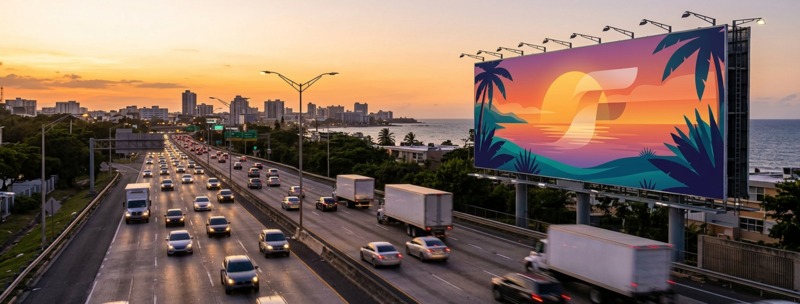
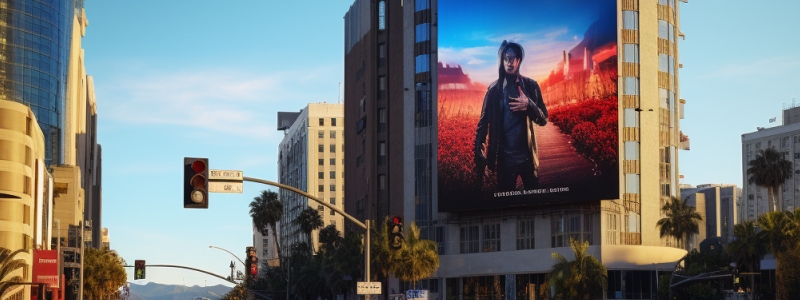
Billboards are large placements along highways and major roads. They are ideal when you want high reach and steady visibility.

Digital Billboards (DOOH)

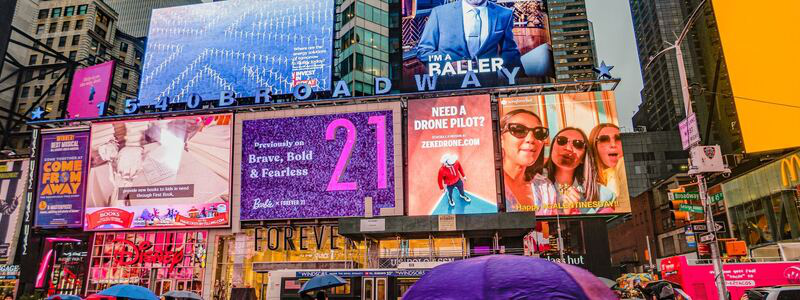
DOOH means digital out of home. These are screens that can rotate multiple ads. They are useful when you want flexibility, quicker creative swaps, or day-part messaging.

Posters And Street-Level Placements

Posters and street furniture (bus shelters, benches, kiosks) sit closer to eye level. They can be excellent for neighborhood targeting and pedestrian-heavy areas.

Transit Advertising

Transit placements include buses and areas around transit hubs. They work well when your audience moves through the same routes every week.

Place-Based Media

This includes formats like:

  • Restroom ads
  • Gas station ads
  • Medical office ads
    These can be effective when you want to reach people in specific settings where they have more time to read.

Outdoor Advertising In Puerto Rico

Outdoor planning improves a lot when you stop thinking “island wide” as one big idea and start thinking in zones.

A practical way to approach it is:

  • Metro reach: San Juan, Bayamón, Carolina, Caguas
  • South and west coverage: Ponce, Mayagüez
  • North corridor: Arecibo and surrounding routes

With bMedia Group’s scale across 500+ locations and a planning approach built around reach and performance, you can match placements to real movement patterns, not guesses.

Quick Decision Guide: Pick Your Format By Goal

If your goal is speed and flexibility

  • Choose DOOH
    Best for promotions, multiple messages, seasonal swaps, and fast creative updates.

If your goal is always-on presence

  • Choose static billboards
    Best for brand recognition, consistent visibility, and simple, memorable messaging.

If your goal is impact

  • Choose spectacular placements
    Best for major brand moments, launches, and high-attention environments where size and placement do the heavy lifting.

Simple Comparison: Digital vs Static vs Spectacular

  • Digital (DOOH): flexible, can rotate messages, great for timing and testing
  • Static: steady, simple, consistent, ideal for long runs
  • Spectacular: premium visibility, high impact, best for big statements

What Drives Cost In Outdoor Advertising

Outdoor pricing is not one flat number. It usually depends on:

  • Location: traffic volume and visibility
  • Format: digital vs static vs premium placements
  • Duration: how long your campaign runs
  • Share of time (digital): how often your ad appears on a loop
  • Production needs: printing, file specs, creative revisions

Quick Details Block: Budget Inputs You Should Know

  • Regions you want to cover
  • Formats you want to use
  • Timeline and start date window
  • Whether you need one message or multiple versions
  • Your primary outcome: reach, traffic, brand lift, or launches

If you bring those inputs to the table, planning becomes faster and more accurate.

How Outdoor Advertising Is Measured

You do not need to be a media buyer to understand measurement. Here are the key terms, in plain language:

  • Impressions: estimated views of your ad
  • Reach: how many different people you may reach
  • Frequency: how often those people may see the ad
  • CPM: cost per thousand impressions, a common way to compare efficiency across channels

Outdoor planning works best when you set expectations clearly:

  • Outdoor is strong at awareness and recall
  • It supports other channels by keeping your brand top of mind
  • It performs better when the message is simple and the placement matches your audience

bMedia Group’s approach stays focused on measurable outcomes, CPM efficiency, targeting by region, and realistic performance reporting without promising exact results.

outdoor advertising

Creative Rules That Make Outdoor Work

Outdoor ads are seen quickly. Your design has to do its job fast.

bMedia Creative Checklist

  • Keep it to one clear message
  • Use large fonts that can be read at distance
  • Strong contrast between text and background
  • One main visual, not a collage
  • Brand name or logo visible, but not cramped
  • If you include a call to action, keep it short
    Think “Visit,” “Call,” or a simple URL. Avoid long sentences.

Quick Details Block: What You Need To Provide

  • Your logo and brand colors
  • One headline or offer
  • One main image (high quality)
  • Any required disclaimer text, if applicable
  • Preferred landing page or phone number

If your ad needs people to remember a phone number, consider pairing it with formats where people have more time, like place-based media. For highway billboards, keep actions simple.

Timeline: How To Plan Without Stress

Outdoor campaigns go smoothly when you give yourself enough time for creativity and approvals.

Planning Timeline (Typical)

  • Week 1: choose region, format, and schedule
  • Week 2: finalize creative and specs
  • Week 3: production and confirmations
  • Launch: monitor, report, and adjust if using DOOH rotations

If you are planning around seasonal demand, aim to start earlier for high-competition periods like holidays, major travel windows, or back-to-school. You do not need exact dates to plan well. You just need a clear window and a clear message.

Common Mistakes To Avoid

These are the issues that most often reduce results:

  • Trying to say too much in one ad
  • Picking locations without matching the audience
  • Running too short to build frequency
  • Using designs that look good on a laptop but fail at distance
  • Skipping measurement expectations until after launch

Outdoor advertising is simple when you treat it like a planning problem, not a guessing game.

Bringing It All Together With bMedia Group

Now you can answer the core question, what is outdoor advertising and how it fits into real business goals. Outdoor media works when your plan is clear: audience, region, format, timeline, creative constraints, and measurement.

bMedia Group brings island-wide scale, 500+ locations, and technology-driven planning to help you run campaigns that are practical, trackable, and built for real visibility across Puerto Rico. If you want to turn outdoor advertising into a repeatable growth channel, start with a format mix that matches your goal, then build creative that can be understood in seconds.

Out of Home Advertising

In an era characterized by digital marketing dominance, “Out of Home Advertising” emerges as a formidable strategy, making a lasting impression in the physical world.

This comprehensive guide explores the dynamic realm of Out of out-of-home advertising, transcending the boundaries of screens and devices to reach consumers where they live, work, and play. From towering billboards that capture attention on busy highways to eye-catching transit ads that navigate urban landscapes, this article delves into the various facets of this impactful medium.

Join us on a journey that uncovers the power, versatility, and creative potential of out-of-home advertising in today’s marketing landscape.

What Does OOH Stand For in Advertising?

As the name suggests, OOH stands for out-of-home [advertising]. It is a marketing strategy to reach a target audience when they are not in their homes.

ooh advertising

OOH Advertising Examples

Mary Lister writing for Wordstream describes several modern examples.

  • Digital and traditional billboards and posters
  • Public furniture including bus stop shelter walls, kiosks, benches, poles
  • Public transit vehicles like bus walls, taxi wraps, subway, and train cars
  • Point-of-sale ads including sandwich boards, taxi cab windows, business front windows, building walls, gas pumps, and trash cans
  • Stand-alone advertisements like those on balloons and other inflatables, floats, and airplane banners

A Brief History of OOH Advertising

The Out of Home Advertising Association points out that OOH advertising dates back thousands of years. The first out-of-home advertising occurred when Egyptians used towering stone obelisks as a platform for informing the public of treaties and laws.

In the 1400s, Johannes Gutenberg’s invention of the printing press gave rise to handbills. By 1796, these advertisements had added eye-catching illustrations. Handbills led to bill posters. These larger advertisements were erected on structures where they could be read by passing vehicle and foot traffic.

The 1830s are believed by many to have launched roadside advertising. Merchants hand-painted signs and affixed advertising to building fronts and fences. These told walkers and drivers that their business was ahead. They often highlighted their wares.

In 1835, Jared Bell began printing large posters. These fifty-square-foot ads told of the arrival of the circus.

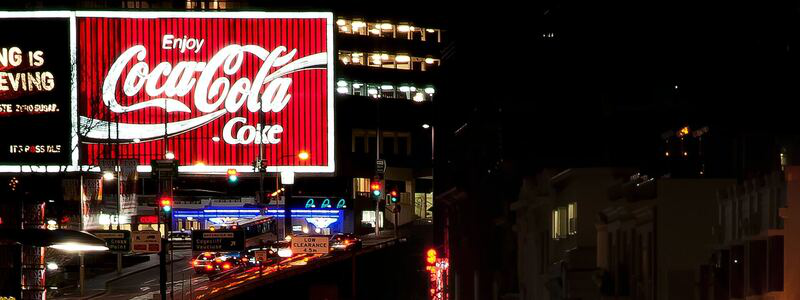
1850 brought advertising on street railways. However, the advent of industrialization in the late 1800s and early 1900s saw the formation of the Association of Bill Posters in North America. Later called the Outdoor Advertising Association of America, this organization aimed to promote a greater understanding of out-of-home media. This led to the standardization of billboards. There followed a boom on mass-produced billboard campaigns by such big businesses as Coca-Cola, Palmolive, and Kellogg’s.

The mid-twenties saw the first outdoor advertising company listed on the stock exchange. In the 1940’s the OBIE awards debuted. Coca-Cola’s “Yes Girl” billboard won.

As billboards grew in numbers, legislation arose curbing where they could be erected, how large they could be, and what they could advertise. In 1999, tobacco companies agreed not to advertise on OOH structures.

From billboards, OOH companies diversified into street furniture, cinema, and digital screens.

Today, some of the world’s largest companies lead the way in OOH advertising. This includes Facebook, Google, Amazon, Netflix, Apple, McDonald’s, Amazon, HBO, and Coca-Cola.

what does ooh stand for

The Evolution of Out of Home Advertising

Out of Home Advertising has a rich and storied history, dating back to ancient civilizations. Over the centuries, it has evolved and adapted to the changing needs of advertisers and the dynamic landscapes of cities and towns.

Historical Roots

The origins of Out of Home Advertising can be traced to ancient Egypt, where merchants used painted advertisements on walls to promote their goods and services. This practice gradually spread to other cultures, such as the Roman Empire, where announcements were carved into stone tablets.

Print and Poster Era

With the advent of the printing press in the 15th century, the possibilities for advertising expanded. Posters and handbills adorned city streets, theaters, and public squares, offering glimpses into the consumer culture of the time.

Billboards and Outdoor Displays

The late 19th and early 20th centuries saw the rise of billboards and large-scale outdoor displays. These eye-catching structures became synonymous with Out of Home Advertising, capturing the attention of travelers on railways and highways.

Digital Revolution

In recent decades, the industry has undergone a profound transformation with the introduction of digital technology. Digital Out of Home Advertising (DOOH) has ushered in a new era, featuring dynamic, interactive, and highly targeted campaigns.

Integration with Data and Technology

Today, Out of Home Advertising is seamlessly integrated with data analytics, allowing advertisers to deliver personalized messages to specific demographics. Real-time tracking and optimization have become essential tools in the OOH advertising toolbox.

Place-Based OOH Advertising

With real estate and OOH advertising, location is crucial. Place-based OOH media involves specifically locating advertising where a niche market will see it.

Here are some examples:

  • Wall ads, posters, furniture ads, and kiosks at airports, bus, and train stations
  • Display racks, bulletin boards, posters, and wall billboards at universities, colleges, and school campuses
  • Billboards near restaurants, health clubs, gyms, arenas, movie theaters, and nightclubs.
  • In-store ads on store shelves, shopping carts, checkout stands, and storefronts
  • Shopping mall kiosks, wall displays, store doors,
  • Display panels  on truck stops, trucks, interstate travel stops
  • Special events promotions
  • Interactive, specialized media

Getting Started

If you have decided OOH advertising is an effective marketing tool for your company, first decide who you want to reach. Next, choose an effective location. Where will your niche market see your ads?
Select the message/idea/product you wish to showcase.

What is the best format for your message?

The most effective messages are sharable. Consider bold colors, creative digitals, slogans that will get shared on social media increasing target audience engagement.

Look at the OOH advertising of your competitors. What spaces are they using? What format have they selected? Check out their social media. What content is getting the highest reaction? What do their potential buyers like? Have they integrated adverting modes? An analysis of your competition, you can get good information for your OOH strategies.

Think about your message. Is it clear? Is it creative? Is it engaging?

Out-of-home advertising must have a simple message that can be absorbed by passing motorists or pedestrians in a few seconds. Keep the text limited to a few compelling, easy-to-read words. Consider the power of an image. Your core message has a lot more chance of being shared if it is creative and brief. Your best return on investment comes with it being talked about across media channels.

ooh stands for out of home advertising

Why Consider OOH Advertising?

Studies have shown that 70% of drivers and walkers notice what is being marketed on out-of-home advertising. Thirty percent say they’ve purchased products or services they’ve seen advertised on out-of-home ads the very same day they were exposed to them.

Where TV and radio ads are seen or heard once, pedestrians and drivers see out-of-home ads repeatedly on their way to and from work.

Studies show that out-of-home ads are the best return on investment of any marketing program.

Unlike radio, TV, newspaper, or magazine ads, you can’t skip OOH ads. They are in your face and get noticed. Nielsen surveys found that nearly 50% of adults who searched online for a product had first seen it in an OOH ad.

Thanks to technological improvements, the versatility of out-of-home advertising will continue to grow. With the rise in digital ads, new capabilities and increased effectiveness of OOH ads have resulted. Digital OOH media has brought brighter colors, animation, and convenience in ad production. Multiple images and ads geared to specific demographics have proven that OOH ads will continue to be profitable marketing tools.

Notable Examples of Out-of-Home Advertising

Apple’s “Shot on an iPhone” billboard invites customers to send in photos shot on their iPhones. Outstanding ones were turned into billboards.

Clarin’s interactive campaign at Hong Kong International Airport lured viewers to enter their emails or scan a QR code on the screen with the offer of codes for discounts and free samples.

CVS Beauty Mark’s social media campaign encouraged users to upload their selfies to the hashtag #BeautyUnaltered. Every ten seconds, a different unaltered selfie celebrated real beauty on a Times Square digital billboard.

Acadia SUV, GMC used facial analytics to create engaging digital signage. Cameras in the digital display detected audience demographics including age and gender. Based on these data, one of thirty possible video ads was shown to the viewer. Passersby stopped to interact with the kiosk out-of-home ad that harnessed digital out-of-home power to personalize content for maximum audience engagement.

McDonald’s weather-sensitive ads are another example of digital out-of-home advertising. The campaign featured McDonald’s frozen drinks. When the temperature rose to a level that made a cold drink appealing, the campaign played a cold drink. When the temperature became hotter, the ad automatically switched to a frozen drink.

Lasik explored whether elevator riders who wear glasses can be identified. Then, their OOH ad delivered a creative ad targeting those who were candidates for laser eye surgery. The ad’s message changed based on the type of eyewear the rider was wearing. The ads delivered eleven million targeted messages to riders who wore glasses, personalizing the message for age and gender.

Google’s “Make the Most of Summer” used responsive, data-driven digital OOH. The advertising focused on summer experiences in the area where it was placed. The ad engaged viewers through the presentation of dynamic, full-motion sites.

To showcase its new 5G technology, AT&T encouraged viewers of their interactive ad to “Pose with the Pros”. Dallas Cowboys fans could select up to five of their favorite Cowboys to pose with them at a kiosk in concourses at the AT&T Stadium. Their virtual group picture could be emailed to themselves, and/or shared on social media.

So, what does OOH stand for in advertising? Well, it’s more than just your reaction to captivating and compelling billboards – it’s the abbreviation for what you’re looking at, outside.

How Can bMedia Group Help?

Our media service boasts over three hundred out-of-home advertisements in Puerto Rico. We provide our valued customers with a wide variety of effective OOH formats.

Our skilled designers, fabricators, and construction staff members know how to take your design needs and turn them into effective billboards, posters, and other out-of-home advertising. We are proud to have the highest consumer traffic on the island.

For more information regarding how we can increase your brand recognition contact us.

Examples of Billboard Advertising

Standing tall amidst the hustle and bustle of our cities, amidst the ever-changing digital landscape and fleeting trends, is an ageless icon of advertising- the billboard. With its origins hailing back to the late 1800s, billboard advertising has been transformed over time to adapt to the shifting times while still maintaining its core principles. This serves as a testimony to the enduring influence of visual communication. In today’s era, where digital media reigns supreme, the importance of billboards in the advertising world cannot be overstated. Billboards that are “Effective Examples of billboard advertising” not only grab attention but leave a lasting impression, making them an integral resource for businesses.

Billboards have witnessed the transformation of advertising from simple painted boards to the dynamic digital displays of today. Their resilience stems from their ability to command attention, convey a message succinctly, and engage a wide audience. For business owners, especially those looking to sell a product or service, understanding the history and significance of billboard advertising is crucial. It offers a window into the psyche of consumers and provides insights into crafting compelling campaigns that resonate.

In the age of short attention spans and information overload, billboards stand tall, reminding us of the power of simplicity, clarity, and strategic placement. As we delve deeper into this article, we’ll explore the advantages of billboard advertising, showcase effective examples, and provide insights to harness this medium’s full potential.

Examples-of-Billboard-Advertising

Why Billboards? The Undeniable Advantages

In the vast landscape of advertising avenues, billboards have consistently proven their worth. Their towering presence and strategic placements make them hard to ignore, but what truly sets them apart? Let’s break down the undeniable advantages of billboard advertising:

  • Unmatched Visibility: Positioned in high-traffic areas, billboards ensure your message reaches a vast and varied audience. They’re always on, making them a constant reminder of your brand or product.
  • Simplicity at Its Best: The limited space on billboards forces brands to be concise and clear. This ensures that the core message is easily understood by passersby in a matter of seconds.
  • Cost-Effective: When you factor in the number of impressions a billboard garners daily, the return on investment is impressive. It’s not just about quantity but the quality of those impressions.
  • Memorable Impact: A well-crafted billboard can leave a lasting impression, prompting potential customers to take action long after they’ve seen the advertisement.
  • Integration with Daily Life: Unlike digital ads that require a device, billboards seamlessly integrate into people’s daily commutes and routines, making them a part of their environment.

Drawing insights from bMedia Group, it’s evident that the most effective billboards strike a balance between creativity and clarity. They resonate with the audience, are strategically placed, and convey a brand’s message in the most straightforward manner.

What Companies use Billboard Advertising? Effective Examples

Billboard advertising has long been a staple in the world of outdoor marketing, and for good reason. Over the years, numerous campaigns have not only captured our attention but have also resonated deeply, leaving a lasting impression. Let’s delve into some of the most “Effective Examples of billboard advertising” and uncover the magic behind their success:

  • Apple’s “Shot on iPhone” Campaign: A masterclass in user-generated content, this campaign showcased stunning photographs taken by iPhone users. The genuineness of real users’ photos emphasized the superior camera quality of iPhones.
  • Coca-Cola’s Santa Claus Billboards: A timeless classic, these billboards evoke a sense of nostalgia every holiday season. The consistent branding and emotional connection they foster are unparalleled.
  • “Look At Me” by Women’s Aid: An innovative campaign from the UK, these interactive billboards responded when people looked at them. Aimed at raising awareness about domestic abuse, it was a brilliant blend of technology and traditional advertising.
  • McDonald’s Sundial Billboard: This creative billboard featured a real sundial whose shadow landed on a different breakfast item each hour, indicating what time it was in a fun, interactive way.
  • BBC’s Dracula Shadow Billboard: A billboard that came alive at night. During the day, it seemed like random stakes on a board, but at night, a light would cast a shadow that formed Dracula’s menacing face.

The brilliance of these campaigns lies in their ability to intertwine creativity, clarity, and relevance. They don’t just advertise; they tell stories, evoke emotions, and engage the audience in unique ways.

What is a Good Billboard Advertising?

In the bustling world of advertising, billboards stand tall and proud, often serving as the first point of contact between a brand and its potential customers. But what makes a billboard truly impactful? Let’s explore the “Effective Examples of billboard advertising” in terms of design principles, messaging clarity, and strategic placement:

  • Simplicity is Key: A billboard has mere seconds to convey its message to a passerby. Keeping the design simple and the message concise ensures that the core message is delivered effectively.
  • Striking Visuals: A captivating image or graphic can make all the difference. It should complement the message and be easily discernible from a distance.
  • Contrasting Colors: Using contrasting colors enhances readability and ensures that the text stands out against the background.
  • Clear Messaging: Avoid jargon and complex phrases. The message should be straightforward and resonate with the target audience.
  • Strategic Placement: The location of the billboard plays a pivotal role. It should be placed where it can garner maximum visibility, be it a busy highway or a popular city junction.
  • Single Call-to-Action: While it’s tempting to add multiple CTAs, focusing on one primary action you want the viewer to take is more effective.
  • Consistent Branding: Ensure that the billboard aligns with the brand’s overall identity, from colors to logos and typography.

Billboards, when executed correctly, can be a powerful tool in a brand’s advertising arsenal. By adhering to these key elements, businesses can create billboard campaigns that not only capture attention but also drive action.

example-of-billboard-advertising

Common Mistakes to Avoid in Billboard Advertising

Billboard advertising, when executed correctly, can be a game-changer for businesses. However, there are pitfalls that can diminish the effectiveness of a campaign. Let’s explore some of the common mistakes to avoid when designing “Effective Examples of billboard advertising”:

  • Poor Quality Imagery: Using low-resolution or irrelevant images can detract from the message and make the billboard look unprofessional. Ensure that the imagery used is of high quality and resonates with the brand and message.
  • Overcomplicating the Design: A cluttered design can confuse the audience. Remember, less is often more when it comes to billboard design.
  • Using Too Much Text: Billboards are viewed on-the-go, so the message needs to be concise and clear. Avoid long sentences and opt for impactful phrases.
  • Ignoring Brand Consistency: Ensure that the billboard aligns with other marketing materials in terms of colors, fonts, and overall aesthetic.
  • Neglecting Call-to-Action (CTA): While the message is crucial, guiding the audience on what to do next is equally important. Whether it’s visiting a website or making a call, a clear CTA is essential.
  • Choosing the Wrong Location: Even the best-designed billboard can fail if it’s not strategically placed. Research and choose locations that target the desired audience.
  • Not Refreshing the Content: An outdated or stale advertisement can lose its impact over time. Regularly update the content to keep it fresh and relevant.

By being aware of these common pitfalls and actively avoiding them, businesses can harness the full potential of billboard advertising, ensuring that their campaigns are both captivating and effective.

The Future of Billboard Advertising

As we navigate the ever-evolving landscape of advertising, billboards remain a steadfast and influential medium. But what does the future hold for these towering canvases of creativity? Let’s delve into the upcoming trends and innovations that will shape the “Effective Examples of billboard advertising” in the years to come:

  • Digital and Interactive Billboards: The integration of technology with traditional billboards has given rise to digital and interactive displays. These billboards can change content in real-time, respond to environmental triggers, and even interact with audiences.
  • 3D and Augmented Reality (AR) Billboards: The use of 3D graphics and AR in billboards offers a more immersive experience, captivating audiences with lifelike visuals and interactive elements.
  • Geo-Targeting and Personalization: With advancements in data analytics, billboards can now display content tailored to the demographics and preferences of the audience in a specific location.
  • Sustainability: As environmental concerns take center stage, the future will see a rise in eco-friendly billboards, utilizing sustainable materials and energy-efficient lighting.
  • Integration with Mobile and Online Platforms: Billboards will increasingly work in tandem with mobile apps and online platforms, offering QR codes, app integrations, and multi-channel campaigns.
  • Data-Driven Insights: The use of data to analyze the effectiveness of billboard campaigns will become more prevalent, allowing advertisers to make informed decisions and optimize their strategies.

best-billboards

Best Billboards: Conclusion

In the vast realm of advertising, billboards have stood the test of time, evolving and adapting to the changing dynamics of the industry. As we’ve journeyed through the history, advantages, effective examples, design principles, common pitfalls, and future trends of billboard advertising, one thing remains clear: billboards are a potent tool for businesses. Here’s a recap of the undeniable power of “Effective Examples of billboard advertising”:

  • Enduring Impact: Billboards have the unique ability to make a lasting impression, often becoming landmarks in their own right. Their sheer size and strategic placement ensure that they capture attention, making them hard to ignore.
  • Versatility: From traditional static billboards to digital and interactive displays, the medium offers a range of options to suit different advertising needs and budgets.
  • Broad Reach: Billboards provide an unparalleled opportunity to reach a diverse audience, from daily commuters to tourists.
  • Cost-Effective: When compared to other advertising mediums, billboards offer a cost-effective solution, especially considering their broad reach and prolonged exposure.
  • Adaptability: As we’ve seen, the future of billboard advertising is bright, with innovations like digital displays, AR, and geo-targeting paving the way for more personalized and engaging campaigns.

In conclusion, for business owners looking to effectively promote their products or services, billboards remain a tried and tested medium. Their ability to convey messages succinctly, combined with their vast reach, ensures that they remain a cornerstone of advertising strategies. As we move forward, it’s evident that businesses that leverage the power of billboards will continue to thrive in the competitive market.

Out-of-the-Box Marketing Ideas

When it comes to marketing, most people think that you need an army of promoters, designers, and developers to launch a successful marketing campaign. But that’s not true.

All marketing is, is about creating a strategy, identifying your target audience and then executing it in a way that resonates with them, and that is no different than with out-of-home advertising such as billboards.

It can be a difficult process to get right but one of the best things about it is the opportunity for creativity and innovation along the way.

So, if you’re looking for some inspiration on how to do just that, we can help! We have put together this list of our favorite out-of-the-box marketing ideas that will help you stand out from the crowd and win customers over before they even know what hit them.

marketing ideas

What is An Out-of-Box Marketing Strategy?

Out of the box marketing comes down to one thing – data-driven marketing with emerging strategies.

For instance, if you choose to buy a placement on a billboard, using data technologies that measure traffic and the prospective reach is one thing, but merging that with custom URLs, hashtags, or QR codes creates an ecosystem that propels brand awareness and experience.

Below are ten out of the box marketing ideas that can help benefit you and your business.

Offer a Trade

If you have a product that has value and your customers don’t want it, they’ll probably be willing to trade something else instead. This is a great way to get rid of products that are too expensive to distribute or not selling well.

There are many ways you can offer trades:

  • Trade-in credit: Offer customers the option of trading in their old product for store credit toward future purchases. This can be especially useful when selling electronics or other expensive items that require replacement parts or repairs regularly.
  • Gift card swap: You could give out gift cards at the checkout counter when someone makes a purchase, but then offer them the option of also receiving an extra gift card for every item they trade in as well! This could double or triple your return on investment (ROI) from these discounted sales because people will actually buy another item with their first credit rather than just leaving empty handed—which happens more often than not when companies only offer one type of payment option during checkout processes like this one does.

digital marketing ideas

Use Digital Signage

Digital signage is the use of digital technology to promote products, services, events and brand messages on large displays in public locations – such as stadiums, shopping malls and terminals.

Digital signage serves a number of purposes including:

  • Promoting your business
  • Providing information to customers on where they can find what they’re looking for or what is happening in the area

Create a Scavenger Hunt

This is a great way to get your team or clients involved and increase brand awareness/loyalty.

Create a list of items, then take pictures or video of them in your office and store it online or across social media so your participants can see them.

On the day that you launch your scavenger hunt, send out an email with instructions for how to participate (you can also post on social media if you have room for more exposure). The instructions should include what image(s) are needed from each location, how participants will know when they’ve found the item(s) needed and other details like this one: “The first person who finds [an item] at [location] wins!”.

Make sure the prizes are worth winning! It’s always good to give away something that has value because it shows appreciation towards those who took time out of their busy days in order to participate. The prize doesn’t have to be big though; it just needs something special about it so people feel good about themselves after receiving one as opposed to feeling like they’re just some dumb loser who couldn’t find anything cool enough.

Use the Mail

  • Use the mail to send coupons, information about your business or products, and thank you cards.
  • Send holiday cards to customers, friends, and family that have expressed interest in your business.
  • Send birthday cards for every employee, including yourself! It’s important for employees to feel connected to the company beyond just working together on projects.

Go Mobile With Mobile Coupons or QR Codes

Using billboards or fuel pump advertising allows the use of QR codes.

QR codes saw a resurgence during the 2020 COVID lockdowns, and the momentum has not stopped.

QR codes can offer mobile coupons that are a great way to reach your audience and get them into your store. They can also be used in many ways. For example, you could offer free shipping on a certain day or time period, or coupons for discounts on items in your store. Mobile coupons are also helpful for getting people to try new things, like offering free samples at checkout counters.

Create a Viral Marketing Campaign

When you think of your content, don’t limit yourself to what’s on the paper in front of you.

Think about how you can add value to that content. For example, in a recent film “Smile”, the marketing team sent paid actors to baseball games to ‘Smile’ for the duration. The goal was to raise awareness but also to creatively expand the audience in a viral marketing effort.

Viral marketing combines out of home marketing with digital marketing and PR to produce word of mouth awareness.

Host an Event at Your Place of Business

Hosting an event at your business is a great way to get your brand in front of your customers. For example, if you’re a barber shop or salon, you can host an event where people come in for discounted haircuts. This is also a great way to build brand loyalty and engage with customers on a deeper level.

You don’t have to hold the event at your place of business either! You could host it off site and encourage people from all over town or even around the world to attend. This gives them something fun and entertaining while also bringing more traffic into your store or office space.

Give Away Swag

Gifting swag is a great way to get your name out there. The trick is to give away something that’s relevant to your business, useful for the customer, and not too expensive. A good example of this is offering an in-store coupon when people bring their pets in for grooming.

You should also try gifting things that will get people talking about your brand and put you at the forefront of their minds — like branded water bottles or reusable totes!

Go ‘Live’ on Social Media Platforms

Live video is a great way to connect with your audience. It’s a great way to show off your products, new or old. You can use live video to promote a new product or service, share information about your company, and even answer questions from people who are interested in what you have to offer.

Get Local Businesses Involved in a Larger Campaign

  • Think about how you can work with other businesses in your area.
  • Get them involved in a larger campaign, and ask them to promote your business for free.
  • Offer them a free service in return for their support.
  • Offer them a discount on one of your services or products if they agree to help promote it through their own channels (e.g., website, social media).
  • Give away free gifts to people who attend events at another business’s location (e.g., restaurant) as part of an event of yours that’s happening nearby—this could be tickets or gift certificates that they can use on their next visit!

marketing strategy session

Think Outside the Box for Creative Marketing Ideas

The best way to get creative marketing ideas is to think outside the box. If you are getting stuck on a project and need some inspiration, here are some ways to help you come up with unique ideas for your business:

  • Get on the internet! There are so many websites out there that provide excellent resources when it comes to searching for creative marketing ideas. There are also plenty of blogs and articles written by successful entrepreneurs who have used these techniques before.
  • Use what works! If an idea worked well in the past, there’s no reason why it won’t work again! Don’t be afraid of trying something again if enough time has passed since its initial success; after all, nothing beats experience when it comes down to figuring out how effective certain techniques can be at generating interest among potential customers.
  • Survey your audience! Go right to the source and ask what they want to see more of from your business or brand.

bMedia and Out-of-the-Box Marketing Ideas

Out of the box marketing ideas come in many shapes and sizes. While viral marketing worked for the team promoting a film, it’s best to consider your options, keep an open mind, and find a partner that can help you achieve your KPIs.

As a local leading media promotion company, our goal is to provide advertising avenues that make your message get through to your target market in order to solidify your brand image and / or increase your sales through impact, quality, innovation, and distinct services. We’re

Contact bMedia and learn more about our services and how we can help promote your business.

Effective Advertising Strategies

For over a century, billboards have remained a popular and effective advertising medium, capturing the attention of countless passersby with their large-scale and prominently displayed ads. Despite the rise of digital advertising, billboards have not only survived but also evolved. These days, billboards are equipped with digital technology and innovative designs that make them even more impactful and relevant than before.

Effective Advertising Strategies rely on understanding the potential of the medium and leveraging it to its fullest. For business owners, billboard advertising presents an unparalleled opportunity to showcase their brand message to a broad audience, ensuring that it stays in their memory. While digital ads come and go, billboards are a physical presence that commands attention and leaves a lasting impression.

Billboard advertising is not just about size; it’s also about strategy. To make the most of billboard advertising, businesses must convey their message effectively, resonate with their target audience, and drive action. Understanding the nuances of billboard advertising is crucial for business owners who want to make a mark in the market. In this regard, we’ll delve deeper and explore how billboards can be a game-changer for businesses, especially in dynamic markets like Puerto Rico.

Effective-Advertising-Strategies

Most Effective Advertising Strategies

In the realm of business, understanding your audience is paramount. The foundation of any effective advertising strategy is built upon the principle of targeting. By honing in on a specific demographic, businesses can tailor their message to resonate more deeply with potential customers. A well-targeted advertisement speaks directly to the viewer’s needs, desires, and aspirations, making it far more impactful than a generic message.

According to an article on Spiceworks, social media profiles offer a significant opportunity for target marketing. Brands can pinpoint customers based on various factors, including their interests, behavior, and demographics. This targeted approach ensures that the advertising message reaches the most relevant audience, increasing the likelihood of engagement and conversion.

However, it’s not just about reaching the right people; it’s about conveying the right message. The essence of effective advertising strategies lies in crafting a message that not only captures attention but also drives action. Whether it’s evoking an emotion, solving a problem, or fulfilling a need, the advertisement should offer tangible value to the viewer.

Moreover, in the ever-evolving landscape of advertising, it’s crucial for businesses to stay updated with the latest trends and technologies. From leveraging data analytics to employing innovative design principles, the strategies that worked a decade ago might not be as effective today. Thus, continuous learning and adaptation are key to ensuring that your advertising efforts yield the desired results.

Benefits of Billboard Advertising in Puerto Rico

Puerto Rico, with its dense population and unique market dynamics, presents a golden opportunity for advertisers. The island, spanning just over 100 miles in length, is home to over 3.5 million people. This concentration results in a significant traffic scenario, especially considering there are over 3 million registered vehicles on the island. While traffic might be a commuter’s nightmare, it’s a dream come true for advertisers. The reason? Billboards.

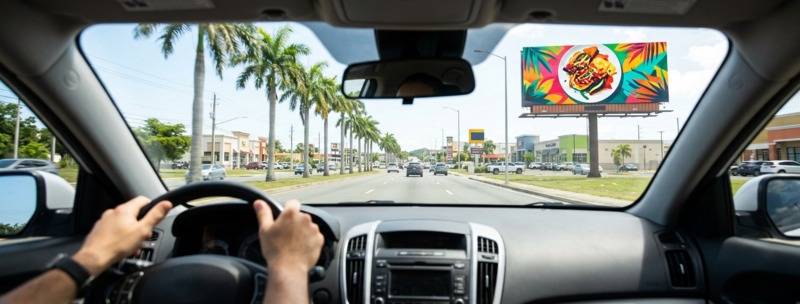
The severe traffic situation in Puerto Rico offers a plethora of opportunities for advertisers aiming to capture the attention of motorists. In an era where digital advertising is rapidly evolving, traditional forms like billboards remain steadfast. As long as people continue to drive, billboard marketing and other outdoor media will remain an influential platform for advertising.

The main point in such a scenario is to capitalize on the captive audience. Motorists, often looking for distractions during traffic snarls, are more likely to engage with and remember billboard advertisements. This captive audience, combined with the strategic placement of billboards, ensures that the advertising message is not just seen but also makes a lasting impression.

Furthermore, billboard advertising in Puerto Rico offers an inherent demographic control. The majority of the viewers are likely commuters heading to their workplaces, implying they have the financial means to own a vehicle. This ensures that the advertisement reaches an audience that falls within a specific economic demographic, making the message more targeted and effective.

most-effective-advertising-methods

Designing Impactful Billboards

The art of billboard design is a delicate balance between creativity and clarity. While it’s essential to have an eye-catching design, the primary objective remains to convey a message effectively. Given that commuters typically have only 5-10 seconds to read a billboard as they pass by, the design must be concise, clear, and compelling.

The key to effective billboard design is brevity. The human capacity to ingest and remember a message in a fast-paced environment like traffic is limited to about seven words. Overloading a billboard with too much content can dilute the message and reduce its impact. Therefore, brands must be judicious in their choice of words and visuals.

The critical aspect in billboard design lies in understanding the medium’s constraints and strengths. Here are some principles to consider:

  • Simplicity is Key: A clutter-free design with a clear focal point ensures that the message stands out. Avoid the temptation to include too many elements.
  • Bold and Legible Fonts: Choose fonts that are easy to read from a distance. Avoid script or decorative fonts that might be challenging to decipher at high speeds.
  • High-Contrast Colors: Colors play a crucial role in visibility. Opt for colors that contrast well, ensuring that the text stands out against the background.
  • Relevant Imagery: Use images that resonate with the message and the target audience. The imagery should support and enhance the message, not overshadow it.
  • Call to Action: While not always necessary, a clear call to action can guide the viewer on the next steps, whether it’s visiting a website, making a call, or attending an event.

Strategy Marketing: Measuring Effectiveness

In the realm of billboard advertising, understanding the impact of your campaign is paramount. After all, how do you determine if your investment is yielding the desired results? Measuring the effectiveness of billboards is not as straightforward as digital ads where clicks and impressions are easily tracked. However, with the right strategies, one can gauge the success of their billboard campaigns.

According to a detailed article on bMedia Group, there are several methods to measure billboard effectiveness:

  1. Traffic Analysis: It’s essential to understand the traffic surrounding the location of a billboard. Factors such as the number of people or vehicles that pass by daily can provide insights into the potential visibility of your advertisement.
  2. Analytics: If your billboard promotes a unique slogan, catchphrase, or brand name, you can use analytics data scraping methods to analyze how often those terms are searched online. An uptick in searches can indicate increased visibility and interest due to the billboard.
  3. Hashtags: Modern advertising often incorporates hashtags. If your billboard includes a specific hashtag, monitoring its usage on social media platforms can provide insights into the ad’s reach and engagement.
  4. Sales Analytics: A direct correlation often exists between sales and outdoor ads. Monitoring sales or profit benchmarks can help determine if a new billboard ad is driving more customers to your business.
  5. Audience Impact: The daily commute is a significant idle time for many individuals. Billboards strategically placed in high-traffic areas can garner a captive audience, leading to higher brand recognition and recall.

The Role of Local Culture and Context in Billboard Advertising

In the vast world of advertising, understanding the local culture and context is paramount. Effective advertising strategies are not just about reaching a wide audience but resonating with them on a personal and cultural level. Here’s why:

  • Cultural Sensitivity: Every region has its unique cultural nuances, traditions, and values. Respecting and incorporating these into your billboard messages ensures that your ads are not only seen but also felt by the local audience.
  • Localization vs. Globalization: Global campaigns have their merits, but there’s a distinct advantage in tailoring billboard content to local tastes and preferences. It creates a sense of belonging and trust among the local audience.
  • Use of Local Icons and Symbols: Featuring familiar local landmarks, celebrities, or cultural symbols can make billboards more relatable. It’s a subtle nod to the community, indicating that you understand and value their culture.
  • Language and Dialects: Using the local language or specific dialects can significantly enhance the relatability of a billboard. Especially in regions with linguistic diversity, this can make a world of difference.
  • Seasonal and Event-Based Billboards: Leveraging local festivals, holidays, or events can make billboard advertising timely and relevant. For instance, a billboard highlighting a product during a local festival can attract more attention and sales.

most-effective-advertising-strategies

Summary of Effective Advertising Strategies

In the dynamic world of advertising, understanding and implementing effective strategies is crucial. Here’s a concise summary of the key takeaways:

  • Audience Understanding: Delve deep into demographics and behaviors to craft messages that resonate with the target audience.
  • Personalization: Tailor ads to align with individual preferences, ensuring higher engagement and conversion rates.
  • Leveraging Technology: Use advanced tools and platforms to optimize ad delivery, ensuring timely and relevant reach.
  • Multi-Channel Approach: Integrate both online and offline strategies for a synergistic effect, maximizing reach and engagement.
  • Creativity is King: Ads that stand out with their narrative and visual appeal foster better brand recall and engagement.
  • Billboard Advertising: Despite the digital surge, traditional mediums like billboards remain effective. Insights from other articles also highlight the resurgence and effectiveness of billboard advertising.

In essence, the success of advertising lies in a blend of data-driven insights, creativity, and strategic deployment across various channels.

Types of Outdoor Advertising

Advertising has been around for centuries but has taken many different shapes and forms. Today, there are many different types of advertising available for businesses, including types of outdoor advertising.

types of outdoor advertising

What is Outdoor Advertising?

Business Encyclopedia defines outdoor advertising as advertising that reaches potential buyers when they are outside their homes. Outdoor advertising is sometimes referred to as out-of-home advertising.

How Prevalent is Outdoor Advertising?

Many successful companies have discovered that outdoor advertising is their most effective means of getting their brand known and generating traffic to their businesses. For example, Cracker Barrel spends almost half of its advertising dollars on outdoor advertising (you’ve probably seen one or two while exiting the freeway).

Why Invest in Outdoor Advertising?

The Outdoor Advertising Association of America shows studies that potential American consumers spend seventy percent of their time outside their homes. Thus, it makes sense to present advertising in this environment.

A Nielson study featured in Entrepreneur discovered that outdoor advertising is the most effective non-digital method of generating traffic to online sales.

Outdoor advertising has the greatest return on investment in any form of advertising. On average, each dollar invested in outdoor advertising sees an almost triple return on investment. This is more than TV and magazine ads combined.

outdoor advertising types

Types of Outdoor Advertising

When we think of out-of-home advertising, three that immediately come to mind are billboards, transit advertising, and street furniture. However, technological advances and creative advertising artists have invented several others.

  • Billboard Advertising

Billboards are the most common form of outdoor advertising. They come in various sizes. They range from static to digital, or mobile. Thanks to new technology, some of the newer ones use augmented reality. Some are interactive.

Billboards’ effectiveness in name recognition and buyer enticement is high. One disadvantage of billboards is that viewers who are walking or driving by them see them for only a few seconds. Thus, the message must be one potential buyer can grasp in that short time. Billboards provide no avenue for longer advertising copy.

With billboards—like real estate—their effectiveness depends on location. Billboards must be placed where traffic patterns and sightlines allow them to be seen by large numbers of passersby.

  • Transit or Vehicle Advertising

This type of out-of-home advertising includes signs and images on the interior and/or exterior walls of buses, railway cars, taxis, subway cars, and transit shelters.

The advantage is that these surfaces have a captive audience. However, people using public transit are often anxious about missing connections and reaching their destination on time. They are not in the best frame of mind to read advertising copy.

  • Street Furniture

Street furniture has the advantage of being relatively inexpensive. It is placed at eye level for foot traffic and can be very eye-catching. Because the traffic is mostly pedestrians and bikers, more advertising copy can appear on street furniture than on billboards or transit advertising.

Street furniture advertising may be static or digital. There are many opportunities including park benches, bus shelters, bike shares, urban panels, and metro lights.

Street furniture advertising can target the residents of specific neighborhoods, providing unique media opportunities to showcase local vendors.

  • Construction Advertising

Sides of buildings, fences, doors, windows present opportunities for advertisers similar to those offered by street furniture. Advertisers can target both pedestrians and drivers with their local and regional messages. Technology has increased the sophistication of these static and digital signboards.

  • Mobile Advertising

Millions of Americans now take handheld devices and smartphones wherever they go.

Mobile advertising includes advertising on mobile phones and other mobile devices. Mobile advertising can take place as text ads via SMS, or banner advertisements that appear embedded in a mobile web site.

Mobile advertising also makes use of social media like Facebook, Twitter, and Instagram to send brand recognition and special events messages to targeted audiences.

  • Augmented Reality

Augmented reality advertising creates an interactive experience of a real-world environment through computer-generated sensory stimulation. Augmented reality may be used to enhance several forms of outdoor advertising including billboards.

  • Static Advertising

Static advertising includes images or banners that target or retarget specific audiences. Because they are stationary or permanent, static advertising is easily maintained. They need to be assembled only once. So, they are relatively inexpensive in both time and labor. The effectiveness of static ads is easily monitored.

  • Interactive Advertising

Interactive advertising utilizes online or offline interactive media. Its aim is to communicate with consumers. Interactive ads promote products, advance brand recognition, inform would-be buyers about goods and services, or provide public announcements about special events.

  • Point of Sale Advertising

According to the Cambridge Business English Dictionary, point of sale advertising is also known as point of purchase advertising. It includes any advertising of goods or services at the location where they are sold. This would include ads outside storefronts, restaurants, fast food specials, store window displays, and chalkboard signs.

The advantage is that these advertisements of products, sales, or special events entice pedestrians into the establishment.

  • Retail Advertising

Retail advertising or retail marketing includes retailer store advertising both online and offline. The goal is to increase awareness and interest in products or services. Retail advertising is successful if it generates sales from a target audience. Through retail advertising, storeowners attempt to influence their audience into malls, shopping centers, stores.

  • User-Generated Advertising

With increasing technology, there is a rapidly growing trend toward user-generated content. This media content is generated by customers. It is disseminated in various social media forms including Facebook, Twitter, and YouTube.

Marketers interface with customers to encourage them to share the business, its services, and their positive experiences with the products. They may be enticed to provide reviews by offering discounts, opportunities to try new products, loyalty points, or other incentives.

types of advertising

How to Get Started

Outdoor advertising revenue has been steadily growing since 2009. In 2019, revenue from outdoor advertising amounted to over eight and a half-billion dollars in the United States.

If you have decided to pursue outdoor advertising campaigns, there are several things you need to consider.

  • What types of out-of-home advertising will bring your products and services the best return on investment?
  • What advertising copy or campaign will stand out from your competition?
  • Given your objectives, what are prime locations for your outdoor ads?
  • Having analyzed the competition, what is the best use of your advertising budget?

For information on these important questions, talk to experienced, proven outdoor advertising specialists like bMedia.

Using our expertise, you can create simple, powerful outdoor advertisements for your company.

How to Promote Your Product

In a dynamic business landscape, how to promote your product is essential to reaching your target audience and driving sales. While numerous promotion methods are available, one strategy that has stood the test of time and continues to captivate audiences is billboard advertising.

This article will explore various ways to promote your product, with a special focus on the effectiveness of billboard marketing in Puerto Rico’s unique market.

How to Promote Your Product

How to Promote Your Product: Effective Ways to Advertise

When it comes to promoting your product, creativity is key. Here are some practical ways to get your product in front of potential customers:

Outdoor Advertising

Among the strategies that have weathered time’s test and continue to captivate audiences is the art of billboard marketing. The towering canvases strategically positioned in bustling locales form an unmissable visual feast, speaking volumes in an instant. In Puerto Rico’s vibrant market, this strategy wields even greater allure. The island’s dynamic lifestyle, characterized by constant movement and interaction, aligns seamlessly with the visual impact of billboards. With an ability to convey messages that linger, billboards offer a canvas for creativity to blossom, sparking conversations and cementing lasting brand impressions. This method stands as a testament to the enduring power of visuals in an age where digital bombardment often saturates attention spans.

bMedia Group’s offers different OOH advertising options to suits your budget.

Radio and Television Advertising

Radio and television have stood out for decades as great tools to promote products and services. Radio’s charm lies in its catchy jingles and tag lines that create memorable audio signatures, and by selecting the right station, you can precisely target your demographic.

Local or national television ads wield the visual narrative, making them especially effective for high-priced products.

However, TV and radio advertising come with their fair share of challenges. Notably, the high cost associated with producing and airing television commercials can strain marketing budgets, particularly for smaller businesses.

Social Media Marketing

In the digital age, social media platforms provide a way to connect with your audience. Utilizing engaging content, targeted advertisements, and influencer partnerships, a business can showcase its product to a wide range of potential customers. Nevertheless, it’s worth being aware of possible over-saturation in a crowded online space, which might impact the visibility of your product.

Public Speaking Events

Engaging in public speaking events can serve as a potent advertising method, particularly if your product aligns with your expertise. Consider extending your services to relevant organizations that could gain from your workshops or talks. Distributing business cards and promotional materials during the event encourages participants to spread the word about what you have to offer.

Worrying that your business is too small to stand out? Anyone can advertise on a billboard! Contact bMedia Group to discuss your ideas.

What Methods of Promotion Can You Use?

What Methods of Promotion Can You Use?

To create a well-rounded promotional strategy, consider these five methods:

  • Advertising: Paid advertisements on various platforms, including online banners and billboards, can help you gain exposure to a broader audience.
  • Sales Promotion: Offering discounts, coupons, or limited-time offers can incentivize potential customers to make a purchase.
  • Public Relations: Building a positive image for your brand through media coverage, press releases, and public events can enhance your credibility.
  • Direct Marketing: Engaging directly with potential customers through techniques like cold calling, direct mail, and personalized messages can yield valuable results.
  • Personal Selling: In industries where relationships matter, having skilled sales representatives who can communicate the value of your product to potential customers is essential.

What Is an Example of Promoting a Product Successfully?

One notable example of successful product promotion comes from the tech giant Apple. With each product release, Apple creates anticipation through presentations, product demonstrations, and teaser campaigns.

This strategy builds excitement among their customer base, encouraging them to line up outside stores and pre-order products well in advance.

Promoting Sales Effectively

To promote sales effectively, consider these tips:

  1. Limited-Time Offers: Create a sense of urgency by offering discounts or deals for a limited period. This encourages customers to make a purchase quickly.
  2. Bundling Products: Package related products together at a slightly lower price than purchasing them separately. This strategy can increase the average transaction value.
  3. Loyalty Programs: Reward your loyal customers with exclusive discounts, early access to new products, or other perks that keep them engaged with your brand.

Are Billboards Effective?

Billboard advertising can yield impressive results. With its ability to reach a large and diverse audience, billboards provide a visual and memorable way to promote your product. In Puerto Rico, where the culture is vibrant and diverse, billboard advertising can be tailored to resonate with the local population.

Billboards come in two formats:

  1. Static billboards feature eye-catching visuals and concise messaging, leaving a lasting impression on passersby.
  2. Digital billboards, offer dynamic content that can rotate between various advertisements, allowing for greater flexibility and real-time updates to capture the audience’s attention in a rapidly changing environment.

Harnessing the Power of Billboard Advertising in Puerto Rico

So, how do you advertise your product on a billboard in Puerto Rico? First, identify the most strategic locations for your target audience. Whether it’s a bustling city center, a popular tourist spot, or a major highway, understanding where your potential customers spend their time is crucial.

bMedia Group understands the market dynamics in Puerto Rico and can provide accurate cost estimates for your product advertisement needs.

Cost Considerations

The cost of putting your product on a billboard can vary widely based on factors such as location, size, and duration. In Puerto Rico, rates may differ from those in other markets due to the island’s unique nature.

Effectiveness of Billboard Marketing

The effectiveness of billboard marketing is particularly pronounced in Puerto Rico’s unique market. This captivating strategy has demonstrated its ability to engage audiences effectively, making it a standout choice for businesses aiming to promote their products.

The dynamic lifestyle of Puerto Ricans and the frequent movement of people on the island means that billboards can reach a diverse and extensive audience daily. Unlike other forms of advertising that require individuals to seek out information actively, billboards are a passive yet impactful medium. They weave seamlessly into people’s daily routines, capturing attention during commutes, leisurely drives, or walks around the town.

However, more than just the sheer visibility makes billboards effective. The visual nature of billboards provides ample space for creativity and storytelling. The combination of concise messaging, striking visuals, and strategic placement creates a trifecta of engagement that is difficult to achieve through other mediums.

The quick but impactful interaction with the billboard can spark curiosity and prompt individuals to seek more information about the product or event.

For instance, a study by the Outdoor Advertising Association of America found that billboards are particularly effective in boosting online engagement. This means that individuals who see a billboard are more likely to search for the advertised product online, visit the company’s website, or engage with their social media profiles. This seamless transition from offline to online engagement showcases the interconnectedness of different advertising channels.

In Puerto Rico, where the vibrant culture and close-knit communities play a significant role, billboards can also serve as conversation starters. People often share their thoughts and experiences with their peers, and a thought-provoking or visually captivating billboard can spark discussions. This ripple effect expands the reach of your message beyond the immediate viewers and into the community’s social fabric.

The effectiveness of billboards cannot be overstated. Billboards are a powerful and essential tool for businesses looking to promote their products.

A well-designed billboard can instantly convey your brand’s message, leaving a lasting impression on passersby.

Effectiveness of Billboard Marketing

Accessibility to Billboard Advertising

Contrary to common misconceptions, billboard advertising is not exclusive to large corporations. Small and medium-sized businesses can also harness the power of billboards to promote their products. With careful planning and a clear understanding of your target audience, billboard advertising can be a worthwhile investment for businesses of all sizes.

How to Promote Your Product & bMedia Group Puerto Rico

Promoting your product and effectively expanding your client base requires a multi-faceted approach that aligns with your target audience’s preferences and behaviors. In Puerto Rico’s dynamic market, embracing billboard advertising as part of your promotional strategy can yield remarkable results. By strategically positioning your product in high-traffic areas, crafting compelling visuals and messages, and tapping into the cultural nuances of the island, you can create a memorable and impactful campaign that resonates with your audience.

When deciding how to promote your product, remember that each method has its strengths and should be tailored to suit your unique business goals.

Remember, your business’s success lies in its ability to adapt, innovate, and reach out to customers in meaningful ways. Through a combination of modern digital strategies and classic billboard advertising, you can create a comprehensive promotional approach that genuinely speaks to your audience.

The professionals at bMedia Group are available to guide you through billboard options, either static or digital.

How to Reach New Customers

In today’s fiercely competitive business landscape, reaching new customers is crucial for sustained growth and success. The ability to expand your client base not only opens up new opportunities but also strengthens your brand presence. To accomplish this, businesses need to employ effective advertising methods that capture the attention of potential customers and engage them with their offerings. One such method that has stood the test of time is billboard advertising. In this article, we’ll delve into techniques to reach new customers and explore the significance of billboard advertising in boosting business prospects.

How to Reach New Customers

Popular Advertising Methods

Before we dive into the world of billboard advertising, let’s briefly explore some popular advertising methods that have been widely used by businesses to connect with new customers:

  • Television Commercials: Television ads offer wide exposure to a broad audience, making them an effective medium for reaching new customers. They allow businesses to showcase their products or services with engaging visuals and persuasive storytelling.
  • Social Media Marketing: With the rise of social media platforms, businesses have tapped into this digital realm to engage with potential customers. Social media marketing enables targeted advertising, fostering direct interaction and the potential for viral reach.
  • Print Advertising: This method involves placing advertisements in printed materials such as newspapers, magazines, and brochures to reach new customers. Print advertising allows businesses to target specific audiences and provides a tangible medium for conveying their message.

Billboard Advertising: What Is It?

Billboard advertising involves strategically placing large, eye-catching displays in high-traffic areas to capture the attention of passersby. These towering structures serve as powerful visual cues that communicate a brand’s message effectively. Billboard advertising works on the principle that repeated exposure to a message increases brand awareness and prompts potential customers to take action.

According to Statista, the number of digital billboards across the US in 2022 increased by approximately 14%.

Techniques in Billboard Advertising

Billboard advertising uses specific techniques to draw attention, spark curiosity, and imprint the brand in potential customers’ minds.

Subliminal Messages

Billboard advertisements often subtly utilize subliminal messaging techniques to influence the viewer’s subconscious. Subtle cues, such as color choices or clever wordplay, are strategically incorporated to create a lasting impact and reinforce brand recognition.

Hidden Imagery

Some billboard ads employ hidden imagery that requires a closer inspection to unveil an additional layer of meaning. This technique intrigues viewers and creates a sense of discovery, leading to increased engagement with the advertisement.

Billboards’ prominent placement in high-traffic areas and captivating design and messaging techniques can boost brand exposure, drive engagement, and grow sales.

In the following sections, we will explore the benefits of billboard advertising for businesses in Puerto Rico, providing insights on how it can help them sell their services or products to a broader customer base.

In the second quarter of 2022, advertisers invested more than 1.9 billion dollars in billboard advertisements.

Billboard Advertising: What Is It?

Billboard advertising cost-effectiveness

When comparing the cost-effectiveness of billboard advertising to other methods, it becomes evident that billboards offer a compelling advantage. While pricing varies depending on factors such as location, size, and type of billboard, they generally present a more cost-effective option. Let’s examine this in relation to other advertising methods.

Television advertising can be significantly expensive, with varying costs based on viewership. A 30-second spot on TV can range from $15,000 to a staggering $100,000. Billboard advertising provides a more budget-friendly alternative. With prices ranging from $60 per day for static billboards to $500 or $700 per day for digital billboards, businesses can achieve widespread visibility at a fraction of the cost.

Print advertising, although offering targeted reach, can also be costly. A standard full-page ad in a local magazine typically costs between $900 and $1200. In comparison, billboards provide an opportunity for continuous exposure, reaching a larger audience without incurring recurring fees.

These costs are a rough estimate; don’t hesitate to contact us for a tailored quote.

Billboard advertising’s cost-effectiveness lies in its long-lasting impact. Once installed, billboards remain visible around the clock, generating impressions daily without incurring additional costs. This continuous visibility, coupled with their larger-than-life presence and strategic locations, ensures that businesses achieve maximum brand exposure while optimizing their advertising budget.

Billboards are considered a more cost-effective option than television and print advertising. It is an attractive choice for businesses seeking to reach new customers and maximize their ROI.

Capturing attention in a matter of seconds

By creating visually impactful, emotionally engaging, and strategically placed billboards, you can make a memorable impression that drives interest and brand recognition and ultimately boost your business. Incorporating the following best practices into your campaign can significantly enhance its effectiveness in reaching new customers.

Keep the Design Simple and Impactful

To maximize the impact of your billboard, simplicity is key. With limited time for viewers to process the message, keeping the design clean and concise is crucial. Stick to no more than seven words and avoid cluttering the billboard with multiple elements. Instead, focus on a central idea or concept that can be conveyed through powerful imagery and minimal text. Let the visuals speak for themselves, engaging viewers and piquing their interest.

For example, Apple’s “Think Different” campaign featured billboards with a simple yet powerful design. The iconic billboards displayed black-and-white portraits of influential people, such as Albert Einstein and Mahatma Gandhi, accompanied by the phrase “Think Different” and the Apple logo. This minimalist design conveyed a strong message about innovation and the brand’s philosophy.

Optimize Visibility with Proper Colors, Contrast, and Font Size

Colors and fonts play a vital role in enhancing the visibility of your billboard. Choose colors that stand out and create contrast against the background to ensure easy readability. Bold fonts are recommended, as they make your message more legible from a distance. Additionally, consider the placement of your billboard and the viewing conditions during different seasons to make informed decisions about color choices that will be effective year-round.

Tell a Story Using Emotional Language

Billboards have the unique advantage of being able to convey a message quickly and evoke emotions. Instead of relying solely on text, use imagery and visual storytelling to take viewers on a journey. Remember, drivers often have limited time to read, so focus on showing the essence of your idea or campaign rather than describing it in detail. Consider incorporating emotional marketing tactics to tap into psychological triggers that create intrigue, loyalty, or even a sense of community around your brand.

For example, Coca-Cola’s “Share a Coke” campaign used emotional marketing to establish a sense of camaraderie and excitement. The billboards featured personalized messages such as “Share a Coke with Friends” or “Share a Coke with Family,” accompanied by images of people smiling and enjoying their favorite beverage together. By tapping into the emotional connection people have with relationships and shared experiences, Coca-Cola created a sense of community and encouraged consumers to share their Coca-Cola with loved ones.

Choose the Right Location and Timing

Strategic placement is crucial for billboard advertising success. Identify high-traffic areas where your target audience is likely to pass by frequently. Whether it’s busy city streets, highways, or specific neighborhoods, select locations that align with your target market. Additionally, consider the seasonality and timing of your campaign. Tailor your message to be relevant during specific times of the year or align it with events and holidays that resonate with your audience.

Billboards toward the future - From static to digital

Billboards toward the future: From static to digital

The future of billboard advertising holds immense potential for reaching new customers in innovative ways. As technology advances, billboards have evolved beyond static displays into dynamic, interactive platforms. Digital billboards with vibrant visuals, high-resolution displays, and real-time content updates have become common in recent years. These digital advancements offer exciting opportunities for advertisers to engage and captivate audiences.

The convergence of billboards with other emerging technologies, such as augmented reality (AR) and artificial intelligence (AI), opens up new avenues for creativity and interactivity. Imagine billboards that come to life through AR, allowing customers to interact with virtual elements or receive customized offers. AI-powered billboards can analyze customer behaviors and preferences, dynamically adjusting content to deliver more personalized and engaging experiences.

As technology continues to evolve, the future of billboard advertising is poised to offer enhanced targeting capabilities, interactive experiences, and seamless integration with other marketing channels. With these advancements, billboard advertising will continue to be a powerful medium for attracting new customers.

Maximize Your Brand’s Impact With BMedia’s Billboard Advertising Solutions

In a world filled with digital distractions, outdoor advertisements provide a refreshing and impactful way to cut through the noise and connect with consumers on a tangible and memorable level. By embracing the power of outdoor advertising, you can leverage strategic placements, creative designs, and high-traffic locations to ensure your brand stands out from the competition. Contact bMedia today and let us help you unleash the full potential of billboard advertising for your brand. Together, we’ll create captivating campaigns that leave a lasting impression and drive success for your business.

When it comes to outdoor advertising, bMedia is the name you can trust!

Does Billboard Advertising Work?

In the fast-paced marketing world, businesses constantly seek innovative ways to capture their target audience’s attention. While online advertising continues to dominate the landscape, traditional forms of advertising, such as billboard advertising, have stood the test of time.

Does Billboard Advertising Work?

Billboard Advertising: Definition and History

Billboard advertising refers to displaying promotional messages and visuals on large, strategically placed boards typically located alongside busy roads and highways. These towering displays serve as a captivating means of communication, capturing the attention of passing motorists and pedestrians alike.

The history of billboards traces back to the early 19th century when Jared Bell pioneered what is considered the first traditional billboard poster in the United States. These large signs were initially used to promote shows and events, capturing the attention of a vast audience. Over time, laws were enacted in the 1860s, allowing businesses to purchase outdoor space for billboards, which led to increased advertising opportunities. As the popularity of automobiles grew in the early 1900s, billboards became a prominent marketing medium, especially with the development of the Interstate Highway System in the 1950s.

Today, billboards have evolved with technological advancements, including digital displays.

So, does billboard advertising work? Let’s delve deeper into its effectiveness and explore the benefits of this dynamic marketing strategy.

Advantages of OOH advertisements

Out-of-home (OOH) advertising (or street advertising) encompasses various forms, including billboards, posters, and digital displays. These captivating outdoor mediums allow businesses to engage with their target audience in memorable ways.

  • Wide Reach and High Visibility

Billboards offer unparalleled visibility due to their large size and strategic placement. With millions of people commuting daily, billboard ads can reach a vast audience, effectively generating brand awareness and driving consumer engagement.

  • Continuous Exposure

Unlike other forms of advertising that can be easily ignored or skipped, billboards provide continuous exposure. Commuters often encounter the same billboards during their daily routines, reinforcing the brand message and ensuring a lasting impact.

  • Targeted Advertising

Static or digital billboards can be strategically placed in specific locations and may address targeted demographic if needed.

  • Cost-Effectiveness

Billboard advertising offers a cost-effective means of reaching a wide audience. Compared to other forms of media, such as television or radio, billboards provide a longer exposure time at a fraction of the cost, making them an attractive option for businesses with limited marketing budgets.

Billboard Advertising: Definition and History

Creating a Successful Campaign

To create a successful billboard campaign, several best practices should be followed.

First and foremost, understanding the target audience is crucial. By identifying their demographics, interests, and behaviors, advertisers can tailor their messages and visuals to resonate with the intended viewers.

Additionally, simplicity and clarity are key. Static billboards have limited space, so it’s important to deliver a concise and impactful message that can be easily comprehended within a few seconds. Bold and legible fonts, the right colors and attention-grabbing visuals will help ensure the message stands out.

Strategic billboard placement is another essential factor. Identifying high-traffic areas, such as busy intersections or highways, will maximize the exposure of the billboard. Additionally, considering the viewing angle and distance is vital for motorists or pedestrians to ensure readability.

Moreover, incorporating a call-to-action is crucial to drive consumer behavior. Whether it’s visiting a website or physical store or making a purchase, a clear and compelling call-to-action will guide viewers on the next steps to engage with the brand.

Finally, tracking and analyzing the campaign’s performance is essential. Utilizing technologies like geolocation data, footfall tracking, and audience measurement tools can provide valuable insights into the effectiveness and ROI of the campaign. By continuously evaluating and optimizing the campaign based on these insights, advertisers can maximize the impact of their advertising efforts.

Billboard advertising continues to evolve as a powerful marketing strategy, delivering engaging brand experiences to a wide audience.

Have a look at the following examples of successful billboards campaigns:

  1. Airbnb’s Impact Campaign: Airbnb wanted to showcase its positive impact on hosts and travelers in New York City. They strategically placed ads on digital billboards near City Hall, targeting locals and government officials who proposed strict regulations for house rentals. The creative featured stories of responsible hosts, highlighting the positive effects of Airbnb.
    The campaign reached over 1 million New Yorkers, positively influencing the conversation around housing regulations.
  2. Apple’s “Shot on iPhone” Campaign: Apple launched a global campaign to promote the camera capabilities of the iPhone 6. They asked iPhone users to submit their best photos with the hashtag #ShotoniPhone. Apple then selected photos from around the world to display on billboards and media outlets. The goal was to generate buzz and get people talking about the new iPhone 6.
    The campaign successfully showcased the quality of the iPhone’s camera and engaged users worldwide.
  3. Spotify’s Irreverent Billboard Campaign: Spotify used billboards and online ads to create highly targeted and localized advertisements. The campaign featured witty and relatable messages that resonated with Spotify’s audience. The goal was to show that Spotify understands its users and offers a platform where they can be themselves.
    The campaign contributed to Spotify’s growth, increasing paying subscribers.

These examples highlight the effectiveness of creative and well-executed billboard campaigns in capturing attention, conveying brand messages, and achieving specific marketing objectives.

Innovations in OOH Advertising

OOH advertising, specifically billboards, has undergone significant innovations, leveraging new technologies to enhance impact and effectiveness. One notable innovation is the introduction of digital billboards. These dynamic displays allow for the rotation of multiple advertisements, providing advertisers with more flexibility and creativity in their campaigns. Digital billboards can deliver eye-catching visuals, vibrant colors, and motion graphics to captivate viewers’ attention. With the ability to change messages quickly and remotely, digital billboards offer a level of versatility that traditional static billboards cannot match.

Another exciting development is the integration of augmented reality (AR). AR ads blend the physical world with digital overlays, creating an interactive and immersive experience for viewers. People can use mobile devices or specialized apps to engage with billboards in real time, accessing additional information, interactive games, or even virtual try-on experiences. This integration of AR technology elevates the engagement level and encourages a deeper connection between the brand and the audience.

Is OOH Worth It? Billboard Advertising ROI

With digital technologies and innovative billboard designs, billboard advertising has become more impactful. The question remains: does billboard advertising work? The statistics suggest a resounding yes.

According to Statista, in 2022, OOH spending in the United States reached approximately 8.6 billion dollars, with billboard ads accounting for over 70% of the total. This staggering investment demonstrates the effectiveness of billboard advertising in capturing audience attention.

Data published by Statista in 2021 revealed that the entertainment and leisure industry expenditure on OOH advertising in Puerto Rico grew by 85% that year.

Is OOH Worth It? Billboard Advertising ROI

Billboards vs. other advertising methods

When it comes to cost-effectiveness, billboard advertising stands out as an advantageous option compared to other advertising methods.

Television Commercials

  1. Expensive, with costs ranging from $15,000 to $100,000 for a 30-second spot.
  2. Offer broad exposure but can strain budgets.

Radio Advertising

  1. Radio advertising is mainly local or regional, which can limit the audience.
  2. Cost varies depending on the time of day, the ad’s duration, and the radio station’s popularity.
  3. In New York, a rough estimate for a 30-second ad is $1,400; in Illinois $360; and in Las Vegas, it can be as low as $100.

Print Advertising

  1. Can be costly, with full-page ads in local magazines ranging from $900 to $1200.
  2. Provides targeted reach but incurs recurring fees.

Billboard Advertising

  1. Budget-friendly alternative.
  2. Prices start from around $60 per day for static billboards.
  3. Enables continuous exposure to a larger audience without recurring fees.
  4. Provides cost-effective widespread visibility.

Digital Out-of-Home (DOOH) Advertising

  1. A rising trend in billboard advertising.
  2. Expected to account for over one-third of total expenditure on out-of-home media by 2023.
  3. Offers dynamic features like videos, interactive ads, and 3-D technology.
  4. Prices start from $500 or $700 per day for digital billboards.

In summary, billboard advertising emerges as a cost-effective option compared to television and print advertising. It offers continuous exposure, a wider reach, and the flexibility of static or digital formats. The advent of digital out-of-home advertising further enhances its cost-effectiveness, providing engaging and dynamic features that captivate audiences.

Is there potential in OOH advertising for the future?

As technology advances and consumer behavior evolves, the advertising landscape constantly changes.

Street advertising and static billboards remain powerful and effective mediums for reaching a wide audience.

These traditional forms of advertising provide a physical presence and can capture the attention of passersby. Strategic placement in high-traffic areas ensures maximum visibility and exposure.

Digital billboards have revolutionized the out-of-home advertising space by offering dynamic and interactive content. With the ability to display multiple ads in rotation, digital billboards provide advertisers with flexibility and the opportunity to deliver targeted messages. Furthermore, integrating technologies like augmented reality (AR) and data-driven targeting can enhance the effectiveness of billboard campaigns, creating engaging and personalized experiences for consumers.

The potential for growth in the advertising industry lies in blending traditional and digital approaches. By combining the strengths of both static and digital billboards, advertisers can create impactful campaigns.

Overall, the future of billboard and street advertising is promising. As long as advertisers embrace innovation, adapt to changing consumer behaviors, and leverage the power of technology, billboards will continue to be a vital component of the advertising mix.

Static or Digital? bMedia Group has it all!

In Puerto Rico, bMedia Group stands at the forefront of the out-of-home advertising segment. With a strong presence in the market, our expert team can guide you through a diverse range of OOH advertising solutions, including an extensive network of static and digital billboards, plus posters at prime spots like gas stations and restaurants.

We help businesses to get the exposure they need and get noticed. Our goal is to make your brand shine on billboards!

Billboard Marketing Strategy

In the world of advertising, there’s an old saying that stands the test of time: “Out of sight, out of mind.” This principle drives the importance of staying visible to your potential customers, and what better way to do so than through a strategic billboard marketing campaign? As a leading provider of outdoor media solutions in Puerto Rico, bMedia Group presents this comprehensive guide to help you create an effective billboard marketing strategy.

bmedia billboard advertising

Understanding Billboard Advertising

Billboard advertising is a form of outdoor advertising that provides large-scale promotions usually along highways, busy streets, and other prominent locations. This visibility makes them an excellent way to get your brand noticed.

Here’s why:

  • High Exposure: Billboards are seen by thousands of people every day, offering unrivaled reach.
  • Cost-Effective: When calculated per impression, billboards can be more cost-effective than other forms of advertising.
  • Brand Awareness: They’re ideal for boosting brand visibility and building brand identity.

Crafting Your Billboard Marketing Strategy

Crafting an effective billboard marketing strategy involves careful planning, creativity, and understanding of your target audience.

Here are some key steps to follow:

Define Your Goals

First, define what you want to achieve with your billboard advertising. Your goal could be increasing brand awareness, promoting a new product or service, or reaching a new audience segment.

Identify Your Audience

Understanding who your target audience is will dictate where you should place your billboards for maximum visibility. Consider demographics like age, occupation, income level, and interests.

Design Your Message

Less is more when it comes to billboard design. The average viewing time is about 5-10 seconds, so keep your message short, compelling, and easy to understand. Need some inspiration with your overall design? Here are some best practices.

Choose Your Locations

Location is critical in billboard advertising. Pick high-traffic areas where your target audience frequently passes by. For maximum exposure in Puerto Rico, bMedia Group offers a wide range of prime locations.

Set a Budget

The cost of billboard advertising can vary based on the size, location, and duration of the ad. Define your budget in advance and consult with your outdoor media provider to find options that suit your financial plan.

strategizing and meeting

Integrating Billboard Advertising Into Your Marketing Strategy

Billboard advertising should not stand alone but rather be integrated into your overall marketing strategy.

Here’s how you can achieve that:

  • Consistency is Key: Your billboards should reflect the same message and branding as your other marketing channels.
  • Drive Online Engagement: Use your billboard to drive traffic to your website or social media platforms. This could be through a call-to-action, a scannable QR code, or mentioning a hashtag.
  • Track Your Performance: Utilize tracking methods, like unique URLs or promotional codes, to measure the success of your billboard campaigns.

Billboard Advertising with bMedia

In today’s fast-paced digital world, the value of physical advertising channels like billboards can be overlooked. However, a well-executed billboard marketing strategy can deliver significant value to businesses. Whether you’re a local business in Puerto Rico or a multinational corporation, bMedia Group offers the experience and coverage to help your brand make a lasting impression.