Interactive Billboards

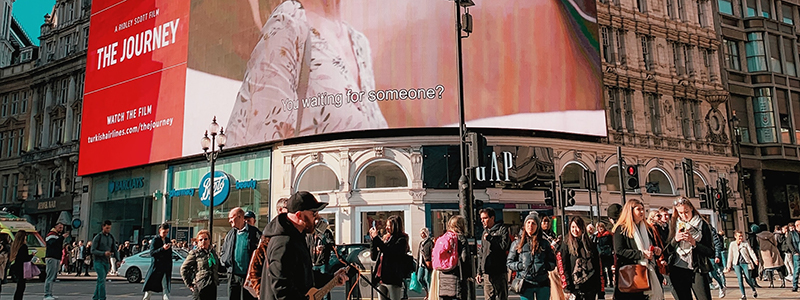
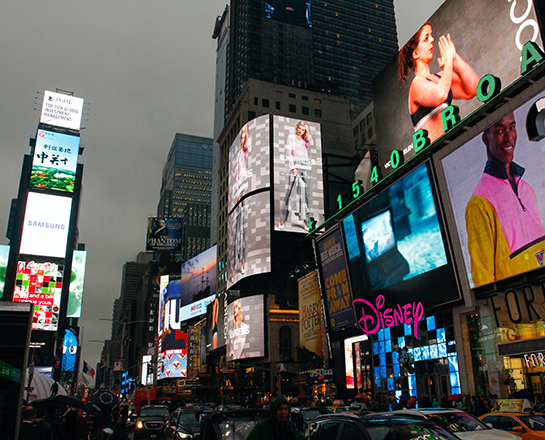
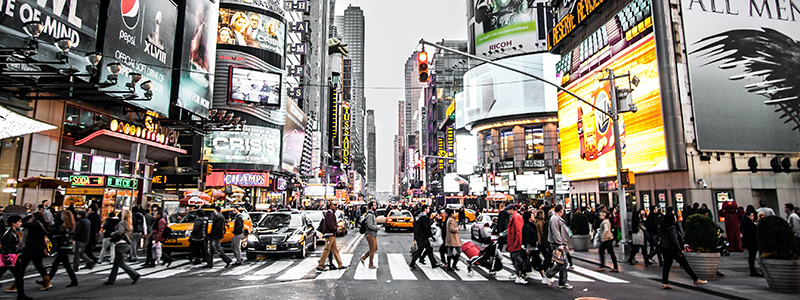
Interactive billboards are a type of advertising that requires audience participation. It is an advertisement that is adapted or enhanced by the consumer’s interaction with it. 

Whether activating a smartphone to view a hidden message on the billboard or changing their body posture to view the ad at a precise angle to display the promotion, interactive billboards have become very popular due to their high effectiveness.

What Is Interactive Billboards Advertising?

Interactive advertising is an effective display method that persuades people to interact with billboard advertisements and establishes a connection between the target audience and the brand. 

It allows companies to create and increase their communication with customers. It is one of the best ways to influence them to actively see and react to an ad, rather than seeing it as just another ad and easily ignoring it.

The Best Interactive Billboards Campaigns

The best way to have consumers remember and form a connection with your brand is to have them interact with it directly.

Some examples of this would be providing the consumer with a positive customer experience inside a retail outlet or hosting some sort of competition involving your brand. However, with a bit of creativity and the right marketing team, you can get consumers to interact with your brand through the medium of billboards.

We’ve collected a list of some of the most inspiring ones that have caught our attention.

L&P Summer Swag

What Is Interactive Billboards Advertising?

The biggest obstacle when it comes to the interactive billboard is the interactive part. What is the billboard supposed to interact with and how does it interact with that thing? The goal is often to get consumers to interact with the billboard, but in order to do so the proper motivation must be in place. There has to be some sort of reward that one can gain from taking an action.

While similar in concept to the Burt’s Bees ad we’ve covered previously, New Zealand soda company L&P goes a step further by upping consumer motivation with better rewards.

This L&P billboard gives everyone who interacts with it free wearable merchandise. On top of being an effective ad, the merchandise provided by the billboard continues to remind the consumer of the brand.

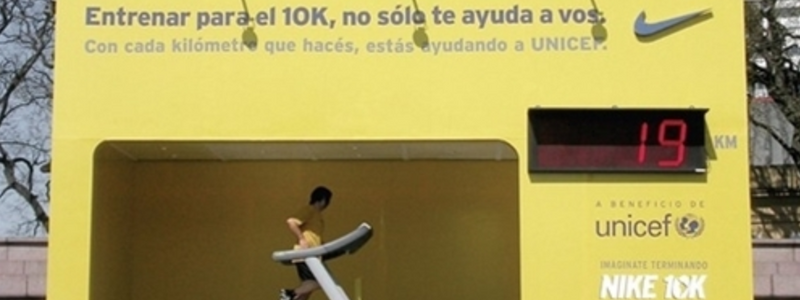
Nike’s UNICEF Treadmill Billboard

Nike’s UNICEF Treadmill Billboard

Many interactive billboards generally rely on the use of an app or website which can be accessed from a smartphone. This billboard however is powered by your feet! And legs. And rest of your body.

Nike teamed up with UNICEF in order to publicize a 10k run in Argentina, they partnered up with while also spreading philanthropy. They set up a three dimensional billboard that was linked up to a treadmill. The treadmill would track the distance run and send the information back to the billboard, which would display the number

The piece that ties everything together is the motivation given to the audience. For every kilometer run, Nike promised to donate a set amount of money to UNICEF. Given the billboard’s timing right before Nike’s 10k, preparing for the run using this billboard’s treadmill would directly end up helping others in need.

Prigat Smile Stations

BMedia – Puerto Rico’s Interactive Billboards Experts

When you’re having a bad day, sometimes all it takes is a kind word in order to make you feel a bit better. Whether it’s a compliment from a stranger or a joke made by a friend, a small amount of joy goes a long way. Israeli juice company Prigat teamed up with famed branding firm Publicis in order to test out this concept and spread some happiness.

These billboards, dubbed “Smile Stations” by Prigat, were set up in train stations dotting Israel. The idea for the smile stations were to have an interactive billboard which provided amusing or uplifting content to anyone who passed by. Instead of just having the billboard spout inane, cookie cutter compliments, Publicis and Prigat instead decided to let consumers create the content themselves.

People who liked Prigat’s page on Facebook were invited to post content with the intention of making the reader smile. This content was then sent to the smile stations for passerby to see and interact with. If someone looking at the billboard enjoyed the content, they would be able to hit a physical Facebook “like” button on the smile station which would then capture their expression.

BMedia – Puerto Rico’s Interactive Billboards Experts

bMedia are Puerto Rico’s interactive billboards experts. If you want to grow your business on the island, we’re here to help make that happen. Let our team of experts guide you through the media planning process from beginning to end. bMedia has a wide selection of outdoor media, like interactive billboards, to choose from. On our website, you can click on each billboard type and learn more about the specific advertising format. 

Our seasoned team can work with you to plan and execute your next extensive advertising campaign. We have the reach, analytics, and knowledge to help you get your message out to the public in the most effective way possible.

Media Selection Process

Out-of-home advertising, also known as OOH, has stood the test of time as a reliable and powerful advertising medium. However, even the most beautifully designed billboard or poster won’t sell your product or service if it is not carefully thought out. Advertisements need to be carefully thought out and planned out. The media selection process of a billboard or other OOH advertising contributes to the success of an advertising campaign.

Media Selection Process

Goals and Objectives In the Process of Media Selection 

The initial step in the process of media selection is to consider what you wish to achieve from your outdoor advertisement. What is the primary goal? Is it to increase sales? Is it to establish a brand presence? Or is it to promote a particular event? Setting these goals at the beginning of your project will map out the necessary efforts to achieve these specific objectives.

Media Planning and Strategy Audience and Demographics

Many factors go into media selection, but many focus on your audience’s characteristics. One of the first steps in media planning and strategy is identifying the target audience, which will help you focus your marketing efforts and budget on groups most likely to become customers.

Your advertising campaign can only generate business leads well if it’s effectively exposed to the target audience. Even an outstanding billboard will fail to meet your goals if you target the wrong audience or are in the wrong location. Media choice is determined by the number of viewers and other target audience demographics such as income, gender, family size, and education level. If product demand is higher within a particular demographic, you can research design and communication trends that cater to that audience, which you can later incorporate into your advertisement.

Media Planning and Strategy

Competition and Product Demand

Market research into your brand’s competitors is crucial to media planning. You don’t want your ad to be drowned out by competing ads. You also don’t want to take the same approaches your competitors take. Ultimately, you want to stand out and be memorable.

Placing your advertisement in areas where product demand is high can increase your market share in the area. On the other hand, strategically placing advertisements in areas with lower product demand can boost brand presence in a new geographical market.

Market research will give your team valuable insights into product demand according to the location and demographics mentioned previously.

Media Planning and Advertising Budget

For your business to generate a profit, you must invest in a media planning and advertising budget. Having a budget will help you better understand advertising requirements and their costs, helping you monitor expenses and ensure advertisement activity is within budget. Setting a budget will depend on existing market share and competition, product life cycle, and frequency of the advertisement. Billboards in high foot-and-vehicle traffic areas can be more costly, but they can also generate a more significant ROI than choosing an affordable billboard with less viewership. An inaccurate budget can increase overall costs if the target of the original budget can’t be met, so it’s essential to consider the budget carefully.

Media Type, Location, and Season

Once a budget is set, the next step of the media selection process is determining what type of billboard and which location is the best for your advertisement. Marketing teams should ask themselves:

  • Which billboards are most appropriate for their marketing goals?
  • How can your message be communicated in the most effective way possible?
  • Do you want to make your ad digital, or is the old-fashion static billboard the best route?

It’s crucial to leverage key locations that match your target demographic. If you are a company selling luxury goods, you’ll want to advertise in areas that will allow you to get the correct information to the right people.

Companies can also leverage the season they choose to advertise. If you’re promoting a new children’s toy, an optimal time to advertise would be during the holidays. If you’re advertising your new pool cleaning service, you might want to advertise during the summer. Being mindful of different consumer holidays and seasons with increased product demand can help ensure your ad gets delivered to your consumer at the right time.

Effective billboard designs

Effective billboard designs

The design and message of your billboard will capture the viewer’s attention. There’s no one-size-fits-all design technique for a billboard. However, bright colors and sharp contrasts make for an attention-grabbing billboard. Proper font usage and readability will also play a role in increasing reach. The key is to keep it simple. A rule of thumb is to use fewer than seven words and more irregular than three visual elements. You want your billboard to be easy to understand and digestible.

Grabbing the consumer’s attention is half the work. The next is to get them to take action. How can you design your billboard in a way that will want people to act on your message? Thoughtfully planning the different design elements of your billboard will allow

bMedia – Puerto Rico’s Advertising Experts

bMedia are Puerto Rico’s advertising experts. If you want to grow your business on the island, we’re here to help make that happen. Let our team of experts guide you through the media planning process from beginning to end. bMedia has a wide selection of outdoor media, like billboards, to choose from. On our website, you can click on each billboard type and learn more about the specific advertising format. 

Our seasoned team can work with you to plan and execute your next extensive advertising campaign. We have the reach, analytics, and knowledge to help you get your message out to the public in the most effective way possible.

Increase Brand Awareness

According to Forbes, most people are exposed to between 4,000 and 10,000 ads per day; there is a challenge for companies to cut through all the noise and make an impact on advertising. Today’s business environment is overrun by competition; you need to differentiate yourself from everyone else. Your product needs to stand out, and increase brand awareness is one of the best ways to do it. This is one of the most powerful advertising mediums for instant recognition and trust among your customers.

Companies can harness the power behind brand advertising platforms such as Out of Home Advertising – OOH to build brand recognition and awareness and expand the market.

Increase Brand Awareness

What is OOH Advertising?

As the name suggests, Out of Home advertising or OOH is an advertising mode found outside the consumer’s home. Companies like bMedia group are leveraging this platform to give businesses a fighting chance.

OOH is inclusive of everything; benches, bus shelters, and billboards. If you can see an ad outside your home, and it’s not on your mobile phone, you are most likely looking at some form of OOH.

Because people spend a lot of time outdoors, the growth of digital advertising has made it hard to get your message heard quickly. OOH provides a solution that combines both digital advancements and traditional advertising, a powerful tool for marketers and advertisers.

Out of Home Advertising Incredible Statistics

Here are some incredible statistics about billboards you probably did not know:

  • In 2018, advertising through OOH was the only traditional tool that showed growth. More than $8 billion was used in OOH ads, growing quarterly.
  • Over 80% of billboard viewers look at the message, and almost half look at the images.
  • Three-quarters of people have noticed the ads on digital billboards, subway, static billboards, newspaper stands, and taxi cabs.
  • Over 69% of all billboard viewers have made purchasing decisions due to OOH ads.

In this regard, it goes to show that incorporating OOH ads in your marketing for brands plan can do the following:

Build and Maintain Your Brand Awareness 

OOH provides the perfect opportunity to instant increase brand awareness, popularity, and elevate its credibility. These strong carryover effects ensure that your awareness strengthens over time.

The larger-than-life images, strong branding awareness, and excellent visibility causes your company to stand out in this cluttered digital space. This is not a competition with other forms of media but a way to cut through the plethora of adverts.

Digital billboards will go a long way in promoting your brand and ensuring your name is on the lips of your potential clientele.

Reach a Massive Audience

OOH provides the most continuous brand popularity and presence of all advertising modes. It informs, stimulates, and entertains one’s senses 24 hours a day. In addition, the ad reach is a much larger audience that includes people who are not constantly on social media.

It also reaches an audience that’s hard to find and engage with, such as people who are cost-prohibitive and light TV viewers. With the many different types of media becoming increasingly fragmented, advertisers need to expand, and OOH targets a very broad demographic.

Sustain Awareness

OOH can maintain your brand’s awareness over time. Therefore, it is more significant and sustainable than other advertising mediums such as television. This is because its continuous presence reaches an audience that other media outlets cannot reach.

The high frequency is also a fundamental strength of OOH. The repeated exposure will ensure that your brand is forever remembered by those who view it.

Out of Home Advertising Incredible Statistics

How Do You Measure The Effectiveness of OOH?

Puerto Ricans are greatly deluged with visual stimulation, and it is estimated that, on average, they can actively view as many billboards as possible. So, naturally, this registers strongly in their minds.

However, for a billboard to be effective and truly stand out from the competition, it must have a captive audience, such as people on a bike, walking, running, or driving. This ensures they cannot ignore the billboard.

Measuring the effectiveness of a billboard is important for every campaign. Therefore, the billboard company, such as bMedia group should provide you with specific data and statistics as pertains to:

The Location

OOH is a unique way of advertising that’s not dynamic. With the internet, ads can change within a short time span. Still, billboards change less often and sometimes offer the most effective ad strategy.

Measuring their effectiveness starts with evaluating the location of their placement. The points to consider include the following:

  • The number of vehicles or people that are passing by the billboard daily.
  • The number of people and cars that see the billboard per day.
  • The number of vehicles or people that interacted with the billboard per day.

How To Measure The Traffic Effectiveness of a Billboard

To measure its effectiveness, it is essential to know the exact amount of traffic surrounding the billboard’s location.

The first thing is to try and find the perfect and most ideal location with a lot of traffic. However, you should know that such areas are usually higher priced than areas with lower traffic. Still, with the amount of business your company will likely receive, this is more than worth it.

Measurement of the traffic is done through many different methods, including using government data, road traffic counts, manually logging in the daily data, and road traffic counts.

The numbers will help determine the ideal location for placing your billboard.

How To Measure The Traffic Effectiveness of a Billboard

Analytics

Suppose you have a slogan, catchphrase, or brand name unique to your business. In that case, you can use Google Analytics data to scrape methods that can be used to analyze how often those specific words and phrases are typed into search engines.

This is similar to executing keyword search for SEO and helps you understand how you can measure the billboard’s effectiveness. The more search hits your brand name has, the higher the number of people viewing your billboard and taking action.

Hashtags

Hashtags have been used widely to provide enough opportunities to get customers on board for a specific message. In addition, you can utilize hashtags to better evaluate the effectiveness of your billboard ad. The number of people responding and commenting on the hashtag is a great measurement.

Sales Analytics

There is a direct relationship between the number of sales and outdoor ads. The higher the sales figure you receive after placing a billboard ad, the more effective the billboard. Essentially the billboard should bring in more customers, which increases sales. If this does not happen, then it is not effective.

Are You Looking To Advertise Through OOH in Puerto Rico?

At bMedia Group, we are the local leaders in everything related to outdoor media in Puerto Rico. As a local company, we provide advertisement vehicles that will make your message get through to your target audience and help increase brand awareness.

Contact our sales team today for an in-depth analysis of this winning advertising model!

How Are Billboards Made

How are billboards made and what does the process look like? The process of making a billboard requires different components and decisions. Some components cover what materials the billboard is made from, which is usually fixed. Those hiring for a new billboard build can select from design options and creativity that coincides with their billboard marketing strategy and campaign. Decisions such as choosing what the billboard will be made out of, what it will convey, what it will look like, how big it will be, how long the billboard contract will last can be decided at the initial start of the campaign.

Edits and updates to a billboard campaign will likely vary for each business, but overall the components to building a new billboard are uniform. We’re reviewing how billboards are made and how they can be enhanced to produce the most effective billboard marketing campaign.

process of billboard creation

How Are Billboards Made?

Making a billboard is a process that consists of several key steps and a variety of different choices. Each one of the steps and choices that comprise the process of making a billboard is incredibly important and allows for a successful billboard marketing campaign.

Every billboard is designed to convey a very particular message that leads to a very particular result. Results such as “more website viewers” and “more people calling in”. But, as mentioned, in order for this result to be obtained a billboard must convey a message that entices people to engage with the offer in a way that leads to the desired results.

Once the intended results are known, a message must be formulated, for the billboard, so that those results can be created. Ideally, this message is clear, concise, and easily conveyable using visuals and as few words as possible.

making billboards

Designing a billboard

Marketing messaging usually determines the mood and setting that the billboard can prove to be most effective. If humor is an underlying theme within the billboard messaging, bright colors might enhance the imagery and, thus, make it stand out a little more. Similarly, if the attempted theme is serious or professional, colors may correlate with these emotions. Hiring an expert graphics team that is experienced in billboard creativity is especially crucial because visual aids are one of the highest priorities. A good billboard makes use of the medium’s visual nature to entice and engage the viewer — who is most likely driving their car — so that they will then engage with what is being offered.

After the billboard has been designed, it must be set-up. Setting up the billboard involves several key choices. Choices such as choosing the material that the billboard will be made of, choosing where your billboard will be displayed, and choosing how long your billboard will be displayed.

Most billboards rely either on paper or vinyl, due to the strength and affordability of those materials. Of course, there are digital billboards and, as mentioned earlier, hand-painted billboards. Both options are also valid, but billboards made of paper or vinyl are far more conventional.

More often than not, a billboard made of those materials will need to measure 48-feet in width, and 14-feet in height. The reason for this is because most billboard frames possess those measurements, due to it being an industry standard. But, there are plenty of billboard frames that have different measurements, which is why it’s important to know where the billboard will be located before printing.

A standard billboard contract lasts for at least one month. If the billboard is doing well, then the contract should be extended, but if it isn’t, then the billboard should be revised or moved somewhere else.


how are billboards made

How Do Billboards Work?


To better explain how billboards work, here are the most important factors that make billboards an excellent part of an advertising campaign.

Billboards work by using a giant print to market a particular brand, product, or campaign. Ideally, billboards are placed in high-traffic areas to increase brand awareness. 

It is estimated that a person sees about 1,000 advertisements daily, with only 7 that can be remembered. Therefore, if you drive a car every day, you will see many billboard ads.

Now that we have a fair idea of how billboards work, there are vital factors that you need to keep in mind that affect their cost. So here are some tips for creating an eye-catching billboard.

  • During times of traffic jams and repetitive halts, billboards installed on major roadways keep the audience engaged.
  • Above all, billboards can reach a large audience compared to other kinds of advertising.
  • Billboard adverts are excellent options for a marketing package for a company looking to improve regional targeting in marketing.
  • Billboards are inexpensive and capable of producing low-cost impressions since they target a large audience.
  • The billboards do not close; they are open 24 hours daily so potential customers can see us. It is a showcase for your business, open all day. 
  • Easy segmentation: with billboards, we can choose where to advertise, segmenting the geographical area and our area of influence. 

Billboards generate brand awareness, making your brand great and powerful, gaining positioning and notoriety. 

We must be cautious when creating a billboard because not all are good for your brand; several factors make an excellent and coveted billboard.

  • Visual field.
  • Position concerning traffic, distance, and orientation.
  • Traffic concentration of the road on which it is located.
  • Competition: if the billboard is among many others, it loses prominence.
  • Location: a billboard at the access to a lower-level area of the city is not the same as a fence at the access to a high-value residential area.

How Do Billboards Work?

What Are Billboards Made Of?

Every billboard consists of three major facets. The frame that holds the billboard, the billboard itself, and the electrical mechanisms that illuminate the billboard. If one of these facets was missing from a billboard, then the billboard medium would be very different.

How are billboards made and what is the process during the physical build? Most billboards are supported by tall steel poles that hold up a large frame. To support the large frame, the steel poles are designed for durability and longevity, relying on stainless steel to support both the frame and the billboard that it holds.

Right at the top of the steel poles, there’s the frame itself. Within this frame, a billboard can be held, as well as various pieces of lighting and electrical equipment. These components are particularly vital as they allow the billboard to display an ad for longer periods rather than just in daylight.

All across the surface of the frame, there’s a material known as “facing”. Facing allows the art that comprises the billboard to be attached to the frame. Large sheets of paper or vinyl artwork are spread across the frame’s surface.

Most billboards rely on using printed sheets of paper and vinyl, rather than hand-painting the frame of a billboard because it’s much cheaper. But, there are still a variety of hand-painted billboards around, and many of them are quite popular due to the fact that they are hand-painted.

To illuminate the billboard, there are lighting and electrical systems embedded within the frame and right outside of it. Most of these lighting and electrical systems rely on automatic timers because it’s far more convenient than manual activation.


What Does Billboard Maintenance Consist Of?

In answering the question, how are billboards made, you must also account for their continued maintenance.

Print Billboard

Maintaining a print billboard is quite easy, due to the fact that print billboards rely on very few individual components and facets. Most print billboards are made of strong and durable materials that last for a considerable amount of time. Unless a billboard has been displayed for a very long time, it’s unlikely that fresh sheets of paper or vinyl will be needed.

Digital Billboard

Maintaining a digital billboard is far more complex, due to the variety of systems and components that comprise a digital billboard.

How Are Billboards Made: Common Issues

What can be problematic, though, is the lighting systems that billboards rely on. If a bulb goes out, then that bulb must be replaced. If the lighting system is damaged, then it must be repaired. Without the proper lighting, drivers will be unable to see the billboard at night.

Maintaining a digital billboard is quite different from maintaining a print billboard. Digital billboards rely on complex hardware and software, all of which must be maintained on a regular basis. Most of the time, digital billboard maintenance consists of things like making sure the software is up-to-date, that the display is set-up properly, that each cord and cable is connected, and that the billboards are being displayed in the manner intended.


Impressions vs Reach

In marketing and advertising, the Rule of 7 is a common concept that states that your potential customer needs to see or hear your brand name roughly 7 times to convert. This is one of the reasons that billboards are so important for companies who want to attract their clients and grow their customer base. However, what are the main differences between impressions vs reach?

As a local leading media company, bMedia’s goal is to provide advertising vehicles that make your message get through to your target market to solidify your brand image and/or increase your sales through impact, quality, innovation, and distinct services.


reach vs impressions

What is Reach and Why is It Important?

Reach is defined by Hootsuite as being the number of people who have seen your ad at least once and can be categorized as either organic, paid, or viral.

Organic reach refers to the number of individual people who saw your content through their timelines or news feed on their own.

Paid reach is the number of people who saw content that was paid for, such as an ad.

Viral reach is the number of people who saw your content because one of their friends interacted with it.

Reach is an important metric to use when considering your marketing campaign because it counts the unique size of your audience; having your reach outlined helps you when you’re trying to understand the impact of your content.

Is Reach the Same as Impressions?

Reach is not to be confused with an Impression. However, when it comes to impressions vs reach, both are equally important metrics for tracking the success of your billboards and campaigns.

Where reach is how many people have seen your content, Impressions are the number of times your content has been displayed to your audience, regardless of if they clicked on it or not. Impressions may show up on your audience’s timeline without them having seen or taken it in. Furthermore, it still counts as an impression simply because it appeared on their web page regardless of whether it garnered engagement.

For example, a piece of content posted on Instagram may pop up on someone’s timeline, and whether they clicked on it or simply scrolled past it, it is still considered an impression.

Which is Better – Reach or Impressions?

There are plenty of similarities between impressions vs reach, but is one better than the other?

When strategizing a new campaign, you want to be sure of which metrics you’re measuring advertising effectiveness and success.

Each Key Performance Indicator (KPI) has a different outcome in terms of success and completely depends on your goals. If you’re unsure whether the amount of ads you’re putting out is too little or too much, you’d want to track impressions. If your ad is sent out and has little engagement or a low conversion rate (someone taking the action you want). Each gives you different information and campaign insight about your ad and content performance to figure out the effectiveness and any changes you may need to make along the way.

reach and impressions

What Is An Impression on a Billboard and How Do You Measure It?

While social media has tons of analytic tools at your disposal, outdoor advertising options (OOH) are a little trickier to track. To do this, you will need a combination of strategies from multiple sources to calculate your success.

Billboards are the most common for those that are on the road or even just walking down the street – as we all can attest to, they are everywhere. The size of these ads is created as such to draw your audience in through their regular routines. Not only that, but they are massive, sturdy structures that can be seen from far away – quite literally hard to miss.

When it comes to OOH advertising, tracking Impressions is a little different. Rather than having data on how many people were exposed to your ad, it’s important to be mindful of activity in the area and the level of engagement. This is mostly calculated through traffic patterns to estimate the number of people that saw the ad through the Traffic Audit Bureau (TAB) using surveys, market research, and more to measure the number of impressions. This information helps you define demographics, interests, consumer characteristics, time spent near the ad, vehicle speed, and much more.

How to Measure Reach with Billboards?

In OOH Advertising, Impressions calculates how many times a person sees your ad on average, where Reach focuses on the bigger picture – the entire population – and the number of times a person has seen your billboard at least once. Reach is calculated technically – using road type, distance on the road, size, and billboard characteristics, to name a few.

Using Reach and Impressions to gauge the performance of your advertisement are great indicators of success, as well as what you can do better next time.

Why Should I Use A Billboard in My Marketing Strategy?

Billboards have been used for years, and are not going out of style anytime soon.

Their effectiveness is unmatched, sometimes without your audience even recognizing the effects of the persuasiveness taking place. You may have used them on a long road trip to play the alphabet game, intaking more information than you thought.

They are psychological attention-grabbers, feeding your audience different messages and calls-to-action (CTAs) with your brand.

On the internet, your audience has more control over whether they see an advertisement, or how often they are on their phones or laptops at all. With billboards, they are physically and mentally hard to ignore, as they surround much of our daily lives and routine. By implementing billboards into your marketing strategy, you take back some of that control and can influence your target audience more easily.

Choosing the right group to help you find that client base is even more crucial in your advertising strategy plan – which is why bMedia statistically has the highest consumer traffic for their island-wide billboards.

bMedia is the perfect agency to help you reach your audience when you want, where you want.

Outdoor Advertising Analysis

Billboards and other outdoor ads are some of the most effective and valuable advertising mediums businesses continue to utilize. Although many of us might only look at a billboard for a short period of time, they are still successful at grabbing our attention, and they’re everywhere we go! You can always find an ad on highways, buildings, transit vehicles, and more. These are just some reasons why businesses trust OOH (out-of-home) ads like billboards to bring in the highest number of views and reinforce brand recognition. However, many forms of outdoor advertising don’t come with the same kind of automated metrics and analytics that digital ads provide. So, how do you know how well your outdoor advertisement is working, or if it’s even working at all? The answer is through a detailed Outdoor Advertising Analysis.

advertising analytics

Outdoor Advertising Analytics

This thorough assessment uses analytical data and tools that help businesses efficiently monitor their marketing campaign within a specific industry. Advertising analytics let marketers know if their campaigns are targeted to the right audience and if they are using the right medium to do so.

Why is Outdoor Advertising Analysis Important?

Companies that use data-driven insights have a 10-30% improvement in their overall marketing performance. This is because the practice provides you with the data to determine if your outdoor advertising campaign is working or not. A thorough outdoor advertising analysis will prove just how effective your billboards can be.

Having this information allows businesses to make changes to their strategy accordingly, such as reallocating budgets, or changing the ad’s approach. Analyzing this information properly and carefully will guarantee a greater impact for any advertising campaign.


How to Measure Advertising Analytics

There are many metrics that go into measuring the success of your outdoor advertising campaign strategy.

billboard for outdoor advertising

Here are the most common:

Impressions

Impressions are used to quantify the times a user encounters an advertisement. This is also known as a view-through. Essentially, impressions represent the number of times an individual consumer sees a message from your advertising campaign. Traditional billboards measure impressions by referring to how many show the specific ad in a given area. Some brands might have a more saturated presence in one area compared to others, which can pull focus from your ad.

Reach

Reach refers to the total number of different people or households exposed to your advertisement. When it comes to billboards and other forms of OOH, this is calculated using the Daily Effective Circulation (DEC), which is the average number of people or vehicles that are exposed to your billboard within a given timeframe measured in hours, referred to as the effective illumination rate.

Reach can also be measured through:

  • Demographics
  • Census Data
  • Eye Tracking
  • Traffic Counts and Vehicle Analytics

Frequency

Frequency refers to the average number of times your ad is exposed to a unique user. This is calculated by dividing your ad’s impressions by its reach. High-frequency rates increase the chance that a customer has a high-quality engagement with your ad and that there were multiple interactions with your brand. Essentially, this statistic takes into account how many times the consumer will be exposed to your ad throughout the campaign. Frequency can be measured by:

Traffic and Location

Before businesses decide on a location for their billboard or outdoor ad, we recommend using government data, census, road traffic counts, and manual travel data to measure foot and vehicular traffic. This will allow businesses to get a sense of how many vehicles and pedestrians will pass by the ad in this proposed location. This data can also be used to measure metrics while the ad is live.

Analytics

If your business has a unique brand name, slogan, or catchphrase, try incorporating that into your ad. Data scraping methods will allow you to analyze how often terms unique to your business are typed into search engines, similar to keyword research. Search levels will give you insight into how often consumers are viewing your ad and engaging with it.

Hashtags

Businesses can utilize hashtags to help them evaluate the effectiveness of their billboard or other OOH ad. Hashtags are a popular way to track conversations surrounding the brand, product, or service. Including hashtags on an outdoor ad can motivate consumers to engage with the ad and eventually use the hashtag on social media. This method can provide useful insights for businesses such as audience reaction and customer retention.

Sales Analytics

An increase in sales can determine if an outdoor ad is bringing in more customers or not. It’s recommended businesses monitor sales reports and see if there is a correlation between sales and the outdoor ad campaign. If there is an increase in sales and customer retention during the lifespan of the ad, it’s safe to say that the ad is working!

advertising analysis

bMedia Group: Puerto Rico’s Advertising Experts

Here at bMedia Group, we understand how specific data and metrics can help optimize your advertising efforts. As Puerto Rico’s advertising experts, we can offer you the best ROI through our extensive outdoor advertising opportunities.

With over 500 billboards available in a variety of formats, located in high traffic and high impact areas, we guarantee your ad will be seen.

Our group of professionals uses data and vehicle analytics compiled from accurate and real-time information and they are always ready to provide effective and measurable solutions to your business. bMedia knows that with the right data and analytics, we can help your business reach new heights in Puerto Rico.

For more information on how to find the right billboard and location for your next advertising campaign, reach out to bMedia today! 

Creative Strategy in Advertising

In today’s fast-paced marketing world, creativity isn’t optional; it’s essential. With consumers exposed to thousands of ads every day on radio, TV, social media, and outdoor platforms, capturing their attention requires more than a catchy slogan. It demands a well-crafted creative strategy.

At bMedia Group, we specialize in creating bold, memorable advertising campaigns that break through the noise, particularly in outdoor and out-of-home (OOH) media. Let’s explore how a strategic and creative approach to advertising can elevate your brand and why it’s a must-have for long-term marketing success.

creative advertising strategy

What Is a Creative Advertising Strategy?

A creative strategy is a structured plan that guides how your business communicates with its audience through marketing. It aligns your branding, goals, audience insights, tone of voice, and messaging into a cohesive roadmap for content and campaign execution.

At its core, a creative advertising strategy helps businesses:

  • Define their target audience and key messages
  • Determine which advertising channels are most effective
  • Set measurable goals and KPIs
  • Create compelling visual and verbal brand elements
  • Develop memorable campaigns that connect emotionally

Identifying Your Target Audience: The First Step in Creative Strategy

No matter how clever your message is, it won’t succeed if it’s aimed at the wrong audience.

Your creative strategy begins with audience targeting. This involves identifying the people most likely to connect with your product or service, understanding their behaviors and needs, and designing messages that resonate with them. Utilize tools such as market research surveys, competitor analysis, and customer data to develop accurate buyer personas.

Once you’ve honed in on your ideal audience, your advertising message becomes sharper, more relevant, and far more cost-effective.

Aligning Your Brand Voice and Message

A successful campaign isn’t just eye-catching; it reflects your brand’s voice, values, and tone.

Ask yourself:

  • What does my brand sound like?
  • How do I want customers to feel when they engage with my ad?
  • What core message do I want them to take away?

Whether you’re aiming for a bold and edgy campaign or one that’s heartwarming and emotional, your messaging should stay consistent across platforms. Keep in mind that effective advertising focuses on benefits over features – emphasize how you improve the customer’s life, not just what you sell.

Powerful Call-to-Actions That Convert

Once your audience is hooked, it’s time to drive action. This is where your call-to-action (CTA) comes in.

The CTA is the bridge between interest and conversion. Strong CTAs use direct, benefit-driven language to push users toward a desired goal.

Examples of high-performing CTAs include:

  • “Get a Free Quote Today”
  • “Find Your Nearest Location”
  • “Book Your Adventure Now”
  • “Don’t Miss Out – Subscribe Now!”

In outdoor advertising, CTAs must be instant and straightforward; viewers only have a few seconds. Clear, concise language is key.

Setting Marketing Objectives and Tracking Performance

Every great creative campaign starts with specific, measurable objectives. These help ensure that your efforts aren’t just innovative but also practical.

Ask yourself:

  • What does success look like for this campaign?
  • Are we aiming for brand awareness, lead generation, or direct sales?
  • Which performance metrics will we track?

Popular advertising KPIs include:

  • Click-through rate (CTR)
  • Impressions and reach
  • Return on ad spend (ROAS)
  • Conversions
  • Customer acquisition cost (CAC)

These metrics let you test, learn, and optimize your creative strategy over time.

creative marketing strategy

Why Brand Style, Voice, and Tone Matter in Advertising

Your brand identity is more than just a logo. It’s the total experience you create for your audience, and it plays a massive role in whether your ads succeed.

Key elements of brand identity include:

  • Logo and visual style
  • Typography and color palette
  • Taglines and slogans
  • Emotional tone and language choices

Think of McDonald’s. Their visual elements (red and yellow), slogan (“I’m lovin’ it”), and even jingle are deeply etched into public memory. That’s the power of consistent branding across all marketing channels.

Collaboration and Timeline: Building a Campaign That Stays on Track

Great creative campaigns are rarely built in isolation. Stakeholders across marketing, sales, design, and leadership must be aligned on goals, messaging, and timelines to ensure effective collaboration.

Create a shared calendar or project tracker with key milestones like:

  • Concept development
  • Design approvals
  • Ad placements
  • Campaign launch
  • Performance reporting

Having clear checkpoints helps teams stay organized, communicate effectively, and keep the campaign moving forward on schedule.

Why Creative Strategy in Marketing Matters More Than Ever

With competition rising and attention spans shrinking a thoughtful and creative strategy is no longer optional. It allows your business to:

  • Cut through the noise with a unique message
  • Build long-term brand equity
  • Deliver consistent experiences across channels
  • Adapt to evolving audience behaviors and trends
  • Maximize advertising ROI

In short, a creative strategy serves as the blueprint for memorable advertising.

what-is-a-creative-strategy-in-advertising

Types of Creative Advertising Strategies That Work

Creative strategy isn’t one-size-fits-all. Here are a few approaches we’ve seen work wonders:

Be Responsive and Accessible

Modern consumers expect fast answers and real-time interaction. Keep lines of communication open across all channels, including social media, email, chat, and phone.

Make It Memorable

Use slogans, jingles, or unique visuals that stick. Consistency across your messaging will increase brand recall and loyalty.

Use Out-of-Home (OOH) Advertising Wisely

Billboards are not just old-school; they’re high-impact and high-visibility. Whether static or digital, they offer exposure 24/7 and are trusted by consumers more than online pop-ups or banner ads.

Leverage Digital Billboards

Today’s digital out-of-home (DOOH) technology allows brands to run dynamic, data-driven campaigns on bright screens across cities and highways. You can even change messaging by time of day, weather, or audience demographics.

Use Out-of-Home (OOH) Advertising Wisely

Billboards are not just old-school; they’re high-impact and high-visibility. Whether static or digital, they offer exposure 24/7 and are trusted by consumers more than online pop-ups or banner ads.

Leverage Digital Billboards

Today’s digital out-of-home (DOOH) technology allows brands to run dynamic, data-driven campaigns on bright screens across cities and highways. You can even change messaging by time of day, weather, or audience demographics.

Why OOH Advertising Still Delivers Results

Even in the digital age, outdoor advertising remains one of the most effective tools in a marketer’s toolkit.

Here’s why:

  • It’s always on: 24/7 exposure
  • OOH builds trust: Perceived as more reliable than digital ads
  • It enhances recall: Visuals are more memorable than text
  • Complements digital: Supports multi-channel strategies

From static billboards to transit ads and digital screens, OOH campaigns boost brand awareness in ways other formats can’t.

how to create a creative strategy

Partner With bMedia: Your Experts in Puerto Rico Advertising

At bMedia, we help businesses across Puerto Rico develop creative and effective advertising strategies that work. Whether you’re launching a new product, rebranding, or just trying to stand out from your competition, we bring experience, insights, and innovation to every campaign.

With:

  • Over 500 billboard and DOOH locations in Puerto Rico’s most high-traffic areas
  • Expert marketing and strategy consulting
  • Full campaign development support

We’ll help you take your brand to new heights.

Ready to Build Your Creative Advertising Strategy?

If you’re ready to stand out in a crowded marketplace, it starts with an innovative, imaginative, creative strategy. Whether you’re a small business, established brand, or marketing agency, bMedia Group is here to help bring your vision to life.

Let’s make something unforgettable.

Contact us today and get started on your next big campaign.

Difference Between Traditional and Digital Marketing

Over the last 50 years, the marketing game has changed drastically, which has led to a major shift in the difference between traditional and digital marketing. It has closely followed developments in technology starting with print, then moving to radio, television, and now the Internet.

Because of all this change, some marketing practices are completely outdated, while others are more relevant than ever.

While there are many similarities between traditional marketing and digital marketing, there are a lot of differences, too. A modern strategy should focus on a mixture of things, so we’ll break down the different areas to focus on.

Difference Between Traditional and Digital Marketing

What is Traditional and Digital Marketing?

Before we get too deep, what is traditional and digital marketing?

Traditional marketing is using methods that have been around for a long time, and most include practices that pre-date the Internet, such as:

  • Billboards
  • Print ads (magazines, newspapers, etc.)
  • Radio/TV commercials

Digital Marketing, on the other hand, is utilizing computers and the Internet to reach your customers. This can include:

The most interesting thing to remember is that digital marketing doesn’t have to be online or on a computer. It can also be on billboards or other screens that can get more customized messages to customers while they’re out and about.

Key Differences Between Traditional and Digital Marketing

With the unwavering popularity of the Internet, this form of marketing has infiltrated our daily lives to an extent that no one could have ever predicted. Beginning on a single household computer, now every member of most families has multiple devices that connect them to the online world. From phones, to tablets, to laptops, the average person connects to the Internet multiple hours per day!

This has presented advertisers with an opportunity to reach their audience like never before, but it also presents significant challenges. In the industry, we call it ‘too much noise’ – and the basic concept is that people are being so over-marketed (especially online) that it’s hard to cut through all the noise to get your message across.

For example, social media advertising is slowly becoming a very lucrative and effective way to reach a wide audience. However, the popular platform of the moment seems to be constantly changing, and each has a specific target audience where marketers see the most impact.

Some social platforms require paying “influencers” for anyone to listen, while others rely on hyper-targeting to make sure your message is seen by the right person. That’s why it’s critical to go with expert help when making your marketing plan, and really understand the difference between traditional and digital marketing.

Similarities Between Traditional Marketing and Digital Marketing

Traditional Still Reigns Supreme In Some Markets

While many companies have moved online for their advertising efforts, traditional efforts still reign supreme in some markets.

One good example, which is also the one we work on every single day, is billboard marketing in Puerto Rico. As anyone who has lived on or visited our wonderful island knows, traffic can be a major problem. Nobody likes traffic, it adds to a lengthy workday, and can be overwhelmingly frustrating just sitting in your car and not being able to move for long periods of time. While most would agree that there’s nothing really good about the traffic in Puerto Rico, the one major benefit comes in the exposure of billboards. The driver of a car should never be looking at their phone while operating a vehicle, so their only choice is to look out the windshield at what’s in front of them.

Strategic billboard placement in high traffic areas can be a very successful method of getting marketing messages across as drivers really have no choice, but to look at them.

Effective traditional marketing efforts are not limited just to billboards though, believe it or not there is still a large sector of the population that reads the newspaper every morning and orders magazines for their interests! While online has inevitably engulfed a large portion of these types of marketing mediums, for specific products usually targeting an older demographic, traditional print and other forms of marketing are still used often.

Similarities Between Traditional Marketing and Digital Marketing

There is a big similarity between digital and traditional: they’re both trying to reach your customers in the most useful way. Plus, when combined as a strategic marketing mix, they really can build off of each other.

In a world where people are exposed to nearly 5,000 advertisements every single day, cutting through the noise can be a very difficult endeavor. This is where strategy and creativity come into play which when combined produce some of the most beautiful and effective advertising. Appealing to people’s sense of humor or humility are common methods of getting a message across, but even being different and creative is no longer original enough to make an impact. What marketers are seeing these days is that volume and frequency of advertisements is one of the most effective ways to cut through the noise. Content marketing is a common tactic for companies to get their brand in front of people on a regular basis.

This is where the marriage between traditional and digital marketing comes into play. Advertisers must constantly remind their audience of their products and services, so the best way to do so is to get in front of them as often and in as many different ways as possible. Let’s revisit the example of outdoor media in Puerto Rico. If a driver is on their way to work and gets stuck in some traffic trying to get across San Juan, they will see a number of billboards along their way. At one particularly slow point, they notice a billboard for a beautiful new watch. They’ve been in the market for a watch for a few months now and this advertisement managed to catch their attention.

Difference Between Traditional Marketing and Digital Marketing

Now fast forward to the rest of this potential customer’s day. While they are at work, they decide to take a break during lunch and investigate some more information about the watch they noticed on the billboard during their drive. An effective web strategy would be able to capture this web visitor’s information, drop a cookie in their browser, and then show personalized ads to them on the web and social media for the watch they were looking at.

While the billboard may have sparked the initial interest in the product and caused the person to gather more information, it will be the persistent reminder of targeted Google advertisements in their web browser or ads showing up in their Facebook newsfeed that eventually lead to making a purchase decision.

Traditional vs Digital Billboards

We mentioned that billboards and other outdoor advertising can be extremely effective in the right markets, and it’s even more exciting when you add in the possibility of digital billboards. Whether a sign at a busy intersection, on the side of a bus, or placed inside of a building, there are plenty of options.

The only real downside to a traditional billboard is that you create one ad, and it shows to all people at all times of the day. Digital billboards completely solve this problem!

A digital billboard allows you to display one targeted ad during the morning commute, say, for airline tickets to an exotic vacation. That will put travel in the mind of the viewer while they’re sitting at their desk at work all day.

Then, during the evening rush hour, you can advertise a movie or a restaurant. People are in their cars thinking about evening entertainment, and this might make them change their plans.

In other words, the difference between traditional and digital marketing really blurs when you start factoring in digital billboards.

Key Differences Between Traditional and Digital Marketing

Cost of Digital Marketing vs Traditional

As a businessperson, you’re probably concerned with the bottom line. What’s the cost of digital marketing vs traditional?

The answer to this is exactly what you’d expect: it depends.

Just like it’s much more affordable to put an ad on page 7 of a small-town paper than a billboard in Times Square, some digital ads are cheaper than others. You can get social media ads virtually for free if there isn’t much competition, or you could pay top dollar to be high on the page in popular Google search.

Again, it really comes down to finding the right mix that will achieve your goals with your customers. If you’re not sure how this looks for you, please reach out to us. As the local leaders in outdoor media in Puerto Rico, we can make sure your business is reaching your audience.

Media Planning and Buying

The process of media planning and buying is vital in determining the success of your business. Advertising is the key to making sure that your business reaches its target audience, but how can you implement a clear strategy for advertising effectively?

Media planning and buying will see your business successfully appeal to the right audience, so it is an important step to take. Keeping up to date with advertising and new media will ensure that your campaigns are successful. On the other hand, using outdated media campaigns could see your business not gaining the attention that it deserves.

In this article, you will learn two important things:

  1. How to strategize your media planning to reach your target audience
  2. Key performance indicators to use through OOH advertising to promote your business

What Is Media Planning?

To start off, what is media planning?

The media planning process determines the way in which media will be shared with your target audience.

Media planning decides what media will be shared where and what will be the best ways to reach your target audience. It also ensures that you do the correct market research to discover the best ways of reaching your target demographic.

Although the process can be difficult, it takes a lot of planning to make sure that it works for your business and advertising campaigns. However, once you are focused on creating the best possible OOH advertising for your target audience, you’re on track to successfully promote your business.

Media Planning and Buying

What Is Media Buying?

The process of media buying is to further direct your advertising campaigns to your target audience. Media buying refers to the process of buying advertising space that will reach your target demographic.

The advertising space can refer to:

  • Websites
  • Magazines
  • Newspapers
  • And many other areas

Think of it as the space that will reach your target audience for your business.

Media buyers take control of negotiating with the advertising spaces that you want to purchase to promote your business. It is important to make sure that you are purchasing the right space for the right length of time for maximum optimization.

The Media Planning Process

The process of media planning and buying can take a lot of time to get right as it involves a lot of research. The research is especially important as you need to make sure that you are using the right platforms to target your audience.

Follow these steps for the media planning process:

Plan Your Objectives

Different campaigns will have different objectives, so it is important to make sure that you plan your objectives to make sure that you hit all of the goals. Once the objectives have been thought out, you can begin your research into the best way to advertise your company.

Having clear objectives helps you to decide what media you would like to work with and what media won’t work for the objectives of the campaign. You need to make sure that you are aware of your brand and what you want to achieve from advertising your business.

Decide The Budget

Media buyers need to make sure that they have the right amount to spend on advertising campaigns. This allows them to then plan how they can make the most out of the budget to optimize the advertising campaign.

Media buyers must then work on negotiating after they have established their budget and what can be done with the budget. This will allow the company to make sure that they can create the best form of advertising for their campaign.

Media Planning Process

Market Research

Making sure that you understand your target audience is key in successfully planning your advertising campaigns. Market research will allow you to understand your target market so that you can promote your business the right way for them. 

If you don’t understand your target market when advertising, there will be a possibility that you will miss them in your campaigns. Advertising the wrong way to your target audience comes with the risk that they won’t see the campaign.

Frequency And Reach Of The Campaign

The frequency of the advertising campaign shows how often your target audience will see the advert. This will help to increase the exposure of your campaign and make sure that it reaches your target audience when you want it to.

Continuity, flighting, and pulsing are all factors in planning the frequency of the advert. You will need to decide if continuity will be best for your business as the campaign will consistently advertise, or whether flighting will work best, where there are breaks in the campaign. If you think both will work, then pulsed advertising combines both forms.

The reach of the campaign refers to the number of people who will see the advert over a certain amount of time. This will help you to analyze the exposure of your advertising campaign in front of your target audience.

Make Sure That You Analyze The Success Of Your Plan

Once your campaign is in place, media buyers need to continue to track the success of your OOH advertising. Changing the campaign after it has been set is difficult for media buyers, so having marketing performance insights can help media buyers to keep track of the optimization of the advert.

Examples Of Media Channels

OOH Advertising

OOH advertising has become increasingly popular to get the attention of your target audience not only in their home but outside their home in public spaces.

Popular forms of OOH advertising are billboards as they can reach up to 10,000 people a month if they are situated in the right public spaces.

Digital Media Planning

Magazines are still popular to read, but they are often read electronically instead of in print. Digital media planning is a great way to advertise your business as magazines often have target audiences. If you share the same target audience as a certain magazine, having advertising space in the magazine will optimize your business.

What Is Media Planning

Social Media

Social media is a very popular way to promote your business and it can target your chosen demographic. The reason that social media is very popular with advertisers is that it is very profitable. Social media can reach anyone as it is an incredibly popular platform and a very modern way of advertising.

Key Performance Indicators

Analyzing your campaign is important for keeping track of the engagement. Keeping track of the engagement can help marketers determine what the main factor behind the success of the advertising campaign was and how it can be applied to future campaigns for success.

You need to make sure that your key performance indicators are relevant to not only your target audience but to your marketing strategy. It is important to make your key performance indicators attainable for your business, but there is no limit to how many key performance indicators that you need to have.

How Can bMedia Help?

bMedia can help you by offering its services of high-quality OOH advertising. Reach is one of the most critical points of media planning as you need to make sure that your advert is seen by a lot of people. bMedia can help optimize the reach of your advertisement campaign.

bMedia has digital billboards in over 50 locations that are easily seen by the public. The locations of these billboards are in prime locations where the public can see the advertisements, either at highly populated shopping centers or on highways that are used daily.

Reach is the most important element of media planning as you need to determine how many people will see the advertisement. Having your advertising campaign in a location where no one will see it won’t optimize your campaign or your business. This is where bMedia can help to optimize the reach of your advertising campaign.

How to Promote Your Business in the Community

Promoting your business is essential if your goal is to stand out from your competitors and gain brand recognition in the community. Therefore, it’s important to take advantage of promotion opportunities in your area that will generate more customers and help solidify a trusted brand-consumer relationship in your community. In today’s digital age, promotion opportunities are endless. Businesses can spread the word about their product through search engines, social media channels, online directories, or even go with the ever-so-trusted billboard. To reach your target audience, you must make your brand visible on multiple platforms. Here are some different ways how to promote your business in the community.

how to promote your local business

Out-of-Home Advertising (OOH)

The first step to promoting your business is to make it visible. What better way to do it than out-of-home advertising (OOH). Outdoor advertising techniques include street signage, flyers, street teams, promotional events, and the beloved billboard.

The most trusted and original forms of OOH advertising are billboards. Billboards work because they are eye-catching and one of the most trusted forms of advertising for consumers. The majority of Puerto Ricans live in urban areas, and the great thing about billboards is that they can target local high-traffic areas where customers can interact with your campaign.

Today, we are seeing billboards evolve, boasting endless advertising potential for business. Digital billboards continue to rise in popularity because it allows users to directly engage with the advertisement, creating a memorable experience that highlights the product/ service you are offering.

To ensure a successful billboard campaign, we have determined some best practices to help maximize your promotion:

  • Keep it simple
  • Use borders and cropping appropriately
  • Be intentional with colors and contrast
  • Leverage key locations and seasons
  • Be careful of fonts

Establish a Social Media Presence

There are 2.32 million social media users in Puerto Rico as of January 2021, equivalent to 81.6% of the total population. Social media platforms like Instagram, Facebook, YouTube, TikTok, and Pinterest are great marketing tools because of the ability to engage with existing customers while reaching out to new customers. As of December 2020, Facebook received 80.3% of all social media site visits in Puerto Rico. Facebook advertising is all about getting your message on the right news feeds using targeting options. Facebook allows you to advertise using images, videos, and even polls for interactivity.

Additionally, social media can be used as a marketing tool by creating brand-specific content. Social media has provided us with a range of posting formats such as images, short video stories, live sessions, tutorials, and more. Creating content for these platforms is an opportunity for business owners to engage with consumers while promoting a specific product, service, or event.

promote business with SEO

Take Advantage of Search Engines Like Google

Being visible on Google is great for your brand, it puts you directly in front of consumers seeking solutions. Creating and verifying your Google Business profiles allows your business to show up on Google Maps and caters results to the searcher’s current location. Creating a Google My Business account is free and once verified, you can optimize your listing to show up as a high-ranking result for relevant searches using a good SEO strategy.

Be Involved in the Community

If you’re wondering how to promote your business in the community, a good place to start is to be active and attentive in your community. Businesses can sometimes be involved in the community for the wrong reasons and they show. Be sincere, be genuine. Don’t push your business if it’s not relevant or actually helpful. In one way or another, your business will come up and your community will support it after they’ve seen and felt your support.

Being involved in the community involves giving back to it. Donating to a local charity will bring your business closer to locals by making it more approachable. Consumers are likely to support your business if you’re associated with a charity or cause close to them. You can give back to your community in several ways including:

  • Annual contribution to charity
  • Special promotions with a percentage of sales going to a cause
  • Donate products or services to local schools or community centers

5 star reviews

Get Online Customer Reviews

Set up profiles on platforms like Yelp and Tripadvisor to increase brand exposure. These platforms are used by locals and visitors when looking for local businesses. 92% of consumers purchase from a business after viewing it on Yelp. These platforms allow customers to leave reviews, making it easy for business owners to monitor and respond to any business inquiries. Make sure all business information, such as hours, phone number, address, and website are all accurate for potential customers.

Importance of a Good Marketing Strategy

A good marketing strategy is a blueprint that will determine how your message will reach out to your target audience. Your business might be making a profit, but to remain successful, you must consistently stay ahead of your competitors. The best way to ensure this is to have a good marketing strategy in place. Not only will good advertising give you an edge, but it can also give you insight into how your business is performing, allowing you to make the right business decisions.

Market research is crucial in creating your promotional strategy. Data and information collected from this research will allow you to develop your product or service to boost profit potential. It can also help you create a detailed organization plan, ensuring optimum utilization of resources to get the message in front of the target consumer.

How to Measure the ROI of Your Campaigns

Once you’ve learned how to promote your business in the community, it’s then important to know how to measure the effectiveness of your promotional efforts.

Marketing ROI involves attributing profit or revenue as a direct cause of marketing growth initiatives. To determine whether your advertising campaign is successful or not, there’s a straightforward formula you can use:

ROI = (Sales growth – organic sales growth – Marketing Cost) / Marketing Cost

Marketing costs include but are not limited to:

  • Overhead and internal expenses
  • Agency fees
  • Media buys
  • Creative costs

ROI helps determine budget allocation for ongoing and future ad campaigns. It’s important to consistently evaluate KPIs such as reach, frequency, and impressions so you can determine if your marketing efforts are benefiting business growth and help you allocate your budget accordingly.

Strategize with bMedia Group

If you’re looking for ways to promote your business within your community, reach out to bMedia Group. We are Puerto Rico’s leading experts in outdoor and billboard advertising. Our professionals can help you strategize, execute and maximize the effectiveness of your promotional campaign and market research.

Contact us today! We’ll guarantee your ads will be seen and remembered, helping you unlock unlimited business growth.