What Is Outdoor Advertising? Outdoor Media And OOH Explained

If you have ever looked up and noticed a billboard, an ad at a bus stop, or a message on a screen in a busy plaza, you have seen outdoor advertising in action. What is outdoor advertising in plain terms? It is advertising designed to reach people when they are out in the world, not sitting at home.

You will also hear it called outdoor media or OOH, which stands for out of home. These terms are often used interchangeably. In this guide, you will learn what is outdoor advertising, what formats matter most, how to pick the right placements, and how to think about measurement so you can plan with confidence.

bMedia Group helps brands plan and run outdoor campaigns across Puerto Rico with a technology-forward approach, 500+ locations, and the ability to reach 90% of the population in minutes.

What Is Outdoor Advertising And Why It Works

What is outdoor advertising really doing for your business? It puts your message in front of people during real life moments: commuting, shopping, meeting friends, traveling, and running errands.

Outdoor works best when you need:

  • Broad awareness fast
  • Repetition that builds familiarity
  • Strong local presence by region
  • A message that is easy to understand in a few seconds

Outdoor media is not about cramming information. It is about being clear, visible, and present where your customers already are.

outdoor media

Outdoor Advertising Formats You See Every Day

Outdoor media is a big category. Here are common formats, plus how they typically fit into a plan.

Billboards

Billboards are large placements along highways and major roads. They are ideal when you want high reach and steady visibility.

Digital Billboards (DOOH)

DOOH means digital out of home. These are screens that can rotate multiple ads. They are useful when you want flexibility, quicker creative swaps, or day-part messaging.

Posters And Street-Level Placements

Posters and street furniture (bus shelters, benches, kiosks) sit closer to eye level. They can be excellent for neighborhood targeting and pedestrian-heavy areas.

Transit Advertising

Transit placements include buses and areas around transit hubs. They work well when your audience moves through the same routes every week.

Place-Based Media

This includes formats like:

  • Restroom ads
  • Gas station ads
  • Medical office ads
    These can be effective when you want to reach people in specific settings where they have more time to read.

Outdoor Advertising In Puerto Rico

Outdoor planning improves a lot when you stop thinking “island wide” as one big idea and start thinking in zones.

A practical way to approach it is:

  • Metro reach: San Juan, Bayamón, Carolina, Caguas
  • South and west coverage: Ponce, Mayagüez
  • North corridor: Arecibo and surrounding routes

With bMedia Group’s scale across 500+ locations and a planning approach built around reach and performance, you can match placements to real movement patterns, not guesses.

Quick Decision Guide: Pick Your Format By Goal

If your goal is speed and flexibility

  • Choose DOOH
    Best for promotions, multiple messages, seasonal swaps, and fast creative updates.

If your goal is always-on presence

  • Choose static billboards
    Best for brand recognition, consistent visibility, and simple, memorable messaging.

If your goal is impact

  • Choose spectacular placements
    Best for major brand moments, launches, and high-attention environments where size and placement do the heavy lifting.

Simple Comparison: Digital vs Static vs Spectacular

  • Digital (DOOH): flexible, can rotate messages, great for timing and testing
  • Static: steady, simple, consistent, ideal for long runs
  • Spectacular: premium visibility, high impact, best for big statements

What Drives Cost In Outdoor Advertising

Outdoor pricing is not one flat number. It usually depends on:

  • Location: traffic volume and visibility
  • Format: digital vs static vs premium placements
  • Duration: how long your campaign runs
  • Share of time (digital): how often your ad appears on a loop
  • Production needs: printing, file specs, creative revisions

Quick Details Block: Budget Inputs You Should Know

  • Regions you want to cover
  • Formats you want to use
  • Timeline and start date window
  • Whether you need one message or multiple versions
  • Your primary outcome: reach, traffic, brand lift, or launches

If you bring those inputs to the table, planning becomes faster and more accurate.

How Outdoor Advertising Is Measured

You do not need to be a media buyer to understand measurement. Here are the key terms, in plain language:

  • Impressions: estimated views of your ad
  • Reach: how many different people you may reach
  • Frequency: how often those people may see the ad
  • CPM: cost per thousand impressions, a common way to compare efficiency across channels

Outdoor planning works best when you set expectations clearly:

  • Outdoor is strong at awareness and recall
  • It supports other channels by keeping your brand top of mind
  • It performs better when the message is simple and the placement matches your audience

bMedia Group’s approach stays focused on measurable outcomes, CPM efficiency, targeting by region, and realistic performance reporting without promising exact results.
outdoor advertising

Creative Rules That Make Outdoor Work

Outdoor ads are seen quickly. Your design has to do its job fast.

bMedia Creative Checklist

  • Keep it to one clear message
  • Use large fonts that can be read at distance
  • Strong contrast between text and background
  • One main visual, not a collage
  • Brand name or logo visible, but not cramped
  • If you include a call to action, keep it short
    Think “Visit,” “Call,” or a simple URL. Avoid long sentences.

Quick Details Block: What You Need To Provide

  • Your logo and brand colors
  • One headline or offer
  • One main image (high quality)
  • Any required disclaimer text, if applicable
  • Preferred landing page or phone number

If your ad needs people to remember a phone number, consider pairing it with formats where people have more time, like place-based media. For highway billboards, keep actions simple.

Timeline: How To Plan Without Stress

Outdoor campaigns go smoothly when you give yourself enough time for creativity and approvals.

Planning Timeline (Typical)

  • Week 1: choose region, format, and schedule
  • Week 2: finalize creative and specs
  • Week 3: production and confirmations
  • Launch: monitor, report, and adjust if using DOOH rotations

If you are planning around seasonal demand, aim to start earlier for high-competition periods like holidays, major travel windows, or back-to-school. You do not need exact dates to plan well. You just need a clear window and a clear message.

Common Mistakes To Avoid

These are the issues that most often reduce results:

  • Trying to say too much in one ad
  • Picking locations without matching the audience
  • Running too short to build frequency
  • Using designs that look good on a laptop but fail at distance
  • Skipping measurement expectations until after launch

Outdoor advertising is simple when you treat it like a planning problem, not a guessing game.

Bringing It All Together With bMedia Group

Now you can answer the core question, what is outdoor advertising and how it fits into real business goals. Outdoor media works when your plan is clear: audience, region, format, timeline, creative constraints, and measurement.

bMedia Group brings island-wide scale, 500+ locations, and technology-driven planning to help you run campaigns that are practical, trackable, and built for real visibility across Puerto Rico. If you want to turn outdoor advertising into a repeatable growth channel, start with a format mix that matches your goal, then build creative that can be understood in seconds.


How to Increase Brand Awareness?

In the dynamic realm of business, one of the foremost challenges companies face is expanding their brand’s reach and recognition. “How to Increase Brand Awareness?” is a question that continuously reverberates in boardrooms and marketing departments alike.

In this enlightening article, we will delve into the art and science of enhancing brand visibility. By uncovering effective strategies, innovative techniques, and case studies of successful brand awareness campaigns, we aim to equip you with the knowledge and tools needed to chart a course toward a more prominent and influential brand presence.

Whether you’re a fledgling startup or a seasoned enterprise, this guide will be your compass to navigate the journey of brand elevation.

importance of brand awareness

What is Brand Awareness?

Brand Awareness is dependent on the consumer’s ability to recollect and recognize a brand and associate it with a particular product or service. It is a term used to describe how aware people are of your brand and what it has to offer.

There are three levels of brand awareness:

  1. Recognition of your name
  2. Familiarity with your products/services
  3. Understanding of your brand characteristics (logo, messaging, etc.)

Understanding Brand Awareness

In the ever-evolving landscape of marketing and business, a firm grasp of brand awareness is paramount. But before diving into strategies and techniques, it’s crucial to comprehend the concept itself. So, what is brand awareness, and why is it a pivotal factor in your brand’s success?

Defining Brand Awareness:

At its core, brand awareness refers to the degree to which your target audience recognizes and remembers your brand. It’s not just about having a logo or a catchy slogan; it’s about becoming a familiar presence in the minds of consumers. When people can easily identify your brand and associate it with certain qualities or products, you’ve achieved a high level of brand awareness.

The Significance of Brand Awareness:

Brand awareness isn’t merely a vanity metric; it holds immense significance for businesses. It serves as the foundation upon which brand loyalty, customer trust, and long-term success are built. When consumers are familiar with your brand, they are more likely to choose your products or services over competitors, even if they’re presented with other options.

Psychology of Consumer Recognition:

Understanding the psychology behind brand recognition is crucial. Humans are naturally drawn to the familiar and tend to trust what they know. A strong brand presence can create a sense of comfort and reliability, making consumers more inclined to engage with your brand and make purchase decisions.

Importance of Brand Awareness

Brand awareness familiarizes the public with a product and differentiates it from competing brands. Businesses that maintain high levels of brand awareness are likely to generate more revenue because consumers are more likely to buy familiar brand names compared to unknown ones. 59% of customers prefer to buy from brands they already know about.

Brand awareness leads to trust, meaning the more recognition our brand has, the more successful your brand or business will be. It is the foundation of acquiring a customer audience and helping them understand and become comfortable with your products and services — increasing your brand equity.

Ways to Build Brand Awareness

Developing a strategic brand awareness campaign will help familiarize consumers with your brand and product offering. The main goal is to increase knowledge within the target audience but a good campaign will also communicate attributes that differentiate you from your competitors.

Here are some ways to increase brand awareness:

Give your brand a voice

Give your brand a personality and use it to identify with your target audience. Having a distinct tone and voice will help your advertisements stick in the mind of consumers. Be mindful of the words you use. A great example is a slogan, which can help make you easily recognizable or a smart combination of colors that are both memorable and eye-catching.

Take advantage of outdoor advertising

Out-of-home advertising, or OOH, is a great way to put your brand out there. Billboards are a traditional method of advertising, but there’s a reason they’ve been around for so long. They work! Billboards placed strategically in high-traffic areas will expose your brand to thousands of people each day. Unlike commercials or digital ads, they’re there 24 hours a day, exposing your brand to anyone who passes by.

There are many ways to use billboards to increase brand awareness. If enough people see your branding on billboards, the more they will be able to recognize and identify elements of your brand identity such as logo and color scheme. This is also known as brand recognition.

Billboards aren’t just giant static images anymore. We now see innovative billboard features such as QR codes that direct to landing pages. Additionally, smart and captivating messaging can garner social media hype, while smart billboards use both augmented reality (AR) and artificial intelligence (AI) to change and optimize the consumer experience. There’s no doubt you can maximize brand awareness by using billboards.

measuring brand awareness

Common Grammar Mistakes in Advertising

One key aspect of building brand awareness is ensuring that your advertising efforts are professional and error-free. This includes avoiding common grammar mistakes that can undermine your credibility and the effectiveness of your ads. Here are some of the most frequent grammar errors found in advertising and tips to avoid them:
Misplaced Apostrophes

One of the most common mistakes is the misuse of apostrophes. Apostrophes are used to indicate possession or contractions, but they are often incorrectly used to form plurals or omitted when needed.

Example of Incorrect Usage:

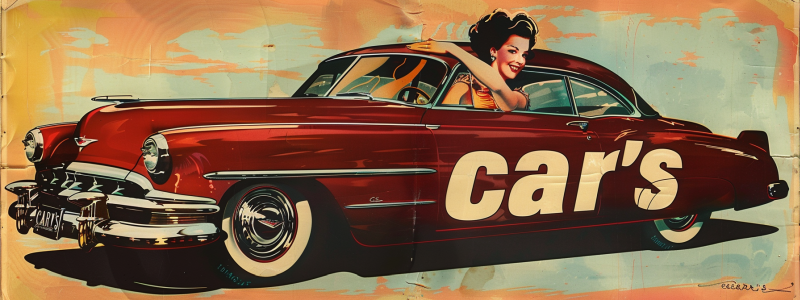
  • “Get your car’s washed here.”

Correct Usage:

  • “Get your cars washed here.”

Tip: Always double-check if the apostrophe is used to show possession (the dog’s bone) or a contraction (it’s = it is). Avoid using apostrophes to form plurals.

Common-Grammar-Mistakes-in-Advertising

Incorrect Subject-Verb Agreement

Ensuring that your subjects and verbs agree in number is fundamental to clear communication. Mistakes in subject-verb agreement can make your advertisements look unprofessional.

Example of Incorrect Usage:

  • “The team of experts are ready to help.”

Correct Usage:

  • “The team of experts is ready to help.”

Tip: Identify the true subject of the sentence and make sure the verb agrees in number (singular or plural) with it.

Spelling Errors

Spelling mistakes are perhaps the most obvious and easily avoided errors in advertising. Even a single misspelled word can significantly impact the reader’s perception of your brand.

Example of Incorrect Usage:

  • “Professional advise available.”

Correct Usage:

  • “Professional advice available.”

Tip: Use spell-check tools and have multiple people review your advertisements before they are published.

How-to-avoid-grammar-mistakes-in-advertising

Avoiding common grammar mistakes is crucial for maintaining your brand’s credibility and increasing brand awareness. By paying attention to detail and ensuring your advertisements are error-free, you can present a professional image that resonates with your audience and reinforces your brand’s message.

Ways to Measure Brand Awareness

Brand Tracking helps businesses measure awareness growth and performance against competitors. It is the ongoing measurement of how well your brand is doing.

Combining different reach/frequency data will help you better visualize how well your awareness campaign is performing, helping you make the best and most informed decision for your business.

Surveys

This basic but useful form of measurement will provide you with the metrics needed to determine the trajectory of your campaign. A survey can be conducted through email, website, or telephone. Ask existing customers how they came to know about your brand to understand how people are hearing about you. You can also gain insight into how much people can recall your brand by randomly selecting survey participants and asking them if they are familiar with your brand.

Measure Website Traffic

Website traffic provides insightful data on brand awareness. Tools like Google Analytics can track how many people visited your website. To dive deeper into the detail, the application also allows you to view where your visits are coming from. With Google Analytics, you’ll be able to track whether your visitors are coming through organic search, direct visits (the number of people who type your URL into their address bar), social media, or through referral (links from other sites that direct visitors to your site). Keeping an eye on these trends will help you monitor changes in your brand awareness campaign.

Check Organic Social Growth

2.32 million Puerto Ricans use social media each day. A great way to measure your awareness is to monitor your social media following. How many new and organic followers did you get after the launch of your campaign? Are your posts gaining more likes and shares? Look into what people are saying about your brand online. What are consumers saying about your brand or product? Social media users tend to be more unsolicited, which means they are likely to be more honest compared to other data recording methods such as surveys.

measuring advertising success

Increase Brand Awareness with bMedia Group

bMedia Group is Puerto Rico’s leading marketing agency. We can help you take advantage of marketing opportunities to help further expose your brand.

Outdoor advertising is our specialty. Through our work, we aim to highlight what you offer while providing a memorable experience for the consumer. We currently have a real estate of over 500 high-exposure billboards on the island. We are confident in our ability to get your brand the recognition it needs for optimum growth and success.

Contact us today, our professionals will help you strategize, execute, and maximize your brand awareness on the island.

Out-of-the-Box Marketing Ideas

When it comes to marketing, most people think that you need an army of promoters, designers, and developers to launch a successful marketing campaign. But that’s not true.

All marketing is, is about creating a strategy, identifying your target audience and then executing it in a way that resonates with them, and that is no different than with out-of-home advertising such as billboards.

It can be a difficult process to get right but one of the best things about it is the opportunity for creativity and innovation along the way.

So, if you’re looking for some inspiration on how to do just that, we can help! We have put together this list of our favorite out-of-the-box marketing ideas that will help you stand out from the crowd and win customers over before they even know what hit them.

marketing ideas

What is An Out-of-Box Marketing Strategy?

Out of the box marketing comes down to one thing – data-driven marketing with emerging strategies.

For instance, if you choose to buy a placement on a billboard, using data technologies that measure traffic and the prospective reach is one thing, but merging that with custom URLs, hashtags, or QR codes creates an ecosystem that propels brand awareness and experience.

Below are ten out of the box marketing ideas that can help benefit you and your business.

Offer a Trade

If you have a product that has value and your customers don’t want it, they’ll probably be willing to trade something else instead. This is a great way to get rid of products that are too expensive to distribute or not selling well.

There are many ways you can offer trades:

  • Trade-in credit: Offer customers the option of trading in their old product for store credit toward future purchases. This can be especially useful when selling electronics or other expensive items that require replacement parts or repairs regularly.
  • Gift card swap: You could give out gift cards at the checkout counter when someone makes a purchase, but then offer them the option of also receiving an extra gift card for every item they trade in as well! This could double or triple your return on investment (ROI) from these discounted sales because people will actually buy another item with their first credit rather than just leaving empty handed—which happens more often than not when companies only offer one type of payment option during checkout processes like this one does.

digital marketing ideas

Use Digital Signage

Digital signage is the use of digital technology to promote products, services, events and brand messages on large displays in public locations – such as stadiums, shopping malls and terminals.

Digital signage serves a number of purposes including:

  • Promoting your business
  • Providing information to customers on where they can find what they’re looking for or what is happening in the area

Create a Scavenger Hunt

This is a great way to get your team or clients involved and increase brand awareness/loyalty.

Create a list of items, then take pictures or video of them in your office and store it online or across social media so your participants can see them.

On the day that you launch your scavenger hunt, send out an email with instructions for how to participate (you can also post on social media if you have room for more exposure). The instructions should include what image(s) are needed from each location, how participants will know when they’ve found the item(s) needed and other details like this one: “The first person who finds [an item] at [location] wins!”.

Make sure the prizes are worth winning! It’s always good to give away something that has value because it shows appreciation towards those who took time out of their busy days in order to participate. The prize doesn’t have to be big though; it just needs something special about it so people feel good about themselves after receiving one as opposed to feeling like they’re just some dumb loser who couldn’t find anything cool enough.

Use the Mail

  • Use the mail to send coupons, information about your business or products, and thank you cards.
  • Send holiday cards to customers, friends, and family that have expressed interest in your business.
  • Send birthday cards for every employee, including yourself! It’s important for employees to feel connected to the company beyond just working together on projects.

Go Mobile With Mobile Coupons or QR Codes

Using billboards or fuel pump advertising allows the use of QR codes.

QR codes saw a resurgence during the 2020 COVID lockdowns, and the momentum has not stopped.

QR codes can offer mobile coupons that are a great way to reach your audience and get them into your store. They can also be used in many ways. For example, you could offer free shipping on a certain day or time period, or coupons for discounts on items in your store. Mobile coupons are also helpful for getting people to try new things, like offering free samples at checkout counters.

Create a Viral Marketing Campaign

When you think of your content, don’t limit yourself to what’s on the paper in front of you.

Think about how you can add value to that content. For example, in a recent film “Smile”, the marketing team sent paid actors to baseball games to ‘Smile’ for the duration. The goal was to raise awareness but also to creatively expand the audience in a viral marketing effort.

Viral marketing combines out of home marketing with digital marketing and PR to produce word of mouth awareness.

Host an Event at Your Place of Business

Hosting an event at your business is a great way to get your brand in front of your customers. For example, if you’re a barber shop or salon, you can host an event where people come in for discounted haircuts. This is also a great way to build brand loyalty and engage with customers on a deeper level.

You don’t have to hold the event at your place of business either! You could host it off site and encourage people from all over town or even around the world to attend. This gives them something fun and entertaining while also bringing more traffic into your store or office space.

Give Away Swag

Gifting swag is a great way to get your name out there. The trick is to give away something that’s relevant to your business, useful for the customer, and not too expensive. A good example of this is offering an in-store coupon when people bring their pets in for grooming.

You should also try gifting things that will get people talking about your brand and put you at the forefront of their minds — like branded water bottles or reusable totes!

Go ‘Live’ on Social Media Platforms

Live video is a great way to connect with your audience. It’s a great way to show off your products, new or old. You can use live video to promote a new product or service, share information about your company, and even answer questions from people who are interested in what you have to offer.

Get Local Businesses Involved in a Larger Campaign

  • Think about how you can work with other businesses in your area.
  • Get them involved in a larger campaign, and ask them to promote your business for free.
  • Offer them a free service in return for their support.
  • Offer them a discount on one of your services or products if they agree to help promote it through their own channels (e.g., website, social media).
  • Give away free gifts to people who attend events at another business’s location (e.g., restaurant) as part of an event of yours that’s happening nearby—this could be tickets or gift certificates that they can use on their next visit!

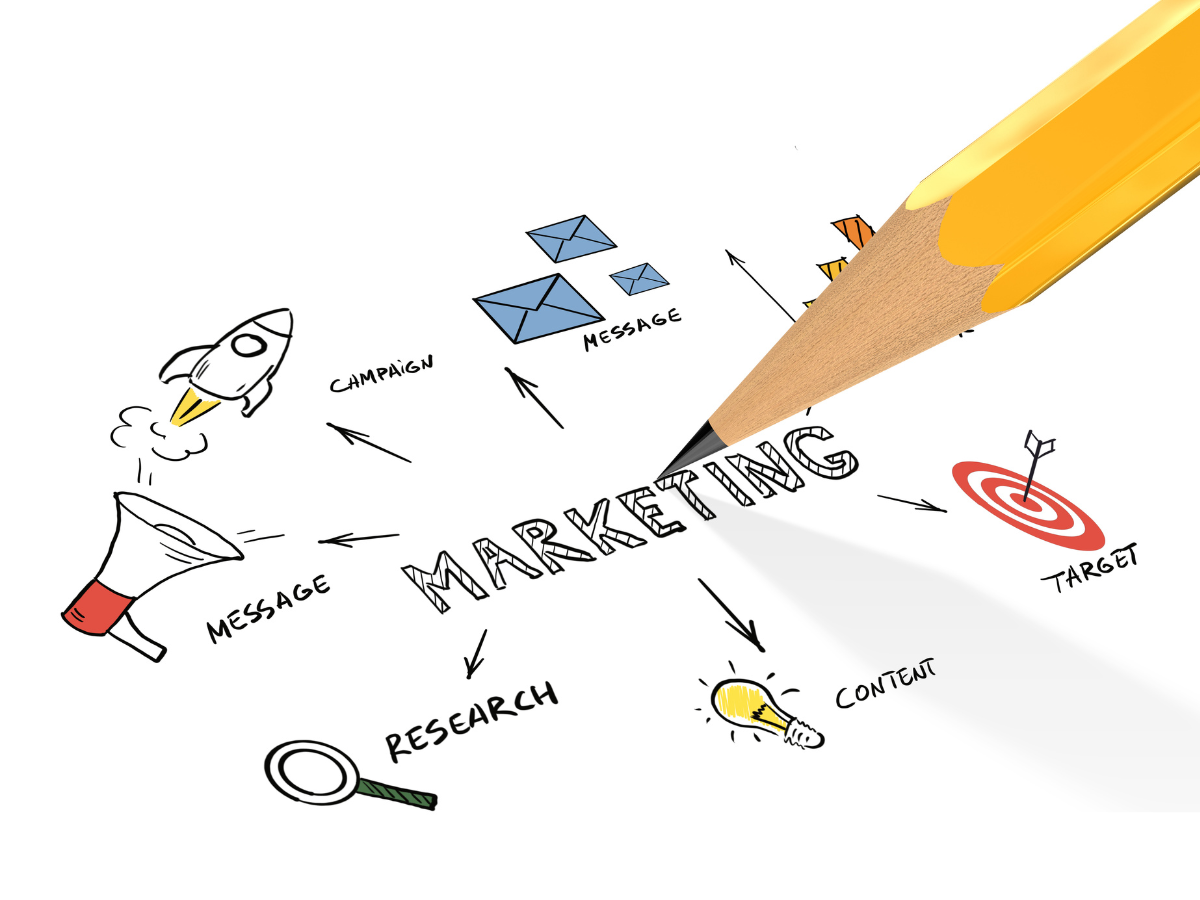
marketing strategy session

Think Outside the Box for Creative Marketing Ideas

The best way to get creative marketing ideas is to think outside the box. If you are getting stuck on a project and need some inspiration, here are some ways to help you come up with unique ideas for your business:

  • Get on the internet! There are so many websites out there that provide excellent resources when it comes to searching for creative marketing ideas. There are also plenty of blogs and articles written by successful entrepreneurs who have used these techniques before.
  • Use what works! If an idea worked well in the past, there’s no reason why it won’t work again! Don’t be afraid of trying something again if enough time has passed since its initial success; after all, nothing beats experience when it comes down to figuring out how effective certain techniques can be at generating interest among potential customers.
  • Survey your audience! Go right to the source and ask what they want to see more of from your business or brand.

bMedia and Out-of-the-Box Marketing Ideas

Out of the box marketing ideas come in many shapes and sizes. While viral marketing worked for the team promoting a film, it’s best to consider your options, keep an open mind, and find a partner that can help you achieve your KPIs.

As a local leading media promotion company, our goal is to provide advertising avenues that make your message get through to your target market in order to solidify your brand image and / or increase your sales through impact, quality, innovation, and distinct services. We’re

Contact bMedia and learn more about our services and how we can help promote your business.

Billboard Marketing Strategy

In the world of advertising, there’s an old saying that stands the test of time: “Out of sight, out of mind.” This principle drives the importance of staying visible to your potential customers, and what better way to do so than through a strategic billboard marketing campaign? As a leading provider of outdoor media solutions in Puerto Rico, bMedia Group presents this comprehensive guide to help you create an effective billboard marketing strategy.

bmedia billboard advertising

Understanding Billboard Advertising

Billboard advertising is a form of outdoor advertising that provides large-scale promotions usually along highways, busy streets, and other prominent locations. This visibility makes them an excellent way to get your brand noticed.

Here’s why:

  • High Exposure: Billboards are seen by thousands of people every day, offering unrivaled reach.
  • Cost-Effective: When calculated per impression, billboards can be more cost-effective than other forms of advertising.
  • Brand Awareness: They’re ideal for boosting brand visibility and building brand identity.

Crafting Your Billboard Marketing Strategy

Crafting an effective billboard marketing strategy involves careful planning, creativity, and understanding of your target audience.

Here are some key steps to follow:

Define Your Goals

First, define what you want to achieve with your billboard advertising. Your goal could be increasing brand awareness, promoting a new product or service, or reaching a new audience segment.

Identify Your Audience

Understanding who your target audience is will dictate where you should place your billboards for maximum visibility. Consider demographics like age, occupation, income level, and interests.

Design Your Message

Less is more when it comes to billboard design. The average viewing time is about 5-10 seconds, so keep your message short, compelling, and easy to understand. Need some inspiration with your overall design? Here are some best practices.

Choose Your Locations

Location is critical in billboard advertising. Pick high-traffic areas where your target audience frequently passes by. For maximum exposure in Puerto Rico, bMedia Group offers a wide range of prime locations.

Set a Budget

The cost of billboard advertising can vary based on the size, location, and duration of the ad. Define your budget in advance and consult with your outdoor media provider to find options that suit your financial plan.

strategizing and meeting

Integrating Billboard Advertising Into Your Marketing Strategy

Billboard advertising should not stand alone but rather be integrated into your overall marketing strategy.

Here’s how you can achieve that:

  • Consistency is Key: Your billboards should reflect the same message and branding as your other marketing channels.
  • Drive Online Engagement: Use your billboard to drive traffic to your website or social media platforms. This could be through a call-to-action, a scannable QR code, or mentioning a hashtag.
  • Track Your Performance: Utilize tracking methods, like unique URLs or promotional codes, to measure the success of your billboard campaigns.

Billboard Advertising with bMedia

In today’s fast-paced digital world, the value of physical advertising channels like billboards can be overlooked. However, a well-executed billboard marketing strategy can deliver significant value to businesses. Whether you’re a local business in Puerto Rico or a multinational corporation, bMedia Group offers the experience and coverage to help your brand make a lasting impression.

Street Advertising

Today’s world of technology has made avoiding advertisements very easy. With DVRS and personal music devices, the old ways of reaching an audience through advertisements are changing. When marketing in the current media climate, you’ve got to present your advertisements in creative, out-of-the-box ways.

The good news: street advertising is a great way to reach your audience and has a great success story.

Did you know that at least 68% of consumers make purchasing decisions while in a car?

Street advertising will help you capitalize on reaching your ever-moving customer base.

Let’s dive into this and what it can do for your business.

crowded streets and street advertising

What is Street Advertising?

Street advertising refers to the practice of using outdoor advertising methods such as billboards, posters, stickers, and murals to promote products, services, or events.

This type of advertising takes many forms; from large-scale billboards to posters and stickers.

These kinds of ads are typically placed in high-traffic areas: intersections, busy streets, and public transportation areas. They can also target specific demographics.

Believe it or not, street advertising has been around for centuries.

Examples of street advertising can even be dated back to ancient Rome and the middle ages.

These messages were carved into stone and plastered on walls to promote events and public announcements. Signs were painted on the fronts of buildings to indicate the type of business being conducted inside.

In recent years, street advertising has experienced a resurgence.

Many businesses are looking for ways to reach their customers in an incredibly jumbled and cluttered media landscape.

Modern street advertising takes many forms, from traditional billboards and posters to more innovative approaches like guerrilla marketing, which relies on unconventional and often eye-catching tactics to grab people’s attention.

Advantages of Street Advertising

There are a lot of reasons why you should consider using street advertising or outdoor advertising.

One of the main advantages is that it has the potential to reach a large and diverse audience.

Street advertising can be strategically placed in high-traffic areas, such as busy streets or public transportation hubs, where it can be seen by a large number of people. This makes it an effective way to raise awareness about a brand, product, or service.

Another advantage of street advertising is its flexibility. It can be created in a variety of formats and sizes, from billboards to posters to street art, allowing for creativity and customization.

Cost-Effectiveness

Street advertising can be a cost-effective way to reach potential customers, especially compared to other forms of advertising such as television or radio ads.

Wide in Reach

Street advertising can reach a large number of people, especially in high-traffic areas. This allows businesses to promote their products or services to a wider audience.

Targets Your Audience

Street advertising can be targeted to specific neighborhoods or demographics, allowing businesses to reach the right audience with their message.

Shows Business Creativity

Street advertising offers advertisers a great deal of creative freedom, allowing them to use eye-catching graphics and slogans to capture people’s attention.

Brand Amplification

Street advertising can help build brand awareness and recognition, as people see the same message repeatedly over time.

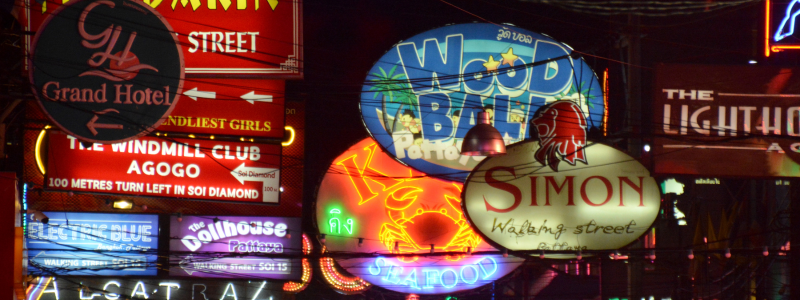
street advertising thailand

Examples of Street Advertising

These are just a few examples of some of the successful campaigns over the past couple of decades.

Each of these campaigns used a combination of bold visuals, catchy slogans, and clever marketing strategies to capture people’s attention and build brand awareness.

  • Apple’s iPod Silhouette Ads:
    • The silhouette ads were featured against brightly colored backgrounds. These were successful in the early 2000s. The ads helped to boost sales of the popular music player and helped to establish the iPod as a cultural icon.
  • Nike’s “Just Do It” Campaign:
    • The campaign launched in 1988, is one of the most successful advertising campaigns of all time. The campaign featured bold, simple slogans and striking images of athletes in action, and helped to establish Nike as a leading brand in the athletic footwear market.
  • McDonald’s Billboards:
    • McDonald’s has had lots of success over the years with its billboard ads. These billboards have featured iconic imagery such as the Golden Arches and slogans like, “I’m Lovin’ It.” These ads have helped to establish McDonald’s as one of the most recognizable brands in the world.
  • Coca-Cola’s “Share a Coke” Campaign:
    • This Coca-Cola campaign was launched in 2011. It featured cans/bottles of Coke with people’s names printed on them. The campaign was a huge hit on social media, with people sharing photos of their personalized Coke bottles and cans.
  • Red Bull’s “Gives You Wings” Campaign:
    • Red Bull’s campaign launched in 1997 and featured extreme sports and other high-energy activities. This helped to establish Red Bull as a leading brand in the energy drink market.

Innovations in Street Advertising

These are just a few examples of the many innovations. As technology continues to evolve, we can expect to see even more exciting and creative approaches to outdoor advertising in the years to come.

  1. Digital Billboards: Digital billboards are becoming increasingly popular, allowing advertisers to display multiple ads on the same billboard and to update the content quickly and easily.
  2. Augmented Reality (AR): AR technology allows advertisers to create smart billboards – interactive and immersive experiences for consumers. For example, an ad might use AR to superimpose a virtual image over a real-world location, creating a unique and memorable experience for viewers.
  3. Guerilla Marketing: Guerilla marketing is a type of street advertising that uses unconventional and often unexpected tactics to grab people’s attention. Examples might include using chalk art on the sidewalk or placing a statue in a public space.
  4. 3-D Printing: 3-D printing technology is allowing advertisers to create unique and innovative billboards and installations that would have been impossible in the past. For example, a billboard might feature a 3D sculpture or structure that extends out from the surface of the billboard.

Street Advertising Cost vs. Other Advertising Methods

Like everything, the cost-effectiveness of street advertising will depend on different factors including the location, format, and duration of the campaign.

  • Allows Targeted Advertising: Street advertising can be targeted to specific neighborhoods or demographics, allowing businesses to reach the right audience with their message. This can help to ensure that advertising dollars are being spent effectively.
  • Lower Cost Per Impression: Street advertising can often be more cost-effective than other forms of advertising when you consider the cost per impression (the number of people who see the ad). For example, a billboard might cost a few thousand dollars per month, but it can generate hundreds of thousands of impressions during that time.
  • Has Flexibility: Street advertising can be adapted to different sizes and formats, allowing businesses to choose the most effective approach for their needs. For example, a business might start with a small-scale street art campaign and then scale up to a larger billboard campaign as the business grows.
  • Has Longevity: Street advertising can often have a longer lifespan than other forms of advertising, such as television or radio ads, which have a limited shelf life. Street ads can remain in place for months or even years, generating ongoing exposure for the business.
  • Has Buzz: Street advertising can also generate social media buzz and word-of-mouth marketing, amplifying the impact of the campaign and increasing the return on investment.

Ways of Creating An Effective Street Advertising Campaign

So you’re looking to create a street advertising campaign? Here are some things to consider. Remember, bMedia can always help with the creative process. Check out these best practices.

Define Your Business Objectives

What do you and your business want out of the campaign? Do you want to raise awareness of your brand, promote a new product, or drive sales? Knowing your objectives will help you to create a campaign that is focused and effective.

Know Your Audience

Understand your target audience and what motivates them exactly. What are their needs, interests, or desires? By using this information, you can craft a message that will really resonate with them.

Show Some Creativity

It’s all about standing out from the crowd, so be creative with your message and design. Use bold, eye-catching visuals and messages that are memorable and engaging.

Use the Right Medium

Choose the right medium for your message.

Different types of street advertising are better suited for different objectives and target audiences. Consider using a combination of mediums to maximize your impact.

Be Strategic with Placement

Placement is key here.

Choose locations that will generate high foot traffic and exposure to your target audience. You can also consider partnering with other businesses or organizations to leverage their customer base and increase exposure.

Measure The Results

Track key metrics such as foot traffic, social media engagement, and sales to determine the impact of your campaign and make adjustments as needed.

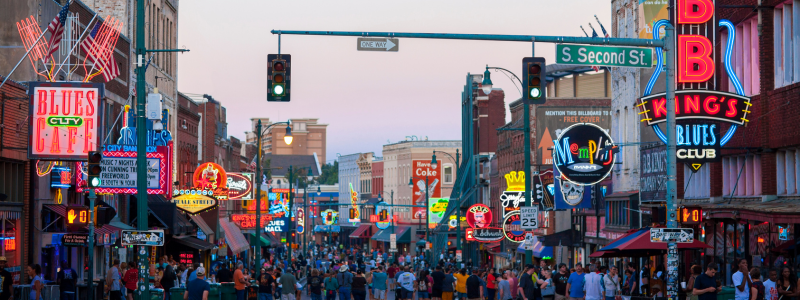
street advertising memphis

The Future of Street Advertising and Its Potential

The potential for street advertising is enormous. With the right approach, advertisers can create campaigns that are engaging, effective, and targeted. As technology continues to evolve, the possibilities for street advertising are limitless.

The future of street advertising is likely to be shaped by technological advancements and changing consumer behavior. Here are some potential trends to watch for:

  • Greater Use of Augmented Reality: Augmented reality (AR) is likely to play an increasingly important role in street advertising. AR technology can create immersive and interactive experiences for consumers, enhancing the impact of the campaign.
  • Increased Use of AI: As AI continues to evolve, street advertising campaigns will become more targeted and personalized. Advertisers will be able to use real-time data to optimize their campaigns and reach the right audience at the right time.
  • More Sustainable and Eco-Friendly Ads: As sustainability becomes a bigger concern, campaigns will become more eco-friendly. Advertisers will look for ways to minimize waste and reduce the environmental impact of their campaigns.
  • Integration with Smart Cities: As cities become smarter and more connected, street advertising will be integrated into the urban infrastructure. Advertisers will be able to leverage data from smart devices and sensors to deliver more targeted and effective campaigns.

How bMedia Can Help You In Your Street Advertising Endeavors

As a leading media business in Puerto Rico, bMedia has a mission to provide you with the best services for your street advertisements. We want to set your brand image in stone and ultimately, increase your business’s sales.

bMedia Group will provide you with innovation and quality as our strategists work hand-in-hand with you and your business through measurable and effective business solutions.

Creative Outdoor Advertising

Creative outdoor advertising is something almost everyone is subjected to seeing on a daily basis. There’s advertising on billboards, bus stop benches, etc. – it’s hard to miss. There’s a reason so many companies choose out-of-home advertising – it works. It’s been reported that about 29 billion dollars are spent on outdoor advertising each year.

Everyone has seen an outdoor advertisement, whether they recognize it or not. Think about some particular ones that stuck with you. Is it the McDonald’s billboards with the slogan, “I’m lovin’ it” on them? Or maybe the local law firm ad you’ve caught on the back of a bus?

Whatever the product or service is, the content of the advertisement becomes more memorable when you use creative ideas to grab the consumers’ attention. That’s why we feel it’s important to discuss creative outdoor advertising ideas.

Everything you present in an outdoor advertisement, from font to background to color, all affect the consumers’ reaction to your ad. Make the most out of your creative outdoor advertising campaign by using innovative ideas to maximize consumer engagement.

Creative Outdoor Advertising

Different Types of Creative Outdoors Advertising

One of the main objectives of Outdoor advertising is to promote your product in specific geographic areas. Types of outdoor advertising include:

  • Billboard
  • Lamp Post
  • Bridge
  • Guerilla Advertising
  • Point of Sale
  • Transit
  • Retail
  • Stunt Advertising

Creativity in designing and developing an outdoor advertising campaign is essential to create an impression on the public.

The more attention and identification people feel with your advertising, the more effect it will have on them, bringing you closer to achieving your campaign objectives.

How to Be Creative With Outdoor Advertising

So you’ve recently purchased some time to showcase your product on a billboard. There are millions of ways to go about advertising your product/service, but you want to get through to the largest audience possible.

A multitude of things need to be taken into consideration when deciding what exactly to put on your billboard, including:

  • Font
  • Background
  • Content
  • Color

By considering all these factors, you can create the optimal billboard to engage the consumer.

Here are some of our top tips for you to keep in mind when creating your campaign.

How to Be Creative With Outdoor Advertising

Using the Right Font

Font, or typography, is the style, appearance, or arrangement of typeset matter. There are key factors examined when studying typography, some being:

  • Size
  • Spacing
  • Construction of individual letters

There have been numerous studies on people’s reactions to the font. Some, like Comic Sans, are often completely ignored by consumers. Others, like Baskerville or Georgia, are known to be more aesthetically pleasing to people, and therefore lead to a more positive reaction. The consensus is that Baskerville, Times New Roman, or Georgia are some of the best fonts to use in an advertisement. The reason these are used heavily is that they are easy to read and pleasing to the eye.  But that doesn’t mean your ad has to use these fonts.

Grabbing the consumers’ attention is the driving idea behind a billboard. Consider using other, more bodacious fonts that capture the consumer’s eye. Be mindful of the readability and overall pleasantness of your font, but don’t be afraid to switch it up. Perfecting your font can help convey a powerful message. 

Picking a Background

As stated above, you ultimately want your billboard to be noticed. Several words on a white background can work, but they won’t be as noticeable or memorable as other advertisements.

Contemplate using things like a picture of your product or staff to form a bond with the consumer. If advertising for a restaurant, display a picture of the food. When advertising for a hospital, consider using a picture of the staff.

 You could also try using an aesthetically pleasing image that relates to your product. Consumers will then associate that pleasantness with your company. Examples could be:

  • An image of an open road for a motorcycle manufacturer.
  • A picture of a snow-capped mountaintop for a ski resort.

The background of your billboard should be able to capture the audience’s attention while also maintaining a friendly look. Make it too visceral, and people will look away; make it too boring, and people will never look in the first place. Consumers are more likely to notice a billboard with a captivating image.

Choosing the Right Color

Color plays an enormous part in advertising. Some colors are associated with harshness; others are soothing. Picking the right color for your font and background is instrumental in coordinating a successful ad campaign.

Colors can convey emotion without people realizing it. The science of color, or color psychology, is the study of how color affects the human brain. Marketing companies across the globe use color psychology to create the most effective advertisements.

It’s been reported that 93 percent of consumers center their attention on visual appearance when considering buying a product. The same goes for creative outdoor advertisements. Making a billboard visually appealing leads to higher consumer engagement.

Each color imparts a different emotional response from people.

  • Red: Elicits strong emotions and reactions. Associated with love, but also with danger.
  • Orange: Energetic and lively color. Good for bringing attention to an advertisement.
  • Yellow: Evokes feelings of happiness and energy.
  • Green: Associated with health and nature. Can have a calming, honest effect on an ad.
  • Blue: Promotes seriousness and trustworthiness.
  • Purple: The color of royalty. Consumers often associate with luxury and elegance.

Notice how almost all McDonald’s billboards use the color red. Yes, it is one of the company colors, but red captures eyes better than other colors.

Curating the Content

Using the techniques above to perfect color, font, and the background will help you to get and keep your audience’s attention. But if the content underneath isn’t up to par, people will forget it.  In order to craft the right message, you have to consider what your product or service is. If you have a serious message you want to get out, don’t use jokes. Adversely, if your product is not too serious, think about keeping it light-hearted and playful.

Many companies use jokes or puns to convey a feeling of friendliness with the consumer. This can lead to brand loyalty. Other companies will try to tug at the heartstrings and elicit an emotional connection. Ads like these can often increase response from consumers. 

The amount of content needs to be treated with the same veracity as the quality. A billboard should be a quick read. Too long and you run the risk of consumers simply not having the time to read it. Keep your message to about seven words or lower, and don’t use lengthy, hard-to-read terms.


How to Promote Your Business in the Community

Promoting your business is essential if your goal is to stand out from your competitors and gain brand recognition in the community. Therefore, it’s important to take advantage of promotion opportunities in your area that will generate more customers and help solidify a trusted brand-consumer relationship in your community. In today’s digital age, promotion opportunities are endless. Businesses can spread the word about their product through search engines, social media channels, online directories, or even go with the ever-so-trusted billboard. To reach your target audience, you must make your brand visible on multiple platforms. Here are some different ways how to promote your business in the community.

how to promote your local business

Out-of-Home Advertising (OOH)

The first step to promoting your business is to make it visible. What better way to do it than out-of-home advertising (OOH). Outdoor advertising techniques include street signage, flyers, street teams, promotional events, and the beloved billboard.

The most trusted and original forms of OOH advertising are billboards. Billboards work because they are eye-catching and one of the most trusted forms of advertising for consumers. The majority of Puerto Ricans live in urban areas, and the great thing about billboards is that they can target local high-traffic areas where customers can interact with your campaign.

Today, we are seeing billboards evolve, boasting endless advertising potential for business. Digital billboards continue to rise in popularity because it allows users to directly engage with the advertisement, creating a memorable experience that highlights the product/ service you are offering.

To ensure a successful billboard campaign, we have determined some best practices to help maximize your promotion:

  • Keep it simple
  • Use borders and cropping appropriately
  • Be intentional with colors and contrast
  • Leverage key locations and seasons
  • Be careful of fonts

Establish a Social Media Presence

There are 2.32 million social media users in Puerto Rico as of January 2021, equivalent to 81.6% of the total population. Social media platforms like Instagram, Facebook, YouTube, TikTok, and Pinterest are great marketing tools because of the ability to engage with existing customers while reaching out to new customers. As of December 2020, Facebook received 80.3% of all social media site visits in Puerto Rico. Facebook advertising is all about getting your message on the right news feeds using targeting options. Facebook allows you to advertise using images, videos, and even polls for interactivity.

Additionally, social media can be used as a marketing tool by creating brand-specific content. Social media has provided us with a range of posting formats such as images, short video stories, live sessions, tutorials, and more. Creating content for these platforms is an opportunity for business owners to engage with consumers while promoting a specific product, service, or event.

promote business with SEO

Take Advantage of Search Engines Like Google

Being visible on Google is great for your brand, it puts you directly in front of consumers seeking solutions. Creating and verifying your Google Business profiles allows your business to show up on Google Maps and caters results to the searcher’s current location. Creating a Google My Business account is free and once verified, you can optimize your listing to show up as a high-ranking result for relevant searches using a good SEO strategy.

Be Involved in the Community

If you’re wondering how to promote your business in the community, a good place to start is to be active and attentive in your community. Businesses can sometimes be involved in the community for the wrong reasons and they show. Be sincere, be genuine. Don’t push your business if it’s not relevant or actually helpful. In one way or another, your business will come up and your community will support it after they’ve seen and felt your support.

Being involved in the community involves giving back to it. Donating to a local charity will bring your business closer to locals by making it more approachable. Consumers are likely to support your business if you’re associated with a charity or cause close to them. You can give back to your community in several ways including:

  • Annual contribution to charity
  • Special promotions with a percentage of sales going to a cause
  • Donate products or services to local schools or community centers

5 star reviews

Get Online Customer Reviews

Set up profiles on platforms like Yelp and Tripadvisor to increase brand exposure. These platforms are used by locals and visitors when looking for local businesses. 92% of consumers purchase from a business after viewing it on Yelp. These platforms allow customers to leave reviews, making it easy for business owners to monitor and respond to any business inquiries. Make sure all business information, such as hours, phone number, address, and website are all accurate for potential customers.

Importance of a Good Marketing Strategy

A good marketing strategy is a blueprint that will determine how your message will reach out to your target audience. Your business might be making a profit, but to remain successful, you must consistently stay ahead of your competitors. The best way to ensure this is to have a good marketing strategy in place. Not only will good advertising give you an edge, but it can also give you insight into how your business is performing, allowing you to make the right business decisions.

Market research is crucial in creating your promotional strategy. Data and information collected from this research will allow you to develop your product or service to boost profit potential. It can also help you create a detailed organization plan, ensuring optimum utilization of resources to get the message in front of the target consumer.

How to Measure the ROI of Your Campaigns

Once you’ve learned how to promote your business in the community, it’s then important to know how to measure the effectiveness of your promotional efforts.

Marketing ROI involves attributing profit or revenue as a direct cause of marketing growth initiatives. To determine whether your advertising campaign is successful or not, there’s a straightforward formula you can use:

ROI = (Sales growth – organic sales growth – Marketing Cost) / Marketing Cost

Marketing costs include but are not limited to:

  • Overhead and internal expenses
  • Agency fees
  • Media buys
  • Creative costs

ROI helps determine budget allocation for ongoing and future ad campaigns. It’s important to consistently evaluate KPIs such as reach, frequency, and impressions so you can determine if your marketing efforts are benefiting business growth and help you allocate your budget accordingly.

Strategize with bMedia Group

If you’re looking for ways to promote your business within your community, reach out to bMedia Group. We are Puerto Rico’s leading experts in outdoor and billboard advertising. Our professionals can help you strategize, execute and maximize the effectiveness of your promotional campaign and market research.

Contact us today! We’ll guarantee your ads will be seen and remembered, helping you unlock unlimited business growth.

Go To Market Strategy for Startups

We don’t mean to intimidate you (and maybe you were already aware), but there’s something you need to know: Studies show that 90% of all startups fail within five years of formation — not a very reassuring statistic, right? But what’s the story behind this damning figure?

It all comes down to obscurity. Simply put, nobody knows about your business or what products/services you offer. In an ideal world, you could pour endless amounts of cash into a marketing push that announces your presence to the world with gusto, but, as we’re sure we’re both painfully aware, this is no ideal world.

Not only are advertising budgets rather meager for startups, you’re up against other businesses with established product-market-fit, which is daunting, to say the least… but there is a way to cut through the competition and get your voice heard – an effective go-to-market strategy for startups.

marketing strategy for startups

What Exactly Is A Go-To-Market Strategy, And Why Is It Important For Startups?

A go-to-market strategy for startups is precisely what it sounds like – an advertising game-plan that breaks an unknown product or service into a target market; it’s your key to the locked door of commerce!

Your go-to-market strategy is a blueprint that illustrates how you will reach the people you want to reach with the message you want them to hear. It’s considered a separate entity to standard marketing stratagems, as they imply an established market position, whereas GTM is a way of reaching an initial audience from nothing.

It’s the foundation on which all your future marketing campaigns will be based, and a strong foundation inspires confidence, not just within your target audience, but among your investors, too. Creating a GTM strategy is the ultimate way to position your business for success moving forward. Other GTM benefits include…

  • Weeding out potential risks
  • Generating profit quickly
  • Developing your business and product/service
  • Attaining you a competitive edge over other startups

Creating a Go-To-Market Strategy For Your Startup

The three pillars you’ll need to know for a go-to-market strategy for startups are the What, Who, and How

  • What are you trying to sell?
  • Who needs what you’re trying to sell?
  • How are you going to introduce your offering to those who need it?

If you can answer these questions, you’ll have laid the foundation for a successful entrance into your particular niche of the market, so let’s consider how this can be done.

Step 1. Know Your Audience

You may well have come up with the concept of your product or service through finding gaps or weaknesses in the market yourself, and that’s great; it means whatever you come up with has some form of real-world appeal, but now you have to find others like yourself and figure out what makes them tick.

Hone in on your target audience, and try to map out their behaviors and general way of thinking. Forget about trying to sell something to the world; focus on this very finite group of people and figure out exactly what they’re looking for.

Modern consumers expect businesses to know all about their wants and needs, but we’re not mind readers, so instead, we can build up a customer persona by… This applies to all types of businesses. It doesn’t matter if you are a digital service providing with a nationwide audience, like providing legal wills online, or a brick and mortar business creating tangible products to specific locations, like a vodka distillery, knowing your audience is crucial.

Scheduling Interviews with Potential Users

Interviewing people takes time, but you won’t find more rich, accurate, and enlightening results via any other means, so it pays to talk to prospective customers face-to-face.

Far more fluid and personal than standardized surveys, interviews give you a real insight into the lives of people who your product/service could help, which is a great way to gather data you can use at a later date to refine your offering.

Be wary of time constraints and ask effective questions, such as…

  1. What are their preferred channels of communication (e.g. email, Facebook, Instagram, TikTok, billboards, etc)?
  2. What are they disappointed by or lacking?
  3. In their eyes, what makes a product or business effective and valuable?

survey your audience

Questionnaires

Interviews are fantastic sources of information, but they’re almost too focused. Although you’re narrowing your research to drum up a customer persona, you still need to venture further afield to ascertain splits in that persona in terms of age, profession, location, etc, and questionnaires are a great way to do so.

The wider net you cast will give you more of an insight into what pain points are simply individual woes and which are felt universally, ripe for capitalization.

However, do bear in mind that you’ll need to provide some form of incentive to encourage people to complete your questionnaire, and try to keep it short and sweet, too — we’re all busy people.

Purchase Pre-Existing Data

There are countless other companies that have had to study their target audience before you founded your startup, and you can use this to your advantage.

Paying for research carried out by similar companies gives you effort-free results. Now, they’re not going to be quite as accurate as the results you’ll get from your own studies, but they can certainly help to create a more substantive customer persona in a short amount of time.

Due to its immediacy, this method is often employed first as a sort of scattershot data drive. It gives you a rough estimate of things like target consumer age, location, profession, income, pain points, and purchase triggers.

Step 2. Know Your Competitor

If you’re going to offer something new, you need to know what your competitor is already bringing to the table. If an established entity has beaten you to the punch, your chances of gaining traction with a GTM strategy are slim-to-none. Find ways around it.

Step 3. Coming Up With a Value Proposition

In a nutshell, a value proposition is a snappy headline followed by 2–3 sentences that divulge why your product/service:

  • Is relevant to the user
  • Solves the user’s problem
  • Is unique and cannot be found elsewhere

For example, let’s say you’ve invented an automatic garlic clove peeler. Your value proposition should establish that garlic is one of the most common ingredients in cuisine around the globe (relevance), it makes the tough job of peeling cloves effortless (problem solved), and it’s a patented design (unique).

It’s important not to get caught up in mentioning features alone. To entice customers, you need to tell them in no uncertain words how it will make their life easier or more enjoyable.

Step 4. Establish The Best Lines Of Communication For Reaching Your Target Audience

With your target audience in sight, it’s time to find out how to reach them. People of different age groups and professions communicate and are exposed to things in unique ways.

For example, younger people will consume a lot of adverts on social media platforms like TikTok and Instagram, while older generations may only use Facebook or perhaps even just email.

Another example is that people working from home will engage with mostly digital adverts, but for those who commute to an office, billboard advertising will be highly effective.

Don’t feel you have to settle for just one mode of communication per faction of your target audience. Research has shown that omnichannel approaches to customer communication have a much higher retention rate than single-channel approaches.

go to market strategy

Step 5. Zeroing In On Marketing Tactics

People don’t just use different channels of communication, they also have preferences in regard to how they’re engaged with.

For instance, certain demographics may respond well to the personal/celebrity touch of paid partnerships, while others will be distrustful of this tactic as the pecuniary aspect of the agreement makes the brand representative seem disingenuous and the product seem weak.

Step 6. Don’t Stop Testing

Even if you think you’ve got everything figured out, you need to keep on testing your theories by measuring advertising effectiveness. Test different styles of ad copy, test the efficacy of different images, test different marketing tactics… test everything!

Marketing is a trial and error process, so the more mistakes you get out of your system early on by putting plans through their paces, the fewer you’ll be paying for later with a poor campaign.

Step 7. Budget Planning

Once your research has provided all the answers you need to shape your GTM strategy, it’s time to map out what your budget may look like and how it will be split across different marketing tactics.

Step 8. Implementation

At this stage, you’ve done most of the heavy lifting, and now it’s time to use what you’ve learned to implement your marketing strategy!

bMedia and Developing a Go-To-Market Strategy

As mentioned earlier, omnichannel marketing tactics in GTM strategies are far more effective than single-channel plans, which is why you should seriously consider incorporating a robust OOH line of communication with your target audience as part of your strategy, either as the primary or supporting mode of contact.

Granted, digital marketing has great reach potential, but as a fatally saturated facet of the advertising industry, it tends to inspire a lot of fatigue in the viewer. Billboards and OOH adverts, on the other hand, still grab attention, cinching valuable real estate in the consciousness of the viewer.

But providing the physical space for your ads is just the tip of the bMedia Group’s iceberg. Our dedicated team of marketing experts can help you build a custom, go-to-market strategy for startups from the ground up, ensuring you and your business can generate customers, and start changing people’s lives with your product/service.

Contact us today, and we’ll talk you through how we measure the efficacy of OOH advertising with state-of-the-art analytics to optimize the potential of your campaigns and stimulate rapid business growth.

Your startup may be small, but with bMedia in your corner, you’ll cast a much larger shadow, giving you the confidence and market position to hold your own against giants of any given industry, giants that, with our help, you will soon tower over.

Sightseeing in San Juan

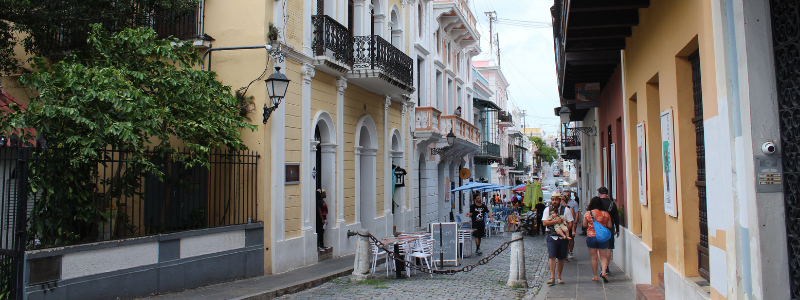
San Juan, Puerto Rico is a truly fantastic city to visit. It’s full of culture, beautiful architecture, delicious food, and interesting sights to see. The gorgeous weather and beaches don’t hurt either! There are so many different sights to see in San Juan that you’ll most likely want multiple days to fully experience the city. Sightseeing in San Juan is an unmissable experience.

San Juan truly has something for everybody, making sightseeing in San Juan an extremely customizable activity. It has beautiful beaches and world-class luxury resorts both in the city and in neighboring towns. The heart of the city, Old San Juan, is a UNESCO world heritage site that blends traditional colonial architecture with contemporary Puerto Rican culture. Old San Juan has tons of delicious restaurants and great shopping.

puerto rico sightseeing

History of San Juan

Spanish colonists founded San Juan in 1521. They gave it the name Ciudad de Puerto Rico. Under Spanish rule, merchant and military ships often used it as a port when traveling to the Americas. Its use justified building an extensive network of barriers and forts to serve as protection.

Because of the city’s prominence and expensive cargoes in ships that would stop in San Juan, San Juan was often attacked by other foreign powers. One such famous attack occurred in 1595, led by Sir Francis Drake and George Clifford. Over the next 200 years, both the Dutch and the British attacked the city. Spanish soldiers were able to continuously repel any attacks.

In the late 18th and early 19th centuries, various events, such as colonial revolutions, liberalized commerce with Spain. The opening of Puerto Rico to immigrants greatly increased San Juan’s population.

In 1898, United States Navy ships attacked San Juan. This attack was extremely powerful, and the ultimate result was the Spaniards ceding control of Puerto Rico to the United States in the Treaty of Paris.

The United States used San Juan and Puerto Rico extensively as training camps for both World War I and World War II. Interestingly, the man who fired the first shot by the United States armed forces in World War I was a Puerto Rican native.

Modern History

In 1947, Felisa Rincon de Gautier was elected as mayor of San Juan.

This election gave Rincon de Gautier the honor of being the first woman to be elected as Mayor of any capital city in all of the Americas. 

In 1950, San Juan was the site of the San Juan uprising. In this uprising, insurrectionists attempted to attack the governor’s palace in a protest against the Puerto Rican and United States governments. The attack on the governor’s palace was short-lived, as police killed 4 of the 5 attackers.

sightseeing in san juan

San Juan is currently the capital and largest city of Puerto Rico. The city has a population of around 400,000. It is a major source of Puerto Rico’s income and GDP. This is especially true as Puerto Rico transitions to a service-based economy, rather than manufacturing. The services sector, which includes things like trade, tourism, finance, and government work, has quickly become the leading industry in Puerto Rico, accounting for around half of its GDP and employing up to 75% of all workers on the island.

Top Tourist Attractions

San Juan is a very popular tourist destination, both for individual travelers and as a major cruise-ship stop. We’ve compiled a list of some of the best tourist destinations that you must visit when sightseeing in San Juan.

Old Town San Juan

Probably the best tourist attraction in San Juan, Old Town San Juan is a UNESCO world cultural heritage site. Viejo San Juan showcases 500 years of architecture and history. It hosts historic forts and traditional Spanish colonial architecture. The Old Town contains hundreds of beautifully restored colonial buildings, many of which house restaurants, shops, museums, and hotels. You can explore the whole area on foot, which makes for a great half-day walking tour.

San Juan Cemetery

The San Juan Cemetery consistently ranks among the most beautiful cemeteries in the world. The cemetery lies along the coast, right next to the famous fort El Morro, and has elaborate tombstones and statues. The centerpiece of the cemetery is a chapel with a red dome. The chapel is dedicated to Mary Magdalene. It is certainly a worthy stop for anybody sightseeing in San Juan.

things to do in san juan

El Morro

El Morro is the name of the fort that has protected San Juan for hundreds of years. It was built in 1539 and has been continuously expanded and renovated for the following 200-300 years. El Morro is a National Historic Site and a UNESCO world heritage site, and both the fort itself and the lawn approaching the fort offer incredible views of the ocean and the city of San Juan.

Fort San Cristobal

Although El Morro is the more famous fort, you can’t miss San Cristobal. San Cristobal is not only a bigger fort but is actually the largest Spanish fort in the New World. It was built in the 17th and 18th centuries, and unlike El Morro, which was designed to protect San Juan from naval attacks, Fort San Cristobal was designed to protect San Juan from land attacks.

Museo De Las Americas

The Museo De Las Americas, located in Old San Juan, is a great way to learn about the history of Puerto Rico. The museum focuses on the art, ethnic groups, and colonization of the country, and is a great stop before you embark on any other cultural experiences.

Condado and Ocean Park Beach

The Condado district was developed as Puerto Rico’s first tourist district in the 1950s. Condado offers many different hotels and accommodations at every price point. The white-sand beach here is beautiful, soft, and very popular.

where to go in san juan puerto rico

Advertising in San Juan with bMedia

With so many tourists visiting, San Juan is a great place to advertise your business. Additionally, since the weather is warm and mild year-round, San Juan lends itself very nicely to outdoor advertising. bMedia has consistently been Puerto Rico’s Premier Outdoor Advertising Company, with hundreds of billboards island-wide.

bMedia leverages technology and advanced analytics to optimize billboard location and design, providing your company with an extremely high return on investment. If you’re interested in advertising in Puerto Rico, contact us today.

Outdoor Activities in Puerto Rico

The small Caribbean island of Puerto Rico boasts picture-perfect beaches, lively nightlife, and vibrant local culture. The people are friendly, the beaches are beautiful, and the list of outdoor activities in Puerto Rico is endless. You can decide to dwell in nature or choose to explore the island’s urban centers. Either way, there is a guaranteed adventure for everyone.

Puerto Rico offers a diverse list of unique destinations and activities, so it’s no surprise that it’s considered one of the best vacation spots in the Caribbean. From the deep rainforests to San Juan’s urban gems, you’ll never run out of things to see and do on the island. Here are some outdoor activities in Puerto Rico for you to enjoy.

outdoor activities in puerto rico

Some of the types of places you can explore in Puerto Rico include, but are not limited to:

  • Tropical rainforests and jungles
  • Pristine beaches
  • Open water
  • Mountains
  • Caves
  • Historic urban sites

Tropical Rainforests and Jungles

Puerto Rico is not just white sand and blue waters. In fact, the island is covered by tropical wilderness that offers some of the most exquisite trails and views. 

El Yunque National Rain Forest, which is managed by the U.S. Forest Service, is approximately 45 minutes outside of San Juan. This rainforest is the perfect destination for a hike. You might even encounter some of the rainforests’ wild inhabitants such as tropical birds, green lizards, and slimy frogs during your adventure. The island’s jungles also host beautiful bike trails, with lots of single tracks, downhill trails, and of course, some of the best views Puerto Rico has to offer.

If you’re looking for something more daring, try ziplining through various parks across the island. “The Monster,” one of the longest ziplines in the world at Toro Verde Adventure Park, is 2.5 kilometers long and 843 feet high. There’s nothing more thrilling than flying superman style above the tropical jungle. 

Beach and Water Activities

Puerto Rico has over 270 miles of sandy beaches. These beaches welcome visitors all year round. The gorgeous beaches in Puerto Rico offer picture-perfect views and exciting water adventures.

The island’s beaches are consistently selected as some of the best beaches in the world, and you’ll know why the moment you step afoot the island.

The coral coastline is home to some of the best water experiences in the Caribbean. Whether it’s swimming or surfing, sailing or scuba diving, Puerto Rico offers an impressive list of watersports and activities. You can scuba dive in Isla de Mona or surf the waves at Aguadilla Beach. Either way, all of Puerto Rico’s beaches are ready for you to kick back and relax. 

puerto-rico-adventures

Caves and Mountains

The natural mountainscapes and caves of Puerto Rico offer visitors the chance to partake in outdoor activities such as spelunking, rock climbing, or rafting. Canon de Tanama, a picturesque network of waterfalls, caverns, canyons, and limestone cliffs is one of the most recognizable caves on the island. It’s also a great place for rock-climbing, caving, and tubing

You can also overlook the Rio Grande de Arecibo and the beautiful green mountains at Cueva Ventana (Window Cave). The window-like opening gives this cave its name, and the views are nothing short of spectacular. It’s arguably the most “Instagrammable” location in Puerto Rico. 

During your adventure, make sure to keep an eye out for authentic Taino petroglyphs that have been preserved for centuries. You can even choose to pay a visit to some of the cave’s animal residents, like bats! 

Explore Old San Juan

A great way to spend time outdoors is to explore old San Juan and feel the historic charm. In this part of San Juan, visitors will find some of the oldest and most carefully preserved architectural structures in the world. Walk the cobblestone streets and eat some of the best street food Puerto Rico has to offer. Not only will you get some great food, you will also be supporting local businesses.

You can even choose to stop at some of the area’s famous colonial landmarks, including Castillo San Felipe del Morro, known as ‘El Morro’ to locals. This citadel was built by the Spaniards in the 16th century and was designed to protect the island’s coast. Another notable landmark is the Castillo San Cristobal which covers over 27 acres and is the setting of many Puerto Rican cultural and historical stories.

City Life

San Juan, the capital of Puerto Rico, is where many visitors stay on the island. The city provides an abundance of activities, dining, and entertainment. However, it’s the locals that make the city so vibrant and exciting. So make sure you spend some time in some of San Juan’s coolest neighborhoods.

The Santurce barrio is the place to be if you want to immerse yourself in local art and culture. The neighborhood showcases the island’s vibrant culture through hip dining spots, colorful street art, museums, and art galleries. Later in the day, you’ll also find crowds at La Placita de Santurce for drinks and dancing in the streets, so don’t forget your dancing shoes!

The Condado barrio is considered the most cosmopolitan area of San Juan and gives off a Miami vibe. This area is perfect for shopping, dining, or relaxing on the oceanfront. A popular activity in Condado is to kayak or paddleboard through the Condado Lagoon while on a clear-bottom kayak decorated with LED lights.

things to do in puerto rico

Be Where The People Are

Because there are so many outdoor activities in Puerto Rico, this presents the opportunity for your brand to present itself where the people are. People are spending more and more time outside their homes and we’re seeing the island welcome back visitors and tourists. Being visible through outdoor advertising will ensure your brand becomes visible and familiar to a large audience.

The business opportunities are rapidly growing in Puerto Rico, and American businesses are taking note. The island draws global visitors and in 2019 earned about give and a half billion US dollars. OOH (Out-of-home) Advertising is one of the best ways to promote your business in Puerto Rico, not only are the locals moving around and about, the visitors are too!

bMedia Advertising Experts

No matter what industry your business is in, bMedia can help you reach your target audience and increase the ROI of your marketing campaign. We are the island’s leader in outdoor media. Our advertising professionals are ready to maximize the effectiveness of your next OOH advertising campaign. 

With bMedia, the possibilities are endless. Contact us today.