Increase Brand Recognition

One of the most common goals any business has is to increase brand recognition and sales.

While social media, events, and strategic partnerships encourage revenue growth, paid advertising is the best, most rapid way to get the word out about your product or service. And between digital and out of home channels (such as billboards), keeping top of mind awareness has never been more available.

Having a billboard marketing strategy can be a great way to advertise and increase brand awareness—especially for businesses that are launching new products or services.

By placing a large, colorful billboard near high-traffic areas and intersections, you can reach thousands of people at once. This is particularly effective if there are no other billboards nearby; otherwise, your message may get lost in the crowd.

And if done right, billboards can be an effective way for your business to reach new customers, maintain old ones, and inform your brand identity all at once.

But how do you know where to put them? And how do you make sure that they’re effective in reaching your target audience?

how to increase brand recognition

Ways to Increase Brand Recognition

 Do your research

Before you can create a billboard campaign to reach your target audience, you need to do some research.

First, find out who your target audience is and what makes them tick. Some questions to consider:

  • Do they live in the area or are they visiting?
  • Do they follow the same route to get to and from work? 
  • Is there a unique selling prop that makes your product travel worthy? 
  • What is the age, gender, language distribution in the area? 

This will help you determine which type of advertising mediums might appeal to them most. For example, if they’re young professionals living in an urban area with a high population density and common language, then billboards might be a good option for getting their attention.

On the other hand, if they’re rural families not in close proximity to a population center or a travel haven then maybe billboards aren’t quite right to increase brand recognition. Instead, social media, organic search, and paid search (such as Google Ads) may be more relevant.

TIP: Take note of what competitors are doing with regard to advertising via billboards or similar methods that could apply well within your industry—this way you’ll know whether there’s anything better than what you’re doing currently so that it doesn’t take too much time before figuring out new approaches!

Keep it simple

To increase brand recognition with billboards is a constant effort. For more performant copy, create a billboard with simple, exacting messaging. Your billboard needs to be clear and concise, with a message that’s easy for the average person on the street to understand in about two seconds or less. Don’t use too many words, colors, images, fonts or lines (or curves or shapes).

recognizable brands

Work with a designer who will help you with the creative process

Working with a designer who will help you with the creative process, is an excellent idea. Designers can help you create a campaign that is effective and memorable. They can also help you stay within your budget while staying true to your brand’s aesthetic. It’s important to remember that not all designers are created equal!

If you’re advertising a new product or service that needs to be explained quickly, consider using an image instead of words to make it easier for drivers who are rushing through their commute.

It’s important to interview prospective designers and consider their experience as well as how well they fit into your team culture before making any decisions about who will be responsible for managing your billboard campaigns in the future.

Make sure your message clear and relevant

Make sure that your message is clear, concise and relevant to the audience you are targeting. Your product or service should be front and center in the design of your billboard. You want to make sure it can be seen from a distance, and that it stands out from other billboards in the area. The best way to do this is by creating a persona for your campaign and then writing copy based on that person’s lifestyle. It will help you stay focused, ensure that your message is on point and avoid any embarrassing missteps like using outdated slang or misspelling words.

Make sure your billboard’s design is eye-catching, but not too cluttered with text or graphics that may distract from your main message (if there’s something to say).

increasing brand recognition

Consider the location

Location is key. You need to be where your potential customers are. Make sure your billboard is placed in high traffic areas near the places where you want to attract new business and not just on any random highway or street corner.

Location isn’t just about where you put up an ad; it’s also about quality of placement. If you’re looking for a billboard campaign, think beyond highways and main streets—think about placing your ad in front of people who could potentially become customers or employees at local events, like concerts or festivals, sporting events, and trade shows.

Billboards can also play an important role in building brand recognition within an existing community: consider placing them near school campuses during back-to-school sales campaigns; near healthcare facilities when launching new services; near job sites when hiring; or even by bus stops if they’re close enough to major employment centers (e.g., airports).

One of the biggest advantages to billboards is commuters in rural and urban environments often take the same route to work. This allows for the message to be seen multiple times by the same audience.

bMedia And Your Brand

We hope these tips and tricks can help you to make the most of your billboard campaign.

If you’re looking for more information on how to use billboards to advertise, please contact us today!

We have helped numerous clients find success with their campaigns by developing effective designs that catch people’s eyes and convey the right message.

Impressions vs Reach

In marketing and advertising, the Rule of 7 is a common concept that states that your potential customer needs to see or hear your brand name roughly 7 times to convert. This is one of the reasons that billboards are so important for companies who want to attract their clients and grow their customer base. However, what are the main differences between impressions vs reach?

As a local leading media company, bMedia’s goal is to provide advertising vehicles that make your message get through to your target market to solidify your brand image and/or increase your sales through impact, quality, innovation, and distinct services.


reach vs impressions

What is Reach and Why is It Important?

Reach is defined by Hootsuite as being the number of people who have seen your ad at least once and can be categorized as either organic, paid, or viral.

Organic reach refers to the number of individual people who saw your content through their timelines or news feed on their own.

Paid reach is the number of people who saw content that was paid for, such as an ad.

Viral reach is the number of people who saw your content because one of their friends interacted with it.

Reach is an important metric to use when considering your marketing campaign because it counts the unique size of your audience; having your reach outlined helps you when you’re trying to understand the impact of your content.

Is Reach the Same as Impressions?

Reach is not to be confused with an Impression. However, when it comes to impressions vs reach, both are equally important metrics for tracking the success of your billboards and campaigns.

Where reach is how many people have seen your content, Impressions are the number of times your content has been displayed to your audience, regardless of if they clicked on it or not. Impressions may show up on your audience’s timeline without them having seen or taken it in. Furthermore, it still counts as an impression simply because it appeared on their web page regardless of whether it garnered engagement.

For example, a piece of content posted on Instagram may pop up on someone’s timeline, and whether they clicked on it or simply scrolled past it, it is still considered an impression.

Which is Better – Reach or Impressions?

There are plenty of similarities between impressions vs reach, but is one better than the other?

When strategizing a new campaign, you want to be sure of which metrics you’re measuring advertising effectiveness and success.

Each Key Performance Indicator (KPI) has a different outcome in terms of success and completely depends on your goals. If you’re unsure whether the amount of ads you’re putting out is too little or too much, you’d want to track impressions. If your ad is sent out and has little engagement or a low conversion rate (someone taking the action you want). Each gives you different information and campaign insight about your ad and content performance to figure out the effectiveness and any changes you may need to make along the way.

reach and impressions

What Is An Impression on a Billboard and How Do You Measure It?

While social media has tons of analytic tools at your disposal, outdoor advertising options (OOH) are a little trickier to track. To do this, you will need a combination of strategies from multiple sources to calculate your success.

Billboards are the most common for those that are on the road or even just walking down the street – as we all can attest to, they are everywhere. The size of these ads is created as such to draw your audience in through their regular routines. Not only that, but they are massive, sturdy structures that can be seen from far away – quite literally hard to miss.

When it comes to OOH advertising, tracking Impressions is a little different. Rather than having data on how many people were exposed to your ad, it’s important to be mindful of activity in the area and the level of engagement. This is mostly calculated through traffic patterns to estimate the number of people that saw the ad through the Traffic Audit Bureau (TAB) using surveys, market research, and more to measure the number of impressions. This information helps you define demographics, interests, consumer characteristics, time spent near the ad, vehicle speed, and much more.

How to Measure Reach with Billboards?

In OOH Advertising, Impressions calculates how many times a person sees your ad on average, where Reach focuses on the bigger picture – the entire population – and the number of times a person has seen your billboard at least once. Reach is calculated technically – using road type, distance on the road, size, and billboard characteristics, to name a few.

Using Reach and Impressions to gauge the performance of your advertisement are great indicators of success, as well as what you can do better next time.

Why Should I Use A Billboard in My Marketing Strategy?

Billboards have been used for years, and are not going out of style anytime soon.

Their effectiveness is unmatched, sometimes without your audience even recognizing the effects of the persuasiveness taking place. You may have used them on a long road trip to play the alphabet game, intaking more information than you thought.

They are psychological attention-grabbers, feeding your audience different messages and calls-to-action (CTAs) with your brand.

On the internet, your audience has more control over whether they see an advertisement, or how often they are on their phones or laptops at all. With billboards, they are physically and mentally hard to ignore, as they surround much of our daily lives and routine. By implementing billboards into your marketing strategy, you take back some of that control and can influence your target audience more easily.

Choosing the right group to help you find that client base is even more crucial in your advertising strategy plan – which is why bMedia statistically has the highest consumer traffic for their island-wide billboards.

bMedia is the perfect agency to help you reach your audience when you want, where you want.

Outdoor Advertising Analysis

Billboards and other outdoor ads are some of the most effective and valuable advertising mediums businesses continue to utilize. Although many of us might only look at a billboard for a short period of time, they are still successful at grabbing our attention, and they’re everywhere we go! You can always find an ad on highways, buildings, transit vehicles, and more. These are just some reasons why businesses trust OOH (out-of-home) ads like billboards to bring in the highest number of views and reinforce brand recognition. However, many forms of outdoor advertising don’t come with the same kind of automated metrics and analytics that digital ads provide. So, how do you know how well your outdoor advertisement is working, or if it’s even working at all? The answer is through a detailed Outdoor Advertising Analysis.

advertising analytics

Outdoor Advertising Analytics

This thorough assessment uses analytical data and tools that help businesses efficiently monitor their marketing campaign within a specific industry. Advertising analytics let marketers know if their campaigns are targeted to the right audience and if they are using the right medium to do so.

Why is Outdoor Advertising Analysis Important?

Companies that use data-driven insights have a 10-30% improvement in their overall marketing performance. This is because the practice provides you with the data to determine if your outdoor advertising campaign is working or not. A thorough outdoor advertising analysis will prove just how effective your billboards can be.

Having this information allows businesses to make changes to their strategy accordingly, such as reallocating budgets, or changing the ad’s approach. Analyzing this information properly and carefully will guarantee a greater impact for any advertising campaign.


How to Measure Advertising Analytics

There are many metrics that go into measuring the success of your outdoor advertising campaign strategy.

billboard for outdoor advertising

Here are the most common:

Impressions

Impressions are used to quantify the times a user encounters an advertisement. This is also known as a view-through. Essentially, impressions represent the number of times an individual consumer sees a message from your advertising campaign. Traditional billboards measure impressions by referring to how many show the specific ad in a given area. Some brands might have a more saturated presence in one area compared to others, which can pull focus from your ad.

Reach

Reach refers to the total number of different people or households exposed to your advertisement. When it comes to billboards and other forms of OOH, this is calculated using the Daily Effective Circulation (DEC), which is the average number of people or vehicles that are exposed to your billboard within a given timeframe measured in hours, referred to as the effective illumination rate.

Reach can also be measured through:

  • Demographics
  • Census Data
  • Eye Tracking
  • Traffic Counts and Vehicle Analytics

Frequency

Frequency refers to the average number of times your ad is exposed to a unique user. This is calculated by dividing your ad’s impressions by its reach. High-frequency rates increase the chance that a customer has a high-quality engagement with your ad and that there were multiple interactions with your brand. Essentially, this statistic takes into account how many times the consumer will be exposed to your ad throughout the campaign. Frequency can be measured by:

Traffic and Location

Before businesses decide on a location for their billboard or outdoor ad, we recommend using government data, census, road traffic counts, and manual travel data to measure foot and vehicular traffic. This will allow businesses to get a sense of how many vehicles and pedestrians will pass by the ad in this proposed location. This data can also be used to measure metrics while the ad is live.

Analytics

If your business has a unique brand name, slogan, or catchphrase, try incorporating that into your ad. Data scraping methods will allow you to analyze how often terms unique to your business are typed into search engines, similar to keyword research. Search levels will give you insight into how often consumers are viewing your ad and engaging with it.

Hashtags

Businesses can utilize hashtags to help them evaluate the effectiveness of their billboard or other OOH ad. Hashtags are a popular way to track conversations surrounding the brand, product, or service. Including hashtags on an outdoor ad can motivate consumers to engage with the ad and eventually use the hashtag on social media. This method can provide useful insights for businesses such as audience reaction and customer retention.

Sales Analytics

An increase in sales can determine if an outdoor ad is bringing in more customers or not. It’s recommended businesses monitor sales reports and see if there is a correlation between sales and the outdoor ad campaign. If there is an increase in sales and customer retention during the lifespan of the ad, it’s safe to say that the ad is working!

advertising analysis

bMedia Group: Puerto Rico’s Advertising Experts

Here at bMedia Group, we understand how specific data and metrics can help optimize your advertising efforts. As Puerto Rico’s advertising experts, we can offer you the best ROI through our extensive outdoor advertising opportunities.

With over 500 billboards available in a variety of formats, located in high traffic and high impact areas, we guarantee your ad will be seen.

Our group of professionals uses data and vehicle analytics compiled from accurate and real-time information and they are always ready to provide effective and measurable solutions to your business. bMedia knows that with the right data and analytics, we can help your business reach new heights in Puerto Rico.

For more information on how to find the right billboard and location for your next advertising campaign, reach out to bMedia today! 

Creative Strategy in Advertising

In today’s fast-paced marketing world, creativity isn’t optional; it’s essential. With consumers exposed to thousands of ads every day on radio, TV, social media, and outdoor platforms, capturing their attention requires more than a catchy slogan. It demands a well-crafted creative strategy.

At bMedia Group, we specialize in creating bold, memorable advertising campaigns that break through the noise, particularly in outdoor and out-of-home (OOH) media. Let’s explore how a strategic and creative approach to advertising can elevate your brand and why it’s a must-have for long-term marketing success.

creative advertising strategy

What Is a Creative Advertising Strategy?

A creative strategy is a structured plan that guides how your business communicates with its audience through marketing. It aligns your branding, goals, audience insights, tone of voice, and messaging into a cohesive roadmap for content and campaign execution.

At its core, a creative advertising strategy helps businesses:

  • Define their target audience and key messages
  • Determine which advertising channels are most effective
  • Set measurable goals and KPIs
  • Create compelling visual and verbal brand elements
  • Develop memorable campaigns that connect emotionally

Identifying Your Target Audience: The First Step in Creative Strategy

No matter how clever your message is, it won’t succeed if it’s aimed at the wrong audience.

Your creative strategy begins with audience targeting. This involves identifying the people most likely to connect with your product or service, understanding their behaviors and needs, and designing messages that resonate with them. Utilize tools such as market research surveys, competitor analysis, and customer data to develop accurate buyer personas.

Once you’ve honed in on your ideal audience, your advertising message becomes sharper, more relevant, and far more cost-effective.

Aligning Your Brand Voice and Message

A successful campaign isn’t just eye-catching; it reflects your brand’s voice, values, and tone.

Ask yourself:

  • What does my brand sound like?
  • How do I want customers to feel when they engage with my ad?
  • What core message do I want them to take away?

Whether you’re aiming for a bold and edgy campaign or one that’s heartwarming and emotional, your messaging should stay consistent across platforms. Keep in mind that effective advertising focuses on benefits over features – emphasize how you improve the customer’s life, not just what you sell.

Powerful Call-to-Actions That Convert

Once your audience is hooked, it’s time to drive action. This is where your call-to-action (CTA) comes in.

The CTA is the bridge between interest and conversion. Strong CTAs use direct, benefit-driven language to push users toward a desired goal.

Examples of high-performing CTAs include:

  • “Get a Free Quote Today”
  • “Find Your Nearest Location”
  • “Book Your Adventure Now”
  • “Don’t Miss Out – Subscribe Now!”

In outdoor advertising, CTAs must be instant and straightforward; viewers only have a few seconds. Clear, concise language is key.

Setting Marketing Objectives and Tracking Performance

Every great creative campaign starts with specific, measurable objectives. These help ensure that your efforts aren’t just innovative but also practical.

Ask yourself:

  • What does success look like for this campaign?
  • Are we aiming for brand awareness, lead generation, or direct sales?
  • Which performance metrics will we track?

Popular advertising KPIs include:

  • Click-through rate (CTR)
  • Impressions and reach
  • Return on ad spend (ROAS)
  • Conversions
  • Customer acquisition cost (CAC)

These metrics let you test, learn, and optimize your creative strategy over time.

creative marketing strategy

Why Brand Style, Voice, and Tone Matter in Advertising

Your brand identity is more than just a logo. It’s the total experience you create for your audience, and it plays a massive role in whether your ads succeed.

Key elements of brand identity include:

  • Logo and visual style
  • Typography and color palette
  • Taglines and slogans
  • Emotional tone and language choices

Think of McDonald’s. Their visual elements (red and yellow), slogan (“I’m lovin’ it”), and even jingle are deeply etched into public memory. That’s the power of consistent branding across all marketing channels.

Collaboration and Timeline: Building a Campaign That Stays on Track

Great creative campaigns are rarely built in isolation. Stakeholders across marketing, sales, design, and leadership must be aligned on goals, messaging, and timelines to ensure effective collaboration.

Create a shared calendar or project tracker with key milestones like:

  • Concept development
  • Design approvals
  • Ad placements
  • Campaign launch
  • Performance reporting

Having clear checkpoints helps teams stay organized, communicate effectively, and keep the campaign moving forward on schedule.

Why Creative Strategy in Marketing Matters More Than Ever

With competition rising and attention spans shrinking a thoughtful and creative strategy is no longer optional. It allows your business to:

  • Cut through the noise with a unique message
  • Build long-term brand equity
  • Deliver consistent experiences across channels
  • Adapt to evolving audience behaviors and trends
  • Maximize advertising ROI

In short, a creative strategy serves as the blueprint for memorable advertising.

what-is-a-creative-strategy-in-advertising

Types of Creative Advertising Strategies That Work

Creative strategy isn’t one-size-fits-all. Here are a few approaches we’ve seen work wonders:

Be Responsive and Accessible

Modern consumers expect fast answers and real-time interaction. Keep lines of communication open across all channels, including social media, email, chat, and phone.

Make It Memorable

Use slogans, jingles, or unique visuals that stick. Consistency across your messaging will increase brand recall and loyalty.

Use Out-of-Home (OOH) Advertising Wisely

Billboards are not just old-school; they’re high-impact and high-visibility. Whether static or digital, they offer exposure 24/7 and are trusted by consumers more than online pop-ups or banner ads.

Leverage Digital Billboards

Today’s digital out-of-home (DOOH) technology allows brands to run dynamic, data-driven campaigns on bright screens across cities and highways. You can even change messaging by time of day, weather, or audience demographics.

Use Out-of-Home (OOH) Advertising Wisely

Billboards are not just old-school; they’re high-impact and high-visibility. Whether static or digital, they offer exposure 24/7 and are trusted by consumers more than online pop-ups or banner ads.

Leverage Digital Billboards

Today’s digital out-of-home (DOOH) technology allows brands to run dynamic, data-driven campaigns on bright screens across cities and highways. You can even change messaging by time of day, weather, or audience demographics.

Why OOH Advertising Still Delivers Results

Even in the digital age, outdoor advertising remains one of the most effective tools in a marketer’s toolkit.

Here’s why:

  • It’s always on: 24/7 exposure
  • OOH builds trust: Perceived as more reliable than digital ads
  • It enhances recall: Visuals are more memorable than text
  • Complements digital: Supports multi-channel strategies

From static billboards to transit ads and digital screens, OOH campaigns boost brand awareness in ways other formats can’t.

how to create a creative strategy

Partner With bMedia: Your Experts in Puerto Rico Advertising

At bMedia, we help businesses across Puerto Rico develop creative and effective advertising strategies that work. Whether you’re launching a new product, rebranding, or just trying to stand out from your competition, we bring experience, insights, and innovation to every campaign.

With:

  • Over 500 billboard and DOOH locations in Puerto Rico’s most high-traffic areas
  • Expert marketing and strategy consulting
  • Full campaign development support

We’ll help you take your brand to new heights.

Ready to Build Your Creative Advertising Strategy?

If you’re ready to stand out in a crowded marketplace, it starts with an innovative, imaginative, creative strategy. Whether you’re a small business, established brand, or marketing agency, bMedia Group is here to help bring your vision to life.

Let’s make something unforgettable.

Contact us today and get started on your next big campaign.

How To Promote a Startup Business

Starting your own business can be scary, right? When you have a great idea, putting the plan into motion can be daunting as you want your business to succeed, but a lot of startup businesses fail within the first few years. What makes these startups fail and how can you avoid it happening to yours?

One of the main reasons that startup businesses fail is down to a lack of advertising and promotion. If your business isn’t promoted, how will people know who you are? When people don’t know about your startup, the more likely that it is to fail. How can this be avoided to make sure that your business is well-known?

This article will teach you how to promote a startup business to make sure that your ideas are shown to the world and made successfully. You can find out more about how to promote your startup business below to generate interest and popularity for your brand.

how to promote a startup

Getting Your Startup Noticed

Getting your startup noticed can be easier said than done, but it is very important to promote your business to make sure that it generates interest to make it successful.

Having a marketing strategy is a great way to make sure that your startup reaches its target audience in the most effective way possible.

Create A Marketing Strategy

The most important things to think about when you are creating a marketing strategy are how you are going to introduce your products or services to people, who needs your products or services, and what exactly you are trying to sell.

They are the most important questions that need to be answered to create your marketing strategy to promote your startup.

Research Your Target Audience

To make your marketing strategy as effective as possible, it is important to thoroughly research your target audience.

By researching your target audience, you will be able to market your products or services to them in the most effective way to make sure that they become familiar with your startup, thus generating more business.

Research Your Competitors

Knowing who your competitors are will help you to differentiate your startup from other businesses.

When you have a unique selling point, you will be able to promote your business in a different way to make it stand out in the market. Your target audience will then become more attracted to your business as they will be aware of what makes you unique.

Purchase Target Market Research From Other Companies

When you are starting your business, it is important to make sure that you research your target market to make sure that you successfully reach your target audience.

Purchasing research from other companies allows you to start creating your marketing strategy sooner, but you will still need to carry out your own research for the best results.

promoting a startup business

How To Promote Your Startup

Once you have researched your target audience, you will be more aware of what the best way to reach them is.

There are many different ways that you can promote your startup, and your target market research may indicate that there is more than one way to advertise to your target audience.

Out Of Home Advertising (OOH Advertising)

A great way to reach your target audience is to advertise out of home (OOH). By using various eye-catching tools that will promote your business to a wider audience.

Only using one form of advertising is not good for your business as your business will not be promoted across a wider scale.

OOH advertising is able to reach a wider audience as your advertisements will have people’s attention drawn to them.

When you do not use OOH advertising, your startup will not be present to people and it will not remain in their minds. Using OOH advertising will generate interest and keep your business at the forefront of your target audience’s minds.

Using Billboards For OOH Advertising

Billboards are an incredibly effective way to advertise your startup as they build brand awareness.

It is important to make sure that your startup develops its brand awareness as this helps people to become familiar with your business, its products, its services, and what you can offer them.

As they have been around for centuries, billboards are very eye-catching and when they are positioned in busy areas, they can generate brand recognition. By using the same colors and logos on your billboards, your brand awareness will become very high level due to people becoming more familiar with your brand.

Other Forms Of Advertising

Although hiring billboards in high-traffic areas can seem expensive, the interest that they generate will promote your brand and build your brand awareness to a high level.

There are other cheaper ways of advertising like through social media and leaflets, but eye-catching billboards in high-traffic areas will generate incredible interest.

Social media marketing and paid advertising can reach a wide range of people, but they may neglect other target audiences that do not use social media. You can also advertise in news articles as these can be both online and in print, allowing your brand to reach a wider demographic.

How Effective Are Billboards?

Billboards are highly effective as when they are situated in popular areas, they can build brand awareness and brand recognition.

You can see how successful your advertising strategies are by regularly checking your social growth and website traffic. These will indicate how your brand awareness has increased as a result of advertising.

If your target market is a younger audience, social media advertising may be your first thought when advertising. However, using billboards increases your reach as more people will be able to become familiar with your brand. Positioning the billboards in busy areas like shopping malls or highways will reach thousands of people every day.

promoting a startup business

To conclude, it is important to promote your startup business as this will help you to generate more interest and prevent your startup from failing.

Advertising is very important for making sure that you reach your target market, but you need to make sure that you advertise your startup effectively so that your brand awareness increases.

Using OOH advertising is vital for improving your brand recognition, and using billboards can help to reach a wider audience.

In highly populated areas, billboards can generate high levels of reach that will help your business succeed and grow.

Difference Between Traditional and Digital Marketing

Over the last 50 years, the marketing game has changed drastically, which has led to a major shift in the difference between traditional and digital marketing. It has closely followed developments in technology starting with print, then moving to radio, television, and now the Internet.

Because of all this change, some marketing practices are completely outdated, while others are more relevant than ever.

While there are many similarities between traditional marketing and digital marketing, there are a lot of differences, too. A modern strategy should focus on a mixture of things, so we’ll break down the different areas to focus on.

Difference Between Traditional and Digital Marketing

What is Traditional and Digital Marketing?

Before we get too deep, what is traditional and digital marketing?

Traditional marketing is using methods that have been around for a long time, and most include practices that pre-date the Internet, such as:

  • Billboards
  • Print ads (magazines, newspapers, etc.)
  • Radio/TV commercials

Digital Marketing, on the other hand, is utilizing computers and the Internet to reach your customers. This can include:

The most interesting thing to remember is that digital marketing doesn’t have to be online or on a computer. It can also be on billboards or other screens that can get more customized messages to customers while they’re out and about.

Key Differences Between Traditional and Digital Marketing

With the unwavering popularity of the Internet, this form of marketing has infiltrated our daily lives to an extent that no one could have ever predicted. Beginning on a single household computer, now every member of most families has multiple devices that connect them to the online world. From phones, to tablets, to laptops, the average person connects to the Internet multiple hours per day!

This has presented advertisers with an opportunity to reach their audience like never before, but it also presents significant challenges. In the industry, we call it ‘too much noise’ – and the basic concept is that people are being so over-marketed (especially online) that it’s hard to cut through all the noise to get your message across.

For example, social media advertising is slowly becoming a very lucrative and effective way to reach a wide audience. However, the popular platform of the moment seems to be constantly changing, and each has a specific target audience where marketers see the most impact.

Some social platforms require paying “influencers” for anyone to listen, while others rely on hyper-targeting to make sure your message is seen by the right person. That’s why it’s critical to go with expert help when making your marketing plan, and really understand the difference between traditional and digital marketing.

Similarities Between Traditional Marketing and Digital Marketing

Traditional Still Reigns Supreme In Some Markets

While many companies have moved online for their advertising efforts, traditional efforts still reign supreme in some markets.

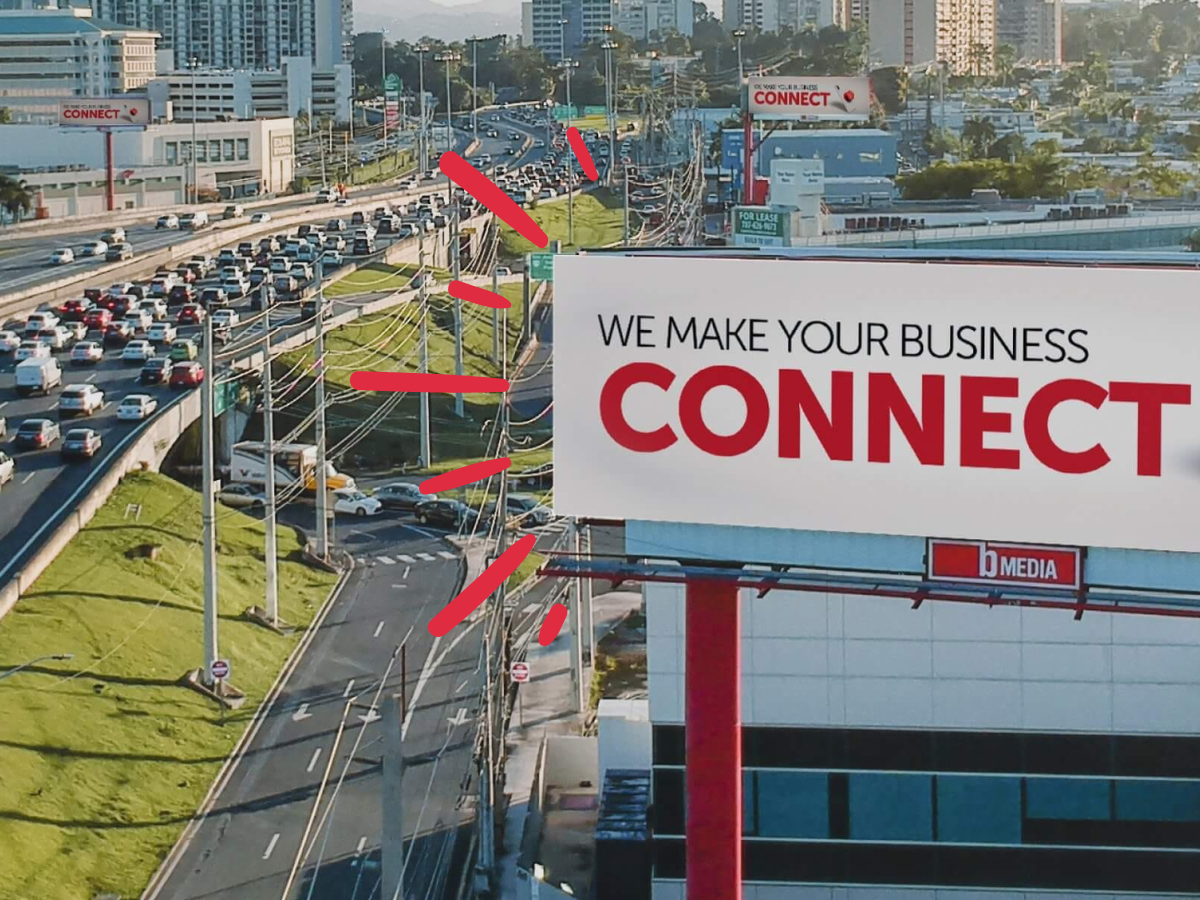
One good example, which is also the one we work on every single day, is billboard marketing in Puerto Rico. As anyone who has lived on or visited our wonderful island knows, traffic can be a major problem. Nobody likes traffic, it adds to a lengthy workday, and can be overwhelmingly frustrating just sitting in your car and not being able to move for long periods of time. While most would agree that there’s nothing really good about the traffic in Puerto Rico, the one major benefit comes in the exposure of billboards. The driver of a car should never be looking at their phone while operating a vehicle, so their only choice is to look out the windshield at what’s in front of them.

Strategic billboard placement in high traffic areas can be a very successful method of getting marketing messages across as drivers really have no choice, but to look at them.

Effective traditional marketing efforts are not limited just to billboards though, believe it or not there is still a large sector of the population that reads the newspaper every morning and orders magazines for their interests! While online has inevitably engulfed a large portion of these types of marketing mediums, for specific products usually targeting an older demographic, traditional print and other forms of marketing are still used often.

Similarities Between Traditional Marketing and Digital Marketing

There is a big similarity between digital and traditional: they’re both trying to reach your customers in the most useful way. Plus, when combined as a strategic marketing mix, they really can build off of each other.

In a world where people are exposed to nearly 5,000 advertisements every single day, cutting through the noise can be a very difficult endeavor. This is where strategy and creativity come into play which when combined produce some of the most beautiful and effective advertising. Appealing to people’s sense of humor or humility are common methods of getting a message across, but even being different and creative is no longer original enough to make an impact. What marketers are seeing these days is that volume and frequency of advertisements is one of the most effective ways to cut through the noise. Content marketing is a common tactic for companies to get their brand in front of people on a regular basis.

This is where the marriage between traditional and digital marketing comes into play. Advertisers must constantly remind their audience of their products and services, so the best way to do so is to get in front of them as often and in as many different ways as possible. Let’s revisit the example of outdoor media in Puerto Rico. If a driver is on their way to work and gets stuck in some traffic trying to get across San Juan, they will see a number of billboards along their way. At one particularly slow point, they notice a billboard for a beautiful new watch. They’ve been in the market for a watch for a few months now and this advertisement managed to catch their attention.

Difference Between Traditional Marketing and Digital Marketing

Now fast forward to the rest of this potential customer’s day. While they are at work, they decide to take a break during lunch and investigate some more information about the watch they noticed on the billboard during their drive. An effective web strategy would be able to capture this web visitor’s information, drop a cookie in their browser, and then show personalized ads to them on the web and social media for the watch they were looking at.

While the billboard may have sparked the initial interest in the product and caused the person to gather more information, it will be the persistent reminder of targeted Google advertisements in their web browser or ads showing up in their Facebook newsfeed that eventually lead to making a purchase decision.

Traditional vs Digital Billboards

We mentioned that billboards and other outdoor advertising can be extremely effective in the right markets, and it’s even more exciting when you add in the possibility of digital billboards. Whether a sign at a busy intersection, on the side of a bus, or placed inside of a building, there are plenty of options.

The only real downside to a traditional billboard is that you create one ad, and it shows to all people at all times of the day. Digital billboards completely solve this problem!

A digital billboard allows you to display one targeted ad during the morning commute, say, for airline tickets to an exotic vacation. That will put travel in the mind of the viewer while they’re sitting at their desk at work all day.

Then, during the evening rush hour, you can advertise a movie or a restaurant. People are in their cars thinking about evening entertainment, and this might make them change their plans.

In other words, the difference between traditional and digital marketing really blurs when you start factoring in digital billboards.

Key Differences Between Traditional and Digital Marketing

Cost of Digital Marketing vs Traditional

As a businessperson, you’re probably concerned with the bottom line. What’s the cost of digital marketing vs traditional?

The answer to this is exactly what you’d expect: it depends.

Just like it’s much more affordable to put an ad on page 7 of a small-town paper than a billboard in Times Square, some digital ads are cheaper than others. You can get social media ads virtually for free if there isn’t much competition, or you could pay top dollar to be high on the page in popular Google search.

Again, it really comes down to finding the right mix that will achieve your goals with your customers. If you’re not sure how this looks for you, please reach out to us. As the local leaders in outdoor media in Puerto Rico, we can make sure your business is reaching your audience.

How to Promote Your Business in the Community

Promoting your business is essential if your goal is to stand out from your competitors and gain brand recognition in the community. Therefore, it’s important to take advantage of promotion opportunities in your area that will generate more customers and help solidify a trusted brand-consumer relationship in your community. In today’s digital age, promotion opportunities are endless. Businesses can spread the word about their product through search engines, social media channels, online directories, or even go with the ever-so-trusted billboard. To reach your target audience, you must make your brand visible on multiple platforms. Here are some different ways how to promote your business in the community.

how to promote your local business

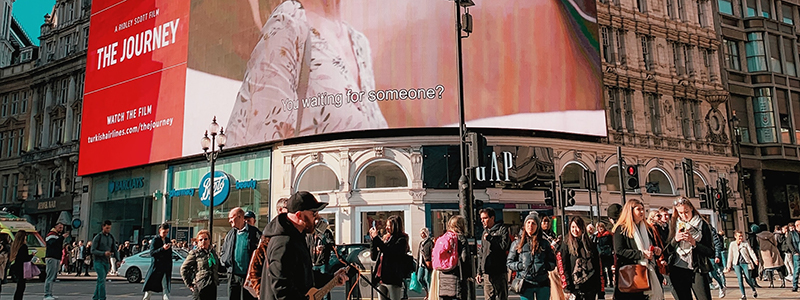
Out-of-Home Advertising (OOH)

The first step to promoting your business is to make it visible. What better way to do it than out-of-home advertising (OOH). Outdoor advertising techniques include street signage, flyers, street teams, promotional events, and the beloved billboard.

The most trusted and original forms of OOH advertising are billboards. Billboards work because they are eye-catching and one of the most trusted forms of advertising for consumers. The majority of Puerto Ricans live in urban areas, and the great thing about billboards is that they can target local high-traffic areas where customers can interact with your campaign.

Today, we are seeing billboards evolve, boasting endless advertising potential for business. Digital billboards continue to rise in popularity because it allows users to directly engage with the advertisement, creating a memorable experience that highlights the product/ service you are offering.

To ensure a successful billboard campaign, we have determined some best practices to help maximize your promotion:

  • Keep it simple
  • Use borders and cropping appropriately
  • Be intentional with colors and contrast
  • Leverage key locations and seasons
  • Be careful of fonts

Establish a Social Media Presence

There are 2.32 million social media users in Puerto Rico as of January 2021, equivalent to 81.6% of the total population. Social media platforms like Instagram, Facebook, YouTube, TikTok, and Pinterest are great marketing tools because of the ability to engage with existing customers while reaching out to new customers. As of December 2020, Facebook received 80.3% of all social media site visits in Puerto Rico. Facebook advertising is all about getting your message on the right news feeds using targeting options. Facebook allows you to advertise using images, videos, and even polls for interactivity.

Additionally, social media can be used as a marketing tool by creating brand-specific content. Social media has provided us with a range of posting formats such as images, short video stories, live sessions, tutorials, and more. Creating content for these platforms is an opportunity for business owners to engage with consumers while promoting a specific product, service, or event.

promote business with SEO

Take Advantage of Search Engines Like Google

Being visible on Google is great for your brand, it puts you directly in front of consumers seeking solutions. Creating and verifying your Google Business profiles allows your business to show up on Google Maps and caters results to the searcher’s current location. Creating a Google My Business account is free and once verified, you can optimize your listing to show up as a high-ranking result for relevant searches using a good SEO strategy.

Be Involved in the Community

If you’re wondering how to promote your business in the community, a good place to start is to be active and attentive in your community. Businesses can sometimes be involved in the community for the wrong reasons and they show. Be sincere, be genuine. Don’t push your business if it’s not relevant or actually helpful. In one way or another, your business will come up and your community will support it after they’ve seen and felt your support.

Being involved in the community involves giving back to it. Donating to a local charity will bring your business closer to locals by making it more approachable. Consumers are likely to support your business if you’re associated with a charity or cause close to them. You can give back to your community in several ways including:

  • Annual contribution to charity
  • Special promotions with a percentage of sales going to a cause
  • Donate products or services to local schools or community centers

5 star reviews

Get Online Customer Reviews

Set up profiles on platforms like Yelp and Tripadvisor to increase brand exposure. These platforms are used by locals and visitors when looking for local businesses. 92% of consumers purchase from a business after viewing it on Yelp. These platforms allow customers to leave reviews, making it easy for business owners to monitor and respond to any business inquiries. Make sure all business information, such as hours, phone number, address, and website are all accurate for potential customers.

Importance of a Good Marketing Strategy

A good marketing strategy is a blueprint that will determine how your message will reach out to your target audience. Your business might be making a profit, but to remain successful, you must consistently stay ahead of your competitors. The best way to ensure this is to have a good marketing strategy in place. Not only will good advertising give you an edge, but it can also give you insight into how your business is performing, allowing you to make the right business decisions.

Market research is crucial in creating your promotional strategy. Data and information collected from this research will allow you to develop your product or service to boost profit potential. It can also help you create a detailed organization plan, ensuring optimum utilization of resources to get the message in front of the target consumer.

How to Measure the ROI of Your Campaigns

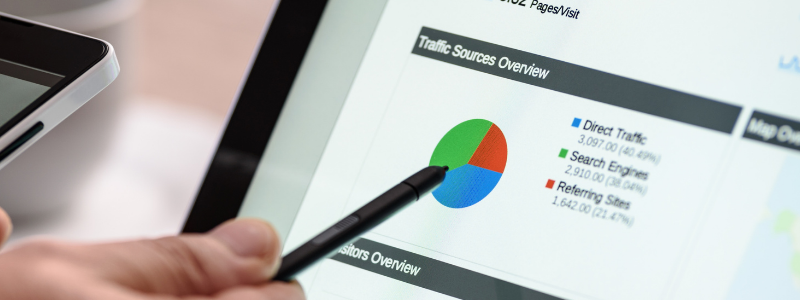
Once you’ve learned how to promote your business in the community, it’s then important to know how to measure the effectiveness of your promotional efforts.

Marketing ROI involves attributing profit or revenue as a direct cause of marketing growth initiatives. To determine whether your advertising campaign is successful or not, there’s a straightforward formula you can use:

ROI = (Sales growth – organic sales growth – Marketing Cost) / Marketing Cost

Marketing costs include but are not limited to:

  • Overhead and internal expenses
  • Agency fees
  • Media buys
  • Creative costs

ROI helps determine budget allocation for ongoing and future ad campaigns. It’s important to consistently evaluate KPIs such as reach, frequency, and impressions so you can determine if your marketing efforts are benefiting business growth and help you allocate your budget accordingly.

Strategize with bMedia Group

If you’re looking for ways to promote your business within your community, reach out to bMedia Group. We are Puerto Rico’s leading experts in outdoor and billboard advertising. Our professionals can help you strategize, execute and maximize the effectiveness of your promotional campaign and market research.

Contact us today! We’ll guarantee your ads will be seen and remembered, helping you unlock unlimited business growth.

How Much Does a Billboard Cost?

They’ve been around for centuries and have proved valuable, but what is that worth? It’s the question we all want answers to – how much does a billboard cost? Well, that depends on a few things. Let us explain.

How Much Does a Billboard Cost

What is a Billboard?

At the risk of stating the obvious, the Miriam Webster Dictionary defines a billboard as a flat surface, panel, wall, or fence on which information is posted, specifically outdoors. They can be on giant sides of the road, on buses, in airports, or pretty much any other surface you can imagine. Also, there are now many great digital options to allow for ever-changing and interactive billboards.

How Prevalent are Billboards?

Some estimate that there are between 425,000 and 450,000 billboards dotting the landscape along American highways.

The effectiveness of billboards is not limited to the United States. bMedia Group contends that billboard advertising is an ideal way to promote products and services and build brand awareness in Puerto Rico.

Effectiveness of Billboard Advertising

In a Forbes study, almost twenty-five percent of those surveyed stated that they visited a store the same day that they saw a billboard advertising their products. And even when they didn’t, the brand often lodges in their mind to return next time they find themself considering that product or service.

Financial experts have calculated that the return on investment for billboard advertising is almost six dollars for every dollar spent.

It is little wonder that companies like Cracker Barrel spend almost half of their advertising dollars on outdoor advertising.

How Much Do Billboards Cost?

Exactly how much does it cost for billboard advertising? The answer to this question is not as simple as it sounds. Several factors determine the cost of a billboard. However, here is one example:

If you print an advertisement on a fourteen-foot by forty-eight-foot billboard, you will need seven hundred square feet of vinyl. The cost of the materials will run anywhere from three hundred to five hundred dollars.

Renting the advertising space for your ad will cost between five and eight hundred dollars a day. Prices vary with location, as well as how many days you want the ad space.

How Much Do Billboards Cost

How Much Does It Cost to Get a Billboard?

The question of how much do billboards cost has multiple factors that go into the answer.

Location

As with real estate, the location of your billboard is crucial. Your aim is maximum viewing by your niche market.

How much does a billboard ad cost in cities around the US? In New York City, renting a billboard for a month will cost between $1800o and $12,000. In Los Angeles, the same space would cost between $1500 and $9,000. Chicago billboard space rents for between $1200 and $6,000. Philadelphia billboards cost between $1200 and $6,000 while in San Francisco, you can rent space for the same costs.

Size

It is not surprising that billboard costs increase with size. Studies show that the larger the advertisement, the more impressions it will make and the bigger the impact on the consumer. Larger billboards require more material and higher labor costs to erect them.

Rental Time/Campaign Duration

Writer Kelly Main points out that size, location, and duration all play a part in billboard costs. For example, billboard costs average between $750 and $1,500 per month in rural areas. In small to midsize cities, the costs rise to between $1, and $2,000. In larger cities where many more people will see them, the cost of billboards rises to between $14,000 and $15,000.

Billboard Type

Costs also vary with the type of billboard. There are three types:

  • Classic or print billboards are typically vinyl.  They usually cost less than the other types.
  • Digital billboards are more dynamic advertisements than static billboards. They incorporate elements like a moving image. Digital billboards can be easily switched, based on your market and the time you want the bulletin board to appear each day. This can benefit you if you are targeting an off time, but raise costs if you want prime time.
  • Billboard advertisements on busses, cars, and other moving vehicles are called mobile billboards. They are more likely to be seen by your target audience because vehicles move while they showcase your brand, products, or special event.

Market or Demographics

Demographics consider the people who pass by the billboard. Your niche market considers the age, gender, socioeconomic level, education, and occupation of the people you are trying to attract with your advertising. If you are trying to attract a larger audience, higher-income individuals, or those with higher education, the cost will likely be higher.

Market Population

Generally speaking, the larger your target market, the higher the cost of billboard advertising.

How Much Does It Cost For Billboard Advertising

How Much Does it Cost to Put a Billboard Up?

Aside from the costs associated with the physical structure of the billboard, there are also other costs relating to the creation and setup of a billboard. So, how much does a billboard cost?

Designing the Billboard

When it comes to the actual design of the billboard, it’s not something you want to take shortcuts on. You can pay premium fees for a billboard in a prime location, but if it looks low quality, it can actually hurt your brand.

There are essentially three aspects to a billboard ad: the concept or idea, the copy (the words), and the visual design.

Definitely consider hiring a specialist for all three of those areas. Many people think they can come up with an idea, write it, and then pay a graphic designer to whip up a beautiful image. That can work, but creating ads is a skilled craft (especially considering the strategy involved in outdoor media), so you may be surprised at the quality (and return on investment) you’ll get from expert help.

For any stage of the process, you essentially have three options:

  • Create it in-house: If you or someone at your company is creative, good with words, and skilled with visual design, this method keeps the most control. The downside is time, costs of doing it yourself, and it’s sometimes a disadvantage to not have an outside perspective.
  • Hire a freelancer: With the prevalence of sites like Upwork and Fiverr, this has never been easier. It can be fast and cost-effective, but the downside is it can take time to find a quality freelancer, and they aren’t always available when you need them.
  • Working with an agency: Many billboard companies keep the necessary staff to be able to design quality outdoor advertising. And considering it’s their business, they can be pretty good at it! There isn’t a huge downside here, just make sure you understand the pricing structure before getting started, as well as who has ownership over the designs they create.

The prices for these different options can vary significantly depending on your location and who you hire. A rough estimate is everything from $30 to hundreds per hour. In many cases, it will take striking a balance between quality and affordability.

Physical Cost of the Billboard

An obvious, but sometimes overlooked, cost with billboards are the actual materials. This really will only come into play if you’re building your own sign because any outdoor advertising agency should already have this factored into their cost structure (but, double-check!).

If you are building your own, you will have to consider the cost of the real estate, the building materials for the structure, the vinyl for the sign, the printing on the vinyl, and the construction and maintenance costs.

Maintenance and Other Recurring Costs

The costs don’t necessarily stop once the sign is installed. Depending on the local climate, you have to maintain the billboard to keep it looking fresh. Most billboard companies will have any fees built in the initial contract, and they usually cover the agreed-upon time period. Keep in mind that you may again have these costs if you decide to extend.

Billboard Variations

Rapidly changing technology has made it easier for billboard advertisers to capture the attention of those who drive or walk past. Interactive technology has transformed billboards from static images painted vinyl frames, walls, and vehicles. The Internet has made billboards increasingly smarter. These electronic billboards appear next to bus benches, shopping centers, or on walls in high traffic areas.

Once popular, digital billboards proved easy to ignore. On the other hand, new interactive billboards speak—literally and figuratively—to your niche market. “Smart” advertisements can dynamically react to their environment. They can send and receive data. These billboards can adapt to demographics, weather, and time of day. Billboards of the future will react to their environment and audience by changing the content based on information collected about those who view them.

How Much Does a Billboard Cost to Rent

Why Invest in Billboards?

If you want to get higher brand recognition, you have an event to publicize, or you want to drive more traffic to your website, billboards are an economical and effective tool.

Billboard advertising broadcasts your business, products, services, or an upcoming campaign to a wide audience.

People spend an average of 70% of their time outside their homes. Compared to other types of marketing, billboards give you maximum exposure.

How to Get Started

  • Whether you want to advertise your brand on billboards or you want to start a billboard advertising business, you have some decisions to make first.
  • What are your advertising goals?
  • Where is the best place to locate your billboard?
  • What is your market audience?
  • What message do you want to give them?
  • What types of billboards do you want to utilize?
  • What skills/information do you need?

Why Choose bMedia Group?

Now that you have the answer to the question how much does a billboard cost, you may be wondering about next steps or other additional information. Advertising experts like bMedia can break down billboards according to price, type, format, and message.

They can help you achieve your advertising goals using their experience in outdoor advertising and their technical skills. bMedia Group offers a wide variety of out-of-home media choices. They have one that will fit your goals and your budget. They have proven success at targeting any audience.

To discuss how bMedia Group can help you achieve your advertising goals, learn more about our billboard advertising.

Foods to Try in Puerto Rico

Our beautiful island of Puerto Rico boasts exquisite beaches and is home to a vibrant culture that includes upbeat music, people, and most importantly, exquisite cuisine. When visiting the island, prepare to fuel up on some of the most delicious dishes of Puerto Rico. Puerto Rican cuisine is extremely diverse and is influenced by West African, Spanish, and Indigenous Taino ingredients and cooking styles. Popular ingredients in Puerto Rican cuisine include plantains, yucca, rice (Arroz), papaya, tropical fruits and vegetables, and more. Here are some of the best foods to try in Puerto Rico.

Puerto Rican Foods to Try

There are some traditional and popular foods that are loved by Puerto Ricans and visitors alike.

Some of the most authentic foods to try in Puerto Rico are as follows:

Mofongo

This Puerto Rican delight is made with green plantains, mashed garlic, and meat such as chicken, beef, fish, or small pieces of chicharron.

The plantain is chopped into pieces and fried, they are then crushed and molded into a bowl with a hollow inside where the meat is placed.

Mofongo can be found at various food trucks and restaurants and is considered one of the most popular Puerto Rican dishes.

tostones puerto rico

Tostones

This dish, which is often served as an appetizer, is made with thinly sliced plantains coated in batter.

Tostones are deep-fried and flattened using a tostonera, which is a wooden press.

They are often served with a condiment made from ketchup, mayonnaise, garlic, and other spices, also known as mayo ketchup.

Tembleque

Tembleque is a dessert pudding made from coconut milk, sugar, salt, and cornstarch.

It has a smooth consistency and is often topped with cinnamon.

This dessert is enjoyed all year round but is a staple for the Christmas season.

Pasteles

Pasteles are a combination of vegetable dough and meat filling and can be made with either yucca or green plantain.

They are stuffed with meat, usually pork, but can also include vegetables and pumpkin.

They are wrapped in banana leaves and boiled until the leaves fall off. Once ready, they are seasoned with achiote and sofrito.

octopus salad puerto rico

Ensalada de Pulpo

In English, this dish translates to octopus salad, and that’s exactly what it is.

Ensalada de Pulpo is made from chewy octopus and tart vinegar.

This dish is usually served with another Puerto Rican favorite, Tostones.

Rellenos de Papa

Rellenos de papa is a popular island appetizer best described as a savory mashed potato croquette stuffed with ground meat or picadillo and seasoned with sofrito.

Other ingredients, such as cheese, onions, and other vegetables can also be found in Rellenos de Papa.

arroz con gandules puerto rico

Arroz con Gandules

This is probably one of the most popular foods to try in Puerto Rico.

This holy grail dish centers around rice and Gandules, or pigeon peas.

Gandules are used often in Caribbean cuisine and manifest as small, green, oval beans that contain a nutty flavor.

Arroz con Gandules or Puerto Rican rice is the island’s national dish along with roasted pork, or Pernil.

Pernil

Pernil is a slow-roasted pork leg or shoulder marinated with adobo mojado, which is a mixture of olive oil, vinegar, garlic, oregano, salt, and black pepper.

Pernil is most often served with Arroz con Gandules or sweet plantains and is usually enjoyed during the holidays.

mofongo with shrimp puerto rico

Advertising in Puerto Rico

The marketing opportunities are endless in Puerto Rico; however, a unique and localized communication strategy is needed because of the island’s uniqueness.

Puerto Rico is a unique market because we see U.S influence mixed with Hispanic culture and the Spanish language.

The island is usually thought of as a middle ground between North America and South America, which is why businesses see lucrative opportunities on the island. However, it helps to know who your audience is – including what they eat.

Food Advertising

Food advertising, especially with the use of billboards, is aimed to reach a wide range of people and demographics.

In 2016, approximately $13.5 billion was spent on advertising by food companies.

In Puerto Rico, restaurants held 2.69% of the total spending on digital advertising in 2021.

Food companies invest in advertising such as billboards because it’s an effective way to increase return on investment (ROI).

Advertising can easily influence an individual’s food choices, so this is a great way to advertise your company’s new food product or to highlight your restaurant’s new menu item.

Billboards and OOH Advertising

Gone are the days of static billboards, today we see digital and smart billboards that are transforming the advertising market. If you’re looking for foods to try in Puerto Rico or you’re looking to influence certain foods to try, chances are that advertising will play a part.

Effective advertising can help you get ahead and stand out from the competition, and billboards are the easiest way to do that.

Here are some reasons why:

  • Outdoor advertising is more noticeable than mobile or television ads.
    • Online advertising can be ineffective due to ad-blockers. Additionally, due to the increasingly high number of mobile and television ads we see each day, it can be challenging to make your advertisement stand out on these platforms.
  • Billboards are more accepted by consumers.
    • Billboards have been around for a long time, and are generally accepted as a form of advertising. The ethical issues surrounding social media and online ads have made people wary.
  • Billboards help with brand building.
    • OOH advertising can build brand awareness as people are most perceptive of their surroundings when outside of the home.
  • Billboards are cost-effective.
    • Billboards are generally cheaper than print or online advertising. Additionally, they are more long-term than other forms of advertisement that often require businesses to make repeated payments.

bMedia and Your Business

BMedia is the leader in OOH advertising in Puerto Rico. We work with people from all types of industries, including the food industry, to help them reach their target audience and increase their return on investment.

With decades of experience erecting high-performing and eye-catching billboards, we aim to maximize your businesses using strategic locations and advanced analytics to optimize billboard engagement.

The billboard real estate in Puerto Rico is thriving, and we’re here to help you find the perfect spot for your advertisement.

Through best practices, we aim to help your business reach its maximum value.

Contact us today!

Reach vs Frequency

Gone are the days of swing-in-the-dark-with-a-dull-blade advertising — in this modern world, marketing strategies are highly refined, surgical operations, sharpened by the power of data sciences.

By assessing vital metrics, we can accurately measure the impact a marketing strategy is likely to have or is having, allowing us to streamline our approach, reach more of our target audience, and, ultimately, stimulate growth and profit.

Yep, there’s no doubt about it – the path to success is paved with metrics, the most important of which (at least in terms of Out-of-Home advertising) are reach and frequency, two intrinsic measurements.

But these metrics aren’t just linked – they’re actually antagonistic, leaving many business owners questioning which should be prioritized to optimize the efficacy of a marketing campaign. So, in this article, we’ll be discussing what these metrics are, how they differ, and how and when you should use them to measure OOH advertising.

reach vs frequency

Reach vs Frequency: Definitions and Differences

We’ve heard both types of metrics probably quite a bit, but would you be able to explain how they differ? Understanding the difference between reach vs frequency is understanding the difference in how you measure the effectiveness of your billboards or out-of-home advertising.

What Is Reach?

Reach refers to the number of people that will potentially be exposed to an aspect of your marketing campaign at least once in a set period of time.

For example, if you pay for one of your ads to be placed on a billboard on a main road, the potential reach of that ad would be at least 1 person per car driving towards the billboard.

Reach can be measured in a number of ways, including…

  • Demographics
  • Census Data
  • Traffic Counts and Vehicle Analytics
  • Daily Effective Circulation
  • Eye Tracking

measuring reach

What Is Frequency?

Frequency, on the other hand, is how many times each person will be exposed to the same marketing aspect of a marketing strategy more than once within a given time frame.

So, borrowing our billboard example from a moment ago, if we assume that the cars driving past from Monday to Friday are commuting to work, that would mean they’re potentially exposed to your ad 5 times a week.

Frequency can be measured by…

  • Estimates —  You can get a very quick estimate of potential frequency by dividing impressions by reach.
  • Demographics
  • Census Data
  • Data Modeling
  • GPS Tracking Data

What Are Effective Reach vs Effective Frequency?

You can think of effective reach as a kind of hybrid metric that combines both standard reach and frequency measurements — Effective reach is the percentage of individuals exposed to your ads enough times that they’re likely to have taken notice.

This baseline amount of exposure is known as effective reach.

Effective reach can also be measured using…

  • Census Data
  • Data Modeling
  • GPS Tracking Data
  • Digital Statistics, e.g. Comparisons between pre- and post-campaign sales figures, online traffic, use of unique promo codes, etc.

What Are Impressions?

Whereas reach refers to how many individuals see an advertisement in a set time frame, and frequency refers to how many times an individual is exposed to an advert in a set time frame, impressions refer to how many times your ad was served.

For example, let’s say you’ve invested in a spot on a digital billboard that cycles through ads from 4 other businesses throughout the day perpetually. Your impressions metric would show the number of times your ad was displayed in a given time period.

On traditional billboards, impressions would refer to how many show your ad in a certain area. This is important as other businesses may have a more saturated presence in the area than yours, which would pull focus from your ads.

As they’re a simple count of ad servings, impressions are one of the easiest metrics to keep track of.

Wouldn’t it be great if we could just maximize both reach and frequency and be done with it? You’d be pulling in customers left and right, and, quite frankly, you wouldn’t care to learn more about either one in this article.

As we’re sure you’re aware, implementing marketing campaigns costs money, and you’ll be splitting your budget between the campaign’s reach and frequency.

If you pump more capital into one, then you have less to allocate to the other. In the world of OOH marketing, finding the right balance between reach and frequency is critical to effective billboard advertising.

Reach vs Frequency: Which Should You Prioritize?

It’s common for businesses to prioritize reach over frequency, as they think the more people that see the ad the better, but this is commonly overlooked in marketing.

While it’s true that you want lots of people to see your advertisement, in the absence of frequency, reach can be a complete waste of money.

Modern life is incredibly cutthroat and fast-paced, and people’s attentions are constantly split between a number of things. To claim some valuable real estate in someone’s mind, you need them to see your ad multiple times — you need to establish an effective frequency!

Effective frequency usually sits around the 3+ exposures mark, and once you have that on lock, you can utilize the effective reach metric and gain a more accurate picture of how your campaign is panning out.

Prioritizing frequency at the expense of reach can also be a critical error, as your ad simply won’t engage with enough members of your target audience. The trick is to learn when it’s strategic to back one metric horse over the other, so to speak.

When Should You Prioritize Reach?

Reach is most important when you’re introducing a new product or service.

Statistically speaking, reach works best when introducing something new to the public. So if you’ve got something fresh to contribute to established markets or, better yet, something groundbreaking to offer in emerging markets, reach should get the lion’s share of your budget.

Reach is most important with an established brand advertising seasonal promotions.

If your brand is already a household name in the area, and you want to entice people with a seasonal sale of some kind, you don’t need to worry so much about frequency, as this foreknowledge of your company does a lot of the heavy lifting.

Reach is most important when there is a lack of competition.

The more saturated a space is with the marketing campaigns of competing businesses, the more you need to lean into frequency and bolster impressions to draw attention, but if the area is largely uncontested, you can win the attention war with a reach-laden campaign.

measuring reach vs frequency

When Should You Prioritize Frequency?

Frequency is most important when establishing your brand.

When you’re trying to break your brand name into the public consciousness, whether locally or nationally, repetition is your best friend, so it’s important to shift a certain amount of your budget over to frequency and impressions.

Frequency is most important when establishing trust.

If your campaigns are executed artfully, with just the right amount of repeat exposure, you can inspire feelings of comfort and familiarity in your audience, thereby establishing trust. Without investing in frequency, this trust will not develop in the mind of your target audience.

Frequency is the most important when there is a wealth of competition.

We’ve all been in a situation where two or more people are trying to speak to us at the same time.

How much of this tangled talk do you actually hear and comprehend?

None of it, right?

Unless, that is, one of the voices is shouting.

The same is true of OOH advertising.

In a heavily contested zone, your brand needs to rise above the rest and dominate the scene. It needs to stand up and shout (visually speaking), and the way to imbue your ads with a voice is maximizing frequency and impressions — it’s like giving them a microphone!

Advertising Metrics Can Change

The above suggestions aren’t exactly golden rules, as there are a number of variables to consider before maximizing one metric over the other. Nothing is set in stone.

Every marketing strategy has its own flavor, its own nuances, and creative approach, and no impression is exactly analogous to another. As such, there is no standard format for implementing and monitoring campaigns.

We know this can sound pretty daunting, but you’re not in this alone!

bMedia and Advertising Metrics

Here at bMedia, we don’t just provide you the physical space to exhibit your OOH advertisements; our dedicated team of marketing experts help you build your campaign from the ground up to suit your goals.

As a business owner, it’s important to understand the synergy between reach vs frequency and impressions, but if you’re not quite sure how to optimize metric balance, we’ll ease the burden with sound advice on measuring advertising effectiveness.

Our OOH advertising network spans the entire nation of Puerto Rico, so you can rest assured we have the sites available to maximize any metric in almost any location.

We can help you start telling your story, but more importantly, we can guarantee people see it!