Pros and Cons of Billboard Advertising: A Practical Guide for Puerto Rico

If you are comparing channels for Puerto Rico, the pros and cons of billboard advertising come down to one thing: fast, repeated visibility versus limited space for detail. Billboards can keep your brand in front of people while they commute, shop, and move across the island. They also require smart placement, simple creative, and realistic measurement goals.

This guide breaks down the pros and cons of billboard advertising in plain language, with planning tips you can use whether you are running one location or an island-wide campaign. For local scale and format options, bMedia outlines its inventory and regional coverage across Puerto Rico in its overview of outdoor media in Puerto Rico.

Quick Details You Can Use to Plan

Best for

  • Brand awareness and top-of-mind recall
  • Store traffic, launches, and seasonal campaigns
  • Reaching broad audiences fast, especially along major routes

Most common formats

  • Digital billboards (DOOH)
  • Static billboards
  • Large “spectacular” placements

What you need before you book

  • Goal (awareness, visits, calls, launch visibility)
  • Target area (Metro, North, South, East, West)
  • Timeframe (start date, length of campaign)
  • One clear message and brand assets (logo, colors, product photo)

What Billboard Advertising Is (OOH vs DOOH)

Billboards are a form of out-of-home advertising (OOH). That just means ads people see outside their homes: along highways, near retail corridors, and in busy districts.

Digital billboards are often called digital out-of-home (DOOH). DOOH uses screens that can rotate multiple ads, update creative quickly, and sometimes support time-based messaging. DOOH does not automatically mean “perfect targeting.” It still works best when your placement and message match what people are doing in that area.

The Pros and Cons of Billboard Advertising (The Big Picture)

Pros

  • High visibility: large format, hard to ignore
  • Repeat exposure: people see the same message multiple times in a week
  • Simple to understand: the best billboard is clear in seconds
  • Strong local impact: helpful for Puerto Rico businesses that serve specific regions
  • Great support channel: works well alongside search and social by reinforcing the brand people already saw online

Cons

  • Limited space for detail: you cannot explain a full offer or story
  • Creative must be disciplined: too much text turns into unreadable noise
  • Placement matters a lot: a great design in the wrong area underperforms
  • Measurement is different than clicks: you plan around reach, frequency, and lift, not just direct response

If you want a simple takeaway: the pros and cons of billboard advertising are most favorable when you have one clear message, strong placement, and consistent repetition.

Advantages of Billboard Advertising (In Plain Language)

1) You Reach People During Real Life Moments

Billboards show up during commutes, errands, and weekend travel. In Puerto Rico, that can mean visibility near commercial corridors, highway connectors, and high-activity districts.

2) Your Message Can “Stick” Through Repetition

Unlike a quick scroll past a social post, billboards can reinforce the same idea again and again. That repetition is a big reason billboards are often used for brand launches and awareness campaigns.

3) It Can Be Cost Efficient on a CPM Basis

CPM means “cost per thousand impressions.” While you will not measure billboards the same way you measure clicks, OOH is frequently planned with CPM in mind because it can deliver large-scale exposure over time.

4) DOOH Adds Flexibility

Digital screens let you rotate multiple creatives and refresh messages during a campaign. If you have different offers by region, season, or audience, DOOH can help you keep creative aligned to the moment.

Disadvantages of Billboard Advertising (And How to Plan Around Them)

1) You Cannot Say Everything

A billboard is not your website. It is a signal, not a brochure. If your message needs explanation, the billboard should focus on one simple idea people can remember.

2) Creative Mistakes Get Expensive

When the copy is too long or the contrast is too weak, performance drops. OOH creative guidance is consistent across the industry: keep it short, legible, and high-contrast. The OAAA summarizes these standards in its OOH creative best practices.

3) Placement Can Make or Break Results

A billboard near the right traffic flow and the right destination type can outperform a “busy” location that does not match your audience. For a simple overview of how placement affects outcomes, bMedia’s breakdown of billboard placement principles is a helpful reference.

4) Measurement Requires the Right Expectations

OOH is usually evaluated using impressions, reach, and frequency, then connected to outcomes like web lift, store visits, or brand metrics depending on your setup. If you go into OOH expecting last-click attribution to tell the whole story, you will be disappointed.

Digital vs Static vs Spectacular: Which Format Fits Your Goal?

Digital Billboards (DOOH)

Best when you need flexibility

  • Rotate multiple messages
  • Refresh creative quickly
  • Align messaging to time of day or seasonal moments

Tradeoff

  • Your ad shares time with other advertisers, so you plan around share of voice and schedule.

Static Billboards

Best when you want consistent presence

  • One creative, always live
  • Strong for brand reinforcement and directional awareness
  • Simple to execute when you already have a strong concept

Tradeoff

  • You cannot swap creativity as easily.

Spectaculars (Landmark Placements)

Best when the goal is impact

  • Big, memorable, “only in this place” visibility
  • Often used for major launches, cultural moments, and category leadership

Tradeoff

  • Higher investment and higher creative expectations.

If you are weighing the pros and cons of billboard advertising, format selection is where the decision becomes practical. Start with your goal, then match the format to the job.

Creative Rules That Improve Readability Fast

If people only have a few seconds, your billboard needs to work in a glance.

Use these simple checks:

  • One idea only: one message, one visual priority
  • Short copy: fewer words beats clever wording
  • Legible type: clean fonts, large sizing, strong contrast
  • Simple layout: avoid clutter and tiny logos
  • Location aware: creative can reference the region or moment, as long as it stays readable

How Billboard Measurement Works (Without the Jargon)

Here are the terms you will hear, explained simply:

  • Impressions: estimated views delivered over a period
  • Reach: how many different people are exposed at least once
  • Frequency: how often the average person sees the ad

Reach and frequency are commonly used to plan and evaluate OOH schedules. Geopath explains these concepts in its reach and frequency fundamentals

A realistic measurement mindset looks like this:

  • OOH builds awareness and recall
  • You track delivery (reach and frequency)
  • You connect it to business signals you can measure (search interest, web visits, store traffic, inquiries) based on your analytics setup

Puerto Rico Planning Tips That Reduce Guesswork

To make the pros and cons of billboard advertising work in your favor, plan around real-world factors:

  • Region matters: Metro campaigns can behave differently than North, South, East, or West flights because traffic patterns and destinations differ.
  • Seasonality matters: tourism, back-to-school, holiday retail, and event weekends can change what “good performance” looks like.
  • Timeframe matters: billboards typically perform better when they run long enough for repetition to build.

If you want a quick way to understand what formats exist beyond billboards, bMedia summarizes additional inventory types across Puerto Rico in its outdoor media product overview. That is useful when your plan needs multiple touchpoints, not just highways.

FAQs: Pros and Cons of Billboard Advertising

How many words should a billboard have?

As a rule, fewer words is better. Most billboards perform best when the message is readable in seconds, with one clear idea.

Is digital billboard advertising better than static?

Not always. Digital is better when you need flexibility and multiple messages. Static is better when you want a consistent presence with one strong creative.

Can billboards work for small businesses?

Yes, if placement matches your service area and the message is simple. A clear offer and a recognizable brand often beat a complex pitch.

What is the biggest mistake brands make with billboards?

Too much text, weak contrast, or a message that does not fit the location. Most underperformance is creative clarity plus placement mismatch.

What is the simplest way to think about measurement?

Plan for reach and repetition, then look for lift in the business signals you already track. Billboards rarely behave like click-based channels, and that is normal.

Closing Thought

The pros and cons of billboard advertising are easiest to manage when you treat the billboard like a high-visibility reminder, not a full explanation. Keep the message clear, match placement to your audience, and use measurement that fits how OOH actually works.
Types of Digital Advertising: What To Use, When To Use It, And How To Plan It In Puerto Rico

When you search for types of digital advertising, you are usually trying to make a real decision: where to spend, what to run first, and how to measure impact without guessing.

This guide keeps it practical. You will learn the most common types of digital advertising, what each one is best for, and how to build a mix that fits Puerto Rico’s market, timeline, and creative constraints. You will also see why Digital Out of Home (DOOH) belongs on the list, not as an afterthought.

bMedia supports island-wide outdoor media in Puerto Rico with a technology-forward approach, including data and analytics, and a network positioned as able to reach 90% of the population in minutes with 500+ high-impact locations across formats. 

Quick Details For Choosing The Right Mix

Use this sequence to avoid building a plan that looks complete but misses the goal.

  • Goal first: awareness, store traffic, leads, or retention
  • Audience next: who you need, where they are, when they move
  • Format fit: message length, creative flexibility, and context
  • Timeline: production, approvals, launch, and optimization cadence
  • Measurement: decide what you will report before you launch

If you want a deeper look at OOH measurement language and expectations, bMedia’s guide on how to measure OOH advertising is a useful reference.

Types of digital advertising

What “Digital Advertising” Means Today

Many people think digital only means ads on phones and laptops. In modern planning, it includes any ad delivered through digital systems, including digital screens in the physical world.

The IAB defines DOOH as digital media used for marketing outside the home using digital screens in public and commercial spaces that deliver dynamic content and ads. 

That is why DOOH is part of the conversation when you compare types of digital advertising, especially in Puerto Rico where movement patterns and high-traffic corridors can drive reach and frequency quickly.

The Most Important Types Of Digital Advertising And What They Do Best

1) Paid Search Ads (Search Engine Marketing)

Paid search puts your message in front of people actively looking for a product or service. Search Engine Land describes SEM as combining SEO and PPC strategies to drive traffic and visibility through search queries. 

Best for

  • High-intent lead generation
  • Capturing demand that already exists

What to measure

  • Clicks, cost per click, conversion rate, cost per lead

2) Paid Social Ads

Social ads are strong when you want interest-based targeting, fast creative testing, and scalable reach.

Best for

  • Awareness and consideration
  • Retargeting engaged users
  • Promotions and launches

What to measure

  • Reach, frequency, video views, cost per result

3) Display Ads

Display ads run across websites and apps. They are often used for broad awareness and retargeting coverage.

Best for

  • Top-of-funnel visibility
  • Supporting larger launches

What to measure

  • Impressions, CPM, click-through rate, assisted conversions

4) Retargeting (Remarketing)

Retargeting follows up with people who already visited your site or engaged with your brand. It works best as a system, not as a standalone strategy.

Best for

  • Bringing back undecided buyers
  • Reinforcing a time-sensitive message

What to measure

  • Frequency, cost per acquisition, incremental lift where available

5) Video And Streaming Ads

Video works when you need attention, recall, and clearer explanation. This includes online video placements and streaming environments.

Best for

  • Brand building at scale
  • Product education and story

What to measure

  • Completed views, cost per view, reach, lift signals where available

6) Native Ads (Sponsored Content Style)

Native ads match the surrounding editorial experience while staying labeled as sponsored. They can support longer-form education.

Best for

  • Consideration-stage audiences
  • Complex offers that need context

What to measure

  • Time on page, scroll depth, assisted conversions

7) Audio Ads (Streaming And Podcasts)

Audio reaches people while commuting, working, and multitasking. It is often used to build frequency and recall.

Best for

  • Repetition and recall
  • Local promotions when you want consistent exposure

What to measure

  • Reach and frequency, completion rate when reported

8) Email Sponsorships And Newsletter Ads

Newsletter placements can be efficient for curated audiences. They are simple and easy to track.

Best for

  • Niche audiences and local communities
  • Events and limited-time offers

What to measure

  • Clicks, conversion rate, cost per acquisition

9) DOOH (Digital Out Of Home)

DOOH includes digital billboards and other digital screens outside the home. It is designed for high-visibility reach in real-world environments, with creative flexibility and measurable delivery.

Best for

  • Rapid awareness in high-traffic areas
  • Building frequency and trust across a region
  • Campaigns that benefit from contextual placement

What to measure

  • Impressions, reach estimates, frequency, CPM-style efficiency

bMedia positions its island-wide network as able to reach 90% of the population in minutes, supported by 500+ high-impact locations and multiple formats across Puerto Rico. 

If you want to understand how bMedia thinks about placement strategy, see the importance of billboard placement.

bus-stop-advertisementPlanning Rules That Make These Types Of Digital Advertising Work Better
This is where most “list” articles fall short. The channel matters, but planning decisions decide performance.

Choose Formats Based On Your Goal

Awareness

  • DOOH, video, display, social reach campaigns

Leads and bookings

  • Paid search, retargeting, high-intent social, landing page alignment

Store traffic

  • DOOH plus geo-aware social and mobile support

Match Message Length To The Format

  • Short, bold message works best for DOOH and quick-scroll social
  • Longer explanation works best for video and native

bMedia emphasizes outdoor creative best practices such as readability, contrast, and legibility at distance. Keep the copy short and the layout clean so the message lands fast.

Build A Simple Timeline

  • Creative development and approvals
  • Launch window
  • Optimization cadence
  • Reporting schedule

Puerto Rico campaigns often involve movement across metro corridors and regional routes. If you are planning around areas like San Juan, Bayamón, Carolina, Caguas, Ponce, or Mayagüez, it helps to think in terms of where your audience is most consistently exposed, not only where you want them to buy.

Measurement Basics You Should Use In Any Digital Plan

If you want reporting that builds confidence, use shared definitions that translate across channels.

CPM (Cost Per Thousand Impressions)

CPM is the price advertisers pay for 1,000 impressions and is used both as a pricing model and as an efficiency metric. 

Reach Vs Frequency

  • Reach: how many unique people saw your ad
  • Frequency: how often they saw it

For bMedia’s perspective on how these metrics differ in outdoor advertising, see impressions vs reach and reach vs frequency. 

Programmatic DOOH (If You Need Flexibility)

If your plan needs faster adjustments and data-driven delivery controls, programmatic DOOH can be part of the buying approach. bMedia’s overview of programmatic DOOH explains the concept in plain language. 

How bMedia Fits In A Modern Mix

A strong plan rarely uses only one channel. The best approach is usually a mix of demand capture and reach.

Here are three simple examples that map to common business goals:

Example 1: New Location Launch

  • DOOH for fast island visibility and repeated exposure
  • Paid social for audience targeting and creative testing
  • Retargeting to re-engage site visitors

Example 2: Local Service Business

  • Paid search to capture high-intent demand
  • Retargeting to reduce drop-off
  • DOOH to build trust and reinforce your presence in the service area

Example 3: Seasonal Promotion

  • DOOH with creative versions that match the season and location context
  • Social for distribution and retargeting
  • Email sponsorships for local bursts if the audience fit is right

This is the practical reason why types of digital advertising matters. You are not choosing a list. You are building a system that supports measurable outcomes.

what-does-ooh-stand-for

FAQ: Types Of Digital Advertising

How many types of digital advertising are there?

There is no single official list, but most planning frameworks include search, social, display, video, retargeting, and DOOH. Add native, audio, and newsletter sponsorships when they match your audience and timeline.

Is DOOH part of digital advertising?

Yes. The IAB’s definition describes DOOH as digital media used for marketing outside the home delivered through digital screens in public and commercial spaces. 

What is the best mix for Puerto Rico?

The best mix depends on your goal and audience. Many Puerto Rico campaigns combine DOOH for reach and frequency with paid search and retargeting for demand capture, especially when you need both visibility and measurable response.

Final Takeaway

If your goal is to rank for types of digital advertising, you need to cover the full landscape. If your goal is to plan smarter in Puerto Rico, you also need real-world context: where your audience moves, how fast you need to reach, what creative can be read quickly, and what metrics you will report.

bMedia’s outdoor media network is positioned for island-wide reach, technology-forward planning, and measurable outcomes across Puerto Rico. 

LOOK UP: Digital Hygiene Initiative


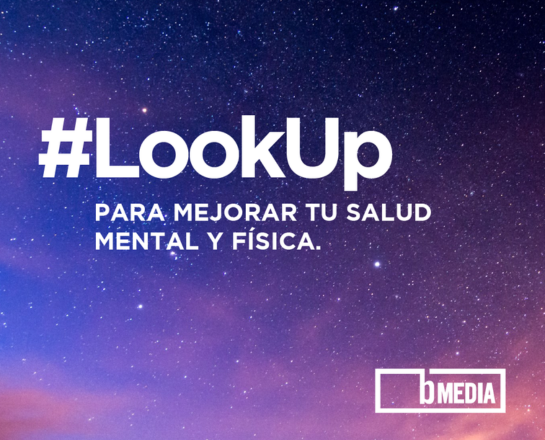
Welcome to bMedia Group! Our new “Look Up!” campaign invites you to look up to enjoy nature, our sky, and the beauty that surrounds us. Research has proven the value of looking up and disconnecting from technology to enhance life enjoyment.

Together with the Fields of Joy Foundation, we have created this eBook as part of our commitment to promoting actions that improve our outlook on life and mental health.

The eBook explores the vital role of using technology consciously to promote emotional well-being given today’s overwhelming digital environment.

This resource highlights the risks associated with technology misuse, including cybersecurity threats and the mental health impacts of overexposure.

Inside, you’ll discover the definition of digital hygiene and its significance in safeguarding privacy and security while enhancing overall mental wellness. Each chapter offers valuable insights into how excessive technology use affects mental health and provides practical strategies for achieving a healthy balance in both personal and professional environments.

From tackling the challenges of remote work and setting family technology rules to embracing digital detoxes and mindfulness exercises, this eBook equips you with the necessary tools to foster a healthier relationship with technology.

Join us on this journey to “Look Up,” disconnect from the digital distractions, and reconnect with yourself and your loved ones. Download now to take the first step toward better digital hygiene and improved mental health!

[av_hr class=’default’ height=’50’ shadow=’no-shadow’ position=’center’ custom_border=’av-border-thin’ custom_width=’50px’ custom_border_color=” custom_margin_top=’30px’ custom_margin_bottom=’30px’ icon_select=’yes’ custom_icon_color=” icon=’ue808′ font=’entypo-fontello’ av_uid=’av-2jz4tx’ custom_class=” admin_preview_bg=”]

[av_button_big label=’Download E-Book’ description_pos=’below’ link=’manually,https://www.bmediagroup.com/news/wp-content/uploads/2024/10/bMedia_Ebook_LookUp_FINAL.pdf’ link_target=’_blank’ icon_select=’no’ icon=’ue800′ font=’entypo-fontello’ custom_font=’#ffffff’ color=’theme-color’ custom_bg=’#444444′ color_hover=’theme-color’ custom_bg_hover=’#444444′ av_uid=’av-xyfp’ custom_class=” admin_preview_bg=”][/av_button_big]

Look-Up


Effective Advertising Strategies

For over a century, billboards have remained a popular and effective advertising medium, capturing the attention of countless passersby with their large-scale and prominently displayed ads. Despite the rise of digital advertising, billboards have not only survived but also evolved. These days, billboards are equipped with digital technology and innovative designs that make them even more impactful and relevant than before.

Effective Advertising Strategies rely on understanding the potential of the medium and leveraging it to its fullest. For business owners, billboard advertising presents an unparalleled opportunity to showcase their brand message to a broad audience, ensuring that it stays in their memory. While digital ads come and go, billboards are a physical presence that commands attention and leaves a lasting impression.

Billboard advertising is not just about size; it’s also about strategy. To make the most of billboard advertising, businesses must convey their message effectively, resonate with their target audience, and drive action. Understanding the nuances of billboard advertising is crucial for business owners who want to make a mark in the market. In this regard, we’ll delve deeper and explore how billboards can be a game-changer for businesses, especially in dynamic markets like Puerto Rico.

Effective-Advertising-Strategies

Most Effective Advertising Strategies

In the realm of business, understanding your audience is paramount. The foundation of any effective advertising strategy is built upon the principle of targeting. By honing in on a specific demographic, businesses can tailor their message to resonate more deeply with potential customers. A well-targeted advertisement speaks directly to the viewer’s needs, desires, and aspirations, making it far more impactful than a generic message.

According to an article on Spiceworks, social media profiles offer a significant opportunity for target marketing. Brands can pinpoint customers based on various factors, including their interests, behavior, and demographics. This targeted approach ensures that the advertising message reaches the most relevant audience, increasing the likelihood of engagement and conversion.

However, it’s not just about reaching the right people; it’s about conveying the right message. The essence of effective advertising strategies lies in crafting a message that not only captures attention but also drives action. Whether it’s evoking an emotion, solving a problem, or fulfilling a need, the advertisement should offer tangible value to the viewer.

Moreover, in the ever-evolving landscape of advertising, it’s crucial for businesses to stay updated with the latest trends and technologies. From leveraging data analytics to employing innovative design principles, the strategies that worked a decade ago might not be as effective today. Thus, continuous learning and adaptation are key to ensuring that your advertising efforts yield the desired results.

Benefits of Billboard Advertising in Puerto Rico

Puerto Rico, with its dense population and unique market dynamics, presents a golden opportunity for advertisers. The island, spanning just over 100 miles in length, is home to over 3.5 million people. This concentration results in a significant traffic scenario, especially considering there are over 3 million registered vehicles on the island. While traffic might be a commuter’s nightmare, it’s a dream come true for advertisers. The reason? Billboards.

The severe traffic situation in Puerto Rico offers a plethora of opportunities for advertisers aiming to capture the attention of motorists. In an era where digital advertising is rapidly evolving, traditional forms like billboards remain steadfast. As long as people continue to drive, billboard marketing and other outdoor media will remain an influential platform for advertising.

The main point in such a scenario is to capitalize on the captive audience. Motorists, often looking for distractions during traffic snarls, are more likely to engage with and remember billboard advertisements. This captive audience, combined with the strategic placement of billboards, ensures that the advertising message is not just seen but also makes a lasting impression.

Furthermore, billboard advertising in Puerto Rico offers an inherent demographic control. The majority of the viewers are likely commuters heading to their workplaces, implying they have the financial means to own a vehicle. This ensures that the advertisement reaches an audience that falls within a specific economic demographic, making the message more targeted and effective.

most-effective-advertising-methods

Designing Impactful Billboards

The art of billboard design is a delicate balance between creativity and clarity. While it’s essential to have an eye-catching design, the primary objective remains to convey a message effectively. Given that commuters typically have only 5-10 seconds to read a billboard as they pass by, the design must be concise, clear, and compelling.

The key to effective billboard design is brevity. The human capacity to ingest and remember a message in a fast-paced environment like traffic is limited to about seven words. Overloading a billboard with too much content can dilute the message and reduce its impact. Therefore, brands must be judicious in their choice of words and visuals.

The critical aspect in billboard design lies in understanding the medium’s constraints and strengths. Here are some principles to consider:

  • Simplicity is Key: A clutter-free design with a clear focal point ensures that the message stands out. Avoid the temptation to include too many elements.
  • Bold and Legible Fonts: Choose fonts that are easy to read from a distance. Avoid script or decorative fonts that might be challenging to decipher at high speeds.
  • High-Contrast Colors: Colors play a crucial role in visibility. Opt for colors that contrast well, ensuring that the text stands out against the background.
  • Relevant Imagery: Use images that resonate with the message and the target audience. The imagery should support and enhance the message, not overshadow it.
  • Call to Action: While not always necessary, a clear call to action can guide the viewer on the next steps, whether it’s visiting a website, making a call, or attending an event.

Strategy Marketing: Measuring Effectiveness

In the realm of billboard advertising, understanding the impact of your campaign is paramount. After all, how do you determine if your investment is yielding the desired results? Measuring the effectiveness of billboards is not as straightforward as digital ads where clicks and impressions are easily tracked. However, with the right strategies, one can gauge the success of their billboard campaigns.

According to a detailed article on bMedia Group, there are several methods to measure billboard effectiveness:

  1. Traffic Analysis: It’s essential to understand the traffic surrounding the location of a billboard. Factors such as the number of people or vehicles that pass by daily can provide insights into the potential visibility of your advertisement.
  2. Analytics: If your billboard promotes a unique slogan, catchphrase, or brand name, you can use analytics data scraping methods to analyze how often those terms are searched online. An uptick in searches can indicate increased visibility and interest due to the billboard.
  3. Hashtags: Modern advertising often incorporates hashtags. If your billboard includes a specific hashtag, monitoring its usage on social media platforms can provide insights into the ad’s reach and engagement.
  4. Sales Analytics: A direct correlation often exists between sales and outdoor ads. Monitoring sales or profit benchmarks can help determine if a new billboard ad is driving more customers to your business.
  5. Audience Impact: The daily commute is a significant idle time for many individuals. Billboards strategically placed in high-traffic areas can garner a captive audience, leading to higher brand recognition and recall.

The Role of Local Culture and Context in Billboard Advertising

In the vast world of advertising, understanding the local culture and context is paramount. Effective advertising strategies are not just about reaching a wide audience but resonating with them on a personal and cultural level. Here’s why:

  • Cultural Sensitivity: Every region has its unique cultural nuances, traditions, and values. Respecting and incorporating these into your billboard messages ensures that your ads are not only seen but also felt by the local audience.
  • Localization vs. Globalization: Global campaigns have their merits, but there’s a distinct advantage in tailoring billboard content to local tastes and preferences. It creates a sense of belonging and trust among the local audience.
  • Use of Local Icons and Symbols: Featuring familiar local landmarks, celebrities, or cultural symbols can make billboards more relatable. It’s a subtle nod to the community, indicating that you understand and value their culture.
  • Language and Dialects: Using the local language or specific dialects can significantly enhance the relatability of a billboard. Especially in regions with linguistic diversity, this can make a world of difference.
  • Seasonal and Event-Based Billboards: Leveraging local festivals, holidays, or events can make billboard advertising timely and relevant. For instance, a billboard highlighting a product during a local festival can attract more attention and sales.

most-effective-advertising-strategies

Summary of Effective Advertising Strategies

In the dynamic world of advertising, understanding and implementing effective strategies is crucial. Here’s a concise summary of the key takeaways:

  • Audience Understanding: Delve deep into demographics and behaviors to craft messages that resonate with the target audience.
  • Personalization: Tailor ads to align with individual preferences, ensuring higher engagement and conversion rates.
  • Leveraging Technology: Use advanced tools and platforms to optimize ad delivery, ensuring timely and relevant reach.
  • Multi-Channel Approach: Integrate both online and offline strategies for a synergistic effect, maximizing reach and engagement.
  • Creativity is King: Ads that stand out with their narrative and visual appeal foster better brand recall and engagement.
  • Billboard Advertising: Despite the digital surge, traditional mediums like billboards remain effective. Insights from other articles also highlight the resurgence and effectiveness of billboard advertising.

In essence, the success of advertising lies in a blend of data-driven insights, creativity, and strategic deployment across various channels.

Interactive Billboards

Interactive billboards are a type of advertising that requires audience participation. It is an advertisement that is adapted or enhanced by the consumer’s interaction with it. 

Whether activating a smartphone to view a hidden message on the billboard or changing their body posture to view the ad at a precise angle to display the promotion, interactive billboards have become very popular due to their high effectiveness.

What Is Interactive Billboards Advertising?

Interactive advertising is an effective display method that persuades people to interact with billboard advertisements and establishes a connection between the target audience and the brand. 

It allows companies to create and increase their communication with customers. It is one of the best ways to influence them to actively see and react to an ad, rather than seeing it as just another ad and easily ignoring it.

The Best Interactive Billboards Campaigns

The best way to have consumers remember and form a connection with your brand is to have them interact with it directly.

Some examples of this would be providing the consumer with a positive customer experience inside a retail outlet or hosting some sort of competition involving your brand. However, with a bit of creativity and the right marketing team, you can get consumers to interact with your brand through the medium of billboards.

We’ve collected a list of some of the most inspiring ones that have caught our attention.

L&P Summer Swag

What Is Interactive Billboards Advertising?

The biggest obstacle when it comes to the interactive billboard is the interactive part. What is the billboard supposed to interact with and how does it interact with that thing? The goal is often to get consumers to interact with the billboard, but in order to do so the proper motivation must be in place. There has to be some sort of reward that one can gain from taking an action.

While similar in concept to the Burt’s Bees ad we’ve covered previously, New Zealand soda company L&P goes a step further by upping consumer motivation with better rewards.

This L&P billboard gives everyone who interacts with it free wearable merchandise. On top of being an effective ad, the merchandise provided by the billboard continues to remind the consumer of the brand.

Nike’s UNICEF Treadmill Billboard

Nike’s UNICEF Treadmill Billboard

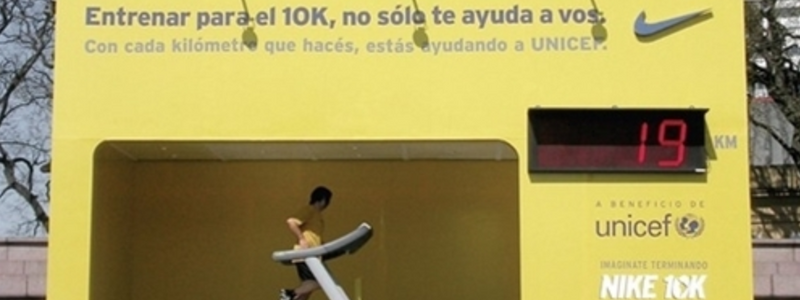
Many interactive billboards generally rely on the use of an app or website which can be accessed from a smartphone. This billboard however is powered by your feet! And legs. And rest of your body.

Nike teamed up with UNICEF in order to publicize a 10k run in Argentina, they partnered up with while also spreading philanthropy. They set up a three dimensional billboard that was linked up to a treadmill. The treadmill would track the distance run and send the information back to the billboard, which would display the number

The piece that ties everything together is the motivation given to the audience. For every kilometer run, Nike promised to donate a set amount of money to UNICEF. Given the billboard’s timing right before Nike’s 10k, preparing for the run using this billboard’s treadmill would directly end up helping others in need.

Prigat Smile Stations

BMedia – Puerto Rico’s Interactive Billboards Experts

When you’re having a bad day, sometimes all it takes is a kind word in order to make you feel a bit better. Whether it’s a compliment from a stranger or a joke made by a friend, a small amount of joy goes a long way. Israeli juice company Prigat teamed up with famed branding firm Publicis in order to test out this concept and spread some happiness.

These billboards, dubbed “Smile Stations” by Prigat, were set up in train stations dotting Israel. The idea for the smile stations were to have an interactive billboard which provided amusing or uplifting content to anyone who passed by. Instead of just having the billboard spout inane, cookie cutter compliments, Publicis and Prigat instead decided to let consumers create the content themselves.

People who liked Prigat’s page on Facebook were invited to post content with the intention of making the reader smile. This content was then sent to the smile stations for passerby to see and interact with. If someone looking at the billboard enjoyed the content, they would be able to hit a physical Facebook “like” button on the smile station which would then capture their expression.

BMedia – Puerto Rico’s Interactive Billboards Experts

bMedia are Puerto Rico’s interactive billboards experts. If you want to grow your business on the island, we’re here to help make that happen. Let our team of experts guide you through the media planning process from beginning to end. bMedia has a wide selection of outdoor media, like interactive billboards, to choose from. On our website, you can click on each billboard type and learn more about the specific advertising format. 

Our seasoned team can work with you to plan and execute your next extensive advertising campaign. We have the reach, analytics, and knowledge to help you get your message out to the public in the most effective way possible.

How Are Billboards Made

How are billboards made and what does the process look like? The process of making a billboard requires different components and decisions. Some components cover what materials the billboard is made from, which is usually fixed. Those hiring for a new billboard build can select from design options and creativity that coincides with their billboard marketing strategy and campaign. Decisions such as choosing what the billboard will be made out of, what it will convey, what it will look like, how big it will be, how long the billboard contract will last can be decided at the initial start of the campaign.

Edits and updates to a billboard campaign will likely vary for each business, but overall the components to building a new billboard are uniform. We’re reviewing how billboards are made and how they can be enhanced to produce the most effective billboard marketing campaign.

process of billboard creation

How Are Billboards Made?

Making a billboard is a process that consists of several key steps and a variety of different choices. Each one of the steps and choices that comprise the process of making a billboard is incredibly important and allows for a successful billboard marketing campaign.

Every billboard is designed to convey a very particular message that leads to a very particular result. Results such as “more website viewers” and “more people calling in”. But, as mentioned, in order for this result to be obtained a billboard must convey a message that entices people to engage with the offer in a way that leads to the desired results.

Once the intended results are known, a message must be formulated, for the billboard, so that those results can be created. Ideally, this message is clear, concise, and easily conveyable using visuals and as few words as possible.

making billboards

Designing a billboard

Marketing messaging usually determines the mood and setting that the billboard can prove to be most effective. If humor is an underlying theme within the billboard messaging, bright colors might enhance the imagery and, thus, make it stand out a little more. Similarly, if the attempted theme is serious or professional, colors may correlate with these emotions. Hiring an expert graphics team that is experienced in billboard creativity is especially crucial because visual aids are one of the highest priorities. A good billboard makes use of the medium’s visual nature to entice and engage the viewer — who is most likely driving their car — so that they will then engage with what is being offered.

After the billboard has been designed, it must be set-up. Setting up the billboard involves several key choices. Choices such as choosing the material that the billboard will be made of, choosing where your billboard will be displayed, and choosing how long your billboard will be displayed.

Most billboards rely either on paper or vinyl, due to the strength and affordability of those materials. Of course, there are digital billboards and, as mentioned earlier, hand-painted billboards. Both options are also valid, but billboards made of paper or vinyl are far more conventional.

More often than not, a billboard made of those materials will need to measure 48-feet in width, and 14-feet in height. The reason for this is because most billboard frames possess those measurements, due to it being an industry standard. But, there are plenty of billboard frames that have different measurements, which is why it’s important to know where the billboard will be located before printing.

A standard billboard contract lasts for at least one month. If the billboard is doing well, then the contract should be extended, but if it isn’t, then the billboard should be revised or moved somewhere else.


how are billboards made

How Do Billboards Work?


To better explain how billboards work, here are the most important factors that make billboards an excellent part of an advertising campaign.

Billboards work by using a giant print to market a particular brand, product, or campaign. Ideally, billboards are placed in high-traffic areas to increase brand awareness. 

It is estimated that a person sees about 1,000 advertisements daily, with only 7 that can be remembered. Therefore, if you drive a car every day, you will see many billboard ads.

Now that we have a fair idea of how billboards work, there are vital factors that you need to keep in mind that affect their cost. So here are some tips for creating an eye-catching billboard.

  • During times of traffic jams and repetitive halts, billboards installed on major roadways keep the audience engaged.
  • Above all, billboards can reach a large audience compared to other kinds of advertising.
  • Billboard adverts are excellent options for a marketing package for a company looking to improve regional targeting in marketing.
  • Billboards are inexpensive and capable of producing low-cost impressions since they target a large audience.
  • The billboards do not close; they are open 24 hours daily so potential customers can see us. It is a showcase for your business, open all day. 
  • Easy segmentation: with billboards, we can choose where to advertise, segmenting the geographical area and our area of influence. 

Billboards generate brand awareness, making your brand great and powerful, gaining positioning and notoriety. 

We must be cautious when creating a billboard because not all are good for your brand; several factors make an excellent and coveted billboard.

  • Visual field.
  • Position concerning traffic, distance, and orientation.
  • Traffic concentration of the road on which it is located.
  • Competition: if the billboard is among many others, it loses prominence.
  • Location: a billboard at the access to a lower-level area of the city is not the same as a fence at the access to a high-value residential area.

How Do Billboards Work?

What Are Billboards Made Of?

Every billboard consists of three major facets. The frame that holds the billboard, the billboard itself, and the electrical mechanisms that illuminate the billboard. If one of these facets was missing from a billboard, then the billboard medium would be very different.

How are billboards made and what is the process during the physical build? Most billboards are supported by tall steel poles that hold up a large frame. To support the large frame, the steel poles are designed for durability and longevity, relying on stainless steel to support both the frame and the billboard that it holds.

Right at the top of the steel poles, there’s the frame itself. Within this frame, a billboard can be held, as well as various pieces of lighting and electrical equipment. These components are particularly vital as they allow the billboard to display an ad for longer periods rather than just in daylight.

All across the surface of the frame, there’s a material known as “facing”. Facing allows the art that comprises the billboard to be attached to the frame. Large sheets of paper or vinyl artwork are spread across the frame’s surface.

Most billboards rely on using printed sheets of paper and vinyl, rather than hand-painting the frame of a billboard because it’s much cheaper. But, there are still a variety of hand-painted billboards around, and many of them are quite popular due to the fact that they are hand-painted.

To illuminate the billboard, there are lighting and electrical systems embedded within the frame and right outside of it. Most of these lighting and electrical systems rely on automatic timers because it’s far more convenient than manual activation.


What Does Billboard Maintenance Consist Of?

In answering the question, how are billboards made, you must also account for their continued maintenance.

Print Billboard

Maintaining a print billboard is quite easy, due to the fact that print billboards rely on very few individual components and facets. Most print billboards are made of strong and durable materials that last for a considerable amount of time. Unless a billboard has been displayed for a very long time, it’s unlikely that fresh sheets of paper or vinyl will be needed.

Digital Billboard

Maintaining a digital billboard is far more complex, due to the variety of systems and components that comprise a digital billboard.

How Are Billboards Made: Common Issues

What can be problematic, though, is the lighting systems that billboards rely on. If a bulb goes out, then that bulb must be replaced. If the lighting system is damaged, then it must be repaired. Without the proper lighting, drivers will be unable to see the billboard at night.

Maintaining a digital billboard is quite different from maintaining a print billboard. Digital billboards rely on complex hardware and software, all of which must be maintained on a regular basis. Most of the time, digital billboard maintenance consists of things like making sure the software is up-to-date, that the display is set-up properly, that each cord and cable is connected, and that the billboards are being displayed in the manner intended.


OOH Advertising Trends

With COVID-19 keeping us all indoors and separated for the greater part of 2020, it was assumed that Out-of-Home Advertising (OOH) would fall short in terms of Return on Investment (ROI) for businesses everywhere. However, with vaccination programs in place, and a better understanding of safety protocols and social distancing — people are eager to return outdoors. What does that mean for OOH advertising and what trends can we expect to come from this?

OOH advertising trends

What is OOH Advertising?

Out-of-home advertising refers to any type of communications medium that a consumer encounters when they are outside of their homes.

Despite the pandemic putting a screeching halt on what would’ve been a breakthrough year for out-of-home advertising, it hasn’t tampered with its longevity in being one of the most effective and popular forms of marketing.

OOH ads can communicate to the masses faster and more effectively. It also allows brands to be flexible and creative with their marketing and outreach without limits.

As the world slowly returns to “normal,” more people will be exposed to out-of-home advertisements—meaning it’s going to be a good year for OOH advertising and the businesses that take advantage of it.

Brands have the opportunity to be innovative with their approach and design when it comes to out-of-home advertising. New ideas, concepts, and advertising trends continuously emerge that engage and entertain potential customers who come across these mediums. Here are some trends we can expect from the OOH sector in 2021.

New Media Types

Today, virtually any outside space can be transformed into some sort of OOH advertisement.

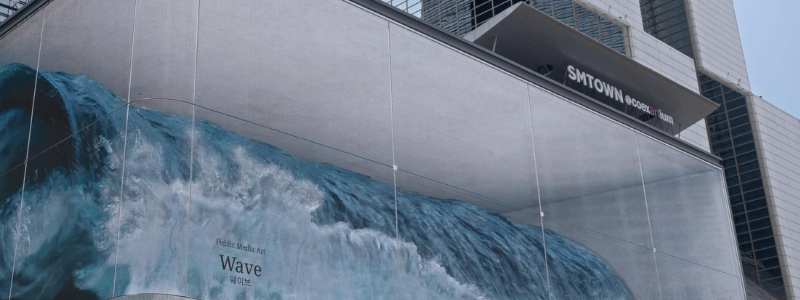
We are now seeing new media types such as car wraps, murals, art installations, and digital signage emerging all around us. It’s assumed that out-of-home advertising ends with static billboards and transit posters, but that is far from the truth.

The digital shift has made out-of-home advertisements incredibly innovative.

We now see digital billboards, street furniture, light shows, and transit signage that light up metropolitan areas all around the world.

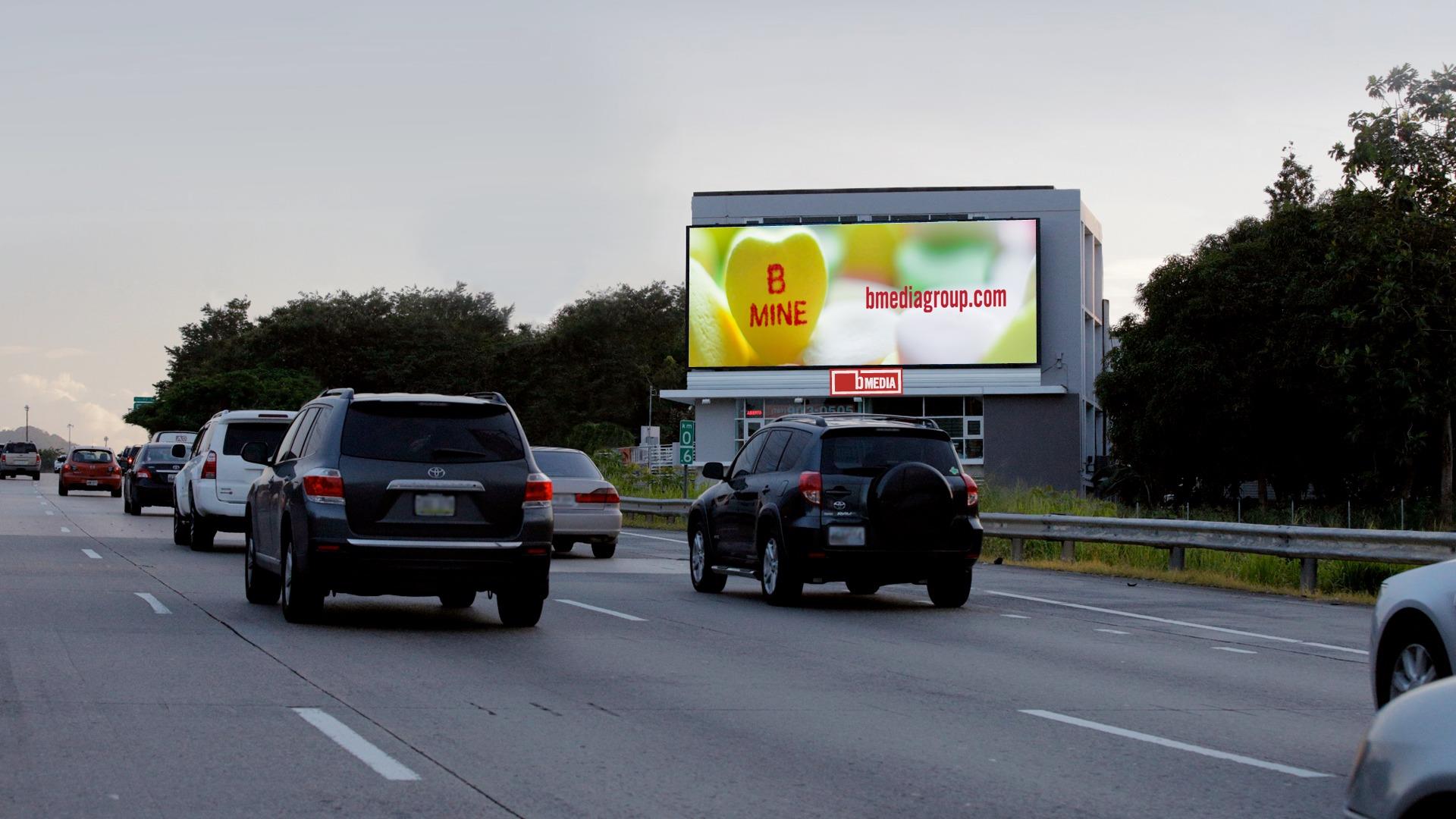
Digital-Out-of-Home advertising (DOOH), is becoming incredibly popular with some of the world’s largest companies. You can find digital ads at shopping malls, medical waiting rooms, transit hubs, and alongside major roadways and highways.

Unlike static billboards, digital signage allows for moving images and interactivity. Movement is great at grabbing the attention of passerby-ers, resulting in greater impact. Digital signage also allows for a variety of content to be displayed on the same medium, some ads are programmed to change at specific time intervals. The variety will keep viewers interested and more receptive to your ad’s message.

Geotargeting and Mobile Integration

Mobile integration paired with an out-of-home advertisement is known to bring impressive results for any business strategy. Billboards are now using geotargeting technologies that allow companies to generate data that points them to the right demographic, the right location, and the right times to display their advertisement. By targeting the right audience, there is a better chance of a conversion.

Geotargeting delivers content and advertisements to consumers based on their geographic locations. This could include geographical proximity to a mobile billboard or proximity to a store, and etc.

Analytics and data surrounding your marketing campaign ensure adequate media planning. Another benefit to geo-targeted ads is that it allows companies to track and monitor their campaign’s performance.

Interactive Brand Communication

Interactive advertising can be expdigital advertising signserienced through store displays, kiosks, and digital signage everywhere. Interactive advertising encourages consumer participation, allowing them to provide feedback and become part of your ad’s dialogue.
Because these types of out-of-home advertisements are incredibly innovative, consumers are excited to engage with the ad, increasing their conversion and ROIs. These types of advertisements are eye-catching and can become an experience in itself for the consumer.

Through the use of hashtags and interactive games, the consumer becomes involved in the ad, making the branding process more compelling and effective.

Brand Storytelling

Storytelling is a way for brands to create a human connection with their audience. An advertising campaign with a capturing narrative can impact the subconscious, ultimately creating a relationship between the brand and consumer. A consumer-brand relationship is important because you want to have dedicated consumers who’ll remain loyal to your product or service.

When storytelling with OOH ads, brands can design billboards or digital displays that tell only a part of the story, leaving consumers wanting and waiting around for the next saga of your campaign. This creates excitement and hype around your campaign, which later translates into increased ROI and brand awareness.

Increased Budget and Investment for OOH Advertising

The arrival of smartphones saw companies turn more to mobile and web advertising, thinking out-of-home advertising was a thing of the past when in fact, OOH advertising has seen steady growth since 2012.

Many companies are catching on to the reliability and growth that OOH ads can bring and are increasing their budgets for this form of advertising. Out-of-home advertising represents a large portion of advertising spending. In 2017, OOH advertisements represented $29 billion across key markets globally — some of the companies spending the most on OOH advertisements include Apple, Google, and Amazon.

Additionally, major companies such as Netflix and Alibaba are investing big in outdoor ad companies as out-of-home advertising formats are becoming increasingly valuable forms of commercial real estate.

smart technology billboards

SMART Advertising

Consumers are becoming more and more tech-savvy every day, resulting in more of us relying on our smart devices more and more. There are smartphones, smart TVs, smartwatches, and beyond. It’s no question that almost every technological device is transitioning to SMART technology, and it’s the same for billboards and other outdoor signage.

We are now seeing the integration of billboards and SMART technology, known as SMART billboards, which can further increase the visibility of your brand.

Some features of SMART billboards are:

  • Built-in cameras and computer databases.
  • Analytical tools that can pull information from databases and social media to change visuals on the billboard in real-time.
  • Using social media apps like Instagram, Facebook, and Twitter to provide relevant content that engages the consumer.
  • Providing live updates on weather and traffic.
  • Built-in sensors to trigger ads.
  • Personalized content based on consumers’ reactions and activities.
  • High-tech LED lights and sound systems.

Ultimately, the driving factor for steady out-of-home advertising growth is its ability to keep up with change and global digitalization. This ever-evolving advertising strategy proves this “traditional” means of advertising is here to stay. If you’re seeking to maximize your marketing strategy, it’s best to include billboards and other forms of out-of-home advertising.

At bMedia, we provide our expertise to ensure your brand gets the most out of your OOH advertisement. With proper insights and strategies, bMedia can help your advert resonate and capture the attention of your targeted audience, resulting in increased revenue and visibility for your brand.

Advantages of Digital Billboard Advertising

Billboard advertising, while an old medium, is a constantly evolving channel that businesses are continuing to use for effectively reaching their audience. The use of computer screens as advertisements has been around for a while but in recent years billboard-size digital displays have reached a new level of affordability. Digital billboards aren’t just for high-end brands with big pockets; it’s time for everyone to consider whether or not digital billboards are right for their marketing campaign. Digital billboards offer a range of benefits over their traditional counterparts and in this article, we’ll look at specific advantages of digital billboard advertising with some examples that show the power of this cutting-edge advertising tool.

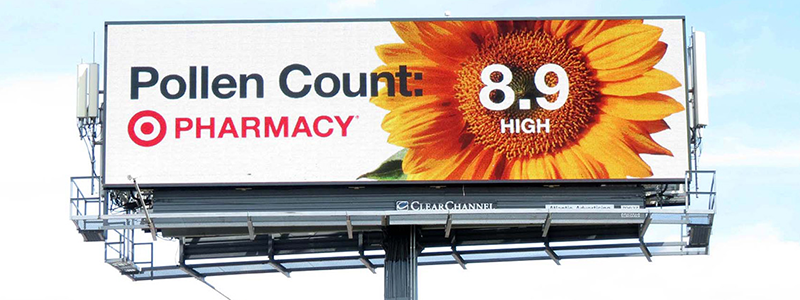
Target Pollen Billboard

Digital billboards can update in real time

Thanks to the internet people have different expectations about how advertising works. They spend hours staring at screens that display advertisements tailored to them. Ads today know our names, our locations, and what we’ve been looking for. Digital billboards might not be able to reach this level of customization, but they can still utilize the latest technology to deliver a timely message. This is one of the major advantages of digital billboard advertising.

Look at this digital billboard advertisement from Target. It’s a powerful reminder of allergy season that utilizes the latest pollen count. It’s a brilliant combination of useful information and powerful marketing that is sure to stand out in a world flooded with advertisements.

Fox Time Sensitive Billboard

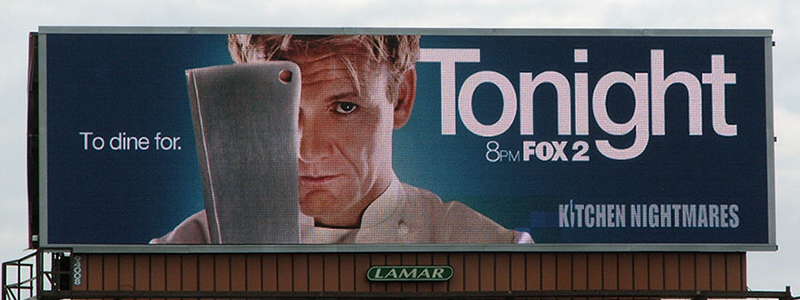
Digital billboards can display time-sensitive messages

Have you ever gotten excited by an ad for an event only to realize that its time had already come and passed? Many companies waste money paying for advertisements that will outlive the events they are advertising. Digital ads can cut down on waste by automatically switching over at certain times.

Take this advertisement for the TV show “Hell’s Kitchen” as an example. Traditionally advertisements for a weekly TV show would have to run all week long, even though the show wouldn’t be on six out of the seven days. One of the advantages of digital billboard advertising is that a TV channel advertising on a billboard can make sure that it always advertises the shows that viewers can watch immediately after they see the ad. It’s a great way to increase the ad’s return on investment.

Digital Billboard Strategy

The same digital billboard can display two entirely different advertisements just minutes apart from one another

A traditional billboard can only display one advertisement at a time, and it can take hours of work to transition from an old ad to a new message. This isn’t the case with digital billboards. A digital billboard can be loaded up with multiple messages that it cycles between on a set schedule. Companies that advertise on digital billboards can buy the perfect amount of advertising for their needs and budgets. This means that there’s no reason to pay extra to monopolize an entire billboard if you think you can do just as well sharing the space. Say goodbye to one-size-fits-all ad buys!

Dogers Digital Billboard

Digital billboards can convey a sense of urgency

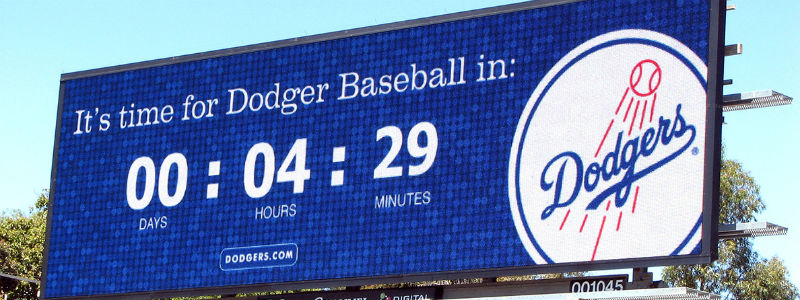
Most people are procrastinators by nature. If they can put something off, they will. Companies lose sales all the time because of this. Customers might plan on making a purchase, but they decide to wait until later and end up never spending a dime. To overcome this tendency it’s important to create a sense of urgency, and digital billboards are uniquely equipped for this task.

Just look at this advertisement for Dodgers Baseball. It has a timer ticking down, which can have a big psychological impact on those who pass. It reminds them that time isn’t unlimited, that they need to act quickly if they don’t want to miss their chance to see a game. A traditional billboard might be updated every day, but a digital billboard has the advantage of ratcheting up the urgency with updates by the hour, minute, or even second.

Digital Billboard Advantages

Digital billboards can engage with customers on a grand scale

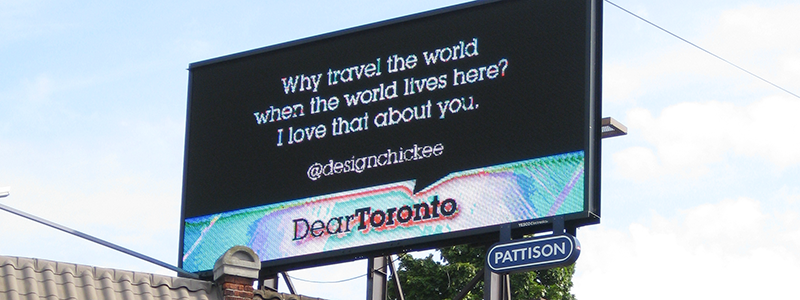
One of the best ways to ensure repeat business is by building a deeper connection with your customers. In the past billboards used to be a highly impersonal type of advertising but digital billboards can facilitate interaction between you and your customers. Just check out this campaign by Pattison Onestop and Spacing Magazine. They asked for people to tweet out love letters to Canadian cities and then broadcast those letters across the cities. Traditional billboards might have been able to display a single message, but digital billboards can display hundreds of messages a day.

People got to see their own words on billboards across the country, news outlets got a patriotic story to tell, and Pattison’s shopping centers gained plenty of fantastic PR. It’s the sort of marketing-win that digital billboards enable.

bMedia Digital Billboard

The world is moving quickly and billboards need to keep up with the change of pace

Information travels faster than ever in the age of smartphones. Traditional static billboards were invented in a world where news traveled at the speed of the newspaper. Today even 24/7 cable news channels are too slow for media consumers who are hooked into a constant stream of social media messaging. If you want to keep up in this environment, then you need the sort of flexibility that digital billboards can offer.

The Future of Billboard Advertising

Billboards have stood the test of time. While they have evolved and adapted to an ever-changing ad climate, it is still considered one of the most traditional and classic ways of advertising. However, as technology, ad placement, and digital media continue to advance, what does the future hold for billboards? Here’s our prediction on the future of billboard advertising:

Why Choose Billboard Advertising?

Billboard advertising has always been an effective medium for building brand awareness. Located in busy areas, billboards get a lot of foot and vehicular traffic. They offer businesses opportunities to broadcast their products and services. They are a good means of launching new products and advertising special events. 

Compared to other advertising techniques, return on investment in billboard advertising is by far the best marketing investment for your business’ advertising dollars. Billboards generate nearly six dollars for every dollar spent on them.

Americans spend almost nine hours a day engaged in outdoor activities. They are a ready market for outdoor advertising. For them, outdoor marketing is inevitable. They can’t turn it off. They see it consciously and subconsciously. Logos, slogans, and images stick with them.

Studies show that almost forty percent of drivers consciously look out their windows at billboards as they are driving. Nearly sixty percent say they learned about a brand, a new product, or an event from a billboard ad. 

One in four people go to a restaurant, explore a new business, or purchase a product on the same day that they saw it advertised on a billboard

the future of billboard advertising

The Evolution of the Billboard

Billboards are not a new form of advertising. The first American billboard is believed to have been erected in the 1830s. It was created by Jared Bell to advertise circus acts. 

By the 1860s, businesses purchased outdoor space for billboard displays. These billboards were often huge colorful hand-drawn and hand-painted creations.

Major Milestones

First Billboard

The first twenty-four sheet billboard appeared at the Paris Expo. After that, twenty-four sheet billboards became the usual size.

Increased Traffic

With the introduction of the Model T Ford, owning a car became affordable. Roads and highways to accommodate drivers’ cars quickly became the chief means of transportation in America. It naturally followed that billboards sprang up along these well-traveled thoroughfares.

During the twentieth century, 49,000 miles of The Interstate Highway System connected states on safe and efficient roads. This made billboard advertising even more appealing.

simple billboard advertisement

Characteristics of Successful Billboards

Less is more. Because the target market of billboards is drivers and walkers, billboards have ten seconds to get their message across. So, they have to keep their words to a minimum.

Catchy slogans and memorable graphics are vital. Using only a few words, billboard advertisers need to explain their product and how it is going to impact the potential customer. Further, they need to convince the viewer that their product is better than its competitors.

Like real estate, the location of billboards is crucial. Brands need to be where thousands will see them each day. Billboards should be visible from a distance.  The message must be neat and legible font enough to be read from a long distance. Billboard should be where they can connect with their target market. 

Color choice is also important. Catchy, bright, vivid colors get billboards noticed. Color also stimulates various viewer’s emotions. It carries with the subconscious association to various things and characteristics. Billboard colors should be eye-catching, bright, and vivid to grab the attention of its audience.

The Future of Billboard Advertising

Today, billboards cost only 7% of advertising dollars. Yet they have the highest return on investment of any advertising medium. 

Even though times have changed, there is still a future for the billboard.

Ten years ago, billboards were seen as outdated. However, the online marketing boom has changed all that.

Billboards have become, once again, the hottest marketing medium. Look around you. You will see ads for Apple and Google on huge fourteen-foot-by-forty-eight-foot vinyl sheets. Companies like Netflix, Everlane, Airbnb, Asana, and Twilio occupy building walls, subway cars, bus shelters, and park benches.

future of billboard advertising

Across America, there are over 370k billboards. There will be over fifteen thousand new ones added annually.

They are owned by over a thousand advertising businesses that rent them out on a weekly or a monthly basis.

More companies are focusing on feelings and emotions they want their brands to elicit. Today’s advertisers want an emotional reaction from their viewers. 

Technology is changing rapidly. This will change the look of billboards.

Technological advances are also becoming cheaper. Ideas that were cost-prohibitive a year or two ago are now affordable.

Smart Billboards

Digital billboards are now being replaced by smart boards. These smaller digital screens are starting to appear in bus shelters, shopping centers, and other high-traffic areas. Smart billboards can be placed on any flat surface anywhere.

Where digital boards could be ignored, smart boards are reactive.

They change the content on the screen based on information about the viewers.

In the future, billboards and digital screens will make use of such technologies as cameras, radar, infrared, and antennae. These will provide the data to see and react to their environment.

billboards over a city

How can bMedia Help?

There are a lot of reasons for choosing bMedia billboard advertising. 

At least seven in ten Americans are aware of looking at and reading billboards as part of their daily commute.

Our company, stationed in Washington state, is an international provider of outdoor advertising.

The company provides traditional, digital, and trivision marketing alternatives.

Our outdoor marketing specialists use the latest technology to design a billboard that is unique to the needs and wants of each client. Our experienced professionals will help you create a billboard that will attract your target market. Together, you will decide on a format and location that will make your brand recognizable and desirable.

Using today’s technological advancement, our billboards are highly individual in both form and content. We’ll help you customize your billboard to deliver an appealing message to your niche market.

Give us an opportunity to demonstrate why the interest in outdoor ads increased by almost 5% last year. 

We’re so sure you will be delighted by our compelling billboards that we’re offering a free trial.

For more information on how to make outdoor advertising an effective part of your brand recognition or to inquire about a free trial.


Smart Billboards

You’re being watched…we all know that the day would come that robots would invade our world. However, it looks like science fiction was being overly dramatic in a lot of horror stories; they never mentioned how profitable the robots would be.

That’s right – we live in a world where billboards are thinking.  They can read you, decide what you’re thinking, and give you the best possible ad. From there, all you can do is grab your credit card. Billboards have been around for a long time, but as technology continues to improve, billboards do, too. With the introduction of augmented reality (AR) and artificial intelligence (AI), we’re starting to see more and more smart billboards.

Did you know this was an option for your business?

smart billboards

What is a Smart Billboard?

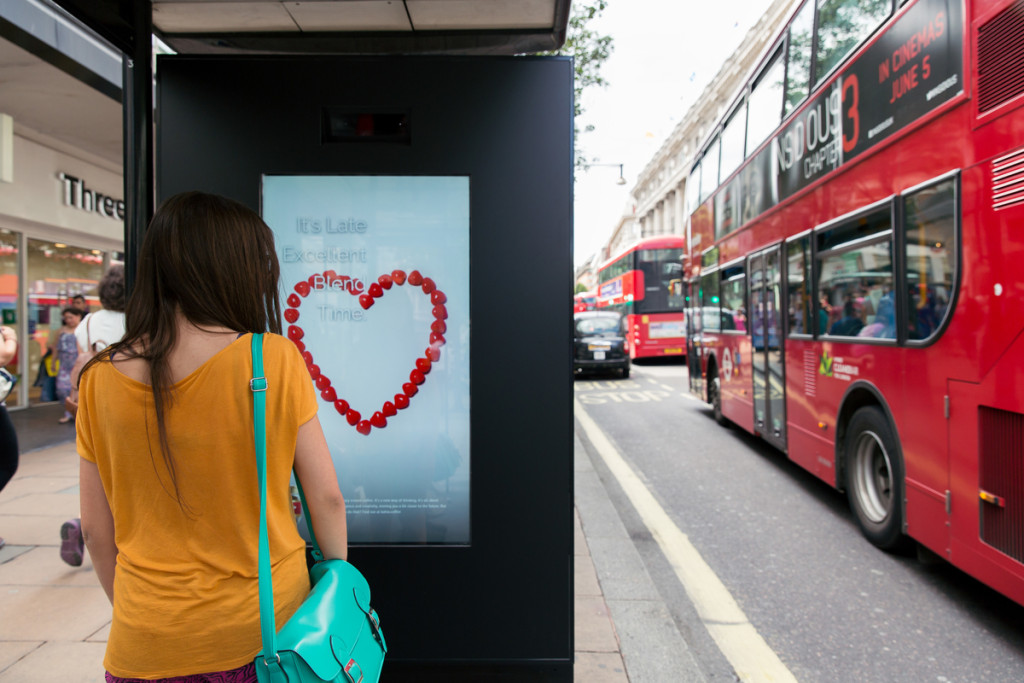
Billboards were installed in London as a test of the technology to see if it was possible for a computer to successfully design the perfect ad – on its own.  They had a digital display, and they had a camera inside to read the people looking at them.  The first step was to decide what sort of mood the person was in.  Then, depending on whether the viewer was happy, sad, or neutral, it would display a different version of the ad.  Afterward, it analyzed the responses to measure how successful the ad was.  Finally, it repeated the good ads and trashed the bad ones.

Nowadays, we all own some piece of technology that is labeled, “smart.” We enjoy smart technology in things like:

  • Smartphones
  • Smart TVs
  • Smartwatches
  • Vacuums
  • Cars
  • Smart glasses (yes, there are really smart glasses now)

And, to an extent, we’ve already been exposed to smart advertising – ads that change and optimize themselves over time. You will see these types of ads when you search for a term on Google, when you visit a website and then exit out, and when you’re on social media. Smart advertising changes depending on how they perform with different audiences that they interact with. What’s most recent, though, is how this technology has made its way to the billboard – smart billboards.

Advertising, as it’s always been, is designed to capture your attention and inspire some sort of action. That hasn’t changed.  What has changed is how technology has evolved from traditional billboards – and even digital billboards, for that matter. It’s not as easy to ignore a smart billboard that learns about you over time and therefore adjusts its message.

The Technology Inside

You might imagine that they developed some sort of incredibly advanced technology to make this happen, but that actually wasn’t the case.  This was put together by the M&C Saatchi Advertising Agency, and they were working with Clear Channel and Posterscope to make it happen.  The billboards just had a Microsoft Kinect camera inside, so they were really just using technology that had already been developed for playing video games.  Kinect is able to read people’s reactions, so it gets the job done.

How AI and AR Are Changing Billboards

Artificial Intelligence has made its way into billboards, which has obviously sparked conversation around the brands using this technology in their advertising. Here are just a few ways that Artificial Intelligence is changing the way brands do advertising (specifically on billboards):

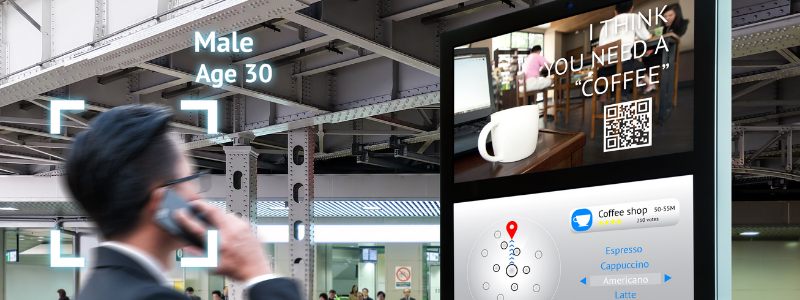
  • Object recognition – through AI cameras and sensors, billboards can now detect facial features. This helps them decide whether they think people who are passing the smart billboard are happy or sad. It can determine a certain demographic, as well, telling the difference between ages and genders – and serving relevant ads in response.
  • Statistics/data – AI cameras and sensors can also give valuable data on billboard areas. Billboards are keeping track of the amount of traffic that the area receives each day, etc. This helps brands determine which areas are best for placing another smart billboard.
  • Recognition of climate and surroundings – not only are these smart billboards able to recognize objects, but also things like weather, noise levels, and even cigarette smoke. You’ve probably heard of the advertisement that ‘coughs’ every time it senses cigarette smoke in the air. Other smart billboards can sense if it’s hot outside and recommend a cold drink or smoothie.

smart technology billboards

Bahia:  The Coffee of the Future

Unfortunately, this whole campaign probably created a lot of angry customers.  For the experiment, the advertising agency decided against using a real brand, so they simply made one up.  The product was an instant coffee called Bahia, and it’s not the type of thing that usually draws a lot of attention.

The Evolution of the Ad

The billboard was only advertising one brand, so it was fairly limited in what it showed.  It didn’t promote sports cars to one person, laundry detergent to the next, and allergy medicine to a third.  Instead, it was programmed to use a series of different fonts, colors, and styles to see how different people reacted to the plea to buy coffee.

Why Spying on Your Customers Works

While the first instinct of many is that this whole idea is kind of creepy, it can actually work to improve everyone’s life.  If you remember that the main goal of advertising is to let people know about products or services they want, then this just helps eliminate all the noise on the street.  Instead of wasting your time, these smart billboards were able to show people what they wanted to see.  Also, since it measured reactions to seeing what people liked and didn’t like, and it can help make higher quality advertising in the future.  It’s basically like having a focus group that’s composed of, well, everyone.

smart billboard advertising

Why the Internet Isn’t As Important as We Think

The internet has become a great place for businesses because it makes it possible to measure things in a way that has never even been remotely possible.  A lot of companies have been using it as an excuse to steer away from more traditional forms of advertising media, but this could put a stop to that pattern.  Internet browsing history is a great way to build a profile of your customer, but nothing beats walking around town with them and asking them their opinions.  If this technology can be in a few bus stops in London, it might not be long before it’s all over the globe.

This Campaign Doesn’t Invade Your Privacy

One nice feature about this little experiment is that it was designed in a way that wouldn’t let it cause any invasion of privacy.  It didn’t follow the standard internet strategy of storing all your information.  Even if it did, it wouldn’t make a huge difference because it never actually knew who it was looking at.

Time for You to Do the Same

Do you use similar techniques in your business?  Even if you don’t want to go to such extreme measures as this campaign did, are you taking advantage of modern advertising strategies? The marriage of technology and traditional advertising is a key relationship in influencing consumers.