How to Increase Reach

Companies use various marketing strategies to engage with customers and attract new clientele. Creating a marketing campaign requires creative thinking and risk-taking. It’s also important to quantify, analyze, and measure your results. 

Reach is one of the top metrics to help you make informed, profitable marketing decisions. Not many understand reach and how they can grow it across various platforms. Therefore, it’s essential to learn how to increase reach.

This article will break down what reach is and how important it is. We’ll also explore ways to increase your content’s reach across various platforms.

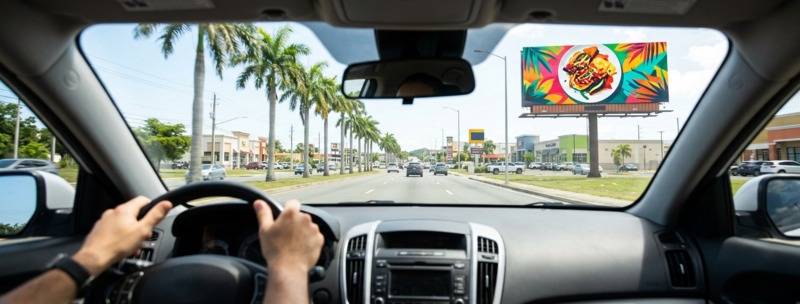
increase reach with billboards


What Is Reach and Why Is It Important for Content Marketing and Advertising?

Reach is the size of the potential audience for an advertising campaign. It could also refer to the maximum number of people exposed to content. It is similar to how magazines and newspapers measure their circulation numbers. 

The content people are exposed to could be blog posts, videos, billboards, etc. Reach is a crucial part of a company’s online presence and covers its opportunities to engage with consumers. Also, reach provides a business with increased sales and consumer traffic. 

It connects customers to a specific industry through personalized stories and messaging. Furthermore, you can use reach to quickly determine whether the cost of a marketing campaign is worth the customers it attracts. Therefore, reach is crucial because it helps you understand the impact of your campaigns. 

It also helps you quantify the size of your audience and understand if your marketing and advertising strategy is successful. Reach also minimize risks and unnecessary spending. By knowing how many customers you might reach, you can make better decisions on where to focus your advertising efforts.

Reach is vital for content marketing in Puerto Rico because it determines how many people see and engage with your content. Puerto Rico is a small market when compared to several other regions. Due to this, there’s a smaller target audience. 

However, Puerto Rico has a high rate of social media usage. Users are equivalent to 81.9% of the population, according to DataReportal. This makes it an ideal platform for content marketing. With the right approach to engagement and reach, businesses in Puerto Rico can leverage social media to build brand awareness while reaching a wider audience.

Tips and Strategies for Optimizing Your Content for Maximum Reach

Optimizing your content can ensure maximum reach, but how do you get it done? Below are some best tips and strategies you can utilize as part of your content strategies.

  • Write a Great Headline

One of the ways you can optimize your content for maximum reach is by writing a great headline. Your headline does the heavy lifting because it attracts the potential audience. 

A great article with poor headlines is worthless. One tip is to add numbers to your headings. Headlines with numbers are more likely to generate clicks than ‘how to’ headlines. 

  • Always Use Attention-Grabbing Visuals

One of the best ways you can optimize content is by adding visuals. Xerox carried out research that revealed that colorful visuals, when placed front and center, make people 80% more likely to read a product guide. Tweets with images also get 150% more retweets than those without.

  • Make Your Content Interactive

Content doesn’t need to be two-dimensional. However, making your content more interactive will boost engagement and sales. You can create colorful slides to make your message more attractive and easily understood. 

  • Include a Compelling Call to Action

Every content you create should include a call to action at the end. Make it personalized to your audience because targeted CTAs perform better than generic ones. Also, a personalized call to action helps create an emotional connection with your audience.

increase reach with social media

The Role of Social Media in Increasing Reach

Social media networks help people interact and connect daily. Being present on these platforms helps to increase reach by building trust with potential customers. It enables the brand to become more relatable and likable. 

When wondering how to increase reach, using social media to develop more personal relationships with your potential customers is one of the best ways. Social media is also great for receiving and responding to direct feedback. This way, your customers know that you care about what they think. 

To distribute and promote your content on social media, it’s essential to be active on various platforms and use relevant hashtags. However, sometimes, you need a boost from others, like influencers. By interacting with and having influencers share your content, you increase reach. 

Influencer marketing aims to attract customers from other user-base and entice followers to take a specific action. To properly leverage influencer marketing, pick an influencer that matches your brand. You can also increase your reach on social media through paid advertising. 

It is the best option if you want to increase your reach rapidly. Paid social media ads allow brands to target new audiences. It also comes with crucial metrics to ensure more informed marketing decisions. Facebook and Instagram are easy-to-use platforms for paid ads because they run from the same paid platform.

According to Statista, as of February 2022, Puerto Rico had approximately 2.3 million Facebook users, and that’s just one social media platform. The number signifies social media’s importance in increasing reach in Puerto Rico. Therefore, by leveraging social networks, businesses can improve customer communication and foster a sense of community.

Additionally, paid social media ads allow businesses in Puerto Rico to target specific interests, demographics, and interests. This enables them to reach a more tailored audience likely to be interested in their products or services.

The Importance of Email Marketing and How to Build an Email List 

Email marketing is a profitable and cost-effective marketing channel that can help you increase your reach significantly. One of the best parts about email marketing is that it is direct; it is a one-to-one connection that can improve brand loyalty. A marketing email can be more impactful than a social media post because consumers can get your message directly. 

It is scalable because you can send emails to many recipients, and it is cost-effective. Email marketing drives customer loyalty at every stage, from lead nurturing to conversion, onboarding, and retention. Below are ways to build an email list.

  • Add Sign-Up Forms to Your Websites: This makes subscriptions easier for consumers. Place it in conspicuous locations where people can easily see it. You can also share forms on social media by including links to your posts or bio. 
  • Use Lead Magnets: Nothing increases reach faster than premium content. Content like reports, infographics, and ebooks can help you build your email list. This means visitors get access to valuable content in exchange for joining your newsletter list. 
  • Use Social Media and Other Marketing Channels: You can make it easy for people to sign up by including a link to your email sign-up form in your social media bio. 

How to Engage an Email List to Increase Reach

Once you have an impressive email list, you must engage your contacts and keep them interested. Below are some strategies to engage your email list to increase reach.

  • Personalize Your Email: Consumers appreciate when brands pay attention to small details and add personal touches to messages. Email personalization helps to build a relationship with customers and prospects. Examples of email personalization ideas include using subscribers’ first names and behavior-triggered emails.
  • Keep It Brief: Long emails can be overwhelming to readers. Therefore, it has a higher likelihood of being ignored. Therefore, keep your emails brief and to the point.
  • Use Engaging Subject Lines: The subject line is the first thing readers see. Therefore, it’s essential to make it more compelling. Start by using actionable language and emojis to grab the reader’s attention.
  • Encourage Feedback: Ask subscribers for their opinions in your email. This helps build a relationship with them and gives you insight into what they want.

The Impact of Search Engine Optimization (SEO) on Reach

Search engine optimization impacts businesses by improving ranking in relevant search results. You can use SEO to bring qualified traffic to your site, which results in more sales, leads, and revenue for your business. A well-designed SEO strategy increases brand awareness and reach. 

The question, however, is: how can you increase visibility in search results? Below are some tips.

Create Valuable Content

Content helps to increase visibility in search results. Create content that people want to read and find helpful. Understand your target audience’s characteristics, needs, and intentions and create relevant posts in line with this persona to communicate with them.

Provide the Best User Experience

User experience is vital for ranking high on Google. It also affects visitors’ perception of the brand. A company with good usability on its website will easily win customers’ trust. Factors that affect your audience’s experience include responsiveness, loading speed, and site security.

Use the Right Keywords

Although keywords aren’t the only essential SEO techniques that matter, they’re still vital. Ensure the keywords are well-researched, carefully chosen, and used correctly in your content. Look for keywords with high search rates and low competition. Also, use a combination of short-tail, local, and long-tail keywords.

Get Involved in Off-Page SEO 

Off-page SEO includes optimizing your content away from your website. This usually means backlink building, as it tells search engines your site has valuable content to offer. Backlink building can build authority, and you can increase backlinks by guest blogging, creating infographics to be shared, and influencer marketing.

The Benefits of Content Collaborations and Partnerships

Content collaboration isn’t new, but it is a strategic activity that can help you increase reach. Content collaboration and partnerships take many forms, like guest posting, co-creating content, and cross-promoting with brands and influencers. It provides businesses with support across various aspects of their brand.

Content collaboration means combining out-of-the-box marketing ideas to create a piece or several pieces of content. It can involve as many people as you want and offer many benefits for businesses. Some of these advantages include the following:

  • It Keeps Fresh Ideas Flowing: When you collaborate on content, it gives new voices a chance to develop ideas. It ensures you never run out of concepts or find yourself in a rot. 
  • It Is Cost-Efficient: With content collaboration, you can share the cost of content creation and marketing with your partner.
  • Increased Reach: It also helps you increase your reach because you’re not only doubling your audience but also reaching a new audience at the same time.
  • Measurability: Partnerships also help you test and learn how new products and services perform in a new environment. 

increase reach with billboard advertising

The Role of Billboards and Their Effectiveness in Increasing Reach

Billboard advertising is quite effective in building brand awareness and increasing reach. They’re placed in high-traffic areas, where they will get the highest views. Also, because people often see billboards, they can easily remember them and associate them with a brand. 

Billboards are vital marketing tools in Puerto Rico. Puerto Rico has a high population density, and with many people living in urban areas, billboards can generate massive exposure for any brand.

Below are some ways billboards increase reach:

  • Increased Visibility: Billboards are placed on busy highways and downtown areas. This ensures many people see them, increasing brand visibility and awareness.
  • Targeting: Billboards can target a specific demographic while helping businesses reach their desired audience more effectively.
  • Creativity: Billboards are also highly creative, which increases their reach and impact. A well-designed billboard with a catchy message can draw attention and create a buzz.

bMedia Can Help You Increase Your Reach

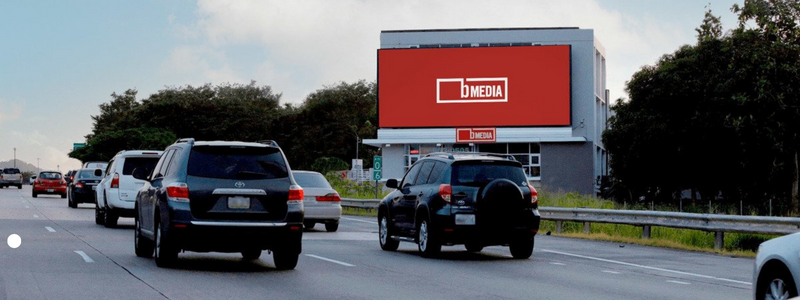
Now you know the various platforms and tools you can use to increase reach. You’ve probably got many questions about how to increase reach and utilize billboards for optimal results. Luckily, at bMedia, we have a team of experts to help you launch and execute an effective marketing campaign.

We will create the best plan to ensure a positive return on your reach objectives. We’ll assist you throughout the journey to ensure your business attains new heights.

Contact us today to learn how to increase reach.

Are Billboards Worth It?

Billboards are a popular form of outdoor advertising. They offer a large and visible platform for businesses to promote their products or services to a wide audience. They are also relatively inexpensive compared to other forms of advertising, such as television or radio commercials. Whether or not billboards are worth the investment will depend on the specific goals and circumstances of the business or organization.

ROI on billboards

Are Billboards Still Worth It?

The cost to rent a billboard varies widely based on its location.

However, the benefits of billboards and the number of potential customers they expose you to nearly always make the cost worth it.

Investing in billboard advertising is a cost-effective way to promote your brand or products with a strong return on your investment.

How Billboards Are An Effective Form of Advertising

Despite the popularity of digital marketing, billboard advertising still holds value in brand awareness and spreading vital information to your target audience, especially audiences who do not have reliable internet access. Puerto Rico has approximately one million drivers on the road each day. In high-trafficked areas, billboards are a proven advertising option.

Billboards Really Work!

The billboard market continues to thrive into the 21st century. The fact is billboards work when reaching a target audience. Regarding elevated impressions, and boosted audience engagement, billboards stand tall among other advertising campaign methods, from other out-of-home (OOH) strategies to in-home strategies.

billboard next to highway and buildings

Advantages of Billboards vs Other Forms of Advertising

Billboards will help your company build a brand image.

Imagine, a stationary billboard at one location that will be noticed by everyone passing by. This will strengthen your product presence in the market as you reach numerous target groups simultaneously.

The size of the billboard makes it impossible not to notice it.

Although your audience may have minimal time to take note of your ad, there will be a high frequency of customers being repeatedly exposed to it.

This results in the ad automatically registering in their photographic memory so they will remember it.

These reasons are why billboard advertising delivers a great return on investment (ROI).

Quick Reference of Advantages to Choose Billboard Advertising

Here again are some of the major benefits to billboard advertising:

  • Huge and eye-catching
  • Targets a large and diverse market
  • Easily registered information
  • Increased frequency of consumer exposure
  • Effective medium of awareness advertising
  • Targets middle and upper classes
  • Photographic information (strong visual effect)
  • Builds company reputation and product image
  • A quick rise in sales
  • Guaranteed audience
  • Customers find you

How to Plan Your Billboard Strategy

At bMedia, we are the local leaders in everything related to outdoor media and billboards in Puerto Rico, with over 500 billboards all over the island.

We specialize in strategic campaigns to grow your brand with real-time information from any of our properties, thanks to Vehicle Analytics. This technology allows for gathering information on all the vehicles passing by.

How Long Do Billboards Stay Up?

It is a good rule to plan your billboard display for at least four weeks.

Businesses looking to run a branding campaign to establish consumer awareness and brand recognition will likely leave their billboard advertisements up for six to twelve months.

how much are billboards worth

Proven Outdoor Advertising Options

There are a few options to consider when you’re thinking about outdoor advertising.

Here are some recommendations from bMedia:

Spectaculars: Stand out in the best locations with the biggest displays in the Caribbean

Digitals: Deliver eye-catching, dynamically changing content – great for multiple campaigns at no additional cost

Statics: Choose from over 500 prime Puerto Rico locations to display your large ad 24/7

Medical Media: Capture the specific audience of medical patients as they visit one of our many offices

Zoom Media: Deliver an impactful message to a targeted audience during bathroom breaks

Fuel Ads: Gas up your engagement at our partnering gas stations and have drivers connect with your business at the pump while they fuel their vehicles

6 Statistics on Billboard Advertising

Billboards are a form of outdoor advertising that have been around for more than 100 years. Thus, we have plenty of statistics on billboard advertising we would like to share.

The primary purpose of a billboard is to promote a product or service by displaying an image or message large enough to be seen from the road, on a vehicle, among various other ad inventories.

Although billboards are no longer limited to paper posters, they are often still referred to as “billboards”, and can be found in many places where drivers might stop or slow down, including gas stations and rest areas along highways and roadsides throughout cities or rural areas.

billboard statistics

Statistics on Billboard Advertising

The first point to consider is that billboards are the most common form of outdoor advertising. They can be seen from a distance, and they can be located in areas where people who aren’t driving will encounter them. Even if you don’t drive by them, you may walk or bike past one on your way to work or school. Here are some other statistics on billboard advertising worth considering.

#1: 71% of people surveyed about billboard advertising stated they had viewed at least one while driving.

Billboard advertising is so successful because they are seen by millions of people every day. This makes them one of the most cost-effective methods of reaching large audiences quickly and easily across a wide or local geographic area.

According to a 2009 study of US adults 18 or older, ninety-eight percent have either driven or ridden in a vehicle in the past month. The same study found that 71% of travelers look at messages on roadside billboards. Even more impressive, more than 37% of traveler’s look at an outdoor ad each or most of the time they pass one, according to the study.

#2: Billboards make up less than 3% of all North American advertising spend

Statista records that of the $297 billion USD spent in North America in 2021, a mere $7 billion are due to billboards.

Billboards have been considered an effective way to advertise for more than 100 years, and unlike other forms of advertising, their effectiveness has not diminished over time, even if the advertising industry is moving towards digital experiences.

#3: Advertisers in the North America saw a 12% dip in ad spend in 2020, but hit back with 16% growth in 2021

Like many industries, the COVID-19 pandemic affected businesses, persons, lives, and loved ones – including in Billboard advertising. In 2020, the industry contracted 12% when compared to the previous year. However, 2021 saw a jump in demand of 16%, exceeding pre-pandemic levels.

For reference, during the same period (2020-2021), digital advertising spend across North America increased by 19%.

billboard advertising statistics

#4: Billboard advertising works for multiple interests, intents, and buyers

89% of those surveyed consider billboards to be an effective form of advertising. Billboards are used by companies, politicians and even small businesses in order to promote their products and services.

According to Forbes, billboards ability to serve a variety of messaging in highly localized ways encourages the following:

  • 58% of billboard viewers learned about an event they were interested in attending.
  • 58% of billboard viewers learned about a food establishment they would later visit.
  • 56 % of billboard viewers actively engaged in conversation about something funny they saw on a billboard
  • 33% of billboard viewers were reminded to watch a favored TV program.
  • Roughly 30% of billboard viewers took note of a phone number or web site address on a billboard.

#5: 13% of survey respondents state that they are most likely to remember billboard ads when they are driving along an interstate highway

One of the greatest challenges facing billboard advertising is finding a way to maximize exposure while keeping costs down. In order to do this, it’s important to understand the best places to put your billboards and how they’ll be most effective in each location.

In the US, Interstate highways are some of the busiest roadways in existence; according to data from the US Department of Transportation, about 200 million Americans drive along interstates every day.

Given the pure volume of traffic along North American interstate highways, billboards can reach millions of individuals – some multiple times a day

#6: Buying decisions are made everywhere – especially when travel or commuting is involved

A US National In-Car Study in 2009 found that billboards command attention and increase a desire to make a purchase.

  • 72% of billboard viewers frequently or sometimes shop when going home
  • 68% of billboard viewers frequently or sometimes make shopping decisions in the car
  • 38% of billboard viewers make the decision to stop at the store while on their way home
  • 24% of billboard viewers say they were encouraged to go to a particular store that day
  • 32% of billboard viewers, instead of going that day, visited the retailer within the week

One of the best things about billboards is that they are highly visible and in a public place where people are likely to be traveling. This means that you can reach consumers who are out and about, moving from one place to another.

Billboards also have a long track record of being an effective form of advertising. They have been in use for more than 100 years, which means that there’s plenty of data on their effectiveness over time. This makes them far less risky than other forms of advertising because you know exactly what you’re getting into when you choose this type of marketing strategy as part of your overall campaign strategy.

If you’re looking for an effective way to advertise your products or services, then billboards might be just what you need!

billboard data

bMedia and Billboard Advertising

While some may argue that billboards are an outdated form of advertising, it’s important to remember how influential they can be. While there are many forms of media available today, billboards are still one of the most effective ways to reach a large audience and make an impact on their purchasing decisions.

As a local leading media company, our goal is to provide advertising vehicles that make your message get through to your target market in order to solidify your brand image and/or increase your sales through impact, quality, innovation, and distinct services. We have specific statistics on billboard advertising within the Puerto Rican market that will prove just how cost effective billboard advertising can be.

Contact us today to learn more.

Analyze Marketing Data

As a business owner, you are always looking for new ways to reach your target market and get your product or service in front of them. Outdoor advertising, such as billboards, is one effective way to do that. In building your billboard strategy, you want to ensure that your marketing dollars are well-spent. After all, there’s no point in shelling out big bucks for a billboard campaign if it isn’t going to result in more customers or sales.

But how do you know if your billboard campaign is actually reaching people and driving sales? The answer lies in being able to analyze your marketing data.

digital marketing analytics

Why Marketing Data Analysis is Essential

Data analysis is important for any marketing campaign, but it is especially important for channels like billboards where you are trying to reach a large number of people in a specific geographic area.

As you analyze your marketing data, you can see which sites your billboard campaign is reaching the most people and whether or not those people are taking action (such as visiting your website or making a purchase).

Moreover, you can adjust your marketing strategy by understanding what works and what doesn’t.

What to Consider When Launching Marketing Campaigns

There are a few things you need to keep in mind when analyzing marketing data, particularly from outdoor/digital outdoor billboard campaigns.

First, you need to determine your marketing goals.

What are you trying to achieve with your billboard campaign?

Are you looking to enhance brand recognition?

Drive traffic to your website or brick-and-mortar store?

Once you know your objectives, you can begin to gather data that will help you determine whether or not your campaign is successful.

After understanding your aspirations, it’s important to define your target audience.

Who do you want to make an impression with on your billboard campaign?

Once you know who your target audience is, you can begin to gather data that will help you determine whether or not they’re seeing your billboards and, more importantly, whether or not they’re taking action as a result of seeing them.

marketing data

How to Evaluate the Success of Your Marketing Campaigns

When most people think of billboards, they think of huge signs advertising products or services along highways.

However, billboards can be placed in various locations, including near high-traffic areas, public transit stops, or even in front of businesses.

No matter where you place your billboards, you want to ensure that they effectively drive sales and generate customer leads by measuring a few key indicators of success (KPIs – Key Performance Indicators).

Sales Revenue

One of the most important metrics to track when evaluating the success of your billboard campaign is sales revenue.

To evaluate this metric, you can compare your total sales during the period when your billboard was active to your total sales from the same period the previous year.

If you see an increase in sales after launching your billboard campaign, that’s a good sign that your investment is paying off.

If you don’t see an increase, however, that doesn’t necessarily mean that your campaign was a failure; there could be other factors at play, such as changes in the overall economy or seasonality. Nonetheless, tracking sales revenue is a relatively straightforward way to get a rough idea of whether or not your billboard campaign has the desired effect.

ROI With Advertising Spend

Of course, no matter how well a marketing campaign performs in terms of metrics like social media engagement or web traffic, it won’t be worth it if it doesn’t generate a positive Return On Investment (ROI).

To calculate ROI for a billboard campaign (or any other advertising spend), divide the revenue generated by the billboard campaign by its total cost. The higher the ROI for a given advertising spend, the more successful the campaign is considered to be.

Incremental Website Traffic

In addition to looking at social media engagement and CPC, another metric you can use to evaluate the success of a digital billboard campaign is traffic—specifically, web traffic.

To track this metric, you can look at how many visitors came to your website from clicking on one of your ads during the period when they were active. If you see an incremental increase in web traffic (usually through “Direct” traffic in Google Analytics) after launching a digital billboard campaign, that’s a promising sign people are interested in what you’re offering and are taking action by visiting your website — an early step in their customer journey.

Social Media Engagement and Impressions

Another metric you can use to evaluate the success of your billboard campaign is social media engagement.

One way to track this metric is to look at the number of mentions or shares your brand received on social media when your billboard was active. You can also look at the “sentiment” of these mentions and see if they were generally positive or negative. If you see an uptick in social media activity and content impressions after launching your billboard campaign, that’s a good sign that people are thinking and talking about your brand.

Customer Retention

Last but not least, don’t forget to evaluate customer retention rates following your billboard marketing campaign.

If you acquired new customers through your billboard or outdoor marketing efforts, are they sticking around? Or did they make a one-time purchase and never come back? Customer retention rates can give you valuable insights into your campaign’s overall success and sales strategy.

google marketing analytics

How bMedia Can Help Analyze Marketing Analytics

Billboards are a notable way to reach potential customers. However, designing a successful billboard campaign can be difficult.

bMedia can help you with your billboard marketing strategy by providing best-in-class analytics and expert advice from our team of marketing strategists. We analyze marketing and advertising data and develop a strategy according to those insights.

There are a few key ways in which we can help propel your marketing strategy forward, including:

Expanded Reach

Our billboards provide 24/7 exposure, reaching over 90% of the Puerto Rican population.

That means that no matter what time of day or night, your billboard will be seen by the vast majority of people on the island.

State-of-the-Art Technology

Our team also uses cutting-edge vehicle analytics to gather data on cars passing by billboards. This data is then used to calculate your CPM (cost per thousand impressions) and ROI (return on investment). In other words, you’ll know exactly how effective your billboard campaign is in real time.

Access to Expert Professionals

We also give you access to working hand in hand with marketing strategists to help seamlessly craft your billboard strategy. Not only will you have access to insightful analytics, but you’ll also have a team of experts working behind the scenes to make sure that your campaigns are as successful as possible.

Why You Should Invest in the Right Marketing Data for Your Billboards

Being able to analyze marketing data is important for business owners who want to ensure their marketing campaigns are influential.

For outdoor advertising campaigns like billboards, data analysis can help you understand which areas are being reached and whether or not those people are taking action.

There are a few different ways to collect and analyze data, but one of the most important things to remember is to plan what you want to do with the data before you start collecting it. Otherwise, making sense of all the information you gather will be an uphill battle. By taking the time to understand your objectives, target audience, and budget, you can ensure that your billboard marketing campaign is successful and that you’re reaching the right people with your messaging.

Our team at bMedia can help you streamline your marketing billboard analytics without the headache. Contact us today to learn more about our services and how we can help you with your billboard marketing goals!

Impressions vs Reach

In marketing and advertising, the Rule of 7 is a common concept that states that your potential customer needs to see or hear your brand name roughly 7 times to convert. This is one of the reasons that billboards are so important for companies who want to attract their clients and grow their customer base. However, what are the main differences between impressions vs reach?

As a local leading media company, bMedia’s goal is to provide advertising vehicles that make your message get through to your target market to solidify your brand image and/or increase your sales through impact, quality, innovation, and distinct services.


reach vs impressions

What is Reach and Why is It Important?

Reach is defined by Hootsuite as being the number of people who have seen your ad at least once and can be categorized as either organic, paid, or viral.

Organic reach refers to the number of individual people who saw your content through their timelines or news feed on their own.

Paid reach is the number of people who saw content that was paid for, such as an ad.

Viral reach is the number of people who saw your content because one of their friends interacted with it.

Reach is an important metric to use when considering your marketing campaign because it counts the unique size of your audience; having your reach outlined helps you when you’re trying to understand the impact of your content.

Is Reach the Same as Impressions?

Reach is not to be confused with an Impression. However, when it comes to impressions vs reach, both are equally important metrics for tracking the success of your billboards and campaigns.

Where reach is how many people have seen your content, Impressions are the number of times your content has been displayed to your audience, regardless of if they clicked on it or not. Impressions may show up on your audience’s timeline without them having seen or taken it in. Furthermore, it still counts as an impression simply because it appeared on their web page regardless of whether it garnered engagement.

For example, a piece of content posted on Instagram may pop up on someone’s timeline, and whether they clicked on it or simply scrolled past it, it is still considered an impression.

Which is Better – Reach or Impressions?

There are plenty of similarities between impressions vs reach, but is one better than the other?

When strategizing a new campaign, you want to be sure of which metrics you’re measuring advertising effectiveness and success.

Each Key Performance Indicator (KPI) has a different outcome in terms of success and completely depends on your goals. If you’re unsure whether the amount of ads you’re putting out is too little or too much, you’d want to track impressions. If your ad is sent out and has little engagement or a low conversion rate (someone taking the action you want). Each gives you different information and campaign insight about your ad and content performance to figure out the effectiveness and any changes you may need to make along the way.

reach and impressions

What Is An Impression on a Billboard and How Do You Measure It?

While social media has tons of analytic tools at your disposal, outdoor advertising options (OOH) are a little trickier to track. To do this, you will need a combination of strategies from multiple sources to calculate your success.

Billboards are the most common for those that are on the road or even just walking down the street – as we all can attest to, they are everywhere. The size of these ads is created as such to draw your audience in through their regular routines. Not only that, but they are massive, sturdy structures that can be seen from far away – quite literally hard to miss.

When it comes to OOH advertising, tracking Impressions is a little different. Rather than having data on how many people were exposed to your ad, it’s important to be mindful of activity in the area and the level of engagement. This is mostly calculated through traffic patterns to estimate the number of people that saw the ad through the Traffic Audit Bureau (TAB) using surveys, market research, and more to measure the number of impressions. This information helps you define demographics, interests, consumer characteristics, time spent near the ad, vehicle speed, and much more.

How to Measure Reach with Billboards?

In OOH Advertising, Impressions calculates how many times a person sees your ad on average, where Reach focuses on the bigger picture – the entire population – and the number of times a person has seen your billboard at least once. Reach is calculated technically – using road type, distance on the road, size, and billboard characteristics, to name a few.

Using Reach and Impressions to gauge the performance of your advertisement are great indicators of success, as well as what you can do better next time.

Why Should I Use A Billboard in My Marketing Strategy?

Billboards have been used for years, and are not going out of style anytime soon.

Their effectiveness is unmatched, sometimes without your audience even recognizing the effects of the persuasiveness taking place. You may have used them on a long road trip to play the alphabet game, intaking more information than you thought.

They are psychological attention-grabbers, feeding your audience different messages and calls-to-action (CTAs) with your brand.

On the internet, your audience has more control over whether they see an advertisement, or how often they are on their phones or laptops at all. With billboards, they are physically and mentally hard to ignore, as they surround much of our daily lives and routine. By implementing billboards into your marketing strategy, you take back some of that control and can influence your target audience more easily.

Choosing the right group to help you find that client base is even more crucial in your advertising strategy plan – which is why bMedia statistically has the highest consumer traffic for their island-wide billboards.

bMedia is the perfect agency to help you reach your audience when you want, where you want.

Reach vs Frequency

Gone are the days of swing-in-the-dark-with-a-dull-blade advertising — in this modern world, marketing strategies are highly refined, surgical operations, sharpened by the power of data sciences.

By assessing vital metrics, we can accurately measure the impact a marketing strategy is likely to have or is having, allowing us to streamline our approach, reach more of our target audience, and, ultimately, stimulate growth and profit.

Yep, there’s no doubt about it – the path to success is paved with metrics, the most important of which (at least in terms of Out-of-Home advertising) are reach and frequency, two intrinsic measurements.

But these metrics aren’t just linked – they’re actually antagonistic, leaving many business owners questioning which should be prioritized to optimize the efficacy of a marketing campaign. So, in this article, we’ll be discussing what these metrics are, how they differ, and how and when you should use them to measure OOH advertising.

reach vs frequency

Reach vs Frequency: Definitions and Differences

We’ve heard both types of metrics probably quite a bit, but would you be able to explain how they differ? Understanding the difference between reach vs frequency is understanding the difference in how you measure the effectiveness of your billboards or out-of-home advertising.

What Is Reach?

Reach refers to the number of people that will potentially be exposed to an aspect of your marketing campaign at least once in a set period of time.

For example, if you pay for one of your ads to be placed on a billboard on a main road, the potential reach of that ad would be at least 1 person per car driving towards the billboard.

Reach can be measured in a number of ways, including…

  • Demographics
  • Census Data
  • Traffic Counts and Vehicle Analytics
  • Daily Effective Circulation
  • Eye Tracking

measuring reach

What Is Frequency?

Frequency, on the other hand, is how many times each person will be exposed to the same marketing aspect of a marketing strategy more than once within a given time frame.

So, borrowing our billboard example from a moment ago, if we assume that the cars driving past from Monday to Friday are commuting to work, that would mean they’re potentially exposed to your ad 5 times a week.

Frequency can be measured by…

  • Estimates —  You can get a very quick estimate of potential frequency by dividing impressions by reach.
  • Demographics
  • Census Data
  • Data Modeling
  • GPS Tracking Data

What Are Effective Reach vs Effective Frequency?

You can think of effective reach as a kind of hybrid metric that combines both standard reach and frequency measurements — Effective reach is the percentage of individuals exposed to your ads enough times that they’re likely to have taken notice.

This baseline amount of exposure is known as effective reach.

Effective reach can also be measured using…

  • Census Data
  • Data Modeling
  • GPS Tracking Data
  • Digital Statistics, e.g. Comparisons between pre- and post-campaign sales figures, online traffic, use of unique promo codes, etc.

What Are Impressions?

Whereas reach refers to how many individuals see an advertisement in a set time frame, and frequency refers to how many times an individual is exposed to an advert in a set time frame, impressions refer to how many times your ad was served.

For example, let’s say you’ve invested in a spot on a digital billboard that cycles through ads from 4 other businesses throughout the day perpetually. Your impressions metric would show the number of times your ad was displayed in a given time period.

On traditional billboards, impressions would refer to how many show your ad in a certain area. This is important as other businesses may have a more saturated presence in the area than yours, which would pull focus from your ads.

As they’re a simple count of ad servings, impressions are one of the easiest metrics to keep track of.

Wouldn’t it be great if we could just maximize both reach and frequency and be done with it? You’d be pulling in customers left and right, and, quite frankly, you wouldn’t care to learn more about either one in this article.

As we’re sure you’re aware, implementing marketing campaigns costs money, and you’ll be splitting your budget between the campaign’s reach and frequency.

If you pump more capital into one, then you have less to allocate to the other. In the world of OOH marketing, finding the right balance between reach and frequency is critical to effective billboard advertising.

Reach vs Frequency: Which Should You Prioritize?

It’s common for businesses to prioritize reach over frequency, as they think the more people that see the ad the better, but this is commonly overlooked in marketing.

While it’s true that you want lots of people to see your advertisement, in the absence of frequency, reach can be a complete waste of money.

Modern life is incredibly cutthroat and fast-paced, and people’s attentions are constantly split between a number of things. To claim some valuable real estate in someone’s mind, you need them to see your ad multiple times — you need to establish an effective frequency!

Effective frequency usually sits around the 3+ exposures mark, and once you have that on lock, you can utilize the effective reach metric and gain a more accurate picture of how your campaign is panning out.

Prioritizing frequency at the expense of reach can also be a critical error, as your ad simply won’t engage with enough members of your target audience. The trick is to learn when it’s strategic to back one metric horse over the other, so to speak.

When Should You Prioritize Reach?

Reach is most important when you’re introducing a new product or service.

Statistically speaking, reach works best when introducing something new to the public. So if you’ve got something fresh to contribute to established markets or, better yet, something groundbreaking to offer in emerging markets, reach should get the lion’s share of your budget.

Reach is most important with an established brand advertising seasonal promotions.

If your brand is already a household name in the area, and you want to entice people with a seasonal sale of some kind, you don’t need to worry so much about frequency, as this foreknowledge of your company does a lot of the heavy lifting.

Reach is most important when there is a lack of competition.

The more saturated a space is with the marketing campaigns of competing businesses, the more you need to lean into frequency and bolster impressions to draw attention, but if the area is largely uncontested, you can win the attention war with a reach-laden campaign.

measuring reach vs frequency

When Should You Prioritize Frequency?

Frequency is most important when establishing your brand.

When you’re trying to break your brand name into the public consciousness, whether locally or nationally, repetition is your best friend, so it’s important to shift a certain amount of your budget over to frequency and impressions.

Frequency is most important when establishing trust.

If your campaigns are executed artfully, with just the right amount of repeat exposure, you can inspire feelings of comfort and familiarity in your audience, thereby establishing trust. Without investing in frequency, this trust will not develop in the mind of your target audience.

Frequency is the most important when there is a wealth of competition.

We’ve all been in a situation where two or more people are trying to speak to us at the same time.

How much of this tangled talk do you actually hear and comprehend?

None of it, right?

Unless, that is, one of the voices is shouting.

The same is true of OOH advertising.

In a heavily contested zone, your brand needs to rise above the rest and dominate the scene. It needs to stand up and shout (visually speaking), and the way to imbue your ads with a voice is maximizing frequency and impressions — it’s like giving them a microphone!

Advertising Metrics Can Change

The above suggestions aren’t exactly golden rules, as there are a number of variables to consider before maximizing one metric over the other. Nothing is set in stone.

Every marketing strategy has its own flavor, its own nuances, and creative approach, and no impression is exactly analogous to another. As such, there is no standard format for implementing and monitoring campaigns.

We know this can sound pretty daunting, but you’re not in this alone!

bMedia and Advertising Metrics

Here at bMedia, we don’t just provide you the physical space to exhibit your OOH advertisements; our dedicated team of marketing experts help you build your campaign from the ground up to suit your goals.

As a business owner, it’s important to understand the synergy between reach vs frequency and impressions, but if you’re not quite sure how to optimize metric balance, we’ll ease the burden with sound advice on measuring advertising effectiveness.

Our OOH advertising network spans the entire nation of Puerto Rico, so you can rest assured we have the sites available to maximize any metric in almost any location.

We can help you start telling your story, but more importantly, we can guarantee people see it!