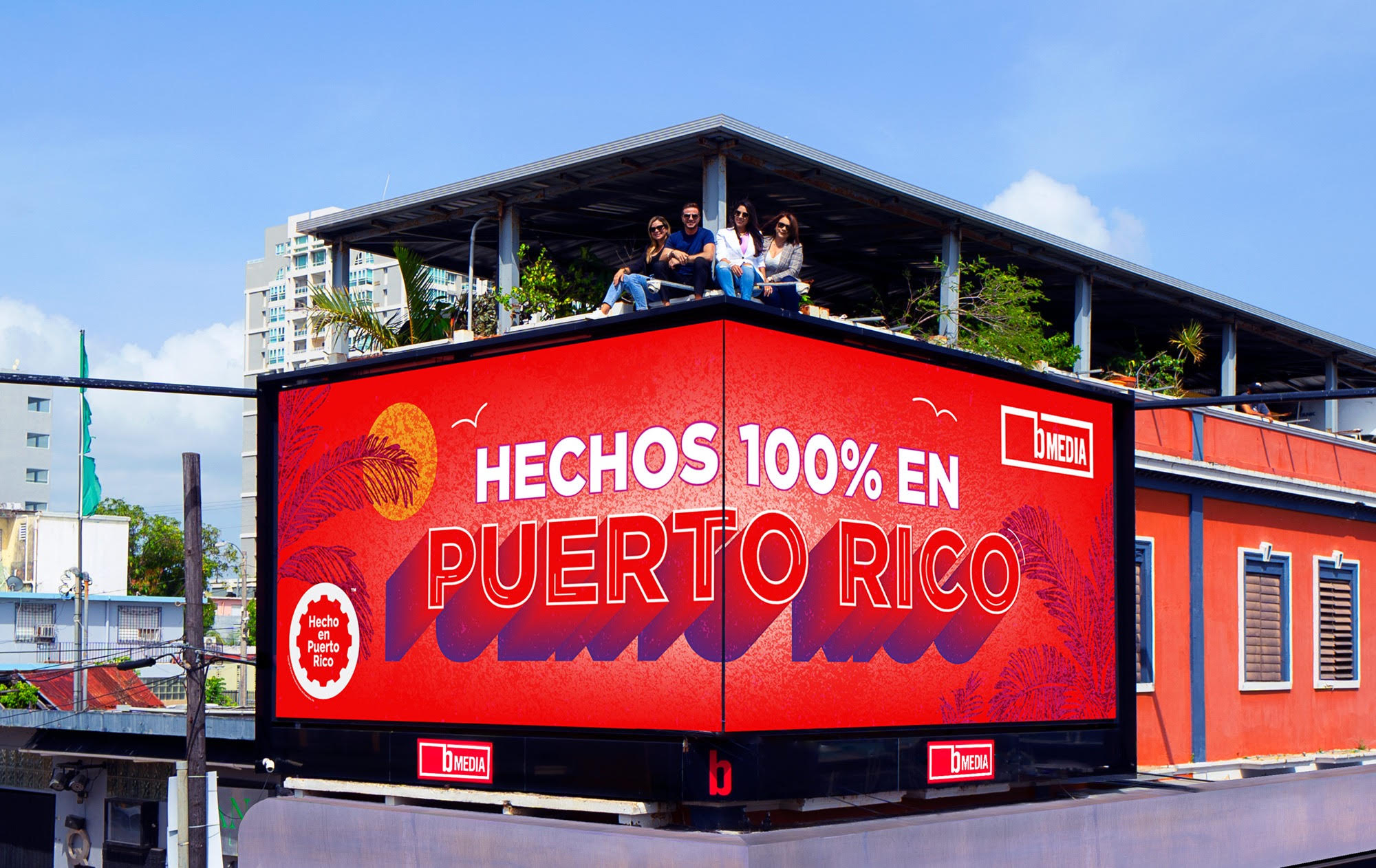
SAN JUAN, PUERTO RICO. 27 DE SEPTIEMBRE DE 2021 — La Asociación Hecho en Puerto Rico (AHPR) anunció hoy, lunes, una alianza con bMedia Group dirigida a apoyar e impulsar a los empresarios puertorriqueños para generar crecimiento económico. Con esta unión, todos los socios de la AHPR tendrán acceso a un programa especial creado para promocionar sus negocios en la red de medios publicitarios de bMedia Group a través de Puerto Rico.
“Apostamos a las alianzas para impulsar el desarrollo económico de nuestras empresas. La penetración, alcance y relevancia de los medios de bMedia Group en el mercado local es incomparable y proveerá exposición a los negocios y marcas de nuestros socios a sus audiencias, apoyando sus metas de crecimiento”, expresó la presidenta de AHPR, Aysha Issa.
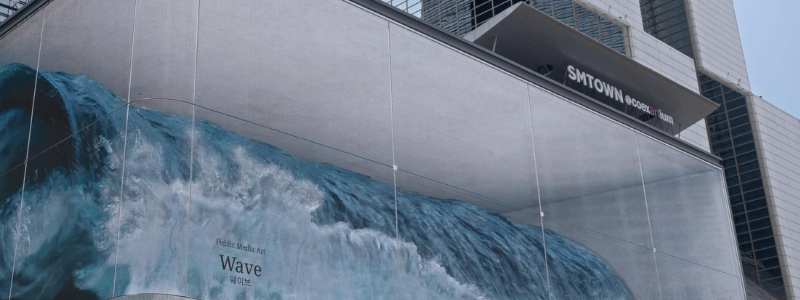
bMedia Group es una empresa netamente puertorriqueña fundada en el 2008, que actualmente cuenta con una red de vallas publicitarias y medios alternativos proveyendo una cobertura completa del mercado, para generar alcance masivo y una exposición efectiva y eficiente de mensajes publicitarios. bMedia Group es la principal compañía de medios en Puerto Rico y continúa invirtiendo en tecnología para brindar calidad visual e impacto, creando no solo espacios publicitarios sino áreas de entretenimiento para el pueblo, como lo es la imponente valla en la Placita de Santurce.
“El promover el empresarismo en Puerto Rico es una de las prioridades de bMedia Group. Este acuerdo colaborativo con la Asociación Hecho en Puerto Rico es una confirmación de nuestro compromiso para seguir innovando y creando nuevas oportunidades. Me siento inspirado y motivado como agente de cambio a contribuir al crecimiento económico de mi país, sus empresarios y al ecosistema empresarial. Nuestro norte es añadir valor a nuestros clientes para que sus marcas, servicios o productos, establezcan una conexión emocional con su consumidor de forma única, relevante, entretenida e impactante. Me honra decir que somos una empresa para y hecha en Puerto Rico”, señaló el confundador y CEO de bMedia Group, Juan Casillas.
De su parte, Viviana Mercado, directora del comité de mercadeo de AHPR, estableció: “Con esta alianza, la AHPR eleva los beneficios para sus socios y ayuda a fortalecer decenas de empresarios puertorriqueños, socios de la organización, a través de la oportunidad de amplificar sus mensajes y contar sus historias en la red de medios de bMedia Group”.
La Asociación Hecho en Puerto Rico es una organización que agrupa a más de 400 socios que componen la fibra del empresario puertorriqueño. “Esta poderosa alianza dará acceso a nuestros socios a miles de espacios publicitarios para beneficiar sus marcas y promover sus negocios utilizando nuevas formas creativas y tecnológicas”, finalizó la directora de la Junta de la Asociación Hecho en Puerto Rico, Mónica Ponce.
# # #
La Asociación Hecho en Puerto Rico (AHPR es una organización sin fines de lucro que agrupa más de 400 socios y promueve el desarrollo económico de los empresarios locales.
bMediaGroup es una de las principales compañías de medios en Puerto Rico con una red de más de 3,000 espacios pubicitarios a través de la isla.
San Juan, Puerto Rico is a truly fantastic city to visit. It’s full of culture, beautiful architecture, delicious food, and interesting sights to see. The gorgeous weather and beaches don’t hurt either! There are so many different sights to see in San Juan that you’ll most likely want multiple days to fully experience the city. Sightseeing in San Juan is an unmissable experience.
San Juan truly has something for everybody, making sightseeing in San Juan an extremely customizable activity. It has beautiful beaches and world-class luxury resorts both in the city and in neighboring towns. The heart of the city, Old San Juan, is a UNESCO world heritage site that blends traditional colonial architecture with contemporary Puerto Rican culture. Old San Juan has tons of delicious restaurants and great shopping.
History of San Juan
Spanish colonists founded San Juan in 1521. They gave it the name Ciudad de Puerto Rico. Under Spanish rule, merchant and military ships often used it as a port when traveling to the Americas. Its use justified building an extensive network of barriers and forts to serve as protection.
Because of the city’s prominence and expensive cargoes in ships that would stop in San Juan, San Juan was often attacked by other foreign powers. One such famous attack occurred in 1595, led by Sir Francis Drake and George Clifford. Over the next 200 years, both the Dutch and the British attacked the city. Spanish soldiers were able to continuously repel any attacks.
In the late 18th and early 19th centuries, various events, such as colonial revolutions, liberalized commerce with Spain. The opening of Puerto Rico to immigrants greatly increased San Juan’s population.
In 1898, United States Navy ships attacked San Juan. This attack was extremely powerful, and the ultimate result was the Spaniards ceding control of Puerto Rico to the United States in the Treaty of Paris.
The United States used San Juan and Puerto Rico extensively as training camps for both World War I and World War II. Interestingly, the man who fired the first shot by the United States armed forces in World War I was a Puerto Rican native.
Modern History
In 1947, Felisa Rincon de Gautier was elected as mayor of San Juan.
This election gave Rincon de Gautier the honor of being the first woman to be elected as Mayor of any capital city in all of the Americas.
In 1950, San Juan was the site of the San Juan uprising. In this uprising, insurrectionists attempted to attack the governor’s palace in a protest against the Puerto Rican and United States governments. The attack on the governor’s palace was short-lived, as police killed 4 of the 5 attackers.
San Juan is currently the capital and largest city of Puerto Rico. The city has a population of around 400,000. It is a major source of Puerto Rico’s income and GDP. This is especially true as Puerto Rico transitions to a service-based economy, rather than manufacturing. The services sector, which includes things like trade, tourism, finance, and government work, has quickly become the leading industry in Puerto Rico, accounting for around half of its GDP and employing up to 75% of all workers on the island.
Top Tourist Attractions
San Juan is a very popular tourist destination, both for individual travelers and as a major cruise-ship stop. We’ve compiled a list of some of the best tourist destinations that you must visit when sightseeing in San Juan.
Old Town San Juan
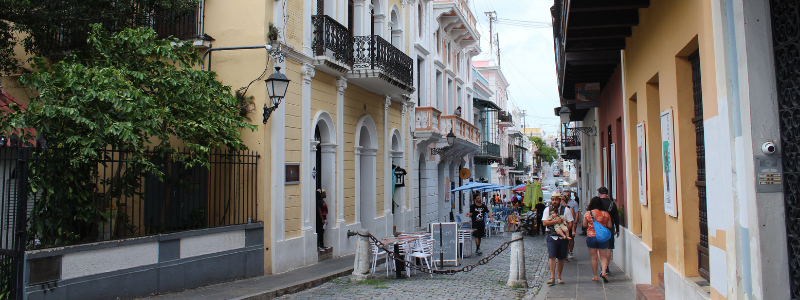
Probably the best tourist attraction in San Juan, Old Town San Juan is a UNESCO world cultural heritage site. Viejo San Juan showcases 500 years of architecture and history. It hosts historic forts and traditional Spanish colonial architecture. The Old Town contains hundreds of beautifully restored colonial buildings, many of which house restaurants, shops, museums, and hotels. You can explore the whole area on foot, which makes for a great half-day walking tour.
San Juan Cemetery
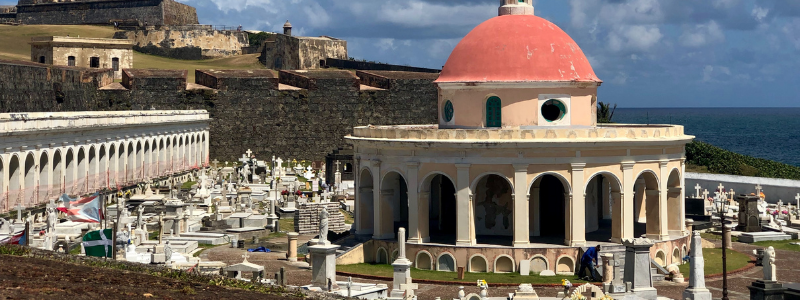
The San Juan Cemetery consistently ranks among the most beautiful cemeteries in the world. The cemetery lies along the coast, right next to the famous fort El Morro, and has elaborate tombstones and statues. The centerpiece of the cemetery is a chapel with a red dome. The chapel is dedicated to Mary Magdalene. It is certainly a worthy stop for anybody sightseeing in San Juan.
El Morro
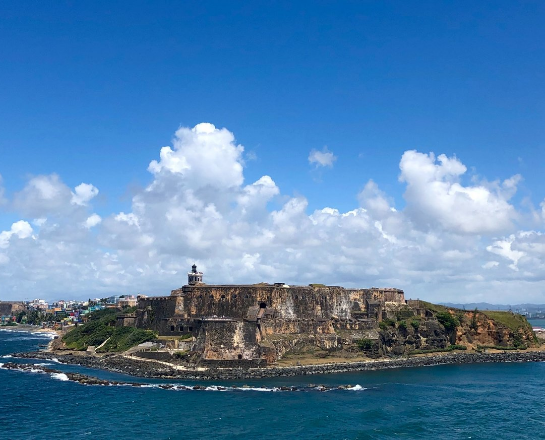
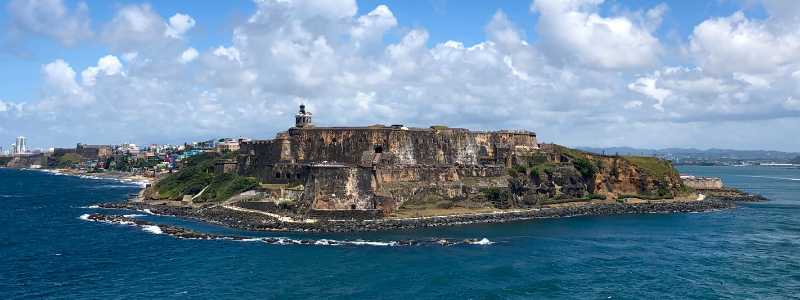
El Morro is the name of the fort that has protected San Juan for hundreds of years. It was built in 1539 and has been continuously expanded and renovated for the following 200-300 years. El Morro is a National Historic Site and a UNESCO world heritage site, and both the fort itself and the lawn approaching the fort offer incredible views of the ocean and the city of San Juan.
Fort San Cristobal
Although El Morro is the more famous fort, you can’t miss San Cristobal. San Cristobal is not only a bigger fort but is actually the largest Spanish fort in the New World. It was built in the 17th and 18th centuries, and unlike El Morro, which was designed to protect San Juan from naval attacks, Fort San Cristobal was designed to protect San Juan from land attacks.
Museo De Las Americas
The Museo De Las Americas, located in Old San Juan, is a great way to learn about the history of Puerto Rico. The museum focuses on the art, ethnic groups, and colonization of the country, and is a great stop before you embark on any other cultural experiences.
Condado and Ocean Park Beach
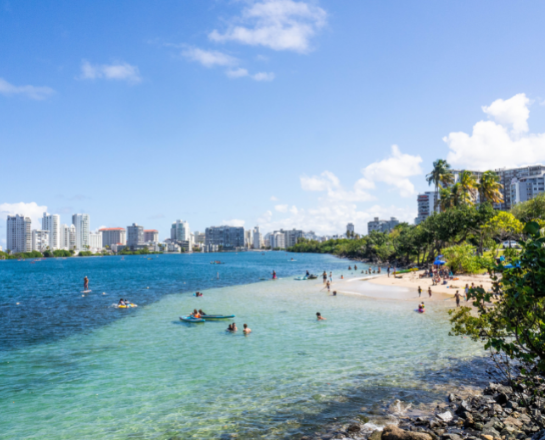
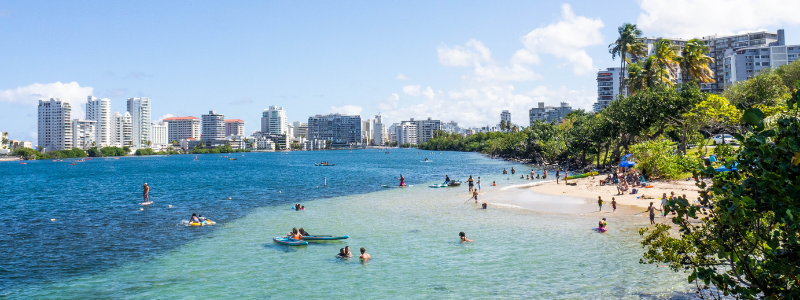
The Condado district was developed as Puerto Rico’s first tourist district in the 1950s. Condado offers many different hotels and accommodations at every price point. The white-sand beach here is beautiful, soft, and very popular.
Advertising in San Juan with bMedia
With so many tourists visiting, San Juan is a great place to advertise your business. Additionally, since the weather is warm and mild year-round, San Juan lends itself very nicely to outdoor advertising. bMedia has consistently been Puerto Rico’s Premier Outdoor Advertising Company, with hundreds of billboards island-wide.
Billboards have long been a staple of the marketing and advertising space. In fact, they are probably one of the first things that come to mind when thinking about traditional advertising. However, in today’s world, one is confronted with advertising at almost every turn. So the question becomes: how do you stand out? Here, we will discuss some tips on how to create successful billboards, as well as giving some examples from around the world.
Not all billboards are created equal.
The market and the audience of certain billboards must be taken into careful consideration in order to maximize their effectiveness. Because of this, billboards around the world are designed in different ways and seek to capture different audiences.
Tips for Successful Billboards
The process of creating successful billboards takes time, creativity, and ingenuity. However, when executed well, they can be remarkably effective and result in a high return on investment (ROI). Below are some tips for creating successful billboards.
Keep It Simple
You might feel the need to add as much information as possible onto your billboard. However, you must remember that most people are only glancing at a billboard in passing. Therefore, it’s important that you get straight to the point. Bold colors, readable text, and eye-catching images will help capture your audience’s attention. Additionally, remember to keep your message clear and concise. It can certainly be clever, but your audience does not have that much time to pause and figure out what you’re trying to convey.
Your Audience Is #1
When designing successful billboards, it’s crucial that you keep in mind who your audience is. Advertisers must meet the audience where they already are. So, if you’re advertising your tractors, why not place a billboard out in the country? If you’re promoting a new rideshare app, why not place the billboard in an urban center, where there is a need for the service? Keeping your audience at the forefront of your mind will help you optimize the success of your billboard and lead to the best ROI.
Go Digital
Digital billboards are popping up all over the place, even in places where you’d least expect them. While digital billboards may be a bit more expensive than traditional static billboards, they can actually result in a higher ROI. This is because digital billboards can be used on a rotating basis. One company can advertise on the digital billboard in the morning, while you can advertise on the same billboard in the evening, based on the audience you’re trying to reach. Because of this, you can optimize your investment and reach the people you want to reach, only when you know they’ll be there.
Other Things to Keep in Mind
A few other things that are important to keep in mind when designing your successful billboard include:
Location
Daily traffic
Type of traffic (car vs. foot)
Budget
Duration of campaign
Timeliness
Examples of Successful Billboards
Now that we’ve discussed some tips for creating successful billboards, we’ll share some examples from around the world.
Asia
Location: Japan
Billboard: Mt. Fuji’s Litter
Perhaps the most interesting aspect of this billboard is that it technically isn’t a billboard. Sure, it has the frame and structure of a successful billboard – but it’s missing the actual content of a billboard. Of course, the position and intended viewing angle of the board attempt to turn Mt. Fuji into the content. Given the cultural significance and sheer recognition of Mt. Fuji to its target audience, the effect is substantial. The litter framing the famed natural spectacle leaves a stunning impression about the impact that litter has on natural areas.
Location: Philippines
Billboard: Skype Qik Live
Mobile devices and social media are huge in Asia. Whether it be a mobile game, the hottest new trending app, or just chatting with friends, the smartphone is a gateway into a world of almost endless entertainment. This company created a billboard that allows mall-goers to record themselves on a nearby mobile phone installation. Then, their clip appears on the ad. This interactive billboard makes physical advertising media relevant to the many enthusiastic smartphone users in Manila.
Europe
Location: England
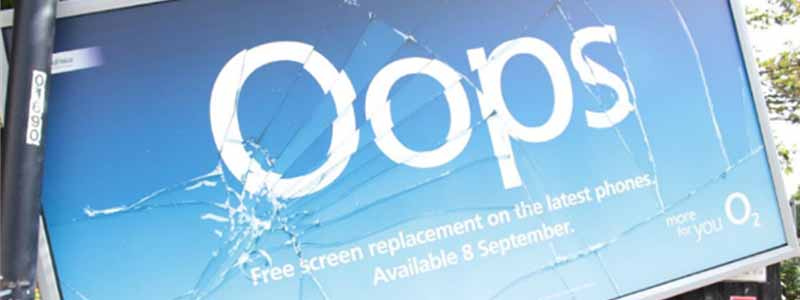
Billboard: Free screen replacements
How many times have you or a friend lost hold of your smartphone, only to pick it up and discover that the screen has shattered? This universally disappointing image of a shattered phone is certainly eye-catching. By replicating this effect on this billboard, it catches the viewer’s attention and reminds them of their broken phone screen.
Location: Denmark
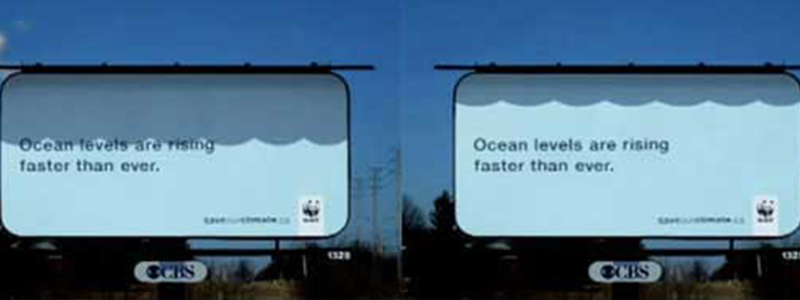
Billboard: WWF – Rising Ocean Levels
This one is interesting as the viewer has to see this billboard multiple times at different points in the day to get the full effect. Basically, the awning on top of this billboard is supposed to cast a shadow. The shadow will change depending on the sun’s relation to the billboard. As the sun moves throughout the day the shadow will change in accordance, making it seem as if the water line on the board is moving upwards. Given that Denmark exists next to the Atlantic, rising ocean levels actually do affect them as they change the shoreline of the country. This is an example of a successful billboard that uses repeated exposure to leave an impact.
North America
Location: USA
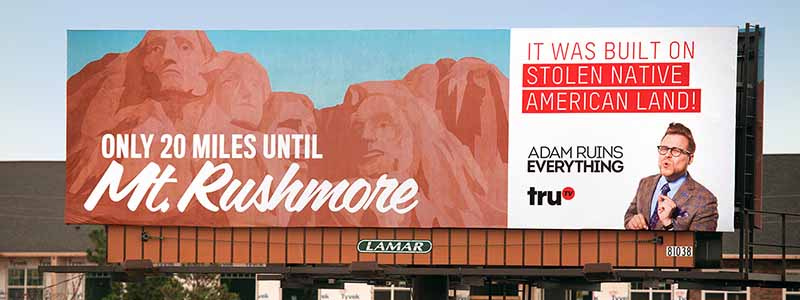
Billboard: Adam Ruins Everything
Anyone who has spent long enough time on Facebook has probably seen a video snippet of Adam Ruins Everything, a series dedicated to dispelling half-truths and common misconceptions. While one can imagine that such an “in your face” ad might not be incredibly popular with all Americans, there’s no doubt that it’s effective in attracting the attention of its home audience. Not only does it call attention to a fact that Americans may not like to think about, but it also works as a form of passive activism. It forces passersby to reassess the value that they’ve placed on such a monument.
Location: USA
Billboards: Total Recovered campaign
During the COVID-19 pandemic, plenty of ads sprung up reminding people to stay at home and wear masks. However, there was not that much positive advertising. An advertising agency called Orb decided to create a campaign highlighting the total number of people that had recovered from COVID-19. This campaign acted as a beacon of hope, while most other COVID-related advertising was rather bleak.
South America
Location: Peru
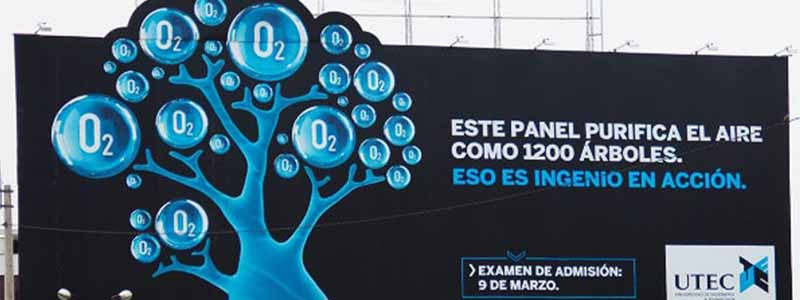
Billboard: Clean Air
The city of Lima located in Peru was estimated to have the highest pollution levels in all of South America back in 2012. This billboard was created in response. This billboard actually takes the surrounding polluted air and purifies it, emitting fresh air back out. As one can imagine, it was incredibly well-received by its target audience due to the fact that it actively improved their lives.
Location: Argentina
Billboard: Amphibious billboards
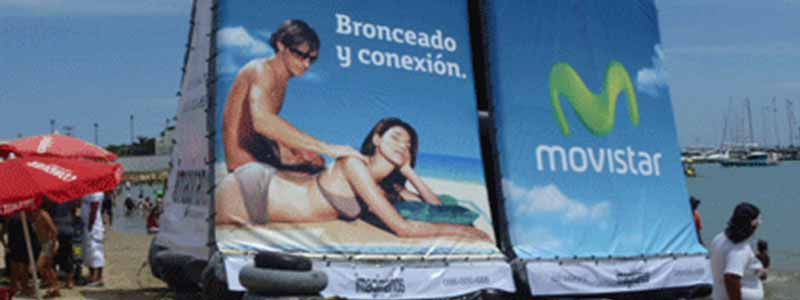
Who said billboards need to be roadside? These amphibious billboards can be found either on the beachside or out in the water themselves. Given that South America is known for its fair share of beautiful beaches, it only makes sense to play up to the region’s natural strengths and advertise in popular beach spots.
Australia
Location: Melbourne
Billboard: Porsche Ads
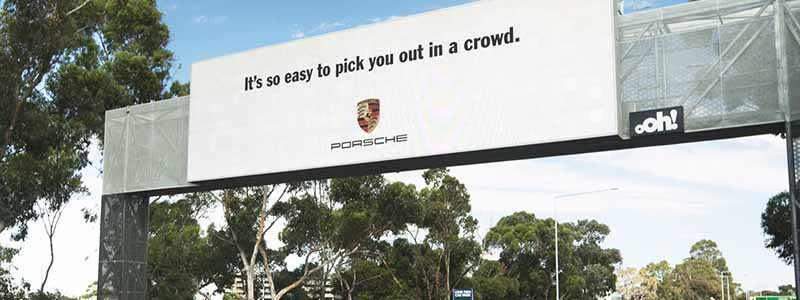
If you have enough money and the inclination to buy a Porsche, you probably feel good about the purchase and enjoy it when other people notice your car. The Porsche company itself understands this and put up an ad in Melbourne that can tell when a Porsche is approaching. The ad calls out Porsche drivers and compliments them on their car, making them feel good and adding a little bit of additional value to their purchase.
Location: Perth
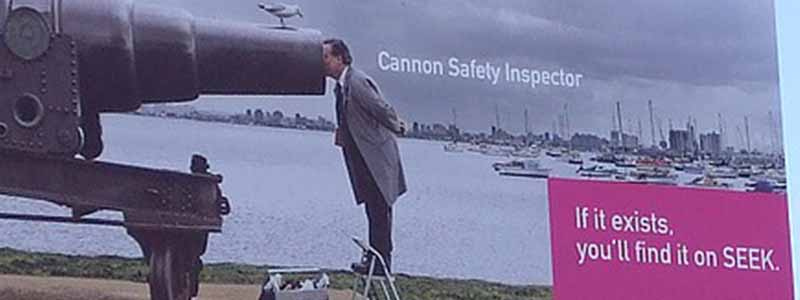
Billboard: SEEK Job Site – Cannon Safety Inspector
Finding the right person for the job can be tough, especially when the person you need has to have an incredibly specific and obscure skillset. This billboard put up in Perth might not be the fanciest, but is still entertaining and effective. The imagery gives off sentiment that would feel at home in a “Monty Python” skit, appealing to the sensibilities and humor of Australians.
How bMedia Can Help
If you’re looking to design and execute a creative and successful billboard campaign, look no further than bMedia. bMedia is Puerto Rico’s leader in outdoor advertising, with over 300 high-impact advertising locations.
To learn more about how bMedia can help your brand reach new audiences, contact us today!
The small Caribbean island of Puerto Rico boasts picture-perfect beaches, lively nightlife, and vibrant local culture. The people are friendly, the beaches are beautiful, and the list of outdoor activities in Puerto Rico is endless. You can decide to dwell in nature or choose to explore the island’s urban centers. Either way, there is a guaranteed adventure for everyone.
Puerto Rico offers a diverse list of unique destinations and activities, so it’s no surprise that it’s considered one of the best vacation spots in the Caribbean. From the deep rainforests to San Juan’s urban gems, you’ll never run out of things to see and do on the island. Here are some outdoor activities in Puerto Rico for you to enjoy.
Some of the types of places you can explore in Puerto Rico include, but are not limited to:
Tropical rainforests and jungles
Pristine beaches
Open water
Mountains
Caves
Historic urban sites
Tropical Rainforests and Jungles
Puerto Rico is not just white sand and blue waters. In fact, the island is covered by tropical wilderness that offers some of the most exquisite trails and views.
El Yunque National Rain Forest, which is managed by the U.S. Forest Service, is approximately 45 minutes outside of San Juan. This rainforest is the perfect destination for a hike. You might even encounter some of the rainforests’ wild inhabitants such as tropical birds, green lizards, and slimy frogs during your adventure. The island’s jungles also host beautiful bike trails, with lots of single tracks, downhill trails, and of course, some of the best views Puerto Rico has to offer.
If you’re looking for something more daring, try ziplining through various parks across the island. “The Monster,” one of the longest ziplines in the world at Toro Verde Adventure Park, is 2.5 kilometers long and 843 feet high. There’s nothing more thrilling than flying superman style above the tropical jungle.
Beach and Water Activities
Puerto Rico has over 270 miles of sandy beaches. These beaches welcome visitors all year round. The gorgeous beaches in Puerto Rico offer picture-perfect views and exciting water adventures.
The island’s beaches are consistently selected as some of the best beaches in the world, and you’ll know why the moment you step afoot the island.
The coral coastline is home to some of the best water experiences in the Caribbean. Whether it’s swimming or surfing, sailing or scuba diving, Puerto Rico offers an impressive list of watersports and activities. You can scuba dive in Isla de Mona or surf the waves at Aguadilla Beach. Either way, all of Puerto Rico’s beaches are ready for you to kick back and relax.
Caves and Mountains
The natural mountainscapes and caves of Puerto Rico offer visitors the chance to partake in outdoor activities such as spelunking, rock climbing, or rafting. Canon de Tanama, a picturesque network of waterfalls, caverns, canyons, and limestone cliffs is one of the most recognizable caves on the island. It’s also a great place for rock-climbing, caving, and tubing.
You can also overlook the Rio Grande de Arecibo and the beautiful green mountains at Cueva Ventana (Window Cave). The window-like opening gives this cave its name, and the views are nothing short of spectacular. It’s arguably the most “Instagrammable” location in Puerto Rico.
During your adventure, make sure to keep an eye out for authentic Taino petroglyphs that have been preserved for centuries. You can even choose to pay a visit to some of the cave’s animal residents, like bats!
Explore Old San Juan
A great way to spend time outdoors is to explore old San Juan and feel the historic charm. In this part of San Juan, visitors will find some of the oldest and most carefully preserved architectural structures in the world. Walk the cobblestone streets and eat some of the best street food Puerto Rico has to offer. Not only will you get some great food, you will also be supporting local businesses.
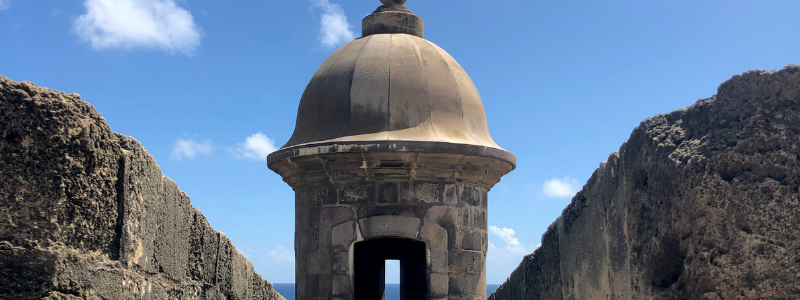
You can even choose to stop at some of the area’s famous colonial landmarks, including Castillo San Felipe del Morro, known as ‘El Morro’ to locals. This citadel was built by the Spaniards in the 16th century and was designed to protect the island’s coast. Another notable landmark is the Castillo San Cristobal which covers over 27 acres and is the setting of many Puerto Rican cultural and historical stories.
City Life
San Juan, the capital of Puerto Rico, is where many visitors stay on the island. The city provides an abundance of activities, dining, and entertainment. However, it’s the locals that make the city so vibrant and exciting. So make sure you spend some time in some of San Juan’s coolest neighborhoods.
The Santurce barrio is the place to be if you want to immerse yourself in local art and culture. The neighborhood showcases the island’s vibrant culture through hip dining spots, colorful street art, museums, and art galleries. Later in the day, you’ll also find crowds at La Placita de Santurce for drinks and dancing in the streets, so don’t forget your dancing shoes!
The Condado barrio is considered the most cosmopolitan area of San Juan and gives off a Miami vibe. This area is perfect for shopping, dining, or relaxing on the oceanfront. A popular activity in Condado is to kayak or paddleboard through the Condado Lagoon while on a clear-bottom kayak decorated with LED lights.
Be Where The People Are
Because there are so many outdoor activities in Puerto Rico, this presents the opportunity for your brand to present itself where the people are. People are spending more and more time outside their homes and we’re seeing the island welcome back visitors and tourists. Being visible through outdoor advertising will ensure your brand becomes visible and familiar to a large audience.
The business opportunities are rapidly growing in Puerto Rico, and American businesses are taking note. The island draws global visitors and in 2019 earned about give and a half billion US dollars. OOH (Out-of-home) Advertising is one of the best ways to promote your business in Puerto Rico, not only are the locals moving around and about, the visitors are too!
bMedia Advertising Experts
No matter what industry your business is in, bMedia can help you reach your target audience and increase the ROI of your marketing campaign. We are the island’s leader in outdoor media. Our advertising professionals are ready to maximize the effectiveness of your next OOH advertising campaign.
Consumers are exposed to around 4,000 to 10,000 advertisements each day. How can you make sure your ad stands out from the rest? bMedia, Puerto Rico’s local leaders in outdoor media, has successfully executed marketing campaigns all over North America. There are many reasons we stand so strongly behind effective outdoor advertising strategy.
Outdoor advertising has been a staple of marketing strategy for businesses and brands everywhere. These types of marketing campaigns continuously prove higher ROI for companies who take advantage of this marketing opportunity.
Outdoor advertising or OOH (out-of-home) advertising refers to any advertising medium that targets the consumer outside of their homes. This includes billboards, street posters, retail signage, and more. Why does outdoor advertising work?
Digital advertisements have bombarded consumers so often that most go unnoticed or are ignored. How often do you find yourself skipping over ads when you scroll social media? You can’t skip over a billboard on the highway or a poster at the subway station.
In fact, another reason why billboards are so effective is simply because they stand out and better capture the consumer’s attention.
Outdoor Advertising vs. Online Advertising
Online and digital ads have become somewhat of a nuisance, which is why we’re seeing more people download ad-blocking software. Ads you see online also collect extensive amounts of data which allows businesses to directly target individual consumers. This can trigger privacy and security concerns which may lead to distrust between the brand and the consumer.
Outdoor advertising works because it is a real-life experience. It is a physical encounter with the advertisement. Many people spend significant amounts of time outside of their homes where they have no option but to see advertisements such as billboards and posters as they move about. Additionally, because OOH ads don’t require extensive consumer data monitoring, it is generally one of the more accepted forms of advertising.
Another reason why companies opt for OOH advertising is because it is cost-effective. Outdoor advertising is typically less expensive than print or digital marketing. It is also more long-term. On the contrary, in order to run a digital commercial ad, companies often have to pay a repeated fee just so their ad is visible more than once.
Types of Outdoor Advertising
The advantages of your outdoor advertising strategy depend on which medium you use. Here are the most popular forms of outdoor advertising:
Billboards
If you’re looking to make a strong impact, creative billboard advertising should be a the top of your strategy list. Billboards, one of the original forms of advertising remains one of the most reliable marketing strategies and has stood the test of time.
According to an Arbitron National In-Car study, 71 percent of drivers “often look at the messages on roadside billboards.”
Additionally, billboards don’t just have to be static words and images anymore. Technological advancements and the digital shift have given room for billboards to be more creative in terms of design and content. We’re now seeing digital and interactive billboards that continue to turn heads on streets and highways.
Digital billboards are typically made from LED screens that allow animated advertisements to be displayed. They also have the ability to showcase more than one ad. There are also interactive billboards, which allow consumers to directly engage with the advertisement. Movement is great at grabbing the attention of consumers, stimulates the viewer, and creates a new element of creativity.
Billboards allow flexibility for marketing campaigns. The creative opportunities are endless. Billboards come in different shapes, sizes, mediums and can be put up virtually anywhere. It’s safe to say that this advertising medium shows no signs of slowing down.
Transit Advertising
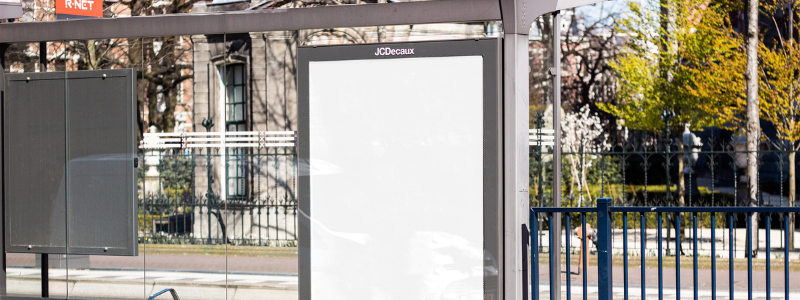
This type of advertising includes posters and signage seen on buses, cabs, subways, or train and subway waiting platforms. During commutes, consumers encounter thousands of advertisements. That makes this marketing strategy very opportunistic for your business. This marketing strategy is especially great for densely populated cities and urban areas. If an ad gains more exposure, it results in higher levels of engagement.
Transit advertising continues to stay popular due to the simple fact that the need for transit is not going anywhere. Increased ride time and frequency give your ad the opportunity to connect and with the viewer, also allowing them to fully absorb the message of your ad.
Outdoor Events
Outdoor Events such as product demos, mini-concerts, and integrated free product trials are effective ways of marketing a new product or launch. Events allow the consumer to become a part of the marketing strategy and provide them with a memorable experience that they’ll most likely share on social media or with friends.
Point-of-Sale Advertising
Point of sale advertising, or POS, triggers an impulse for the buyer. This marketing strategy intends to promote and showcase a product right before the customer is about to make a purchase. If a customer is going to make a purchase anyway, they’re more open to the suggestion of adding an extra item. This form of advertising includes simple posters or branded display stands that can be placed outdoors.
Construction Advertising
Construction sites are present in both rural and urban areas and require protective barriers like scaffolding and hoardings. These protective barriers present themselves as a unique opportunity for advertising.
Examples of construction advertising include scaffold wraps and posters on temporary fences.
Successful Outdoor Advertising Strategy
Here are some tips for developing and executing a successful outdoor advertising strategy.
1. Target High-Traffic Areas
Targeting high-traffic areas gives your advertisement more exposure. A good billboard will be nothing but a wasted opportunity if it is exposed to a small audience.
2. Be Visible
Visibility nurtures familiarity which results in trust.
Many consumers travel the same route daily. If they see your outdoor advertisement repeatedly, they develop a sense of familiarity with your brand. The more familiar your brand is, the stronger the trust is between the brand and consumer.
3. Understand your consumer
Before designing your ad, you must consider the audience who will come into contact with it. Think about how you want them to respond to your advertisement. A good advertisement is memorable and motivates the consumer to take action. If you want to get the most out of your advertisement, these elements must be carefully considered.
How bMedia can help you
Outdoor advertising can be extremely beneficial and profitable for your brand. bMedia can help your business by coming up with the ultimate outdoor advertising strategy for your product.
No detail is overlooked when creating digital and traditional outdoor media and our advertising professionals can guarantee an effective outdoor advertising campaign. Together, we can maximize the effectiveness of your next marketing campaign. Contact us today.
Billboards have been around for ages. In fact, archaeologists have even found evidence of what they believe to be “ancient billboards” dating back thousands of years. Regardless of your age or where you live, billboards have likely been a part of your life for as long as you can remember. They’ve become such a common part of life that we probably don’t even think much of them when we see them. However, for advertisers, billboards can be an integral part of any campaign or advertising strategy.
Billboards aren’t still used today just because they’ve been around forever. Advertisers still use them today because they get results. The effectiveness of a billboard is measured by its return on investment (ROI), how many people see it on a regular basis based on location, how memorable it is, and how likely it is to create a conversion or a sale.
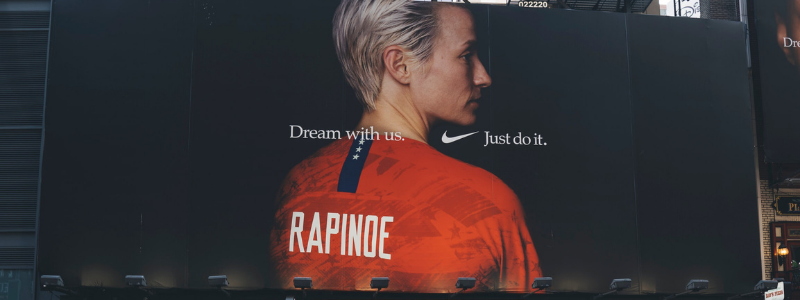
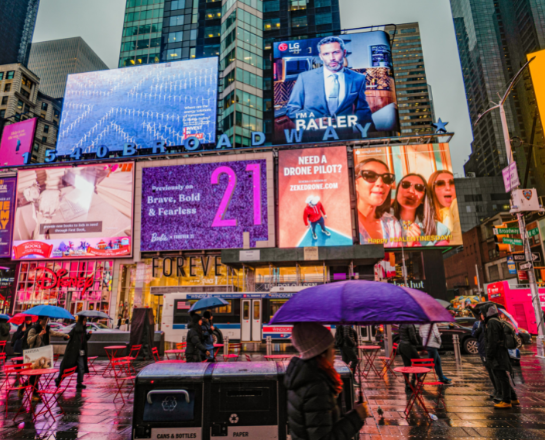
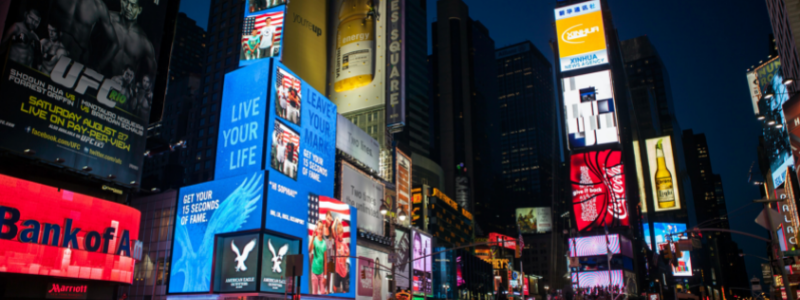
Although billboards have been around for a very long time, they have certainly changed over the years. Many companies today are choosing to use digital billboards. A great example of the power and prevalence of digital billboards in Times Square in New York City. Many, if not most, of the billboards there are now digital billboards.
Are you still wondering, “Why use billboards to advertise?” Read more to find out why this tried-and-true medium of advertising is still just as prevalent as ever!
Why use billboards to advertise?
The answer to this question should be obvious. It is, however, also very multi-faceted and probably more nuanced than you might think. Billboard advertising is great for targeting specific audiences, causing repeated exposure, capture attention from people who might not want to be advertised to, and so much more.
One of the most important things to consider when crafting a marketing strategy is your target audience. You want to make sure that you’re getting your message in front of the right people. If you have brick and mortar location or a relatively limited service area, then you don’t want to waste money on ads that target people outside your area. You also want to make sure that the people in your service area hear your message. Billboards allow you to succeed on both counts.
When you put your message on a billboard, you know where people will be when they see your message. You can look at the road the billboard is on and get a good idea of where people will be coming from and going when they see your message.
The location aspect of billboards also allows you to be strategic about your budget. Billboards in more rural areas will obviously be less expensive than those in high-traffic, urban areas. However, you’ll still be able to reach a relatively large audience for a lower cost.
Repetition drills in certain messages.
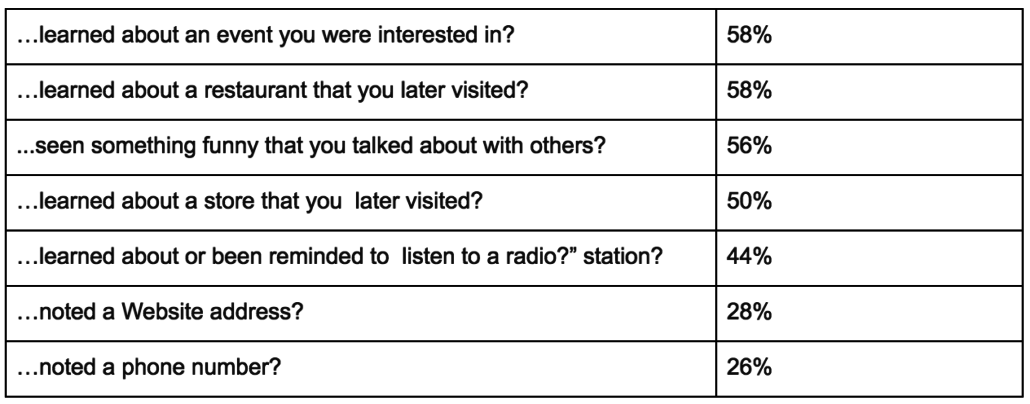
Some messages are better for billboards than others. People drive by billboards regularly, but they tend to go by them quickly unless the area is known for especially heavy traffic. Messages that are easy to digest and actionable are especially effective. A study asked people to discuss their engagement with billboards. Let’s look at their answers.
On a roadside billboard, have you ever…
Notice that simple, clear, and actionable information had the biggest impact. Billboards work on an almost subconscious level, their message sinking in as people drive past them day after day. Messages that are witty, time-sensitive, or related to immediate needs all have an especially big impact on drivers.
Billboards capture one of the few captive audiences left.
Today people are inundated with advertising from the moment they wake up until their head hits the pillow at night. But people also have more ways to avoid engaging with ads, when ads come on TV they look at their phone, and they can use programs to block ads from their phone. In this sort of environment, how do you make sure that people actually pay attention to your ads?
There is one place where people have to keep their eyes on the world around them, and that’s when they’re in their car. If you really want people to pay attention to your ad you need to catch them when they are in traffic. Strategically placed billboards with the right outdoor advertising ideas allow you to do just this.
Time the average American spends driving:
17,600 minutes per year
48 minutes per day
That’s 48 minutes a day where people are staring out the front window of their vehicle. Beyond that, it’s time when they might be thinking about your message. After drivers see your message, they will have the rest of their drive to process it. And this can happen every time they drive past your billboard!
Digital billboards have opened new avenues.
Many people underestimate the power of billboards because they have outdated perceptions in terms of their perception of billboards. Digital billboards have brought this advertising tool into the 21st century, allowing billboards to take full advantage of the latest technology.
Instead of using one permanent image, digital billboards are essentially large computer screens that can be programmed to display messages in a range of innovative ways. Things can be as simple as switching between images periodically so that multiple advertisers can cut costs by sharing a single billboard, or they can get more complex by utilizing animation and real-time updates.
People who can recall seeing a digital ad in the last month:
Place-based: 70%
Online: 43%
These figures were taken from a study based on self-reporting, but there is still a clear takeaway. When people see a message in person, they’re more likely to recall it than when they see it online. As digital advertisements become more prevalent and invasive in our everyday lives, many people have begun to not notice these ads as much. If a consumer is exposed to the same ad consistently and frequently, they may begin to experience ad fatigue. Ad fatigue is the event in which one ad appears to a consumer so many times that the CTR (click-through rate) of that ad begins to go down.
Compared to digital and online ads, billboards are clearly much more memorable and don’t contribute to ad fatigue in the same way that online ads do. People are more likely to pay attention to place-based ads and billboards because they are much more noticeable but much less invasive.
Billboard advertising stands above the rest.
Billboards occupy a unique place in the advertising landscape because of their physical presence. They aren’t ephemeral like radio, TV, and internet advertising. They stand on the side of the road, their message emblazoned across a giant canvas. There is a power in the billboard that other advertising tools just cannot recreate.
Billboard advertising isn’t a magic solution to every marketing need, but when used correctly it can do things that no other method can. If you have a clear and actionable message that you want to convey to a captive audience, then a billboard might be just the thing you need.
As we’ve said multiple times, billboard advertising can also be an incredibly cost-effective method of advertising. For not that much money, you can get way more eyes on your ad than virtually any other medium for the same amount of money. You can also customize the location, design, size, and type of your billboard to match your business’ specific budget and needs.
How bMedia Can Help
Why use billboards to advertise? bMedia is here to answer that question! The professionals at bMedia are the leading experts in outdoor and billboard advertising in Puerto Rico. Whether you have an idea for a billboard already and need help executing your campaign, or you haven’t even started, bMedia is here to help.
Advertising professionals at bMedia have extensive industry experience that will guarantee the effectiveness of your billboard advertising campaign. With the execution of their tried-and-true best practices, bMedia is your best bet in maximizing the effectiveness and ROI of your advertising campaign. Contact bMedia today!
Puerto Rico’s economy has had a long and dynamic history, especially as it relates to its status as a US territory. The island is known especially for the incredible beaches and storied sightseeing destinations. This makes tourism one of its most important economic sectors. However, there is a lot about the industries in Puerto Rico that you may not know.
Up until the mid-1900s, agriculture was the main industry supporting Puerto Rico’s economy. The island, which had limited mineral resources, was largely neglected by Spanish colonial rulers. However, San Juan became a major trade port in the Caribbean. In the decades that followed World War II, factories and manufacturing became very important to the Puerto Rican economy under American rule. This shift happened because of government-sponsored economic development and social welfare programs. These developments supported private business and updated Puerto Rico’s transportation infrastructure.
Now, however, Puerto Rico’s economy has shifted into a service economy, as manufacturing growth has slowed in the past few decades. The services sector, which includes things like trade, tourism, finance, and government work, has quickly become the leading industry in Puerto Rico. The services sector accounts for around half of Puerto Rico’s GDP and employs up to 75% of all workers on the island.
Major Industries in Puerto Rico
Agriculture
The agriculture industry is still alive in Puerto Rico. However, it is nowhere near the most dominant industry. According to recent data, agriculture makes up less than 1% of Puerto Rico’s annual Gross Domestic Product (GDP).
Puerto Rico used to have a relatively large sugarcane production industry, but this has mostly ceased to exist. This is in large part due to government regulations on sugar companies in the US and its territories, as well as on producers abroad that import to the US. Puerto Rico does have a thriving rum production industry, but it imports most of the molasses necessary.
The three traditional farm products still produced in Puerto Rico are:
Coffee
Tobacco
Milk
However, due to its tropical climate, many farms also produce tropical fruits including mango, pineapple, and melon. Additionally, there are beef, pork, and poultry farms that serve both local and international markets.
Manufacturing
In 2010, the manufacturing sector made up 46.4% of Puerto Rico’s GDP. However, in the past decade, a few key changes have caused the closure of many Puerto Rican manufacturing plants. Firstly, global competition has increased. This has caused companies to look elsewhere to satisfy their growing demand. Additionally, the repeal of Section 936 ended a decades-long practice where US corporations had a tax exemption on income produced in US territories, including Puerto Rico.
Despite all this, Puerto Rico still has a relatively active manufacturing sector. Over half of the manufacturing industry relates to pharmaceutical production. Pharmaceuticals make up over half of Puerto Rico’s total exports. The pharmaceutical production industry in Puerto Rico is responsible for employing over 18,000 people. Chemical and chemical products, as well as computers and electronics, make up some other large parts of Puerto Rico’s manufacturing sector.
Service
The service industry is Puerto Rico’s fastest-growing industry, and it has most recently overtaken manufacturing as Puerto Rico’s primary industry in terms of GDP production.
The three branches of Puerto Rico’s service industry, described in further detail below, are finance and real estate, trade, and tourism.
Finance & Real Estate
Finance, real estate, and insurance produce up to 20% of Puerto Rico’s annual GDP. Puerto Rico benefits from having its financial system fully integrated with the mainland American system, meaning that many American banks, real estate firms, and insurance companies have offices in Puerto Rico.
Trade
Trade accounts for about 10% of Puerto Rico’s annual GDP. Puerto Rico is included in the USA’s customs system, and the USA is Puerto Rico’s largest trading partner. The island’s key exports are pharmaceuticals, chemicals and chemical products, and computers and electronics. Puerto Rico also has significant trade agreements with Singapore, Japan, Brazil, and the European Union.
Tourism
Tourist interest in Puerto Rico has continued to grow year after year. Tourists from both the mainland United States and from international destinations continue to be drawn to Puerto Rico’s stunning natural beauty, rich history and culture, and gorgeous tropical weather. In addition, many Caribbean cruises include San Juan as a stop. It is estimated that upwards of 5 million visitors stay at a hotel in Puerto Rico every year, with larger numbers of cruise ship passengers visiting annually as well. Tourism supplies an estimate of over $5.5 billion to the Puerto Rican economy every year.
Outlook: Which Industries in Puerto Rico are Poised for Growth?
The service industry in Puerto Rico is the most obvious for continuous future growth. Tourism interest will only continue to grow. Additionally, experts project growth in real estate and financial services for the foreseeable future as well.
Additionally, entrepreneurship is another area with potential for growth. Entrepreneurship is currently is still at the beginning of its growth in Puerto Rico. Nevertheless, many organizations focused on growing small businesses have begun to establish a presence on the island. The Puerto Rican government also has many programs that allow aspiring entrepreneurs to access funding.
A key factor that many companies tend to overlook is the importance of advertising. Advertising can help convey a brand’s image and desire to new and current consumers. This in turn helps to drive sales and foster brand loyalty. It’s extremely important to understand the local culture of the city, state, town, country, or territory that you hope to advertise in, and there’s no better way to do that than by working with a local advertising group.
How bMedia Can Help
No matter what industry your business operates in, bMedia’s experienced team can help you reach new customers across Puerto Rico. bMedia is Puerto Rico’s leader in outdoor advertising, with over 300 high-impact locations to choose from. Moreover, bMedia’s billboards statistically have the highest consumer traffic in Puerto Rico. bMedia leverages cutting-edge technology and industry-specific leading practices to ensure that your advertisement will be seen and noticed by the right customers. Feel free to contact us with any inquiries you have.
They dot the landscape along America’s busiest highways. Statista.com estimates that there were over three hundred and forty-three thousand billboards in the USA in 2020. Nearly ten thousand of them were digital. This number has been increasing by ten percent a year. But how are billboards put up?
Drivers and pedestrians pay more attention consciously and unconsciously than you might think. An Arbitron study notes that over seventy percent of American drivers surveyed stated that they consciously look at billboard messages. Almost sixty percent learned of an event or restaurant by viewing billboards. Up to 15% shopped at a place they saw advertised on a billboard the same day they read the ad.
While many read billboards, most give little thought to how billboards are put up.
Choosing a Location
As with real estate, the three most important things about billboards: location, location, location. Location often determines the size or type of design. The best locations have high-density traffic—either pedestrian or vehicle. Billboards can also be found in shopping malls and neighborhoods.
In choosing where to put that billboard, you should consider things like:
Sign face alignment: Your sign must be read within three seconds and placed at a readable height. The location must have no visible interference from trees, tall buildings, bushes, or fences.
High Traffic Count: Check with the Department of Transportation or do an informal assessment of traffic in proposed billboard areas.
Audience Demographics: Who is your ideal consumer? Consider gender, education, profession, income, age, and other factors. Is the location the best place to reach them? For example: If you want to reach young adults consider a location near a college or university.
Residential or Commercial? Is your business geared to residential or business audiences? Consider whether to locate your billboard within a commercial area or one located in a residential area.
Local ad placement: If your business is reliant on local customers, place it in a spot where local foot traffic will see it.
Consider the intent: If you sell surfer sportswear, it makes sense to locate your billboard near the water. Place your sportswear billboard near major sports facilities. Whose eye are you trying to catch? Where are they likely to travel?
Busy traffic areas: Where is high traffic in your area? Look for areas that get traffic congestion during rush hour. Also, consider locating near traffic circles, city centers, and areas like pedestrian crossings where there is a natural slowing of traffic.
Keep the message simple. Drivers who pass may be going fast. You have seconds to make an impact with a single photograph or short colorful text. Use seven words or less.
Put a premium on typography. Consider which font and size will offer the quickest read.
Focus on a single idea. Billboards aren’t meant to give facts about your brand. What is the one lasting impression you want your audience to grasp?
Aim for a visually memorable billboard. Try to incorporate surprising—even shocking—visual elements.
Aim for a call to action. Entice audiences to act like Chick-fil-A’s cow signs.
Include product demonstration. Think about your product’s function and how you can illustrate it.
Make your billboard design fit your overall marketing strategy. There should be continuity in your logo, brand, and your other advertising.
Color is important. It both attracts attention and leaves a lasting visual impression. Penneco.com advises that choosing the right colors can make the difference between standing out and fading into the background. They suggest picking no more than three colors and making them vibrant. Good choices are high-intensity shades that stand out against the background.
Billboard Construction
How are billboards put up physically?
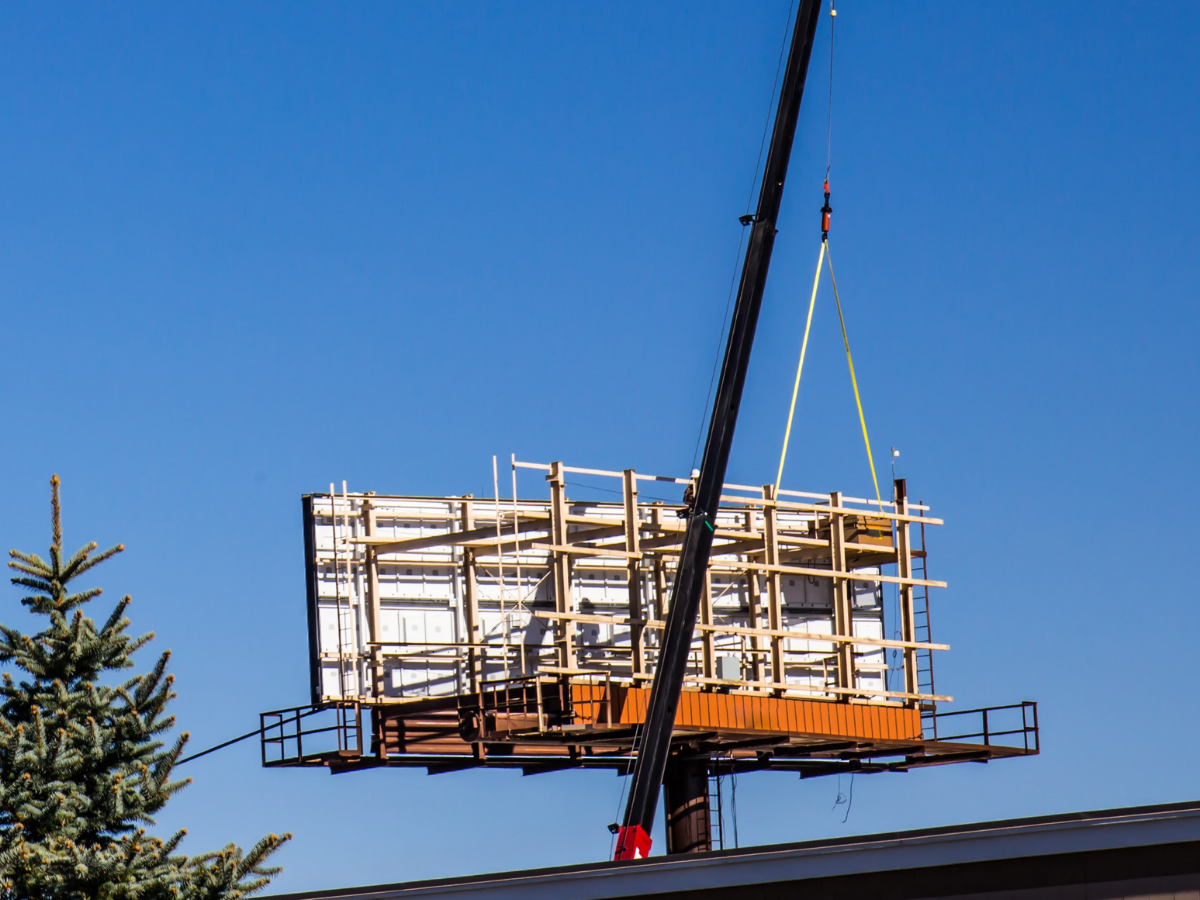
When it comes to building a billboard, size, cost, materials, and design are all important considerations. A typical billboard is twelve feet high with an upper height twenty-five feet off the ground. Billboards may be anywhere from twenty-five to forty-eight feet wide. Billboards may take the form of bulletins or poster panels. Bulletin-sized ads which we normally think of as billboards may be as large as twenty feet by sixty feet.
The cost of the bulletin board is based on size and materials. Billboard costs range anywhere from ten to twenty thousand dollars.
The most commonly used material for traditional billboards is polyvinyl chloride. Polyethylene has taken the lead in recent billboard construction because it offers an attractive recyclable option.
Some billboards use computer-aided or hand-drawn messages. Thirty-sheet poster panels measure up to twelve by twenty-five feet. These are lithographed or silk-screen-printed.
Billboards often appear for thirty days. Advertising space may be rented for only a week or two before a special event and replaced the day after the event. Billboard space may also be purchased for multi-month contracts.
Technological Influences on Billboard Design
According to business2community.com technological advances have changed billboard design. Digital out-of-home advertising now accounts for over $35 billion in revenue.
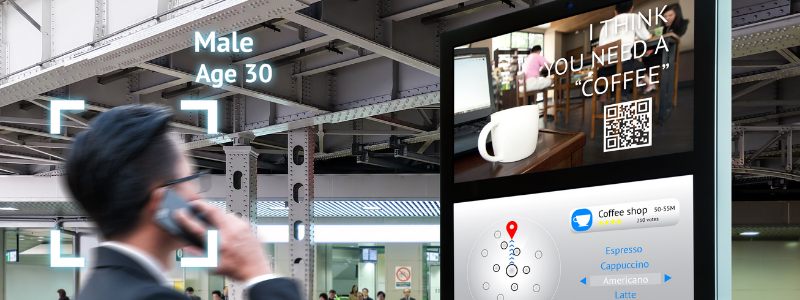
Billboard advertising is increasingly smarter. Today’s billboards may show information and react to their viewers through sensors and facial recognition software.
Modern digital ads use augmented reality and other interactive technology to increase viewer engagement.
Billboards do more than show information, Bluetooth energy beacons send information based on demographics to interact with the reader. Advertisers can tweak details to appeal to specific demographics.
Integration between billboards and mobile technology allows interaction, data sharing, and customized experiences.
Thanks to technology, advertising placement is almost limitless. Digital ads can be placed on building walls, passenger shelters, buses, taxis, trains, and inside airports.
Why Invest in Billboards?
There are many advantages to using your advertising budget to buy billboard space. Large and eye-catching, billboards target a huge, diverse market.
Even for those whose first language is not English, billboards offer important information about a product or service. The largely pictorial information has a strong visual effect.
People in America spend a significant amount of time in their cars. Billboard advertising has a captive audience. It isn’t dependent on their buying a newspaper, a magazine, or a tablet to view the product or service. Billboard advertising lets businesses reach more people faster and cheaper than any other form of marketing.
For middle and upper-class target audiences, billboards allow companies to build and strengthen their brand recognition, reputation, and product image.
Running TV and radio spot ads is very pricey. These run, at best, only a few times a day. Magazine and newspaper ads are also expensive. They cost both the business and the potential buyer and are dependent upon the customers purchasing that paper or magazine. On the other hand, the message on billboards is always working.
With other forms of advertising, potential buyers might be exposed to a brand or service just once or twice. With billboards, drivers and pedestrians have repeat exposure day after day.
A billboard’s brief message has the potential to remain in the viewer’s mind. Because it is succinct and repeated, the message is long-lasting.
How Can bMedia Group Help?
With over three hundred attention-generating locations in Puerto Rico, bMedia Group offers its valued clients a wide variety of effective billboard formats. Our skilled designers and construction staff members are masters of taking your design wants and creating effective billboards.
There is a good reason why bMedia Group has the highest consumer traffic in the area.
For more information regarding how we can increase your brand recognition contact us.
It’s a common problem among young entrepreneurs. You’ve got this great product/service, everyone should be using it – but you just can’t seem to get the word out there. However, you’re probably wondering, “where should I advertise my business?”
Don’t worry, you’re not alone. There’s no shortage of small businesses that have trouble staying afloat because they’re not advertising – or at least not advertising correctly.
Where Should I Advertise My Business?
Advertising is a huge part of running a successful business. Think of McDonald’s – how many advertisements would you say you see a day? Five? Ten?
McDonald’s – and other large, successful businesses – invest so much into advertising for a reason: it works. If it didn’t, that’s not where they would spend their money.
In fact, Statista reported that in 2019 over 240 billion dollars were spent on advertising in the United States. The previous year roughly 223 billion dollars were spent. The United States commands the largest advertising expense and revenue in the world.
But even if your budget is smaller and your company isn’t some giant conglomeration, you still need to be advertising. If no one knows your product exists, it will be hard to sell.
If you’re a smart entrepreneur, you already knew this and are working on advertising your business. Learning about how advertising works best is a great start. You can also contact trusted professionals like bMedia Group to help get started on your advertising campaign.
How, where, and through which medium you advertise will all have a giant effect on sales.
Though each type of advertising has its pros and cons, there are many forms of advertising you might want to consider, as well as location.
Let’s start with types of advertising mediums.
Types of Advertising Media
There is a large collection of ways to advertise your product – the hard part is picking the right ones. Read through this list and think about which will work best for your business.
Broadcast Advertising
By far the most easily recognizable, broadcasted advertisements reach a humungous audience. If you’ve got a TV, you’re aware of the number of commercials. Statista reported that 69.6 billion dollars were spent on television ads in North America in 2019. The number dropped slightly in 2020 due to the pandemic.
Another form of broadcast advertising is through radio ads. Though the times of the radio being the main source of entertainment and information are long gone, radio ads still have their place in the advertising world. Radio ad spending is expected to pass 18 billion dollars by 2023.
Depending on the audience you want and the product you have, broadcast advertising can be a great way to advertise – but there are some downsides.
Television commercials are generally short and often require the complete attention of the viewer. It’s also quite costly when compared to other advertising mediums and runs the risk of being too repetitive.
As for radio advertisements, the issue is that fewer and fewer people are listening to the radio.
Reasons for this include the multitude of audio options in modern vehicles, music streaming services, podcasts, and – you guessed it – the number of advertisements on radio stations.
Print Advertising
One of the oldest forms of advertisements, print advertising has been an option for entrepreneurs for centuries. In fact, one of the first print advertisements can be dated back to 1477.
The print ads back then were certainly different than what we have now – generally speaking, print advertisements are those in newspapers and magazines. Other examples include flyers and brochures.
Print advertisements have been the most popular form of advertising for some time – though that trend seems to be changing. Still, though, print ads have their place.
For example, ads in the local paper can really help drive local business. Conversely, advertisements of your product in a magazine with a specific target audience can help drive business as well.
The main issue in advertising through print is this – fewer people are reading the printed word.
Through advancements in technology, newspaper and magazine subscriptions have been in a steady decline, and it doesn’t seem as though that will change.
Online Advertising
This type of advertising has just recently exploded. As the Internet is now integral in the lives of most citizens, businesses and advertising agencies have seen the market for online ads. There are several different types of online ads, including:
Banner advertisements
E-mail marketing
Social media ads
Playable video advertisements
These are just some examples of online advertising.
The pros – it’s relatively cheap and very easy to track.
The cons – some people fear sharing their data on the Internet and people have become less susceptible to online ads.
Online advertising is a market that will continue to grow exponentially as new technological advancements come into play.
Outdoor Advertising
Outdoor advertisements are all around us. You’ll find them on bus stops, cabs, and – most notably – billboards.
The budget for outdoor advertising reached over 39 billion dollars worldwide in 2019. Though there are some that worry about the decline of out-of-home (OOH) advertisements, their efficacy still remains.
Outdoor ads are on 24/7.They are always working, always seen, help create a captive audience. They can’t be turned off by the consumer.
The Outdoor Advertising Association of America reported that people spend nearly70 percent of their day away from home. This makes outdoor advertising a great way to reach people where other ads won’t.
Take a look at some of the pros of advertising on a billboard:
OOH advertising is generally cheaper than other forms.
Billboards help drive local business – the location of the billboard is key.
Consumers can’t turn off a billboard as they can a television or radio.
Billboards don’t need any other form of action – the consumer doesn’t have to watch television or buy a magazine – the ad is always there.
The Return-On-Investment (ROI) is generally very high for billboard advertisements.
OOH advertising is a great way to showcase your business. It allows for creativity in the message, location, and appearance.
Why Should I Advertise In Puerto Rico?
For those who don’t know, Puerto Rico is an unincorporated territory of the United States.
It’s a great market to introduce your product where others likely aren’t.
There are over three million citizens living in Puerto Rico, so the market is there. With a smart, successful advertising campaign, a business could have the lion’s share of sales in Puerto Rico.
Contact bMedia group to get started on your new advertising campaign.
With COVID-19 keeping us all indoors and separated for the greater part of 2020, it was assumed that Out-of-Home Advertising (OOH) would fall short in terms of Return on Investment (ROI) for businesses everywhere. However, with vaccination programs in place, and a better understanding of safety protocols and social distancing — people are eager to return outdoors. What does that mean for OOH advertising and what trends can we expect to come from this?
What is OOH Advertising?
Out-of-home advertising refers to any type of communications medium that a consumer encounters when they are outside of their homes.
Despite the pandemic putting a screeching halt on what would’ve been a breakthrough year for out-of-home advertising, it hasn’t tampered with its longevity in being one of the most effective and popular forms of marketing.
OOH ads can communicate to the masses faster and more effectively. It also allows brands to be flexible and creative with their marketing and outreach without limits.
As the world slowly returns to “normal,” more people will be exposed to out-of-home advertisements—meaning it’s going to be a good year for OOH advertising and the businesses that take advantage of it.
Brands have the opportunity to be innovative with their approach and design when it comes to out-of-home advertising. New ideas, concepts, and advertising trends continuously emerge that engage and entertain potential customers who come across these mediums. Here are some trends we can expect from the OOH sector in 2021.
New Media Types
Today, virtually any outside space can be transformed into some sort of OOH advertisement.
We are now seeing new media types such as car wraps, murals, art installations, and digital signage emerging all around us. It’s assumed that out-of-home advertising ends with static billboards and transit posters, but that is far from the truth.
The digital shift has made out-of-home advertisements incredibly innovative.
We now see digital billboards, street furniture, light shows, and transit signage that light up metropolitan areas all around the world.
Digital-Out-of-Home advertising (DOOH), is becoming incredibly popular with some of the world’s largest companies. You can find digital ads at shopping malls, medical waiting rooms, transit hubs, and alongside major roadways and highways.
Unlike static billboards, digital signage allows for moving images and interactivity. Movement is great at grabbing the attention of passerby-ers, resulting in greater impact. Digital signage also allows for a variety of content to be displayed on the same medium, some ads are programmed to change at specific time intervals. The variety will keep viewers interested and more receptive to your ad’s message.
Geotargeting and Mobile Integration
Mobile integration paired with an out-of-home advertisement is known to bring impressive results for any business strategy. Billboards are now using geotargeting technologies that allow companies to generate data that points them to the right demographic, the right location, and the right times to display their advertisement. By targeting the right audience, there is a better chance of a conversion.
Geotargeting delivers content and advertisements to consumers based on their geographic locations. This could include geographical proximity to a mobile billboard or proximity to a store, and etc.
Analytics and data surrounding your marketing campaign ensure adequate media planning. Another benefit to geo-targeted ads is that it allows companies to track and monitor their campaign’s performance.
Interactive Brand Communication
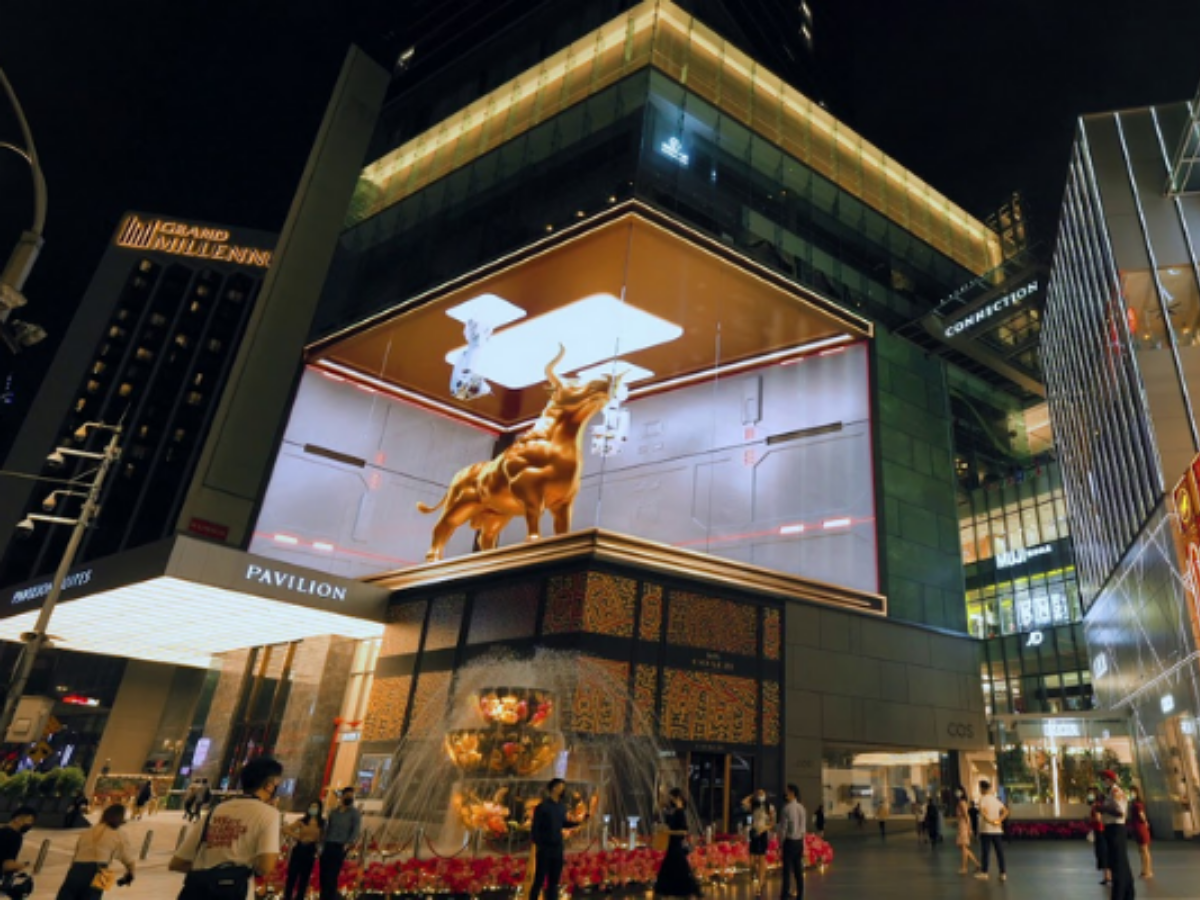
Interactive advertising can be experienced through store displays, kiosks, and digital signage everywhere. Interactive advertising encourages consumer participation, allowing them to provide feedback and become part of your ad’s dialogue.
Because these types of out-of-home advertisements are incredibly innovative, consumers are excited to engage with the ad, increasing their conversion and ROIs. These types of advertisements are eye-catching and can become an experience in itself for the consumer.
Through the use of hashtags and interactive games, the consumer becomes involved in the ad, making the branding process more compelling and effective.
Brand Storytelling
Storytelling is a way for brands to create a human connection with their audience. An advertising campaign with a capturing narrative can impact the subconscious, ultimately creating a relationship between the brand and consumer. A consumer-brand relationship is important because you want to have dedicated consumers who’ll remain loyal to your product or service.
When storytelling with OOH ads, brands can design billboards or digital displays that tell only a part of the story, leaving consumers wanting and waiting around for the next saga of your campaign. This creates excitement and hype around your campaign, which later translates into increased ROI and brand awareness.
Increased Budget and Investment for OOH Advertising
The arrival of smartphones saw companies turn more to mobile and web advertising, thinking out-of-home advertising was a thing of the past when in fact, OOH advertising has seen steady growth since 2012.
Many companies are catching on to the reliability and growth that OOH ads can bring and are increasing their budgets for this form of advertising. Out-of-home advertising represents a large portion of advertising spending. In 2017, OOH advertisements represented $29 billion across key markets globally — some of the companies spending the most on OOH advertisements include Apple, Google, and Amazon.
Additionally, major companies such as Netflix and Alibaba are investing big in outdoor ad companies as out-of-home advertising formats are becoming increasingly valuable forms of commercial real estate.
SMART Advertising
Consumers are becoming more and more tech-savvy every day, resulting in more of us relying on our smart devices more and more. There are smartphones, smart TVs, smartwatches, and beyond. It’s no question that almost every technological device is transitioning to SMART technology, and it’s the same for billboards and other outdoor signage.
We are now seeing the integration of billboards and SMART technology, known as SMART billboards, which can further increase the visibility of your brand.
Some features of SMART billboards are:
Built-in cameras and computer databases.
Analytical tools that can pull information from databases and social media to change visuals on the billboard in real-time.
Using social media apps like Instagram, Facebook, and Twitter to provide relevant content that engages the consumer.
Providing live updates on weather and traffic.
Built-in sensors to trigger ads.
Personalized content based on consumers’ reactions and activities.
High-tech LED lights and sound systems.
Ultimately, the driving factor for steady out-of-home advertising growth is its ability to keep up with change and global digitalization. This ever-evolving advertising strategy proves this “traditional” means of advertising is here to stay. If you’re seeking to maximize your marketing strategy, it’s best to include billboards and other forms of out-of-home advertising.
At bMedia, we provide our expertise to ensure your brand gets the most out of your OOH advertisement. With proper insights and strategies, bMedia can help your advert resonate and capture the attention of your targeted audience, resulting in increased revenue and visibility for your brand.












 Print Advertising
 erienced through store displays, kiosks, and digital signage everywhere. Interactive advertising encourages consumer participation, allowing them to provide feedback and become part of your ad’s dialogue.