Reach vs Frequency

Gone are the days of swing-in-the-dark-with-a-dull-blade advertising — in this modern world, marketing strategies are highly refined, surgical operations, sharpened by the power of data sciences.

By assessing vital metrics, we can accurately measure the impact a marketing strategy is likely to have or is having, allowing us to streamline our approach, reach more of our target audience, and, ultimately, stimulate growth and profit.

Yep, there’s no doubt about it – the path to success is paved with metrics, the most important of which (at least in terms of Out-of-Home advertising) are reach and frequency, two intrinsic measurements.

But these metrics aren’t just linked – they’re actually antagonistic, leaving many business owners questioning which should be prioritized to optimize the efficacy of a marketing campaign. So, in this article, we’ll be discussing what these metrics are, how they differ, and how and when you should use them to measure OOH advertising.

reach vs frequency

Reach vs Frequency: Definitions and Differences

We’ve heard both types of metrics probably quite a bit, but would you be able to explain how they differ? Understanding the difference between reach vs frequency is understanding the difference in how you measure the effectiveness of your billboards or out-of-home advertising.

What Is Reach?

Reach refers to the number of people that will potentially be exposed to an aspect of your marketing campaign at least once in a set period of time.

For example, if you pay for one of your ads to be placed on a billboard on a main road, the potential reach of that ad would be at least 1 person per car driving towards the billboard.

Reach can be measured in a number of ways, including…

  • Demographics
  • Census Data
  • Traffic Counts and Vehicle Analytics
  • Daily Effective Circulation
  • Eye Tracking

measuring reach

What Is Frequency?

Frequency, on the other hand, is how many times each person will be exposed to the same marketing aspect of a marketing strategy more than once within a given time frame.

So, borrowing our billboard example from a moment ago, if we assume that the cars driving past from Monday to Friday are commuting to work, that would mean they’re potentially exposed to your ad 5 times a week.

Frequency can be measured by…

  • Estimates —  You can get a very quick estimate of potential frequency by dividing impressions by reach.
  • Demographics
  • Census Data
  • Data Modeling
  • GPS Tracking Data

What Are Effective Reach vs Effective Frequency?

You can think of effective reach as a kind of hybrid metric that combines both standard reach and frequency measurements — Effective reach is the percentage of individuals exposed to your ads enough times that they’re likely to have taken notice.

This baseline amount of exposure is known as effective reach.

Effective reach can also be measured using…

  • Census Data
  • Data Modeling
  • GPS Tracking Data
  • Digital Statistics, e.g. Comparisons between pre- and post-campaign sales figures, online traffic, use of unique promo codes, etc.

What Are Impressions?

Whereas reach refers to how many individuals see an advertisement in a set time frame, and frequency refers to how many times an individual is exposed to an advert in a set time frame, impressions refer to how many times your ad was served.

For example, let’s say you’ve invested in a spot on a digital billboard that cycles through ads from 4 other businesses throughout the day perpetually. Your impressions metric would show the number of times your ad was displayed in a given time period.

On traditional billboards, impressions would refer to how many show your ad in a certain area. This is important as other businesses may have a more saturated presence in the area than yours, which would pull focus from your ads.

As they’re a simple count of ad servings, impressions are one of the easiest metrics to keep track of.

Wouldn’t it be great if we could just maximize both reach and frequency and be done with it? You’d be pulling in customers left and right, and, quite frankly, you wouldn’t care to learn more about either one in this article.

As we’re sure you’re aware, implementing marketing campaigns costs money, and you’ll be splitting your budget between the campaign’s reach and frequency.

If you pump more capital into one, then you have less to allocate to the other. In the world of OOH marketing, finding the right balance between reach and frequency is critical to effective billboard advertising.

Reach vs Frequency: Which Should You Prioritize?

It’s common for businesses to prioritize reach over frequency, as they think the more people that see the ad the better, but this is commonly overlooked in marketing.

While it’s true that you want lots of people to see your advertisement, in the absence of frequency, reach can be a complete waste of money.

Modern life is incredibly cutthroat and fast-paced, and people’s attentions are constantly split between a number of things. To claim some valuable real estate in someone’s mind, you need them to see your ad multiple times — you need to establish an effective frequency!

Effective frequency usually sits around the 3+ exposures mark, and once you have that on lock, you can utilize the effective reach metric and gain a more accurate picture of how your campaign is panning out.

Prioritizing frequency at the expense of reach can also be a critical error, as your ad simply won’t engage with enough members of your target audience. The trick is to learn when it’s strategic to back one metric horse over the other, so to speak.

When Should You Prioritize Reach?

Reach is most important when you’re introducing a new product or service.

Statistically speaking, reach works best when introducing something new to the public. So if you’ve got something fresh to contribute to established markets or, better yet, something groundbreaking to offer in emerging markets, reach should get the lion’s share of your budget.

Reach is most important with an established brand advertising seasonal promotions.

If your brand is already a household name in the area, and you want to entice people with a seasonal sale of some kind, you don’t need to worry so much about frequency, as this foreknowledge of your company does a lot of the heavy lifting.

Reach is most important when there is a lack of competition.

The more saturated a space is with the marketing campaigns of competing businesses, the more you need to lean into frequency and bolster impressions to draw attention, but if the area is largely uncontested, you can win the attention war with a reach-laden campaign.

measuring reach vs frequency

When Should You Prioritize Frequency?

Frequency is most important when establishing your brand.

When you’re trying to break your brand name into the public consciousness, whether locally or nationally, repetition is your best friend, so it’s important to shift a certain amount of your budget over to frequency and impressions.

Frequency is most important when establishing trust.

If your campaigns are executed artfully, with just the right amount of repeat exposure, you can inspire feelings of comfort and familiarity in your audience, thereby establishing trust. Without investing in frequency, this trust will not develop in the mind of your target audience.

Frequency is the most important when there is a wealth of competition.

We’ve all been in a situation where two or more people are trying to speak to us at the same time.

How much of this tangled talk do you actually hear and comprehend?

None of it, right?

Unless, that is, one of the voices is shouting.

The same is true of OOH advertising.

In a heavily contested zone, your brand needs to rise above the rest and dominate the scene. It needs to stand up and shout (visually speaking), and the way to imbue your ads with a voice is maximizing frequency and impressions — it’s like giving them a microphone!

Advertising Metrics Can Change

The above suggestions aren’t exactly golden rules, as there are a number of variables to consider before maximizing one metric over the other. Nothing is set in stone.

Every marketing strategy has its own flavor, its own nuances, and creative approach, and no impression is exactly analogous to another. As such, there is no standard format for implementing and monitoring campaigns.

We know this can sound pretty daunting, but you’re not in this alone!

bMedia and Advertising Metrics

Here at bMedia, we don’t just provide you the physical space to exhibit your OOH advertisements; our dedicated team of marketing experts help you build your campaign from the ground up to suit your goals.

As a business owner, it’s important to understand the synergy between reach vs frequency and impressions, but if you’re not quite sure how to optimize metric balance, we’ll ease the burden with sound advice on measuring advertising effectiveness.

Our OOH advertising network spans the entire nation of Puerto Rico, so you can rest assured we have the sites available to maximize any metric in almost any location.

We can help you start telling your story, but more importantly, we can guarantee people see it!
What is the Best Type of Advertising?

Advertising indefinitely surrounds us everywhere – it’s on our mobile phones, the radio, park benches, the television, and beyond. Companies now have endless channels to reach target consumers, the next step is determining which type of advertising is best for your business. So, what is the best type of advertising?

To properly determine which advertising route your brand should go with, businesses need to decide where they’ll be able to reach a large number of their target audience, what the costs are for each platform, and how to reach consumers at every sales level. 

Advertising in the digital age is an innovative and creative way for companies to reach large audiences. However, ‘traditional’ advertising mediums, such as billboards also prove to be effective in increasing sales and brand awareness.

types of advertising

Out-of-Home Advertising (OOH)

Billboards have been around since the birth of advertising. This well-established form of advertising works 24/7 and its effectiveness remains unquestioned. Although some might consider this traditional form of advertising as ‘old school’, billboard advertising continues to creatively thrive amidst the global digital shift.

Billboard advertising is doing particularly well in keeping up with technological advancements and rapid urbanization. Billboards now showcase digital signage and 3-D images – doing a better job at capturing the consumer’s attention in high traffic areas. Because billboards are located in busier areas, they gather the highest number of reactions which result in a proven high return on investment (ROI) for businesses.

There are also endless billboard opportunities for brands and businesses. The USA alone has between 425,000 and 450,000 billboards spread throughout the country. Businesses can choose to place a billboard in a specific location that better serves their niche market and gives them access to a large percentage of their target audience.

Additionally, billboards and other types of OOH advertising can cost-effectively result in higher brand recognition and exposure. The broad reach, sheer visibility, and creative impact of OOH advertising can provide results in large-scale growth for companies.

Other types of OOH advertising Include:

  • Transit Advertising
  • Street Furniture
  • Interactive Signage
  • Posters
  • Stunt Advertising

social media advertising

Social Media Advertising

Social media advertising is an obvious route for any brand or business. Social media is being used by everyone, and constantly. Social media marketing strategies use major social platforms such as Instagram, Twitter, Facebook, LinkedIn, Youtube, Snapchat, and even Tik Tok to connect your brand with an audience. This can help build your brand, increase sales and boost website traffic. 

Another benefit of social media advertising is that it’s a cost-effective way to build brand recognition. However, this type of advertising doesn’t just end at running an ad online. It involves consistently and strategically publishing compelling content, engaging with followers, and analyzing trends.

paid search advertising

Pay-Per-Click Advertising

Pay-per-click or PPC advertising is a type of online advertising structure where advertisers pay each time users click on one of their online ads. This advertising model allows for the businesses running ads to be charged only when someone clicks on their link or ad.

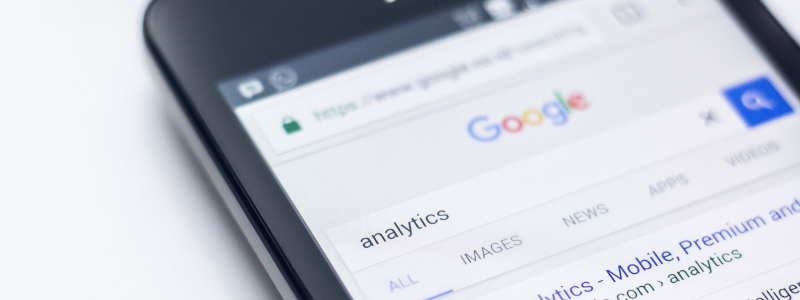
A common type of PPC is the paid search ad. These are the ads that appear when people use online search engines like Google to help them make purchases. For ads to appear on the Search Engine Results Page or SERP, they are subjected to an automated process used by Google and other major search engines called Ad Auction. This software helps determine if an advertisement is relevant and trustworthy to the user’s search.

Other types of PPC include display advertising through banner ads and remarketing.

mobile advertising

Mobile Advertising

A well-placed mobile advertisement will give a business a reach up to half the world’s population at any given time. People always have their phones on hand which is why mobile advertising has become a billion-dollar industry. This advertising route can reach people in real-time and creates data that can be instantly tracked, giving your company insights and metrics to specific advertising campaigns.

Although mobile advertising is innovative and efficient, it can interrupt the consumer’s mobile experience, resulting in some frustration. According to a report by HubSpot, 70% of people who use cellphones dislike receiving mobile advertising.

Companies considering mobile advertising campaigns must analyze their target demographic, their specific wants and needs, and determine if carrier costs are worth the investment. 

Print Advertising

Similar to billboard advertising, one might assume print advertising isn’t as effective as other digital advertising routes.

However, this is simply false.

The print and publishing industry is continuing to thrive amidst the global digital transformation.

Print advertisements are known to leverage credibility through the ‘halo effect’. Brands that strategically place ads in respected publications are viewed as trustworthy because the reader already has a trust associated with the publication itself.

If your brand is seen as reliable, it can quickly generate leads and increase revenue for your business. 

Broadcast Advertising

Television ads are the most prevalent advertising platforms in America. Despite switching to subscription services such as Netflix, fifty-nine percent of American adults still turn to cable broadcast channels for their primary TV consumption.

This advertising medium continues to win audiences across the globe, there’s a reason why we still love and look forward to Superbowl commercials every year. Concise and memorable commercials leave a lasting impression on the consumer’s mind. A good commercial can result in an emotional response from the viewer — whether it’s shock, laughter, or sadness, the emotional factor can help your message sink in more effectively.

Despite its effectiveness in capturing an audience, TV advertising can be costly as they are the most expensive to produce. From creating content to airing the commercial, the costs can quickly add up.

Time is also a factor to consider when choosing broadcast advertising as production may result in longer hours.

print advertising

Direct Mail Advertising

Direct mail gets noticed, opened, and read. It is also more tangible and personal, which can be beneficial for your marketing strategy. Through direct mail advertising, companies can also target and personalize their marketing message to increase their effectiveness. A recipient is more likely to open mail personally addressed to them.

Direct mail results in better response rates, increased visibility, and creative opportunities. It is also a familiar form of advertising for consumers and can build trust for less tech-savvy recipients.

Knowing the pros and cons of each advertising platform will result in the best and most cost-effective decision for your business. bMedia Group is here to support you in choosing the most suitable form of advertising for your company. Together, we can increase brand growth and reach unlimited success.

Don’t hesitate to contact bMedia Group for more information on the right type of advertising for your business. 

Best Super Bowl Advertisements

They are, on average, thirty seconds long. But every year, companies vie for those coveted spots. Over time, the cost of a Super Bowl advertisement has skyrocketed.

In 2018, businesses paid $5 million for a thirty-second ad. In 2020, AdAge.com pegged the cost of a single Super Bowl ad at $5.6 million.

Why are they prepared to shell out this money? Over a hundred and eleven million Americans watched the big game in 2018. The year was not unique. The Super Bowl represents 19 of the 20 most-watched TV broadcasts in American viewing history.

best super bowl advertisements

Do Super Bowl viewers even watch the ads?

Although DVR has made it possible to flash by ads, most fans watch the Super Bowl live. With live TV, most game watchers use commercial breaks to load up on Super Bowl snacks. However, according to an SI Wire survey almost 18% tune in to the glitzy advertisements.

It’s also been proven that Super Bowl commercials are viewed and shared via YouTube for quite some time after the actual game.

Super Bowl ads are a unique form of entertainment.

While most businesses cannot afford Super Bowl ads, they can learn valuable marketing lessons from the best super bowl advertisements.

What Makes the Best Super Bowl Advertisements?

According to Dan Grange of the Los Angeles ad agency Oxford Road’s seventy-one-measurement scoring system, several components must be assessed. These include things like:

  • Commercial set-up
  • Theme
  • Moral
  • Proposition
  • Intent
  • Positioning
  • Execution.

Forbes magazine notes Super Bowl broadcasting is the time when businesses get the most extensive viewership. Compare other highly-watched events like game seven of the World Series where commercials cost half a million and the 2016 Oscars where advertisements could be bought for $2 million.

A cardinal rule of a Super Bowl ad is that it convinces viewers to buy their product or increases brand recognition. Other traits that make an ad effective are its entertainment value and its likeability.

The Most Memorable Super Bowl Ads

In 2011, Chrysler paid $12.4 million for an advertisement that saw famed rapper Eminem driving a Chrysler 200 around Detroit. This ad is the most expensive in Super Bowl history. However, it increased the brand of the automobile manufacturer and the city of Detroit. Car sales grew by half and the Motor City became a renewed tourist destination.

Other memorable ads include Budweiser’s “Joust” commercial featuring Bud Knight and his medieval royal subjects who shout, “Dilly Dilly” when offered beer.

Microsoft’s “We All Win” highlights the story of their efforts to help mobility challenged individuals by launching an adaptive video game controller. The ad that shows the challenged children using Microsoft’s new adaptive video game controller gets high marks for both emotion and civic responsibility. The ad encourages clients to buy from a company that proves it cares about its customers.

Awards go to the Tide ad of 2018. The storyline has nothing to do with the detergent. However, the actors sport very clean clothes. At the end of the plot, the voice-over says, “It’s just another Tide Ad.”

Newcastle, a popular beer, launched a call to encourage brands to pool resources for one big ad. It tells the tale of a couple celebrating their new home with Newcastle beer. Their walk through the new house features other brand logos among paintings and family photos. Featured in their unpacking are appliances and entertainment devices.

The 2010 ad, “Keep Your Hands off My Doritos” tells the funny story of a narcissistic man meeting his new girlfriend’s son. The kid warns his mother’s suitor: “Keep your hands off of my momma. Keep your hands off of my Doritos!” The ad is hilarious and relatable. The catchphrase is repeatable.

In 1999, Budweiser’s award-winning commercial focuses on a man answering the phone while watching a big game. His friend asks, “Wassup?” The man responds, “Nothing. Just watchin’ the game and drinkin’ a Bud.” The man’s roommate walks in and yells, “WASSSSUPPPPP?” The phrase echoed among game-watching beer drinkers for a decade.

Pepsi’s 1996 commercial to the tune of Hank Williams’ “Your Cheatin’ Heart” depicts a Coke delivery guy helping himself to a Pepsi. The moral: Even Coca-Cola employees love Pepsi.

Apple’s 1984 ad pays tribute to Orwell’s 1984. Men are marching in straight lines. On a giant screen, the leader tells them, “We are one people, with one whim, one resolve, and one cause.” A woman wearing bright clothing and wielding a hammer explodes the screen. The ad concludes with an announcement of the Macintosh computer. The ad is a tip of the hat to Apple’s innovative ideas.

Apple’s ability to think outside the box is mirrored in Volvo’s 2015 Super Bowl ad that one-upped its competitor by giving away a car.

One of our all-time favorites is Coca Cola’s 1971 ad that features Italian hills as the backdrop of the young adults from several countries singing, “I’d Like to Buy the World a Coke.” The ad demonstrated the relatability of millions of people around the globe who enjoy Coca-Cola. The ad embraces both diversity and world peace.

Slated to be a crowd-pleaser in the 2021 Super Bowl, the Doritos ad features Old Town Road rapper Lil Nas X.

super bowl commercials

How Can Your Company Create a Memorable Advertisement?

If you check out the best Super Bowl advertisements through the decades, you will discover that they have some common features.

These advertisements tug at your heartstrings. They leave you feeling happy, sad, proud, optimistic, or hopeful. Their storylines build a lasting emotion. They make you laugh or cry. They create nostalgia.

Some of the most memorable ads acknowledged popular literature, music, or culture. Their story weaves through the life and times of America. Using the most effective technology available at the time, memorable ads help viewers relate to what is going on in the world around them.

The ads with the most appeal are ones to which viewers can relate. People celebrate family occasions. Children conquer a handicap. A boy protects his mom. People reach out to their aging relatives. Viewers know what it feels like to walk in their shoes.

We can’t all afford multimillion-dollar ads.

However, the best Super Bowl advertisements have valuable lessons.

Whether you choose to build brand recognition through TV ads, radio spots, magazine ads, or outdoor advertising, you can learn effective marketing strategies from Super Bowl ads.