Subconscious Advertising

Billboard advertising has long been a staple of marketing campaigns across a variety of industries. From promoting products to increasing brand awareness, billboards have proven to be an effective way to reach a broad audience. However, while many people believe that billboard advertising only works on a conscious level, there is a growing body of evidence that suggests that subconscious advertising is just as effective, if not more so.

In this blog post, we will explore the different techniques used in subconscious advertising in billboard marketing, the reasons why it is so effective, and the impact it has on consumers.

subconscious study

What is Subconscious Advertising?

Subconscious advertising is a marketing technique that relies on appealing to the subconscious mind of the consumer.

This type of advertising targets the parts of the brain that are responsible for decision-making, emotion, and memory. By using visual cues and other stimuli, subconscious advertising can influence a person’s behavior and decision-making without them even realizing it.

One of the key ways that subconscious advertising works is through the use of cognitive priming.

Priming is a psychological concept that refers to the process of influencing a person’s behavior by exposing them to certain stimuli. 

In the case of subconscious advertising, the stimuli are often visual cues, such as colors, symbols, or images. These stimuli can trigger certain associations or emotions in the subconscious mind of the consumer, which can then influence their behavior.

For example, a billboard advertising a luxury car might use images of a sleek, shiny car and a well-dressed model standing next to it.

The use of these visual cues can trigger associations with wealth, success, and status in the subconscious mind of the viewer, which can then influence their desire to purchase the car.

Another way that subconscious advertising works is through emotional appeals. 

Emotions play a powerful role in decision-making, and advertisers often use emotional appeals to trigger certain feelings or associations in the minds of consumers.

For example, a billboard advertising a soft drink might use bright, vibrant colors and images of happy, carefree people enjoying the drink.

The use of these visual cues can trigger positive emotions like happiness and joy in the subconscious mind of the viewer, which can then influence their desire to purchase the product.

Examples of Subconscious Advertising

There are many examples of successful subconscious advertising campaigns in billboard marketing. One such campaign was the “Think Different” campaign by Apple in the late 1990s. The campaign featured black-and-white images of famous historical figures like Albert Einstein and Mahatma Gandhi, along with the tagline “Think Different.”

The campaign was designed to associate Apple with innovation and creativity, and the use of historical figures helped to establish a sense of authority and credibility.

Another successful subconscious advertising campaign was the “Share a Coke” campaign by Coca-Cola in 2011. The campaign featured personalized Coca-Cola bottles with the names of various individuals printed on them. The campaign was designed to encourage people to share the drink with others and to associate Coca-Cola with positive emotions like friendship and connection.

subconscious advertising with balloons

Subconscious Advertising in Billboard Marketing

There are several techniques used in subconscious advertising in billboard marketing. These techniques are effective in grabbing a viewer’s attention and creating a subconscious association with the product or service being advertised.

Colors

One of the most common techniques is the use of color psychology. Colors have a powerful effect on the subconscious mind, and advertisers often use specific colors to evoke certain emotions or associations in the minds of consumers.

For example, the color red is often used in advertising to create a sense of urgency or excitement. This is why many fast-food chains use red in their branding and advertising. Blue, on the other hand, is often associated with calmness and trust, which is why many financial institutions use blue in their branding and advertising.

Repetition

Another common technique used in subconscious advertising is repetition.

Repetition can help to reinforce certain associations or messages in the minds of consumers.

For example, a billboard advertising a new product might feature the same product image or slogan repeatedly, which can help to build brand recognition and familiarity over time.

Symbolism

Symbolism is another powerful tool used in subconscious advertising.

Symbols can trigger associations or emotions in the subconscious mind of the consumer, even if they are not consciously aware of it.

For example, the Nike swoosh symbol is widely recognized as a symbol of athleticism and determination, and the symbol alone can evoke these emotions in the minds of viewers.

Association

Subconscious association in advertising refers to the practice of creating a positive association between a product or service and certain emotions, values, or experiences that the advertiser believes will resonate with the target audience.

By doing so, the advertiser aims to create a subtle, subconscious connection between the product or service and the desired emotions or experiences in the viewer’s mind, even if the viewer is not consciously aware of it.

Impact of Subconscious Advertising on Consumers

While subconscious advertising can be an effective tool for marketers, it also raises ethical concerns.

Many people argue that consumers should be able to make informed decisions based on rational thinking and not be manipulated by subconscious cues or emotions.

However, it is also important to acknowledge the impact that subconscious advertising can have on consumer behavior and decision-making. Studies have shown that subconscious advertising can influence everything from product preferences to political beliefs.

Consumers can protect themselves from the influence of subconscious advertising by becoming more aware of the techniques used in advertising and by being mindful of their own emotional responses. By paying attention to the visual cues and messaging in advertising, consumers can make more informed decisions about the products they buy and the brands they support.

Subconscious advertising in billboard marketing can be a powerful tool to can influence consumers in ways they may not even realize. By understanding the techniques used in subconscious advertising and the impact it can have on consumers, individuals can make more informed decisions about the products they buy and the marketing they are exposed to.

As consumers, it is important to be aware of the tactics used in advertising and to be mindful of our own emotional responses in order to make rational and informed decisions.
advertising word cloud

bMedia: The Experts in Advertising

bMedia Group is a renowned advertising company that has established itself as a leader in the advertising industry. We offer a wide range of advertising solutions to our clients, ranging from traditional to digital advertising.

One of the key reasons why bMedia is considered a leader in advertising is our expertise in creating highly-targeted and effective advertising campaigns. The company has a deep understanding of consumer behavior and uses this knowledge to create advertising campaigns that resonate with the target audience. This approach has led to the creation of highly successful campaigns for a range of clients across different industries.

In addition to our expertise in creating effective advertising campaigns, bMedia also has a strong focus on innovation. We are constantly exploring new technologies and advertising platforms to ensure that our clients stay ahead of the curve. This approach has led to the development of innovative advertising solutions, such as augmented reality advertising and programmatic advertising.

When it comes to ways to advertise, bMedia Group offers a wide range of options to our clients. Some of the traditional advertising options include billboards, bus shelters, and transit advertising. These options are highly effective for creating brand awareness and reaching a large audience.

Contact us today to amplify your brand and message.

Street Advertising

Today’s world of technology has made avoiding advertisements very easy. With DVRS and personal music devices, the old ways of reaching an audience through advertisements are changing. When marketing in the current media climate, you’ve got to present your advertisements in creative, out-of-the-box ways.

The good news: street advertising is a great way to reach your audience and has a great success story.

Did you know that at least 68% of consumers make purchasing decisions while in a car?

Street advertising will help you capitalize on reaching your ever-moving customer base.

Let’s dive into this and what it can do for your business.

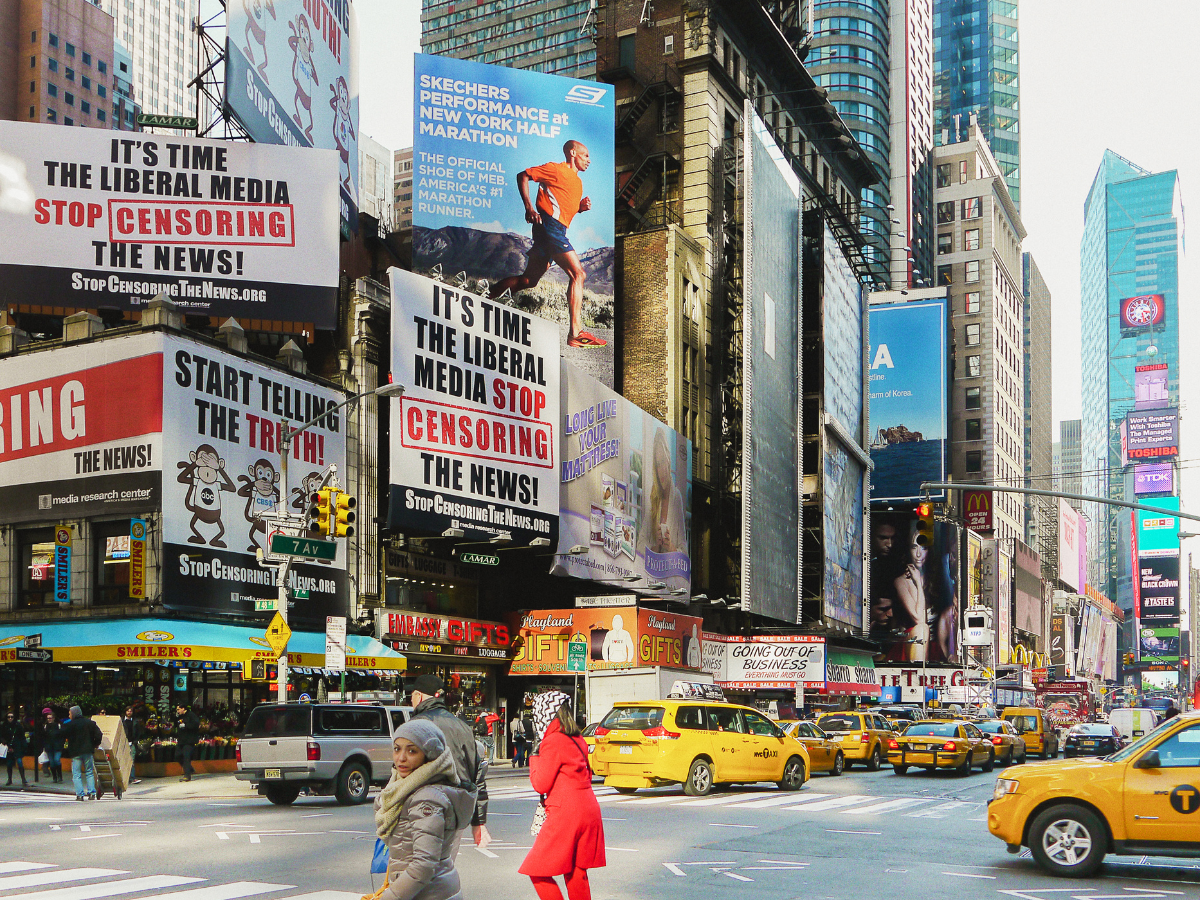
crowded streets and street advertising

What is Street Advertising?

Street advertising refers to the practice of using outdoor advertising methods such as billboards, posters, stickers, and murals to promote products, services, or events.

This type of advertising takes many forms; from large-scale billboards to posters and stickers.

These kinds of ads are typically placed in high-traffic areas: intersections, busy streets, and public transportation areas. They can also target specific demographics.

Believe it or not, street advertising has been around for centuries.

Examples of street advertising can even be dated back to ancient Rome and the middle ages.

These messages were carved into stone and plastered on walls to promote events and public announcements. Signs were painted on the fronts of buildings to indicate the type of business being conducted inside.

In recent years, street advertising has experienced a resurgence.

Many businesses are looking for ways to reach their customers in an incredibly jumbled and cluttered media landscape.

Modern street advertising takes many forms, from traditional billboards and posters to more innovative approaches like guerrilla marketing, which relies on unconventional and often eye-catching tactics to grab people’s attention.

Advantages of Street Advertising

There are a lot of reasons why you should consider using street advertising or outdoor advertising.

One of the main advantages is that it has the potential to reach a large and diverse audience.

Street advertising can be strategically placed in high-traffic areas, such as busy streets or public transportation hubs, where it can be seen by a large number of people. This makes it an effective way to raise awareness about a brand, product, or service.

Another advantage of street advertising is its flexibility. It can be created in a variety of formats and sizes, from billboards to posters to street art, allowing for creativity and customization.

Cost-Effectiveness

Street advertising can be a cost-effective way to reach potential customers, especially compared to other forms of advertising such as television or radio ads.

Wide in Reach

Street advertising can reach a large number of people, especially in high-traffic areas. This allows businesses to promote their products or services to a wider audience.

Targets Your Audience

Street advertising can be targeted to specific neighborhoods or demographics, allowing businesses to reach the right audience with their message.

Shows Business Creativity

Street advertising offers advertisers a great deal of creative freedom, allowing them to use eye-catching graphics and slogans to capture people’s attention.

Brand Amplification

Street advertising can help build brand awareness and recognition, as people see the same message repeatedly over time.

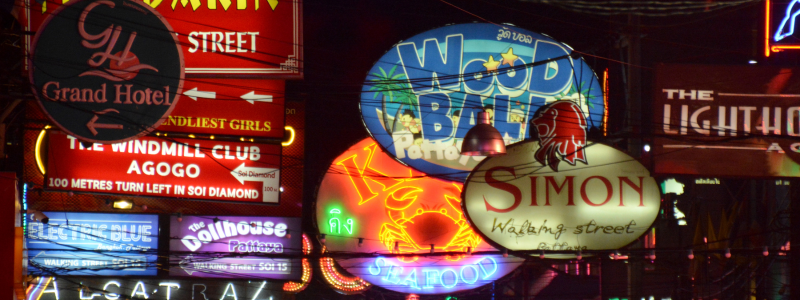
street advertising thailand

Examples of Street Advertising

These are just a few examples of some of the successful campaigns over the past couple of decades.

Each of these campaigns used a combination of bold visuals, catchy slogans, and clever marketing strategies to capture people’s attention and build brand awareness.

  • Apple’s iPod Silhouette Ads:
    • The silhouette ads were featured against brightly colored backgrounds. These were successful in the early 2000s. The ads helped to boost sales of the popular music player and helped to establish the iPod as a cultural icon.
  • Nike’s “Just Do It” Campaign:
    • The campaign launched in 1988, is one of the most successful advertising campaigns of all time. The campaign featured bold, simple slogans and striking images of athletes in action, and helped to establish Nike as a leading brand in the athletic footwear market.
  • McDonald’s Billboards:
    • McDonald’s has had lots of success over the years with its billboard ads. These billboards have featured iconic imagery such as the Golden Arches and slogans like, “I’m Lovin’ It.” These ads have helped to establish McDonald’s as one of the most recognizable brands in the world.
  • Coca-Cola’s “Share a Coke” Campaign:
    • This Coca-Cola campaign was launched in 2011. It featured cans/bottles of Coke with people’s names printed on them. The campaign was a huge hit on social media, with people sharing photos of their personalized Coke bottles and cans.
  • Red Bull’s “Gives You Wings” Campaign:
    • Red Bull’s campaign launched in 1997 and featured extreme sports and other high-energy activities. This helped to establish Red Bull as a leading brand in the energy drink market.

Innovations in Street Advertising

These are just a few examples of the many innovations. As technology continues to evolve, we can expect to see even more exciting and creative approaches to outdoor advertising in the years to come.

  1. Digital Billboards: Digital billboards are becoming increasingly popular, allowing advertisers to display multiple ads on the same billboard and to update the content quickly and easily.
  2. Augmented Reality (AR): AR technology allows advertisers to create smart billboards – interactive and immersive experiences for consumers. For example, an ad might use AR to superimpose a virtual image over a real-world location, creating a unique and memorable experience for viewers.
  3. Guerilla Marketing: Guerilla marketing is a type of street advertising that uses unconventional and often unexpected tactics to grab people’s attention. Examples might include using chalk art on the sidewalk or placing a statue in a public space.
  4. 3-D Printing: 3-D printing technology is allowing advertisers to create unique and innovative billboards and installations that would have been impossible in the past. For example, a billboard might feature a 3D sculpture or structure that extends out from the surface of the billboard.

Street Advertising Cost vs. Other Advertising Methods

Like everything, the cost-effectiveness of street advertising will depend on different factors including the location, format, and duration of the campaign.

  • Allows Targeted Advertising: Street advertising can be targeted to specific neighborhoods or demographics, allowing businesses to reach the right audience with their message. This can help to ensure that advertising dollars are being spent effectively.
  • Lower Cost Per Impression: Street advertising can often be more cost-effective than other forms of advertising when you consider the cost per impression (the number of people who see the ad). For example, a billboard might cost a few thousand dollars per month, but it can generate hundreds of thousands of impressions during that time.
  • Has Flexibility: Street advertising can be adapted to different sizes and formats, allowing businesses to choose the most effective approach for their needs. For example, a business might start with a small-scale street art campaign and then scale up to a larger billboard campaign as the business grows.
  • Has Longevity: Street advertising can often have a longer lifespan than other forms of advertising, such as television or radio ads, which have a limited shelf life. Street ads can remain in place for months or even years, generating ongoing exposure for the business.
  • Has Buzz: Street advertising can also generate social media buzz and word-of-mouth marketing, amplifying the impact of the campaign and increasing the return on investment.

Ways of Creating An Effective Street Advertising Campaign

So you’re looking to create a street advertising campaign? Here are some things to consider. Remember, bMedia can always help with the creative process. Check out these best practices.

Define Your Business Objectives

What do you and your business want out of the campaign? Do you want to raise awareness of your brand, promote a new product, or drive sales? Knowing your objectives will help you to create a campaign that is focused and effective.

Know Your Audience

Understand your target audience and what motivates them exactly. What are their needs, interests, or desires? By using this information, you can craft a message that will really resonate with them.

Show Some Creativity

It’s all about standing out from the crowd, so be creative with your message and design. Use bold, eye-catching visuals and messages that are memorable and engaging.

Use the Right Medium

Choose the right medium for your message.

Different types of street advertising are better suited for different objectives and target audiences. Consider using a combination of mediums to maximize your impact.

Be Strategic with Placement

Placement is key here.

Choose locations that will generate high foot traffic and exposure to your target audience. You can also consider partnering with other businesses or organizations to leverage their customer base and increase exposure.

Measure The Results

Track key metrics such as foot traffic, social media engagement, and sales to determine the impact of your campaign and make adjustments as needed.

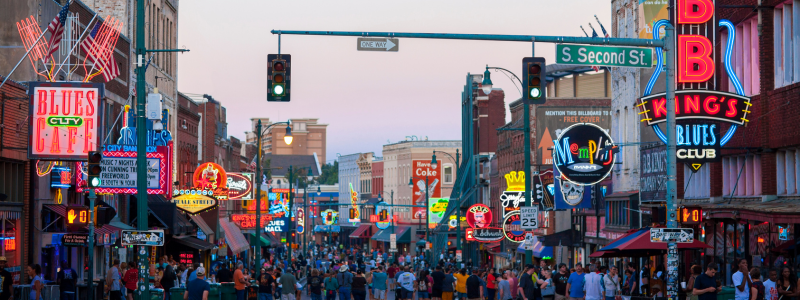
street advertising memphis

The Future of Street Advertising and Its Potential

The potential for street advertising is enormous. With the right approach, advertisers can create campaigns that are engaging, effective, and targeted. As technology continues to evolve, the possibilities for street advertising are limitless.

The future of street advertising is likely to be shaped by technological advancements and changing consumer behavior. Here are some potential trends to watch for:

  • Greater Use of Augmented Reality: Augmented reality (AR) is likely to play an increasingly important role in street advertising. AR technology can create immersive and interactive experiences for consumers, enhancing the impact of the campaign.
  • Increased Use of AI: As AI continues to evolve, street advertising campaigns will become more targeted and personalized. Advertisers will be able to use real-time data to optimize their campaigns and reach the right audience at the right time.
  • More Sustainable and Eco-Friendly Ads: As sustainability becomes a bigger concern, campaigns will become more eco-friendly. Advertisers will look for ways to minimize waste and reduce the environmental impact of their campaigns.
  • Integration with Smart Cities: As cities become smarter and more connected, street advertising will be integrated into the urban infrastructure. Advertisers will be able to leverage data from smart devices and sensors to deliver more targeted and effective campaigns.

How bMedia Can Help You In Your Street Advertising Endeavors

As a leading media business in Puerto Rico, bMedia has a mission to provide you with the best services for your street advertisements. We want to set your brand image in stone and ultimately, increase your business’s sales.

bMedia Group will provide you with innovation and quality as our strategists work hand-in-hand with you and your business through measurable and effective business solutions.