
How to Increase Brand Awareness?

In the dynamic realm of business, one of the foremost challenges companies face is expanding their brand’s reach and recognition. “How to Increase Brand Awareness?” is a question that continuously reverberates in boardrooms and marketing departments alike.

In this enlightening article, we will delve into the art and science of enhancing brand visibility. By uncovering effective strategies, innovative techniques, and case studies of successful brand awareness campaigns, we aim to equip you with the knowledge and tools needed to chart a course toward a more prominent and influential brand presence.

Whether you’re a fledgling startup or a seasoned enterprise, this guide will be your compass to navigate the journey of brand elevation.

importance of brand awareness

What is Brand Awareness?

Brand Awareness is dependent on the consumer’s ability to recollect and recognize a brand and associate it with a particular product or service. It is a term used to describe how aware people are of your brand and what it has to offer.

There are three levels of brand awareness:

  1. Recognition of your name
  2. Familiarity with your products/services
  3. Understanding of your brand characteristics (logo, messaging, etc.)

Understanding Brand Awareness

In the ever-evolving landscape of marketing and business, a firm grasp of brand awareness is paramount. But before diving into strategies and techniques, it’s crucial to comprehend the concept itself. So, what is brand awareness, and why is it a pivotal factor in your brand’s success?

Defining Brand Awareness:

At its core, brand awareness refers to the degree to which your target audience recognizes and remembers your brand. It’s not just about having a logo or a catchy slogan; it’s about becoming a familiar presence in the minds of consumers. When people can easily identify your brand and associate it with certain qualities or products, you’ve achieved a high level of brand awareness.

The Significance of Brand Awareness:

Brand awareness isn’t merely a vanity metric; it holds immense significance for businesses. It serves as the foundation upon which brand loyalty, customer trust, and long-term success are built. When consumers are familiar with your brand, they are more likely to choose your products or services over competitors, even if they’re presented with other options.

Psychology of Consumer Recognition:

Understanding the psychology behind brand recognition is crucial. Humans are naturally drawn to the familiar and tend to trust what they know. A strong brand presence can create a sense of comfort and reliability, making consumers more inclined to engage with your brand and make purchase decisions.

Importance of Brand Awareness

Brand awareness familiarizes the public with a product and differentiates it from competing brands. Businesses that maintain high levels of brand awareness are likely to generate more revenue because consumers are more likely to buy familiar brand names compared to unknown ones. 59% of customers prefer to buy from brands they already know about.

Brand awareness leads to trust, meaning the more recognition our brand has, the more successful your brand or business will be. It is the foundation of acquiring a customer audience and helping them understand and become comfortable with your products and services — increasing your brand equity.

Ways to Build Brand Awareness

Developing a strategic brand awareness campaign will help familiarize consumers with your brand and product offering. The main goal is to increase knowledge within the target audience but a good campaign will also communicate attributes that differentiate you from your competitors.

Here are some ways to increase brand awareness:

Give your brand a voice

Give your brand a personality and use it to identify with your target audience. Having a distinct tone and voice will help your advertisements stick in the mind of consumers. Be mindful of the words you use. A great example is a slogan, which can help make you easily recognizable or a smart combination of colors that are both memorable and eye-catching.

Take advantage of outdoor advertising

Out-of-home advertising, or OOH, is a great way to put your brand out there. Billboards are a traditional method of advertising, but there’s a reason they’ve been around for so long. They work! Billboards placed strategically in high-traffic areas will expose your brand to thousands of people each day. Unlike commercials or digital ads, they’re there 24 hours a day, exposing your brand to anyone who passes by.

There are many ways to use billboards to increase brand awareness. If enough people see your branding on billboards, the more they will be able to recognize and identify elements of your brand identity such as logo and color scheme. This is also known as brand recognition.

Billboards aren’t just giant static images anymore. We now see innovative billboard features such as QR codes that direct to landing pages. Additionally, smart and captivating messaging can garner social media hype, while smart billboards use both augmented reality (AR) and artificial intelligence (AI) to change and optimize the consumer experience. There’s no doubt you can maximize brand awareness by using billboards.

measuring brand awareness

Common Grammar Mistakes in Advertising

One key aspect of building brand awareness is ensuring that your advertising efforts are professional and error-free. This includes avoiding common grammar mistakes that can undermine your credibility and the effectiveness of your ads. Here are some of the most frequent grammar errors found in advertising and tips to avoid them:

Misplaced Apostrophes

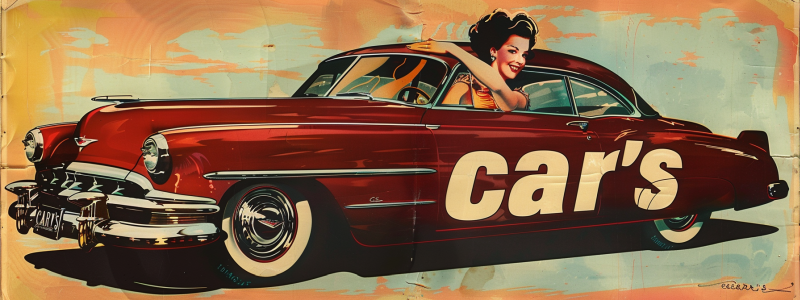
One of the most common mistakes is the misuse of apostrophes. Apostrophes are used to indicate possession or contractions, but they are often incorrectly used to form plurals or omitted when needed.

Example of Incorrect Usage:

  • “Get your car’s washed here.”

Correct Usage:

  • “Get your cars washed here.”

Tip: Always double-check if the apostrophe is used to show possession (the dog’s bone) or a contraction (it’s = it is). Avoid using apostrophes to form plurals.
Common-Grammar-Mistakes-in-Advertising

Incorrect Subject-Verb Agreement

Ensuring that your subjects and verbs agree in number is fundamental to clear communication. Mistakes in subject-verb agreement can make your advertisements look unprofessional.

Example of Incorrect Usage:

  • “The team of experts are ready to help.”

Correct Usage:

  • “The team of experts is ready to help.”

Tip: Identify the true subject of the sentence and make sure the verb agrees in number (singular or plural) with it.

Spelling Errors

Spelling mistakes are perhaps the most obvious and easily avoided errors in advertising. Even a single misspelled word can significantly impact the reader’s perception of your brand.

Example of Incorrect Usage:

  • “Professional advise available.”

Correct Usage:

  • “Professional advice available.”

Tip: Use spell-check tools and have multiple people review your advertisements before they are published.

How-to-avoid-grammar-mistakes-in-advertising

Avoiding common grammar mistakes is crucial for maintaining your brand’s credibility and increasing brand awareness. By paying attention to detail and ensuring your advertisements are error-free, you can present a professional image that resonates with your audience and reinforces your brand’s message.

Ways to Measure Brand Awareness

Brand Tracking helps businesses measure awareness growth and performance against competitors. It is the ongoing measurement of how well your brand is doing.

Combining different reach/frequency data will help you better visualize how well your awareness campaign is performing, helping you make the best and most informed decision for your business.

Surveys

This basic but useful form of measurement will provide you with the metrics needed to determine the trajectory of your campaign. A survey can be conducted through email, website, or telephone. Ask existing customers how they came to know about your brand to understand how people are hearing about you. You can also gain insight into how much people can recall your brand by randomly selecting survey participants and asking them if they are familiar with your brand.

Measure Website Traffic

Website traffic provides insightful data on brand awareness. Tools like Google Analytics can track how many people visited your website. To dive deeper into the detail, the application also allows you to view where your visits are coming from. With Google Analytics, you’ll be able to track whether your visitors are coming through organic search, direct visits (the number of people who type your URL into their address bar), social media, or through referral (links from other sites that direct visitors to your site). Keeping an eye on these trends will help you monitor changes in your brand awareness campaign.

Check Organic Social Growth

2.32 million Puerto Ricans use social media each day. A great way to measure your awareness is to monitor your social media following. How many new and organic followers did you get after the launch of your campaign? Are your posts gaining more likes and shares? Look into what people are saying about your brand online. What are consumers saying about your brand or product? Social media users tend to be more unsolicited, which means they are likely to be more honest compared to other data recording methods such as surveys.

measuring advertising success

Increase Brand Awareness with bMedia Group

bMedia Group is Puerto Rico’s leading marketing agency. We can help you take advantage of marketing opportunities to help further expose your brand.

Outdoor advertising is our specialty. Through our work, we aim to highlight what you offer while providing a memorable experience for the consumer. We currently have a real estate of over 500 high-exposure billboards on the island. We are confident in our ability to get your brand the recognition it needs for optimum growth and success.

Contact us today, our professionals will help you strategize, execute, and maximize your brand awareness on the island.


Examples of Traditional Advertising

In today’s digital age, it’s easy to overlook the importance of traditional advertising methods. However, it’s essential to remember that these tried-and-true strategies still hold significant value when it comes to building brand awareness and reaching a broader audience, especially in local markets. In this article, we’ll dive into various “Examples of Traditional Advertising,” exploring how they can effectively complement your digital efforts and offer unique advantages. Whether you’re a seasoned business owner or just starting, understanding these traditional methods can be a game-changer in your advertising strategy.

  • Enduring Relevance: Despite the digital age, traditional advertising remains highly relevant and effective.
  • Diverse Methods: We’ll explore a range of options, from billboards to print media, each with its unique strengths.
  • Real-World Impact: Through examples, you’ll see how these methods have successfully driven business growth.

As we go through these examples, it’s important to keep in mind your business objectives and how these strategies can support your vision. Traditional advertising, known for its wide reach and tangible presence, can be a potent weapon in your marketing arsenal. Let’s delve into it and learn more.

Types-of-Traditional-Advertising-Methods

Billboard Advertising

Billboard advertising, a classic of “Examples of Traditional Advertising,” offers a unique blend of broad reach and creative potential. As a business owner, understanding the nuances of this medium can help you leverage it more effectively.

  • Strategic Location: The placement of your billboard is key. High-traffic areas like highways, busy streets, and near popular landmarks can significantly increase your ad’s visibility.
  • Duration of Exposure: Unlike fleeting online ads, billboards are visible 24/7, offering continuous exposure. This constant presence helps in building brand familiarity.
  • Design Considerations: The design of your billboard is crucial. It needs to be eye-catching, easy to read, and memorable. Simplicity in design often leads to a stronger impact.

Success Stories

  1. Coca-Cola: Known for its creative billboard campaigns, Coca-Cola has used this medium to create iconic and memorable ads that resonate globally.
  2. Apple: Apple’s minimalist billboard designs are perfect examples of how simplicity can capture attention and make a bold statement.
  3. Local Successes: Small businesses, too, have seen significant benefits from billboard advertising. A local restaurant might use a billboard to entice nearby traffic, leading to increased footfall.

The Role of Digital Billboards

In recent years, digital billboards have added a new dimension to this traditional medium. They offer:

  • Dynamic Content: You can change your ad content easily, allowing for timely and relevant messaging.
  • Interactive Elements: Some digital billboards offer interactive capabilities, engaging viewers more directly.
  • Dayparting: This feature allows different ads to be displayed at different times of the day, targeting specific audiences effectively.

Combining Billboards with Other Media

To maximize the impact of your billboard advertising, consider how it can work in tandem with other marketing efforts:

  • Social Media Tie-Ins: Use your billboard to promote a hashtag or social media campaign, bridging the gap between offline and online advertising.
  • QR Codes: Incorporating QR codes can direct viewers to your website or a special offer, creating a direct link between the billboard and digital engagement.

In conclusion, billboard advertising, with its vast reach and creative potential, remains a cornerstone in the realm of traditional advertising. By understanding its strengths and how to effectively integrate it into your broader marketing strategy, you can create powerful, memorable campaigns that resonate with your audience and drive real business results.

Print Media: Newspapers and Magazines

Delving deeper into print media, we find a rich landscape of opportunities for business owners. Inside the “Examples of Traditional Advertising,” newspapers and magazines, with their varied audiences and content styles, offer a unique platform for targeted and impactful advertising.

Newspaper Advertising

  • Local and National Reach: Newspapers cater to both local and national audiences, allowing you to tailor your advertising strategy accordingly. Local newspapers are particularly effective for reaching community-specific markets.
  • Ad Formats: From full-page spreads to smaller, more budget-friendly options, newspapers offer a variety of ad formats to suit different needs and budgets.
  • Timeliness: Newspaper ads can be timely, aligning with current events or local happenings, making your ad more relevant and engaging.

Success in Newspaper Advertising

  • Retail Ads: Local retailers often find great success in newspaper advertising, driving foot traffic with promotions and sales.
  • Event Promotions: Events, whether local fairs or major concerts, use newspapers to reach a wide audience quickly and effectively.

Exploring Magazine Advertising

  • Targeted Audience: Magazines often cater to specific interests, lifestyles, or demographics, allowing for highly targeted advertising.
  • High-Quality Presentation: The glossy, high-quality nature of magazine pages lends a premium feel to your ads, enhancing brand perception.
  • Longer Shelf Life: Unlike newspapers, magazines are often read over a longer period and kept for weeks or months, giving your ad a longer lifespan.

Magazine Advertising Success Stories

  • Fashion Brands: High-end fashion brands leverage the visual appeal of magazines to showcase their products in a visually rich environment.
  • Automotive Industry: Car manufacturers often use magazine ads to detail the features of new models, taking advantage of the medium’s visual and descriptive capacity.

Integrating Print Media with Digital Strategies

In today’s world, integrating your print media advertising with digital strategies can amplify your reach and effectiveness:

  • QR Codes and URLs: Including these in your print ads can bridge the gap between the physical and digital worlds, driving readers to your online platforms.
  • Social Media Tie-ins: Use your print ads to promote social media campaigns, encouraging readers to engage with your brand online.
  • Content Synergy: Align the content of your print ads with your digital marketing efforts for a cohesive brand message across all platforms.

examples-of-traditional-advertising

Broadcast Media: Television and Radio

Broadcast media, encompassing television and radio, remains a powerful force inside the ‘examples of traditional advertising’ category. Its ability to reach a wide audience through engaging content makes it an invaluable tool for business owners aiming to elevate their brand presence.

Television Advertising: A Closer Look

  • Visual Storytelling: Television ads provide the opportunity to tell your story through compelling visuals and sound, creating a memorable brand narrative.
  • Segmented Audiences: TV channels and programs cater to specific demographics, allowing for targeted advertising strategies.
  • Prime Time Impact: Advertising during prime time can significantly increase your brand’s visibility, although it comes at a higher cost.

Television Advertising Successes

  • Super Bowl Commercials: These are prime examples of TV advertising’s impact, where brands create ads that become cultural phenomena.
  • Infomercials: For products that require demonstrations, infomercials have proven to be highly effective, offering detailed insights into product benefits.

Radio Advertising: Tuning into Success

  • Auditory Engagement: Radio’s strength lies in its auditory appeal. A well-crafted radio ad can be highly memorable, especially with catchy jingles or slogans.
  • Local Reach: Radio is particularly effective for reaching local audiences, making it ideal for businesses targeting specific communities.
  • Cost-Effectiveness: Compared to TV, radio advertising can be more budget-friendly, offering a good return on investment for small to medium-sized businesses.

Radio Advertising Highlights

  • Local Businesses: Many local businesses find great success with radio ads, especially when they’re tied to local events or promotions.
  • Niche Markets: Specialty radio stations cater to specific interests, allowing businesses to target niche markets effectively.

Synergy with Billboard Advertising

Broadcast media and billboard advertising can work synergistically. A coordinated campaign that uses both mediums can reinforce your message and increase brand recall. For instance, a billboard can visually complement a radio ad, creating a more comprehensive advertising experience.


Outdoor and Transit in Examples of Traditional Advertising

Outdoor and transit advertising encompasses a wide range of formats beyond billboards, including ads on buses, trains, taxis, benches, and in transit stations. This form of advertising is particularly effective for reaching a broad audience in public spaces, making it a valuable component of traditional advertising strategies for business owners.

Variety and Visibility

  • Diverse Formats: From bus wraps to bench ads, this medium offers a variety of formats to suit different marketing needs and budgets.
  • High Exposure: Ads in public transit areas and on vehicles gain high visibility due to the sheer number of people using or encountering public transportation daily.

Targeting and Reach

  • Geographic Targeting: Transit advertising allows you to target specific geographic areas, ideal for local businesses or events.
  • Demographic Reach: Since public transportation is used by a diverse cross-section of the population, your ads can reach a wide range of demographics.

Cost-Effective and Continuous Exposure

  • Long-Term Visibility: Ads in these spaces are typically displayed for extended periods, offering continuous exposure to commuters and pedestrians.
  • Cost-Effectiveness: Compared to other forms of advertising, outdoor and transit advertising can be more affordable and offer a good return on investment, especially for local campaigns.

Successful Campaigns in Outdoor and Transit Advertising

  • Local Businesses: Many local businesses use transit advertising effectively to increase brand awareness within their community.
  • Tourism and Events: Cities often use outdoor ads to promote local attractions, events, or tourism initiatives, reaching both residents and visitors.

Traditional-Advertising-Techniques

Embracing the Full Spectrum of Traditional Advertising

As we wrap up our exploration of “Examples of Traditional Advertising,” it’s clear that traditional methods, from billboards to broadcast media, still hold significant value in today’s digital-dominated world. For you, the business owner, understanding and utilizing these methods can be instrumental in building a comprehensive and effective marketing strategy.

The Enduring Importance of Traditional Advertising

  • Complementing Digital Strategies: Traditional advertising methods complement digital strategies, creating a holistic marketing approach that leverages the strengths of both.
  • Building Brand Trust: The tangible and familiar nature of traditional advertising can help build trust and credibility with your audience.
  • Reaching Diverse Audiences: These methods allow you to reach different segments of your audience, including those less engaged with digital media.

Integrating Traditional and Digital Advertising

  • Cross-Channel Synergy: Integrating traditional and digital advertising efforts can create a more impactful and cohesive brand message.
  • Data-Driven Insights: Use insights from digital campaigns to inform and optimize your traditional advertising strategies.
  • Creative Campaigns: Leverage the unique features of each medium to create innovative campaigns that capture attention across multiple channels.

Final Thoughts

If you’re ready to take your advertising to the next level, consider partnering with a leader in outdoor media. bMedia Group specializes in high-impact billboard advertising across Puerto Rico, offering over 500 locations in a variety of formats, including digital and static billboards, Med Media, Zoom Media, and Fuel Ads. Their expertise in creating dynamic, attention-grabbing campaigns can help you reach up to 90% of the population in minutes. Explore bMedia’s unique advertising solutions and find the perfect billboard for your brand.


Out of Home Advertising

In an era characterized by digital marketing dominance, “Out of Home Advertising” emerges as a formidable strategy, making a lasting impression in the physical world.

This comprehensive guide explores the dynamic realm of Out of out-of-home advertising, transcending the boundaries of screens and devices to reach consumers where they live, work, and play. From towering billboards that capture attention on busy highways to eye-catching transit ads that navigate urban landscapes, this article delves into the various facets of this impactful medium.

Join us on a journey that uncovers the power, versatility, and creative potential of out-of-home advertising in today’s marketing landscape.

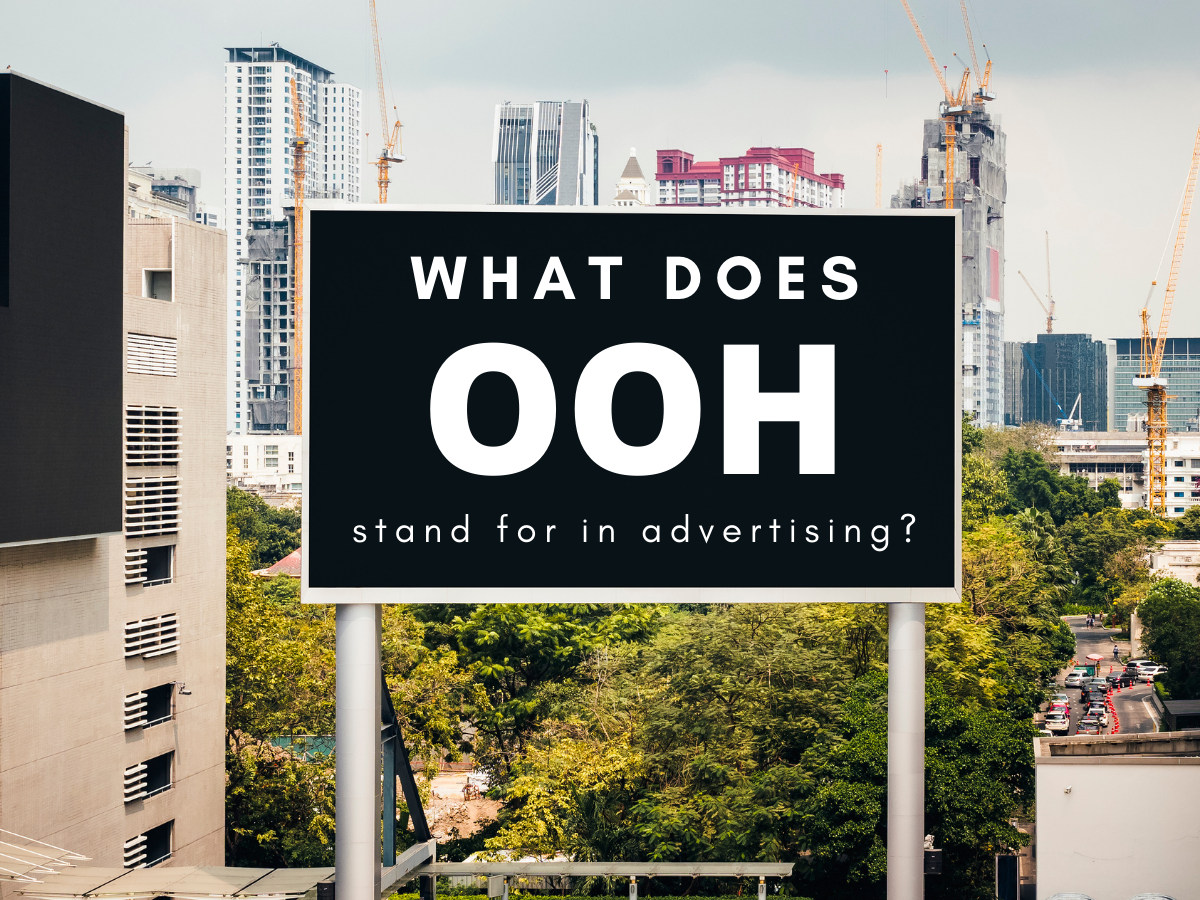
What Does OOH Stand For in Advertising?

As the name suggests, OOH stands for out-of-home [advertising]. It is a marketing strategy to reach a target audience when they are not in their homes.

ooh advertising

OOH Advertising Examples

Mary Lister writing for Wordstream describes several modern examples.

  • Digital and traditional billboards and posters
  • Public furniture including bus stop shelter walls, kiosks, benches, poles
  • Public transit vehicles like bus walls, taxi wraps, subway, and train cars
  • Point-of-sale ads including sandwich boards, taxi cab windows, business front windows, building walls, gas pumps, and trash cans
  • Stand-alone advertisements like those on balloons and other inflatables, floats, and airplane banners

A Brief History of OOH Advertising

The Out of Home Advertising Association points out that OOH advertising dates back thousands of years. The first out-of-home advertising occurred when Egyptians used towering stone obelisks as a platform for informing the public of treaties and laws.

In the 1400s, Johannes Gutenberg’s invention of the printing press gave rise to handbills. By 1796, these advertisements had added eye-catching illustrations. Handbills led to bill posters. These larger advertisements were erected on structures where they could be read by passing vehicle and foot traffic.

The 1830s are believed by many to have launched roadside advertising. Merchants hand-painted signs and affixed advertising to building fronts and fences. These told walkers and drivers that their business was ahead. They often highlighted their wares.

In 1835, Jared Bell began printing large posters. These fifty-square-foot ads told of the arrival of the circus.

1850 brought advertising on street railways. However, the advent of industrialization in the late 1800s and early 1900s saw the formation of the Association of Bill Posters in North America. Later called the Outdoor Advertising Association of America, this organization aimed to promote a greater understanding of out-of-home media. This led to the standardization of billboards. There followed a boom on mass-produced billboard campaigns by such big businesses as Coca-Cola, Palmolive, and Kellogg’s.

The mid-twenties saw the first outdoor advertising company listed on the stock exchange. In the 1940’s the OBIE awards debuted. Coca-Cola’s “Yes Girl” billboard won.

As billboards grew in numbers, legislation arose curbing where they could be erected, how large they could be, and what they could advertise. In 1999, tobacco companies agreed not to advertise on OOH structures.

From billboards, OOH companies diversified into street furniture, cinema, and digital screens.

Today, some of the world’s largest companies lead the way in OOH advertising. This includes Facebook, Google, Amazon, Netflix, Apple, McDonald’s, Amazon, HBO, and Coca-Cola.

what does ooh stand for

The Evolution of Out of Home Advertising

Out of Home Advertising has a rich and storied history, dating back to ancient civilizations. Over the centuries, it has evolved and adapted to the changing needs of advertisers and the dynamic landscapes of cities and towns.

Historical Roots

The origins of Out of Home Advertising can be traced to ancient Egypt, where merchants used painted advertisements on walls to promote their goods and services. This practice gradually spread to other cultures, such as the Roman Empire, where announcements were carved into stone tablets.

Print and Poster Era

With the advent of the printing press in the 15th century, the possibilities for advertising expanded. Posters and handbills adorned city streets, theaters, and public squares, offering glimpses into the consumer culture of the time.

Billboards and Outdoor Displays

The late 19th and early 20th centuries saw the rise of billboards and large-scale outdoor displays. These eye-catching structures became synonymous with Out of Home Advertising, capturing the attention of travelers on railways and highways.

Digital Revolution

In recent decades, the industry has undergone a profound transformation with the introduction of digital technology. Digital Out of Home Advertising (DOOH) has ushered in a new era, featuring dynamic, interactive, and highly targeted campaigns.

Integration with Data and Technology

Today, Out of Home Advertising is seamlessly integrated with data analytics, allowing advertisers to deliver personalized messages to specific demographics. Real-time tracking and optimization have become essential tools in the OOH advertising toolbox.

Place-Based OOH Advertising

With real estate and OOH advertising, location is crucial. Place-based OOH media involves specifically locating advertising where a niche market will see it.

Here are some examples:

  • Wall ads, posters, furniture ads, and kiosks at airports, bus, and train stations
  • Display racks, bulletin boards, posters, and wall billboards at universities, colleges, and school campuses
  • Billboards near restaurants, health clubs, gyms, arenas, movie theaters, and nightclubs.
  • In-store ads on store shelves, shopping carts, checkout stands, and storefronts
  • Shopping mall kiosks, wall displays, store doors,
  • Display panels  on truck stops, trucks, interstate travel stops
  • Special events promotions
  • Interactive, specialized media

Getting Started

If you have decided OOH advertising is an effective marketing tool for your company, first decide who you want to reach. Next, choose an effective location. Where will your niche market see your ads?

Select the message/idea/product you wish to showcase.

What is the best format for your message?

The most effective messages are sharable. Consider bold colors, creative digitals, slogans that will get shared on social media increasing target audience engagement.

Look at the OOH advertising of your competitors. What spaces are they using? What format have they selected? Check out their social media. What content is getting the highest reaction? What do their potential buyers like? Have they integrated adverting modes? An analysis of your competition, you can get good information for your OOH strategies.

Think about your message. Is it clear? Is it creative? Is it engaging?

Out-of-home advertising must have a simple message that can be absorbed by passing motorists or pedestrians in a few seconds. Keep the text limited to a few compelling, easy-to-read words. Consider the power of an image. Your core message has a lot more chance of being shared if it is creative and brief. Your best return on investment comes with it being talked about across media channels.

ooh stands for out of home advertising

Why Consider OOH Advertising?

Studies have shown that 70% of drivers and walkers notice what is being marketed on out-of-home advertising. Thirty percent say they’ve purchased products or services they’ve seen advertised on out-of-home ads the very same day they were exposed to them.

Where TV and radio ads are seen or heard once, pedestrians and drivers see out-of-home ads repeatedly on their way to and from work.

Studies show that out-of-home ads are the best return on investment of any marketing program.

Unlike radio, TV, newspaper, or magazine ads, you can’t skip OOH ads. They are in your face and get noticed. Nielsen surveys found that nearly 50% of adults who searched online for a product had first seen it in an OOH ad.

Thanks to technological improvements, the versatility of out-of-home advertising will continue to grow. With the rise in digital ads, new capabilities and increased effectiveness of OOH ads have resulted. Digital OOH media has brought brighter colors, animation, and convenience in ad production. Multiple images and ads geared to specific demographics have proven that OOH ads will continue to be profitable marketing tools.

Notable Examples of Out-of-Home Advertising

Apple’s “Shot on an iPhone” billboard invites customers to send in photos shot on their iPhones. Outstanding ones were turned into billboards.

Clarin’s interactive campaign at Hong Kong International Airport lured viewers to enter their emails or scan a QR code on the screen with the offer of codes for discounts and free samples.

CVS Beauty Mark’s social media campaign encouraged users to upload their selfies to the hashtag #BeautyUnaltered. Every ten seconds, a different unaltered selfie celebrated real beauty on a Times Square digital billboard.

Acadia SUV, GMC used facial analytics to create engaging digital signage. Cameras in the digital display detected audience demographics including age and gender. Based on these data, one of thirty possible video ads was shown to the viewer. Passersby stopped to interact with the kiosk out-of-home ad that harnessed digital out-of-home power to personalize content for maximum audience engagement.

McDonald’s weather-sensitive ads are another example of digital out-of-home advertising. The campaign featured McDonald’s frozen drinks. When the temperature rose to a level that made a cold drink appealing, the campaign played a cold drink. When the temperature became hotter, the ad automatically switched to a frozen drink.

Lasik explored whether elevator riders who wear glasses can be identified. Then, their OOH ad delivered a creative ad targeting those who were candidates for laser eye surgery. The ad’s message changed based on the type of eyewear the rider was wearing. The ads delivered eleven million targeted messages to riders who wore glasses, personalizing the message for age and gender.

Google’s “Make the Most of Summer” used responsive, data-driven digital OOH. The advertising focused on summer experiences in the area where it was placed. The ad engaged viewers through the presentation of dynamic, full-motion sites.

To showcase its new 5G technology, AT&T encouraged viewers of their interactive ad to “Pose with the Pros”. Dallas Cowboys fans could select up to five of their favorite Cowboys to pose with them at a kiosk in concourses at the AT&T Stadium. Their virtual group picture could be emailed to themselves, and/or shared on social media.

So, what does OOH stand for in advertising? Well, it’s more than just your reaction to captivating and compelling billboards – it’s the abbreviation for what you’re looking at, outside.

How Can bMedia Group Help?

Our media service boasts over three hundred out-of-home advertisements in Puerto Rico. We provide our valued customers with a wide variety of effective OOH formats.

Our skilled designers, fabricators, and construction staff members know how to take your design needs and turn them into effective billboards, posters, and other out-of-home advertising. We are proud to have the highest consumer traffic on the island.

For more information regarding how we can increase your brand recognition contact us.