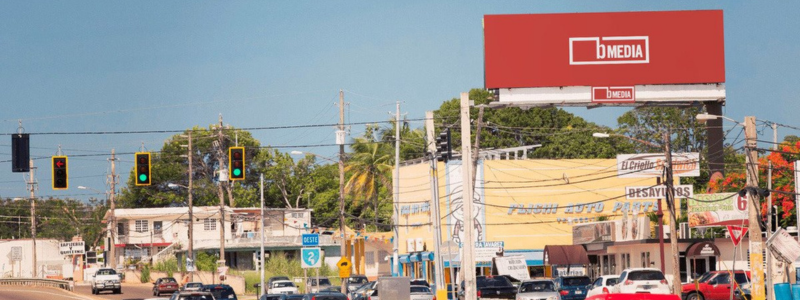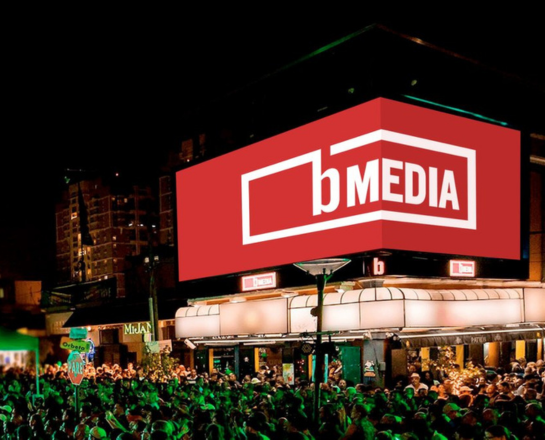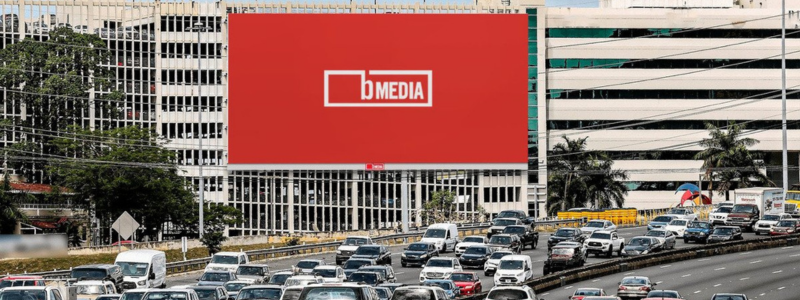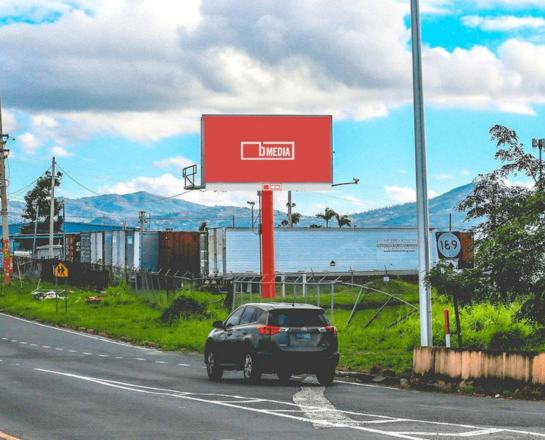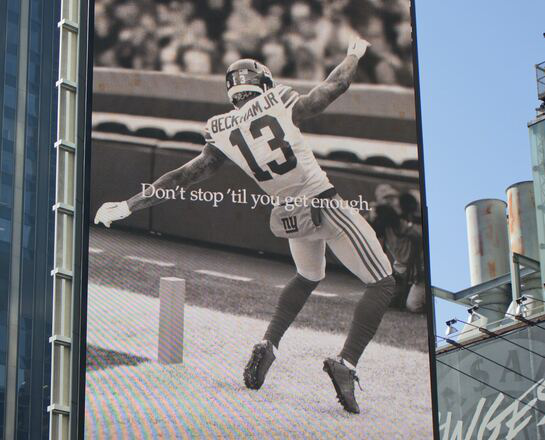
If you are comparing channels for Puerto Rico, the pros and cons of billboard advertising come down to one thing: fast, repeated visibility versus limited space for detail. Billboards can keep your brand in front of people while they commute, shop, and move across the island. They also require smart placement, simple creative, and realistic measurement goals.
This guide breaks down the pros and cons of billboard advertising in plain language, with planning tips you can use whether you are running one location or an island-wide campaign. For local scale and format options, bMedia outlines its inventory and regional coverage across Puerto Rico in its overview of outdoor media in Puerto Rico.
Quick Details You Can Use to Plan
Best for
- Brand awareness and top-of-mind recall
- Store traffic, launches, and seasonal campaigns
- Reaching broad audiences fast, especially along major routes
Most common formats
- Digital billboards (DOOH)
- Static billboards
- Large “spectacular” placements
What you need before you book
- Goal (awareness, visits, calls, launch visibility)
- Target area (Metro, North, South, East, West)
- Timeframe (start date, length of campaign)
- One clear message and brand assets (logo, colors, product photo)
What Billboard Advertising Is (OOH vs DOOH)
Billboards are a form of out-of-home advertising (OOH). That just means ads people see outside their homes: along highways, near retail corridors, and in busy districts.
Digital billboards are often called digital out-of-home (DOOH). DOOH uses screens that can rotate multiple ads, update creative quickly, and sometimes support time-based messaging. DOOH does not automatically mean “perfect targeting.” It still works best when your placement and message match what people are doing in that area.
The Pros and Cons of Billboard Advertising (The Big Picture)
Pros
- High visibility: large format, hard to ignore
- Repeat exposure: people see the same message multiple times in a week
- Simple to understand: the best billboard is clear in seconds
- Strong local impact: helpful for Puerto Rico businesses that serve specific regions
- Great support channel: works well alongside search and social by reinforcing the brand people already saw online
Cons
- Limited space for detail: you cannot explain a full offer or story
- Creative must be disciplined: too much text turns into unreadable noise
- Placement matters a lot: a great design in the wrong area underperforms
- Measurement is different than clicks: you plan around reach, frequency, and lift, not just direct response
If you want a simple takeaway: the pros and cons of billboard advertising are most favorable when you have one clear message, strong placement, and consistent repetition.
Advantages of Billboard Advertising (In Plain Language)
1) You Reach People During Real Life Moments
Billboards show up during commutes, errands, and weekend travel. In Puerto Rico, that can mean visibility near commercial corridors, highway connectors, and high-activity districts.
2) Your Message Can “Stick” Through Repetition
Unlike a quick scroll past a social post, billboards can reinforce the same idea again and again. That repetition is a big reason billboards are often used for brand launches and awareness campaigns.
3) It Can Be Cost Efficient on a CPM Basis
CPM means “cost per thousand impressions.” While you will not measure billboards the same way you measure clicks, OOH is frequently planned with CPM in mind because it can deliver large-scale exposure over time.
4) DOOH Adds Flexibility
Digital screens let you rotate multiple creatives and refresh messages during a campaign. If you have different offers by region, season, or audience, DOOH can help you keep creative aligned to the moment.
Disadvantages of Billboard Advertising (And How to Plan Around Them)
1) You Cannot Say Everything
A billboard is not your website. It is a signal, not a brochure. If your message needs explanation, the billboard should focus on one simple idea people can remember.
2) Creative Mistakes Get Expensive
When the copy is too long or the contrast is too weak, performance drops. OOH creative guidance is consistent across the industry: keep it short, legible, and high-contrast. The OAAA summarizes these standards in its OOH creative best practices.
3) Placement Can Make or Break Results
A billboard near the right traffic flow and the right destination type can outperform a “busy” location that does not match your audience. For a simple overview of how placement affects outcomes, bMedia’s breakdown of billboard placement principles is a helpful reference.
4) Measurement Requires the Right Expectations
OOH is usually evaluated using impressions, reach, and frequency, then connected to outcomes like web lift, store visits, or brand metrics depending on your setup. If you go into OOH expecting last-click attribution to tell the whole story, you will be disappointed.
Digital vs Static vs Spectacular: Which Format Fits Your Goal?
Digital Billboards (DOOH)
Best when you need flexibility
- Rotate multiple messages
- Refresh creative quickly
- Align messaging to time of day or seasonal moments
Tradeoff
- Your ad shares time with other advertisers, so you plan around share of voice and schedule.
Static Billboards
Best when you want consistent presence
- One creative, always live
- Strong for brand reinforcement and directional awareness
- Simple to execute when you already have a strong concept
Tradeoff
- You cannot swap creativity as easily.
Spectaculars (Landmark Placements)
Best when the goal is impact
- Big, memorable, “only in this place” visibility
- Often used for major launches, cultural moments, and category leadership
Tradeoff
- Higher investment and higher creative expectations.
If you are weighing the pros and cons of billboard advertising, format selection is where the decision becomes practical. Start with your goal, then match the format to the job.
Creative Rules That Improve Readability Fast
If people only have a few seconds, your billboard needs to work in a glance.
Use these simple checks:
- One idea only: one message, one visual priority
- Short copy: fewer words beats clever wording
- Legible type: clean fonts, large sizing, strong contrast
- Simple layout: avoid clutter and tiny logos
- Location aware: creative can reference the region or moment, as long as it stays readable
How Billboard Measurement Works (Without the Jargon)
Here are the terms you will hear, explained simply:
- Impressions: estimated views delivered over a period
- Reach: how many different people are exposed at least once
- Frequency: how often the average person sees the ad
Reach and frequency are commonly used to plan and evaluate OOH schedules. Geopath explains these concepts in its reach and frequency fundamentals.
A realistic measurement mindset looks like this:
- OOH builds awareness and recall
- You track delivery (reach and frequency)
- You connect it to business signals you can measure (search interest, web visits, store traffic, inquiries) based on your analytics setup
Puerto Rico Planning Tips That Reduce Guesswork
To make the pros and cons of billboard advertising work in your favor, plan around real-world factors:
- Region matters: Metro campaigns can behave differently than North, South, East, or West flights because traffic patterns and destinations differ.
- Seasonality matters: tourism, back-to-school, holiday retail, and event weekends can change what “good performance” looks like.
- Timeframe matters: billboards typically perform better when they run long enough for repetition to build.
If you want a quick way to understand what formats exist beyond billboards, bMedia summarizes additional inventory types across Puerto Rico in its outdoor media product overview. That is useful when your plan needs multiple touchpoints, not just highways.
FAQs: Pros and Cons of Billboard Advertising
How many words should a billboard have?
As a rule, fewer words is better. Most billboards perform best when the message is readable in seconds, with one clear idea.
Is digital billboard advertising better than static?
Not always. Digital is better when you need flexibility and multiple messages. Static is better when you want a consistent presence with one strong creative.
Can billboards work for small businesses?
Yes, if placement matches your service area and the message is simple. A clear offer and a recognizable brand often beat a complex pitch.
What is the biggest mistake brands make with billboards?
Too much text, weak contrast, or a message that does not fit the location. Most underperformance is creative clarity plus placement mismatch.
What is the simplest way to think about measurement?
Plan for reach and repetition, then look for lift in the business signals you already track. Billboards rarely behave like click-based channels, and that is normal.
Closing Thought
The pros and cons of billboard advertising are easiest to manage when you treat the billboard like a high-visibility reminder, not a full explanation. Keep the message clear, match placement to your audience, and use measurement that fits how OOH actually works.