If you are looking at the history of billboards, you are probably not just looking for old dates. You want to understand why this format lasted, what changed over time, and why billboard advertising still plays a serious role in media planning today. The answer is simple. Billboards survived because they solve a real marketing problem.
They give brands broad visibility in the physical world, repeated exposure across daily routes, and a way to build market presence at scale. That value started in the 1800s and still shapes how outdoor media works in Puerto Rico now. Industry history commonly traces the large American outdoor poster to Jared Bell’s circus posters in 1835, while bMedia positions its Puerto Rico network around island-wide coverage, 500+ locations, and the ability to reach 90% of the population in minutes.
The Early History Of Billboards Started With Public Visibility
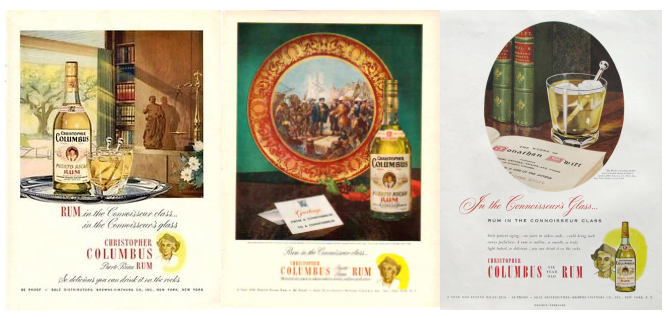
The early history of billboards was not about digital screens, data dashboards, or automated campaign tools. It was about getting noticed in public space. In the nineteenth century, merchants, show promoters, and businesses used painted signs and posted sheets to catch attention where people walked, gathered, and traveled.
According to the Out of Home Advertising Association of America, the large American outdoor poster began in New York when Jared Bell printed circus posters in 1835. That milestone matters because it established the format’s core purpose from the beginning. A billboard had to be visible from a distance, easy to understand quickly, and memorable enough to drive action later.
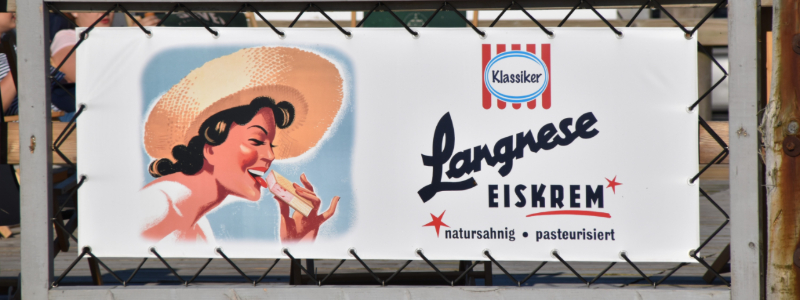
As printing improved, billboard advertising became more practical and more scalable. By the late 1800s, the format had become more standardized, and the industry was becoming more organized. OAAA notes that by 1889, the twenty-four sheet billboard format had emerged, helping define what advertisers and operators expected from a billboard unit.
That early stage still matters today. The materials changed, but the communication rule stayed the same. A billboard works best when the message is quick, readable, and hard to ignore.
Roads, Cars, And Repetition Changed Billboard Advertising
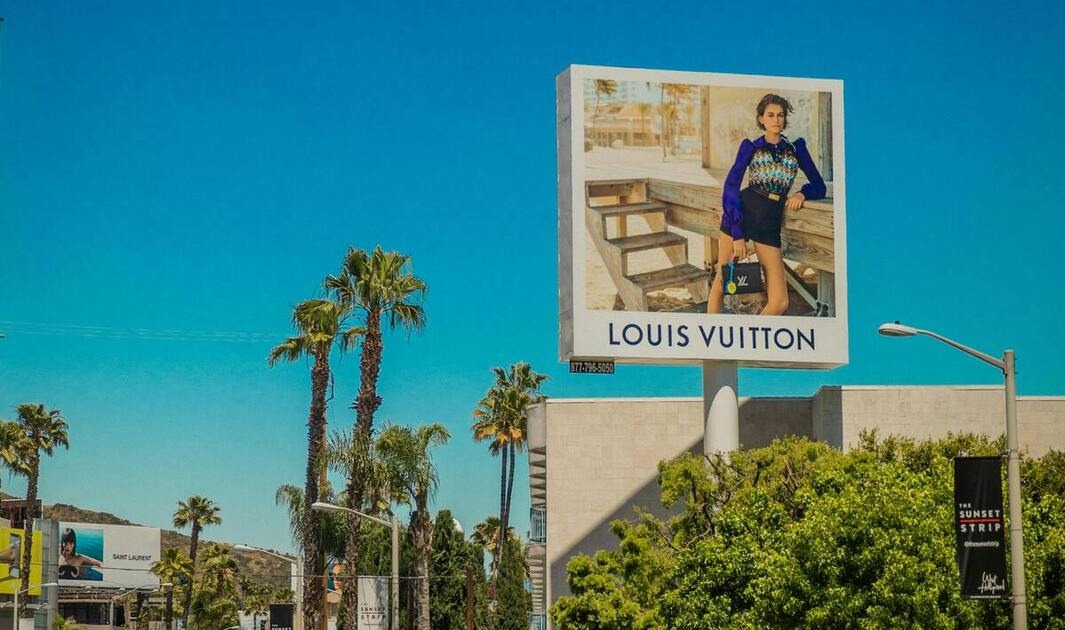
One of the biggest turning points in the history of billboards came with the advent of transportation. As roads improved and car travel increased, advertisers gained access to a growing flow of people moving through consistent routes every day. Outdoor advertising became more than a posted notice. It became a repeated exposure channel. A billboard placed on the right route could build awareness simply by staying visible over time. OAAA’s historical timeline ties that growth to the rise of roadside commerce and highway travel in the twentieth century.
This is still one of the strongest arguments for outdoor media. You are not waiting for someone to search, scroll, or click. You are putting your message into a route people already use. That makes billboards especially useful for broad awareness, regional market presence, product launches, and campaigns that need real-world frequency.
The planning lesson is simple. Placement is not just a production detail. It is part of the strategy. The route, traffic pattern, and region affect the value of the board just as much as the design does.
Regulation Helped Shape The Modern Billboard Industry
A complete look at the history of billboards has to include regulation. As billboards expanded along highways, governments began to set clearer standards for the control of outdoor advertising. The Federal Highway Administration explains that the Highway Beautification Act of 1965 established federal controls for outdoor advertising along the Interstate System and other federally aided primary highways, addressing issues such as spacing, size, and lighting.
That law did not end billboard advertising. It helped shape a more structured industry. Instead of uncontrolled placement, the market moved toward stronger inventory standards, clearer compliance requirements, and more formal operating practices. In practical terms, that helped create the billboard networks advertisers know today.
For brands, this part of the history of billboards still matters. A strong outdoor campaign depends on more than a creative file. It also depends on inventory quality, legal control, realistic timing, and execution that fits the market.
Quick Details On The History Of Billboards
- Early U.S. billboard history is commonly traced to Jared Bell’s circus posters in 1835
- The billboard format became more standardized in the late 1800s
- Highway growth helped turn billboards into a major advertising channel
- The Highway Beautification Act of 1965 shaped modern billboard regulation
- The format stayed relevant by adapting to new technology and planning methods
From Static Posters To OOH And DOOH
The next major chapter in the history of billboards is the shift from static display to modern OOH and DOOH planning. OOH stands for out-of-home advertising, or media people see while away from home. DOOH stands for digital-out-of-home, referring to digital screens that enable faster updates and message rotation. bMedia’s educational content uses that same distinction when explaining outdoor media and digital advertising formats.
This shift did not replace the traditional value of billboards. It expanded it. Static billboards still support consistency, long-term visibility, and broad market presence. Digital billboards add flexibility, faster creative changes, and scheduling options that can better match campaign timing.
A simple way to think about it is this:
- Static billboards work well when you want continuous visibility and message consistency
- Digital billboards work well when you need faster updates, rotational scheduling, or multiple messages
- Spectacular formats work well when your goal is dominance and visual impact
- Place-based formats like gas station ads, restroom ads, and medical office ads work well when context and dwell time matter more than highway speed
If you are planning a campaign in Puerto Rico, that evolution matters. The history of billboards shows that the medium is no longer a single format with a single job. It is a family of outdoor media options that need to be matched to audience, route, region, and campaign goal.
What The History Of Billboards Means For Planning In Puerto Rico
The biggest lesson from the history of billboards is that visibility works best when it is intentional. In Puerto Rico, campaign performance depends on where your audience moves, which region you want to cover, which format fits the environment, and how your creative works in the real world. bMedia presents itself as a technology-forward outdoor media leader with 500+ high-impact locations across Puerto Rico and inventory coverage across Metro, North, South, East, and West Puerto Rico.
That matters for real planning decisions. If your audience is broad and island-wide, the conversation may focus on scale, reach, and frequency. If your audience is more regional, placement and format become more important. If your campaign has a short window, digital may offer better flexibility. If your message needs steady repetition over time, static may be the stronger anchor.
When you plan outdoor media in Puerto Rico, these are the inputs that matter most:
- Audience: Who needs to see the message, and where do they move most often
- Region: Metro, North, South, East, or West may shape the mix of placements
- Format: Static, digital, spectacular, or place-based, depending on context and goal
- Timeline: Production, approvals, and launch timing affect what is realistic
- Creative: Readability, contrast, and message length matter because outdoor ads are viewed quickly
- Measurement expectations: Outdoor media supports reach, frequency, and CPM efficiency, but outcomes depend on planning quality and market fit
That planning approach is one reason modern billboard advertising still works. The medium is simple for the audience, but smart choices behind the scenes make a big difference.
Creative Rules Still Matter Because Outdoor Media Moves Fast
Another reason the history of billboards still matters is that it reminds you what the format has always demanded. Speed, clarity, and immediate recognition. Whether you use static or digital inventory, the creative still needs to work at a distance and at speed.
In practical terms, that usually means:
- one clear message
- large, readable text
- strong contrast
- limited clutter
- visuals that support recognition instead of distracting from it
That is not old advice. It is current performance advice. bMedia’s newer content around outdoor and digital advertising reflects a planning-first mindset that connects format choice to execution, timing, and business value rather than treating every billboard the same.
If you are building content for Puerto Rico, local context also matters. Region, traffic flow, audience familiarity, and seasonality can all influence which message works best. The strongest billboard creative is not just attractive. It is readable, relevant, and built for the environment where it appears.

Why Billboards Still Matter Today
Some media channels feel temporary. The history of billboards shows the opposite. This is a format that has adapted to changes in printing, transportation, regulation, and digital transformation because its core value has remained useful. Billboards help brands stay visible in the real world. They support repeated exposure, broad market presence, and memorable awareness in a way few channels can match at scale.
That is also why out-of-home remains a serious category today. Industry reporting showed U.S. out-of-home advertising revenue surpassing $9.1 billion in 2024, reflecting continued demand for the medium.
For advertisers in Puerto Rico, that value becomes even stronger when the planning is local and the network is broad. bMedia’s current positioning reflects that version of the medium: island-wide inventory, technology-forward planning, and multiple formats designed for real campaign decisions.
The history of billboards is not just about where outdoor advertising started. It explains how the format became a modern media tool for brands that care about reach, CPM efficiency, visibility, and market presence. That is why the channel still matters now, and why it continues to earn a place in serious campaign planning.