The Audi vs BMW billboard war is one of the clearest examples of how outdoor media can do more than “get seen.” It can create momentum. This wasn’t just two billboards competing for attention. It was a sequence of moves designed to trigger a response, pull in the public, and turn a local placement into a national conversation.
If you are planning an outdoor campaign today, the biggest takeaway is simple: great OOH (out of home) is not only about a single ad. It is about how your message shows up in the real world, how it builds reach and frequency, and how it connects to what people talk about next.
Below is the story in order, followed by the practical lessons you can use for modern campaigns, including how bMedia can help you execute high-impact outdoor media across Puerto Rico.
Quick facts: The Brands Involved
BMW
Audi
Headquarters: Munich, Germany
Headquarters: Ingolstadt, Germany
Founded: 1916
Founded: 1909
Category: Luxury automobiles
Category: Luxury automobiles
Timeline: The Billboard Battle In 60 Seconds
Here’s the storyline, simplified:
Audi opens with a chess-themed billboard in a wealthy area of Los Angeles.
Audi escalates with “Your move”, clearly calling out BMW.
BMW responds with “Checkmate”, placed across from Audi’s board in a high-traffic area.
Audi crowdsources attention with a social contest, then answers with a bold R8 message: “Your pawn is no match for our king.”
BMW ends the spectacle with a dramatic final flex: a branded blimp tethered near the Audi billboard, positioning BMW as the victor.
That sequence is the reason the campaign still gets discussed today. It wasn’t one clever headline. It was a chain reaction.
How The Audi vs BMW Billboard War Started
The “war” began like many great outdoor campaigns do: with a simple creative concept placed in a location that matched the audience.
Audi’s initial chess billboard was clean and understated, which is exactly why it worked. It signaled confidence and invited interpretation. Drivers passing it daily saw something that felt like a setup.
Then Audi changed the board.
The First Real Punch: “Your move”
Audi’s follow-up “Your move” billboard turned an elegant visual into a direct challenge. At that point, the message was no longer just “we are a premium brand.” It was “we are ready to compete publicly.”
This is where the campaign becomes a masterclass in attention mechanics. Outdoor media is unavoidable when placed well. People don’t opt in like they do with a social feed. They encounter it on commutes, errands, and routines. When the message changes and escalates, people notice.
BMW’s Response: “Checkmate” In The Right Location
BMW could have ignored the provocation. Instead, they answered in the same language and made the response feel immediate.
The “Checkmate” board was powerful for two reasons:
Creative restraint: one word, high confidence, easy to read at speed.
Placement strategy: positioned across from Audi’s “Your move” board in a high-traffic corridor, so the public could see the “conversation” play out in real time.
When you are planning OOH, this is what a strong location strategy looks like. The message was amplified because the boards worked together as a sequence, not as isolated placements.
Audi’s Counter: Social Fuel Plus a Bigger Claim
Audi leaned into the attention and invited the public to participate with a social contest. That move matters because it extended the life of the campaign. It also gave people a reason to share and remix the story.
Audi’s final billboard response featured the R8 with the line: “Your pawn is no match for our king.”
Whether you believe that claim or not is beside the point. The billboard did its job. It escalated the story and kept the public watching.
The Finale: BMW Ends The Battle With a Blimp
BMW finished the exchange with a headline-grabbing move: a branded blimp tethered near the Audi billboard, featuring their Formula 1 imagery.
That final play is worth remembering because it shows how outdoor media can expand beyond one format. BMW used a different type of physical media to dominate the environment and end the storyline on their terms.
Who “Won” The Audi vs BMW Billboard War
If you judge the campaign by attention and conversation, both brands won.
That is the real point for marketers: OOH success is often measured by what the campaign unlocks.
More eyes on the brand
More talk in public and online
More recognition and recall
More momentum for future marketing
Outdoor media is especially strong at creating familiarity fast, which is one reason it is still a core channel for brands that need scale.
What This Billboard War Teaches You About Planning OOH Today
1) Build a Sequence, Not a Single Ad
The story worked because it unfolded over time.
If you want similar momentum:
Plan at least 2 to 4 creative “moves”
Keep one clear idea, then evolve it
Make each placement feel connected
2) Location Is Part Of The Creative
BMW’s “Checkmate” lands differently because it was placed where people could see the exchange happening.
In Puerto Rico, that means thinking in terms of:
Region: Metro Area (San Juan, Bayamón, Carolina), plus key corridors that connect to Caguas, Ponce, Mayagüez, and beyond
Audience flow: where your customers actually drive, shop, and spend time
Context: what else is around the placement that affects attention
3) Keep Outdoor Creative Readable In Seconds
In the real world, viewers are moving. Your message must work fast.
Quick creative rules that consistently perform:
Use big, simple headlines (ideally 7 words or fewer)
Prioritize contrast (dark on light or light on dark)
Avoid thin fonts and cluttered layouts
Make the brand and offer visible from a distance
Use one primary action (not five)
If your ad needs a paragraph to explain itself, it is better suited for a landing page than a billboard.
4) Know Which Format Fits Your Goal
A common planning mistake is choosing a format before defining the outcome you need.
Simple Comparison: Digital vs Static vs Spectacular
Digital billboard
Best for: flexible messaging, multiple creative versions, faster updates
Planning focus: short copy, bold visuals, rotation strategy, frequency goals
Static billboard
Best for: always-on presence, brand building, consistent reach
Planning focus: long enough flight, high-traffic placement, simple message
Spectacular
Best for: major launches, big moments, brand dominance
Planning focus: high impact creative, prime locations, strong PR potential
bMedia can help you choose the right mix based on your budget drivers, timeline, and the regions you need to cover.
5) Define Measurement Expectations Upfront
OOH is measurable when you plan it like a business decision.
A simple way to think about it:
Reach: how many people can see your campaign
Frequency: how often they see it
CPM: your cost to reach 1,000 people (a helpful way to compare efficiency)
With bMedia, the positioning is clear: a technology-driven approach backed by data and analytics, with an emphasis on ROI and CPM framing without making unrealistic promises. bMedia also supports island-wide planning with 500+ high-impact locations and the ability to reach 90% of the population in minutes as part of its scale and network approach.
If You Want Results Like This, Here’s What You Need To Provide
To plan a campaign that is actually executable, you should walk in with these basics:
Your primary goal (brand awareness, store traffic, lead generation support)
Your target audience (who you want to reach and where they are)
Your preferred regions in Puerto Rico (or where your customers come from)
Your timeline (launch date range, approvals, production window)
Your creative inputs (logo files, brand colors, offer, landing page)
Any constraints (legal disclaimers, bilingual needs, limited assets)
If you have those, you can move quickly.
How bMedia Helps Your Business Win In Puerto Rico
The Audi vs BMW billboard war is a fun story, but the business lesson is more important: outdoor works when you combine creative clarity with smart placement and measurable planning.
That is where bMedia comes in.
With bMedia, you can plan and run campaigns built for real outcomes:
Media planning that focuses on practical decisions: audience, region, format, timeline, and measurement expectations
Format options that match intent, including digital billboards, static billboards, spectaculars, and additional placement types like restroom ads, gas station ads, and medical office ads when they fit your audience
If you want your next campaign to feel less like a guess and more like a repeatable growth channel, start with a plan that matches how people move through Puerto Rico every day, then build creativity that is impossible to miss.
Final takeaway
The Audi vs BMW billboard war became legendary because it treated outdoor media like a live arena, not a poster on a wall. You can apply the same thinking to your own campaigns by focusing on sequence, placement, readable creative, and measurement expectations.
And if you want help building a campaign with island-wide scale in Puerto Rico, bMedia is built for exactly that.
If you are comparing channels for Puerto Rico, the pros and cons of billboard advertising come down to one thing: fast, repeated visibility versus limited space for detail. Billboards can keep your brand in front of people while they commute, shop, and move across the island. They also require smart placement, simple creative, and realistic measurement goals.
This guide breaks down the pros and cons of billboard advertising in plain language, with planning tips you can use whether you are running one location or an island-wide campaign. For local scale and format options, bMedia outlines its inventory and regional coverage across Puerto Rico in its overview ofoutdoor media in Puerto Rico.
Quick Details You Can Use to Plan
Best for
Brand awareness and top-of-mind recall
Store traffic, launches, and seasonal campaigns
Reaching broad audiences fast, especially along major routes
One clear message and brand assets (logo, colors, product photo)
What Billboard Advertising Is (OOH vs DOOH)
Billboards are a form of out-of-home advertising (OOH). That just means ads people see outside their homes: along highways, near retail corridors, and in busy districts.
Digital billboards are often called digital out-of-home (DOOH). DOOH uses screens that can rotate multiple ads, update creative quickly, and sometimes support time-based messaging. DOOH does not automatically mean “perfect targeting.” It still works best when your placement and message match what people are doing in that area.
The Pros and Cons of Billboard Advertising (The Big Picture)
Pros
High visibility: large format, hard to ignore
Repeat exposure: people see the same message multiple times in a week
Simple to understand: the best billboard is clear in seconds
Strong local impact: helpful for Puerto Rico businesses that serve specific regions
Great support channel: works well alongside search and social by reinforcing the brand people already saw online
Cons
Limited space for detail: you cannot explain a full offer or story
Creative must be disciplined: too much text turns into unreadable noise
Placement matters a lot: a great design in the wrong area underperforms
Measurement is different than clicks: you plan around reach, frequency, and lift, not just direct response
If you want a simple takeaway: the pros and cons of billboard advertising are most favorable when you have one clear message, strong placement, and consistent repetition.
Advantages of Billboard Advertising (In Plain Language)
1) You Reach People During Real Life Moments
Billboards show up during commutes, errands, and weekend travel. In Puerto Rico, that can mean visibility near commercial corridors, highway connectors, and high-activity districts.
2) Your Message Can “Stick” Through Repetition
Unlike a quick scroll past a social post, billboards can reinforce the same idea again and again. That repetition is a big reason billboards are often used for brand launches and awareness campaigns.
3) It Can Be Cost Efficient on a CPM Basis
CPM means “cost per thousand impressions.” While you will not measure billboards the same way you measure clicks, OOH is frequently planned with CPM in mind because it can deliver large-scale exposure over time.
4) DOOH Adds Flexibility
Digital screens let you rotate multiple creatives and refresh messages during a campaign. If you have different offers by region, season, or audience, DOOH can help you keep creative aligned to the moment.
Disadvantages of Billboard Advertising (And How to Plan Around Them)
1) You Cannot Say Everything
A billboard is not your website. It is a signal, not a brochure. If your message needs explanation, the billboard should focus on one simple idea people can remember.
2) Creative Mistakes Get Expensive
When the copy is too long or the contrast is too weak, performance drops. OOH creative guidance is consistent across the industry: keep it short, legible, and high-contrast. The OAAA summarizes these standards in itsOOH creative best practices.
3) Placement Can Make or Break Results
A billboard near the right traffic flow and the right destination type can outperform a “busy” location that does not match your audience. For a simple overview of how placement affects outcomes, bMedia’s breakdown of billboard placement principles is a helpful reference.
4) Measurement Requires the Right Expectations
OOH is usually evaluated using impressions, reach, and frequency, then connected to outcomes like web lift, store visits, or brand metrics depending on your setup. If you go into OOH expecting last-click attribution to tell the whole story, you will be disappointed.
Digital vs Static vs Spectacular: Which Format Fits Your Goal?
Digital Billboards (DOOH)
Best when you need flexibility
Rotate multiple messages
Refresh creative quickly
Align messaging to time of day or seasonal moments
Tradeoff
Your ad shares time with other advertisers, so you plan around share of voice and schedule.
Static Billboards
Best when you want consistent presence
One creative, always live
Strong for brand reinforcement and directional awareness
Simple to execute when you already have a strong concept
Tradeoff
You cannot swap creativity as easily.
Spectaculars (Landmark Placements)
Best when the goal is impact
Big, memorable, “only in this place” visibility
Often used for major launches, cultural moments, and category leadership
Tradeoff
Higher investment and higher creative expectations.
If you are weighing the pros and cons of billboard advertising, format selection is where the decision becomes practical. Start with your goal, then match the format to the job.
Creative Rules That Improve Readability Fast
If people only have a few seconds, your billboard needs to work in a glance.
Use these simple checks:
One idea only: one message, one visual priority
Short copy: fewer words beats clever wording
Legible type: clean fonts, large sizing, strong contrast
Simple layout: avoid clutter and tiny logos
Location aware: creative can reference the region or moment, as long as it stays readable
How Billboard Measurement Works (Without the Jargon)
Here are the terms you will hear, explained simply:
Impressions: estimated views delivered over a period
Reach: how many different people are exposed at least once
Frequency: how often the average person sees the ad
Reach and frequency are commonly used to plan and evaluate OOH schedules. Geopath explains these concepts in its reach and frequency fundamentals.
A realistic measurement mindset looks like this:
OOH builds awareness and recall
You track delivery (reach and frequency)
You connect it to business signals you can measure (search interest, web visits, store traffic, inquiries) based on your analytics setup
Puerto Rico Planning Tips That Reduce Guesswork
To make the pros and cons of billboard advertising work in your favor, plan around real-world factors:
Region matters: Metro campaigns can behave differently than North, South, East, or West flights because traffic patterns and destinations differ.
Seasonality matters: tourism, back-to-school, holiday retail, and event weekends can change what “good performance” looks like.
Timeframe matters: billboards typically perform better when they run long enough for repetition to build.
If you want a quick way to understand what formats exist beyond billboards, bMedia summarizes additional inventory types across Puerto Rico in its outdoor media product overview. That is useful when your plan needs multiple touchpoints, not just highways.
FAQs: Pros and Cons of Billboard Advertising
How many words should a billboard have?
As a rule, fewer words is better. Most billboards perform best when the message is readable in seconds, with one clear idea.
Is digital billboard advertising better than static?
Not always. Digital is better when you need flexibility and multiple messages. Static is better when you want a consistent presence with one strong creative.
Can billboards work for small businesses?
Yes, if placement matches your service area and the message is simple. A clear offer and a recognizable brand often beat a complex pitch.
What is the biggest mistake brands make with billboards?
Too much text, weak contrast, or a message that does not fit the location. Most underperformance is creative clarity plus placement mismatch.
What is the simplest way to think about measurement?
Plan for reach and repetition, then look for lift in the business signals you already track. Billboards rarely behave like click-based channels, and that is normal.
Closing Thought
The pros and cons of billboard advertising are easiest to manage when you treat the billboard like a high-visibility reminder, not a full explanation. Keep the message clear, match placement to your audience, and use measurement that fits how OOH actually works.
When you search for types of digital advertising, you are usually trying to make a real decision: where to spend, what to run first, and how to measure impact without guessing.
This guide keeps it practical. You will learn the most common types of digital advertising, what each one is best for, and how to build a mix that fits Puerto Rico’s market, timeline, and creative constraints. You will also see why Digital Out of Home (DOOH) belongs on the list, not as an afterthought.
bMedia supports island-wide outdoor media in Puerto Rico with a technology-forward approach, including data and analytics, and a network positioned as able to reach 90% of the population in minutes with 500+ high-impact locations across formats.
Quick Details For Choosing The Right Mix
Use this sequence to avoid building a plan that looks complete but misses the goal.
Goal first: awareness, store traffic, leads, or retention
Audience next: who you need, where they are, when they move
Format fit: message length, creative flexibility, and context
Timeline: production, approvals, launch, and optimization cadence
Measurement: decide what you will report before you launch
If you want a deeper look at OOH measurement language and expectations, bMedia’s guide onhow to measure OOH advertising is a useful reference.
What “Digital Advertising” Means Today
Many people think digital only means ads on phones and laptops. In modern planning, it includes any ad delivered through digital systems, including digital screens in the physical world.
The IAB defines DOOH as digital media used for marketing outside the home using digital screens in public and commercial spaces that deliver dynamic content and ads.
That is why DOOH is part of the conversation when you compare types of digital advertising, especially in Puerto Rico where movement patterns and high-traffic corridors can drive reach and frequency quickly.
The Most Important Types Of Digital Advertising And What They Do Best
1) Paid Search Ads (Search Engine Marketing)
Paid search puts your message in front of people actively looking for a product or service. Search Engine Land describes SEM as combining SEO and PPC strategies to drive traffic and visibility through search queries.
Best for
High-intent lead generation
Capturing demand that already exists
What to measure
Clicks, cost per click, conversion rate, cost per lead
2) Paid Social Ads
Social ads are strong when you want interest-based targeting, fast creative testing, and scalable reach.
Best for
Awareness and consideration
Retargeting engaged users
Promotions and launches
What to measure
Reach, frequency, video views, cost per result
3) Display Ads
Display ads run across websites and apps. They are often used for broad awareness and retargeting coverage.
Retargeting follows up with people who already visited your site or engaged with your brand. It works best as a system, not as a standalone strategy.
Best for
Bringing back undecided buyers
Reinforcing a time-sensitive message
What to measure
Frequency, cost per acquisition, incremental lift where available
5) Video And Streaming Ads
Video works when you need attention, recall, and clearer explanation. This includes online video placements and streaming environments.
Best for
Brand building at scale
Product education and story
What to measure
Completed views, cost per view, reach, lift signals where available
6) Native Ads (Sponsored Content Style)
Native ads match the surrounding editorial experience while staying labeled as sponsored. They can support longer-form education.
Best for
Consideration-stage audiences
Complex offers that need context
What to measure
Time on page, scroll depth, assisted conversions
7) Audio Ads (Streaming And Podcasts)
Audio reaches people while commuting, working, and multitasking. It is often used to build frequency and recall.
Best for
Repetition and recall
Local promotions when you want consistent exposure
What to measure
Reach and frequency, completion rate when reported
8) Email Sponsorships And Newsletter Ads
Newsletter placements can be efficient for curated audiences. They are simple and easy to track.
Best for
Niche audiences and local communities
Events and limited-time offers
What to measure
Clicks, conversion rate, cost per acquisition
9) DOOH (Digital Out Of Home)
DOOH includes digital billboards and other digital screens outside the home. It is designed for high-visibility reach in real-world environments, with creative flexibility and measurable delivery.
bMedia positions its island-wide network as able to reach 90% of the population in minutes, supported by 500+ high-impact locations and multiple formats across Puerto Rico.
If you want to understand how bMedia thinks about placement strategy, see the importance of billboard placement.
Planning Rules That Make These Types Of Digital Advertising Work Better
This is where most “list” articles fall short. The channel matters, but planning decisions decide performance.
Short, bold message works best for DOOH and quick-scroll social
Longer explanation works best for video and native
bMedia emphasizes outdoor creative best practices such as readability, contrast, and legibility at distance. Keep the copy short and the layout clean so the message lands fast.
Build A Simple Timeline
Creative development and approvals
Launch window
Optimization cadence
Reporting schedule
Puerto Rico campaigns often involve movement across metro corridors and regional routes. If you are planning around areas like San Juan, Bayamón, Carolina, Caguas, Ponce, or Mayagüez, it helps to think in terms of where your audience is most consistently exposed, not only where you want them to buy.
Measurement Basics You Should Use In Any Digital Plan
If you want reporting that builds confidence, use shared definitions that translate across channels.
If your plan needs faster adjustments and data-driven delivery controls, programmatic DOOH can be part of the buying approach. bMedia’s overview ofprogrammatic DOOH explains the concept in plain language.
How bMedia Fits In A Modern Mix
A strong plan rarely uses only one channel. The best approach is usually a mix of demand capture and reach.
Here are three simple examples that map to common business goals:
Example 1: New Location Launch
DOOH for fast island visibility and repeated exposure
Paid social for audience targeting and creative testing
Retargeting to re-engage site visitors
Example 2: Local Service Business
Paid search to capture high-intent demand
Retargeting to reduce drop-off
DOOH to build trust and reinforce your presence in the service area
Example 3: Seasonal Promotion
DOOH with creative versions that match the season and location context
Social for distribution and retargeting
Email sponsorships for local bursts if the audience fit is right
This is the practical reason why typesof digital advertising matters. You are not choosing a list. You are building a system that supports measurable outcomes.
FAQ: Types Of Digital Advertising
How many types of digital advertising are there?
There is no single official list, but most planning frameworks include search, social, display, video, retargeting, and DOOH. Add native, audio, and newsletter sponsorships when they match your audience and timeline.
Is DOOH part of digital advertising?
Yes. The IAB’s definition describes DOOH as digital media used for marketing outside the home delivered through digital screens in public and commercial spaces.
What is the best mix for Puerto Rico?
The best mix depends on your goal and audience. Many Puerto Rico campaigns combine DOOH for reach and frequency with paid search and retargeting for demand capture, especially when you need both visibility and measurable response.
Final Takeaway
If your goal is to rank for types of digital advertising, you need to cover the full landscape. If your goal is to plan smarter in Puerto Rico, you also need real-world context: where your audience moves, how fast you need to reach, what creative can be read quickly, and what metrics you will report.
bMedia’s outdoor media network is positioned for island-wide reach, technology-forward planning, and measurable outcomes across Puerto Rico.
In today’s fast-paced digital landscape, advertising continues to evolve, blending traditional methods with cutting-edge technology. Programmatic DOOH (Digital Out of Home Advertising) is one of the most significant advancements in outdoor advertising, transforming how brands reach and engage audiences in public spaces. Unlike traditional out-of-home (OOH) advertising, programmatic DOOH leverages automation, data-driven insights, and real-time bidding to deliver highly targeted and dynamic ad experiences.
As a leader in digital advertising, bMedia Group specializes in innovative programmatic DOOH solutions, helping brands maximize their advertising potential with precision-targeted campaigns. In this article, we’ll explore programmatic DOOH, how it works, its benefits, challenges, and promising future.
What is Programmatic DOOH?
Programmatic DOOH (Digital Out of Home Advertising) refers to the automated buying, selling, and placement of digital ads on outdoor screens and billboards. It applies real-time bidding (RTB) and AI-driven data analytics to optimize ad delivery, ensuring messages reach the right audience at the right time.
Unlike traditional static billboards, programmatic DOOH enables dynamic content updates, audience segmentation, and contextual ad delivery based on external factors such as weather, traffic conditions, and demographics. This means brands can display different ads depending on the time of day, foot traffic, or even the emotional sentiment of passersby, making campaigns far more impactful and relevant.
How Programmatic DOOH Works
Programmatic DOOH operates through an automated process that connects advertisers with digital signage networks. Here’s a breakdown of how it works:
Demand-Side Platforms (DSPs)
Advertisers use DSPs to buy digital ad space on various DOOH screens.
These platforms allow brands to define target audience parameters, including location, demographics, and behavioral data.
Supply-Side Platforms (SSPs)
SSPs manage ad inventory from digital billboard owners and display networks.
They connect with DSPs to facilitate real-time bidding (RTB), ensuring competitive and efficient ad placements.
Data-Driven Targeting
Programmatic DOOH incorporates real-time data analytics to determine when and where an ad should be displayed.
Factors like weather conditions, audience foot traffic, and time of day influence which ads appear at any given moment.
Ad Delivery & Measurement
Once an ad is placed, advanced tracking tools measure impressions, engagement, and effectiveness.
Metrics such as dwell time and interaction rates help advertisers optimize real-time campaigns.
By utilizing this automated ecosystem, brands can enhance the efficiency, effectiveness, and flexibility of their DOOH advertising strategies.
Benefits of Programmatic DOOH for Advertisers
There are many immediate benefits of programmatic DOOH can have for a business. Here are some of the most widely recognized benefits:
Real-Time Campaign Optimization
Unlike traditional OOH advertising that requires static placements, programmatic DOOH enables real-time adjustments. Advertisers can tweak their messaging based on live data, ensuring maximum relevance and impact.
Enhanced Audience Targeting
Programmatic DOOH ensures ads are displayed to highly relevant audiences by leveraging demographic, behavioral, and geolocation data. This results in greater engagement and higher ROI (Return on Investment).
Cost Efficiency & Automated Bidding
Programmatic buying eliminates wasted ad spend by ensuring that brands only pay for valuable impressions. Automated bidding through RTB makes the process more cost-effective than traditional OOH advertising.
Increased Engagement & Dynamic Content
Unlike static billboards, programmatic DOOH allows for interactive and contextual ads. Brands can utilize features like QR codes, real-time updates, and augmented reality (AR) to create engaging ad experiences.
Seamless Omnichannel Integration
Programmatic DOOH campaigns can be integrated with other digital marketing channels, such as mobile ads, social media, and in-app promotions. This ensures a consistent brand experience across multiple touchpoints.
Key Trends in Programmatic DOOH
As technology continues to advance, several key trends are shaping the future of programmatic DOOH. At bMedia Group, we’re dedicated to staying ahead of the coming trends in the industry. Here are some we’ve identified:
AI-Powered Creative Optimization
AI and machine learning algorithms are now optimizing DOOH ads in real-time.
Advertisers can test multiple creatives and let AI determine the best-performing version.
Interactive & Immersive Ad Formats
More brands use interactive billboards with elements like touchscreens, AR, and live data feeds.
Personalized ad experiences are becoming more common in high-traffic urban areas.
Expansion of 5G and Smart Cities
The adoption of 5G technology enables faster data transfer and improved ad targeting.
Smart cities are incorporating programmatic DOOH into their digital infrastructure, offering more ad opportunities.
Sustainability & Eco-Friendly DOOH
More digital signage providers are investing in energy-efficient LED displays.
Programmatic DOOH allows for optimized ad scheduling, reducing unnecessary power consumption.
Advertisers must adhere to strict privacy regulations (GDPR, CCPA) when using location and behavioral data.
Standardization Issues
The lack of universal standards in programmatic DOOH measurement can make comparing performance across different platforms challenging.
Ad Fraud & Viewability
Ensuring human audiences rather than bots see ads remains a priority in the industry.
Inventory Availability
While digital billboards are growing in popularity, some regions still have limited programmatic DOOH inventory, making scalability a concern.
Future of Programmatic DOOH
Looking ahead, programmatic DOOH will continue to revolutionize outdoor advertising with:
Greater AI integration for predictive ad placement and personalization.
More omnichannel advertising opportunities, connecting DOOH with social media, mobile, and TV campaigns.
Advanced targeting capabilities using real-time facial recognition (privacy-compliant) and geofencing.
Improved measurement standards for better ROI analysis and reporting.
As smart cities and 5G networks expand, programmatic DOOH will become essential to the advertising ecosystem, delivering hyper-targeted and engaging ad experiences.
How bMedia Group Helps Brands Leverage Programmatic DOOH
At bMedia Group, we specialize in cutting-edge DOOH solutions that help brands maximize their digital outdoor advertising potential. Our expert team ensures businesses benefit from targeted, data-driven, and highly engaging programmatic campaigns.
With our state-of-the-art technology and extensive digital signage network, we offer:
Tailored ad solutions to reach your ideal audience.
Real-time campaign optimization for maximum performance.
Seamless omnichannel integration for cohesive brand messaging.
Start Programmatic DOOH Advertising With bMedia Group Today!
Programmatic DOOH (Digital Out-of-Home Advertising) is revolutionizing the way brands engage audiences in outdoor spaces. With real-time bidding, data-driven targeting, and dynamic content capabilities, programmatic DOOH offers advertisers unmatched flexibility and efficiency.
As the industry evolves, businesses that leverage programmatic DOOH will gain a significant competitive edge.
Ready to take your outdoor advertising to the next level?Contact bMedia Group today and discover how our programmatic DOOH solutions can help you reach your audience with precision and impact.
In today’s competitive advertising landscape, billboard advertising remains a powerful tool for boosting brand visibility and capturing the attention of potential customers. With the sheer volume of advertisements consumers encounter daily, billboards offer a unique advantage: they are hard to miss and can make a lasting impression. Whether you’re looking to promote a new product, boost awareness for a service, or generate excitement around an upcoming event, understanding the costs associated with billboard advertising is crucial for determining its fit within your marketing budget.
At bMedia Group, we provide comprehensive outdoor advertising solutions that deliver measurable results. Our expertise allows us to guide businesses through the complexities of billboard advertising, ensuring they achieve the best possible return on their investment. To make informed decisions, it is essential to explore key factors influencing billboard costs, the variety of available billboard types, and strategies to maximize your investment.
What Affects the Cost of Billboard Advertising?
The price of billboard advertising can vary widely based on several factors, including location, visibility, size, and local demand. Billboards in high-traffic areas or significant urban centers tend to command higher prices due to increased exposure to potential consumers. Additionally, the size of the billboard plays a crucial role, with more enormous billboards generally costing more because they can accommodate more prominent and impactful advertisements. Seasonal demand can also impact pricing; promoting events or products during peak seasons may lead to higher rates. Furthermore, the duration of the advertising campaign and any additional services, such as design or production costs, can further influence the total expense. Understanding these variables can help businesses effectively plan their advertising budgets and make informed decisions about their marketing strategies.
Location
Billboard placement in high-traffic areas such as busy city centers or significant highways commands higher prices due to increased visibility. Urban locations range from $1,500 to $30,000 per month, while rural locations cost as little as $250 to $1,500. bMedia Group offers billboard locations across the entire island of Puerto Rico.
Size
The size of the billboard also significantly influences pricing. More enormous billboards, such as bulletins (14′ x 48′), are more expensive than smaller posters (10.5′ x 22.8′).
Type
Static Billboards: Typically less expensive and suited for long-term campaigns.
Digital Billboards: Offer dynamic content capabilities but come at a premium.
Spectaculars: Stand out with landmark locations and the biggest screens in the Caribbean.
More extended rental periods often come with discounts. For example, a week-long campaign might cost more per day than a month-long or annual contract.
Demand and Seasonality
Pricing fluctuates based on market demand. Prime seasons for outdoor advertising, such as holidays or tourist seasons, are likely to increase costs.
Types of Billboards and Their Costs
Billboard advertising comes in various types, including traditional static, digital, and mobile billboards, each with its own pricing structure. Static billboards and other physical options are more cost-effective, while digital billboards and Spectaculars cost more due to their dynamic capabilities and greater visibility. The overall expense for these advertising formats also varies based on location and demand, contributing to the diverse cost range of billboard advertising.
The cost range for traditional static billboard advertising varies significantly depending on location. Monthly expenses range from $250 to $1,500 in rural areas and climb to between $1,500 and $30,000 in urban settings. This type of advertising is best suited for long-term, static messaging that aims to enhance brand awareness.
The cost of digital billboard advertising typically ranges from $1,200 to $15,000 per month, depending on the location and type of billboard. One of its key advantages is that it allows multiple advertisements and facilitates easy content updates, making it an ideal choice for time-sensitive campaigns.
The cost range for our specialty “Spectacular” billboard projects can vary significantly depending on the design and the level of customization involved. Our Spectaculars are located in many of the biggest areas around Puerto Rico.
Other Advertising Methods
The cost range for advertising with bMedia varies based on the method chosen, including medical office advertising, restroom advertising, and gas station advertising. Typically, these options can accommodate different budgets, making them accessible to a wider range of businesses. One significant benefit of these advertising formats is their ability to reach specific audiences in unique environments, enhancing the effectiveness of campaigns. Whether targeting patients in medical offices, consumers in restrooms, or drivers at gas stations, bMedia provides flexible solutions to engage diverse demographics effectively.
Are Billboards Worth the Cost?
Billboards offer unmatched visibility and reach, making them valuable to any marketing strategy. According to the Outdoor Advertising Association of America (OAAA), outdoor ads have one of the highest return on investment (ROI) rates compared to traditional advertising channels. Brands that use billboards effectively often see increased website traffic, store visits, and overall brand awareness.
Case Study:One of bMedia Group’s clients reported a 40% increase in foot traffic after launching a targeted billboard campaign.
Tips for Reducing Billboard Advertising Costs
Choose Less Competitive Locations: Suburban or less congested areas can provide excellent value.
Opt for Billboards Within Budget: To reduce advertising costs, opt for smaller static billboards, or other cheaper options within your business’s budget.
Negotiate Long-Term Contracts: Many billboard companies offer discounts for longer commitments.
Work with Experts: At bMedia Group, we’ll help you find cost-effective solutions that align with your budget and goals.
Hidden Costs of Billboard Advertising
When budgeting for billboard advertising, consider these additional expenses:
Design and Production Fees: Professional billboard design can cost $300 to $1,000. In contrast, production fees for traditional vinyl billboards may range from $500 to $800.
Installation and Maintenance: Expect to pay $200 to $500 for installation, depending on the complexity of the setup.
Permits and Regulations: Certain locations may require permits, adding to the overall cost.
Get Started Advertising with bMedia Today!
Understanding how much it costs to be on a billboard can help businesses make informed decisions about their advertising strategies. By considering factors such as location, size, and type of billboard, you can tailor your campaign to fit your budget while maximizing impact. Ready to amplify your brand’s visibility?Contact bMedia Group today for expert guidance on outdoor advertising solutions that deliver results.
Innovation reshapes how brands connect with their audiences in the fast-paced advertising world. One of the most transformative advancements is DOOH advertising, or Digital Out-of-Home advertising. But what does DOOH mean in advertising, and how can it elevate your brand’s visibility?
At bMedia, we specialize in helping businesses harness the power of DOOH to create high-impact, data-driven campaigns that engage audiences in real-time. This article explores the fundamentals of DOOH advertising, its benefits, and how bMedia can help you leverage it effectively.
Understanding the Basics of DOOH Advertising
Digital out-of-home (DOOH) advertising leverages digital displays in public areas to deliver targeted marketing messages, differentiating itself from traditional out-of-home (OOH) advertising methods like static billboards or posters. Utilizing advanced technology, DOOH enables brands to present dynamic and interactive data-driven content, making it more engaging for viewers. Standard formats of DOOH include digital billboards along highways or urban centers, interactive screens in shopping malls and transit stations, smart kiosks with touch capabilities, and displays within public transportation systems.
At bMedia, we integrate cutting-edge technology with strategic placements to enhance the effectiveness of your DOOH campaigns. We focus on capturing attention and driving measurable results, ensuring your advertising stands out in a competitive landscape. With our expertise, we aim to connect your brand with audiences in innovative ways that resonate and inspire action.
Key Features of DOOH Advertising
Digital out-of-home advertising stands out from other advertising mediums due to its dynamic content delivery, allowing real-time updates based on factors like time of day, weather, or current events. For instance, a coffee brand can showcase hot drinks in the morning and iced beverages in the afternoon. This format also guarantees high visibility, as digital displays are strategically placed in high-traffic areas, ensuring messages reach large audiences. Furthermore, DOOH fosters interactivity, enabling brands to engage audiences directly through touchscreens, QR codes, and augmented reality experiences. Advanced analytics provide data-driven insights that help advertisers measure performance, optimize campaigns, and understand audience behavior. At bMedia, our expertise ensures that your campaigns leverage all these features, maximizing ROI and engagement.
Everyday Use Cases for DOOH Advertising
At bMedia, we have extensive experience assisting brands from diverse sectors in harnessing the power of Digital out-of-home advertising to meet their objectives. Our expertise demonstrates that DOOH is versatile and practical, making it a compelling choice for various industries. Together, we can help you achieve your advertising goals!
Here are some everyday use cases for DOOH advertising:
Retail Promotions: Highlight seasonal sales or new product launches in high-traffic areas.
Event Marketing: Promote upcoming events with dynamic, location-based content.
Brand Awareness Campaigns: Increase visibility and create lasting impressions with vibrant digital ads.
Public Service Announcements: Communicate critical information quickly and effectively.
Real Estate
Digital Out-of-Home advertising represents a significant advancement over traditional Out-of-Home (OOH) methods, functioning as a true game-changer in the marketing landscape. One of its standout features is enhanced consumer engagement; digital screens’ dynamic and visually appealing nature effectively captures attention far better than static advertisements. Additionally, DOOH offers remarkable flexibility, allowing content to be adjusted in real-time to connect with specific audiences or respond to external factors like weather or location, making it a versatile tool for advertisers.
DOOH advertising with us provides extensive reach and scale, enabling brands to engage large audiences in high-traffic areas such as urban centers, transit hubs, and shopping malls. At bMedia, we specialize in positioning your brand in optimal locations, ensuring it achieves high visibility and leaves a lasting impression on your target audience.
How DOOH Advertising Works
Digital Out-of-Home campaigns blend technology, creativity, and strategic thinking to create powerful messaging that resonates with audiences. Programmatic advertising allows for the automated delivery of ads informed by audience data and geographic location. Through geotargeting, DOOH can present advertisements specifically tailored to particular areas or demographics, enhancing their relevance. Effective content strategies emphasize concise messaging and striking visuals, essential for capturing attention on digital displays. With a partner like bMedia, advertisers can make real-time adjustments to their campaigns, whether it involves updating content or refining targeting strategies to maximize impact.
Benefits of DOOH Advertising with bMedia
When you choose bMedia for your DOOH campaigns, you gain access to:
Strategic Locations: Our access to premium placements ensures your ads appear where they’ll have the most impact.
Custom Campaigns: We tailor each campaign to align with your brand’s goals and audience.
Advanced Analytics: We provide detailed reporting to measure success and optimize performance.
Expert Support: From concept development to execution, our team guides you every step of the way.
How bMedia Stands Out in DOOH Advertising
At bMedia, we elevate DOOH advertising by combining local and global reach to create campaigns that resonate with local audiences and broader markets. Our innovative technology allows us to utilize the latest tools, ensuring that your campaigns are engaging and impactful. With a client-centric approach, we partner with you every step of the way, from brainstorming to post-campaign analysis, and are dedicated to achieving your success.
Unlock the Power of DOOH Advertising with bMedia
Elevate your marketing strategy with Digital Out-of-Home (DOOH) advertising powered by bMedia. Our innovative solutions enhance your brand’s visibility and create memorable experiences that resonate with your target audience. Whether you aim to increase brand awareness, drive sales, or promote an upcoming event, our DOOH strategies deliver impactful results that captivate and engage. By leveraging cutting-edge technology and strategic placements, bMedia helps you reach potential customers where they live, work, and play.
Contact us today to learn how our Digital Out-of-Home advertising solutions can elevate your brand and help you achieve your goals! Take the first step towards impactful marketing – connect with bMedia now!
¡Bienvenidos a bMedia Group! Nuestra nueva campaña llamada “Look Up” te invita a mirar hacia arriba y prestar atención a la naturaleza, el cielo, el mar y la belleza que nos rodea. Está comprobado que al mirar hacia arriba y desconectarnos de la tecnología nos llenamos de energía y empezamos a disfrutar más la vida.
Hemos desarrollado este eBook en conjunto con la Fundación Fields of Joy como parte de nuestro compromiso con la comunidad para promover prácticas que mejoren la salud mental y nuestra perspectiva de vida.
El eBook explora el papel vital del uso consciente de la tecnología para promover el bienestar emocional dada la sobreexposición digital que enfrentamos.
Este recurso destaca los riesgos asociados con el mal uso de la tecnología, incluyendo amenazas a la ciberseguridad y los impactos en la salud mental por la sobreexposición. En su interior, descubrirás la definición de higiene digital y su importancia para proteger la privacidad y la seguridad, al tiempo que mejora el bienestar mental general.
Cada capítulo ofrece valiosas ideas sobre cómo el uso excesivo de la tecnología afecta la salud mental y proporciona estrategias prácticas para lograr un equilibrio saludable tanto en entornos personales como profesionales.
Desde enfrentar los desafíos del trabajo remoto y establecer reglas tecnológicas en la familia, hasta adoptar desintoxicaciones digitales y ejercicios de atención plena, este eBook te brinda las herramientas necesarias para fomentar una relación más saludable con la tecnología.
Únete a nosotros en este viaje para “Mirar Hacia Arriba (Look Up)”, desconectar de las distracciones digitales y reconectar contigo mismo y con tus seres queridos.
¡Descarga ahora para dar el primer paso hacia una mejor higiene digital y una salud mental mejorada!
Welcome to bMedia Group! Our new “Look Up!” campaign invites you to look up to enjoy nature, our sky, and the beauty that surrounds us. Research has proven the value of looking up and disconnecting from technology to enhance life enjoyment.
Together with the Fields of Joy Foundation, we have created this eBook as part of our commitment to promoting actions that improve our outlook on life and mental health.
The eBook explores the vital role of using technology consciously to promote emotional well-being given today’s overwhelming digital environment.
This resource highlights the risks associated with technology misuse, including cybersecurity threats and the mental health impacts of overexposure.
Inside, you’ll discover the definition of digital hygiene and its significance in safeguarding privacy and security while enhancing overall mental wellness. Each chapter offers valuable insights into how excessive technology use affects mental health and provides practical strategies for achieving a healthy balance in both personal and professional environments.
From tackling the challenges of remote work and setting family technology rules to embracing digital detoxes and mindfulness exercises, this eBook equips you with the necessary tools to foster a healthier relationship with technology.
Join us on this journey to “Look Up,” disconnect from the digital distractions, and reconnect with yourself and your loved ones. Download nowto take the first step toward better digital hygiene and improved mental health!
Expanding or starting a business in Puerto Rico offers unique growth opportunities, especially with the right strategies. The island’s vibrant economy, tax incentives, and strategic location make it an appealing destination for businesses seeking a foothold. One of the most effective ways to accelerate your business growth in Puerto Rico is innovative advertising, particularly out-of-home (OOH) advertising like billboards. Leveraging these marketing tools can significantly boost your visibility and help you connect with local audiences.
We’ll explore how to grow your business in Puerto Rico, focusing on OOH advertising strategies and the unique benefits of billboard marketing.
Why Puerto Rico is a Prime Location for Business Growth
Puerto Rico offers a blend of economic advantages, making it a favorable business environment. The island’s strategic location in the Caribbean is a gateway between the U.S. and Latin American markets. Additionally, Puerto Rico offers a bilingual workforce, a key asset for companies looking to tap into English- and Spanish-speaking consumers.
Puerto Rico is also known for its favorable tax incentives, providing significant tax breaks for businesses in industries like manufacturing, tourism, and finance. These factors, combined with a growing tourism sector and a strong push for economic revitalization, make Puerto Rico an attractive destination for businesses seeking growth.
Key Steps to Grow Your Business in Puerto Rico
Understand the Local Market: To succeed in Puerto Rico, it’s essential to understand the local market. Consumer behavior, cultural nuances, and buying patterns may differ from other regions. Conduct thorough market research to tailor your products or services to the needs and preferences of Puerto Rican consumers.
Leverage Puerto Rico’s Tax Incentives: Puerto Rico offers substantial tax incentives for businesses, including the well-known Act 20 (Export Services Act) and Act 22 (Individual Investors Act). These incentives reduce corporate tax rates, making reinvesting in growth initiatives like advertising and expanding operations easier.
Build a Local Network: Establishing solid connections within the local business community can help you grow faster. Join chambers of commerce, attend networking events, and build partnerships with local vendors. A local presence can also help navigate the island’s unique regulatory environment.
Invest in Billboard Advertising and Out-of-Home (OOH) Marketing:One of the most effective ways to grow your business in Puerto Rico is by investing in billboards and OOH advertising. Puerto Ricans spend significant time outside their homes, making billboards and other outdoor advertising formats highly effective. With bMedia Group’s expertise in OOH advertising, your business can reach a broad audience with strategically placed billboard campaigns that drive awareness and engagement.
Advertising Strategies to Grow Your Business in Puerto Rico
To grow your business in Puerto Rico, focus on targeted advertising strategies like OOH (Out-of-Home) ads in high-traffic areas and social media marketing to engage the local community. Collaborating with local influencers can also enhance brand visibility and drive customer loyalty.
Out-of-Home (OOH) Advertising: Billboards as a Growth Driver
Out-of-home advertising is a powerful tool in Puerto Rico, particularly with the use of billboards. The island’s high-traffic areas, urban centers, and highways are ideal for billboard placement. Billboards capture attention in a nonintrusive way and are highly visible to both locals and tourists.
At bMedia Group, we specialize in creating impactful OOH campaigns that ensure your brand is seen by the right audience at the right time. With targeted placements across key areas, you can amplify your business’s visibility and drive foot traffic to your stores or online conversions.
Benefits of Billboard Advertising in Puerto Rico:
High Visibility: Billboards are impossible to ignore, making them an effective way to maintain top-of-mind awareness.
Broad Reach: Strategically placed billboards, including residents and tourists, can reach thousands daily.
Targeted Locations: With bMedia Group’s expertise, your ads can be placed in high-traffic areas to maximize impact, whether in busy urban areas or along major highways.
Social Media and Digital Campaigns
While billboard advertising is an excellent tool for brand visibility, combining it with digital advertising strategies such as social media campaigns can enhance your reach. Targeting Puerto Rican audiences through Facebook, Instagram, and Google Ads will provide comprehensive coverage, ensuring your message reaches consumers on multiple platforms.
Traditional Media: Radio and TV Advertising
Puerto Rico still has a strong market for traditional media like radio and television. These platforms can complement your OOH advertising efforts, reaching a broad demographic and reinforcing your brand message across different touchpoints.
Challenges of Growing a Business in Puerto Rico and How to Overcome Them
Navigating Local Regulations: Understanding local regulations and ensuring compliance is critical to smoothly operating a business in Puerto Rico. While the business environment is favorable, navigating bureaucracy can sometimes be challenging. Partnering with local experts and joining business organizations can help you comply with local laws.
Cultural Considerations: Puerto Rico has a rich culture, and your marketing messages must align with local customs and values. Whether through language, imagery, or cultural references, ensuring your advertising resonates with Puerto Rican consumers will strengthen your brand’s connection with the local audience.
Infrastructure and Logistics: While Puerto Rico’s infrastructure is improving, there are still challenges related to supply chains and transportation, especially for businesses that rely on imports. By planning logistics carefully and working with local partners, you can overcome these challenges and ensure smooth operations.
How bMedia Group Can Help Your Business Grow
bMedia Group is Puerto Rico’s leader in out-of-home advertising, specializing in billboard campaigns that deliver results. We provide a range of services designed to help your business grow, including:
Media Buying and Planning: Our media buying services ensure your advertising dollars are spent wisely. With an in-depth understanding of the Puerto Rican market, we place your ads in the most effective locations to maximize exposure and engagement.
Creative Branding and Advertising: bMedia Group works closely with your team to develop creative, impactful billboard designs and campaigns. Our team knows what resonates with Puerto Rican consumers, and we ensure your message is clear, memorable, and aligned with your brand’s goals.
Tracking and Analytics: We don’t just place your ads and leave them there. At bMedia Group, we provide tracking and analytics to measure the success of your billboard campaigns. This data helps refine your strategy, ensuring continuous improvement and maximizing your return on investment (ROI).
Frequently Asked Questions
Q: What Tax Incentives Are Available For Businesses In Puerto Rico?
A: Puerto Rico offers significant tax incentives, including Act 20 (Export Services Act) and Act 22 (Individual Investors Act), which reduce corporate tax rates and provide other benefits to qualifying businesses. Q: How Can bMedia Group Help My Business With Advertising?
A: bMedia Group specializes in out-of-home advertising, particularly billboards. It helps businesses reach broad audiences across Puerto Rico through strategic placement and creative campaign management. Q: What Industries Are Thriving In Puerto Rico?
A: Industries such as tourism, manufacturing, and finance are currently seeing strong growth in Puerto Rico, making them ideal for businesses looking to expand. Q: What Makes Billboard Advertising Effective In Puerto Rico?
A: Puerto Rico’s high-traffic areas and busy urban centers make billboards an evident and effective form of advertising, reaching both local consumers and tourists. Q: How Do I Start With bMedia Group For My Advertising Needs?
A: Contact bMedia Group through our website or give us a call to discuss your goals, and we’ll help you design a custom out-of-home advertising campaign tailored to your business.
Get Started With bMedia Today
Growing your business in Puerto Rico requires local market knowledge, strategic planning, and effective advertising. Leveraging out-of-home advertising, particularly billboard campaigns, can significantly boost your brand’s visibility and reach. Combine this with local networking, tax incentives, and a solid digital presence, and your business will be well-positioned for success.
Partnering with bMedia Group gives you access to industry-leading expertise in billboard advertising, helping your brand stand out in Puerto Rico’s competitive marketplace. Contact us today to start planning your growth strategy and see how our OOH advertising services can help your business thrive.
Amidst the busy world of modern marketing, billboard advertising stands out as a potential tool for increasing a brand’s visibility. While digital marketing continues to grow, the physical presence of billboard advertising offers a unique combination of reach and impact that digital channels often struggle to achieve. However, before investing in billboard advertising, it is important to consider the return on investment (ROI) and how to use it effectively.
Understanding the ROI of billboard advertising is essential for any business owner contemplating this traditional yet powerful marketing channel. ROI, or Return on Investment, serves as a vital metric, helping businesses gauge the effectiveness of their advertising efforts in generating revenue compared to the cost incurred. In the context of billboard advertising, assessing ROI involves looking beyond the immediate visibility, delving into the influence on consumer behavior, brand recall, and ultimately, sales.
At bMedia, we have created this article to serve as a comprehensive guide for business owners who are considering billboard advertising as a strategy to promote their products or services. Our aim is to discuss the different types of billboards, their advantages, and how to measure and maximize your returns. Whether you are new to outdoor advertising or looking to improve your existing strategies, this guide aims to provide you with the necessary knowledge to make informed decisions, ensuring that your billboard advertising efforts are both effective and economically viable.
The Basics of Billboard Advertising
In the fast-paced world of today, getting the attention of potential customers is more difficult than ever. However, despite the rise of digital marketing, billboard advertising still plays a vital role in increasing brand visibility. To understand the ROI of billboard advertising, it’s essential to first understand what it is, why it matters, and how it can be a game-changer for businesses looking to make a significant impact in the marketplace.
What is Billboard Advertising? Billboard advertising is a form of outdoor advertising that uses large-scale print or digital displays to promote a product, service, or brand to the public. There are primarily three types of billboard advertising, each with its unique advantages:
Digital Billboards: These are electronic displays that can change messages every few seconds, allowing for multiple advertisers on one billboard and dynamic content that can be updated in real-time.
Traditional Billboards: Often referred to as static billboards, these are the standard billboards that display a single, non-changing advertisement printed on a large vinyl, fabric, or paper sheet.
Mobile Billboards: These billboards are mounted on vehicles, allowing your advertisement to move around and reach different locations and audiences throughout the day.
Key Components of Effective Billboard Advertising
For billboard advertising to be effective, it must excel in several key areas. Understanding these components can help business owners maximize the impact of their billboard campaigns:
Location: The placement of your billboard is crucial. High-traffic areas, major highways, and intersections with long wait times can increase visibility significantly.
Visibility: A great location won’t matter if your billboard isn’t easily visible. Ensure there are no obstructions and that it’s placed at an angle conducive to oncoming traffic’s line of sight.
Message Clarity: With only a few seconds to capture a viewer’s attention, your message needs to be concise and impactful. A clear, compelling call to action (CTA) alongside memorable visuals can make all the difference.
When used strategically, billboard advertising provides a unique opportunity for businesses to reach a large audience with their message. Effective billboard advertising is not just about raising awareness – it involves designing and placing billboards in a way that aligns with the business’s overall marketing goals and generates a positive ROI.
By keeping these fundamentals in mind, business owners can successfully navigate the complex world of billboard advertising and increase their brand visibility and customer engagement. With the right approach, billboards can be a powerful tool in a business’s marketing strategy, resulting in increased sales and brand recognition.
Measuring the ROI of Billboard Advertising
As businesses try to grasp the concept of understanding the ROI of billboard advertising, it’s important for owners to learn about the metrics and methods that contribute to effective measurement. Unlike digital advertising, where clicks and impressions can be easily tracked, calculating ROI on billboard advertising is not so straightforward. However, by adopting the right approach, you can assess the effectiveness of your billboard campaigns and make informed decisions to optimize your marketing budget.
Key Metrics for Billboard Advertising ROI
To measure the ROI of billboard advertising, we focus on both direct and indirect metrics, which together offer a comprehensive view of campaign performance:
Impressions: The total number of times your billboard is seen. This is estimated based on the location’s traffic data and billboard visibility.
Reach: The number of unique individuals who see your billboard. This differs from impressions, which may count the same individual multiple times.
Brand Lift: An increase in brand awareness, consideration, or preference. This is often measured through market research before and after the billboard campaign.
Engagement: Any measurable interaction that your billboard inspires, such as social media mentions, website visits, or an uptick in search queries related to your business.
Sales Lift: The most direct measure of ROI, reflecting the increase in sales attributed to the billboard campaign. This requires tracking sales data before, during, and after the advertisement’s run.
Methods for Calculating ROI
Calculating the ROI of billboard advertising involves correlating the cost of your billboard campaign with the business outcomes it generates. Here are foundational steps to guide this calculation:
Determine the Total Campaign Cost: This includes the cost of renting the billboard space, designing the advertisement, and any other associated expenses.
Estimate the Campaign’s Impact: Utilize the above metrics to gauge the campaign’s effectiveness. For instance, use traffic data to estimate impressions and conduct pre- and post-campaign surveys to measure brand lift.
Attribute Sales to the Campaign: Analyze sales data to identify any increases during and after the campaign. While attributing sales directly to billboards can be challenging, looking for correlations in time frames and geographic areas covered by the billboards can provide valuable insights.
Calculate ROI: The formula for ROI is [(Return from Investment – Cost of Investment) / Cost of Investment] x 100. In this context, ‘Return from Investment’ refers to the monetary value of the outcomes attributed to the billboard campaign.
Implementing a mix of these metrics and methods offers a balanced approach to understanding the ROI of your billboard advertising efforts. While some metrics, like impressions and reach, provide immediate feedback on visibility, others, such as sales lift and brand lift, reveal the long-term value and impact of your campaign.
Effective ROI measurement empowers business owners to refine their billboard advertising strategies, allocate resources more efficiently, and ultimately, achieve greater market impact. As we move forward, remember that the goal is not just to calculate ROI but to understand it deeply enough to drive smarter, more profitable advertising decisions.
Factors Influencing ROI in Billboard Advertising
After establishing a foundation for measuring the ROI of billboard advertising, it’s pivotal to recognize the factors that can significantly influence these outcomes. Understanding these variables allows business owners to strategize more effectively, optimizing their billboard campaigns for maximum return. These factors range from the physical attributes of the billboard to the content it displays, each playing a crucial role in the campaign’s overall effectiveness.
Location and Visibility
Traffic Volume: Areas with high traffic volume, especially during peak hours, can dramatically increase the number of impressions your billboard receives.
Demographics: The characteristics of the population in the billboard’s vicinity should align with your target audience. Age, income, interests, and other demographic factors can influence the relevance and impact of your advertisement.
Line of Sight and Visibility: The billboard’s placement and whether it’s easily visible without obstructions are crucial. Billboards at eye level or those facing oncoming traffic tend to have higher engagement rates.
Design and Message Clarity
Simplicity of Design: With only a few seconds to capture attention, a clear, straightforward design with bold visuals and minimal text ensures your message is understood.
Brand Consistency: Ensuring your billboard’s design is consistent with your overall brand image and messaging strengthens brand recall and contributes positively to ROI.
Call to Action: An effective CTA can drive engagement, directing the audience towards a specific action, such as visiting a website or making a purchase.
Timing and Duration
Campaign Timing: Aligning your billboard advertisement with specific events, seasons, or consumer buying patterns can enhance its relevance and impact.
Exposure Duration: The length of time your billboard is displayed affects the number of people who see it. Longer campaigns have the potential to reach more people, but the diminishing return over time is a factor to consider.
Integration with Other Marketing Efforts
Cross-Media Synergy: Billboards that are part of a larger, integrated marketing campaign tend to have a higher ROI. They can amplify other marketing channels by reinforcing the message or directing traffic to digital platforms.
Tracking Mechanisms: Including a unique hashtag, QR code, or website URL on your billboard can help track its direct impact on web traffic, social media engagement, or specific promotions.
Understanding and utilizing these factors can significantly enhance the return on investment of billboard advertising. By carefully selecting the ideal location, designing an engaging advertisement, timing your campaign appropriately, and integrating it within a broader marketing strategy, businesses can not only achieve higher visibility but also drive meaningful engagement and sales. In the following section, we will explore effective strategies to maximize these factors, ensuring that your billboard advertising not only captures attention but also conveys your message compellingly to your target audience.
Maximizing the ROI of Billboard Advertising
Crafting an impactful billboard ad involves more than just bold visuals and catchy phrases. The design and messaging must work in harmony to not only grab attention but also convey your brand’s message effectively and drive action. This balance is crucial for maximizing the ROI of billboard advertising. Here are strategic guidelines to ensure your billboard’s design and messaging hit the mark.
Simplicity is Key
Concise Messaging: Keep text minimal. Aim for a maximum of six words to ensure your message can be comprehended at a glance.
Bold, Clear Fonts: Choose fonts that are easy to read from a distance. Avoid cursive or overly stylized fonts that might impair readability.
Make a Visual Impact
High-Contrast Colors: Utilize contrasting colors for background and text to enhance readability. High contrast not only grabs attention but also improves legibility from afar.
Use Compelling Imagery: A single, powerful image can tell a story more effectively than text. Ensure the image is relevant to your message and brand.
Focus on Branding
Prominent Logo Placement: Your logo should be visible but not overpower the message. It’s about creating brand recall, not just logo recognition.
Consistent Brand Identity: Ensure that your billboard design is consistent with your brand’s overall visual identity, including colors, fonts, and tone.
Craft a Clear Call to Action (CTA)
Direct and Actionable: Your CTA should inspire immediate action or thought. Whether it’s visiting a website, calling a phone number, or simply planting a seed of curiosity, make it clear and compelling.
QR Codes and Unique URLs: Including a QR code or a unique URL can directly measure engagement from the billboard. Ensure these elements are large enough to be noticed and scanned or remembered easily.
Engage Emotionally
Evoke Emotion: Aim to strike an emotional chord with your audience. Whether it’s humor, happiness, nostalgia, or urgency, emotional engagement increases the likelihood of your message being remembered.
Tell a Story: Even with limited space, your billboard can tell a story through visuals and succinct text. A narrative element can increase engagement and recall.
Test and Refine
Mockups and Digital Previews: Before finalizing your design, test it through mockups or digital previews to see how it looks from various distances and angles.
Feedback Loops: Gather feedback on your billboard designs from a diverse group of people to ensure the message is clear and the design is impactful.
Implementing these strategies can significantly enhance the effectiveness of your billboard advertising. A well-designed billboard with a clear, compelling message not only captures attention but also makes a lasting impression on viewers. By focusing on simplicity, visual impact, branding, and emotional engagement, you can create billboards that resonate with your audience and drive meaningful results, thereby maximizing the ROI of your billboard advertising campaign.
Timing and Placement
The timing and placement are solid proof of understanding the ROI of billboard advertising. Both can profoundly affect strategy via its visibility, relevance, and ultimately, its ROI. These decisions should be informed by a deep understanding of your target audience, their habits, and the competitive landscape. Here’s how to optimize these crucial factors for your billboard campaign.
Choosing the Right Location
Audience Alignment: Select locations where your target demographic frequently travels. Utilizing traffic and demographic data can help identify these prime spots.
High Traffic Areas: Opt for areas with high foot or vehicle traffic, but also consider the speed at which people are moving. Slower traffic means more time to view and absorb your message.
Competitive Presence: Being aware of where your competitors place their billboards can offer strategic insights. You might choose to be nearby to intercept their audience or opt for less cluttered spaces to stand out.
Leveraging Seasonality and Events
Seasonal Campaigns: Adjust your billboard content and placement to align with seasonal shopping trends, holidays, or events that resonate with your target audience.
Event-Driven Advertising: Capitalizing on local events, concerts, sports games, or conventions by placing billboards strategically can increase relevance and engagement.
Duration and Frequency
Exposure Duration: The length of your campaign should balance cost with exposure. Longer campaigns increase the chance of being seen but evaluate the diminishing returns over time.
Frequency vs. Saturation: Repeated exposure is key to brand recall, but too much saturation can lead to ad fatigue. Find the balance that keeps your message fresh and engaging.
Testing and Adaptation
Pilot Campaigns: Running short-term pilot campaigns in different locations can provide insights into what works best before committing to a longer-term investment.
Adaptation: Be prepared to adapt your strategy based on performance. This might mean changing the billboard’s content, its location, or the timing of your campaign based on initial feedback and results.
Integration with Broader Marketing Campaigns
Cross-Channel Synergy: Ensure your billboard advertising complements and amplifies your other marketing efforts. Consistent messaging across channels reinforces your brand and can boost overall campaign effectiveness.
Digital Integration: Consider integrating digital actions with your billboard. Encouraging social media engagement or visits to your website can extend the interaction beyond the physical viewing.
To make the most out of your billboard advertisements, it’s essential to plan the timing and placement carefully. The objective is not only to grab attention but also to ensure that it feels relevant and tailored to the audience’s needs and interests. This strategic approach to timing and placement is critical in maximizing the return on investment of billboard advertising, ensuring that your messages resonate deeply and drive the desired actions.
Challenges and Considerations
Billboard advertising can be a powerful tool for gaining visibility and engagement. It also presents unique challenges that require careful consideration. Thus, to ensure that your investment in billboard advertising yields the best possible returns you need to understand these challenges. In this section, we’ll discuss some of the key hurdles and critical factors.
Budgeting and Cost Efficiency
Upfront Investment: Billboard advertising requires an initial investment that can be substantial, especially in high-traffic locations. Planning your budget to accommodate this cost is crucial.
Cost-Benefit Analysis: Evaluate the potential return on investment relative to the cost. High-traffic areas may warrant the higher price due to increased visibility, but the effectiveness must be measured against your specific business goals.
Design and Message Adaptation
Creative Constraints: The need for simplicity in design and messaging can be challenging. It demands creativity to convey your message effectively within these constraints.
Cultural and Environmental Sensitivity: Billboards are public and highly visible. Ensuring your content is culturally sensitive and appropriate for the area is essential to avoid backlash.
Regulatory and Zoning Restrictions
Legal Compliance: Billboard advertising is subject to local, state, and federal regulations, which can vary significantly. Understanding and adhering to these regulations is vital to avoid fines or forced removal of your advertisement.
Zoning Laws: Certain areas may have restrictions on billboard placement, size, lighting, and digital components. Familiarizing yourself with these laws in your targeted locations will guide your planning process.
Measurement and Attribution
Tracking Effectiveness: Unlike digital marketing, directly measuring the impact of billboard advertising on sales or website traffic can be challenging. Developing indirect measures or integrating digital elements for tracking can help bridge this gap.
Attribution: Determining the direct contribution of a billboard campaign to overall sales or brand awareness requires careful analysis. It may also involve correlating sales data with billboard exposure times and locations.
Strategic Placement and Saturation
Market Saturation: In areas with high concentrations of billboards, standing out among the clutter can be challenging. Strategic placement and creative design become even more critical in these environments.
Changing Dynamics: The effectiveness of a location can change due to new constructions, changes in traffic patterns, or seasonal variations. Continuous monitoring and flexibility in your strategy are essential.
Embracing the Power of Billboard Advertising
As we’ve journeyed through the intricacies of understanding the ROI of billboard advertising, it’s clear that this traditional form of marketing holds significant value in today’s digital age. From the fundamental principles of crafting impactful designs and messages to the strategic nuances of timing, placement, and integration with broader marketing efforts, billboard advertising offers a unique blend of visibility and engagement that can drive remarkable results for businesses.
Billboard advertising is not just about catching the eye; it’s about creating a lasting impression that translates into real business outcomes. Whether it’s increasing brand awareness, boosting sales, or enhancing customer engagement, the application of billboard advertising can be a game-changer.
As business owners looking to harness the full potential of billboard advertising, the journey doesn’t end here. It’s about continuously learning, adapting, and optimizing your strategies to stay ahead in a competitive landscape. And this is where bMedia comes into play. With our expertise in strategic placement, creative design, and integrated marketing solutions, we empower your brand to make an impact. Don’t miss the opportunity to transform your marketing strategy and achieve unparalleled ROI with billboard advertising.


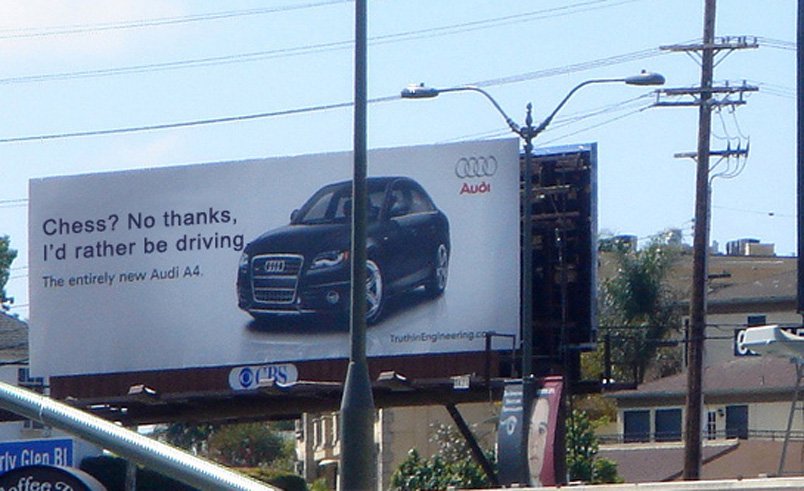
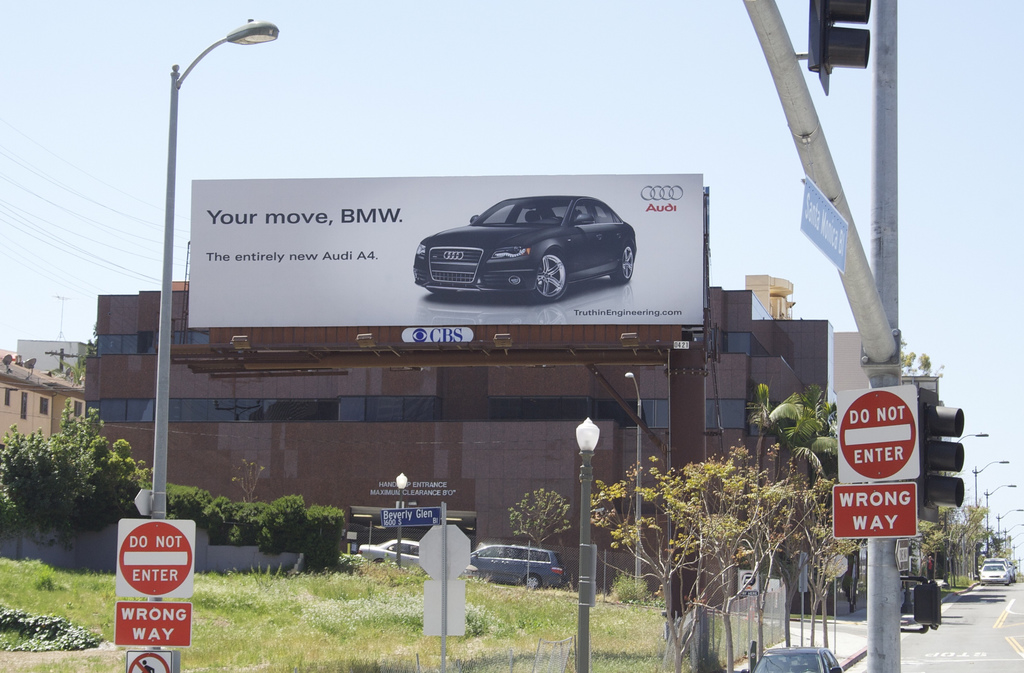
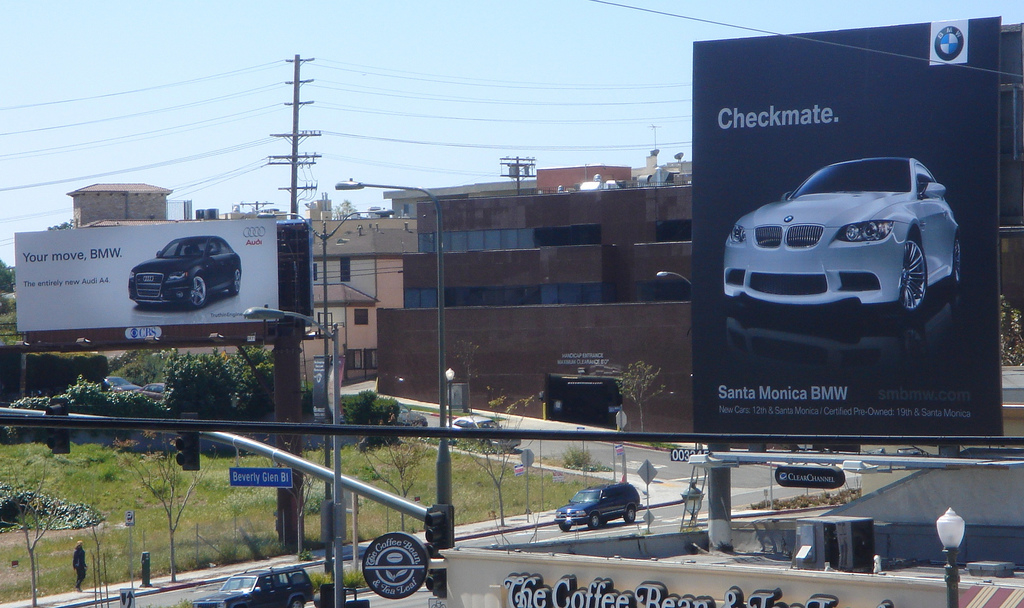
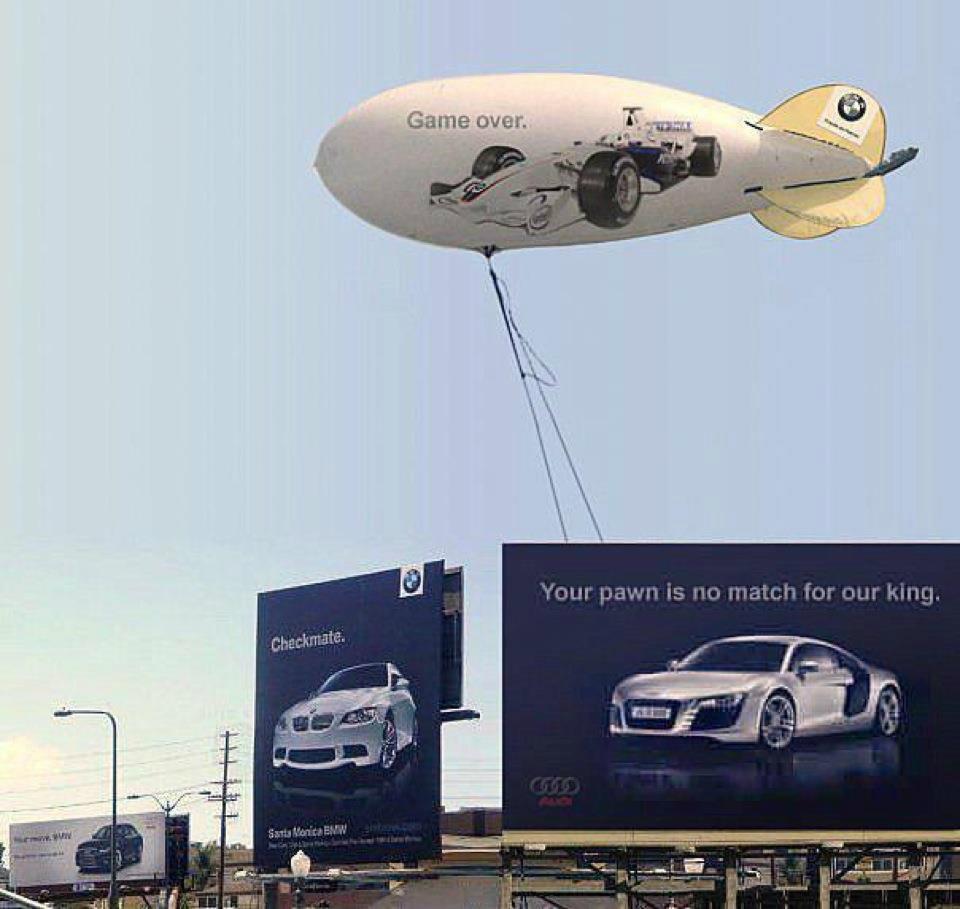
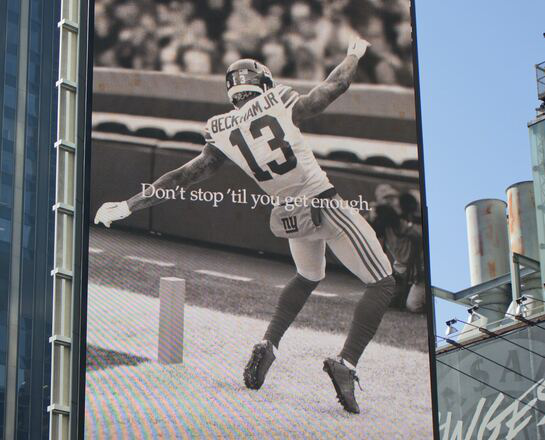

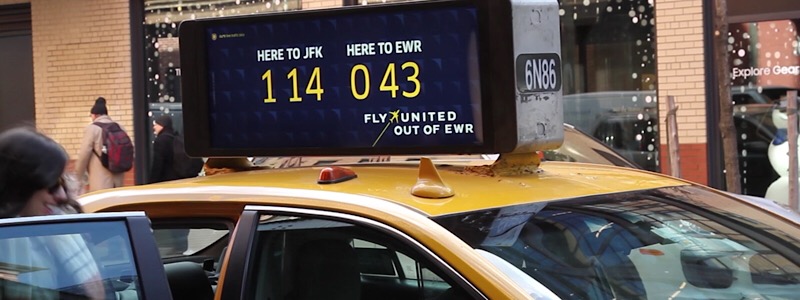
 Planning Rules That Make These Types Of Digital Advertising Work Better