With COVID-19 keeping us all indoors and separated for the greater part of 2020, it was assumed that Out-of-Home Advertising (OOH) would fall short in terms of Return on Investment (ROI) for businesses everywhere. However, with vaccination programs in place, and a better understanding of safety protocols and social distancing — people are eager to return outdoors. What does that mean for OOH advertising and what trends can we expect to come from this?
What is OOH Advertising?
Out-of-home advertising refers to any type of communications medium that a consumer encounters when they are outside of their homes.
Despite the pandemic putting a screeching halt on what would’ve been a breakthrough year for out-of-home advertising, it hasn’t tampered with its longevity in being one of the most effective and popular forms of marketing.
OOH ads can communicate to the masses faster and more effectively. It also allows brands to be flexible and creative with their marketing and outreach without limits.
As the world slowly returns to “normal,” more people will be exposed to out-of-home advertisements—meaning it’s going to be a good year for OOH advertising and the businesses that take advantage of it.
Brands have the opportunity to be innovative with their approach and design when it comes to out-of-home advertising. New ideas, concepts, and advertising trends continuously emerge that engage and entertain potential customers who come across these mediums. Here are some trends we can expect from the OOH sector in 2021.
New Media Types
Today, virtually any outside space can be transformed into some sort of OOH advertisement.
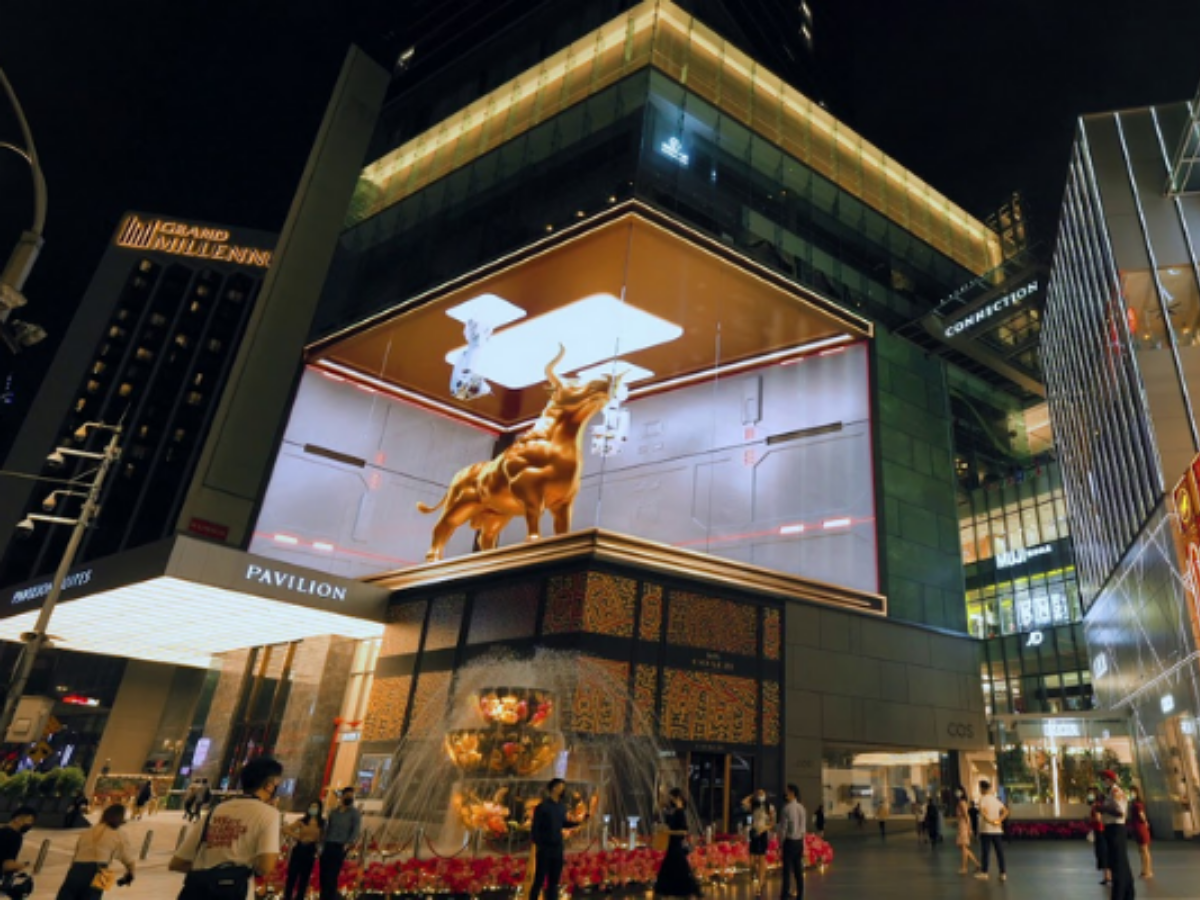
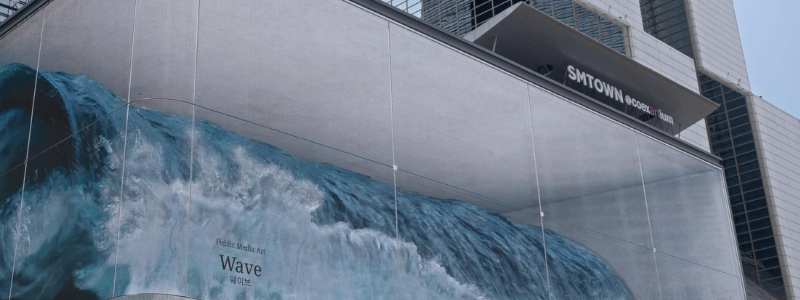
We are now seeing new media types such as car wraps, murals, art installations, and digital signage emerging all around us. It’s assumed that out-of-home advertising ends with static billboards and transit posters, but that is far from the truth.
The digital shift has made out-of-home advertisements incredibly innovative.
We now see digital billboards, street furniture, light shows, and transit signage that light up metropolitan areas all around the world.
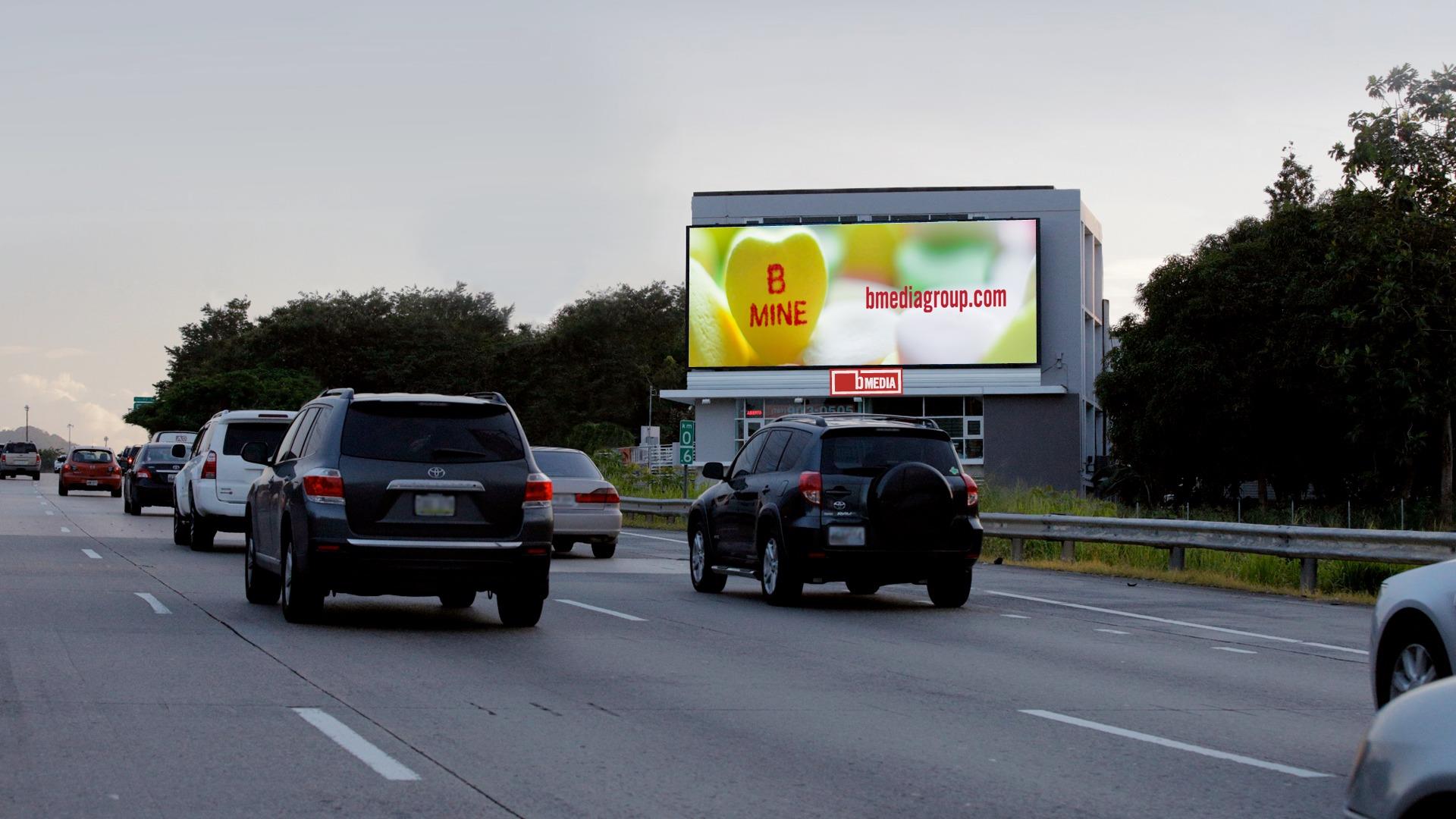
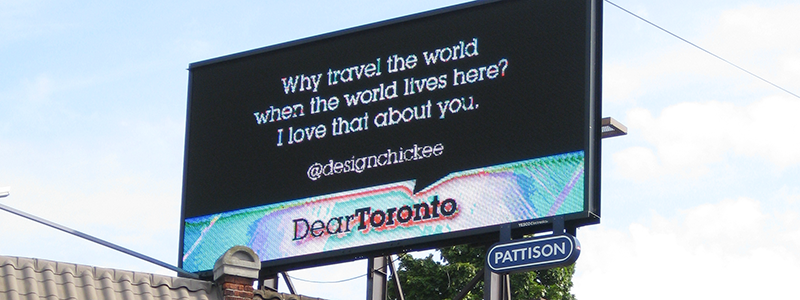
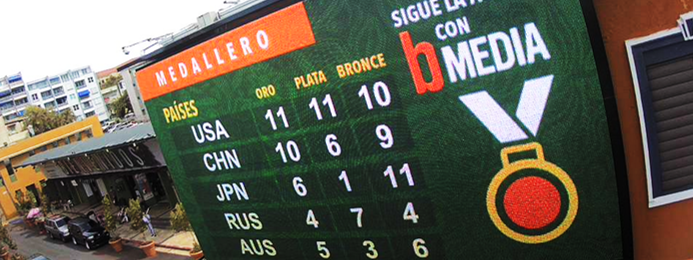
Digital-Out-of-Home advertising (DOOH), is becoming incredibly popular with some of the world’s largest companies. You can find digital ads at shopping malls, medical waiting rooms, transit hubs, and alongside major roadways and highways.
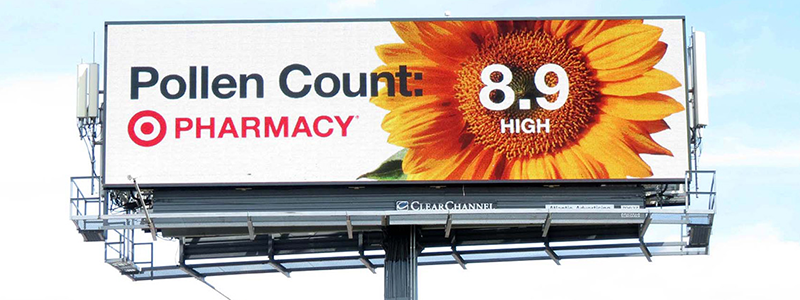
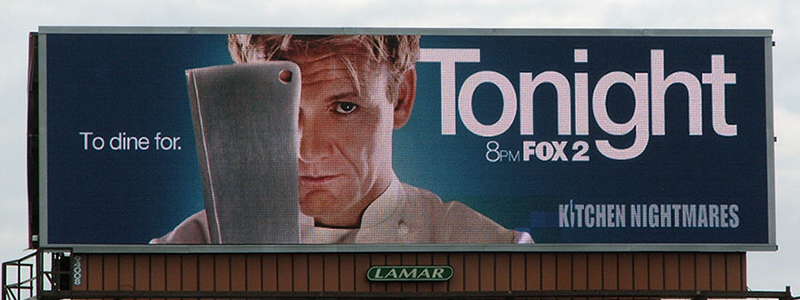
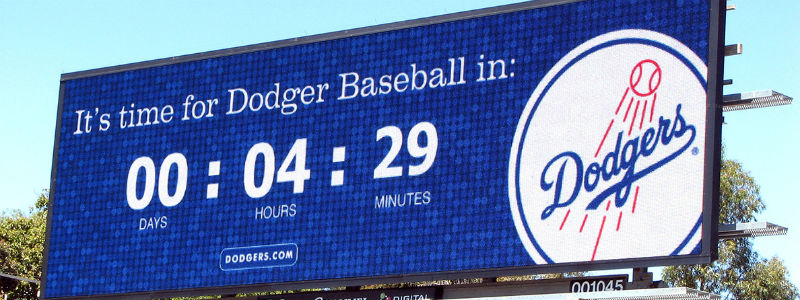
Unlike static billboards, digital signage allows for moving images and interactivity. Movement is great at grabbing the attention of passerby-ers, resulting in greater impact. Digital signage also allows for a variety of content to be displayed on the same medium, some ads are programmed to change at specific time intervals. The variety will keep viewers interested and more receptive to your ad’s message.
Geotargeting and Mobile Integration
Mobile integration paired with an out-of-home advertisement is known to bring impressive results for any business strategy. Billboards are now using geotargeting technologies that allow companies to generate data that points them to the right demographic, the right location, and the right times to display their advertisement. By targeting the right audience, there is a better chance of a conversion.
Geotargeting delivers content and advertisements to consumers based on their geographic locations. This could include geographical proximity to a mobile billboard or proximity to a store, and etc.
Analytics and data surrounding your marketing campaign ensure adequate media planning. Another benefit to geo-targeted ads is that it allows companies to track and monitor their campaign’s performance.
Interactive Brand Communication
Interactive advertising can be exp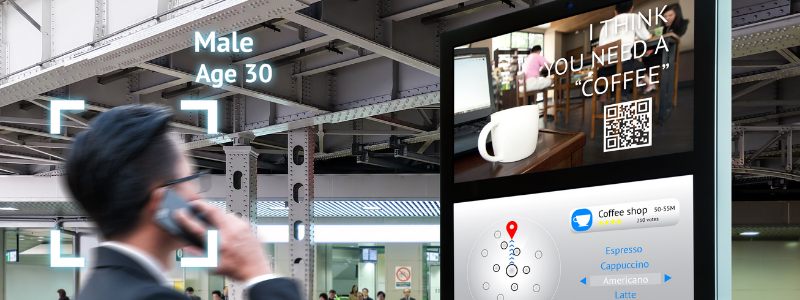 erienced through store displays, kiosks, and digital signage everywhere. Interactive advertising encourages consumer participation, allowing them to provide feedback and become part of your ad’s dialogue.
Because these types of out-of-home advertisements are incredibly innovative, consumers are excited to engage with the ad, increasing their conversion and ROIs. These types of advertisements are eye-catching and can become an experience in itself for the consumer.
Through the use of hashtags and interactive games, the consumer becomes involved in the ad, making the branding process more compelling and effective.
Brand Storytelling
Storytelling is a way for brands to create a human connection with their audience. An advertising campaign with a capturing narrative can impact the subconscious, ultimately creating a relationship between the brand and consumer. A consumer-brand relationship is important because you want to have dedicated consumers who’ll remain loyal to your product or service.
When storytelling with OOH ads, brands can design billboards or digital displays that tell only a part of the story, leaving consumers wanting and waiting around for the next saga of your campaign. This creates excitement and hype around your campaign, which later translates into increased ROI and brand awareness.
Increased Budget and Investment for OOH Advertising
The arrival of smartphones saw companies turn more to mobile and web advertising, thinking out-of-home advertising was a thing of the past when in fact, OOH advertising has seen steady growth since 2012.
Many companies are catching on to the reliability and growth that OOH ads can bring and are increasing their budgets for this form of advertising. Out-of-home advertising represents a large portion of advertising spending. In 2017, OOH advertisements represented $29 billion across key markets globally — some of the companies spending the most on OOH advertisements include Apple, Google, and Amazon.
Additionally, major companies such as Netflix and Alibaba are investing big in outdoor ad companies as out-of-home advertising formats are becoming increasingly valuable forms of commercial real estate.
SMART Advertising
Consumers are becoming more and more tech-savvy every day, resulting in more of us relying on our smart devices more and more. There are smartphones, smart TVs, smartwatches, and beyond. It’s no question that almost every technological device is transitioning to SMART technology, and it’s the same for billboards and other outdoor signage.
We are now seeing the integration of billboards and SMART technology, known as SMART billboards, which can further increase the visibility of your brand.
Some features of SMART billboards are:
- Built-in cameras and computer databases.
- Analytical tools that can pull information from databases and social media to change visuals on the billboard in real-time.
- Using social media apps like Instagram, Facebook, and Twitter to provide relevant content that engages the consumer.
- Providing live updates on weather and traffic.
- Built-in sensors to trigger ads.
- Personalized content based on consumers’ reactions and activities.
- High-tech LED lights and sound systems.
Ultimately, the driving factor for steady out-of-home advertising growth is its ability to keep up with change and global digitalization. This ever-evolving advertising strategy proves this “traditional” means of advertising is here to stay. If you’re seeking to maximize your marketing strategy, it’s best to include billboards and other forms of out-of-home advertising.
At bMedia, we provide our expertise to ensure your brand gets the most out of your OOH advertisement. With proper insights and strategies, bMedia can help your advert resonate and capture the attention of your targeted audience, resulting in increased revenue and visibility for your brand.