
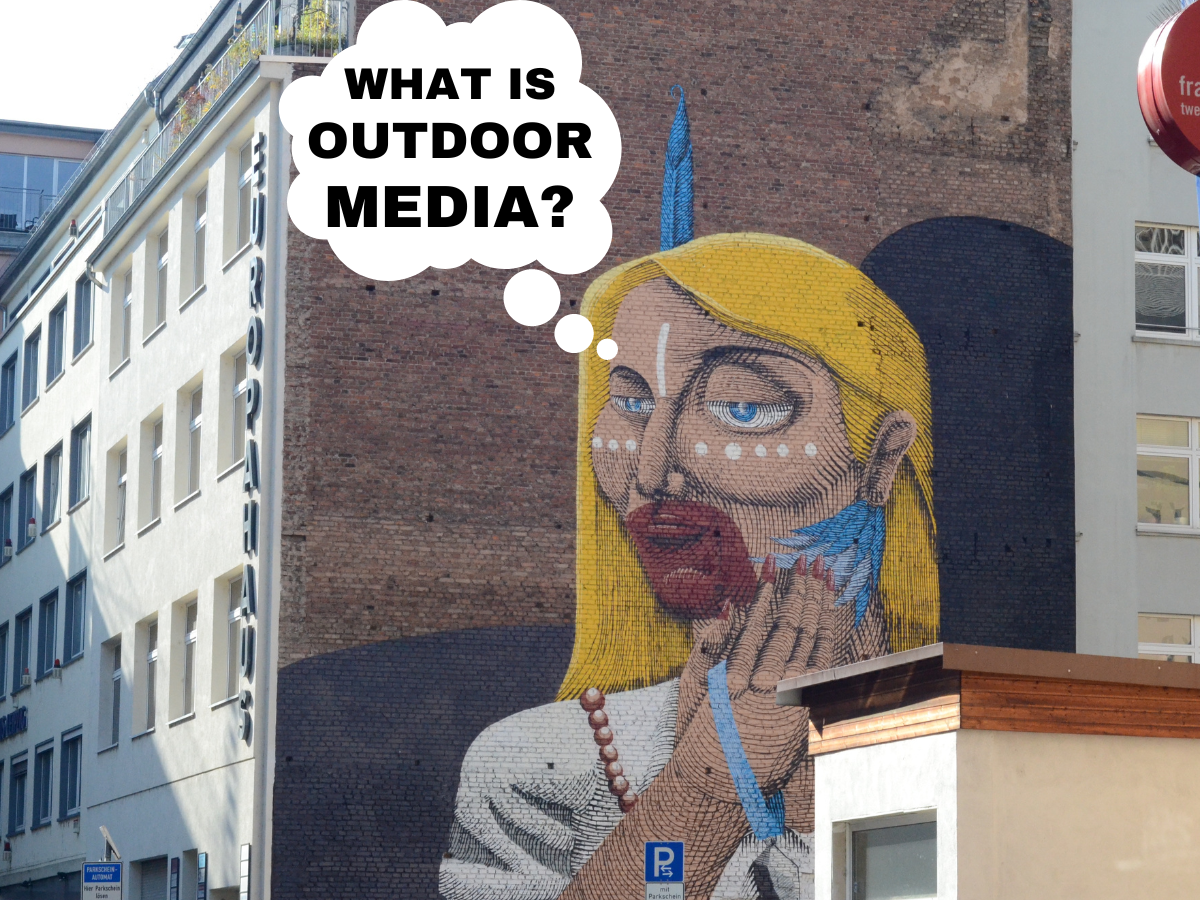
If you have ever looked up and noticed a billboard, an ad at a bus stop, or a message on a screen in a busy plaza, you have seen outdoor advertising in action. What is outdoor advertising in plain terms? It is advertising designed to reach people when they are out in the world, not sitting at home.
You will also hear it called outdoor media or OOH, which stands for out of home. These terms are often used interchangeably. In this guide, you will learn what is outdoor advertising, what formats matter most, how to pick the right placements, and how to think about measurement so you can plan with confidence.
bMedia Group helps brands plan and run outdoor campaigns across Puerto Rico with a technology-forward approach, 500+ locations, and the ability to reach 90% of the population in minutes.
What Is Outdoor Advertising And Why It Works
What is outdoor advertising really doing for your business? It puts your message in front of people during real life moments: commuting, shopping, meeting friends, traveling, and running errands.
Outdoor works best when you need:
- Broad awareness fast
- Repetition that builds familiarity
- Strong local presence by region
- A message that is easy to understand in a few seconds
Outdoor media is not about cramming information. It is about being clear, visible, and present where your customers already are.
Outdoor Advertising Formats You See Every Day
Outdoor media is a big category. Here are common formats, plus how they typically fit into a plan.
Billboards
Billboards are large placements along highways and major roads. They are ideal when you want high reach and steady visibility.
Digital Billboards (DOOH)
DOOH means digital out of home. These are screens that can rotate multiple ads. They are useful when you want flexibility, quicker creative swaps, or day-part messaging.
Posters And Street-Level Placements
Posters and street furniture (bus shelters, benches, kiosks) sit closer to eye level. They can be excellent for neighborhood targeting and pedestrian-heavy areas.
Transit Advertising
Transit placements include buses and areas around transit hubs. They work well when your audience moves through the same routes every week.
Place-Based Media
This includes formats like:
- Restroom ads
- Gas station ads
- Medical office ads
These can be effective when you want to reach people in specific settings where they have more time to read.
Outdoor Advertising In Puerto Rico
Outdoor planning improves a lot when you stop thinking “island wide” as one big idea and start thinking in zones.
A practical way to approach it is:
- Metro reach: San Juan, Bayamón, Carolina, Caguas
- South and west coverage: Ponce, Mayagüez
- North corridor: Arecibo and surrounding routes
With bMedia Group’s scale across 500+ locations and a planning approach built around reach and performance, you can match placements to real movement patterns, not guesses.
Quick Decision Guide: Pick Your Format By Goal
If your goal is speed and flexibility
- Choose DOOH
Best for promotions, multiple messages, seasonal swaps, and fast creative updates.
If your goal is always-on presence
- Choose static billboards
Best for brand recognition, consistent visibility, and simple, memorable messaging.
If your goal is impact
- Choose spectacular placements
Best for major brand moments, launches, and high-attention environments where size and placement do the heavy lifting.
Simple Comparison: Digital vs Static vs Spectacular
- Digital (DOOH): flexible, can rotate messages, great for timing and testing
- Static: steady, simple, consistent, ideal for long runs
- Spectacular: premium visibility, high impact, best for big statements
What Drives Cost In Outdoor Advertising
Outdoor pricing is not one flat number. It usually depends on:
- Location: traffic volume and visibility
- Format: digital vs static vs premium placements
- Duration: how long your campaign runs
- Share of time (digital): how often your ad appears on a loop
- Production needs: printing, file specs, creative revisions
Quick Details Block: Budget Inputs You Should Know
- Regions you want to cover
- Formats you want to use
- Timeline and start date window
- Whether you need one message or multiple versions
- Your primary outcome: reach, traffic, brand lift, or launches
If you bring those inputs to the table, planning becomes faster and more accurate.
How Outdoor Advertising Is Measured
You do not need to be a media buyer to understand measurement. Here are the key terms, in plain language:
- Impressions: estimated views of your ad
- Reach: how many different people you may reach
- Frequency: how often those people may see the ad
- CPM: cost per thousand impressions, a common way to compare efficiency across channels
Outdoor planning works best when you set expectations clearly:
- Outdoor is strong at awareness and recall
- It supports other channels by keeping your brand top of mind
- It performs better when the message is simple and the placement matches your audience
bMedia Group’s approach stays focused on measurable outcomes, CPM efficiency, targeting by region, and realistic performance reporting without promising exact results.

Creative Rules That Make Outdoor Work
Outdoor ads are seen quickly. Your design has to do its job fast.
bMedia Creative Checklist
- Keep it to one clear message
- Use large fonts that can be read at distance
- Strong contrast between text and background
- One main visual, not a collage
- Brand name or logo visible, but not cramped
- If you include a call to action, keep it short
Think “Visit,” “Call,” or a simple URL. Avoid long sentences.
Quick Details Block: What You Need To Provide
- Your logo and brand colors
- One headline or offer
- One main image (high quality)
- Any required disclaimer text, if applicable
- Preferred landing page or phone number
If your ad needs people to remember a phone number, consider pairing it with formats where people have more time, like place-based media. For highway billboards, keep actions simple.
Timeline: How To Plan Without Stress
Outdoor campaigns go smoothly when you give yourself enough time for creativity and approvals.
Planning Timeline (Typical)
- Week 1: choose region, format, and schedule
- Week 2: finalize creative and specs
- Week 3: production and confirmations
- Launch: monitor, report, and adjust if using DOOH rotations
If you are planning around seasonal demand, aim to start earlier for high-competition periods like holidays, major travel windows, or back-to-school. You do not need exact dates to plan well. You just need a clear window and a clear message.
Common Mistakes To Avoid
These are the issues that most often reduce results:
- Trying to say too much in one ad
- Picking locations without matching the audience
- Running too short to build frequency
- Using designs that look good on a laptop but fail at distance
- Skipping measurement expectations until after launch
Outdoor advertising is simple when you treat it like a planning problem, not a guessing game.
Bringing It All Together With bMedia Group
Now you can answer the core question, what is outdoor advertising and how it fits into real business goals. Outdoor media works when your plan is clear: audience, region, format, timeline, creative constraints, and measurement.
bMedia Group brings island-wide scale, 500+ locations, and technology-driven planning to help you run campaigns that are practical, trackable, and built for real visibility across Puerto Rico. If you want to turn outdoor advertising into a repeatable growth channel, start with a format mix that matches your goal, then build creative that can be understood in seconds.