How to Start a Business in Puerto Rico

Welcome to the world of entrepreneurship in Puerto Rico. You are about to embark on a journey that combines the island’s rich cultural heritage with a thriving business environment. Puerto Rico offers a unique landscape for both local and international entrepreneurs. Whether you’re attracted by the tropical climate, strategic location, or growing economic opportunities, this region has much to offer.

Starting a business in Puerto Rico requires a deep understanding of the local market dynamics, regulatory environment, and cultural nuances. To help you with this, we have created a comprehensive guide titled “How to Start a Business in Puerto Rico.” It is designed to walk you through the essential steps, from initial research and legal procedures to effective marketing strategies, including the powerful realm of billboard advertising. With each step, you will gain insights and practical advice to navigate the complexities of setting up your business in this promising region.

Our goal is to provide you with a friendly yet expert guide that makes the business setup process as smooth and successful as possible. Whether you’re looking to open a quaint café in the heart of San Juan, a boutique resort along the coastline, or a tech startup that leverages local innovations, this guide will equip you with the knowledge you need to start your business journey with confidence. Let’s dive into the details.

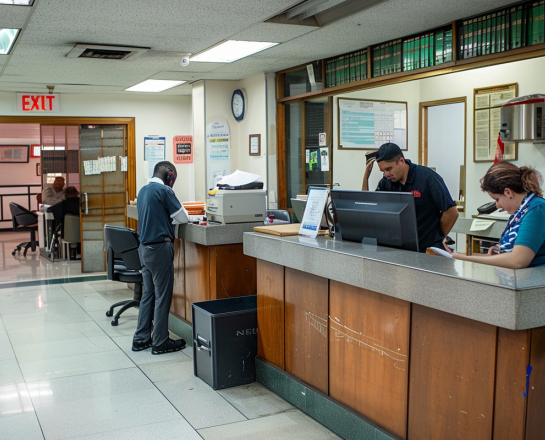
How-to-Start-a-Business-in-Puerto-Rico

Step 1: Conduct Market Research

Embarking on a business venture in Puerto Rico begins with one critical step: market research. Understanding the local consumer behavior, economic trends, and competitive landscape can dramatically increase your chances of success. Here’s how you can start your market research effectively:

  • Identify Your Target Market: Define who your customers are. Are they local residents, tourists, or perhaps businesses in a specific sector? Understanding your target audience’s preferences, buying habits, and needs will help tailor your products and services.
  • Analyze Industry Trends: Look into the broader industry trends within Puerto Rico. How has the economic climate affected this industry? Are there emerging sectors that might offer opportunities? Resources like the Puerto Rico Trade and Export Company provide insights and statistics that are invaluable.
  • Competitive Analysis: Identify your main competitors. What are they doing well? Where could they improve? By analyzing your competition, you can find a niche or service not currently offered that could differentiate your business.
  • Customer Surveys and Feedback: If possible, gather feedback directly from potential customers. This can be through online surveys, focus groups, or informal conversations. Their insights will provide a direct line to what your target market desires.
  • Utilize Local Resources: Make use of local market research firms and online databases to gather data about your industry. The Puerto Rico Chamber of Commerce and the United States Census Bureau are excellent starting points for demographic and economic data.

By meticulously analyzing the market, you will not only understand where your business fits within the local ecosystem but also gauge potential challenges and opportunities. This foundational knowledge is essential as you move forward with setting up your business in Puerto Rico.


Step 2: Choose the Right Business Structure

Choosing the appropriate business structure is pivotal as it influences everything from your day-to-day operations to tax obligations, and even your personal liability. In Puerto Rico, you have several options to consider, each with its own set of advantages and disadvantages:

  • Sole Proprietorship: This is the simplest form of business structure, easy to set up and manage. Ideal for small, low-risk businesses, a sole proprietorship means that the business liabilities are treated as your personal liabilities.
  • Partnership: If you’re considering a business with one or more partners, this might be the way to go. There are two types in Puerto Rico: limited partnerships (LP) and general partnerships (GP). While partnerships offer the benefit of shared responsibility, they also require clear agreements to manage risk.
  • Corporation (Corp.): A corporation is a more complex structure but provides significant advantages in terms of liability protection and potential tax benefits. In Puerto Rico, corporations are subject to the corporate tax rate and must adhere to stringent regulatory requirements.
  • Limited Liability Company (LLC): Combining the benefits of a corporation and a partnership, an LLC in Puerto Rico offers flexibility and protects its members from personal liability. This structure is popular among foreign investors and entrepreneurs due to its protective features and simplicity.

Legal Requirements for Registering Your Business:

  • Choose a Business Name: Ensure your business name is unique and register it with the Puerto Rico State Department.
  • Register for Permits and Licenses: Depending on your business type, you may need specific permits and licenses to operate legally in Puerto Rico.
  • Tax Registrations: Register for the necessary state and federal taxes. You will need an Employer Identification Number (EIN), which can be obtained from the IRS.

Selecting the right business structure is crucial for your long-term success and legal compliance. Each type has specific implications for your liability, tax obligations, and operational flexibility. Carefully consider which structure aligns best with your business goals and consult with a legal expert to navigate the complexities of Puerto Rican law. This careful planning will lay a solid foundation for your business and help avoid significant hurdles in the future.


Step 3: Register Your Business

Registering your business is a fundamental in how to start a Business in Puerto Rico. This process solidifies your presence in the local market and involves several key actions:

Documentation and Registration

  • Register Your Business Name: Before you can register your business, you must ensure that your business name is not already in use. Check with the Puerto Rico State Department’s Commercial Registry to see if your desired name is available.
  • Obtain an Employer Identification Number (EIN): Essential for all businesses, the EIN is your federal tax ID. You can apply for it through the IRS website. This number is required for tax filings, opening a bank account, and hiring employees.
  • File Organization Documents: Depending on your business structure, you will need to file different documents:
    • Corporations must file articles of incorporation.
    • LLCs file articles of organization.
    • Partnerships require a partnership agreement.

Where to File

Documents can be filed online via the Puerto Rico State Department’s portal or in person at their office. It’s important to ensure that all information is accurate to avoid delays.

Cost and Time

  • Fees: The cost to register a business in Puerto Rico varies depending on the business structure and the type of filings required. Typically, fees range from $150 to $500.
  • Timeframe: The registration process usually takes between 4 to 6 weeks. However, this can vary based on the complexity of your business structure and the completeness of your submitted documents.

Other Legal Considerations

  • Licenses and Permits: Identify any specific licenses or permits your business may require based on its activities. Common examples include health department permits for restaurants or environmental permits for construction companies.
  • Local Zoning Laws: Check local zoning regulations to ensure that your business location is in an area zoned for your type of business. This is crucial for avoiding future legal complications.
  • Annual Reports: Most businesses in Puerto Rico are required to file annual reports with the Puerto Rico State Department. These reports keep your business in good standing and update the state on any significant changes to your business.

Completing these registration steps is not just a legal formality; it also provides your business with credibility and legitimacy in the eyes of customers, suppliers, and financial institutions. Make sure to follow through meticulously to set a strong foundation for your business operations in Puerto Rico.


Step 4: Understand Tax Obligations

Proper management of tax obligations is critical for your business success in Puerto Rico. Familiarizing yourself with local and federal tax requirements will help you avoid legal issues and ensure financial health. Here’s what you need to know about the tax landscape for businesses in Puerto Rico:

Local Tax Responsibilities

  • Puerto Rico Sales and Use Tax (IVU): Similar to sales tax, IVU is applicable to most goods and services sold within Puerto Rico. The current standard rate is 11.5%, with a reduced rate for certain items such as unprocessed foods.
  • Corporate Income Tax: Companies operating in Puerto Rico are subject to corporate income tax on their earnings. The rate varies depending on your business’s income level but generally ranges from 20% to 30%.
  • Municipal Taxes: In addition to state taxes, businesses may also be subject to taxes imposed by the local municipalities. These can include property taxes, business license taxes, and more.

Federal Taxes

  • U.S. Federal Income Tax: Despite being a territory, residents and businesses in Puerto Rico generally do not pay U.S. federal income taxes on income sourced within Puerto Rico; however, any income sourced from the U.S. must be declared and could be subject to taxation.
  • FICA and Medicare: Businesses are required to contribute to Social Security and Medicare, just as in the mainland United States. This involves withholding the appropriate amounts from employee wages and matching those contributions.

Staying Compliant

  • Regular Updates: Tax laws can change, so it’s important to stay informed. Consulting with a tax advisor who is familiar with both Puerto Rican and U.S. tax laws is advisable.
  • Filing Deadlines: Be aware of and comply with all filing deadlines to avoid penalties and fines. This includes monthly, quarterly, and annual tax filings, depending on your business activities.
  • Record Keeping: Maintain meticulous records of all financial transactions, tax filings, and relevant business activities. Good record keeping not only helps in staying compliant but also in managing your business effectively and preparing for audits.

Understanding and managing your tax obligations is essential for operating a successful business in Puerto Rico. By ensuring compliance with both local and federal tax laws, you protect your business from legal complications and build its reputation as a trustworthy entity.
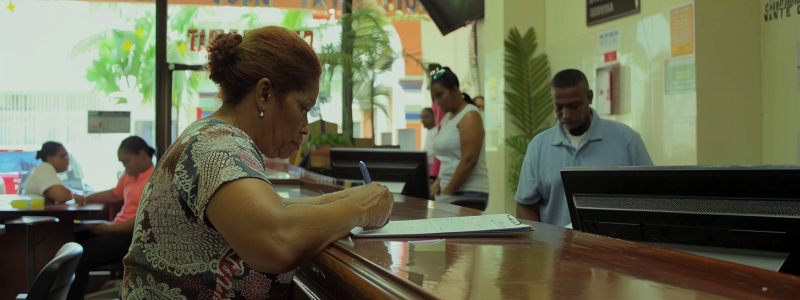
Puerto-Rico-Business-Registration

Step 5: Secure Financing

Securing adequate financing is a crucial step in how to start a Business in Puerto Rico. Whether you need initial startup capital, funds for expansion, or cash to cover operational costs, here are some avenues you can explore to secure the necessary funds:

Types of Financing Available

  • Bank Loans: One of the most traditional forms of financing, bank loans can provide significant amounts of capital. You’ll need to present a solid business plan and good credit history to qualify. Local banks in Puerto Rico, such as Banco Popular de Puerto Rico and FirstBank, offer various business loans with competitive terms.
  • Government Grants and Subsidies: The Puerto Rican government offers various grants and subsidies through agencies like the Economic Development Bank for Puerto Rico. These are especially targeted at sectors such as technology, agriculture, and tourism.
  • Venture Capital: For businesses with high growth potential, particularly in industries like tech, venture capital could be a viable option. Local venture capital firms provide funding in exchange for equity in your company.
  • Angel Investors: Angel investors are typically high-net-worth individuals looking to invest in promising business ventures in exchange for equity. Networking in local business events and conferences can be a good way to meet potential investors.

Tips for Successful Financing

  • Prepare a Comprehensive Business Plan: This should detail your business idea, market analysis, management structure, and financial projections. A well-prepared business plan is crucial to convince lenders and investors of the viability of your business.
  • Understand the Terms of Financing: Whether it’s a loan or an equity investment, understanding the terms of your financing agreement is critical. Pay special attention to interest rates, repayment schedules, equity stakes, and any other obligations.
  • Build and Maintain Good Credit: Good personal and business credit scores can significantly increase your chances of securing a loan with favorable terms. Regularly check your credit report and work on improving any negative factors.
  • Explore Multiple Options: Don’t limit yourself to one type of financing. Explore various sources to determine which one best suits your business needs and offers the most favorable terms.

Finalizing Your Financial Plan

Once you have identified potential sources of funding, prioritize those that align best with your business goals and financial needs. It might also be beneficial to combine different types of financing to cover various aspects of your business expenses.

Securing the right financing involves careful planning and negotiation but is essential for the health and growth of your business. By exploring all available options and preparing thoroughly, you will significantly increase your chances of securing the necessary funding to launch and expand your business in Puerto Rico successfully.


Step 6: Set Up Your Business Location

Choosing the right location is crucial for the success of your business in Puerto Rico. This decision impacts your operational efficiency, branding, customer traffic, and overall business growth. Here are key considerations when setting up your business location:

Factors to Consider

  • Target Market Proximity: Your location should be easily accessible to your target market. Consider the demographics and buying behaviors of the area to ensure alignment with your business offerings.
  • Visibility and Accessibility: A location that is visible and easily accessible to foot or vehicle traffic can significantly increase customer visits. Look for areas with good infrastructure, public transportation access, and ample parking.
  • Zoning Laws: Ensure the chosen location complies with local zoning laws. These laws determine what types of businesses can operate in certain areas. Check with the local municipality to avoid any legal issues that might arise from non-compliance.
  • Competition: Evaluate the competitive landscape of the area. Being too close to competitors can be challenging unless you have a clear differentiation strategy.
  • Cost of Real Estate: The cost of leasing or buying a property varies widely across Puerto Rico. Consider your budget and financial forecasts to ensure the location cost is sustainable for your business model.

Steps to Set Up Your Business Location

  1. Research Potential Locations: Identify several potential locations based on the factors mentioned above. Conduct thorough research, including site visits and discussions with other local business owners.
  2. Evaluate Lease Agreements or Purchase Terms: Carefully review all terms in lease agreements or purchase contracts. Consider seeking legal advice to understand all obligations and rights.
  3. Infrastructure Needs: Assess the infrastructure of the potential location. This includes utilities, internet availability, logistics needs, and any modifications required to suit your business operations.
  4. Obtain Necessary Permits and Licenses: Depending on the location and nature of your business, you may need additional permits and licenses specific to that area. This can include signage permits, health department approvals, or special state licenses.
  5. Plan Your Layout and Design: The layout and design of your business should not only reflect your brand but also optimize operational efficiency. Plan for customer flow, employee workspaces, and storage needs.

Finalizing Your Location

Once you have finalized your location, take the time to announce your arrival in the community. This can involve an opening ceremony, special promotions, or community events to generate buzz and build relationships with local residents and other businesses.

Choosing the right location is a strategic decision that requires careful planning and consideration. By taking into account these key factors and following the steps outlined, you can establish a business location in Puerto Rico that supports your company’s growth and market penetration objectives.


Step 7: Marketing Your Business

Effective marketing is crucial for any business aiming to succeed, especially in the competitive landscape of Puerto Rico. While various marketing strategies can elevate your brand, incorporating billboard advertising into your marketing mix can significantly enhance your visibility and customer engagement. Here, we emphasize the unparalleled benefits of billboard advertising, specifically through a leading company in the sector, bMedia.

General Marketing Strategies

  • Develop a Strong Brand Identity: Establish a recognizable brand identity that reflects your business ethos and appeals to your target audience. This includes having a compelling logo, consistent themes, and a coherent message that resonates with your customers.
  • Leverage Digital Marketing: Use digital platforms effectively—optimize your website for SEO, engage on social media, and send out targeted emails. These methods help broaden your reach and interact directly with potential customers.
  • Local Media Engagement: Gain local media exposure by featuring in Puerto Rican newspapers, radio, and TV channels. This traditional form of media still holds significant sway and can boost your reputation within local communities.
  • Community Involvement: Increase your local presence by participating in or sponsoring community events. This not only enhances visibility but also helps in fostering community relationships, crucial for business growth.

Advertising with bMedia: Benefits

  • Strategic High-Traffic Locations: bMedia offers premium billboard placements in some of the most frequented areas across Puerto Rico, ensuring your advertisements get maximum exposure to your target demographic.
  • Consistent Brand Exposure: Billboards capture the attention of a wide audience repeatedly, which is vital for brand recall. With bMedia’s strategically located billboards, your business gains continuous exposure, helping to keep you top-of-mind among potential customers.
  • Tailored Advertising Solutions: bMedia specializes in creating tailored advertising solutions that resonate with specific audiences. This personalized approach ensures that your marketing message is not only seen but also impactful.

Tips for Effective Billboard Advertising

  • Choosing the Right Locations: With bMedia’s extensive network, select locations that best meet your demographic needs for optimal visibility and impact.
  • Designing Impactful Billboards: Collaborate with bMedia’s experienced designers to create visually striking and memorable billboards. An effective billboard is visually appealing and delivers its message clearly and quickly to those on the move.
  • Regular Campaign Evaluations: bMedia provides valuable analytics on the performance of your billboards, allowing you to measure effectiveness and make informed adjustments to your marketing strategy.

Cost-Effective Advertising

  • Transparent Pricing: bMedia offers competitive pricing models that cater to various budget sizes, ensuring that you can benefit from high-quality billboard advertising without compromising other marketing initiatives.
  • Measurable Returns: Track the success of your billboard campaigns with bMedia’s advanced tracking tools. This data helps you understand your return on investment and refine your strategies for even better results.

Puerto-Rico-Business-Incentives

A Final Word

Integrating billboard advertising into your marketing strategy can significantly increase your business’s market presence in Puerto Rico. By partnering with bMedia, you leverage their expertise, strategic placement, and customized advertising solutions to not only reach but also resonate with your target audience. Remember, successful marketing is about making lasting impressions and building relationships—bMedia’s billboard advertising can help you achieve just that. Let your brand be seen and remembered with bMedia.


Understanding the ROI of Billboard Advertising

Amidst the busy world of modern marketing, billboard advertising stands out as a potential tool for increasing a brand’s visibility. While digital marketing continues to grow, the physical presence of billboard advertising offers a unique combination of reach and impact that digital channels often struggle to achieve. However, before investing in billboard advertising, it is important to consider the return on investment (ROI) and how to use it effectively.

Understanding the ROI of billboard advertising is essential for any business owner contemplating this traditional yet powerful marketing channel. ROI, or Return on Investment, serves as a vital metric, helping businesses gauge the effectiveness of their advertising efforts in generating revenue compared to the cost incurred. In the context of billboard advertising, assessing ROI involves looking beyond the immediate visibility, delving into the influence on consumer behavior, brand recall, and ultimately, sales.

At bMedia, we have created this article to serve as a comprehensive guide for business owners who are considering billboard advertising as a strategy to promote their products or services. Our aim is to discuss the different types of billboards, their advantages, and how to measure and maximize your returns. Whether you are new to outdoor advertising or looking to improve your existing strategies, this guide aims to provide you with the necessary knowledge to make informed decisions, ensuring that your billboard advertising efforts are both effective and economically viable.

Understanding-the-ROI-of-Billboard-Advertising


The Basics of Billboard Advertising

In the fast-paced world of today, getting the attention of potential customers is more difficult than ever. However, despite the rise of digital marketing, billboard advertising still plays a vital role in increasing brand visibility. To understand the ROI of billboard advertising, it’s essential to first understand what it is, why it matters, and how it can be a game-changer for businesses looking to make a significant impact in the marketplace.

What is Billboard Advertising? Billboard advertising is a form of outdoor advertising that uses large-scale print or digital displays to promote a product, service, or brand to the public. There are primarily three types of billboard advertising, each with its unique advantages:

  • Digital Billboards: These are electronic displays that can change messages every few seconds, allowing for multiple advertisers on one billboard and dynamic content that can be updated in real-time.
  • Traditional Billboards: Often referred to as static billboards, these are the standard billboards that display a single, non-changing advertisement printed on a large vinyl, fabric, or paper sheet.
  • Mobile Billboards: These billboards are mounted on vehicles, allowing your advertisement to move around and reach different locations and audiences throughout the day.

Key Components of Effective Billboard Advertising

For billboard advertising to be effective, it must excel in several key areas. Understanding these components can help business owners maximize the impact of their billboard campaigns:

  • Location: The placement of your billboard is crucial. High-traffic areas, major highways, and intersections with long wait times can increase visibility significantly.
  • Visibility: A great location won’t matter if your billboard isn’t easily visible. Ensure there are no obstructions and that it’s placed at an angle conducive to oncoming traffic’s line of sight.
  • Message Clarity: With only a few seconds to capture a viewer’s attention, your message needs to be concise and impactful. A clear, compelling call to action (CTA) alongside memorable visuals can make all the difference.

When used strategically, billboard advertising provides a unique opportunity for businesses to reach a large audience with their message. Effective billboard advertising is not just about raising awareness – it involves designing and placing billboards in a way that aligns with the business’s overall marketing goals and generates a positive ROI.

By keeping these fundamentals in mind, business owners can successfully navigate the complex world of billboard advertising and increase their brand visibility and customer engagement. With the right approach, billboards can be a powerful tool in a business’s marketing strategy, resulting in increased sales and brand recognition.


Measuring the ROI of Billboard Advertising

As businesses try to grasp the concept of understanding the ROI of billboard advertising, it’s important for owners to learn about the metrics and methods that contribute to effective measurement. Unlike digital advertising, where clicks and impressions can be easily tracked, calculating ROI on billboard advertising is not so straightforward. However, by adopting the right approach, you can assess the effectiveness of your billboard campaigns and make informed decisions to optimize your marketing budget.

Key Metrics for Billboard Advertising ROI

To measure the ROI of billboard advertising, we focus on both direct and indirect metrics, which together offer a comprehensive view of campaign performance:

  • Impressions: The total number of times your billboard is seen. This is estimated based on the location’s traffic data and billboard visibility.
  • Reach: The number of unique individuals who see your billboard. This differs from impressions, which may count the same individual multiple times.
  • Brand Lift: An increase in brand awareness, consideration, or preference. This is often measured through market research before and after the billboard campaign.
  • Engagement: Any measurable interaction that your billboard inspires, such as social media mentions, website visits, or an uptick in search queries related to your business.
  • Sales Lift: The most direct measure of ROI, reflecting the increase in sales attributed to the billboard campaign. This requires tracking sales data before, during, and after the advertisement’s run.

Methods for Calculating ROI

Calculating the ROI of billboard advertising involves correlating the cost of your billboard campaign with the business outcomes it generates. Here are foundational steps to guide this calculation:

  1. Determine the Total Campaign Cost: This includes the cost of renting the billboard space, designing the advertisement, and any other associated expenses.
  2. Estimate the Campaign’s Impact: Utilize the above metrics to gauge the campaign’s effectiveness. For instance, use traffic data to estimate impressions and conduct pre- and post-campaign surveys to measure brand lift.
  3. Attribute Sales to the Campaign: Analyze sales data to identify any increases during and after the campaign. While attributing sales directly to billboards can be challenging, looking for correlations in time frames and geographic areas covered by the billboards can provide valuable insights.
  4. Calculate ROI: The formula for ROI is [(Return from Investment – Cost of Investment) / Cost of Investment] x 100. In this context, ‘Return from Investment’ refers to the monetary value of the outcomes attributed to the billboard campaign.

Implementing a mix of these metrics and methods offers a balanced approach to understanding the ROI of your billboard advertising efforts. While some metrics, like impressions and reach, provide immediate feedback on visibility, others, such as sales lift and brand lift, reveal the long-term value and impact of your campaign.

Effective ROI measurement empowers business owners to refine their billboard advertising strategies, allocate resources more efficiently, and ultimately, achieve greater market impact. As we move forward, remember that the goal is not just to calculate ROI but to understand it deeply enough to drive smarter, more profitable advertising decisions.

Factors Influencing ROI in Billboard Advertising

After establishing a foundation for measuring the ROI of billboard advertising, it’s pivotal to recognize the factors that can significantly influence these outcomes. Understanding these variables allows business owners to strategize more effectively, optimizing their billboard campaigns for maximum return. These factors range from the physical attributes of the billboard to the content it displays, each playing a crucial role in the campaign’s overall effectiveness.

Location and Visibility

  • Traffic Volume: Areas with high traffic volume, especially during peak hours, can dramatically increase the number of impressions your billboard receives.
  • Demographics: The characteristics of the population in the billboard’s vicinity should align with your target audience. Age, income, interests, and other demographic factors can influence the relevance and impact of your advertisement.
  • Line of Sight and Visibility: The billboard’s placement and whether it’s easily visible without obstructions are crucial. Billboards at eye level or those facing oncoming traffic tend to have higher engagement rates.

Design and Message Clarity

  • Simplicity of Design: With only a few seconds to capture attention, a clear, straightforward design with bold visuals and minimal text ensures your message is understood.
  • Brand Consistency: Ensuring your billboard’s design is consistent with your overall brand image and messaging strengthens brand recall and contributes positively to ROI.
  • Call to Action: An effective CTA can drive engagement, directing the audience towards a specific action, such as visiting a website or making a purchase.

Timing and Duration

  • Campaign Timing: Aligning your billboard advertisement with specific events, seasons, or consumer buying patterns can enhance its relevance and impact.
  • Exposure Duration: The length of time your billboard is displayed affects the number of people who see it. Longer campaigns have the potential to reach more people, but the diminishing return over time is a factor to consider.

Integration with Other Marketing Efforts

  • Cross-Media Synergy: Billboards that are part of a larger, integrated marketing campaign tend to have a higher ROI. They can amplify other marketing channels by reinforcing the message or directing traffic to digital platforms.
  • Tracking Mechanisms: Including a unique hashtag, QR code, or website URL on your billboard can help track its direct impact on web traffic, social media engagement, or specific promotions.

Understanding and utilizing these factors can significantly enhance the return on investment of billboard advertising. By carefully selecting the ideal location, designing an engaging advertisement, timing your campaign appropriately, and integrating it within a broader marketing strategy, businesses can not only achieve higher visibility but also drive meaningful engagement and sales. In the following section, we will explore effective strategies to maximize these factors, ensuring that your billboard advertising not only captures attention but also conveys your message compellingly to your target audience.

Billboard-campaign-strategies


Maximizing the ROI of Billboard Advertising

Crafting an impactful billboard ad involves more than just bold visuals and catchy phrases. The design and messaging must work in harmony to not only grab attention but also convey your brand’s message effectively and drive action. This balance is crucial for maximizing the ROI of billboard advertising. Here are strategic guidelines to ensure your billboard’s design and messaging hit the mark.

Simplicity is Key

  • Concise Messaging: Keep text minimal. Aim for a maximum of six words to ensure your message can be comprehended at a glance.
  • Bold, Clear Fonts: Choose fonts that are easy to read from a distance. Avoid cursive or overly stylized fonts that might impair readability.

Make a Visual Impact

  • High-Contrast Colors: Utilize contrasting colors for background and text to enhance readability. High contrast not only grabs attention but also improves legibility from afar.
  • Use Compelling Imagery: A single, powerful image can tell a story more effectively than text. Ensure the image is relevant to your message and brand.

Focus on Branding

  • Prominent Logo Placement: Your logo should be visible but not overpower the message. It’s about creating brand recall, not just logo recognition.
  • Consistent Brand Identity: Ensure that your billboard design is consistent with your brand’s overall visual identity, including colors, fonts, and tone.

Craft a Clear Call to Action (CTA)

  • Direct and Actionable: Your CTA should inspire immediate action or thought. Whether it’s visiting a website, calling a phone number, or simply planting a seed of curiosity, make it clear and compelling.
  • QR Codes and Unique URLs: Including a QR code or a unique URL can directly measure engagement from the billboard. Ensure these elements are large enough to be noticed and scanned or remembered easily.

Engage Emotionally

  • Evoke Emotion: Aim to strike an emotional chord with your audience. Whether it’s humor, happiness, nostalgia, or urgency, emotional engagement increases the likelihood of your message being remembered.
  • Tell a Story: Even with limited space, your billboard can tell a story through visuals and succinct text. A narrative element can increase engagement and recall.

Test and Refine

  • Mockups and Digital Previews: Before finalizing your design, test it through mockups or digital previews to see how it looks from various distances and angles.
  • Feedback Loops: Gather feedback on your billboard designs from a diverse group of people to ensure the message is clear and the design is impactful.

Implementing these strategies can significantly enhance the effectiveness of your billboard advertising. A well-designed billboard with a clear, compelling message not only captures attention but also makes a lasting impression on viewers. By focusing on simplicity, visual impact, branding, and emotional engagement, you can create billboards that resonate with your audience and drive meaningful results, thereby maximizing the ROI of your billboard advertising campaign.


Timing and Placement

The timing and placement are solid proof of understanding the ROI of billboard advertising. Both can profoundly affect strategy via its visibility, relevance, and ultimately, its ROI. These decisions should be informed by a deep understanding of your target audience, their habits, and the competitive landscape. Here’s how to optimize these crucial factors for your billboard campaign.

Choosing the Right Location

  • Audience Alignment: Select locations where your target demographic frequently travels. Utilizing traffic and demographic data can help identify these prime spots.
  • High Traffic Areas: Opt for areas with high foot or vehicle traffic, but also consider the speed at which people are moving. Slower traffic means more time to view and absorb your message.
  • Competitive Presence: Being aware of where your competitors place their billboards can offer strategic insights. You might choose to be nearby to intercept their audience or opt for less cluttered spaces to stand out.

Leveraging Seasonality and Events

  • Seasonal Campaigns: Adjust your billboard content and placement to align with seasonal shopping trends, holidays, or events that resonate with your target audience.
  • Event-Driven Advertising: Capitalizing on local events, concerts, sports games, or conventions by placing billboards strategically can increase relevance and engagement.

Duration and Frequency

  • Exposure Duration: The length of your campaign should balance cost with exposure. Longer campaigns increase the chance of being seen but evaluate the diminishing returns over time.
  • Frequency vs. Saturation: Repeated exposure is key to brand recall, but too much saturation can lead to ad fatigue. Find the balance that keeps your message fresh and engaging.

Testing and Adaptation

  • Pilot Campaigns: Running short-term pilot campaigns in different locations can provide insights into what works best before committing to a longer-term investment.
  • Adaptation: Be prepared to adapt your strategy based on performance. This might mean changing the billboard’s content, its location, or the timing of your campaign based on initial feedback and results.

Integration with Broader Marketing Campaigns

  • Cross-Channel Synergy: Ensure your billboard advertising complements and amplifies your other marketing efforts. Consistent messaging across channels reinforces your brand and can boost overall campaign effectiveness.
  • Digital Integration: Consider integrating digital actions with your billboard. Encouraging social media engagement or visits to your website can extend the interaction beyond the physical viewing.

To make the most out of your billboard advertisements, it’s essential to plan the timing and placement carefully. The objective is not only to grab attention but also to ensure that it feels relevant and tailored to the audience’s needs and interests. This strategic approach to timing and placement is critical in maximizing the return on investment of billboard advertising, ensuring that your messages resonate deeply and drive the desired actions.


Challenges and Considerations

Billboard advertising can be a powerful tool for gaining visibility and engagement. It also presents unique challenges that require careful consideration. Thus, to ensure that your investment in billboard advertising yields the best possible returns you need to understand these challenges. In this section, we’ll discuss some of the key hurdles and critical factors.

Budgeting and Cost Efficiency

  • Upfront Investment: Billboard advertising requires an initial investment that can be substantial, especially in high-traffic locations. Planning your budget to accommodate this cost is crucial.
  • Cost-Benefit Analysis: Evaluate the potential return on investment relative to the cost. High-traffic areas may warrant the higher price due to increased visibility, but the effectiveness must be measured against your specific business goals.

Design and Message Adaptation

  • Creative Constraints: The need for simplicity in design and messaging can be challenging. It demands creativity to convey your message effectively within these constraints.
  • Cultural and Environmental Sensitivity: Billboards are public and highly visible. Ensuring your content is culturally sensitive and appropriate for the area is essential to avoid backlash.

Regulatory and Zoning Restrictions

  • Legal Compliance: Billboard advertising is subject to local, state, and federal regulations, which can vary significantly. Understanding and adhering to these regulations is vital to avoid fines or forced removal of your advertisement.
  • Zoning Laws: Certain areas may have restrictions on billboard placement, size, lighting, and digital components. Familiarizing yourself with these laws in your targeted locations will guide your planning process.

Measurement and Attribution

  • Tracking Effectiveness: Unlike digital marketing, directly measuring the impact of billboard advertising on sales or website traffic can be challenging. Developing indirect measures or integrating digital elements for tracking can help bridge this gap.
  • Attribution: Determining the direct contribution of a billboard campaign to overall sales or brand awareness requires careful analysis. It may also involve correlating sales data with billboard exposure times and locations.

Strategic Placement and Saturation

  • Market Saturation: In areas with high concentrations of billboards, standing out among the clutter can be challenging. Strategic placement and creative design become even more critical in these environments.
  • Changing Dynamics: The effectiveness of a location can change due to new constructions, changes in traffic patterns, or seasonal variations. Continuous monitoring and flexibility in your strategy are essential.

Billboard-advertising-effectiveness


Embracing the Power of Billboard Advertising

As we’ve journeyed through the intricacies of understanding the ROI of billboard advertising, it’s clear that this traditional form of marketing holds significant value in today’s digital age. From the fundamental principles of crafting impactful designs and messages to the strategic nuances of timing, placement, and integration with broader marketing efforts, billboard advertising offers a unique blend of visibility and engagement that can drive remarkable results for businesses.

Billboard advertising is not just about catching the eye; it’s about creating a lasting impression that translates into real business outcomes. Whether it’s increasing brand awareness, boosting sales, or enhancing customer engagement, the application of billboard advertising can be a game-changer.

As business owners looking to harness the full potential of billboard advertising, the journey doesn’t end here. It’s about continuously learning, adapting, and optimizing your strategies to stay ahead in a competitive landscape. And this is where bMedia comes into play. With our expertise in strategic placement, creative design, and integrated marketing solutions, we empower your brand to make an impact. Don’t miss the opportunity to transform your marketing strategy and achieve unparalleled ROI with billboard advertising.