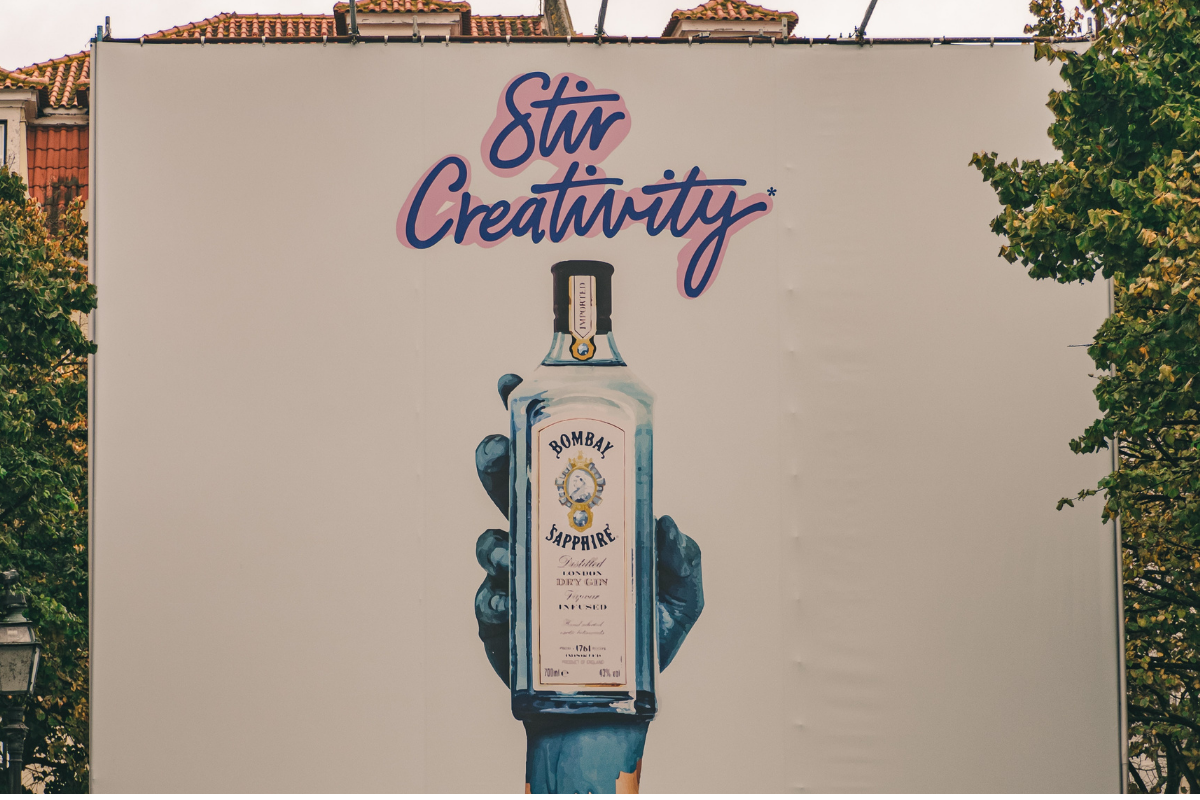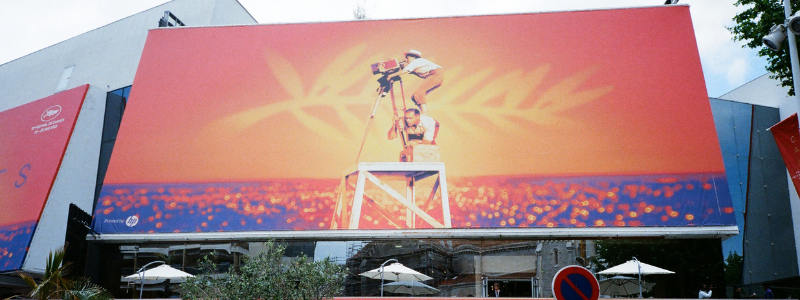
Advertising on billboards has been around for decades and there is more than one reason that it’s still an effective way of communicating your message, product, or brand. We’ve put together our top benefits of billboard advertising.
What is Billboard Advertising?
Billboards are best described as large posters. Since the time of the ancient Egyptians, billboards have been used to advertise goods and services.
Advertisers have paid to get their message on display in large outdoor advertising spaces. Billboards aim to attract the attention of pedestrians and motorists who regularly pass by them.
Billboard advertising uses a large print. The message must be read and understood in seconds. Thus, advertisers often include images that elicit emotions. The intent of billboard advertising is to market a company, a brand, a product, a service, a special event, or a campaign.

What are the Benefits of Billboard Advertising?
Billboards have captive audiences
Billboards usually appear in high traffic areas.
This includes cities, along busy highways, on buses, near airports, near arenas, or on building walls. The aim of billboard advertising is to get viewed by large numbers of riders, drivers, or walkers.
Research shows that we may be exposed to as many as four thousand ads each day.
North Americans spend 17,600 minutes in a car. That works out to 300 hours per person annually. Viewers are a captive audience.
Viewers pay attention
People DO look at these roadside advertisements.
Research shows that 75% of the people to drive, ride, or walk by these billboards consciously look at billboards when they are driving or riding.
There are many billboard opportunities
Billboards are a popular advertising medium.
In the USA alone, there are 350,000 billboards. Opportunities to erect a billboard along a highway, atop a building, on a wall, on a park bench, or on the side of a bus abound.
You can match the location to a niche market
Because billboards are everywhere, you can select a location where traffic includes a large percentage of your target market.
Billboards create brand awareness
If you are trying to get increased traffic to your website, billboards are not the most effective advertising medium. Nor are billboards apt to increase the number of visits to your store.
However, billboards excel at getting and increasing brand awareness. Here is why. Most people see the same billboard many times. Thus, they remember your brand.
Catchy, witty, or memorable images or slogans offer a great way for potential customers to learn about your business.
Later, when they want your product or service, they will remember they saw your billboard ad. Your brand will be engrained in their minds.
Billboards have changed with consumer preferences
Billboards aren’t a one-size-fits-all advertising medium. Billboards have changed with the times. For example, eight thousand American billboards were digital by 2019.
Viewers are mostly amused and engaged by billboards
Over half the population admits to finding a billboard ad highly engaging within the past month.
Billboards work 24/7
A costly Super Bowl ad is over in seconds. Radio and television ads run an equally short time. Magazine ads depend upon subscribers and readers paying attention to the ad as they flip through the magazine. The cost of your billboard ad guarantees it is played not just a few times a day but all day every day.
Billboards provide repeat exposure to your ad as passersby have a regular route. They see your ad at least twice a day five or more days each week.
Less is more
The billboard’s message is short. It has to be read and understood in the time it takes to pass by. Research has shown that these images and/or catchphrases stick in the viewers’ minds. The most effective billboard ads reduce the message to one compelling phrase or image.
Billboards have a wide demographic
With billboard ads, your company can reach a wide variety of customers.
And you can do this one advertising tactic. Instead of spending your advertising dollars on several types of ads, you can touch many types of target customer groups. Moreover, you don’t have to research which niche market to target. You don’t have to spend your advertising dollars and time attempting to reach potential customers. By using billboard ads, you may even find potential buyers in areas undreamed of.
Billboards have a high return on investment (ROI)
Because billboards are located in such busy areas, they have the highest number of views and reactions to any marketing strategy. Billboards have a proven high return on investment.
Research has shown that for every advertising dollar spent on billboards, the return on investment is almost six dollars.
Billboards will never go out of style
Despite new forms of advertising, billboards are here to stay.
As long as people drive, walk, bike, jog, or run to work or to run errands, they will remain a target market for billboard advertising. Billboards will always capture a part of advertising budgets.
Even in unusual times like a pandemic, people will still go out—if only for curbside pickup. During their drive to pick up preordered items, drivers will see and remember billboard ads.
Billboards appeal to all ages
If you doubt the effectiveness of billboards to even young children, you need only drive by billboards advertising mouthwatering foods, toys, or an event like a circus. Research has shown that children recognize ads for the “Golden Arches” before they can even talk.
The child target market is a powerful one. Smart marketers have learned that at a very early age, children build brand loyalty. Thus, advertisers strive to foster a relationship with the youth market.
Billboard advertising reflects changing attitudes
The first electronic billboard was installed in 1904 in New York City. It advertised whiskey. Since that time, there have been—and will continue to be—changes in product, services, and styles of billboard advertising
As times change, products and services that appeal to the consumer also change. So, too, do the billboard styles, messages, and images.
Urbanization continues to grow. Thus, billboards will expand, enlarge, and become more technically attention-getting.
There is a trend toward more interactive billboards. Advertising spaces have become increasingly responsive and flexible towards audiences. These new interactive billboards will appeal to the niche market with personal, engaging messages based on carefully researched information about their habits, interests, and consumer preferences.
New advertising trends will focus on what the consumer wants; what he needs; his shopping times; product appeal.
For more information on how to find the right billboard and location for your business, contact bMedia Group.