

When you search for types of digital advertising, you are usually trying to make a real decision: where to spend, what to run first, and how to measure impact without guessing.
This guide keeps it practical. You will learn the most common types of digital advertising, what each one is best for, and how to build a mix that fits Puerto Rico’s market, timeline, and creative constraints. You will also see why Digital Out of Home (DOOH) belongs on the list, not as an afterthought.
bMedia supports island-wide outdoor media in Puerto Rico with a technology-forward approach, including data and analytics, and a network positioned as able to reach 90% of the population in minutes with 500+ high-impact locations across formats.
Quick Details For Choosing The Right Mix
Use this sequence to avoid building a plan that looks complete but misses the goal.
- Goal first: awareness, store traffic, leads, or retention
- Audience next: who you need, where they are, when they move
- Format fit: message length, creative flexibility, and context
- Timeline: production, approvals, launch, and optimization cadence
- Measurement: decide what you will report before you launch
If you want a deeper look at OOH measurement language and expectations, bMedia’s guide on how to measure OOH advertising is a useful reference.
What “Digital Advertising” Means Today
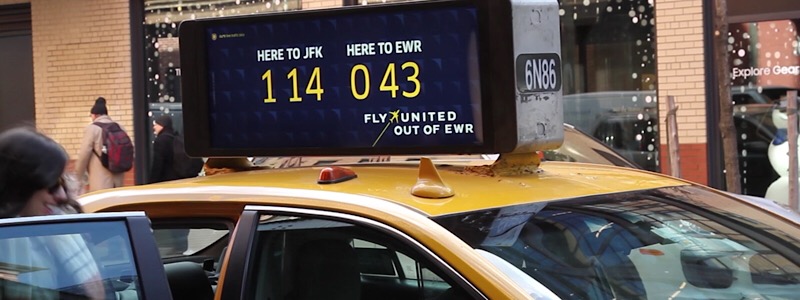
Many people think digital only means ads on phones and laptops. In modern planning, it includes any ad delivered through digital systems, including digital screens in the physical world.
The IAB defines DOOH as digital media used for marketing outside the home using digital screens in public and commercial spaces that deliver dynamic content and ads.
That is why DOOH is part of the conversation when you compare types of digital advertising, especially in Puerto Rico where movement patterns and high-traffic corridors can drive reach and frequency quickly.
The Most Important Types Of Digital Advertising And What They Do Best
1) Paid Search Ads (Search Engine Marketing)
Paid search puts your message in front of people actively looking for a product or service. Search Engine Land describes SEM as combining SEO and PPC strategies to drive traffic and visibility through search queries.
Best for
- High-intent lead generation
- Capturing demand that already exists
What to measure
- Clicks, cost per click, conversion rate, cost per lead
2) Paid Social Ads
Social ads are strong when you want interest-based targeting, fast creative testing, and scalable reach.
Best for
- Awareness and consideration
- Retargeting engaged users
- Promotions and launches
What to measure
- Reach, frequency, video views, cost per result
3) Display Ads
Display ads run across websites and apps. They are often used for broad awareness and retargeting coverage.
Best for
- Top-of-funnel visibility
- Supporting larger launches
What to measure
- Impressions, CPM, click-through rate, assisted conversions
4) Retargeting (Remarketing)
Retargeting follows up with people who already visited your site or engaged with your brand. It works best as a system, not as a standalone strategy.
Best for
- Bringing back undecided buyers
- Reinforcing a time-sensitive message
What to measure
- Frequency, cost per acquisition, incremental lift where available
5) Video And Streaming Ads
Video works when you need attention, recall, and clearer explanation. This includes online video placements and streaming environments.
Best for
- Brand building at scale
- Product education and story
What to measure
- Completed views, cost per view, reach, lift signals where available
6) Native Ads (Sponsored Content Style)
Native ads match the surrounding editorial experience while staying labeled as sponsored. They can support longer-form education.
Best for
- Consideration-stage audiences
- Complex offers that need context
What to measure
- Time on page, scroll depth, assisted conversions
7) Audio Ads (Streaming And Podcasts)
Audio reaches people while commuting, working, and multitasking. It is often used to build frequency and recall.
Best for
- Repetition and recall
- Local promotions when you want consistent exposure
What to measure
- Reach and frequency, completion rate when reported
8) Email Sponsorships And Newsletter Ads
Newsletter placements can be efficient for curated audiences. They are simple and easy to track.
Best for
- Niche audiences and local communities
- Events and limited-time offers
What to measure
- Clicks, conversion rate, cost per acquisition
9) DOOH (Digital Out Of Home)
DOOH includes digital billboards and other digital screens outside the home. It is designed for high-visibility reach in real-world environments, with creative flexibility and measurable delivery.
Best for
- Rapid awareness in high-traffic areas
- Building frequency and trust across a region
- Campaigns that benefit from contextual placement
What to measure
- Impressions, reach estimates, frequency, CPM-style efficiency
bMedia positions its island-wide network as able to reach 90% of the population in minutes, supported by 500+ high-impact locations and multiple formats across Puerto Rico.
If you want to understand how bMedia thinks about placement strategy, see the importance of billboard placement.
 Planning Rules That Make These Types Of Digital Advertising Work Better
 Planning Rules That Make These Types Of Digital Advertising Work Better
This is where most “list” articles fall short. The channel matters, but planning decisions decide performance.
Choose Formats Based On Your Goal
Awareness
- DOOH, video, display, social reach campaigns
Leads and bookings
- Paid search, retargeting, high-intent social, landing page alignment
Store traffic
- DOOH plus geo-aware social and mobile support
Match Message Length To The Format
- Short, bold message works best for DOOH and quick-scroll social
- Longer explanation works best for video and native
bMedia emphasizes outdoor creative best practices such as readability, contrast, and legibility at distance. Keep the copy short and the layout clean so the message lands fast.
Build A Simple Timeline
- Creative development and approvals
- Launch window
- Optimization cadence
- Reporting schedule
Puerto Rico campaigns often involve movement across metro corridors and regional routes. If you are planning around areas like San Juan, Bayamón, Carolina, Caguas, Ponce, or Mayagüez, it helps to think in terms of where your audience is most consistently exposed, not only where you want them to buy.
Measurement Basics You Should Use In Any Digital Plan
If you want reporting that builds confidence, use shared definitions that translate across channels.
CPM (Cost Per Thousand Impressions)
CPM is the price advertisers pay for 1,000 impressions and is used both as a pricing model and as an efficiency metric.
Reach Vs Frequency
- Reach: how many unique people saw your ad
- Frequency: how often they saw it
For bMedia’s perspective on how these metrics differ in outdoor advertising, see impressions vs reach and reach vs frequency.
Programmatic DOOH (If You Need Flexibility)
If your plan needs faster adjustments and data-driven delivery controls, programmatic DOOH can be part of the buying approach. bMedia’s overview of programmatic DOOH explains the concept in plain language.
How bMedia Fits In A Modern Mix
A strong plan rarely uses only one channel. The best approach is usually a mix of demand capture and reach.
Here are three simple examples that map to common business goals:
Example 1: New Location Launch
- DOOH for fast island visibility and repeated exposure
- Paid social for audience targeting and creative testing
- Retargeting to re-engage site visitors
Example 2: Local Service Business
- Paid search to capture high-intent demand
- Retargeting to reduce drop-off
- DOOH to build trust and reinforce your presence in the service area
Example 3: Seasonal Promotion
- DOOH with creative versions that match the season and location context
- Social for distribution and retargeting
- Email sponsorships for local bursts if the audience fit is right
This is the practical reason why types of digital advertising matters. You are not choosing a list. You are building a system that supports measurable outcomes.

FAQ: Types Of Digital Advertising
How many types of digital advertising are there?
There is no single official list, but most planning frameworks include search, social, display, video, retargeting, and DOOH. Add native, audio, and newsletter sponsorships when they match your audience and timeline.
Is DOOH part of digital advertising?
Yes. The IAB’s definition describes DOOH as digital media used for marketing outside the home delivered through digital screens in public and commercial spaces.
What is the best mix for Puerto Rico?
The best mix depends on your goal and audience. Many Puerto Rico campaigns combine DOOH for reach and frequency with paid search and retargeting for demand capture, especially when you need both visibility and measurable response.
Final Takeaway
If your goal is to rank for types of digital advertising, you need to cover the full landscape. If your goal is to plan smarter in Puerto Rico, you also need real-world context: where your audience moves, how fast you need to reach, what creative can be read quickly, and what metrics you will report.
bMedia’s outdoor media network is positioned for island-wide reach, technology-forward planning, and measurable outcomes across Puerto Rico.